Machine Learning Model Development in California
Machine Learning Model Development in California
Advance your tech with machine learning model development in California. SoftDoes builds secure, scalable, and compliant systems tailored to high industry standards.
Let's build together.
Talk with a senior engineer about your product idea, architecture, and what it would take to build it.
90+
Active Client Partnerships
80+ Person
Product & Engineering Team
100%
Your Code & IP Ownership
U.S.-Led
Delivery & Accountability
Services we offer
- 01Machine Learning Model Development
> MODELS DESIGNED FOR PRODUCTION <
We develop, train, and evaluate machine learning models around clear business goals and live constraints. Our work covers fraud scoring, demand forecasting, churn prediction, credit risk models, recommendations, and document classification.
- Clear success metrics
- Feature engineering on real data
- Robust validation and testing
- Latency-aware architectures
- Compliance-ready logging
> CALIFORNIA-GRADE QUALITY AND SCALE <
Need models that handle Bay Area or Los Angeles traffic without falling over? We integrate with AWS, GCP, Azure, Snowflake, and existing tools used by California teams. Our engineers manage the full lifecycle: data prep, modeling, experiments, deployment, and post-launch tuning.
- Cloud cost optimization
- Monitoring and drift alerts
- Versioned experiments and rollbacks
- Explainable outputs for audits
We and our team build machine learning solutions that fit your operational efficiency goals, whether that means faster decisions, fewer errors, or lower costs per transaction.
- 02Artificial Intelligence Development
> END-TO-END AI SYSTEMS, NOT FRAGILE DEMOS <
We design and build AI systems that combine models, APIs, and user flows into working software. This is software development that blends classical machine learning, deep learning, and modern LLMs into your data stack. The result is artificial intelligence that fits your operations. The problem we solve: scattered tools, manual decision-making, and siloed data slow down California teams dealing with high volumes and tight margins. Our team handles architecture, implementation, integration, and quality controls for these AI systems.
- Use cases mapped to ROI
- Secure data access patterns
- Cloud-native deployment
- Human-in-the-loop review
- Integration with existing tools
- Explainable outputs for stakeholders
- 03AI-Driven Process Automation
> CUT MANUAL WORK, KEEP CONTROL <
We automate document flows, ticket triage, lead routing, invoice checks, and support tasks using ML models, rules, and AI agents. This means triggering actions across CRMs, ERPs, support desks, and internal tools without manual intervention. We design guardrails, audit logs, and human review steps so leaders stay comfortable with automation and can automate everyday business operations without losing oversight.
- Email and ticket triage
- Invoice and contract extraction
- Lead scoring and routing
- Back-office workflow bots
- Approval chain automation
- Exception flagging for review
- 04Custom AI Solutions
> TAILORED AI, BUILT AROUND YOUR STACK <
We build one-off or domain-specific solutions for California companies instead of forcing generic SaaS tools. This means combining ML models, LLMs, retrieval, and business logic into targeted solutions like underwriting tools, risk consoles, or online learning platforms. Off-the-shelf tools rarely match internal workflows, compliance rules, or California customer expectations. Companies here compete on differentiated experiences and must avoid one-size-fits-all AI platforms. We design for clear ownership: your team gets full access to code, infra definitions, and ML artifacts.
- Domain-tuned LLMs
- Search and retrieval over private data
- Custom dashboards and workflows
- Secure multi-tenant architectures
- 05AI Operationalization
> ML THAT STAYS HEALTHY IN PRODUCTION <
AI operationalization means monitoring, alerting, retraining, CI/CD for models, and rollback paths. Many California teams have working notebooks but no safe way to ship models into their apps or data pipelines. That gap kills value. Regulated sectors and brand-sensitive startups cannot risk unstable or opaque AI behavior. We implement MLOps practices on AWS, GCP, Azure, or on-prem, fitting into existing DevOps and data engineering setups. Our work supports digital transformation initiatives by making AI systems reliable enough to trust with real decisions.
- Model CI/CD pipelines
- Automated retraining schedules
- Performance and drift dashboards
- Role-based access control
> MODELS DESIGNED FOR PRODUCTION <
We develop, train, and evaluate machine learning models around clear business goals and live constraints. Our work covers fraud scoring, demand forecasting, churn prediction, credit risk models, recommendations, and document classification.
- Clear success metrics
- Feature engineering on real data
- Robust validation and testing
- Latency-aware architectures
- Compliance-ready logging
> CALIFORNIA-GRADE QUALITY AND SCALE <
Need models that handle Bay Area or Los Angeles traffic without falling over? We integrate with AWS, GCP, Azure, Snowflake, and existing tools used by California teams. Our engineers manage the full lifecycle: data prep, modeling, experiments, deployment, and post-launch tuning.
- Cloud cost optimization
- Monitoring and drift alerts
- Versioned experiments and rollbacks
- Explainable outputs for audits
We and our team build machine learning solutions that fit your operational efficiency goals, whether that means faster decisions, fewer errors, or lower costs per transaction.

PRODUCTS BUILT ACROSS INDUSTRIES
Finance
We build ML models for risk scoring, fraud detection, pricing, and treasury automation for banks and fintechs. Our AI solutions support invoice to cash processes and the cloud financial close market.
Healthcare
We develop HIPAA-compliant decision-support tools and patient risk models for providers and healthtech startups, ensuring privacy and reliable customer service operations.
Education
We assist edtech companies and universities in forecasting engagement, personalizing content, and detecting drop-off risks. Our AI software development supports productivity and learning businesses reshaping skill-building.
Construction
We develop models for schedule risk, cost forecasting, safety analytics, and field-report processing for California construction firms. Our AI-driven automation integrates with project management systems to accelerate workflows.
Technology
We help tech companies build custom machine learning models, AI-powered software solutions, AI agents, computer vision, and natural language processing when off-the-shelf tools fall short.
Startups
We partner with funded startups to build scalable AI systems. Balancing speed, cost, and correctness, we support mobile app development and web development, helping startups retain high value users through better product intelligence.
Compliance
We design systems with strong controls, traceability, and change management for regulated industries. Governed machine learning in California ensures audit readiness and end-to-end transparency, supporting financial close requirements.
Energy
We build forecasting, anomaly detection, and asset monitoring models for utilities, renewable projects, and energy tech firms. Our AI solutions deliver reliability and actionable intelligence for high-stakes operational decisions.


Transparency at each stage
Discovery & Alignment
Defined goals and a precise roadmap ensure your vision is realized without unexpected pivots or hidden costs.
Technical Strategy
Senior engineers select the optimal tech stack with clear architectural reasoning for long-term scalability.
Iterative Development
Gain real-time access to code and staging environments with regular demos to track every milestone as it happens.
Careful Testing
Receive transparent QA, security, and performance audits to ensure a flawless and stable launch every time.
Deployment & Support
Stay in total control with full documentation and proactive monitoring to keep your systems running at peak performance.

Numbers Don’t Lie
Recent projects showcasing how we design, engineer, and deliver production-ready software solutions.

- Startup
- Real Estate
Our Haus AI
A finance professional turned founder built Our Haus AI, an AI-powered collaborative workspace where homeowners and contractors scope, bid, contract, and document renovation projects together. SoftDoes took her prototype and made it production-ready.- 10XMVP scope delivered
- 2+years Ongoing partnership
- 1Fully owned Platform

- Finance
- Energy
Deepwater Insights
Deepwater Insights delivers proprietary alternative data and niche research on the offshore drilling and energy sector to institutional investors, family offices, and high-net-worth individuals who require coverage that larger firms don't provide.- 100%Brand Continuity
- 2Platform Distribution
- 100%Paywall-Ready Content

- Real Estate
The building buyer
The Building Buyer is a Florida-based real estate investment firm co-founded by Dylan Troiano and Charles Hanlin. They acquire single-family, multifamily, and commercial properties across South Florida and beyond, with a focus on motivated seller opportunities.- 18Weekly hours saved
- 2+Years Ongoing partnership
- 1Fully owned Platform

- Education
- Non-Profit
WOVEN & NICE
Woven is a Spring Valley, NY nonprofit running the NICE program (New Training Inclusive Community Environment) in four Rockland County schools. Their team supports students through restorative practices, mediation, and professional development for teachers and administrators.- 4Schools Served
- 4Weeks to Launch
- 1STTime on Upwork

- Healthcare
CareInTouch
CareInTouch is a Bay Area home health agency providing skilled nursing and therapy services to patients referred from hospitals and clinics. With over 100 staff, they operate in one of the most complex and compliance-driven healthcare markets in the country.- 40% Reduction In Billing Errors
- 100+Staff Operations Managed
- 0Missed Compliance Deadlines

- Startup
Sparkle The Cleaning Service
Sparkle The Cleaning Service is a Detroit-area residential cleaning company with 10 years in business, connecting homeowners with vetted, insured independent cleaners through a subscription-based marketplace platform.- 75% Platform Transparency
- 2XPlatform Growth
- 40%Higher User Retention

- Startup
DineMate
DineMate is a Maryland-based dating and connecting platform built around verified profiles, restaurant reservations, and prepaid dining experiences. Founded to bring back authenticity to how people meet and connect.- 60% Time Saved
- 99%System Reliability
- 40%Higher User Retention

- Healthcare
Prior Authorization AI
Prior Authorization AI is a healthcare automation startup building AI-powered tools to streamline prior authorization for Medicare and Medicaid medical transportation providers in New Jersey.- 16Weekly hours saved
- 63%Admin time reduced
- 43%Fewer submission errors

- Education
Grand Central Language Services
Grand Central Language Services provides translation and interpretation for organizations operating in complex, multilingual environments. As demand grew, internal workflows became harder to manage. SoftDoes built a custom platform to streamline coordination, improve visibility, and support scalable operations.- 72%Workflow Reduction
- 48%Coordination Reduction
- 83%Visibility Increase

- Healthcare
FMY Orthodontics
FMY Orthodontics, a multi-location practice in West Tennessee, partnered with SoftDoes to replace a spreadsheet-based financial workflow with a custom web platform. The goal was to simplify how staff present treatment financing while allowing patients and families to review and complete decisions remotely.- 60%Workflow Reduction
- 75%Remote Adoption
- 5Locations Aligned

Forbidden Alchemy
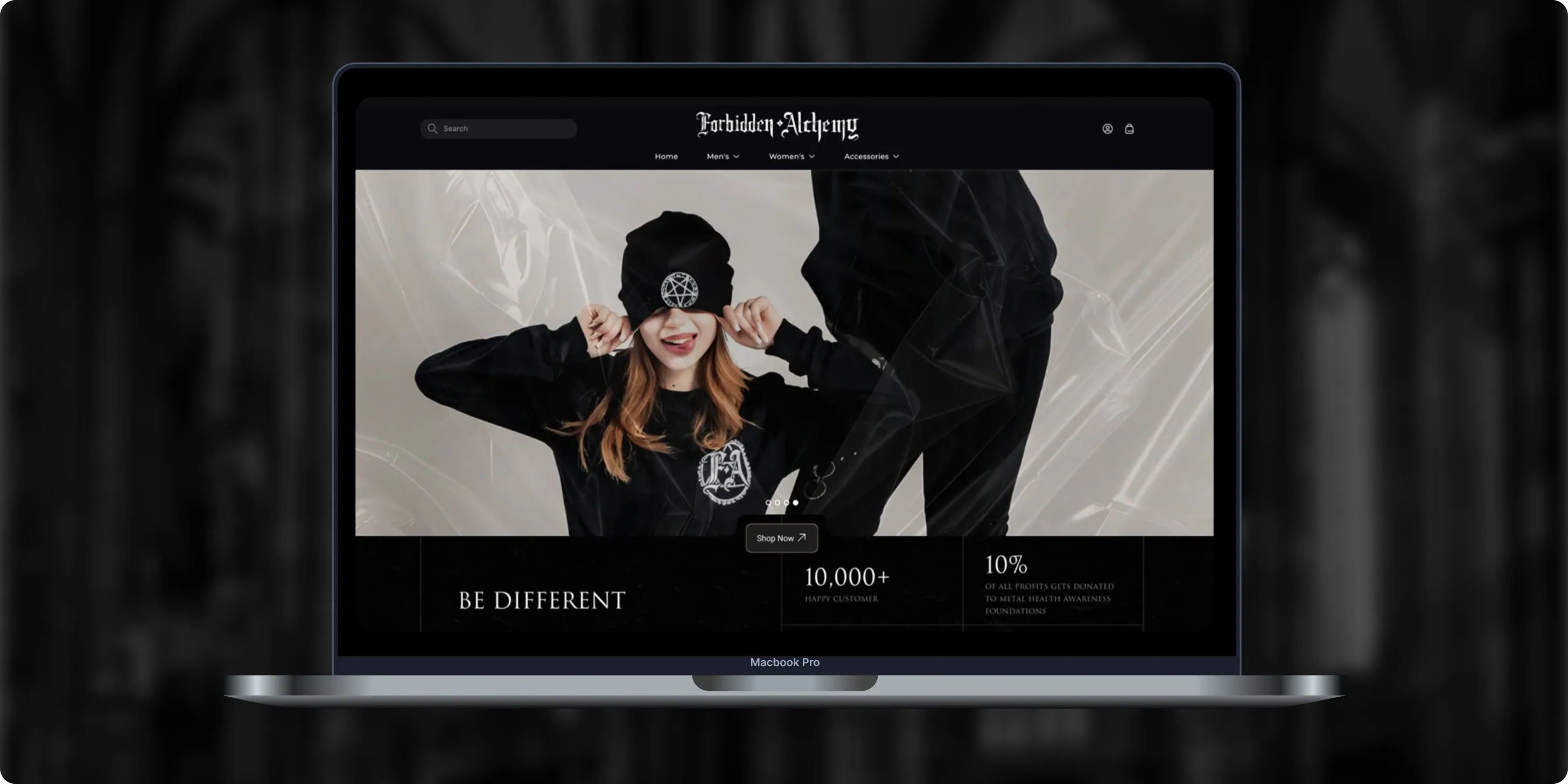
Forbidden Alchemy is an alternative fashion brand creating dark, provocative clothing for the metalhead community, with 10% of profits donated to mental health awareness. Its mostly mobile audience struggled with a store that was hard to navigate and weak on functionality.- +44%Revenue Month Over Month
- 86%Design Satisfaction
- 2.8XUser Retention Growth
Altera
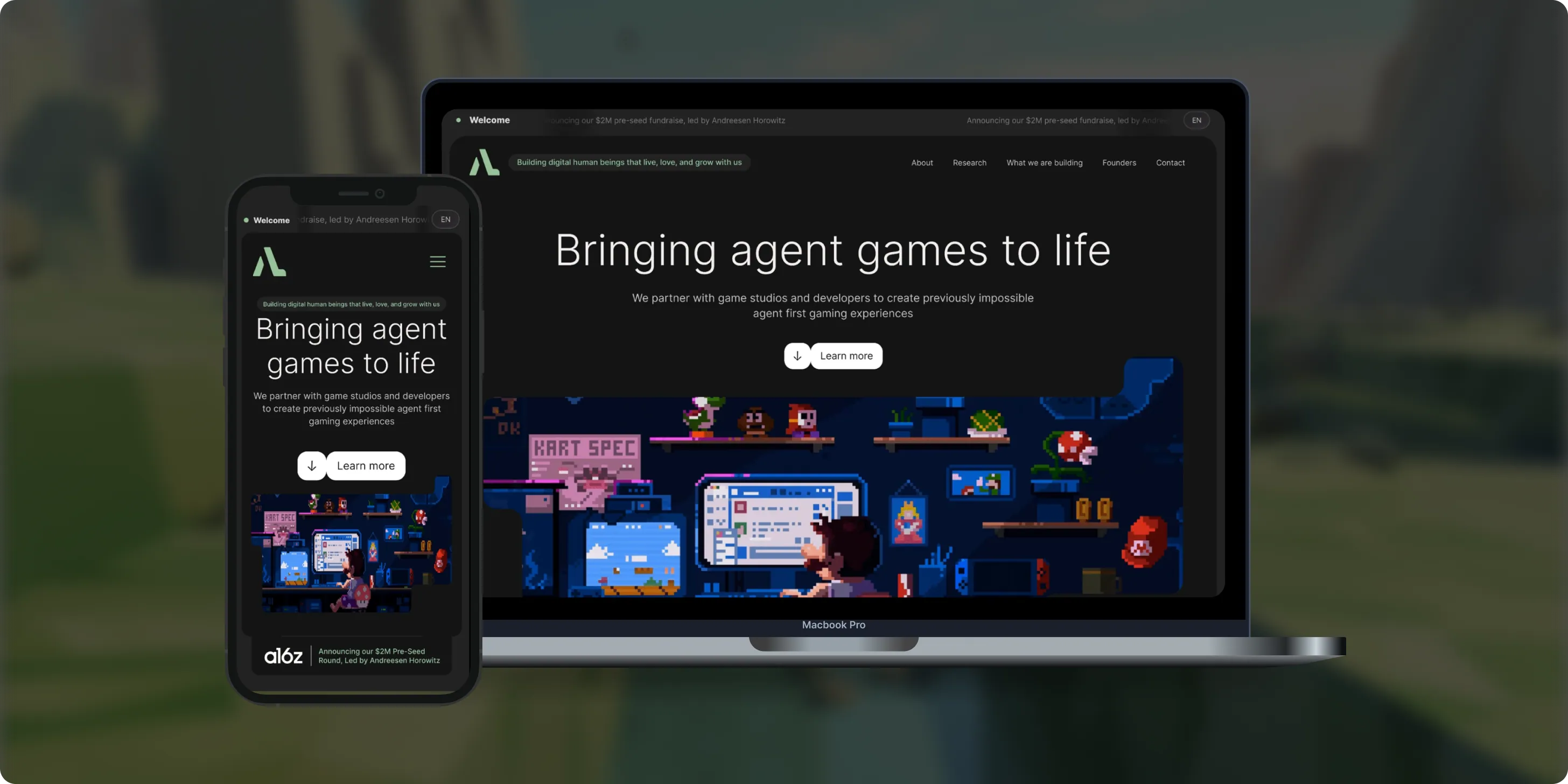
Altera builds on decades of computational neuroscience research to create digital human beings for gaming. Backed by a $2M pre-seed round led by Andreessen Horowitz, the team needed a landing page that could explain complex agent technology to players, partners, and investors.- 98%Dynamic Customization
- 100%Streamlined Navigation
- $2MPre-Seed Round
- Real Estate
Brizacorp
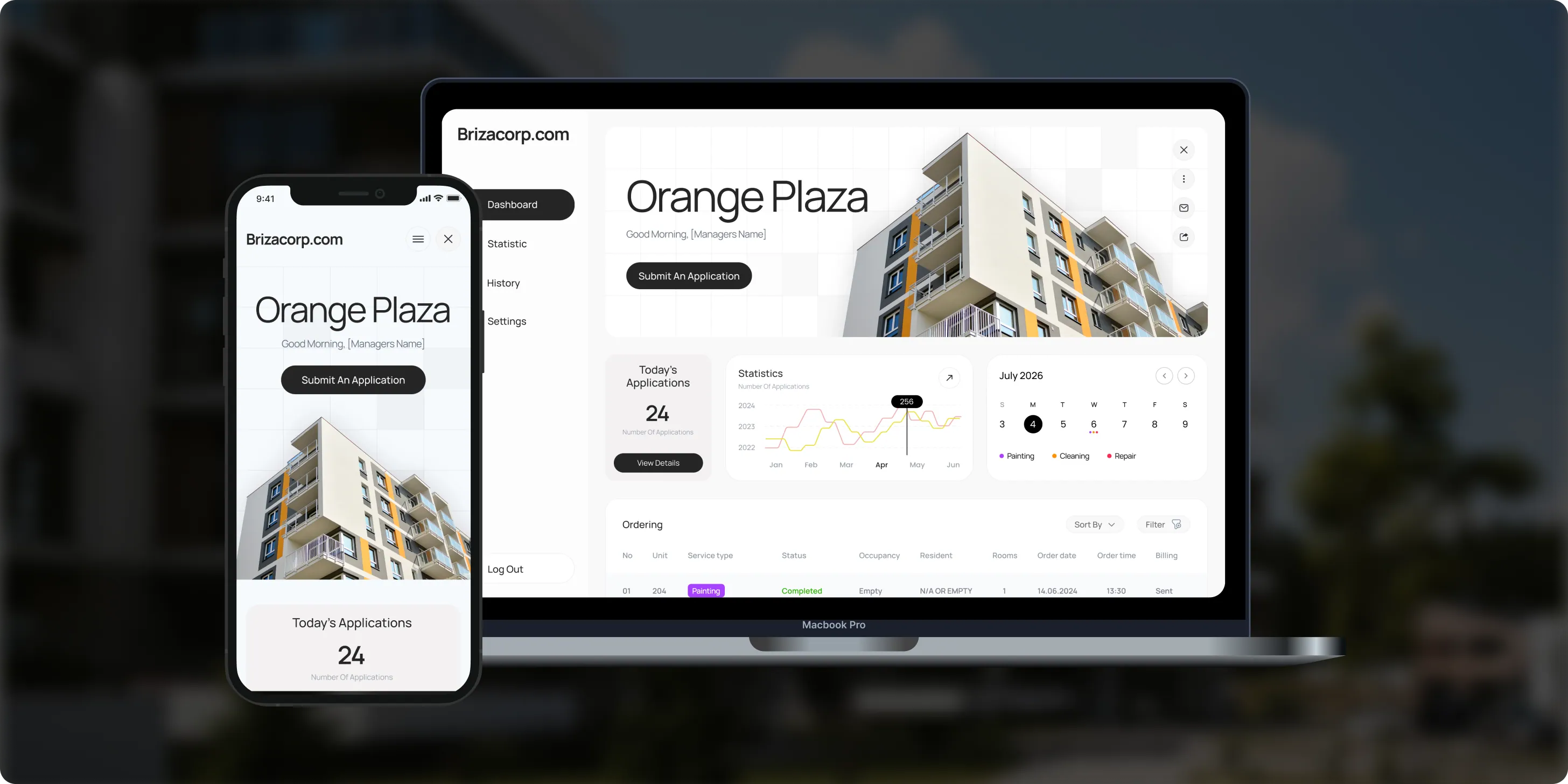
Brizacorp manages residential properties and coordinates the staff who handle painting, cleaning, and repair requests. Its team tracked work across messengers, phone calls, e-mail, and paper planners, with no single place to manage requests or measure performance.- 98%Application Stability
- 95%Utilization Rate
- 30%Faster Task Completion
Color & Harmony
Color & Harmony is a Kentucky-based color consulting studio led by certified color strategist Diana Cartaya. The studio needed a website that reflects its refined aesthetic, showcases its portfolio, and explains a science-based color process in simple language.- 45%Conversion Rate Increase
- 50%Higher User Engagement
- 2Months to Launch

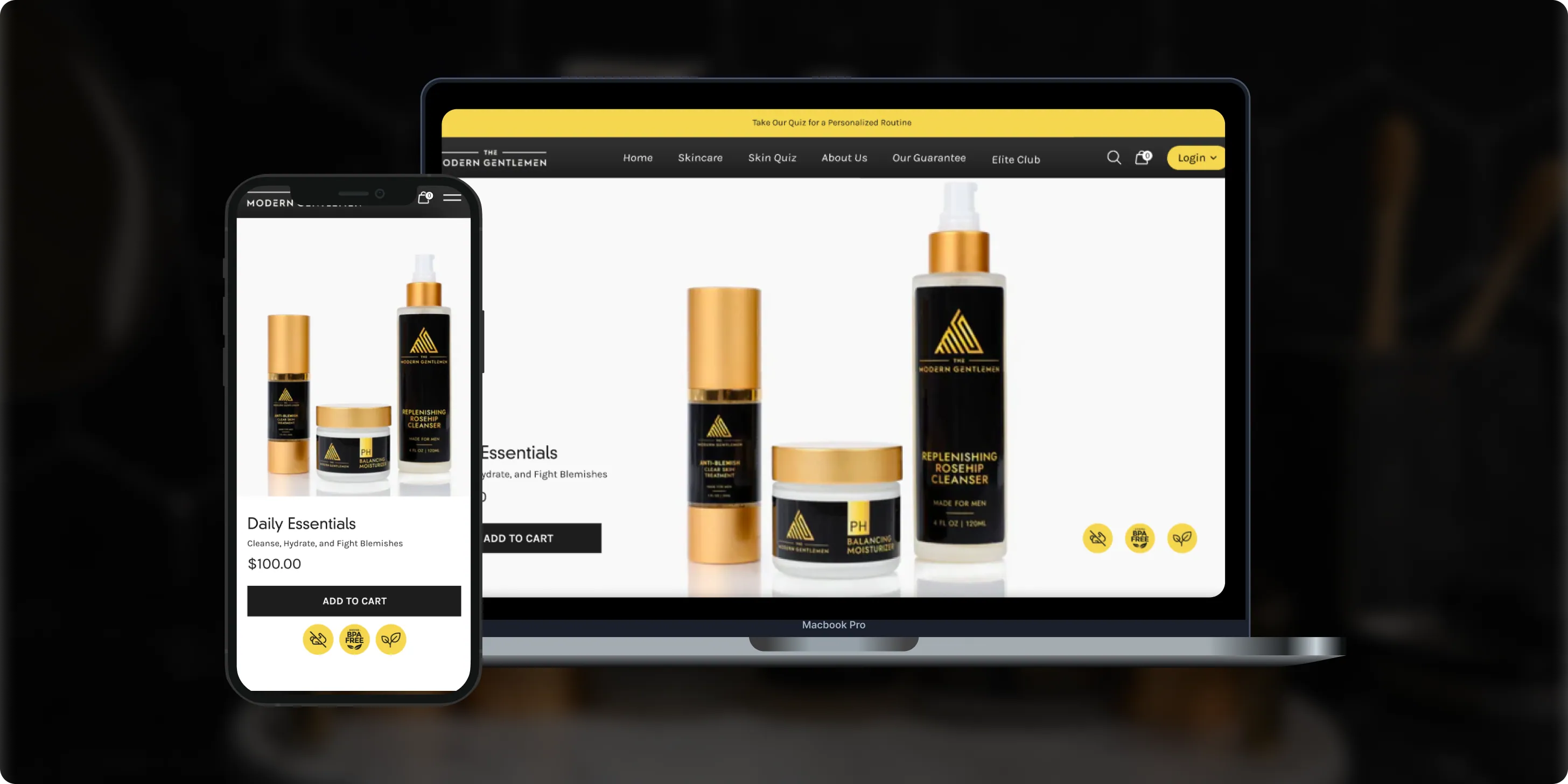
The Modern Gentlemen
The Modern Gentlemen sells premium men's skincare featured in Men's Health, GQ, and Men's Journal. Its customers wanted an efficient routine, but generic product suggestions and limited skincare knowledge made choosing the right products hard.- 30%Increase in Conversions
- 25%Higher Customer Retention
- 92%Mobile Purchases
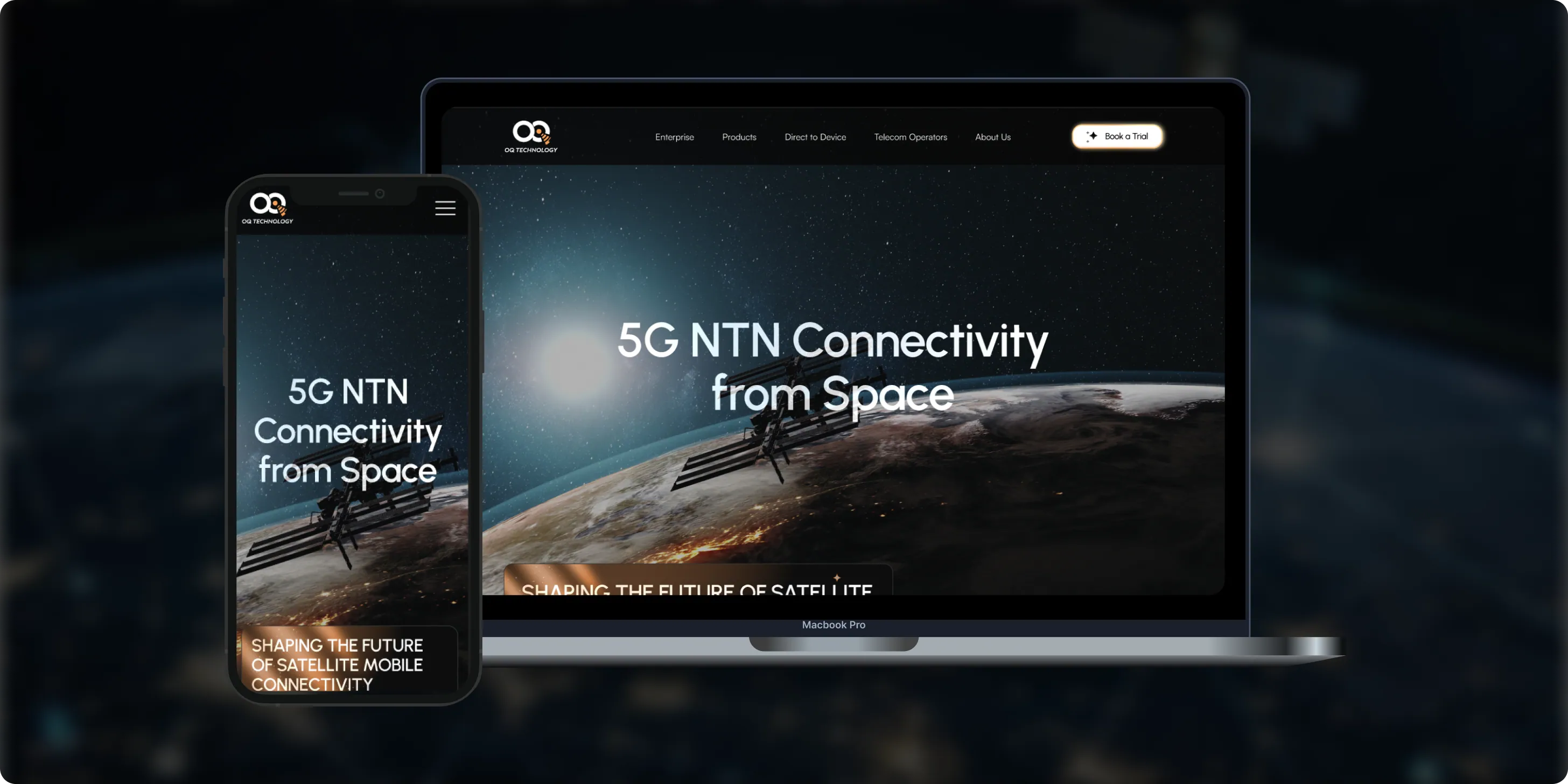
OQ Technology
OQ Technology connects IoT devices, machines, and people anywhere on the planet through its satellite network, serving energy, maritime, logistics, agriculture, and mobile operators. Its website made it hard to explore products and reach pricing plans.- 4Pricing Plans Clarified
- 3Dedicated User Flows
- 1Unified Platform
- Real Estate
- Finance
Stay Vest
Stay Vest is a private real estate investment firm that acquires, renovates, and operates boutique hotels for cash flow, tax benefits, and equity gain. It needed a platform that explains its strategy and earns the trust of passive investors.- 1,500+Guest Stays
- 200+Rooms Managed
- 5States Covered

Bokeyno Motorsports
Bokeyno Motorsports is the leading mobile installer of vertical doors for high-performance cars. This Shopify website isn’t just about services—it’s a bold statement of power, style, and expertise. With a sharp layout, strong visuals, and real-world case studies, the site delivers all the information car enthusiasts need to book confidently and instantly.- 54%Booking Requests
- 43%Lead Conversion
- 32%Qualified Inquiries

ai document processing platform
A comprehensive talent solution designed to help companies attract, hire, and retain top talent more effectively. The platform combines AI-powered recruitment technology with employee financial wellbeing programs, enabling smarter hiring decisions while supporting employees’ financial stability and long-term engagement.- 62%Faster Processing Time
- 78%Less Manual Work
- 35%Improved Accuracy

WHAT CLIENTS SAY
Independently verified reviews from real clients on Clutch.co


Client Story
Real feedback from
FMY Orthodontics

“SoftDoes consistently found ways to make things work, added features we had not originally envisioned, and never became frustrated. It felt like working with a true partner who cared about the success of our practice.”
Dan Merwin
DDS, MS, President, FMY Orthodontics

Client Story
Real feedback from
Prior Authorization AI
“Every time I sent a request, if there was anything that didn't work, they were able to turn it around quickly. Even when there were no updates yet, they always reached out to let me know they were working on it.”
Joseph Oluwo
Founder of Prior Authorization AI


Client Story
Real feedback from
WOVEN
“What stood out most was their commitment to understanding our needs before presenting solutions.”
Danna Pastran
Administrative Operations Manager, WOVEN

Client Story
Real feedback from
Grand Central Language Services
“The site performs as intended and provides the foundation for our company's digital presence.”
Joe Goldstein
QA Manager, Grand Central Language Services


Client Story
Real feedback from
DineMate
“They go above and beyond.”
Eric Snead
CEO, DineMate "Dating Connecting Platform"
WHAT CHANGED IN PRACTICE
Clients didn’t stay because of promises. They stayed because delivery became predictable, ownership was clear, and the product kept moving forward after launch.
- 01Direct Access to Senior Engineers
You speak directly with the engineers designing your ML models, data pipelines, and cloud systems. We limit intermediaries so decisions about model scope, tradeoffs, and deployment get made quickly and clearly. This direct communication helps complex AI and machine learning projects in California avoid delays and misalignment. Our AI software development team for California stays close to the work, so nothing gets lost in translation between business requirements and technical implementation.
- 02Predictable Delivery
We break work into clear increments with defined outcomes: data readiness, baseline model, production rollout, and tuning. Each increment has its own estimate, demo, and acceptance criteria, reducing surprises. This approach keeps structured machine learning implementation schedules transparent even when experiments change direction. You know what’s coming, when, and what it will cost, before we start each phase.
- 03Built to Last Past Launch
We design systems for ongoing maintenance: versioning, monitoring, retraining, and documentation. We assume models will need updates as data shifts, business rules change, and California markets evolve. We structure repositories, infrastructure, and tests so your internal team or SoftDoes can extend them later. Long-term AI solution architecture means thinking about year two and three while building year one.
- 04No Babysitting Required
We run with clearly defined goals and keep you updated without needing daily nudges. You get regular status updates, concise reports, and proactive risk calls around data, models, or integrations. This is especially important for California leaders juggling multiple initiatives and limited time. Managed AI development services from SoftDoes mean execution happens whether or not you’re watching.
Technologies We Use
 SwiftUI / Kotlin
 Flutter
 React Native
 Vue.js
 TypeScript




Frequently Asked Questions
Everything you need to know about working with SoftDoes. Can’t find an answer?
What should California companies track with LLM observability once machine learning features go live?
California companies should track prompts, responses, latency, token use, cost, errors and answer quality for every LLM call. That record is LLM observability. It lets teams find bad answers, prompt problems and cost spikes, then fix them before users notice. California companies running AI features need it once real users arrive. SoftDoes sets it up as part of our ML model development work.
How does SoftDoes deploy machine learning models for California companies at scale?
SoftDoes deploys machine learning models by packaging each with its dependencies and serving it through an API or batch job. Monitoring covers accuracy, drift and latency, and version control for both data and models makes rollback possible. Cloud tools on AWS, Google Cloud or Azure handle scaling, and latency-aware designs keep predictions fast under heavy California traffic. Learn about deployment in our ML model development services.
How do California biotech teams use machine learning in drug discovery?
California biotech teams use machine learning to predict how molecules bind to targets, screen huge compound libraries, design new candidates and find patients for trials. It narrows which experiments to run in the lab. California has a large biotech cluster in the Bay Area and San Diego, where these data needs are common. SoftDoes builds data pipelines and machine learning models for life sciences teams.
How can a California team improve an underperforming machine learning model?
A California team improves a weak model by adding better, more representative data, cleaning labels and engineering useful features. Tuning settings and testing other model types help too. Check errors by group to see where it fails, and monitor it after release for drift. California teams often get the biggest gains from data quality rather than a bigger model. Our ML model development team follows this loop.
How long does machine learning model training take for a California company?
Machine learning training time depends on data size, model size and hardware. A small model on tabular data trains far faster than a large deep learning model. Most project time goes into preparing data and testing, not training itself. Versioned experiments keep each run comparable. For California companies, a proof of concept takes a few weeks with our ML model development team.
What can a California logistics company forecast with a machine learning model, and how soon?
A California logistics company can forecast demand or delivery times with a machine learning model, starting with a proof of concept in a few weeks. A production release then takes several weeks to a few months, depending on data quality and system links. Discovery takes 2 to 4 days and sets the exact timeline. See our logistics software work.
How does the California Consumer Privacy Act (CCPA) affect machine learning projects in California?
The CCPA affects machine learning projects in California when models train on or score personal data of state residents. Teams should track which data feeds each model, honor requests to know and delete, limit access to training data, log use and secure it with encryption. Profiling and sensitive data need extra care. This is not legal advice. See the Attorney General's CCPA page.
Does SoftDoes offer AI and machine learning development services across the USA, including California?
Yes, SoftDoes is a U.S. company that offers AI and machine learning development services to companies across the USA, including California. Projects run remotely over video calls, covering data preparation, modeling, experiments, deployment and tuning after launch. Models integrate with AWS, GCP, Azure, Snowflake and the tools your team already uses. A predictive model starts from $8,000, and an NLP model from $7,000.
Can machine learning automate invoice checks and lead routing for California companies?
Yes, machine learning can automate invoice checks, contract extraction, ticket triage and lead scoring and routing for California companies. Models and AI agents trigger actions across CRMs, ERPs, support desks and internal tools without manual steps. Guardrails, audit logs and human review keep leaders in control, and exceptions are flagged for review. AI workflow automation starts from $2,500 for the first workflow and $6,500 for three.
Who owns the code and ML artifacts from a California machine learning project?
The California company owns everything from its machine learning project: the code, infrastructure definitions and ML artifacts such as trained models and training pipelines. SoftDoes designs for clear ownership from the start, so your team has full access during the build, not only at handover. Explainable outputs and versioned experiments make it easier to audit and maintain later. Ongoing support is optional and starts from $500 per month.
Custom Energy Management Software Building: A Practical Guide for 2026
Energy
Energy costs across the U.S. and Canada are rising fast, and the tools many organizations rely on to manage those costs are not keeping up. If your portfolio spans multiple buildings, complex loads, or distributed energy resources, off the shelf platforms often fall short. This guide walks through when and how to invest in custom energy management software building, from scoping and architecture to AI features and long term maintenance.
How to Build Utility Billing Software: A Practical Guide for U.S. and Canadian Utilities
Energy
Game Platform Development: Building Scalable, Profitable Ecosystems in 2026
Web development
Game platform development is where studios and enterprises build the shared backend, tools, stores, and analytics that power not just one game but many. This article covers the strategy, software architecture, core modules, engine choices, and phased roadmap you need to launch or upgrade a game platform in the U.S. or Canadian market.