

UI/UX Design Services
Design digital products that are easy to use, visually consistent, and ready for engineering. SoftDoes combines user research, UX architecture, interface design, prototyping, usability validation, design systems, and development support for web and mobile products.

























User-Centered Design That Drives Business Results
Our UX/UI design process is grounded in user research, business goals, and real-world usability — not assumptions or trends. From early concepts to polished interfaces, we create designs that are easy to use, scalable, and aligned with your product strategy.
Discovery & Research
We analyze business goals, user needs, and market context to define clear design direction and reduce early product risks.
UX Structure & User Flows
We design user journeys, flows, and wireframes that ensure clarity, usability, and smooth interaction across the product.
UI Design & Prototyping
We create visually consistent interfaces and interactive prototypes to validate design decisions before development.
Handoff & Support
We deliver development-ready design assets and support implementation to ensure design accuracy and consistency.
Featured Work
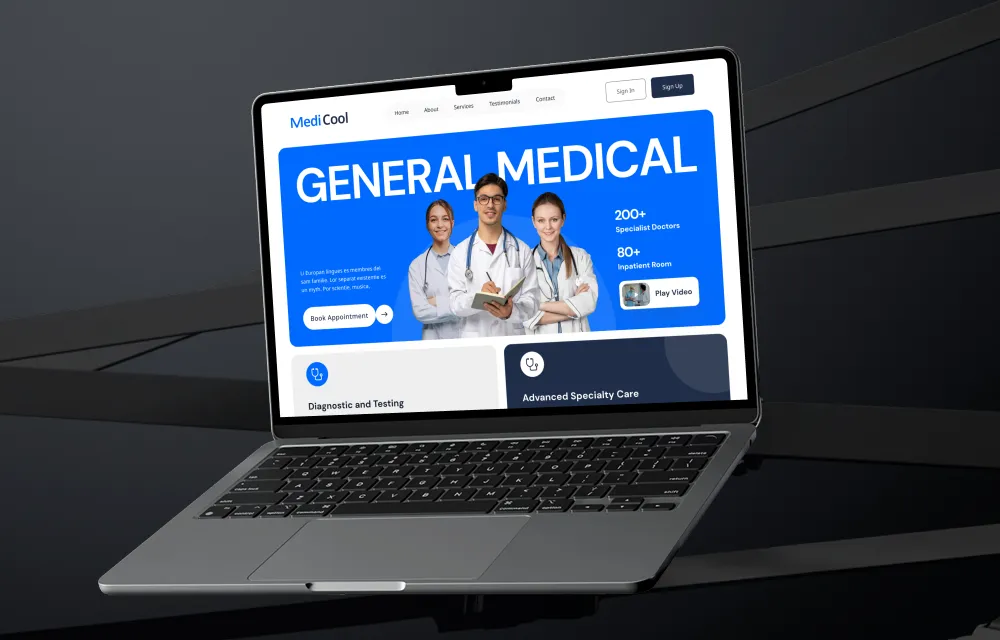
Medi Cool
- Brand Identity
- UI Design
- UX Design
- Mobile First Design
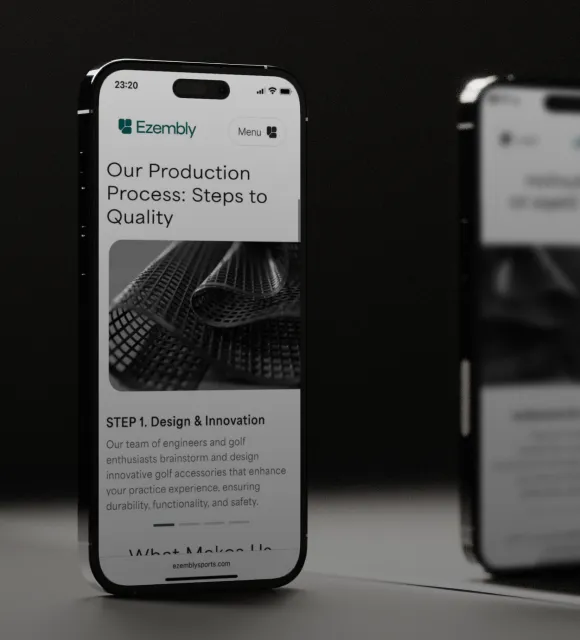
Ezembly
- UI Design
- Mobile First Design
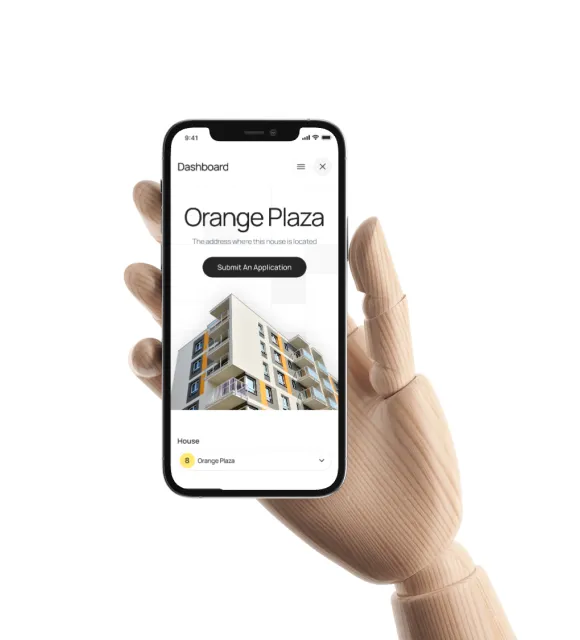
Orange Plaza
- UI Design
- Mobile First Design
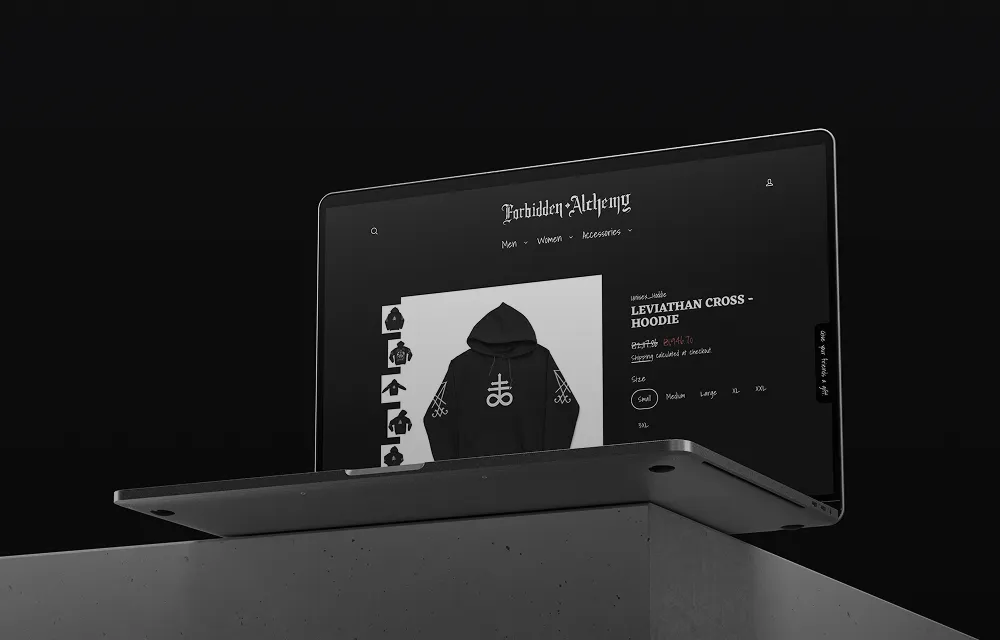
Forbidden Alchemy
- Brand Identity
- UI Design
- UX Design
- Mobile First Design

Explore UI / UX Design Services
Frequently Asked Questions
Everything you need to know about working with SoftDoes. Can’t find an answer?
Which UI/UX design service is right for our product?
Use UX design when the main challenge is research, flows, usability, or information architecture; UI design when the structure is known but the interface and component system need work; and product design when research, UX, UI, prototyping, and product-level decisions should be handled as one coordinated engagement.
Can you handle research, UX, UI, and prototyping as one engagement?
Yes. These activities can be combined into one design engagement with clear stages: understand users and constraints, define flows and information architecture, prototype critical interactions, develop the visual system, validate the experience, and prepare implementation-ready handoff. The depth of each stage should match the product risk and maturity.
Do you redesign existing web and mobile products?
Yes. Redesign can be incremental: audit the current product, identify the workflows and interface patterns creating the most friction, prototype targeted improvements, and coordinate changes with the existing technical architecture. A full rebuild should be recommended only when technical constraints make incremental improvement impractical.
How do you validate designs before development?
Validate the highest-risk flows before engineering through stakeholder review, clickable prototypes, user testing, or technical feasibility review. The goal is to uncover usability and scope issues while changes are still inexpensive, while recognizing that some details will still need refinement once real data and implementation constraints are available.
What deliverables are included in the final handoff?
Handoff can include final screens and states, reusable components, responsive behavior, interaction notes, design tokens or styles, assets, prototypes, accessibility considerations, and links to the design source. The designer should also clarify edge cases with engineering and review implementation where visual or interaction details are easy to misinterpret.
Can you create or expand a design system?
Yes. A design system can be created from the product’s repeated patterns, with components, variants, states, tokens, usage guidance, and governance defined at the level the team can realistically maintain. It should evolve alongside the coded component library so design and implementation do not become separate sources of truth.
Can your design team collaborate with our internal developers?
Yes. The role can be embedded into the existing team with clear ownership, ceremonies, decision rights, and handoff expectations. The first step is to understand the current roadmap or backlog, delivery process, stakeholders, and technical constraints so the added role strengthens the team rather than creating a parallel process.
How do you price UI/UX design projects?
Projects are structured around clear scope, deliverables, and measurable outcomes. We focus on long-term value and return on design investment rather than competing on lowest upfront cost. Engagements are priced to reflect the impact of good design on your business success, not simply hours spent creating graphics.