



U.S.-Based
MVP Development
Validate a product idea with a focused, production-ready minimum viable product rather than an oversized first release. SoftDoes can help define the core user problem, prioritize essential features, design the experience, build the MVP, launch it, and use feedback to plan the next iteration. We collaborate closely to adapt swiftly, ensuring your MVP evolves with validated learning.

What Is Custom MVP Development?
An MVP is a fully functional product for real users the smallest version that lets you test one critical business hypothesis with actual behavior data. A clear target user profile is crucial for MVP development. We shape scope, challenge assumptions, and build MVP foundations designed to scale into your full product, ensuring decisions post-launch are driven by real user data.
Fast Market Validation
Our discovery workshops exist for one reason: to reduce your scope to the smallest set of essential features that prove market demand. MVP development emphasizes data-driven decisions to enhance features, targeting early signups, paid accounts, or validated workflows. Early user feedback refines features, enabling rapid delivery. Most core MVPs launch in 6–8 weeks, focusing on essential features to minimize costs and maximize efficiency.
Production-Ready Architecture
SoftDoes builds clean, modular MVP architecture using React or Next.js on the frontend, Node.js or Python on the backend, and PostgreSQL as the primary data store. Cloud-native best practices are essential. We deploy on AWS or GCP using containerization, CI/CD pipelines, logging, and monitoring from day one. Agile methods deliver tested software weekly without risks.
Seamless Cloud Integration
If payments, authentication, or AI capabilities are core to your business model, they belong in the MVP - not in "phase two." We integrate services like Stripe, Auth0, Twilio, and OpenAI APIs early on, managing error states, rate limits, and fallback flows to ensure reliability. Security is foundational: role-based access, encrypted data, secrets management, and secure CI/CD. For regulated sectors, we ensure GDPR-ready compliance so your MVP passes reviews without costly rewrites.























Business Outcomes of MVP Development
78%
MVP development accelerates launch timelines for core products through agile sprints, weekly demos, and strict scope control. Unlike traditional software builds that often miss the market fit window, early MVP deployment helps startups capture market share ahead of competitors, turning speed into a competitive advantage and enabling quick onboarding of design partners post-launch.
52%
Building a minimum viable product reduces financial risk by focusing engineering efforts on core validated features rather than speculative ones. Prioritizing essential features lowers upfront investment compared to building a full version initially. Concentrating capital on validated learning minimizes code rewrites, eliminates technical debt, and improves profit margins for future phases.
96%
A functional MVP attracts venture capital by proving real user engagement rather than relying on pitch deck promises. Early adopters validate market demand, providing key metrics like activation, retention, and recurring revenue from day one. SoftDoes helps set up behavioral analytics and technical documentation for due diligence, turning early user feedback into a scalable fundraising engine.
What MVP Development do for a business
Building a Minimum Viable Product allows businesses and startup founders to transform concepts into functional software quickly and efficiently. By focusing exclusively on high value functionality, MVP development minimizes financial risk while laying a foundation for scalable product growth.
Validates Business Ideas Quickly
MVP development accelerates market entry by delivering a functional product to real users quickly. Instead of months spent on complex features based on assumptions, teams test core value propositions against real demand. Rapid testing validates if a problem is worth solving, enabling early pivots or confident focus on validated features.
Reduces Development Costs
Concentrating engineering effort on essential functionality prevents budget overruns and preserves capital. By cutting nice-to-have features early, companies reduce upfront costs and avoid costly re-architecting. Prioritizing core features maximizes ROI, ensuring capital is spent only on capabilities that deliver immediate user value.
Provides Early User Feedback
Launching an MVP creates a direct feedback loop with early adopters and active users. Real time behavioral analytics, usage metrics, and direct user input highlight pain points, feature preferences, and UX bottlenecks. This data driven insight guides the post launch product roadmap, ensuring subsequent development sprints deliver enhancements that users actually want and need.
Attracts Investors by Demonstrating Real Market Traction
A launched MVP shows execution capability, user engagement, and measurable traction like customer acquisition and retention. Presenting a live product with validated demand boosts fundraising leverage and investor confidence.
HOW WE BUILD MVPS THAT SCALE
An MVP is only valuable if it provides real market validation while keeping code maintainable. Every MVP we build relies on the same four technical pillars.




Engagement Options
We don’t just deliver code — we deliver outcomes. Our partners trust us to turn complex ideas into scalable digital products that actually work. Here’s what they say — and how we proved it.
> Time and Materials <
> FIXED PRICE <
> MANAGED TEAM <
> managed product <
How an MVP Project Runs
We begin with stakeholder interviews, user journey mapping, and business analysis to define a sharp problem statement and key success metrics. SoftDoes prioritizes the core feature backlog to prevent scope creep, ensuring the initial product targets high value user actions. At the end of this phase, we confirm project goals, engagement models, and a structured launch timeline.
Our team designs a future-proof technical blueprint tailored to performance requirements, data security, and long-term scalability. We select optimal frontend frameworks, backend microservices, vector stores, and database architectures while planning API integrations with third-party tools.
Development runs in short iterative sprints where every cycle delivers a functional, end-to-end slice of working software. Each sprint covers backlog refinement, automated code builds, quality assurance testing, and regular progress demonstrations. Continuous client review cycles ensure fast feedback integration, allowing team members to validate functionality and adapt requirements smoothly.
Before reaching public users, the MVP undergoes thorough quality testing in a staging environment. This includes performance benchmarks, cross-platform usability checks, automated regression tests, and security reviews. The team sets up production cloud environments, error tracking, user analytics, and monitoring tools to ensure a smooth release.
Once live, we monitor real-time user behavior, system performance, and conversion metrics to evaluate initial traction. The collected data directly informs a structured post-launch optimization roadmap for feature enhancements and architectural expansion. SoftDoes either continues scaling the product as your long-term engineering partner or conducts a clean technical handoff to your internal software team.



Related Software Development Services
Case Studies: MVPs That Went From Idea to Traction
These representative examples show real outcomes of MVP development across industries.

- Startup
- Real Estate
Our Haus AI
A finance professional turned founder built Our Haus AI, an AI-powered collaborative workspace where homeowners and contractors scope, bid, contract, and document renovation projects together. SoftDoes took her prototype and made it production-ready.- 10XMVP scope delivered
- 2+years Ongoing partnership
- 1Fully owned Platform

- Finance
- Energy
Deepwater Insights
Deepwater Insights delivers proprietary alternative data and niche research on the offshore drilling and energy sector to institutional investors, family offices, and high-net-worth individuals who require coverage that larger firms don't provide.- 100%Brand Continuity
- 2Platform Distribution
- 100%Paywall-Ready Content

- Real Estate
The building buyer
The Building Buyer is a Florida-based real estate investment firm co-founded by Dylan Troiano and Charles Hanlin. They acquire single-family, multifamily, and commercial properties across South Florida and beyond, with a focus on motivated seller opportunities.- 18Weekly hours saved
- 2+Years Ongoing partnership
- 1Fully owned Platform

- Education
- Non-Profit
WOVEN & NICE
Woven is a Spring Valley, NY nonprofit running the NICE program (New Training Inclusive Community Environment) in four Rockland County schools. Their team supports students through restorative practices, mediation, and professional development for teachers and administrators.- 4Schools Served
- 4Weeks to Launch
- 1STTime on Upwork

- Healthcare
CareInTouch
CareInTouch is a Bay Area home health agency providing skilled nursing and therapy services to patients referred from hospitals and clinics. With over 100 staff, they operate in one of the most complex and compliance-driven healthcare markets in the country.- 40% Reduction In Billing Errors
- 100+Staff Operations Managed
- 0Missed Compliance Deadlines

- Startup
Sparkle The Cleaning Service
Sparkle The Cleaning Service is a Detroit-area residential cleaning company with 10 years in business, connecting homeowners with vetted, insured independent cleaners through a subscription-based marketplace platform.- 75% Platform Transparency
- 2XPlatform Growth
- 40%Higher User Retention

- Startup
DineMate
DineMate is a Maryland-based dating and connecting platform built around verified profiles, restaurant reservations, and prepaid dining experiences. Founded to bring back authenticity to how people meet and connect.- 60% Time Saved
- 99%System Reliability
- 40%Higher User Retention

- Healthcare
Prior Authorization AI
Prior Authorization AI is a healthcare automation startup building AI-powered tools to streamline prior authorization for Medicare and Medicaid medical transportation providers in New Jersey.- 16Weekly hours saved
- 63%Admin time reduced
- 43%Fewer submission errors

- Education
Grand Central Language Services
Grand Central Language Services provides translation and interpretation for organizations operating in complex, multilingual environments. As demand grew, internal workflows became harder to manage. SoftDoes built a custom platform to streamline coordination, improve visibility, and support scalable operations.- 72%Workflow Reduction
- 48%Coordination Reduction
- 83%Visibility Increase

- Healthcare
FMY Orthodontics
FMY Orthodontics, a multi-location practice in West Tennessee, partnered with SoftDoes to replace a spreadsheet-based financial workflow with a custom web platform. The goal was to simplify how staff present treatment financing while allowing patients and families to review and complete decisions remotely.- 60%Workflow Reduction
- 75%Remote Adoption
- 5Locations Aligned

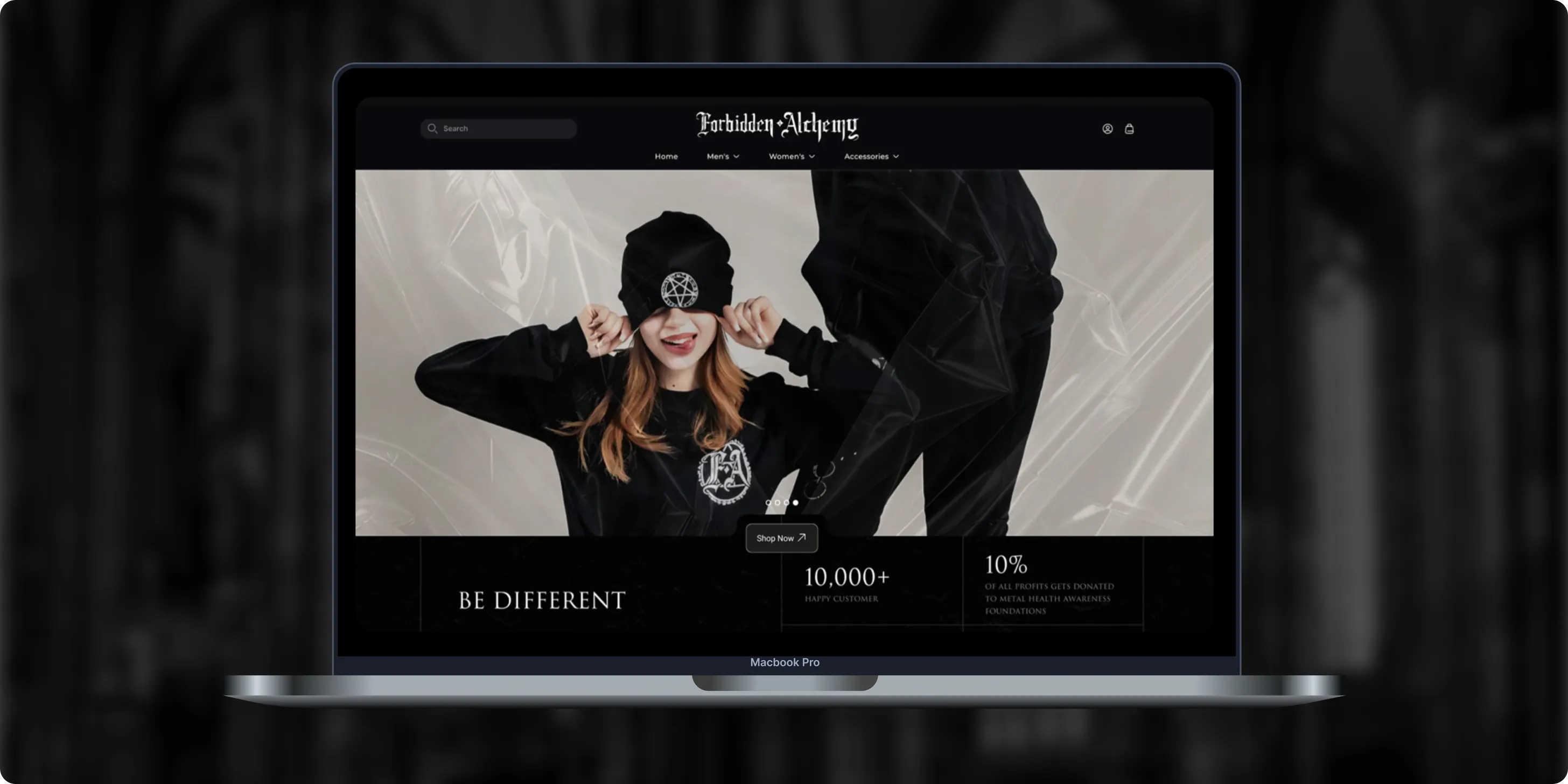
Forbidden Alchemy
Forbidden Alchemy is an alternative fashion brand creating dark, provocative clothing for the metalhead community, with 10% of profits donated to mental health awareness. Its mostly mobile audience struggled with a store that was hard to navigate and weak on functionality.- +44%Revenue Month Over Month
- 86%Design Satisfaction
- 2.8XUser Retention Growth
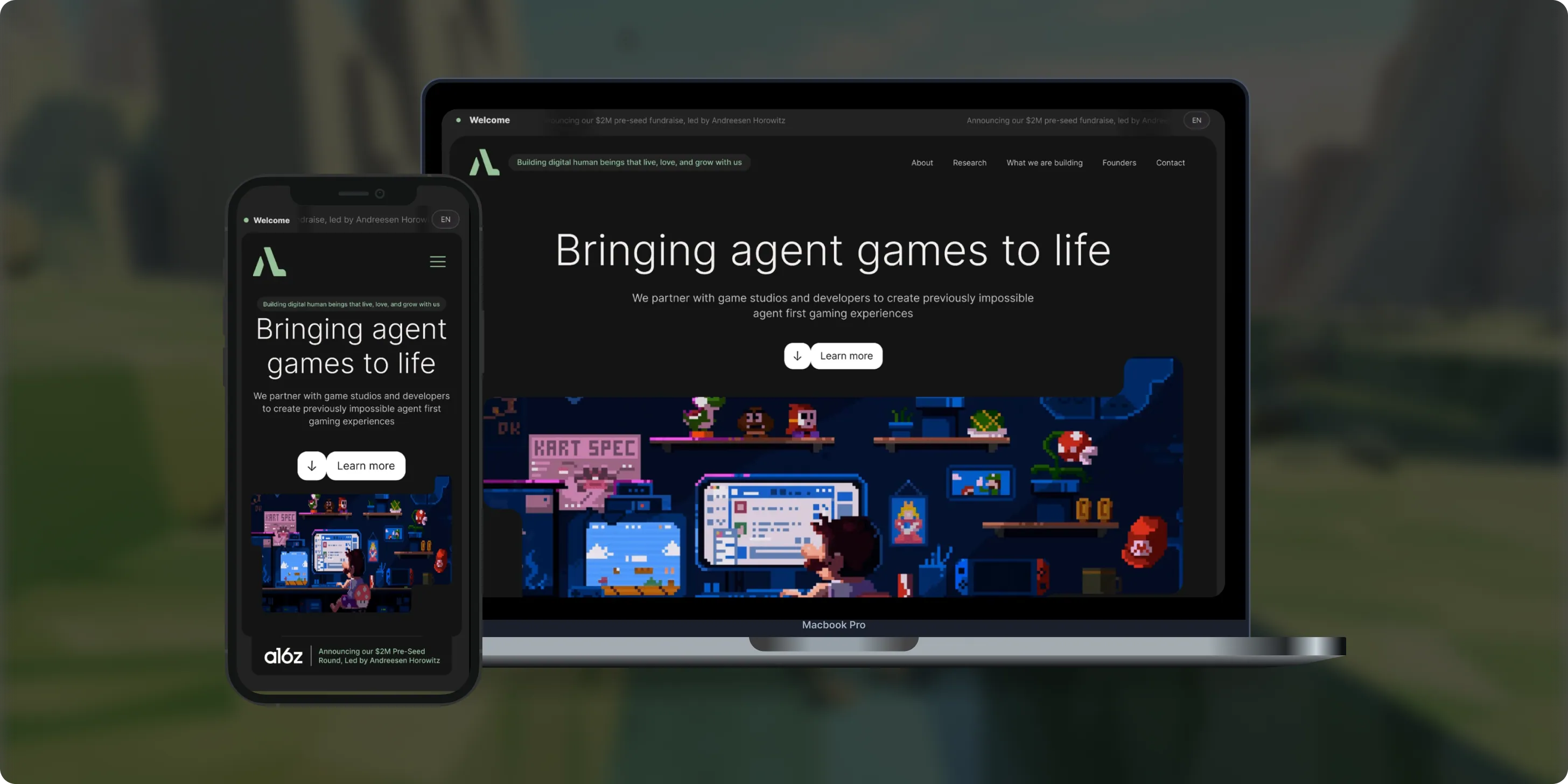
Altera
Altera builds on decades of computational neuroscience research to create digital human beings for gaming. Backed by a $2M pre-seed round led by Andreessen Horowitz, the team needed a landing page that could explain complex agent technology to players, partners, and investors.- 98%Dynamic Customization
- 100%Streamlined Navigation
- $2MPre-Seed Round
- Real Estate
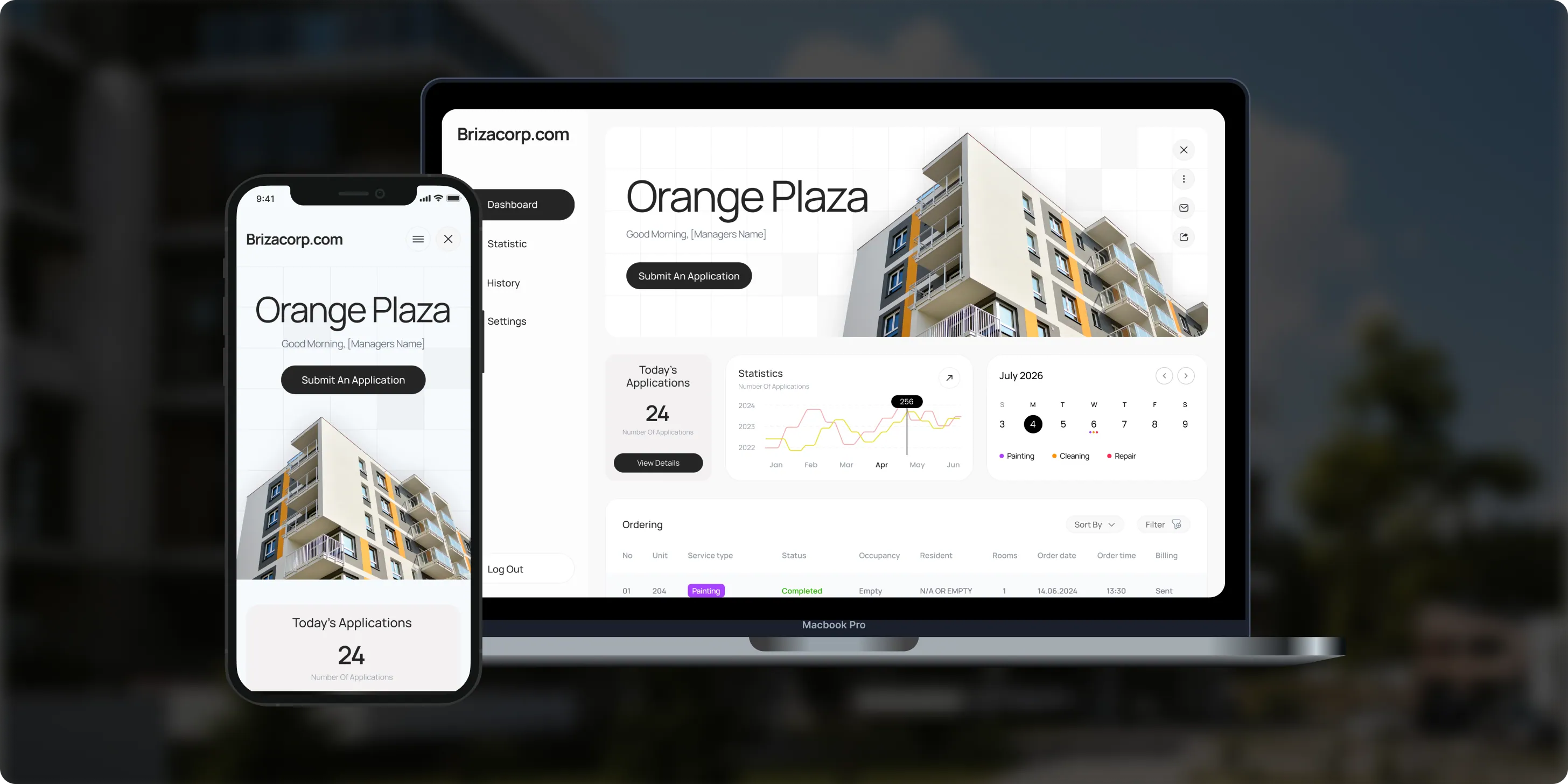
Brizacorp
Brizacorp manages residential properties and coordinates the staff who handle painting, cleaning, and repair requests. Its team tracked work across messengers, phone calls, e-mail, and paper planners, with no single place to manage requests or measure performance.- 98%Application Stability
- 95%Utilization Rate
- 30%Faster Task Completion
Color & Harmony
Color & Harmony is a Kentucky-based color consulting studio led by certified color strategist Diana Cartaya. The studio needed a website that reflects its refined aesthetic, showcases its portfolio, and explains a science-based color process in simple language.- 45%Conversion Rate Increase
- 50%Higher User Engagement
- 2Months to Launch

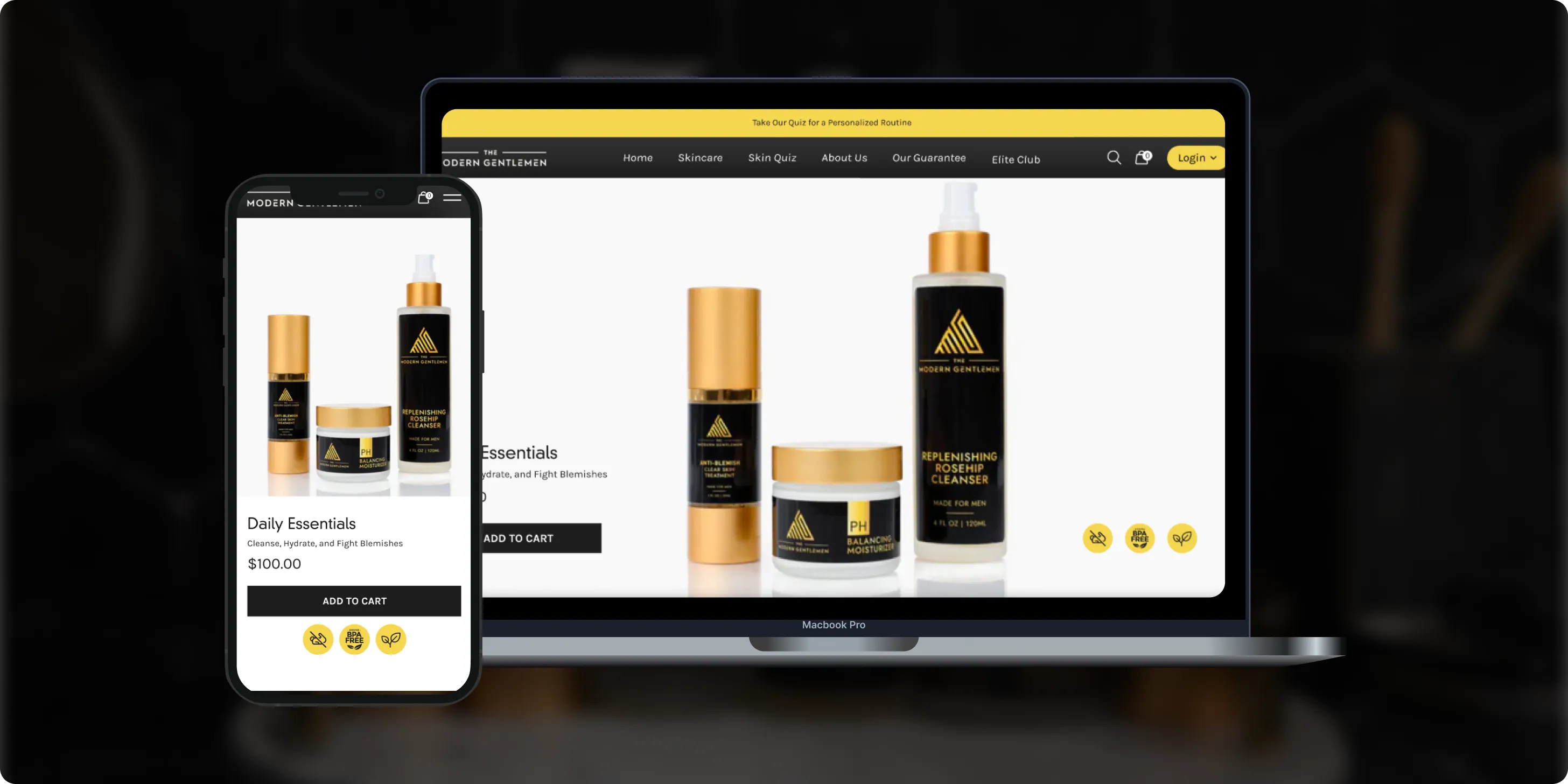
The Modern Gentlemen
The Modern Gentlemen sells premium men's skincare featured in Men's Health, GQ, and Men's Journal. Its customers wanted an efficient routine, but generic product suggestions and limited skincare knowledge made choosing the right products hard.- 30%Increase in Conversions
- 25%Higher Customer Retention
- 92%Mobile Purchases
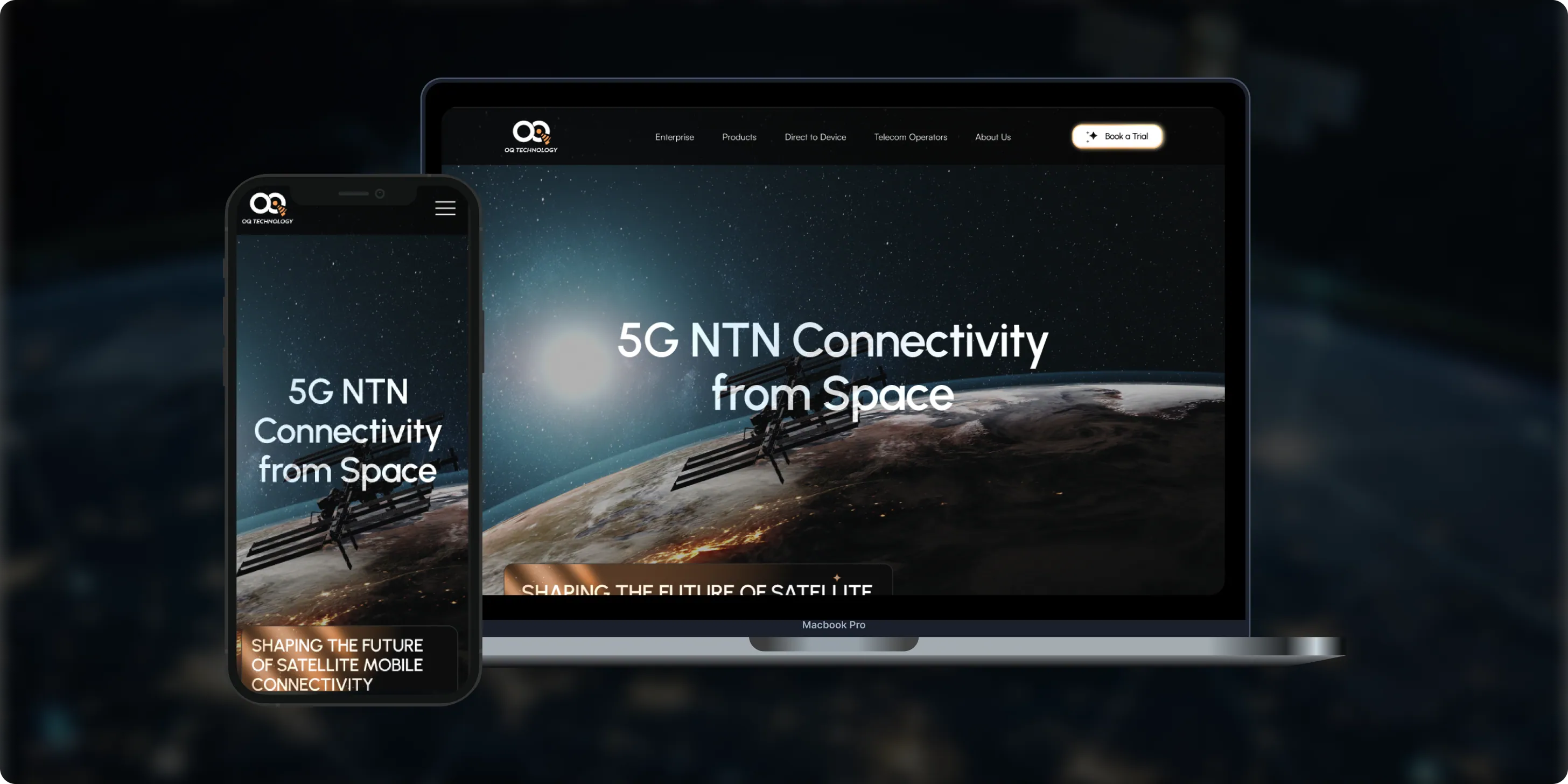
OQ Technology
OQ Technology connects IoT devices, machines, and people anywhere on the planet through its satellite network, serving energy, maritime, logistics, agriculture, and mobile operators. Its website made it hard to explore products and reach pricing plans.- 4Pricing Plans Clarified
- 3Dedicated User Flows
- 1Unified Platform
- Real Estate
- Finance
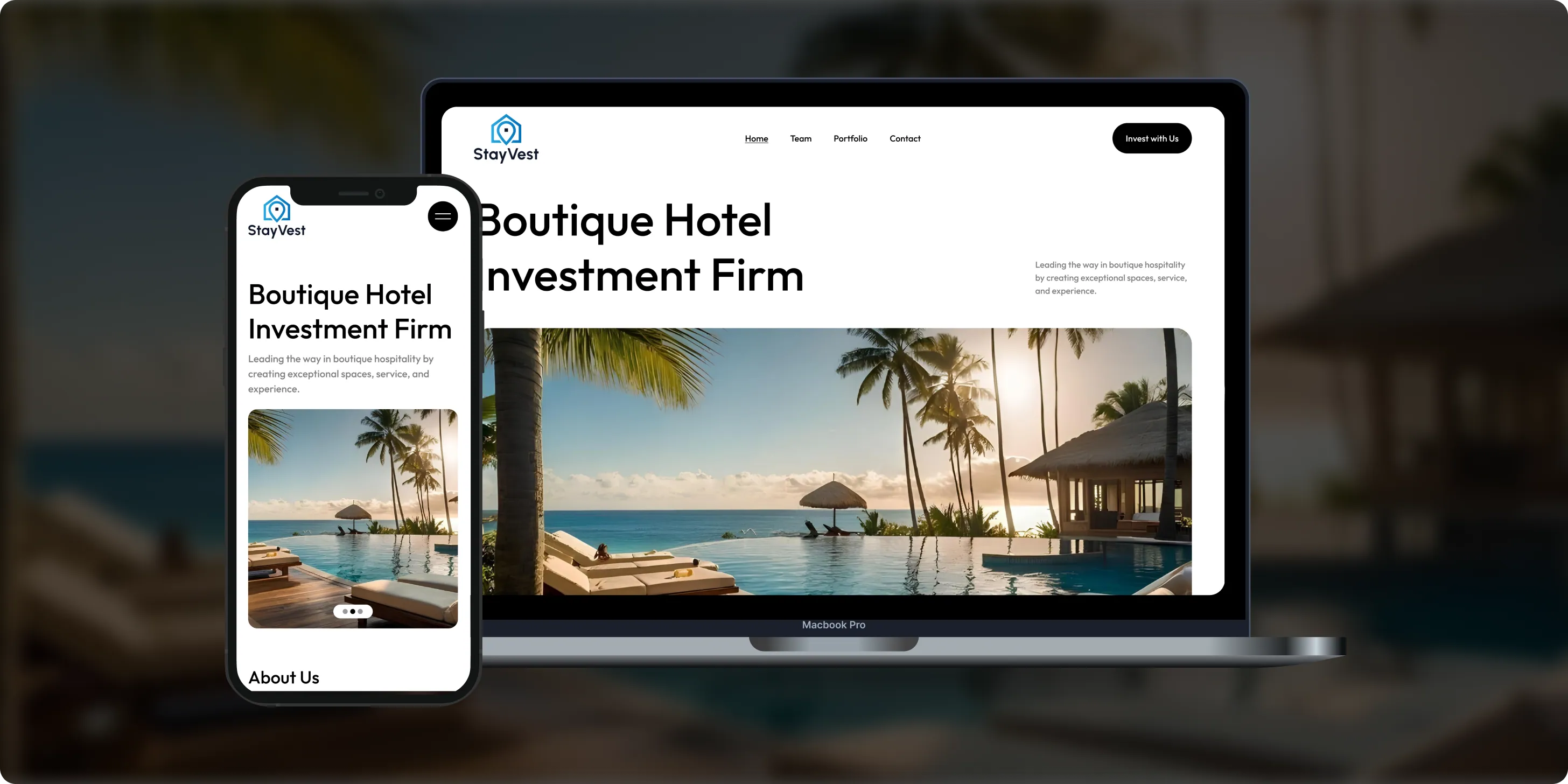
Stay Vest
Stay Vest is a private real estate investment firm that acquires, renovates, and operates boutique hotels for cash flow, tax benefits, and equity gain. It needed a platform that explains its strategy and earns the trust of passive investors.- 1,500+Guest Stays
- 200+Rooms Managed
- 5States Covered
Bokeyno Motorsports
Bokeyno Motorsports is the leading mobile installer of vertical doors for high-performance cars. This Shopify website isn’t just about services—it’s a bold statement of power, style, and expertise. With a sharp layout, strong visuals, and real-world case studies, the site delivers all the information car enthusiasts need to book confidently and instantly.- 54%Booking Requests
- 43%Lead Conversion
- 32%Qualified Inquiries

ai document processing platform
A comprehensive talent solution designed to help companies attract, hire, and retain top talent more effectively. The platform combines AI-powered recruitment technology with employee financial wellbeing programs, enabling smarter hiring decisions while supporting employees’ financial stability and long-term engagement.- 62%Faster Processing Time
- 78%Less Manual Work
- 35%Improved Accuracy

Frequently Asked Questions
Find answers about MVP scope, feature prioritization, prototyping, architecture, product analytics, launch timelines, and continued development. Can’t find your answer?
How long does it take to build a fully functional MVP with SoftDoes?
Timeline depends on project scope, requirements clarity, user role complexity, and the number of third party integrations. Rapid proofs of concept are typically delivered in a few weeks, core business MVPs take several weeks to a few months, while AI heavy or complex enterprise products require extended development schedules. Precise timelines are established following the discovery phase with a clear technical roadmap.
What is included in MVP development services?
Our MVP development covers end to end product creation, including discovery workshops, feature prioritization, UX UI design, frontend and backend implementation, quality assurance, cloud infrastructure setup, analytics integration, and complete technical documentation. Where core to the product, we also integrate data pipelines and AI functionality. The result is a fully functional, market ready product designed for real users.
How much does custom MVP development cost?
Development costs vary based on feature complexity, workflow logic, third party API integrations, and industry compliance standards. Rather than fixed generic estimates, SoftDoes provides clear, transparent pricing based on project scope. We offer fixed price models for structured discovery and initial build phases, as well as dedicated team engagement models for iterative roadmap execution. You can estimate your MVP cost in seconds with our calculator.
Can you fix or rebuild an MVP built with AI tools like Lovable, Bolt, Cursor, or Claude Code?
Yes. We begin with a comprehensive technical audit of the existing codebase and architecture to determine whether to refactor or rebuild key components. Our team stabilizes rapid AI prototypes, optimizes API usage, improves database architecture, and transforms fragile code into maintainable, production grade software while preserving validated user flows and interfaces.
How do you help us define and prioritize core MVP features versus later phases?
We guide product owners through structured discovery workshops, user journey mapping, and industry prioritization frameworks like MoSCoW and RICE. We align every feature directly with key business hypotheses and success metrics, helping founders separate essential core functionality from secondary features to ensure rapid time to market and efficient resource allocation.
Who owns the source code and intellectual property after launch?
Our clients retain total ownership of all custom source code, infrastructure configurations, design assets, and intellectual property upon project completion. Repositories and cloud accounts are hosted directly within client environments from day one, governed by strict confidentiality agreements and explicit IP ownership clauses.
What happens after the MVP launch?
Immediately following launch, we monitor initial user interaction, system stability, and real-time behavioral analytics. Collected user feedback directly shapes the next development phase, helping prioritize feature enhancements and fix early edge cases. Based on product performance metrics, we help founders transition from market testing to structured version iterations, ensuring every update aligns with validated user demand and business goals.
Do you provide post launch support and scaling?
Yes. SoftDoes provides flexible post launch support options designed for long term operational success. We offer SLA backed maintenance retainers, active system monitoring, security updates, and performance optimization as user traffic grows. Clients can choose between retaining a dedicated software engineering team for rapid feature scaling or opting for a structured technical handoff with documentation and training for internal teams.