




U.S.-Based
Code Audit Services
Evaluate an existing codebase before scaling, modernizing, acquiring, or handing it to a new team. SoftDoes can review architecture, code quality, security, performance, dependencies, test coverage, and maintainability, then provide a prioritized remediation roadmap.






















What Are Code Audit Services?
A code audit examines how an existing application is written and how its technical parts work together. We review the code, architecture, dependencies, security, testing, and integrations to identify risks and areas that may need attention. The findings can then guide refactoring, replatforming, rebuilding, or a more gradual modernization plan.
Code Quality Review
We examine the structure and organization of the code to find areas that are difficult to maintain, understand, test, or change.
Architecture Assessment
We look at how application components, databases, services, and integrations interact to identify structural problems and technical limitations.
Technical Risk Assessment
We identify outdated dependencies, security concerns, weak testing practices, and other issues that could make future development harder.
Business Outcomes of Code Audits
69%
Regular code audits improve code quality and reduce technical debt.
62%
Security-focused reviews help prevent vulnerabilities and risks.
56%
Clean and optimized code enhances performance and maintainability.
What are Code Audits?
Code audits evaluate software quality, security, and performance. They help identify issues and improve maintainability.
Code Quality Review
Analyzing code structure, readability, and practices.
Security Analysis
Identifying vulnerabilities and potential risks.
Performance Optimization
Improving code efficiency and system performance.
Who We Help
Every existing application has its own history. Some systems have accumulated years of changes, while others have become difficult to extend after several rounds of development. We assess the current situation and help teams understand what should happen next.
Companies with Legacy Systems
We assess older applications that have become difficult to maintain, modify, test, or connect with newer software.
Teams Planning Major Changes
We help teams understand the technical condition of an application before introducing significant functionality, infrastructure changes, or architectural updates.
Companies Taking Over Existing Software
We review applications created by previous teams so new developers can understand the codebase, dependencies, architecture, and areas that require attention.
Teams Preparing for Modernization
We assess the existing system before choosing between refactoring, replatforming, rebuilding, or a gradual modernization approach.
Engagement Options
We don’t just deliver code — we deliver outcomes. Our partners trust us to turn complex ideas into scalable digital products that actually work. Here’s what they say — and how we proved it.
> Time and Materials <
> FIXED PRICE <
> MANAGED TEAM <
> managed product <

Related Architecture & Consulting Services
What We Review During Code Audits




How to hire a developer
We start by learning what the application does, who uses it, which systems it connects to, and what prompted the audit. This gives us context before we examine the technical details.
We inspect the codebase, architecture, dependencies, testing practices, and other important components. The goal is to identify patterns that may create problems for maintenance or future changes.
We organize the findings according to their impact and relevance. Not every technical issue needs immediate action, so we focus on the areas that matter most for the system and its future direction.
Based on the findings, we can recommend an appropriate path such as refactoring, replatforming, rebuilding, or gradual modernization. The recommendation reflects the current system rather than following a fixed template.
We present the main findings, technical risks, priorities, and recommended next steps in a form that technical and business stakeholders can use. The result gives the team a clearer basis for planning future software work.
Numbers Don’t Lie

FORBIDDEN ALCHEMY
Forbidden Alchemy is a Shopify-based e-commerce store created for a bold, underground fashion brand rooted in metalcore and occult aesthetics. The goal was to deliver a high-impact online experience that reflects the brand’s dark identity while providing smooth, conversion-focused shopping for mobile-first users.- 68%Faster Checkout
- 41%Repeat Customers
- 35%Cart Abandonment

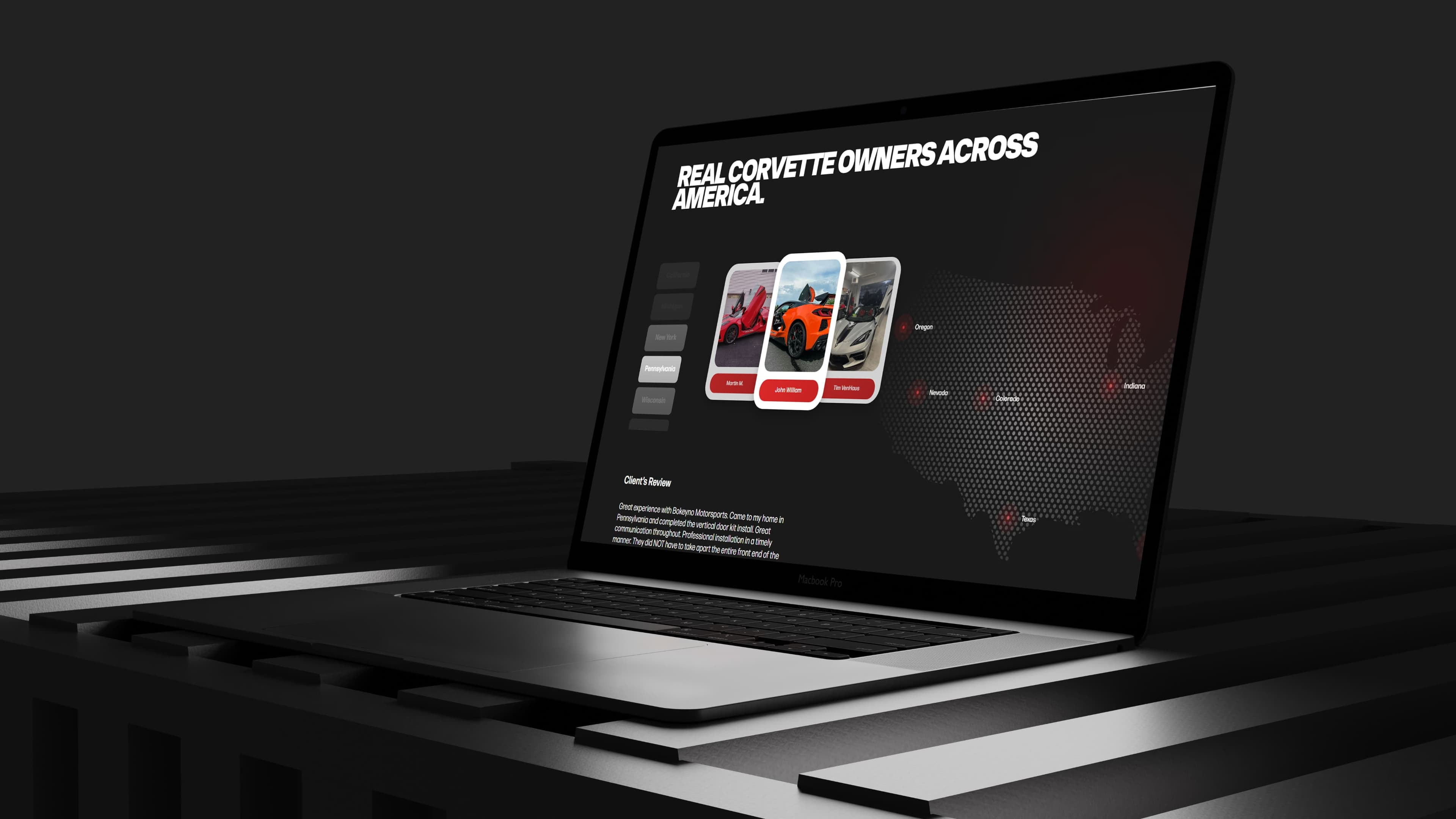
Bokeyno Motorsports
Bokeyno Motorsports is the leading mobile installer of vertical doors for high-performance cars. This Shopify website isn’t just about services—it’s a bold statement of power, style, and expertise. With a sharp layout, strong visuals, and real-world case studies, the site delivers all the information car enthusiasts need to book confidently and instantly.- 54%Booking Requests
- 43%Lead Conversion
- 32%Qualified Inquiries
ai document processing platform
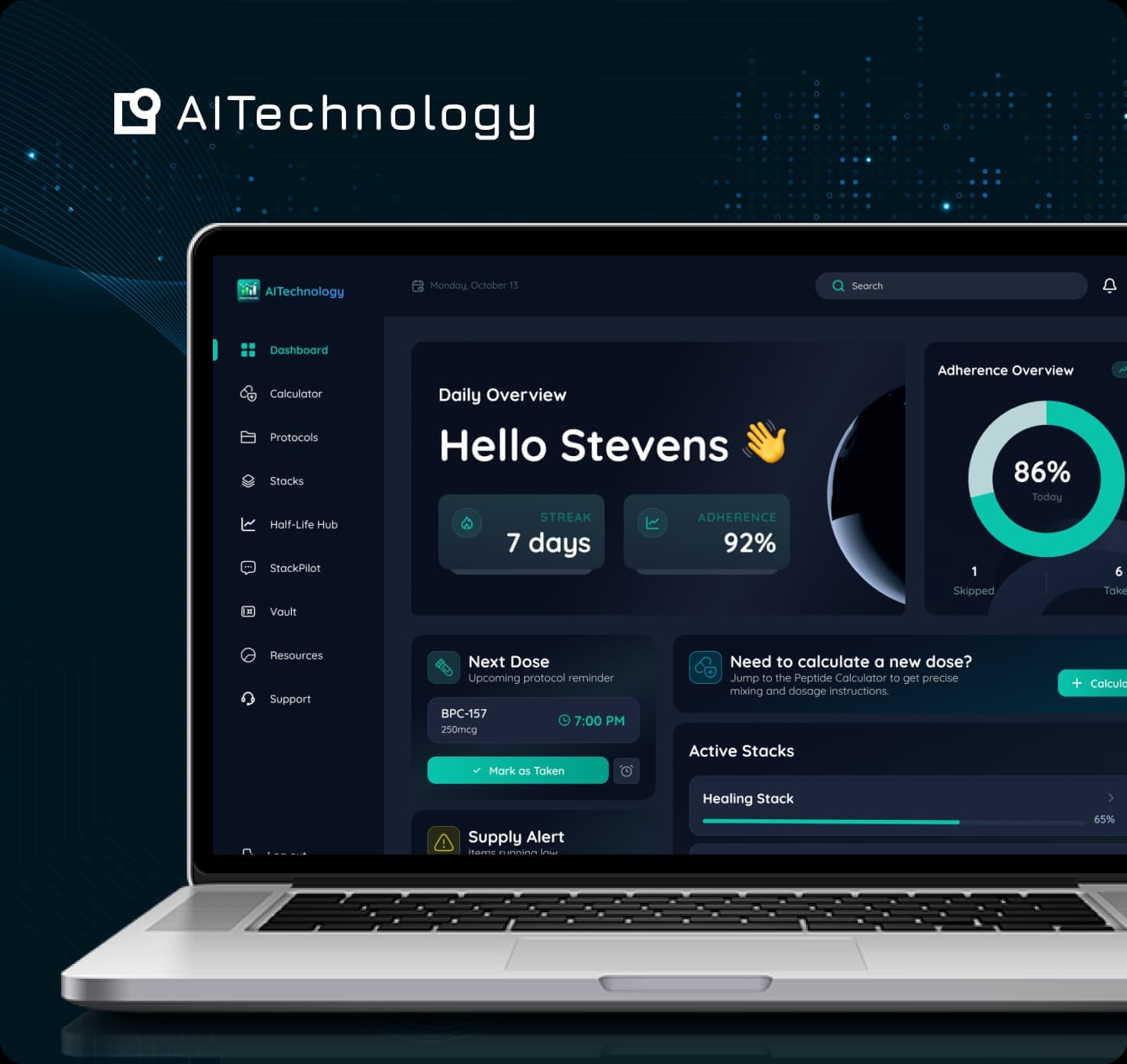
A comprehensive talent solution designed to help companies attract, hire, and retain top talent more effectively. The platform combines AI-powered recruitment technology with employee financial wellbeing programs, enabling smarter hiring decisions while supporting employees’ financial stability and long-term engagement.- 62%Faster Processing Time
- 78%Less Manual Work
- 35%Improved Accuracy
Related services
Business Analytics
READ MORETurn operational data into useful views that help teams understand performance, spot patterns, and make informed decisions
Digital Transformation
READ MOREImprove outdated processes and connected systems through a structured approach to modern software and digital operations.
Product Ownership
READ MORETranslate business requirements into clear product decisions, requirements, priorities, and acceptance criteria for the development team.



Frequently Asked Questions
Learn what a code audit can cover, including architecture, security, performance, maintainability, technical debt, reporting, and remediation planning. Need more details?
What is a legacy software modernization service?
Legacy software modernization focuses on improving an existing application, architecture, infrastructure, or technical components so the system can better support current requirements and align with evolving business needs. This process addresses issues such as outdated architecture, old dependencies, technical debt, and infrastructure limitations, which can hinder system performance, security, and maintainability. The work does not always require a complete replacement; instead, modernization can be achieved through targeted updates, refactoring, replatforming, or incremental improvements that preserve core functionality while enhancing system stability and scalability. By modernizing legacy applications, organizations can reduce operational costs, improve security, enable easier integration with modern platforms, and support ongoing business growth and innovation.
What happens during a code audit?
We conduct a thorough review of the application's codebase, architecture, dependencies, security measures, testing practices, infrastructure, and integrations with external systems. This comprehensive examination helps us identify technical risks, inefficiencies, and areas that may require improvement or modernization. After gathering detailed insights, we systematically organize the findings to highlight critical issues, potential vulnerabilities, and opportunities for enhancement. The code audit ultimately serves as a foundational step to ensure that any modernization efforts align with the current state of the software and its business objectives, minimizing risks and maximizing the value of future development work.
How do I know if my software needs a code audit?
An audit can be particularly useful when software changes take longer than expected, the codebase is difficult to understand or maintain, dependencies are outdated or unsupported, testing coverage is limited or ineffective, or the development team lacks a clear understanding of the system's overall structure and behavior. Additionally, a code audit can help uncover hidden technical debt, security vulnerabilities, performance bottlenecks, and integration challenges that may not be immediately obvious. By providing a detailed assessment of the current state of the software, a code audit enables stakeholders to make informed decisions about necessary improvements, prioritize modernization efforts, and plan for future development with greater confidence and reduced risk.
Should we refactor, replatform, or rebuild our legacy application?
There is no universal answer. The right option depends on several factors including the existing architecture, the level of technical debt, dependencies, data management, integrations, security requirements, and the future functionality needed by the business. Refactoring may be suitable when the core business logic remains valid but the codebase requires improvement to enhance maintainability and performance. Replatforming could be the best choice if the application needs to move to a more modern or cost-effective infrastructure or cloud environment without significant changes to the code itself. Rebuilding might be necessary when the legacy system is outdated, poorly documented, or unable to meet current and future business needs, requiring a complete redesign and redevelopment. Each approach carries different risks, costs, and timelines, so the decision should be made based on a thorough assessment of the system’s current state and alignment with strategic business goals. SoftDoes helps organizations evaluate these factors through detailed audits and assessments to recommend the most practical and effective modernization path tailored to their unique legacy environment.
Can you modernize software without replacing the entire system?
Yes. Some applications can be improved gradually. Parts of the architecture, code, infrastructure, or integrations can be updated while important existing functionality remains available. This approach, often referred to as incremental modernization, allows businesses to address critical technical debt and performance bottlenecks without disrupting ongoing operations. By modernizing components in stages, organizations can reduce risk, manage costs more effectively, and ensure continuous delivery of business value. Incremental updates may include refactoring legacy code to improve maintainability, migrating parts of the system to modern infrastructure such as cloud platforms, updating outdated dependencies, or enhancing integration capabilities to support new business requirements.
How long does a code audit take?
The timeline for a code audit varies depending on several key factors. These include the size and complexity of the application, the quality and availability of existing documentation, the specific areas of the system under review, and the particular questions or goals the audit aims to address. Larger applications with extensive codebases and numerous integrations typically require more time to analyze thoroughly. Similarly, systems that lack up-to-date documentation or have complex architectures may extend the audit duration as additional effort is needed to understand the system fully. The scope of the audit also influences the timeline. For example, a focused review targeting specific components or risks might be completed more quickly than a comprehensive assessment covering code quality, architecture, security, performance, testing, and infrastructure. SoftDoes works closely with clients to define the audit scope and timeline upfront, ensuring that the process aligns with business priorities and provides actionable insights within a practical timeframe.
Can a code audit help before a software modernization project?
Yes. An audit can reveal the current condition of the system before major technical decisions are made. This detailed understanding provides the team with critical insights into the software’s strengths, weaknesses, and hidden risks. With this information, stakeholders can make more informed choices when selecting the best modernization path, whether that involves refactoring existing code, replatforming to a new infrastructure, rebuilding components, or adopting a gradual, incremental modernization approach. The audit helps clarify priorities, identify potential challenges, and reduce uncertainty, ultimately supporting a smoother and more effective modernization project tailored to the specific needs of the legacy system and the business goals it supports.
Do you support the work after the audit?
Yes. When needed, SoftDoes can continue from assessment into modernization, development, integration, testing, and other technical work based on the findings. We provide ongoing support throughout the entire modernization lifecycle, ensuring that improvements are implemented effectively and align with your business goals. Our team works closely with your internal staff to manage change, address any emerging issues, and optimize the system’s performance and security. SoftDoes offers managed services and maintenance support post-modernization to ensure your modernized system continues to operate smoothly and adapts to future requirements.

