



U.S.-Based
SaaS Development
A SaaS development company builds cloud-delivered software on a subscription model with lower initial costs. SoftDoes partners with founders and CTOs to deliver full-cycle SaaS development, from MVP to enterprise-ready platforms. We specialize in multi-tenant architecture, secure cloud infrastructure, subscription billing, integrations, analytics, and ongoing product development.

What is SaaS Development
SaaS development builds cloud software on a subscription model, accessible online without installation. SoftDoes specializes in scalable, multi-tenant SaaS platforms, delivering full-cycle solutions from MVP to enterprise scale.
Multi Tenant Architecture and Security by Design
Multi tenancy is essential for SaaS applications. Understanding multi tenancy is crucial in SaaS product architecture because it determines how customer data is stored, isolated, and governed.
Subscription Management and Billing Infrastructure
SaaS operates on a subscription model, and your billing infrastructure must be as reliable as your core product. SoftDoes integrates billing providers such as Stripe, Paddle, or Chargebee to support subscription billing, trials, and renewals.
Scalable Cloud Infrastructure and Product Evolution
SoftDoes builds API first SaaS platforms on major cloud providers. Our cloud native architecture ensures elastic scalability with containerization, auto scaling, and infrastructure as code, proven in production environments.
What our SaaS application development services include
Around its main feature, every SaaS product needs the same four parts. We build all of them.
Multi-tenant architecture
One codebase serves every customer, and each account sees only its own data, in a shared database or one per customer. Example: a B2B tool with one account per client.
Subscriptions and billing
Plans, free trials, upgrades, per-seat or usage pricing, invoices and failed-payment retries, on a provider such as Stripe. Example: monthly and annual plans with a free trial.
Security and SOC 2 readiness
We build the controls auditors look for, such as access control, activity logs, encryption and backups, from the start. Example: role-based access and a full audit trail.
Admin, onboarding and analytics
An admin panel for accounts, plans and support, a guided first run for new users, and analytics on what customers use. Example: sign-ups and cancellations by week.
Business Outcomes of SaaS Development
88%
CI/CD and automated testing enable fast feature delivery. Users avoid software after poor experiences, so quality at speed is key.
94%
Efficient multi tenant architecture shares infrastructure securely across customers. Enterprises using cloud services spend less per customer with well-designed tenancy.
63%
Regular product updates boost customer retention and revenue growth. These key performance indicators distinguish successful SaaS products from those that lose users.
How a project runs
We talk through your product, then put MVP features, plans and costs in writing
Working demos as we go, then first customers use it and we fix what they find
Go live, then new features and scaling
SaaS product development: from MVP to scale
A SaaS product should start small and still be ready to grow. We plan every build around the same four parts.







Related Software Development Services
What a SaaS product costs and how long it takes
Price depends on how many user roles, plans and integrations the product needs. These ranges are where most projects land.

Hosting and payment provider fees depend on your usage; we estimate them before we build. Every project starts with a free 30-minute call.
SaaS products we have built
We turn product ideas into working SaaS businesses.

- Startup
- Real Estate
Our Haus AI
A finance professional turned founder built Our Haus AI, an AI-powered collaborative workspace where homeowners and contractors scope, bid, contract, and document renovation projects together. SoftDoes took her prototype and made it production-ready.- 10XMVP scope delivered
- 2+years Ongoing partnership
- 1Fully owned Platform

- Finance
- Energy
Deepwater Insights
Deepwater Insights delivers proprietary alternative data and niche research on the offshore drilling and energy sector to institutional investors, family offices, and high-net-worth individuals who require coverage that larger firms don't provide.- 100%Brand Continuity
- 2Platform Distribution
- 100%Paywall-Ready Content

- Real Estate
The building buyer
The Building Buyer is a Florida-based real estate investment firm co-founded by Dylan Troiano and Charles Hanlin. They acquire single-family, multifamily, and commercial properties across South Florida and beyond, with a focus on motivated seller opportunities.- 18Weekly hours saved
- 2+Years Ongoing partnership
- 1Fully owned Platform

- Education
- Non-Profit
WOVEN & NICE
Woven is a Spring Valley, NY nonprofit running the NICE program (New Training Inclusive Community Environment) in four Rockland County schools. Their team supports students through restorative practices, mediation, and professional development for teachers and administrators.- 4Schools Served
- 4Weeks to Launch
- 1STTime on Upwork

- Healthcare
CareInTouch
CareInTouch is a Bay Area home health agency providing skilled nursing and therapy services to patients referred from hospitals and clinics. With over 100 staff, they operate in one of the most complex and compliance-driven healthcare markets in the country.- 40% Reduction In Billing Errors
- 100+Staff Operations Managed
- 0Missed Compliance Deadlines

- Startup
Sparkle The Cleaning Service
Sparkle The Cleaning Service is a Detroit-area residential cleaning company with 10 years in business, connecting homeowners with vetted, insured independent cleaners through a subscription-based marketplace platform.- 75% Platform Transparency
- 2XPlatform Growth
- 40%Higher User Retention

- Startup
DineMate
DineMate is a Maryland-based dating and connecting platform built around verified profiles, restaurant reservations, and prepaid dining experiences. Founded to bring back authenticity to how people meet and connect.- 60% Time Saved
- 99%System Reliability
- 40%Higher User Retention

- Healthcare
Prior Authorization AI
Prior Authorization AI is a healthcare automation startup building AI-powered tools to streamline prior authorization for Medicare and Medicaid medical transportation providers in New Jersey.- 16Weekly hours saved
- 63%Admin time reduced
- 43%Fewer submission errors

- Education
Grand Central Language Services
Grand Central Language Services provides translation and interpretation for organizations operating in complex, multilingual environments. As demand grew, internal workflows became harder to manage. SoftDoes built a custom platform to streamline coordination, improve visibility, and support scalable operations.- 72%Workflow Reduction
- 48%Coordination Reduction
- 83%Visibility Increase

- Healthcare
FMY Orthodontics
FMY Orthodontics, a multi-location practice in West Tennessee, partnered with SoftDoes to replace a spreadsheet-based financial workflow with a custom web platform. The goal was to simplify how staff present treatment financing while allowing patients and families to review and complete decisions remotely.- 60%Workflow Reduction
- 75%Remote Adoption
- 5Locations Aligned

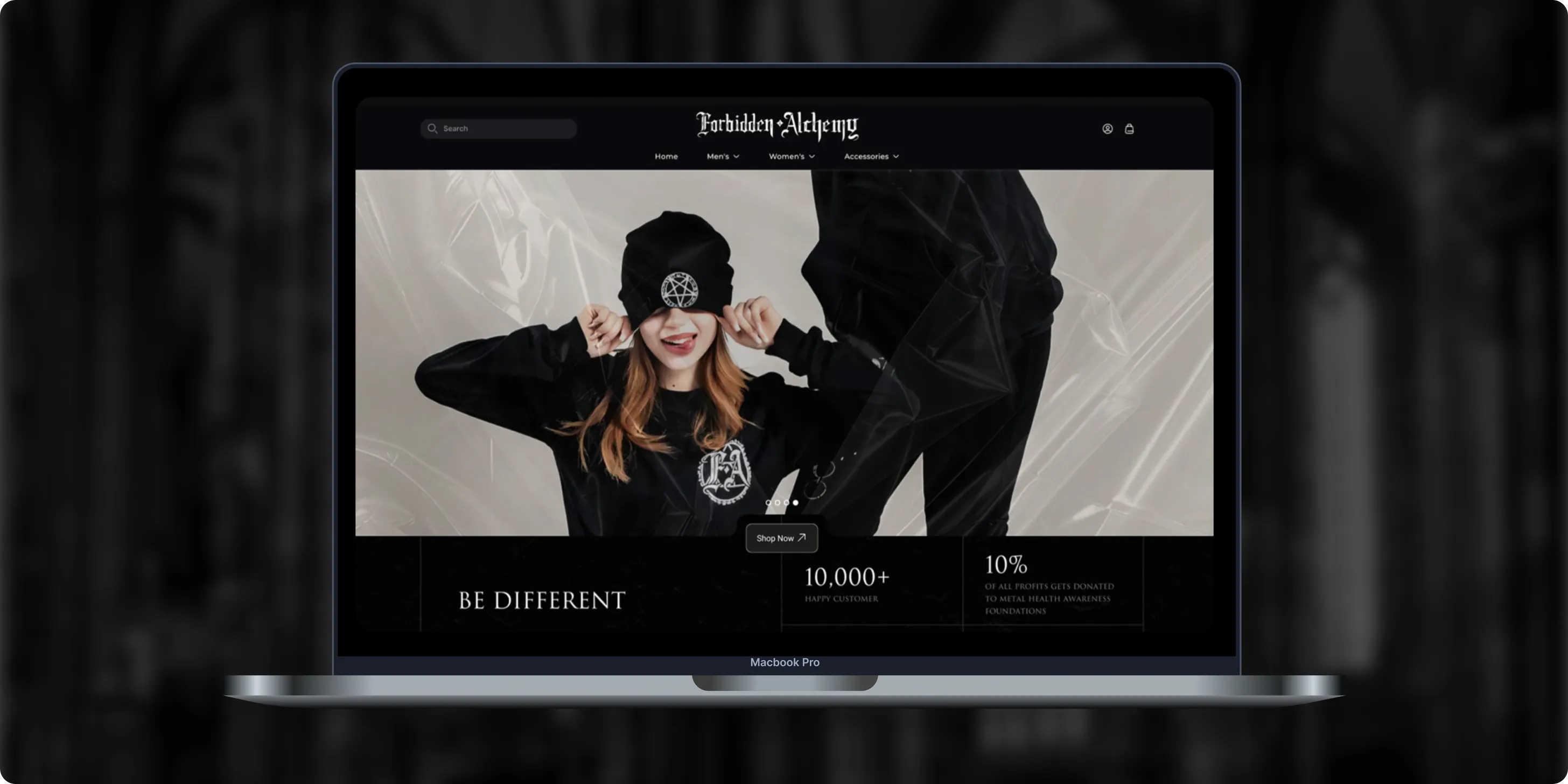
Forbidden Alchemy
Forbidden Alchemy is an alternative fashion brand creating dark, provocative clothing for the metalhead community, with 10% of profits donated to mental health awareness. Its mostly mobile audience struggled with a store that was hard to navigate and weak on functionality.- +44%Revenue Month Over Month
- 86%Design Satisfaction
- 2.8XUser Retention Growth
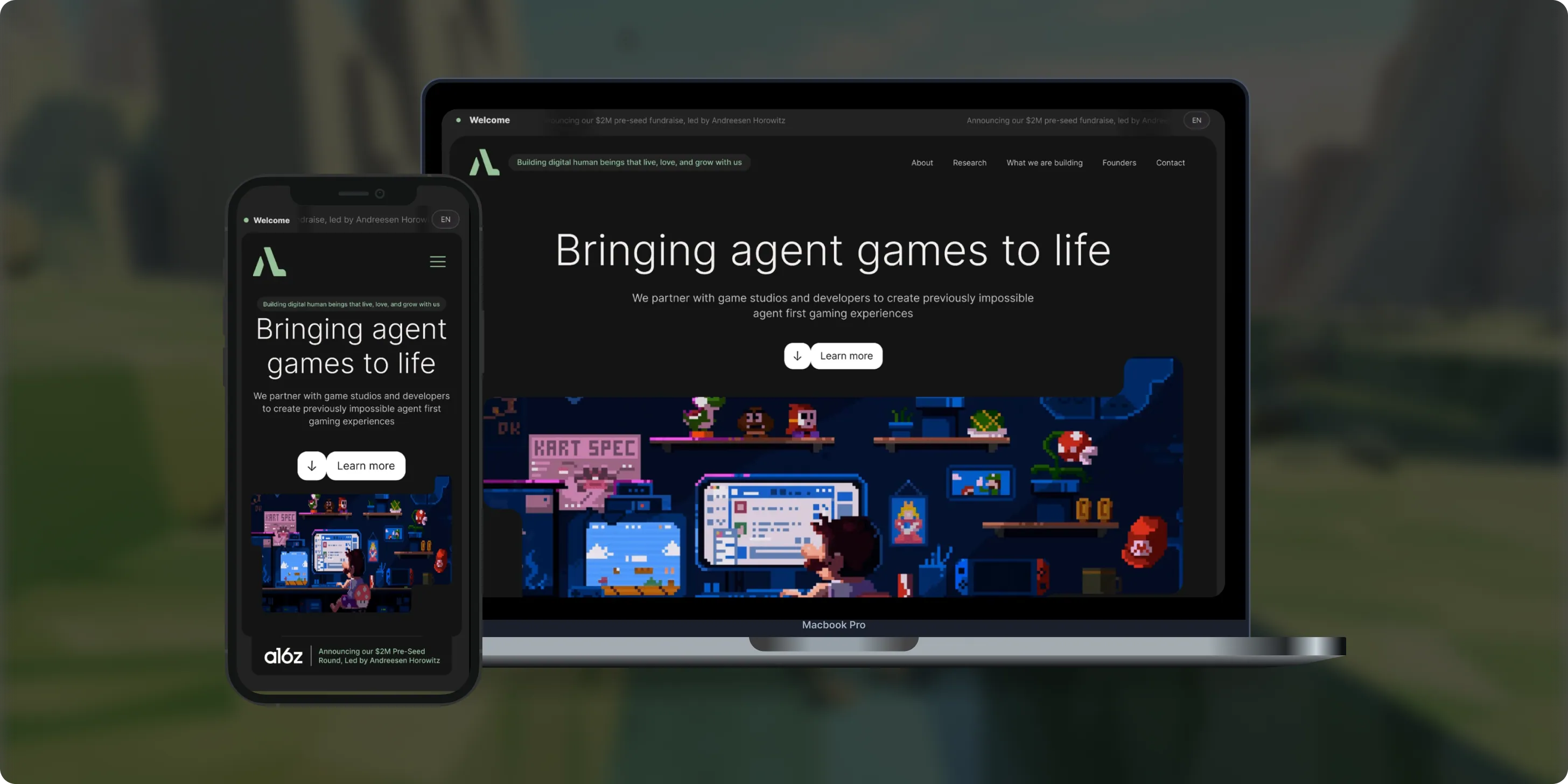
Altera
Altera builds on decades of computational neuroscience research to create digital human beings for gaming. Backed by a $2M pre-seed round led by Andreessen Horowitz, the team needed a landing page that could explain complex agent technology to players, partners, and investors.- 98%Dynamic Customization
- 100%Streamlined Navigation
- $2MPre-Seed Round
- Real Estate
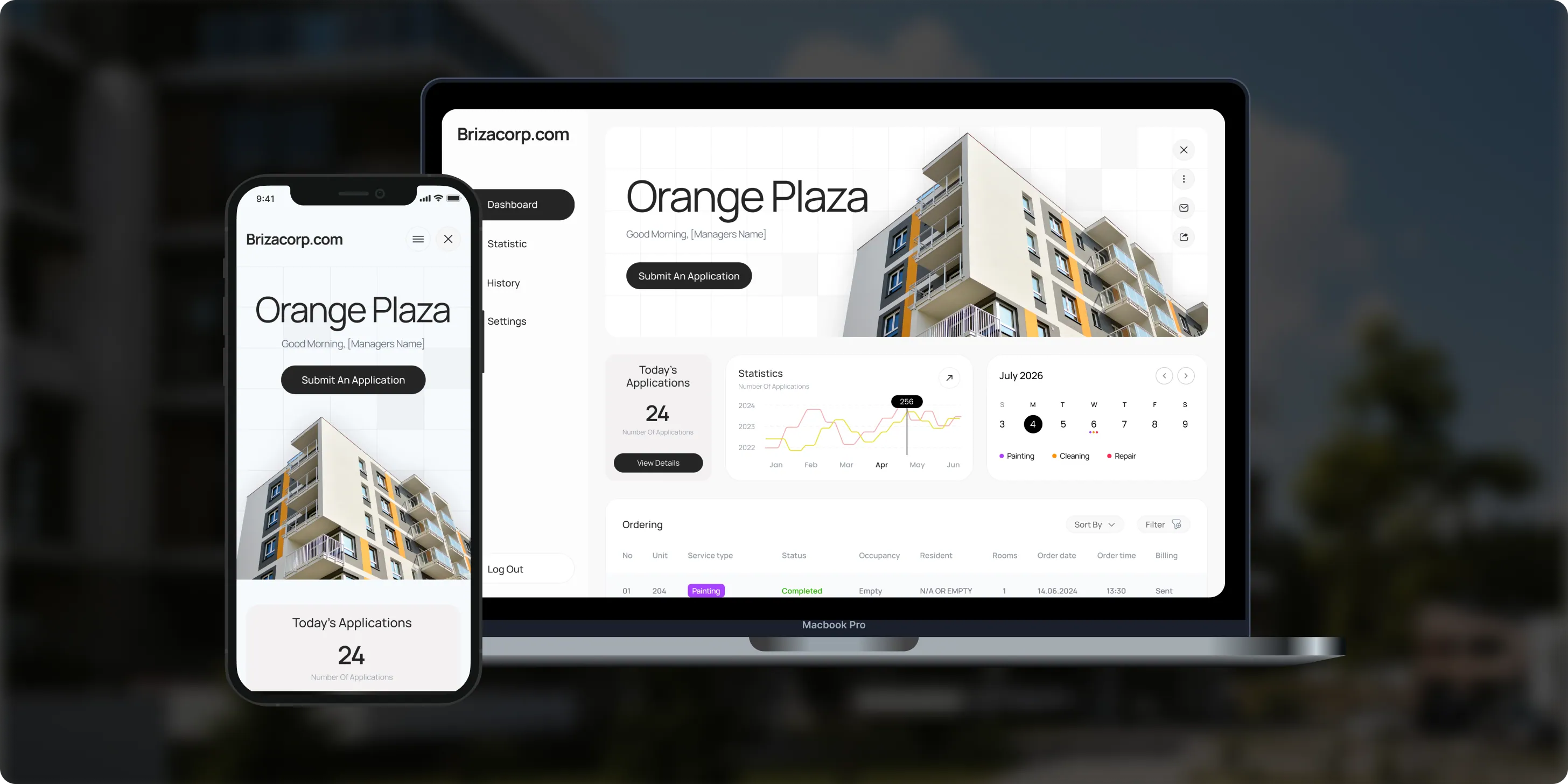
Brizacorp
Brizacorp manages residential properties and coordinates the staff who handle painting, cleaning, and repair requests. Its team tracked work across messengers, phone calls, e-mail, and paper planners, with no single place to manage requests or measure performance.- 98%Application Stability
- 95%Utilization Rate
- 30%Faster Task Completion
Color & Harmony
Color & Harmony is a Kentucky-based color consulting studio led by certified color strategist Diana Cartaya. The studio needed a website that reflects its refined aesthetic, showcases its portfolio, and explains a science-based color process in simple language.- 45%Conversion Rate Increase
- 50%Higher User Engagement
- 2Months to Launch

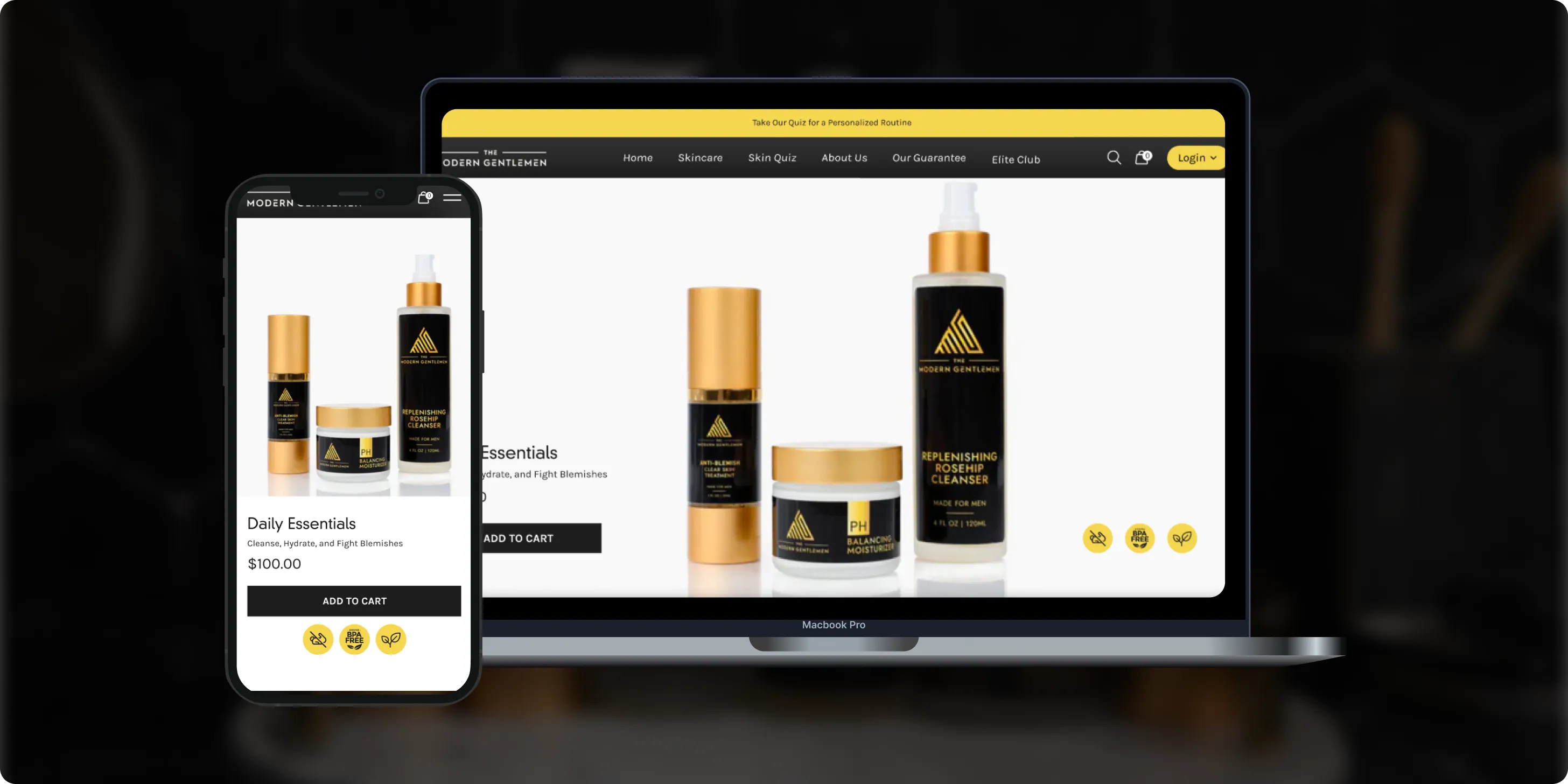
The Modern Gentlemen
The Modern Gentlemen sells premium men's skincare featured in Men's Health, GQ, and Men's Journal. Its customers wanted an efficient routine, but generic product suggestions and limited skincare knowledge made choosing the right products hard.- 30%Increase in Conversions
- 25%Higher Customer Retention
- 92%Mobile Purchases
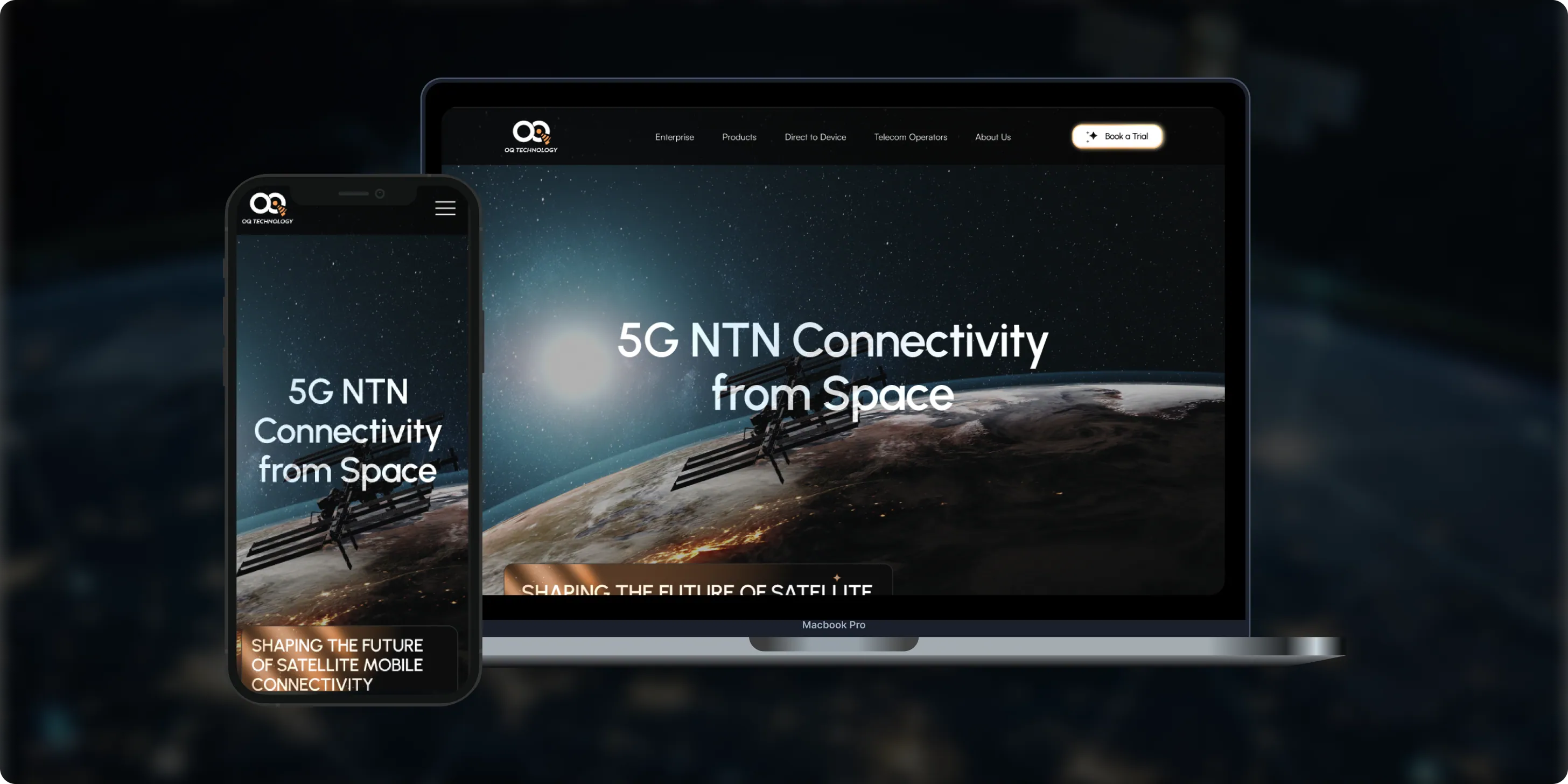
OQ Technology
OQ Technology connects IoT devices, machines, and people anywhere on the planet through its satellite network, serving energy, maritime, logistics, agriculture, and mobile operators. Its website made it hard to explore products and reach pricing plans.- 4Pricing Plans Clarified
- 3Dedicated User Flows
- 1Unified Platform
- Real Estate
- Finance
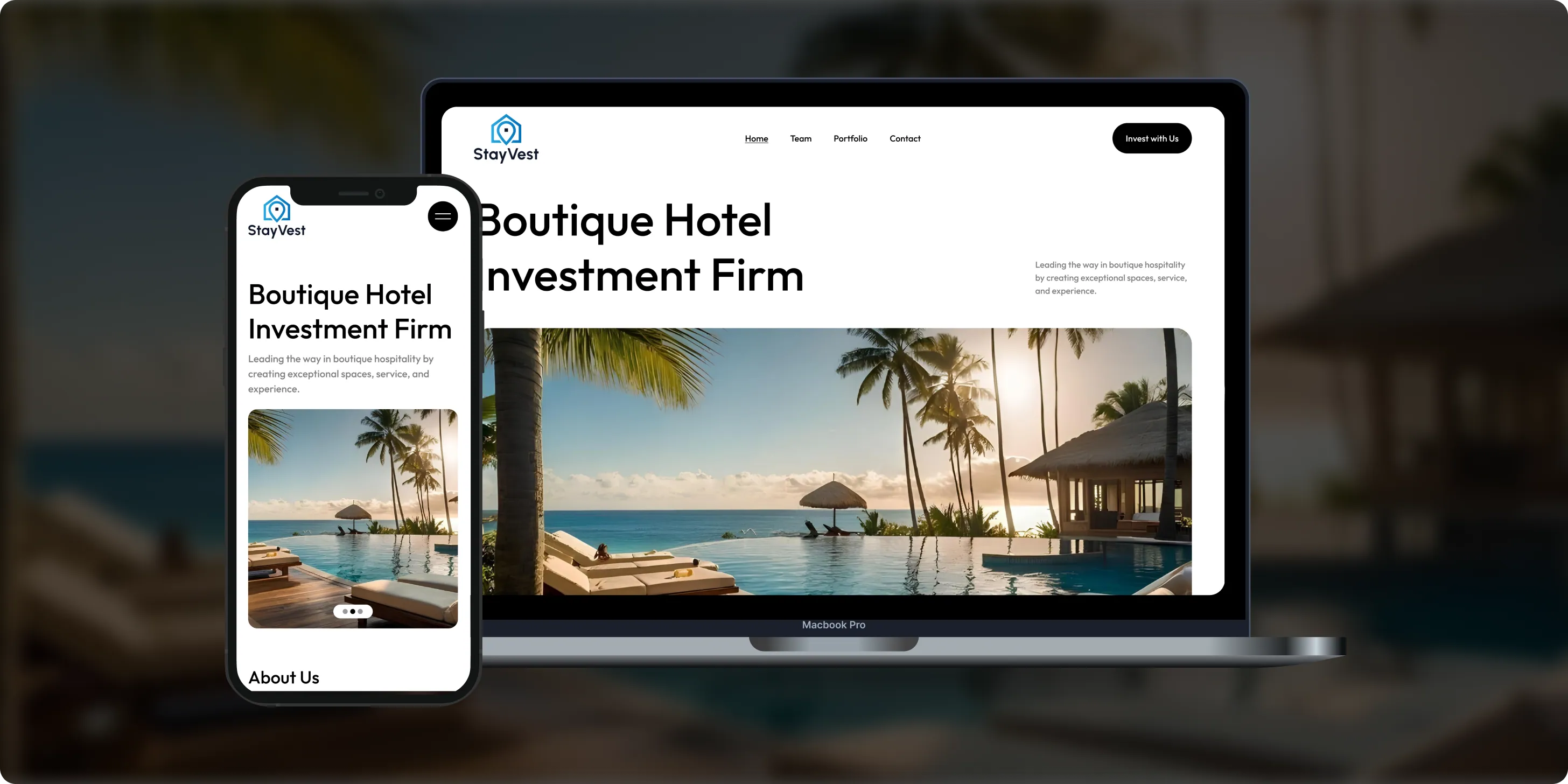
Stay Vest
Stay Vest is a private real estate investment firm that acquires, renovates, and operates boutique hotels for cash flow, tax benefits, and equity gain. It needed a platform that explains its strategy and earns the trust of passive investors.- 1,500+Guest Stays
- 200+Rooms Managed
- 5States Covered
Bokeyno Motorsports
Bokeyno Motorsports is the leading mobile installer of vertical doors for high-performance cars. This Shopify website isn’t just about services—it’s a bold statement of power, style, and expertise. With a sharp layout, strong visuals, and real-world case studies, the site delivers all the information car enthusiasts need to book confidently and instantly.- 54%Booking Requests
- 43%Lead Conversion
- 32%Qualified Inquiries

ai document processing platform
A comprehensive talent solution designed to help companies attract, hire, and retain top talent more effectively. The platform combines AI-powered recruitment technology with employee financial wellbeing programs, enabling smarter hiring decisions while supporting employees’ financial stability and long-term engagement.- 62%Faster Processing Time
- 78%Less Manual Work
- 35%Improved Accuracy

Frequently Asked Questions
Everything you need to know about working with SoftDoes. Can’t find an answer?
What is the difference between custom SaaS development and white label platforms?
Custom SaaS development means designing and building a product from the ground up around your specific vision, workflows, and integrations. You get complete control over multi tenant architecture, data security, and product roadmap. White label platforms offer predefined features and UI patterns that are only lightly configurable. They can be faster for narrow use cases but limit differentiation and long term success. SoftDoes focuses on custom SaaS development for teams that want ownership, scalability, and flexibility.
How do you handle data security, tenant isolation, and SOC 2 compliance?
SoftDoes practices security by design: threat modeling, secure coding guidelines, dependency scanning, and regular security reviews integrated into the development process. Tenant isolation is enforced through row level security, schema per tenant, or separate databases, with automated tests verifying boundaries. Architectures align with SOC 2 principles around access control, change management, logging, and incident response. User-friendly dashboards increase customer satisfaction and product adoption. We work with clients' security and compliance teams to match controls with internal policies.
How long does it take to build and launch a SaaS MVP?
A focused SaaS MVP typically takes three to six months for a single core workflow with authentication, simple access control, and initial billing. Duration depends on scope, design expectations, number of integrations, and clarity of requirements. SaaS companies often release MVPs within three to six months. SoftDoes begins with a short discovery phase, then proposes a realistic timeline with milestones: first clickable prototype, internal alpha, beta, and public launch.
How do you structure multi tenant databases and API integrations?
We use shared database with tenant IDs for speed, schema per tenant for stronger isolation, and separate databases for large customers with strict requirements. The choice depends on isolation needs, reporting, expected scale, and operational complexity. APIs are designed to be tenant aware with clear authentication and authorization layers. It is critical to retain ownership of intellectual property rights in SaaS contracts. We use API gateways and well documented REST or GraphQL endpoints so clients and partners can integrate seamlessly.
What billing and payment gateways can be integrated into the platform?
SoftDoes works with Stripe, Adyen, Braintree, Chargebee, and Recurly among others. We support subscription billing, usage based models, one time payments, and hybrid approaches depending on your SaaS business model. PCI compliant providers handle card storage. We focus on clean integration into your product's user flows and reporting. A well built recurring revenue model is the backbone of every SaaS platform.
How do you support and scale a SaaS application post launch?
Ongoing services include monitoring, incident response assistance, performance tuning, feature development, and regular security maintenance. SaaS products require continuous bug fixes, performance monitoring, and customer support after launch. Regular product updates improve customer retention and revenue growth. SoftDoes can remain as a long term product development partner or gradually hand over to an internal team with documentation and training. Choosing a SaaS development company requires evaluating their technical background and cloud architecture experience. Scaling includes infrastructure changes, improvements to access control, data partitioning, analytics pipelines, and deployment workflows that support sustainable growth and new users at scale.
How do you price custom SaaS development projects?
SoftDoes uses two models: dedicated teams with a monthly rate, and scoped projects with a defined budget tied to clear deliverables. Pricing is based on complexity, team composition, integrations, compliance needs, and level of product discovery required. We provide transparent estimates after an initial discovery call and a brief requirements review, including a high level roadmap and assumptions.