



U.S.-Based
ERP Development
An ERP development company exists to engineer enterprise resource planning platforms that match how your organization actually operates. SoftDoes is a custom ERP development company that replaces rigid, one size fits all software with systems wired to your exact approval flows, data models, and compliance demands.

What Is Custom ERP Development?
Custom ERP development creates modular enterprise resource planning platforms tailored to a company’s specific needs and workflows. Unlike off-the-shelf ERPs, which have fixed modules and limited flexibility, custom ERP solutions offer full control over workflows and data.
Tailored Module Design
Building core operational modules engineered around your exact business processes.
End-to-End Integration
Connecting supply chain, accounting, and CRM systems into a unified data hub.
Scalable Architecture
Ensuring seamless expansion and high performance as your enterprise grows.
What custom ERP software development covers
You do not need every module on day one. We start where the work hurts most. These four are the core of most ERP systems.
Inventory and warehouse
Tracks stock across locations, bins and batches, with reorder points, transfers and barcode scanning for the warehouse team. Example: a low-stock alert that drafts the purchase order.
Orders and purchasing
Pulls orders from your store, reps and marketplaces into one queue, and turns supplier needs into purchase orders a person approves. Example: store orders that reserve stock as they arrive.
Production planning
Plans work orders from your bills of materials, schedules machines and people, and shows which jobs are running late. Example: a daily schedule built from open orders and stock.
Finance and accounting sync
Sends invoices, bills, payments and costs to your accounting system, so the books match what happened on the floor. Example: invoices posted to QuickBooks without retyping.
Business Outcomes of ERP Development
78%
Custom ERP systems eliminate process friction and improve overall operational efficiency across departments.
65%
Tailored resource management solutions reduce inventory holding costs and manual data entry errors.
52%
Unified enterprise platforms lower total cost of ownership compared to recurring SaaS licensing fees.
How we build a custom ERP
Off-the-shelf ERP is the right call for many companies. Custom pays off when your process sets you apart or your team has outgrown the package. When custom wins, we build it in four parts.




How a project runs
We find the first module with you and write down workflows, data and integrations
Built and tested on your real data, then your team uses it and we fix what they find
More modules, migration and support


Related services and guides
What a custom ERP costs and how long it takes
Price depends on how many modules you need, how many systems the ERP connects to and how clean your current data is. We give you a written estimate after the process map.

Hosting and any third-party license fees depend on your setup; we estimate them before we build. Every project starts with a free 30-minute call.
ERP and operations work
Connects the systems behind day to day operations

- Startup
- Real Estate
Our Haus AI
A finance professional turned founder built Our Haus AI, an AI-powered collaborative workspace where homeowners and contractors scope, bid, contract, and document renovation projects together. SoftDoes took her prototype and made it production-ready.- 10XMVP scope delivered
- 2+years Ongoing partnership
- 1Fully owned Platform

- Finance
- Energy
Deepwater Insights
Deepwater Insights delivers proprietary alternative data and niche research on the offshore drilling and energy sector to institutional investors, family offices, and high-net-worth individuals who require coverage that larger firms don't provide.- 100%Brand Continuity
- 2Platform Distribution
- 100%Paywall-Ready Content

- Real Estate
The building buyer
The Building Buyer is a Florida-based real estate investment firm co-founded by Dylan Troiano and Charles Hanlin. They acquire single-family, multifamily, and commercial properties across South Florida and beyond, with a focus on motivated seller opportunities.- 18Weekly hours saved
- 2+Years Ongoing partnership
- 1Fully owned Platform

- Education
- Non-Profit
WOVEN & NICE
Woven is a Spring Valley, NY nonprofit running the NICE program (New Training Inclusive Community Environment) in four Rockland County schools. Their team supports students through restorative practices, mediation, and professional development for teachers and administrators.- 4Schools Served
- 4Weeks to Launch
- 1STTime on Upwork

- Healthcare
CareInTouch
CareInTouch is a Bay Area home health agency providing skilled nursing and therapy services to patients referred from hospitals and clinics. With over 100 staff, they operate in one of the most complex and compliance-driven healthcare markets in the country.- 40% Reduction In Billing Errors
- 100+Staff Operations Managed
- 0Missed Compliance Deadlines

- Startup
Sparkle The Cleaning Service
Sparkle The Cleaning Service is a Detroit-area residential cleaning company with 10 years in business, connecting homeowners with vetted, insured independent cleaners through a subscription-based marketplace platform.- 75% Platform Transparency
- 2XPlatform Growth
- 40%Higher User Retention

- Startup
DineMate
DineMate is a Maryland-based dating and connecting platform built around verified profiles, restaurant reservations, and prepaid dining experiences. Founded to bring back authenticity to how people meet and connect.- 60% Time Saved
- 99%System Reliability
- 40%Higher User Retention

- Healthcare
Prior Authorization AI
Prior Authorization AI is a healthcare automation startup building AI-powered tools to streamline prior authorization for Medicare and Medicaid medical transportation providers in New Jersey.- 16Weekly hours saved
- 63%Admin time reduced
- 43%Fewer submission errors

- Education
Grand Central Language Services
Grand Central Language Services provides translation and interpretation for organizations operating in complex, multilingual environments. As demand grew, internal workflows became harder to manage. SoftDoes built a custom platform to streamline coordination, improve visibility, and support scalable operations.- 72%Workflow Reduction
- 48%Coordination Reduction
- 83%Visibility Increase

- Healthcare
FMY Orthodontics
FMY Orthodontics, a multi-location practice in West Tennessee, partnered with SoftDoes to replace a spreadsheet-based financial workflow with a custom web platform. The goal was to simplify how staff present treatment financing while allowing patients and families to review and complete decisions remotely.- 60%Workflow Reduction
- 75%Remote Adoption
- 5Locations Aligned

Forbidden Alchemy
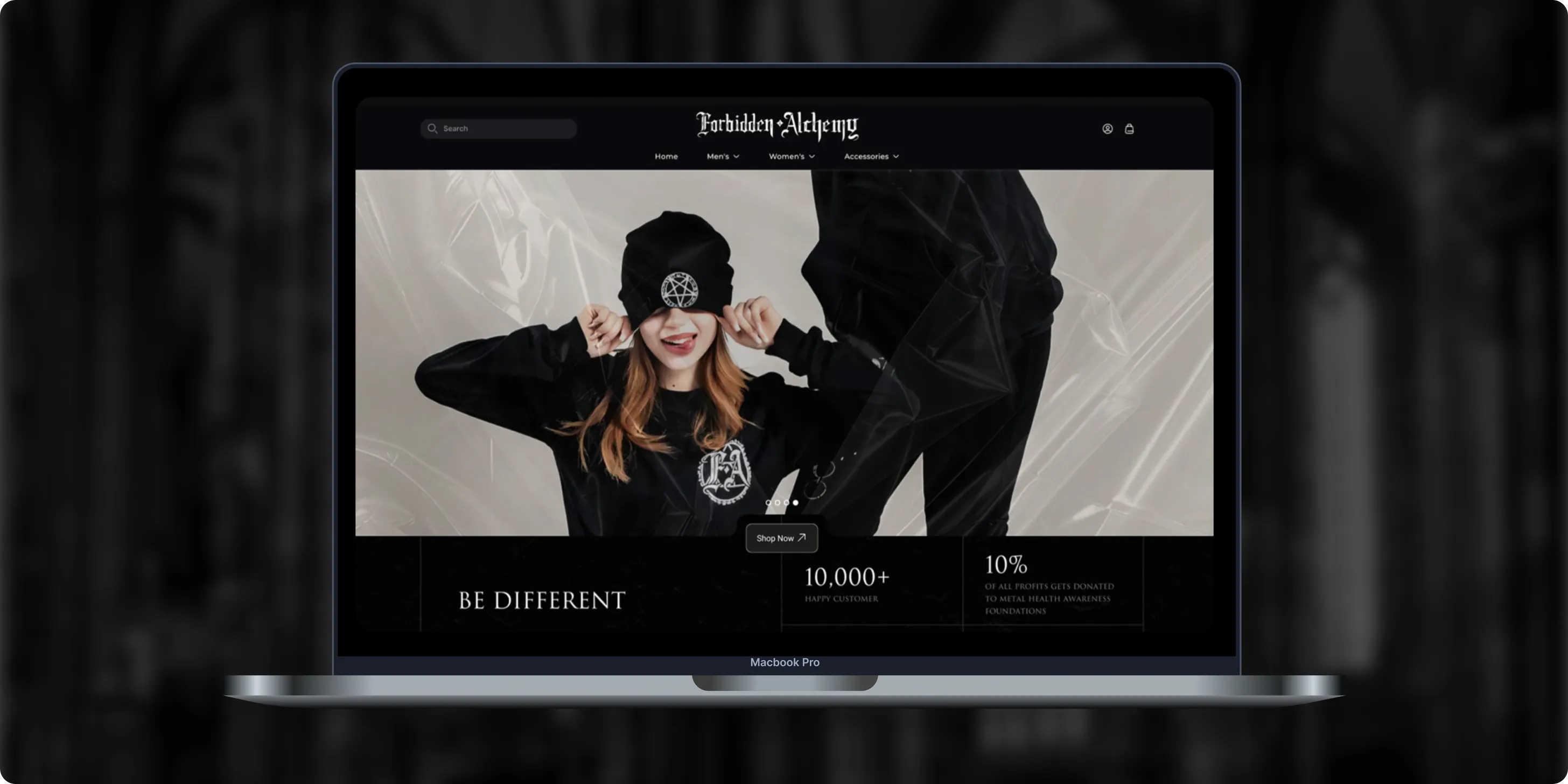
Forbidden Alchemy is an alternative fashion brand creating dark, provocative clothing for the metalhead community, with 10% of profits donated to mental health awareness. Its mostly mobile audience struggled with a store that was hard to navigate and weak on functionality.- +44%Revenue Month Over Month
- 86%Design Satisfaction
- 2.8XUser Retention Growth
Altera
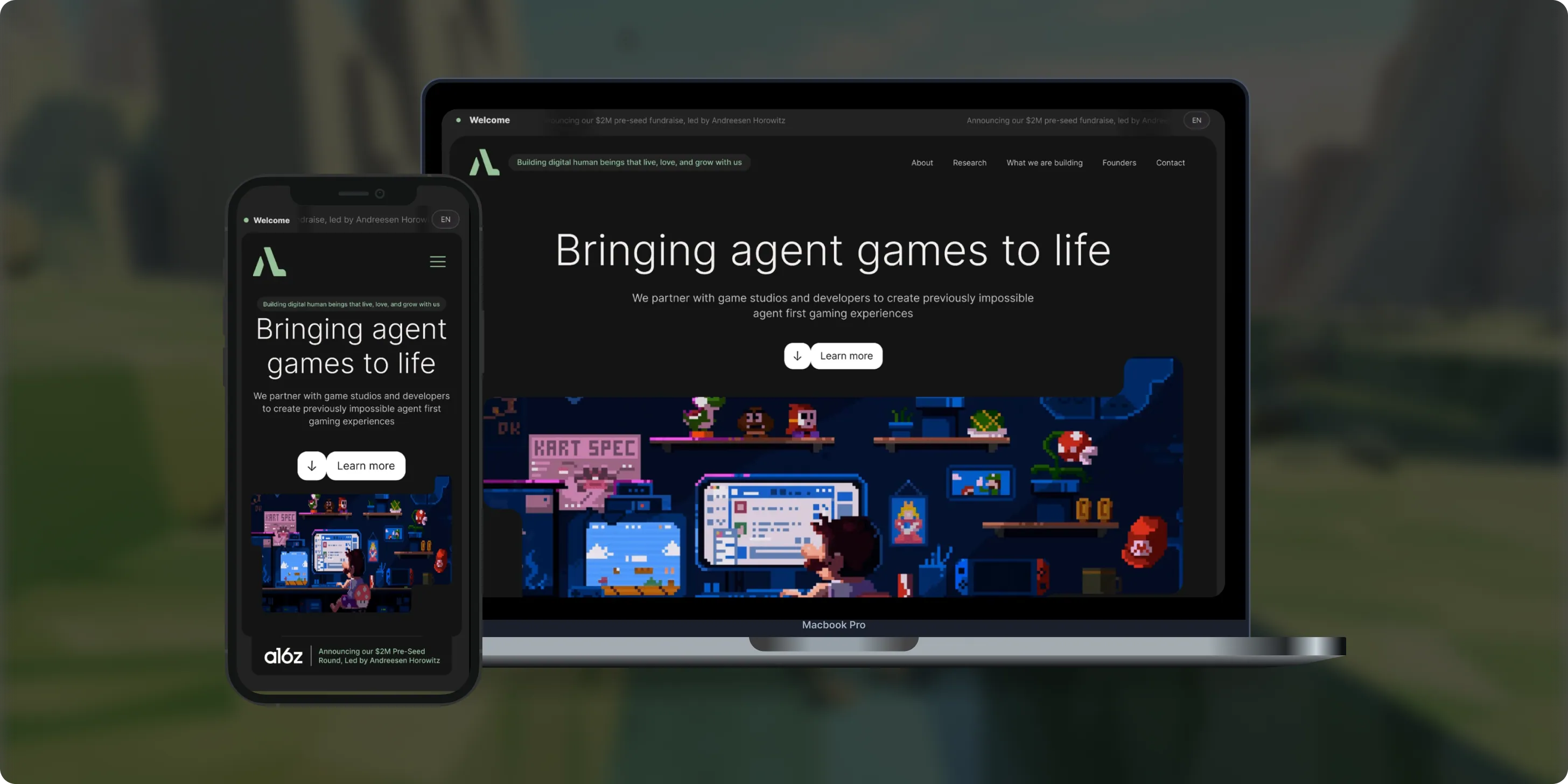
Altera builds on decades of computational neuroscience research to create digital human beings for gaming. Backed by a $2M pre-seed round led by Andreessen Horowitz, the team needed a landing page that could explain complex agent technology to players, partners, and investors.- 98%Dynamic Customization
- 100%Streamlined Navigation
- $2MPre-Seed Round
- Real Estate
Brizacorp
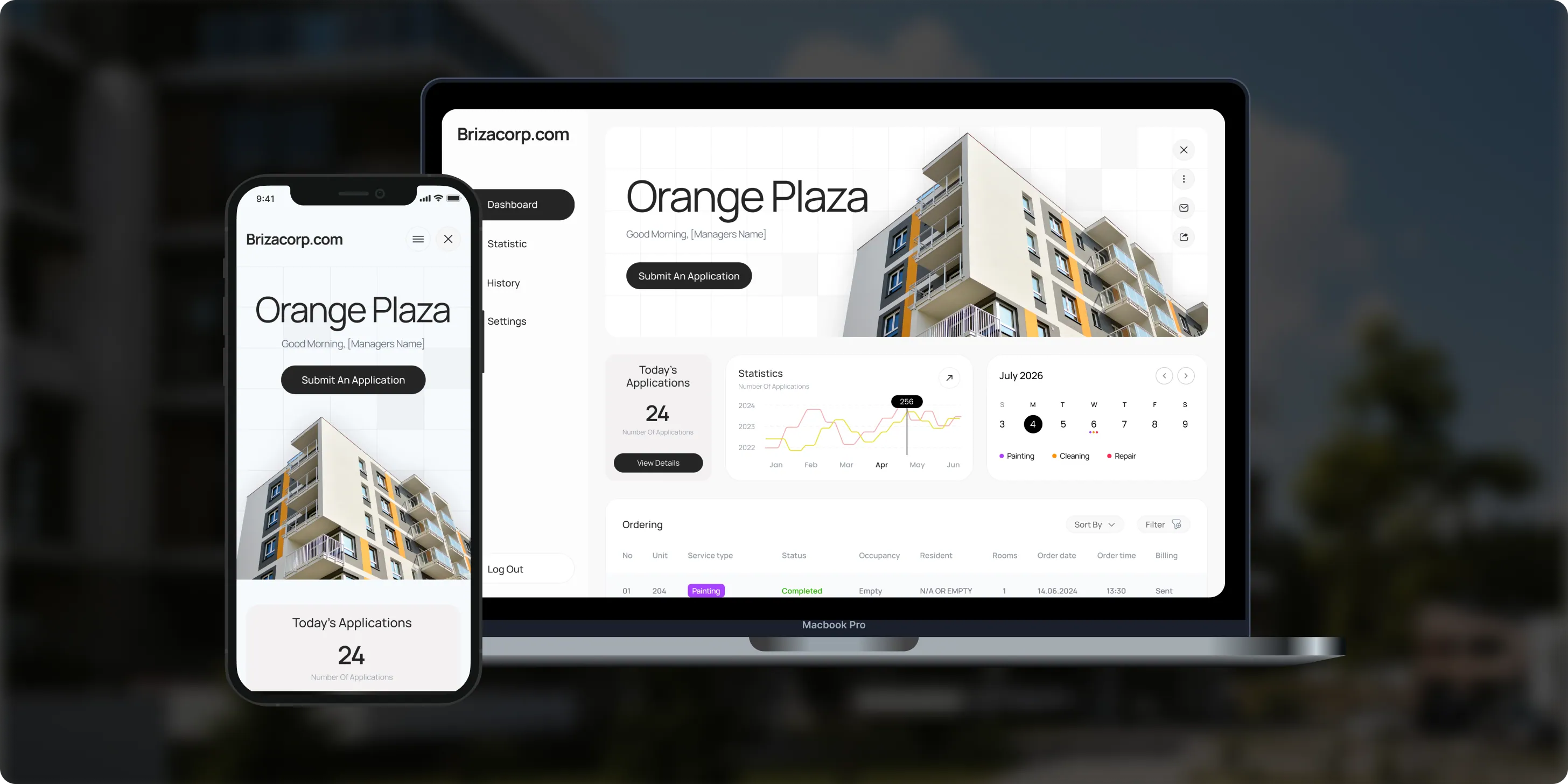
Brizacorp manages residential properties and coordinates the staff who handle painting, cleaning, and repair requests. Its team tracked work across messengers, phone calls, e-mail, and paper planners, with no single place to manage requests or measure performance.- 98%Application Stability
- 95%Utilization Rate
- 30%Faster Task Completion
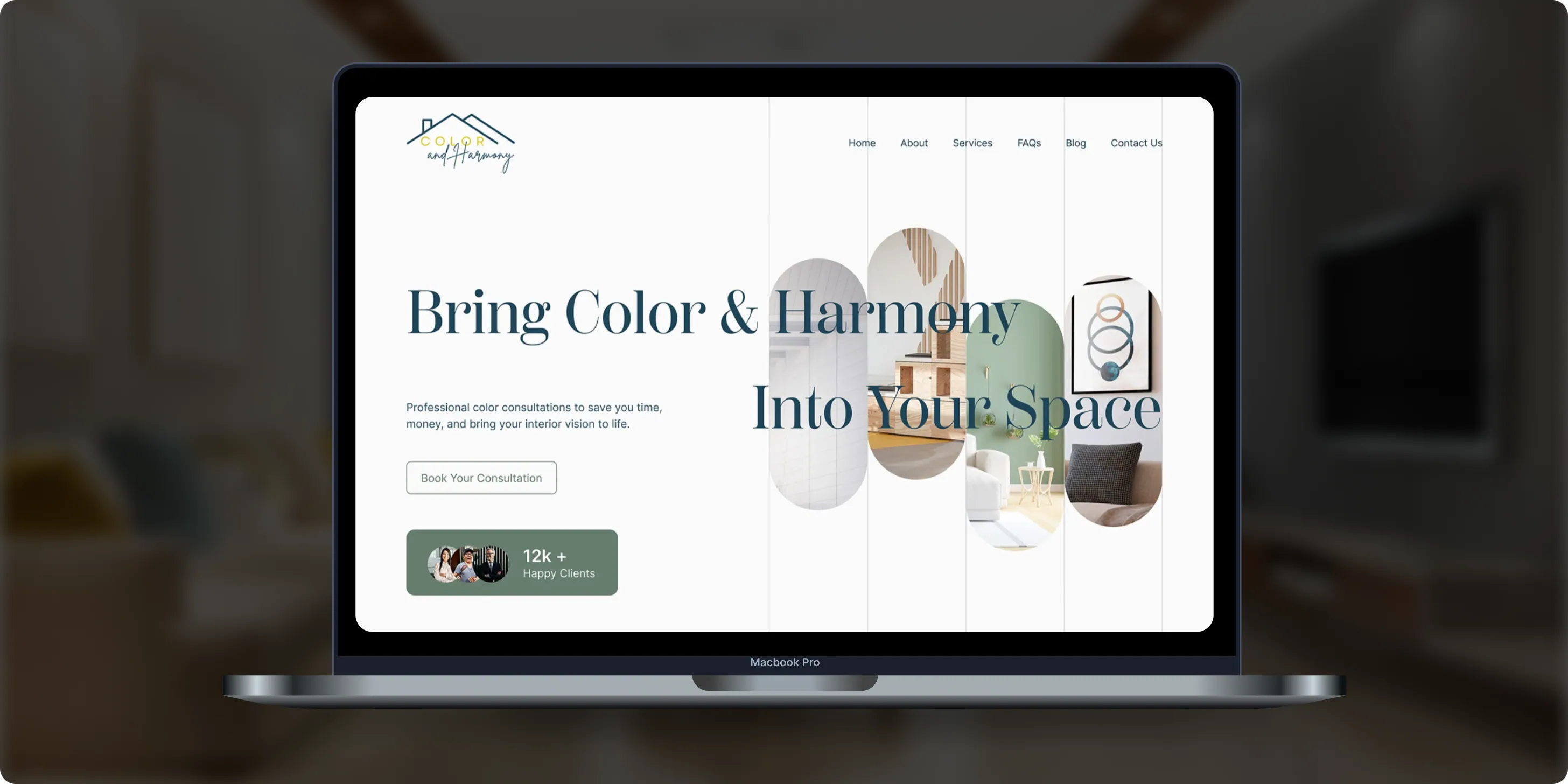
Color & Harmony
Color & Harmony is a Kentucky-based color consulting studio led by certified color strategist Diana Cartaya. The studio needed a website that reflects its refined aesthetic, showcases its portfolio, and explains a science-based color process in simple language.- 45%Conversion Rate Increase
- 50%Higher User Engagement
- 2Months to Launch
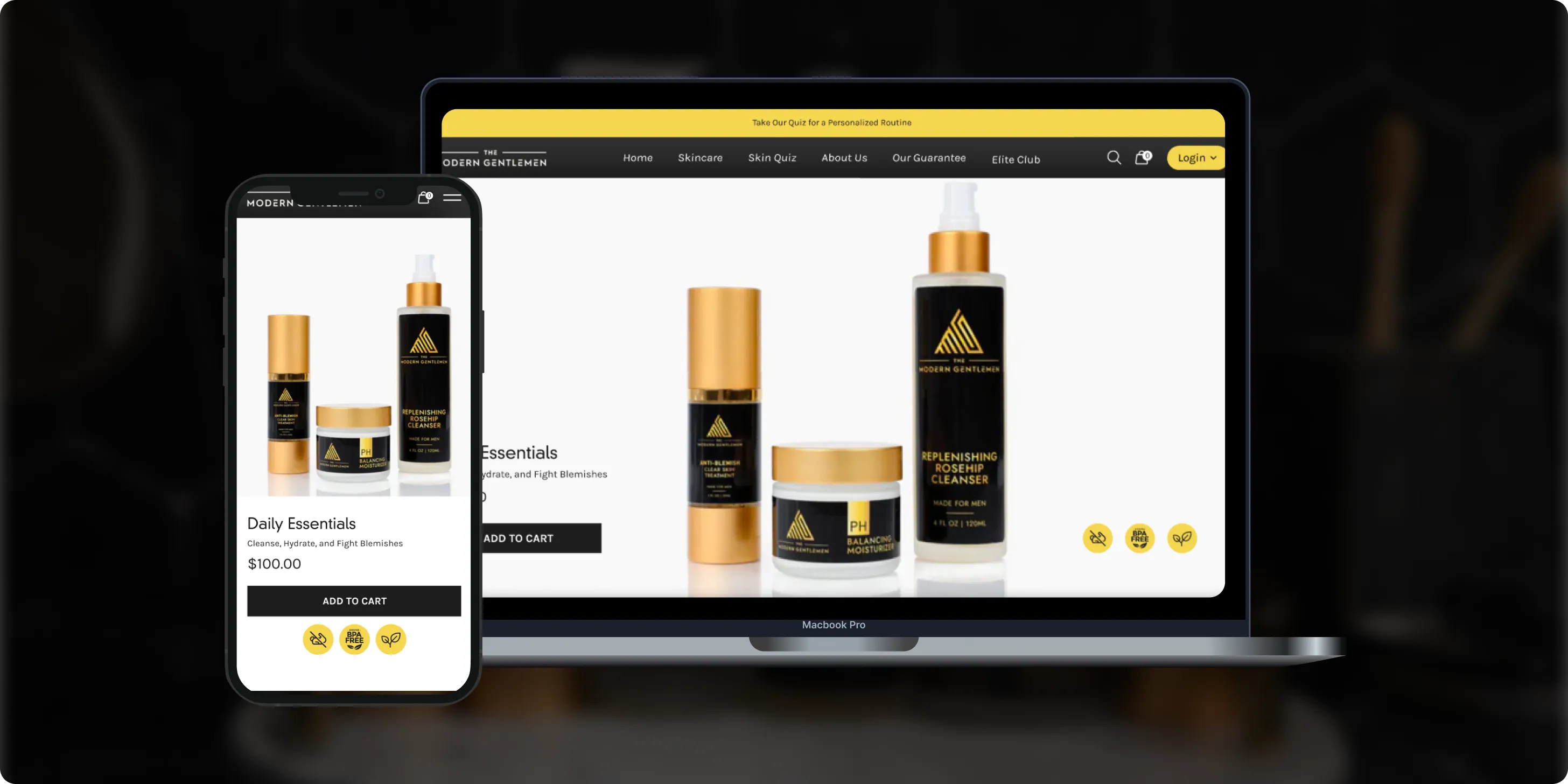
The Modern Gentlemen
The Modern Gentlemen sells premium men's skincare featured in Men's Health, GQ, and Men's Journal. Its customers wanted an efficient routine, but generic product suggestions and limited skincare knowledge made choosing the right products hard.- 30%Increase in Conversions
- 25%Higher Customer Retention
- 92%Mobile Purchases
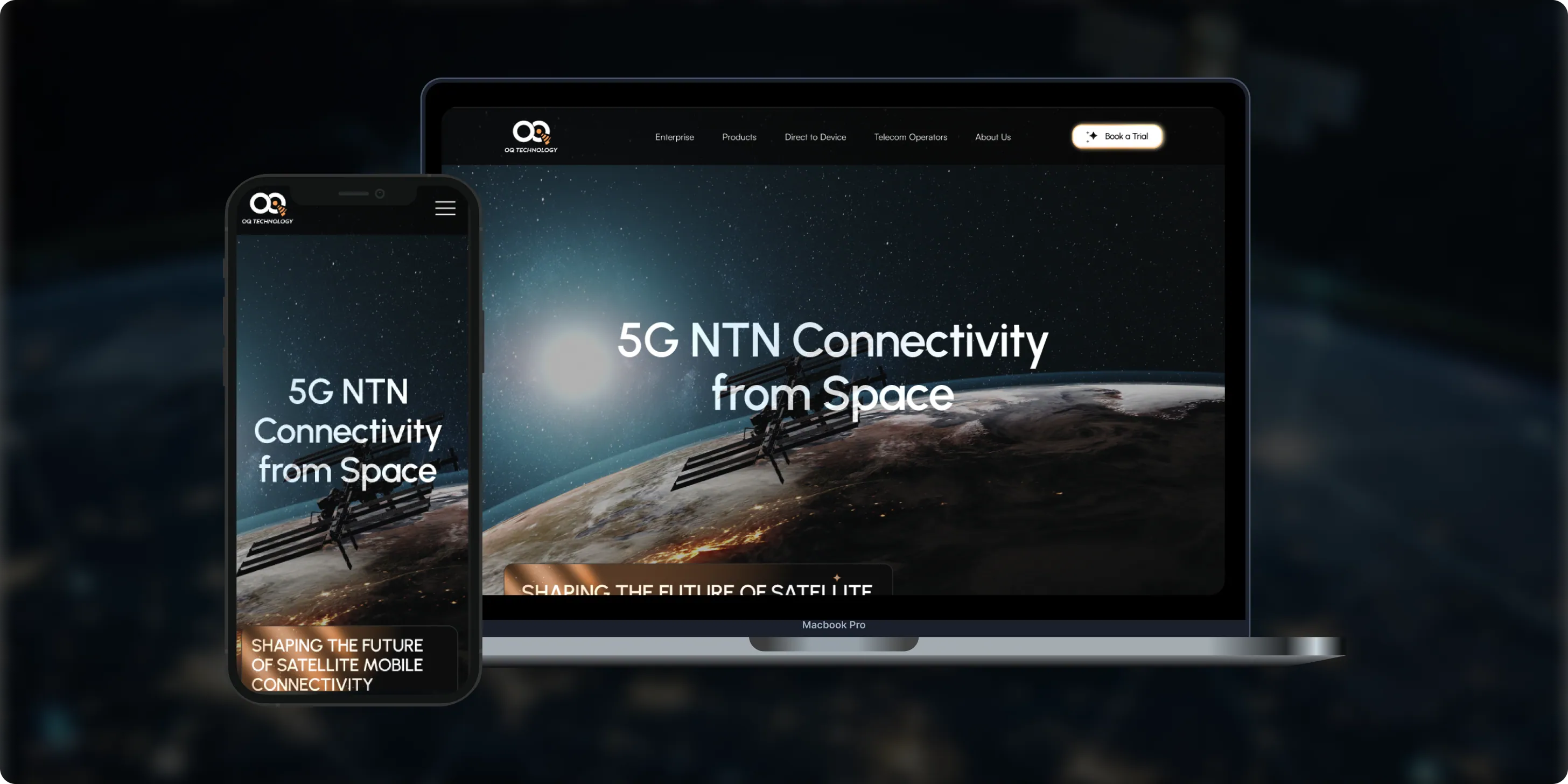
OQ Technology
OQ Technology connects IoT devices, machines, and people anywhere on the planet through its satellite network, serving energy, maritime, logistics, agriculture, and mobile operators. Its website made it hard to explore products and reach pricing plans.- 4Pricing Plans Clarified
- 3Dedicated User Flows
- 1Unified Platform
- Real Estate
- Finance
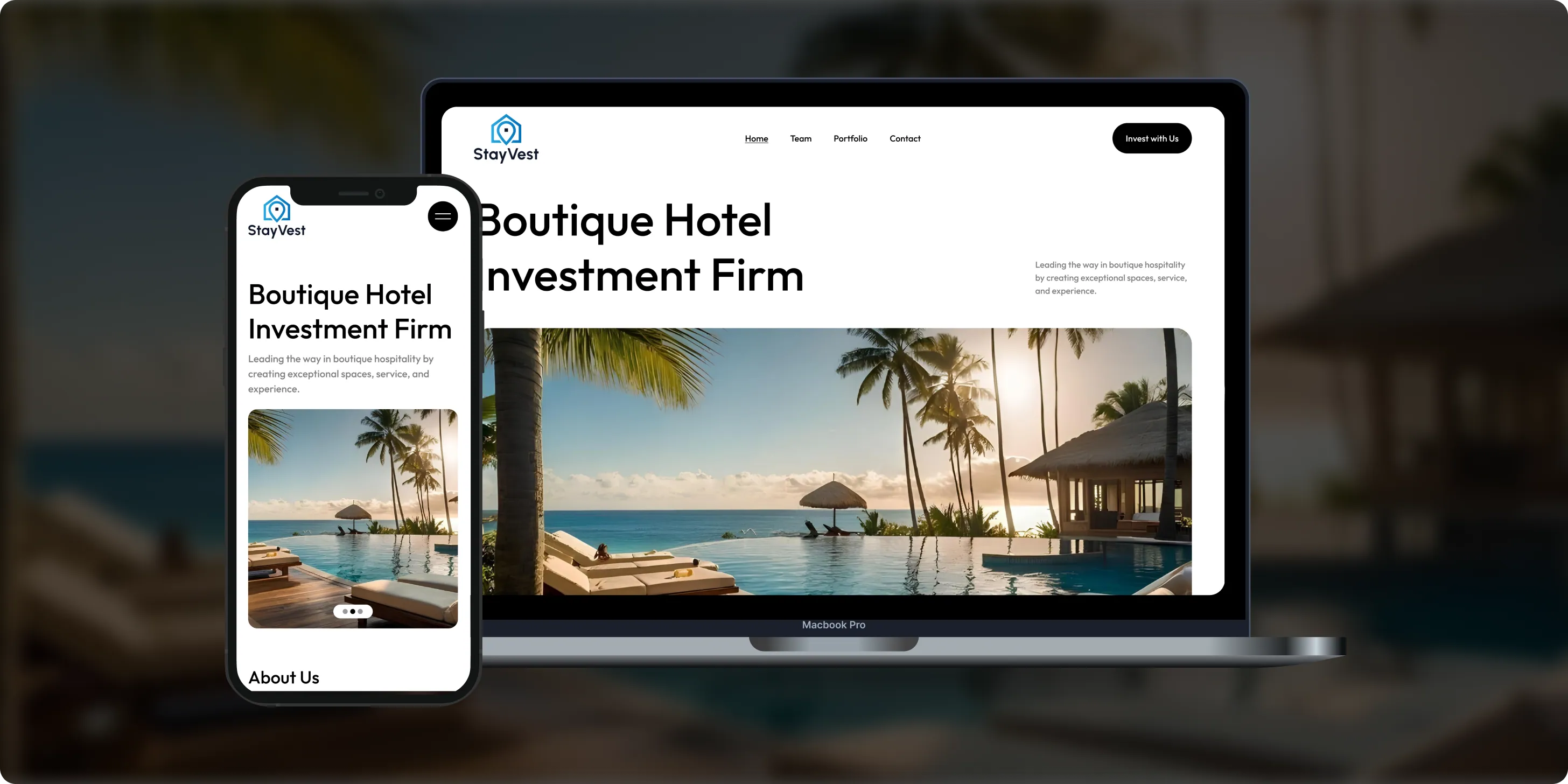
Stay Vest
Stay Vest is a private real estate investment firm that acquires, renovates, and operates boutique hotels for cash flow, tax benefits, and equity gain. It needed a platform that explains its strategy and earns the trust of passive investors.- 1,500+Guest Stays
- 200+Rooms Managed
- 5States Covered
Bokeyno Motorsports
Bokeyno Motorsports is the leading mobile installer of vertical doors for high-performance cars. This Shopify website isn’t just about services—it’s a bold statement of power, style, and expertise. With a sharp layout, strong visuals, and real-world case studies, the site delivers all the information car enthusiasts need to book confidently and instantly.- 54%Booking Requests
- 43%Lead Conversion
- 32%Qualified Inquiries

ai document processing platform
A comprehensive talent solution designed to help companies attract, hire, and retain top talent more effectively. The platform combines AI-powered recruitment technology with employee financial wellbeing programs, enabling smarter hiring decisions while supporting employees’ financial stability and long-term engagement.- 62%Faster Processing Time
- 78%Less Manual Work
- 35%Improved Accuracy

Frequently Asked Questions
Everything you need to know about working with SoftDoes. Can’t find an answer?
When is a custom ERP better than SAP, NetSuite, or off the shelf ERP platforms?
Custom ERP is the stronger choice when your organization has complex, unique workflows that off the shelf tools cannot accommodate without heavy modification. If you need deep integrations with existing systems, have strict regulatory or audit requirements, or want to eliminate per user recurring license fees, a custom approach gives you full control. Off the shelf platforms win only when your operational challenges are simple and your processes fit a vendor's predefined templates.
What custom ERP modules can SoftDoes develop for our operations?
SoftDoes creates modules for finance, procurement, inventory, supply chain, HR, CRM, analytics, project management, and resource allocation. Beyond these, SoftDoes designs industry specific modules: quality inspection workflows, contract management, advanced pricing engines, compliance tracking, and asset maintenance scheduling.
How do you handle complex data migration from legacy ERP systems without operational downtime?
SoftDoes runs staged migrations: inventory existing data sources, assess data quality, map fields to the new ERP system, execute trial migrations, and reconcile results. Parallel operation of old and new systems during the transition period keeps business operations running. Documented fallback plans exist at every step.
Can custom ERP development eliminate per user recurring license fees?
Yes. With a custom ERP, your organization owns the codebase. No per user or per module subscription fees compound as headcount increases. Ongoing costs still exist for infrastructure, ongoing maintenance, and periodic enhancements, but the cost structure shifts from an operating expense to a controlled capital investment. This can save money over multi year horizons compared to enterprise SaaS ERPs.
How do custom ERP solutions integrate with our existing accounting, CRM, and e commerce platforms?
SoftDoes connects custom ERPs to existing software through REST APIs, event driven messaging, and batch ETL pipelines. Each integration is designed as a first class component, not an afterthought. This enables near real time synchronization with accounting platforms, CRM platforms, warehouse management, and e commerce storefronts.
What deliverables are included in the ERP discovery and system audit phase?
The discovery phase produces a current state process map, documented pain points, a prioritized requirements backlog, a high level architecture outline, a risk register, and a phased implementation roadmap. These artifacts give leadership the information needed to make informed go or no go decisions before committing to full ERP development.
How do you price custom ERP development projects?
Pricing is scope based. SoftDoes breaks each engagement into defined phases with transparent cost components. Factors include module count, integration complexity, data migration volume, UX design depth, and compliance needs. AI and ML integration is now essential in ERP platforms, and projects that include predictive analytics or anomaly detection modules carry additional engineering effort reflected in the scope. Phased delivery options let organizations manage cash flow while achieving incremental business value.