


90+
Active Client Partnerships
80+Person
Product & Engineering Team
100%
Your Code & IP Ownership
U.S.-Led
Delivery & Accountability
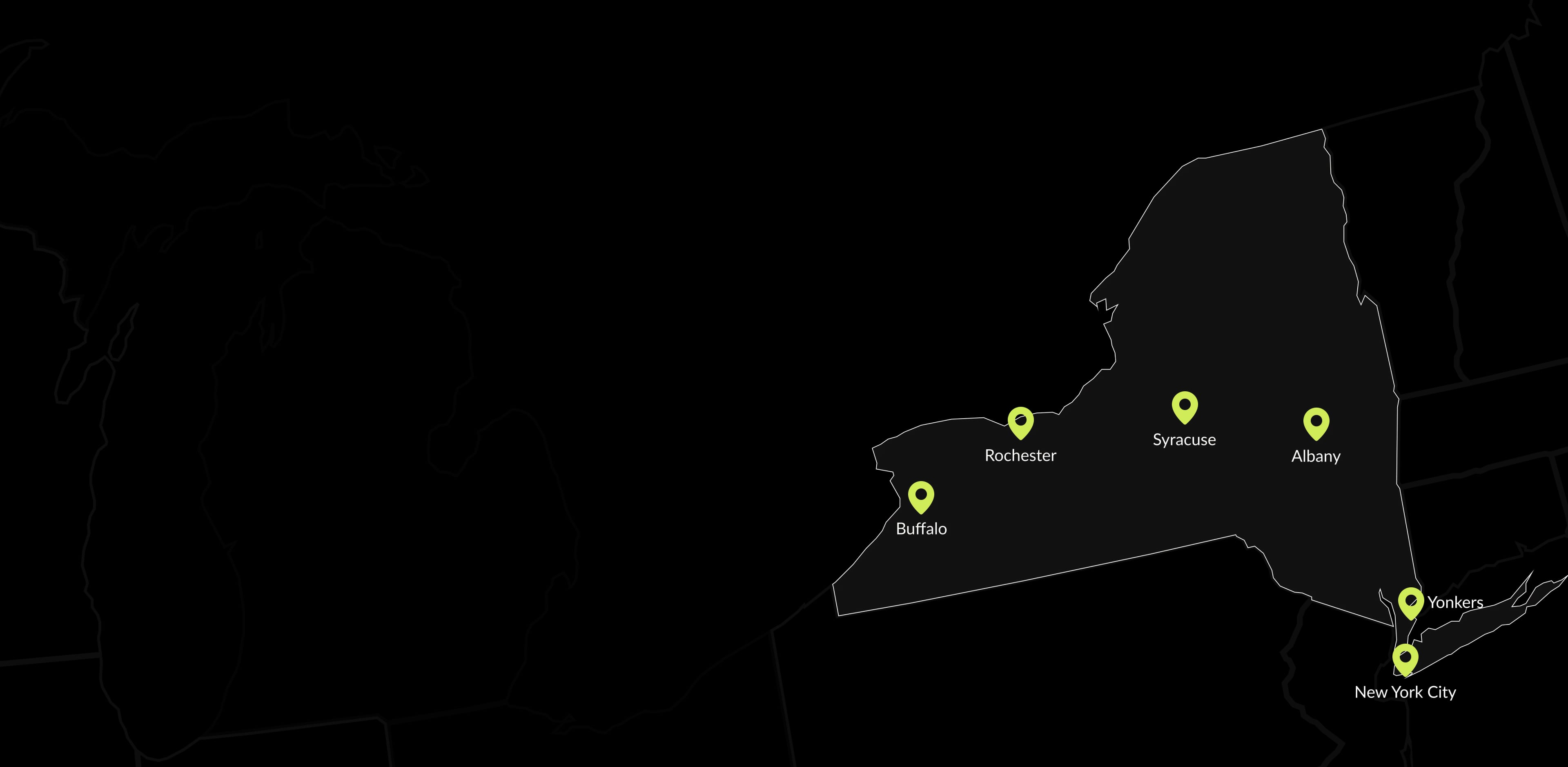
Where we operate
SoftDoes transforms aging infrastructure into resilient digital assets by eliminating the architectural friction that stalls growth. We collaborate with leadership across Texas metros to ensure modern software systems integrate seamlessly with local regulatory and talent requirements.
New York City
NYC organizations trust our expertise to overhaul mission-critical systems and eliminate technical debt accumulated over decades. We architect cloud solutions that support real-time operations and regulatory compliance across the five boroughs.
Explore
Buffalo
The companies accelerate digital transformation through modernization strategies crafted for manufacturing and enterprise operations. Our engineers implement infrastructure upgrades that enhance performance while preserving essential business logic.
Explore
Yonkers
Yonkers businesses leverage our platform migration capabilities to replace fragile legacy systems with resilient, modern architecture. Technical teams execute seamless transitions that maximize uptime and protect operational continuity.
Explore
Rochester
The organizations strengthen technology foundations through comprehensive system restructuring and cloud migration initiatives. Our development process integrates security frameworks that adapt to emerging threats and compliance requirements.
Explore
Syracuse
Syracuse enterprises unlock scalability by transitioning from monolithic applications to microservices architecture. Engineering partners guide each stage of modernization, ensuring zero disruption to daily operations.
Explore
Albany
The government agencies and companies benefit from proven methodologies that modernize critical infrastructure efficiently. Our commitment to transparency and collaboration drives successful outcomes for public and private sector clients alike.
Explore







What We Solve

- 01
Legacy System Vulnerabilities & Security Risks
- 02
Outdated Infrastructure Causing Performance Bottlenecks
- 03
Integration Challenges Between Modern Applications & Aging Backends
- 04
Compliance Gaps in Regulated Environments
- 05
Scalability Limitations Preventing Growth
Built for Decades
Senior engineering partners design modernization solutions that prioritize longevity over quick fixes. Every architecture decision reflects a commitment to scalability, maintainability, and operational excellence.
Custom Software Solutions
Designs and implements specialized software that adapts to unique business challenges, boosting efficiency and user engagement.
Technology Strategy & System Design
Crafts comprehensive plans and architectures that future-proof infrastructure while supporting seamless integration across platforms.
Intelligent Automation & Analytics
Leverages machine learning and AI to transform raw data into predictive insights, enhancing operational accuracy and innovation.
Cloud Infrastructure & Optimization
Transitions and manages cloud environments to maximize performance, reduce costs, and ensure reliable access to digital resources.
Frequently Asked Questions
Everything you need to know about working with SoftDoes. Can’t find an answer?
How is communication handled during system modernization?
Transparent collaboration defines every engagement from initial discovery through deployment. Project managers establish regular cadences for updates, including weekly status reviews and milestone demonstrations. Technical leads maintain direct access for stakeholders who require deeper engagement on architecture decisions. Documentation accompanies each phase, ensuring knowledge transfer remains consistent throughout the process. Emergency protocols guarantee rapid response when urgent matters arise. This structured approach keeps all parties aligned and informed without creating unnecessary overhead.
What types of projects are a good fit for SoftDoes?
Organizations pursuing cloud migration, legacy refactoring, or infrastructure overhauls find strong alignment with our capabilities. Government agencies modernizing payroll systems or financial platforms benefit from experience with mission-critical environments. Enterprises seeking to decompose monoliths into microservices architecture receive expert guidance through complex transitions. Companies requiring API development to connect disparate systems gain access to proven integration methodologies. Startups building scalable foundations and established firms eliminating technical debt both represent ideal partnerships. Every project size and complexity level receives the same engineering rigor and commitment to excellence.
Do you build MVPs or only large systems?
Both minimum viable products and enterprise-scale platforms receive dedicated attention and resources. MVPs benefit from lean development practices that validate concepts quickly while establishing solid technical foundations. Large systems require comprehensive planning, phased implementation, and rigorous testing protocols to ensure successful outcomes. The same senior talent works across project types, applying appropriate methodologies for each context. Mobile app development and complex backend systems follow consistent quality standards regardless of scope. Flexibility in approach allows organizations at any stage to access professional engineering support.
How do you handle scope and changes during modernization?
Adaptability remains central to managing evolving requirements throughout extended engagements. Initial discovery phases establish clear parameters while acknowledging that complex projects often reveal unexpected considerations. Change request processes evaluate impact on timelines, budget, and technical architecture before implementation. Agile methodologies enable iterative refinement without derailing core objectives or deliverables. Stakeholders receive transparent assessments when proposed modifications affect project trajectory. This balanced approach protects original goals while accommodating legitimate business needs as they emerge.
What happens after launch?
Post deployment support ensures systems perform reliably under real-world conditions. Managed services options provide ongoing monitoring, maintenance, and optimization for organizations requiring continuous assistance. Knowledge transfer sessions equip internal teams with the understanding necessary for independent operations. Documentation packages detail architecture decisions, deployment procedures, and troubleshooting protocols. Performance reviews identify opportunities for enhancement as usage patterns develop over time. Long term partnerships extend beyond initial delivery to support sustained success.
Will we own the code and IP?
Complete intellectual property ownership transfers to clients upon project completion. All source code, documentation, and related assets become organizational property without licensing restrictions. This policy ensures full control over future development, modifications, and deployment decisions. Third party components include appropriate licenses that permit unrestricted commercial use. Transparency regarding IP matters establishes trust from the earliest discussions through final delivery. Clients retain the freedom to engage any resources for subsequent work without dependency on original developers.
What makes SoftDoes different from a typical agency?
Engineering depth separates professional partnerships from transactional vendor relationships. Senior developers with specialized expertise in legacy systems and modern architecture lead every engagement. Cultural emphasis on innovation drives creative problem solving rather than template-based implementations. Knowledgeable consultants understand both technical requirements and business context, ensuring solutions align with strategic objectives. Investment in long term client success replaces focus on billable hours or rapid project turnover. This approach produces impactful products built for endurance rather than superficial deliverables requiring immediate rework.
How do you price modernization projects?
Comprehensive assessment precedes any pricing discussion to ensure accurate scoping and appropriate resource allocation. Fixed price arrangements suit well-defined initiatives with clear deliverables and minimal uncertainty. Time and materials structures accommodate exploratory phases or projects requiring flexibility as requirements evolve. Hybrid models combine elements of both approaches to balance predictability with adaptability. Efficiency in execution translates to competitive pricing without sacrificing quality or cutting corners. Detailed proposals outline all assumptions, deliverables, and payment milestones before engagement begins.