
We build with Angular
We use Angular to build enterprise dashboards, internal tools, and customer-facing applications that support your business goals. From component architecture and state management to testing and long-term upgrades, we create products designed to evolve with your needs.
DISCUSS YOUR PROJECTComplete Platform
Routing, forms, and HTTP client are included from day one.
Enterprise Architecture
A component and module structure built for large codebases.
Reactive Data Flow
RxJS and two-way binding keep complex views in sync.
























BENEFITS OF ANGULAR technology
We use Angular to build structured enterprise applications, enforce type safety, and keep large codebases maintainable.
BUILD
[01]- Structure app modules
- Enforce type safety
- Scaffold with Angular CLI
- Define reusable components
ENGAGE
[02]- Manage reactive state
- Bind data two ways
- Validate user input
- Connect to backend APIs
GROW
[03]- Add features incrementally
- Refactor with confidence
- Scale across large teams
- Adopt new Angular versions



Our Angular Technology Stack
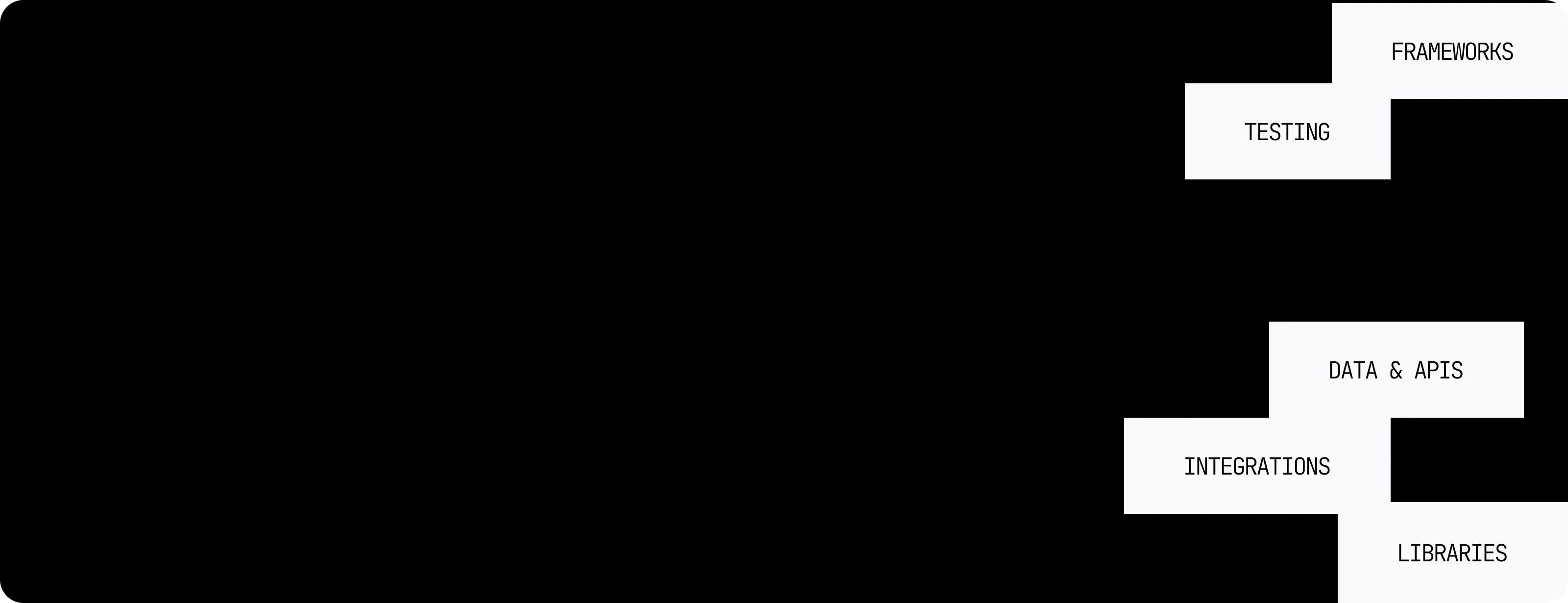
We combine Angular with RxJS, NgRx, and Angular Material for state management, complex forms, and consistent UI components. The stack is selected around your product requirements and existing systems.
Custom Angular development company
With our Angular development services, we build structured, enterprise-grade web applications and admin dashboards, tailored to your boldest business goals. Having years of experience with Angular, our developers harness its built-in routing, forms handling, and dependency injection to deliver maintainable, type-safe solutions across industries and company sizes. Whether it's a new application built from scratch or modernizing an existing AngularJS system, we launch structured, scalable, and future-ready apps. Our range of Angular development services spans consulting, architecture design, development, and post-launch maintenance. We work as your technical partner and ensure complete transparency and comfortable communication throughout the process, and bring the best practices, deep TypeScript expertise, and a disciplined approach to application architecture and problem-solving. All this to make sure that you enter the market with an application that is easy to use and maintain, meets user expectations, and moves your business forward.
OUR ANGULAR SERVICES
We build, modernize, and support Angular applications around your product goals.

ACCELERATE FEATURE DEVELOPMENT
Your roadmap is growing faster than your team. Add senior engineering capacity and deliver more without sacrificing quality.
Angular Enterprise Applications
Admin dashboards, internal tools, and complex SPAs built for long-term maintainability.
Angular UI & Design Systems
Reusable component libraries and Angular Material interfaces that stay consistent at scale.
Angular SaaS Development
SaaS platforms with role-based access, subscription billing, and connected backend workflows.
Angular Modernization
Migrate from AngularJS or older versions, or upgrade an existing application safely.
Meet our Angular experts
A curated selection of senior specialists currently available for new engagements.

AN
AS
AT
BS

Related Technologies



We Turn Technology Into Results
Partner with a team that blends technical precision, creative design, and business insight. We’ll help you launch, scale, and dominate your digital niche.

Frequently Asked Questions
Common questions about how we use Angular and what it can bring to your project. Have a specific requirement?
How does SoftDoes use Angular?
Angular is our pick for front ends that many developers will maintain for years, such as admin consoles, back-office portals, and data-heavy forms. We rely on its typed reactive forms, router guards, and CLI conventions to keep large codebases consistent.
What types of Angular applications do you build?
Our Angular work centers on form-heavy, role-based applications: ERP and CRM front ends, banking and insurance portals, logistics or clinical dashboards, and internal tools with dozens of screens. Angular Material and the CDK cover tables, dialogs, and accessible components.
Can Angular integrate with our existing systems?
Yes. Angular's built-in HTTP client and dependency injection make it straightforward to connect to existing APIs, authentication systems, and backend services without a full rewrite.
Do you use RxJS and NgRx with Angular projects?
Yes, RxJS is core to how Angular handles asynchronous data, and we add NgRx when an application's state becomes complex enough to need centralized, predictable management.
Can you migrate an AngularJS application to modern Angular?
Yes. For live AngularJS 1.x apps, out of official support since the end of 2021, we can run both frameworks side by side with ngUpgrade and port routes and services gradually. Small apps with tangled scope logic are often faster to rewrite directly.
Do you use standalone components in Angular projects?
Yes, we use standalone components where they simplify the module structure, particularly on newer Angular versions, while keeping the broader architecture organized for larger teams.
How do you decide whether Angular fits a project?
Angular fits when a large team needs one opinionated framework with routing, forms, HTTP, and testing built in, plus TypeScript throughout. For content sites or small apps, React with Next.js or Vue usually gives a lighter, more flexible starting point.