
90+
Active Client Partnerships
80+Person
Product & Engineering Team
100%
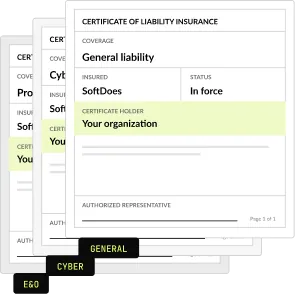
Your Code & IP Ownership
U.S.-Led
Delivery & Accountability
Where we operate
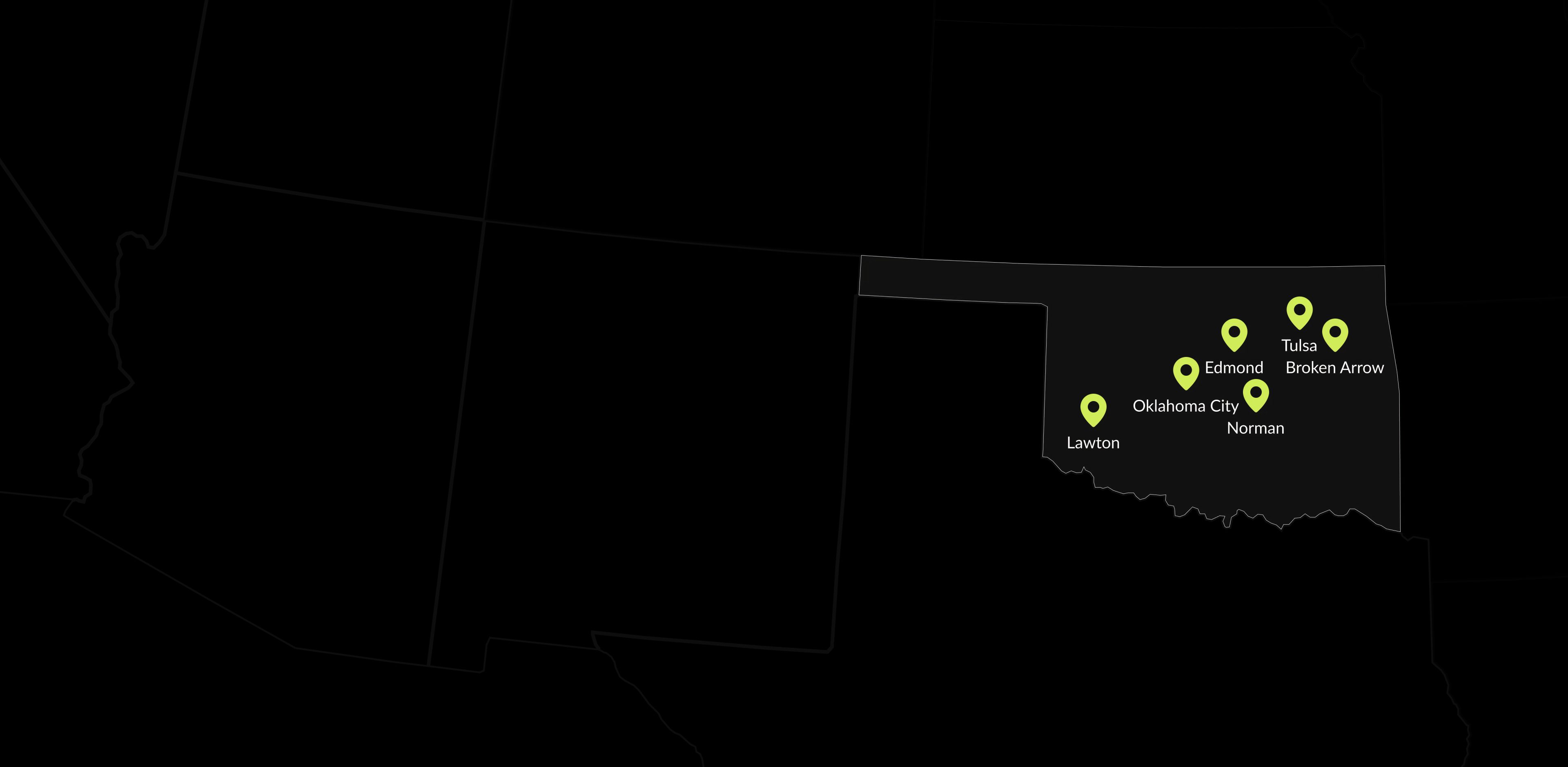
SoftDoes works remotely with organizations across Oklahoma, adapting technical collaboration to each client's location, requirements, and working practices. From established business centers to growing communities, our team supports companies with engineering expertise, digital solutions, and guidance on complex technology decisions.
Oklahoma City
Organizations in the state's capital can access engineering expertise for complex applications, connected systems, and operational improvements. We work with local teams to address technical constraints and align digital initiatives with business priorities.
Explore
Tulsa
Our work in Tulsa focuses on helping businesses coordinate applications, information, and infrastructure as their requirements evolve. We bring technical analysis and cross functional expertise to projects that call for a considered approach.
Explore
Norman
Companies in Norman can work with our team on digital products, data environments, and improvements to existing systems. We help clarify technical requirements and connect implementation decisions with practical business objectives.
Explore
Broken Arrow
For organizations in Broken Arrow, we address disconnected workflows, application limitations, and challenges involving business information. Our engineers consider the wider technical environment when evaluating changes and recommending solutions.
Explore
Edmond
Businesses in Edmond can engage our specialists to examine system dependencies, improve digital experiences, and make better use of their data. We adapt project collaboration to local requirements while keeping technical decisions transparent.
Explore
Lawton
Companies in Lawton can access expertise across engineering, architecture, AI, data, and cloud environments. We help teams assess operational challenges and determine which technical changes deserve attention first.
Explore





Start a Conversation About Your Oklahoma Business
Whether your team is reviewing existing systems, planning a new initiative, or working through a difficult technical decision, SoftDoes can help assess the situation. Tell us what your organization needs to address, and let's discuss a practical way forward.

What We Solve

- 01
Disconnected Business Systems
- 02
Unclear Technical Priorities
- 03
Fragmented Business Information
- 04
Inefficient Digital Workflows
- 05
Uncertain Product Direction
A Technical Partner for Oklahoma Businesses
Working with a technical partner should make complex decisions easier to examine, not add another layer of uncertainty. SoftDoes combines engineering, consulting, design, data, AI, and infrastructure expertise within one team.
Custom Applications & Product Experiences
Custom web applications, mobile products, APIs, and internal platforms address specific business requirements, while UI and UX design makes their functionality easier to understand and use.
Architecture & Engineering Advisory
Architecture assessments, code audits, modernization planning, and integration strategy reveal system constraints and help organizations make informed decisions about their technical environment.
AI, ML, & Data Intelligence
Machine learning models, generative AI, predictive analytics, data pipelines, and analytics environments turn business information into useful functionality and more accessible insights.
Cloud Infrastructure & Operations
Cloud architecture, migration, DevOps, deployment automation, and infrastructure management help align application environments with security, performance, and operational requirements.
Frequently Asked Questions
Everything you need to know about working with SoftDoes. Can’t find an answer?
How is communication handled for complex custom applications?
Every engagement starts with agreeing on communication rhythms that fit the client's culture. We assign a clear single point of contact who coordinates between your team and our engineers, ensuring nothing falls through the cracks. Structured status updates and written summaries follow each significant milestone or decision point. When decisions stall, escalation paths are predefined so delays do not cascade. Video calls anchor the week, but we protect focus time for engineers outside those windows. Shared documentation and meeting notes ensure full traceability so anyone joining the project later can understand what was decided and why.
What types of projects are a good fit for SoftDoes in complex digital projects?
We engage across the full spectrum: shorter MVP sprints, multi phase modernization programs, integrations, data heavy systems, and new product launches. Greenfield products, legacy system replacements, API integration projects, and analytics platform initiatives all fall within our core work. It is expected to need over 6,320 new technology workers over the next decade, which means many organizations need external engineering support now. What matters most is clarity of project goals and willingness to collaborate openly. Startups, mid size companies, and larger organizations all find the engagement model flexible enough to match their reality. SoftDoes is comfortable as a full engineering partner or as targeted reinforcement for an existing team through IT staff augmentation.
Do you create MVPs or only large systems for new product strategy?
We support MVPs, later extensions, and full enterprise grade systems with equal rigor. In our context, an MVP means a tightly scoped set of features designed to validate a hypothesis with real users as fast as possible. That approach suits a unique business that needs to test core assumptions before expanding the system. Planning well from the start means the MVP can evolve into a more capable version without a complete rewrite. Pragmatic tradeoffs around quality, cost, and time are always discussed openly for early stage efforts. Custom software development services at the MVP stage focus on the smallest possible surface that generates real feedback. Early releases can also reveal growth opportunities when teams validate demand and usage patterns quickly. From there, the development process follows a clear path toward the final product your organization actually needs.
How do you handle scope and changes in agile web projects?
Initial discovery establishes a baseline scope with documented assumptions, constraints, and project requirements. Transparent project management keeps decisions visible when scope changes affect cost or timing. When a change request appears, we estimate its impact on timeline, effort, and budget before any work starts. The request is then accepted, deferred, or declined together with your team. No change enters a sprint without explicit agreement on what it costs and what it displaces. Lightweight documentation such as backlogs, change logs, and sprint summaries keeps everything visible. This approach ensures the software development project stays on track without rigidly refusing adaptation. Disciplined change handling helps deliver projects without letting priorities drift.
What happens after launch for long term software support?
Launch is treated as a starting point for learning, not the end. We set up monitoring, alerting, and issue response protocols so problems surface quickly. Minor enhancements and scheduled reviews keep the system aligned with evolving business needs. Options range from full knowledge transfer to your internal team through to ongoing managed services where our engineers handle operations continuously. Some clients use that post launch support to improve efficiency across operations as real usage data reveals friction points. Ongoing iteration also helps shape scalable solutions as demand changes over time. Feedback from real users feeds directly into prioritized iterations. Post launch collaboration can last months or years depending on what the organization requires.
Will we own the code and IP for our custom platform?
Yes. Under standard engagements, clients retain full ownership of the codebase and all intellectual property. Third party components and open source licenses are documented clearly so your legal team has complete visibility. At project close, repositories, documentation, credentials, and access are transferred entirely. There are no lock in mechanisms and no proprietary wrappers that force continued dependency. You walk away with everything you paid for, fully documented and ready for any team to maintain.
What makes SoftDoes different from a typical agency for enterprise software solutions?
Most software development agencies focus on output: hours logged, tickets closed, features shipped. SoftDoes acts less like a typical software development agency and more like a technical partner aligned with business needs and long term outcomes. Senior engineers participate directly in projects rather than handing off to junior staff after the sales call. This supports strong partnerships because the same experienced people stay close to the work and decisions. Architectural rigor and respect for existing systems mean we do not push unnecessary rewrites. We speak openly about risks, constraints, and tradeoffs even when the honest answer is uncomfortable. That depth of engineering and transparency is what separates a custom software development firm from a typical agency specializes in volume over substance. It reflects extensive experience applied with care.
How do you price projects in modern cloud migration work?
Pricing follows one of three models depending on project characteristics: time based for exploratory or advisory work, project based for well defined scopes, and hybrid for engagements that combine discovery with execution. Pricing may also reflect whether the work includes generative AI exploration, cloud architecture, or broader consulting services. Cloud computing can reduce IT costs meaningfully, but the actual savings depend on architecture decisions made early. Our estimates are created from detailed technical breakdowns, refined during discovery, and communicated with full transparency about assumptions. Realistic pricing protects the management experience on both sides by preventing avoidable surprises later. When assumptions change, estimates update accordingly. We would rather be honest about uncertainty than offer optimistic promises that erode trust later. Each pricing conversation starts with your constraints and works backward to a realistic engagement structure.