




We build with Go
We use Go to build fast, concurrent backend services, APIs, and infrastructure tools that support your business goals. From service architecture and performance tuning to testing and deployment, we create products designed to evolve with your needs.
DISCUSS YOUR PROJECTBuilt-In Concurrency
Goroutines and channels make concurrent programming simple.
Static Binary Builds
We compile to single binaries with no external dependencies.
Compiled Performance
We build fast, efficient services ready for production workloads.
























BENEFITS OF GO technology
We use Go to build high-performance backend services, simplify deployment with single binaries, and handle concurrency safely.
BUILD
[01]- Design microservices
- Structure Go modules
- Implement concurrent logic
- Write idiomatic Go code
ENGAGE
[02]- Serve high-throughput APIs
- Handle concurrent requests
- Power gRPC services
- Support containerized deployments
GROW
[03]- Scale services horizontally
- Optimize performance bottlenecks
- Extend with new modules
- Maintain long-term reliability



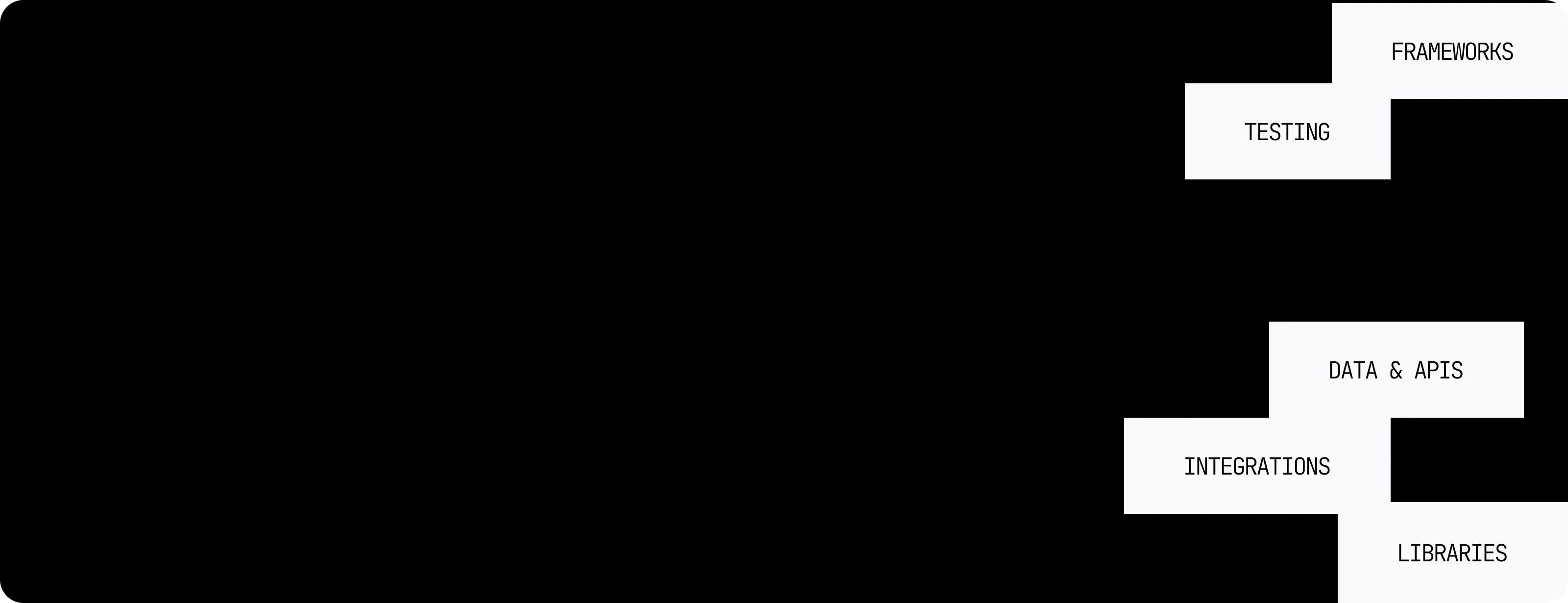
Our Go Technology Stack
We combine Go with Docker, Kubernetes, gRPC, and frameworks like Gin or Echo for building microservices, deployment, and testing. The stack is selected around your performance and scalability requirements.
Custom Go development company
With our Go development services, we build high-performance backend services, microservices, and command-line tools, tailored to your boldest business goals. Having years of experience with Go, our engineers harness its built-in concurrency and fast compilation to deliver reliable, scalable systems across industries and company sizes. Whether it's building a new microservice architecture from scratch or modernizing an existing backend, we deliver efficient, production-ready applications that perform under real-world load. Our range of Go development services spans consulting, architecture design, development, and ongoing maintenance. We work as your technical partner and ensure complete transparency and comfortable communication throughout the process, bringing deep systems expertise and a pragmatic approach to building and problem-solving. All this to make sure your backend stays fast, reliable, and easy to maintain as usage grows, and moves your business forward.
OUR GO SERVICES
We build, modernize, and support Go applications around your product goals.

Your roadmap is growing faster than your team. Add senior engineering capacity and deliver more without sacrificing quality.
Backend APIs and services built for performance, reliability, and easy long-term maintenance.
Microservices and gRPC APIs architected around your system's real traffic patterns.
Command-line tools and cloud-native services built for Docker and Kubernetes environments.
Migrate legacy services to Go or optimize an existing codebase for performance.
Meet our Go experts
A curated selection of senior specialists currently available for new engagements.


AS
DM
LE



We Turn Technology Into Results
Partner with a team that blends technical precision, creative design, and business insight. We’ll help you launch, scale, and dominate your digital niche.

Frequently Asked Questions
Common questions about how we use Go and what it can bring to your project. Have a specific requirement?
How does SoftDoes use Go?
We use Go to build backend services, microservices, and command-line tools that need high performance and reliable concurrency. We select frameworks and system architecture around your product's traffic patterns and existing infrastructure.
What types of applications do you build with Go?
We build microservices, REST and gRPC APIs, command-line tools, and cloud-native backend systems, from early-stage prototypes to services supporting high-traffic production workloads.
Can Go integrate with our existing systems?
Yes. Go services communicate well with existing APIs, databases, and message queues, and can be introduced alongside your current backend without requiring a full rewrite.
Do you use Docker and Kubernetes with Go?
Yes. Go's single static binaries make it a natural fit for containerized deployments, and we commonly pair Go services with Docker and Kubernetes for orchestration and scaling.
When do you use frameworks like Gin or Echo?
We add a framework like Gin or Echo when a project needs faster HTTP routing, middleware support, or request handling conventions beyond what Go's standard library provides out of the box.
Can you modernize an existing backend with Go?
Yes. We can migrate a legacy service to Go incrementally, component by component, or rebuild it from scratch, depending on your timeline and current system architecture.
How do you decide whether Go fits a project?
We look at your performance requirements, concurrency needs, existing technology, and team skillset, then confirm Go is the right fit before starting development.


