



U.S.-Based
One Platform for Every Load, Lane, and Handoff
SoftDoes is a logistics software development company that builds custom TMS, WMS, fleet and tracking solutions, and integrates them with ERP and existing tools. Modernize your logistics systems, connect data, and improve visibility without rebuilding everything from scratch.

Let's build together.
Talk with a senior engineer about your product idea, architecture, and what it would take to build it.
90+
Active Client Partnerships
80+ Person
Product & Engineering Team
100%
Your Code & IP Ownership
U.S.-Led
Delivery & Accountability
Why Logistics Businesses Come to Us
Your operation runs across systems that were never built to talk to each other.
When orders arrive through different channels such as phone, email, web portals, or third-party platforms, keeping everything organized becomes a complex challenge. Employees often need to transfer information manually or check several disconnected tools before assigning the next task, which increases the risk of small errors that can lead to missed details, duplicated efforts, and unnecessary work. As order volume grows, these manual coordination steps become harder to manage and can slow down the entire logistics workflow. Custom logistics software development can bring all order information and task assignments into a single, connected workflow, reducing errors and improving efficiency.
Your customers expect real-time visibility, and your team is delivering it by phone and email.
Important updates about shipments, inventory, and delivery status are often scattered across separate systems, messages, and spreadsheets. This fragmentation forces employees to spend valuable time chasing information instead of focusing on timely actions. A delayed or missing update can make it difficult to understand what has already happened and what still requires attention, leading to bottlenecks and missed deadlines. Managers also struggle to identify emerging problems before they affect other parts of the operation. A shared, real-time view of operational activity through reliable logistics software solutions helps everyone work with the same accurate and up-to-date information, improving decision-making and customer satisfaction.
The system that got you here can't get you to the next tier of volume.
In many logistics businesses, different applications store overlapping information but do not share updates automatically. This lack of seamless integration means employees often enter the same details multiple times and must manually check records for inconsistencies, creating extra work and increasing the chance of errors. Even minor changes in one system may need to be replicated across several tools, which wastes time and complicates reporting. Logistics software integration services can connect these workflows, synchronize data, and reduce unnecessary manual steps, enabling smoother operations and more reliable reporting.
Manual Processes Slow Down Daily Work
Routine logistics activities such as assigning tasks, updating shipment records, and preparing reports can take longer when employees must perform these steps manually. This leaves less time for handling exceptions, addressing urgent issues, and making strategic decisions. The problem becomes more noticeable when workloads fluctuate or new requests arrive unexpectedly. Simply adding more employees does not always solve the underlying inefficiency. Custom applications designed specifically for your logistics operations can automate suitable repetitive tasks while keeping people involved in decisions that require judgment or flexibility, thereby improving overall operational efficiency.
Your Existing Software No Longer Fits
An application that once supported your workflow may become difficult to adapt as business requirements change or scale. New features can be expensive to develop and maintain when the original software architecture limits further enhancements. Employees may resort to creating workarounds or manual processes that complicate the operation even further. Replacing the entire system is not always necessary. A focused modernization project can address important limitations, improve performance, and add new capabilities while preserving useful parts of the existing system. This approach can extend the software’s lifespan and provide a better return on investment.
What We Build for Logistics Businesses

Turn Your Operational Needs Into Custom Software
Every business has its own workflows, rules, and priorities. We help translate these requirements into software that supports the way your team works.
Define business goals and user requirements.
Map current workflows and identify bottlenecks.
Establish the essential features for the first release.

Connect Your Systems and Information
Your team should not have to move between disconnected applications to understand what is happening. We develop solutions that help existing tools exchange information and support more consistent workflows.
Transfer information between compatible platforms.
Keep important records consistent across applications.
Define how updates move between connected systems.

Make Everyday Operations Easier to Manage
Good software should help people complete routine work without adding unnecessary complexity. We focus on practical features that make tasks easier to follow and information easier to use.
Update features as business needs evolve.
Address limitations in existing applications.
Maintain software as requirements and workflows change.
Numbers Don’t Lie
Recent projects showcasing how we design, engineer, and deliver production-ready software solutions.

- Startup
- Real Estate
Our Haus AI
A finance professional turned founder built Our Haus AI, an AI-powered collaborative workspace where homeowners and contractors scope, bid, contract, and document renovation projects together. SoftDoes took her prototype and made it production-ready.- 10XMVP scope delivered
- 2+years Ongoing partnership
- 1Fully owned Platform

- Finance
- Energy
Deepwater Insights
Deepwater Insights delivers proprietary alternative data and niche research on the offshore drilling and energy sector to institutional investors, family offices, and high-net-worth individuals who require coverage that larger firms don't provide.- 100%Brand Continuity
- 2Platform Distribution
- 100%Paywall-Ready Content

- Real Estate
The building buyer
The Building Buyer is a Florida-based real estate investment firm co-founded by Dylan Troiano and Charles Hanlin. They acquire single-family, multifamily, and commercial properties across South Florida and beyond, with a focus on motivated seller opportunities.- 18Weekly hours saved
- 2+Years Ongoing partnership
- 1Fully owned Platform

- Education
- Non-Profit
WOVEN & NICE
Woven is a Spring Valley, NY nonprofit running the NICE program (New Training Inclusive Community Environment) in four Rockland County schools. Their team supports students through restorative practices, mediation, and professional development for teachers and administrators.- 4Schools Served
- 4Weeks to Launch
- 1STTime on Upwork

- Healthcare
CareInTouch
CareInTouch is a Bay Area home health agency providing skilled nursing and therapy services to patients referred from hospitals and clinics. With over 100 staff, they operate in one of the most complex and compliance-driven healthcare markets in the country.- 40% Reduction In Billing Errors
- 100+Staff Operations Managed
- 0Missed Compliance Deadlines

- Startup
Sparkle The Cleaning Service
Sparkle The Cleaning Service is a Detroit-area residential cleaning company with 10 years in business, connecting homeowners with vetted, insured independent cleaners through a subscription-based marketplace platform.- 75% Platform Transparency
- 2XPlatform Growth
- 40%Higher User Retention

- Startup
DineMate
DineMate is a Maryland-based dating and connecting platform built around verified profiles, restaurant reservations, and prepaid dining experiences. Founded to bring back authenticity to how people meet and connect.- 60% Time Saved
- 99%System Reliability
- 40%Higher User Retention

- Healthcare
Prior Authorization AI
Prior Authorization AI is a healthcare automation startup building AI-powered tools to streamline prior authorization for Medicare and Medicaid medical transportation providers in New Jersey.- 16Weekly hours saved
- 63%Admin time reduced
- 43%Fewer submission errors

- Education
Grand Central Language Services
Grand Central Language Services provides translation and interpretation for organizations operating in complex, multilingual environments. As demand grew, internal workflows became harder to manage. SoftDoes built a custom platform to streamline coordination, improve visibility, and support scalable operations.- 72%Workflow Reduction
- 48%Coordination Reduction
- 83%Visibility Increase

- Healthcare
FMY Orthodontics
FMY Orthodontics, a multi-location practice in West Tennessee, partnered with SoftDoes to replace a spreadsheet-based financial workflow with a custom web platform. The goal was to simplify how staff present treatment financing while allowing patients and families to review and complete decisions remotely.- 60%Workflow Reduction
- 75%Remote Adoption
- 5Locations Aligned

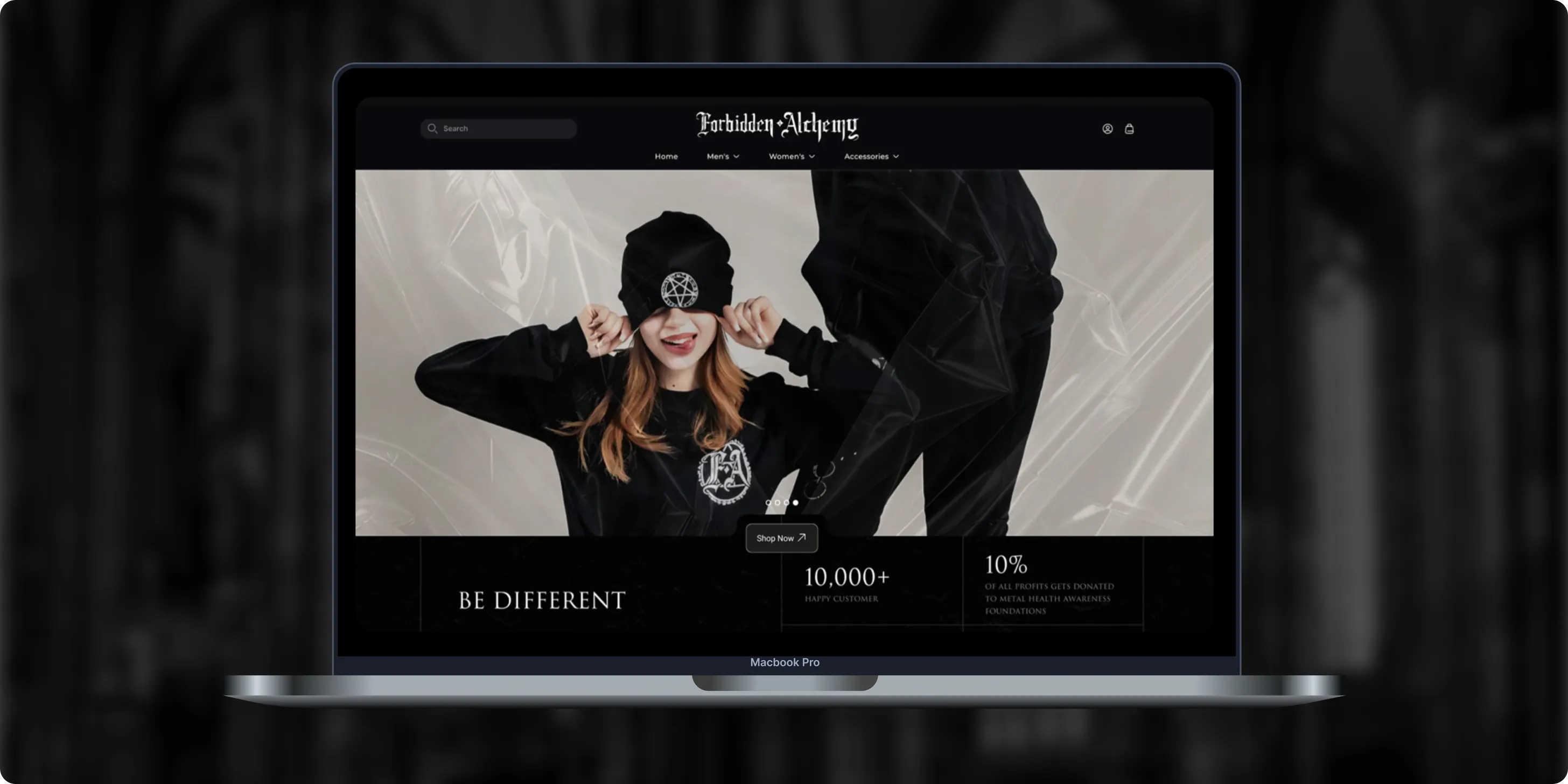
Forbidden Alchemy
Forbidden Alchemy is an alternative fashion brand creating dark, provocative clothing for the metalhead community, with 10% of profits donated to mental health awareness. Its mostly mobile audience struggled with a store that was hard to navigate and weak on functionality.- +44%Revenue Month Over Month
- 86%Design Satisfaction
- 2.8XUser Retention Growth
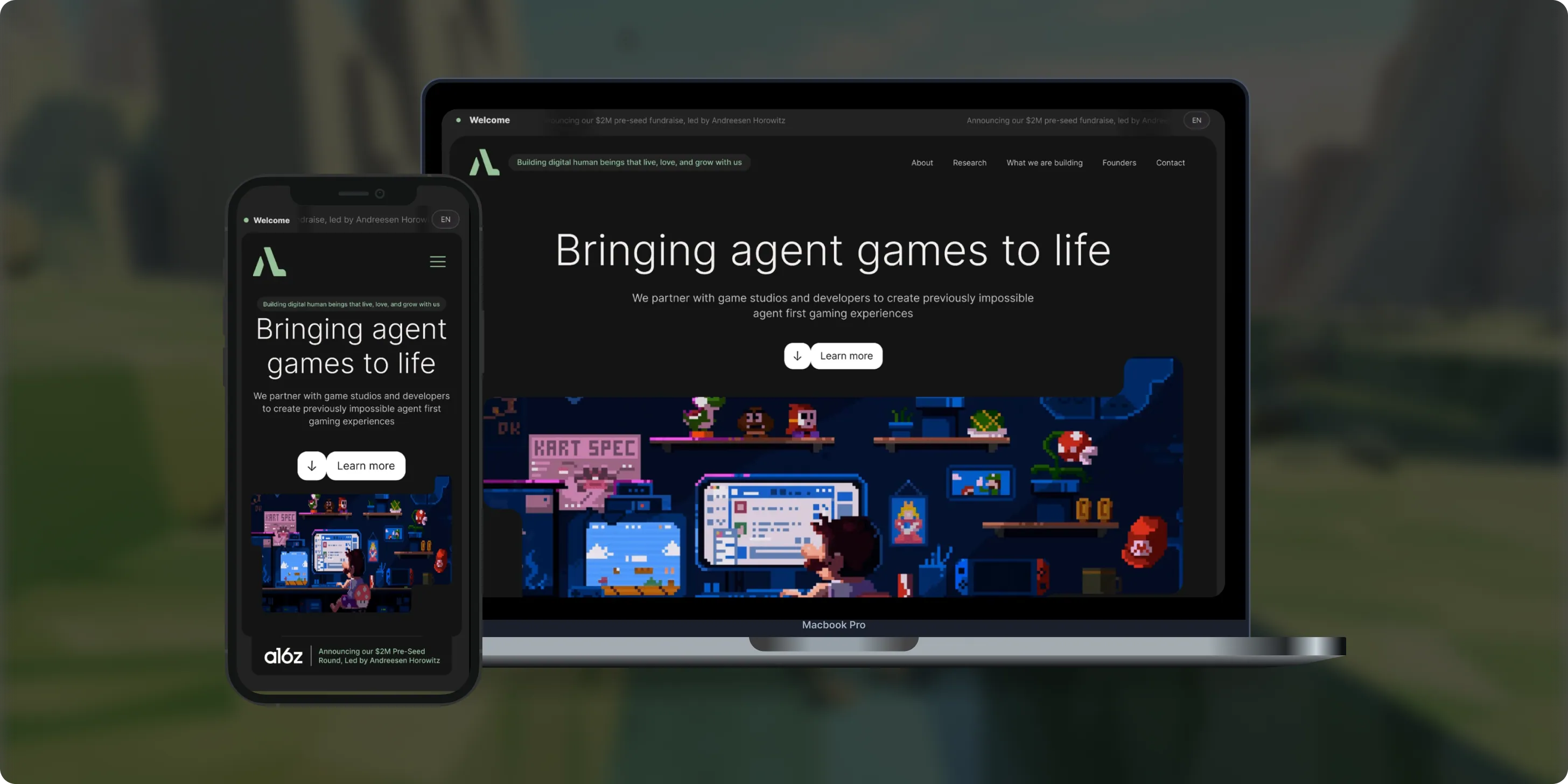
Altera
Altera builds on decades of computational neuroscience research to create digital human beings for gaming. Backed by a $2M pre-seed round led by Andreessen Horowitz, the team needed a landing page that could explain complex agent technology to players, partners, and investors.- 98%Dynamic Customization
- 100%Streamlined Navigation
- $2MPre-Seed Round
- Real Estate
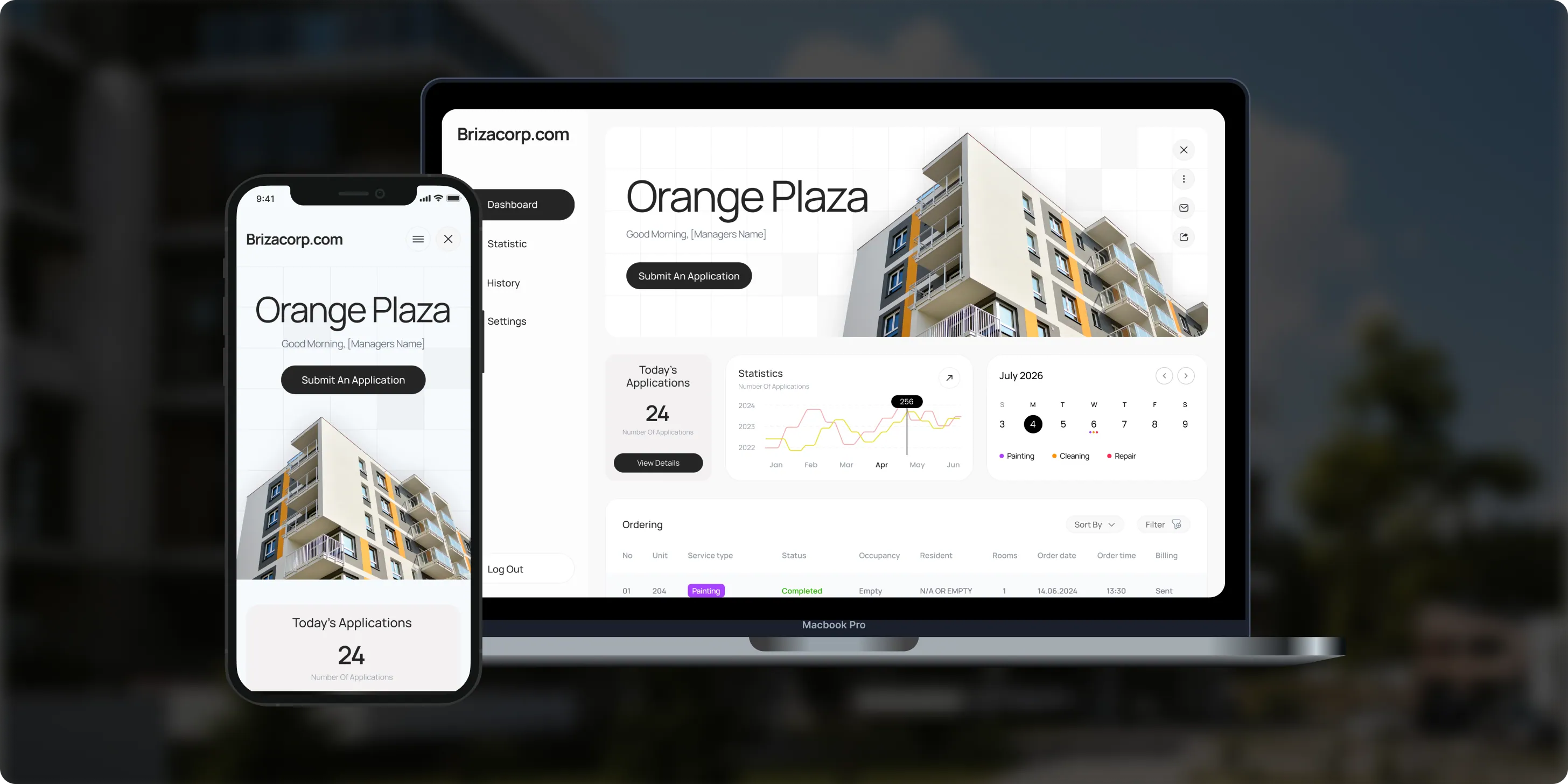
Brizacorp
Brizacorp manages residential properties and coordinates the staff who handle painting, cleaning, and repair requests. Its team tracked work across messengers, phone calls, e-mail, and paper planners, with no single place to manage requests or measure performance.- 98%Application Stability
- 95%Utilization Rate
- 30%Faster Task Completion
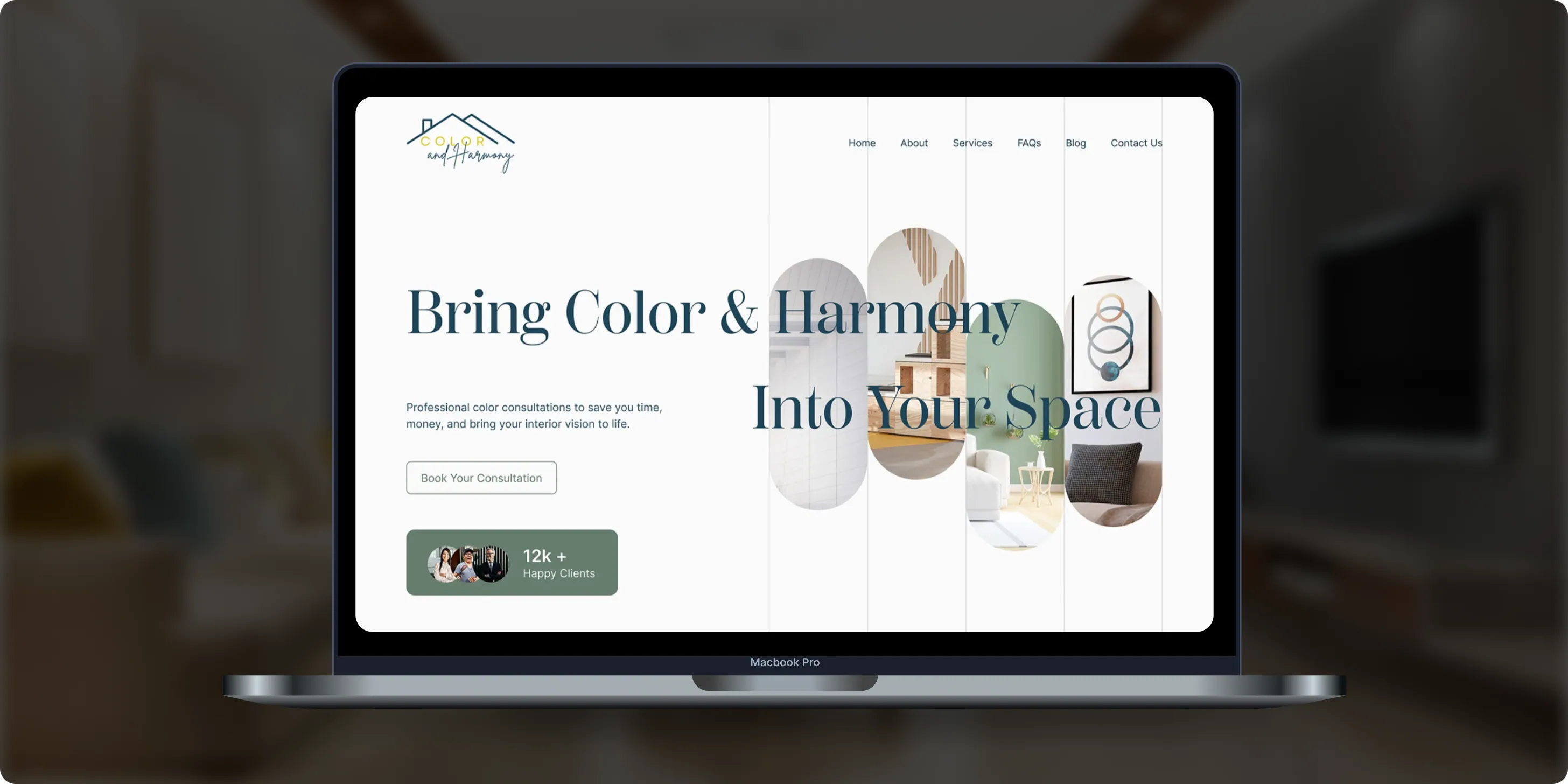
Color & Harmony
Color & Harmony is a Kentucky-based color consulting studio led by certified color strategist Diana Cartaya. The studio needed a website that reflects its refined aesthetic, showcases its portfolio, and explains a science-based color process in simple language.- 45%Conversion Rate Increase
- 50%Higher User Engagement
- 2Months to Launch
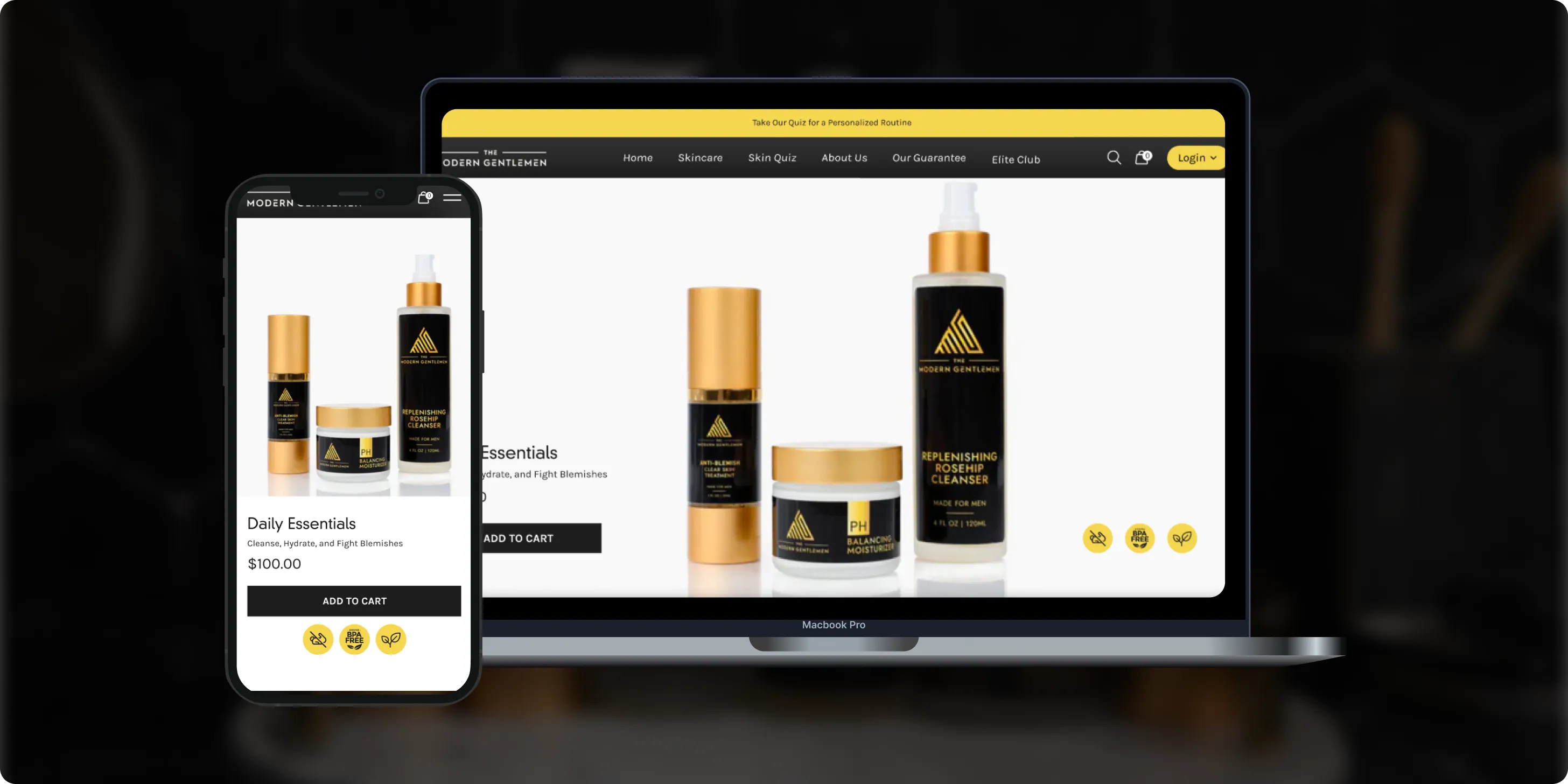
The Modern Gentlemen
The Modern Gentlemen sells premium men's skincare featured in Men's Health, GQ, and Men's Journal. Its customers wanted an efficient routine, but generic product suggestions and limited skincare knowledge made choosing the right products hard.- 30%Increase in Conversions
- 25%Higher Customer Retention
- 92%Mobile Purchases
OQ Technology
OQ Technology connects IoT devices, machines, and people anywhere on the planet through its satellite network, serving energy, maritime, logistics, agriculture, and mobile operators. Its website made it hard to explore products and reach pricing plans.- 4Pricing Plans Clarified
- 3Dedicated User Flows
- 1Unified Platform

- Real Estate
- Finance
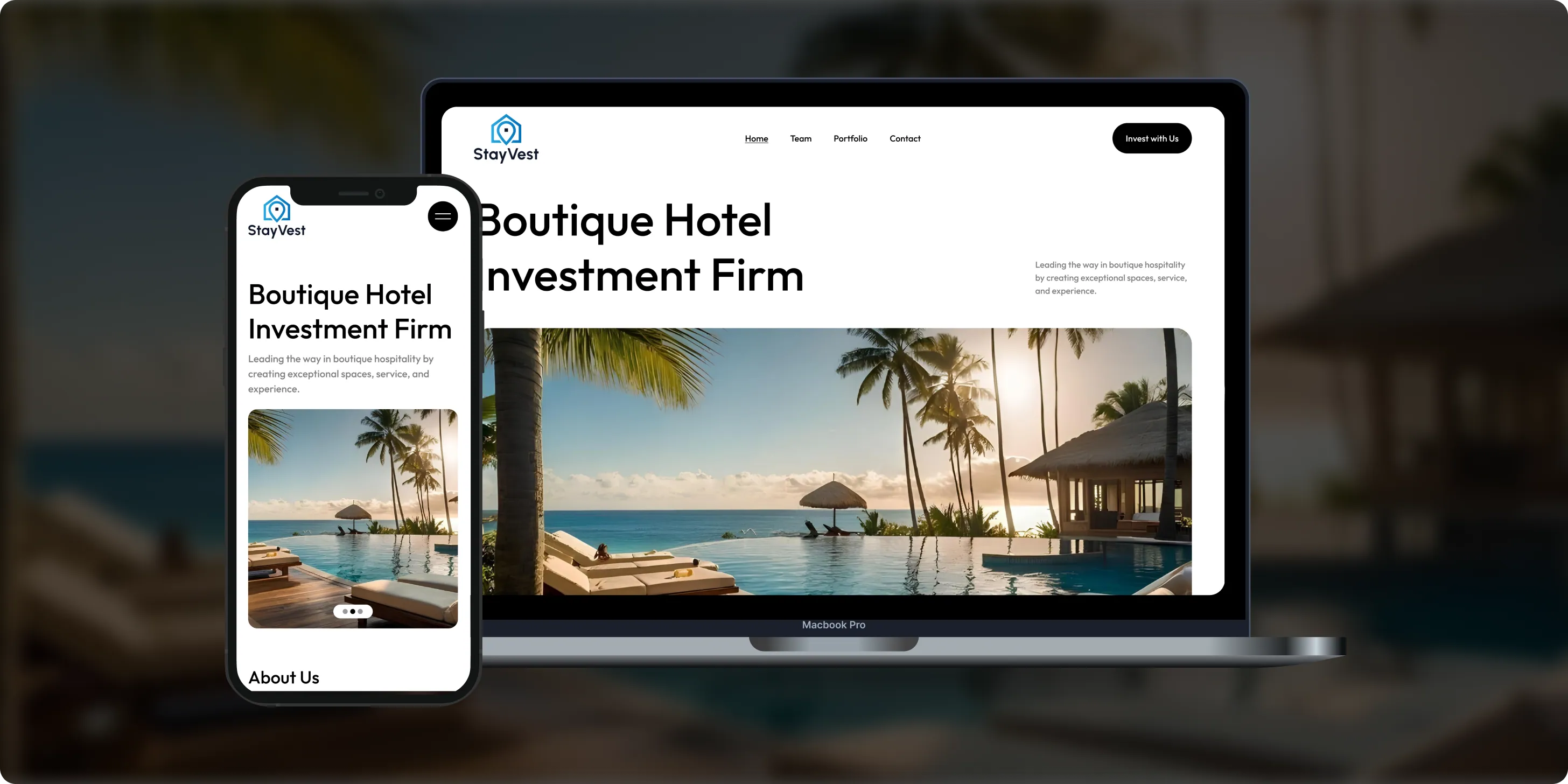
Stay Vest
Stay Vest is a private real estate investment firm that acquires, renovates, and operates boutique hotels for cash flow, tax benefits, and equity gain. It needed a platform that explains its strategy and earns the trust of passive investors.- 1,500+Guest Stays
- 200+Rooms Managed
- 5States Covered
Bokeyno Motorsports
Bokeyno Motorsports is the leading mobile installer of vertical doors for high-performance cars. This Shopify website isn’t just about services—it’s a bold statement of power, style, and expertise. With a sharp layout, strong visuals, and real-world case studies, the site delivers all the information car enthusiasts need to book confidently and instantly.- 54%Booking Requests
- 43%Lead Conversion
- 32%Qualified Inquiries

ai document processing platform
A comprehensive talent solution designed to help companies attract, hire, and retain top talent more effectively. The platform combines AI-powered recruitment technology with employee financial wellbeing programs, enabling smarter hiring decisions while supporting employees’ financial stability and long-term engagement.- 62%Faster Processing Time
- 78%Less Manual Work
- 35%Improved Accuracy

WHAT CLIENTS SAY
Independently verified reviews from real clients on Clutch.co


Client Story
Real feedback from
FMY Orthodontics

“Their perseverance and solution-oriented mindset. SoftDoes consistently found ways to make things work, added features we had not originally envisioned, and never became frustrated. It felt like working with a true partner who cared about the success of our practice.”
Dan Merwin
DDS, MS -- President, FMY Orthodontics

Client Story
Real feedback from
Prior Authorization AI
“Every time I sent a request, if there was anything that didn't work, they were able to turn it around quickly. Even when there were no updates yet, they always reached out to let me know they were working on it.”
Joseph Oluwo
Founder of Prior Authorization AI


Client Story
Real feedback from
WOVEN
“What stood out most was their commitment to understanding our needs before presenting solutions.”
Danna Pastran
Administrative Operations Manager, WOVEN

Client Story
Real feedback from
Grand Central Language Services
“The site performs as intended and provides the foundation for our company's digital presence.”
Joe Goldstein
QA Manager, Grand Central Language Services


Client Story
Real feedback from
DineMate
“They go above and beyond.”
Eric Snead
CEO, DineMate "Dating Connecting Platform"
Why Logistics Businesses Stay With Us
- 01SENIOR ENGINEERS, NOT LAYERS
Work directly with the engineers who understand the technical decisions behind your product. Clear communication ensures alignment on requirements, development, and feedback. Our senior engineers have deep expertise in logistics software development, including transportation management systems, warehouse management systems, fleet management software, and real-time tracking solutions. They provide strategic technical guidance from planning to deployment and ongoing support. Understanding your unique logistics workflows, they build custom software solutions tailored to your needs instead of generic approaches. Direct engagement fosters transparency and trust, allowing you to discuss technical trade-offs, ask questions, and give immediate feedback for a more collaborative and responsive development process.
- 02COMPLIANCE AWARE FROM DAY ONE
Security and data handling should be considered during planning, not added at the last moment. We account for access rules, information flows, and relevant project requirements when shaping the solution. Our team stays up to date with industry standards and regulations affecting logistics software, including data security and privacy protocols, to help safeguard your sensitive information throughout the development lifecycle. This proactive approach minimizes risks and ensures your software complies with necessary legal and industry standards.
- 03BUILT TO LAST PAST LAUNCH
Software needs room to change as your workflows and priorities develop. We consider maintainability, architecture, and future improvements throughout the development process. By designing scalable and modular systems, we help ensure your logistics software can evolve alongside your business needs, reducing the risk of costly rewrites or replacements down the line. Our focus on clean code and thorough documentation also facilitates easier updates, smoother onboarding of new developers, and long-term project sustainability.
- 04NO BABYSITTING REQUIRED
You should not have to chase every update to understand what is happening. Clear communication, agreed priorities, and visible progress help you stay informed throughout the project. We establish regular check-ins, transparent reporting, and collaborative tools so you can track development milestones and provide timely feedback, making the process more efficient and predictable. This structured communication reduces surprises, keeps the project aligned with your expectations, and fosters a collaborative environment where your input directly influences outcomes.
Experience Where Compliance and Reliability Matter
We build software where transaction reliability, data integrity, and client experience are requirements, not afterthoughts.
Freight Brokerage
Trucking Operations
Warehousing
Last-Mile & Courier
Freight Forwarding
Supply Chain
Food Logistics
Dispatch Operations


Frequently Asked Questions
Everything you need to know about working with SoftDoes. Can’t find an answer?
What types of logistics projects are a good fit?
Projects involving order coordination, task management, operational reporting, system integrations, and process automation are well suited for custom logistics software development. These projects typically address challenges such as managing complex workflows, improving real-time visibility, and reducing manual effort. Whether you need to streamline order processing, enhance shipment tracking, or automate routine logistics tasks, we can tailor solutions to meet your specific operational needs. Artificial intelligence team can train AI-driven models and embed them into your logistics management software to deliver sophisticated features like traffic pattern analysis via machine learning algorithms for dynamic route optimization. We work closely with you to understand your current processes, identify bottlenecks, and design software that aligns with your business goals and growth plans.
Do you build logistics software?
SoftDoes specializes in custom software development tailored to logistics and supply chain operations. Depending on your requirements, we develop a range of solutions including operational management applications, real-time shipment tracking interfaces, workflow automation tools, and integrations that connect disparate systems. Evaluate the partner's reputation through reviews and references. Our approach ensures that the software supports your unique logistics workflows, enhances data accuracy, and improves overall efficiency. The exact scope and features are defined collaboratively during the project discovery phase to ensure alignment with your business objectives.
How do you price logistics software projects?
Pricing depends on several factors including the complexity of features, number and type of system integrations, user roles, and technical constraints such as legacy system compatibility. We begin with a thorough discovery process to understand your goals, workflows, and existing technology stack. This allows us to provide a detailed project scope and a transparent cost estimate. We focus on delivering value by prioritizing essential features for initial releases and offering scalable solutions that can evolve as your business grows.
Will we own the code and IP?
Yes, ownership of the source code and intellectual property rights are clearly defined in the project agreement before development begins. We ensure that you retain full control over the software, including the ability to modify, maintain, or extend it independently or with other partners. By owning the code and IP, you gain the freedom to customize features, integrate additional systems, or scale the application without restrictions. Our contracts explicitly state these ownership terms to provide peace of mind and clarity from the outset, fostering a collaborative partnership built on trust and mutual respect.
Can you integrate new software with our existing systems?
Absolutely. We specialize in logistics software integration services that connect new applications with your current systems, such as ERP platforms, warehouse management systems (WMS), transportation management systems (TMS), GPS and telematics devices, and third-party logistics providers. Integration helps synchronize data, reduce duplicate entry, and provide a unified operational view. The integration approach depends on the APIs, data formats, and access permissions available in your existing infrastructure.
Can you improve software that no longer meets our needs?
Yes, we offer comprehensive modernization and enhancement services for existing logistics software that may have become outdated or lacks critical features necessary for current operational demands. Our experienced team conducts a thorough assessment of your current system’s architecture, identifying performance bottlenecks, usability issues, and integration gaps. Types of logistics software Businesses that specialize in logistics software development services create software that optimizes fuel efficiency, manages warehouses, coordinates supply chains, and powers customer portals. Based on this analysis, we recommend and implement targeted improvements such as optimizing system performance, redesigning user interfaces for better usability, automating manual workflows, and integrating the software with new tools or external platforms.
Can you automate our current workflows?
Absolutely. We specialize in analyzing and automating repetitive and rule-based logistics processes to boost operational efficiency while minimizing errors. By closely examining your existing workflows, we identify tasks that are suitable for automation, such as order assignment, shipment status updates, reporting, and notifications. AI enhances predictive analytics in logistics software. Our custom software solutions are designed to balance automation with necessary human oversight, ensuring flexibility and control remain where needed. AI-driven solutions optimize route planning in logistics. This tailored automation reduces manual workload, accelerates routine tasks, and allows your team to focus on higher-value activities that require judgment and decision-making.
What happens after the software is launched?
After launch, our commitment continues with comprehensive ongoing support services. We provide maintenance to keep the software running smoothly, promptly address bug fixes, monitor system performance, and implement feature enhancements as your operational needs evolve. We collaborate with you to establish a support plan tailored to your business requirements, ensuring timely responses and minimizing downtime. Our focus on maintainability, clean code, and thorough documentation facilitates smooth updates and scalability, enabling your logistics software to adapt and grow alongside your business over time.