90+
Active Client Partnerships
80+Person
Product & Engineering Team
100%
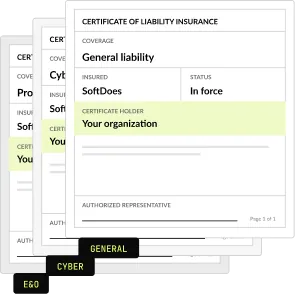
Your Code & IP Ownership
U.S.-Led
Delivery & Accountability
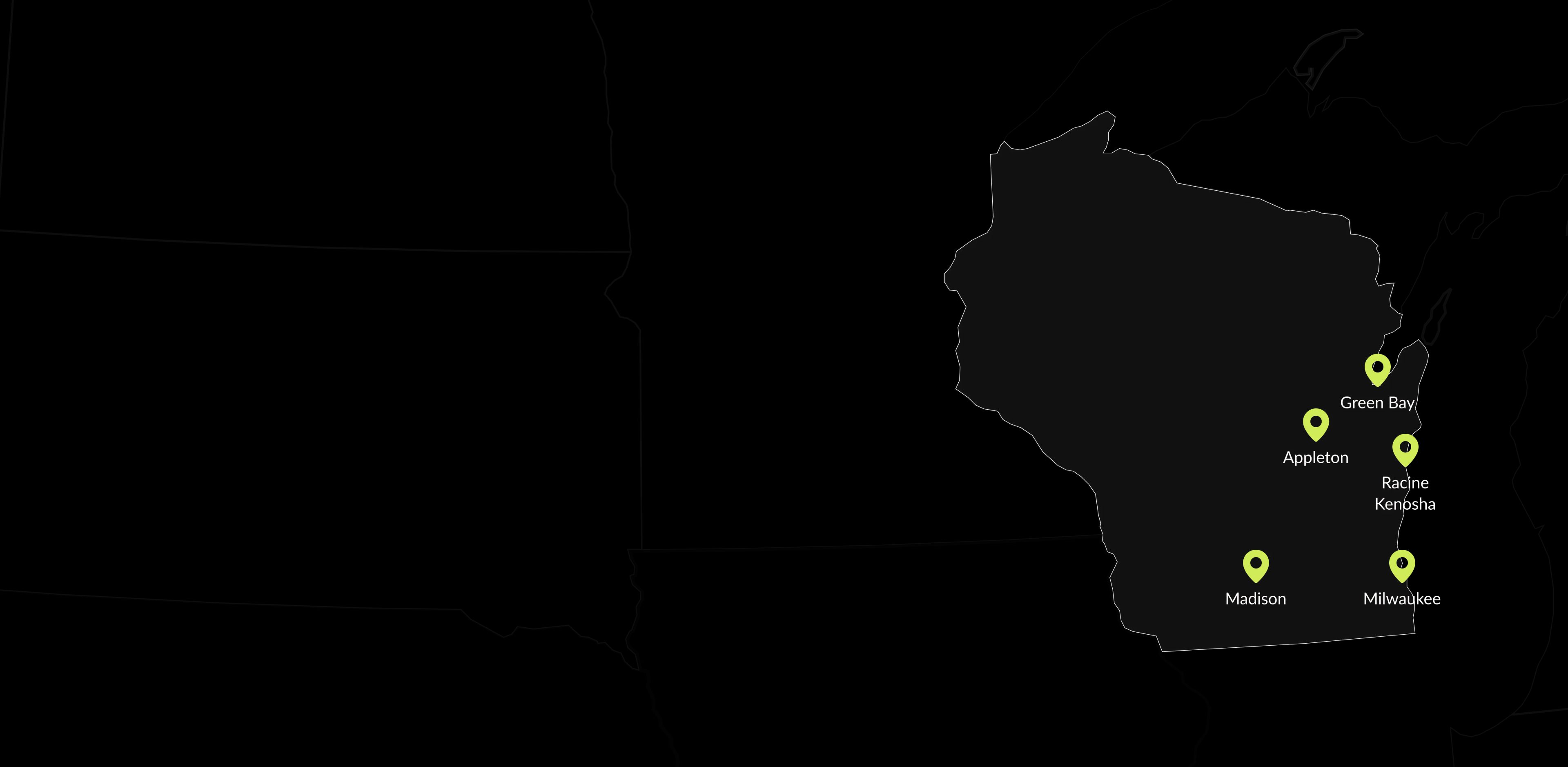
Where we operate
We act as a long term technical partner across the state, supporting custom platforms, AI enriched workflows, cloud infrastructure, and data engineering with careful attention to compliance and integration. Every engagement focuses on practical outcomes: reliable systems, connected data, and interfaces that teams want to use.
Milwaukee
We connect Milwaukee organizations’ analytics and user portals, consolidating data and systems for clearer operational insight. Our engineers modernize complex architectures so decision makers can act without switching between disconnected tools.
Explore
Madison
Our engineers align enterprise architecture with the innovation driven pace of Madison organizations, refining AI experiments into production ready capabilities. We automate compliance enforcement and enforce rigorous data privacy standards so that teams can experiment boldly while remaining audit ready.
Explore
Green Bay
We unify legacy platforms and siloed datasets for multi site operations headquartered in Green Bay, transforming fragmented financial and operational records into one trusted source. Our specialists reinforce application reliability so that distributed teams facilities access consistent, real time information.
Explore
Kenosha
Our teams coordinate digital workflows for regional organizations in Kenosha that manage staff and customers on both sides of the Wisconsin-Illinois corridor. We validate infrastructure readiness and secure cross office collaboration environments so that expansion never outpaces system capability.
Explore
Racine
We redesign long running internal platforms for Racine organizations that have outpaced their original tools, improving user experience and surfacing actionable intelligence from underutilized datasets. Our engineers restructure data flows so that teams reclaim hours previously lost to manual reconciliation.
Explore
Appleton
Our specialists fortify distributed system environments for Appleton teams launching digital products and analytics across multiple geographies. We refine decision pipelines and protect sensitive information so that organizations operate with clarity and resilience, even during peak demand.
Explore





SoftDoes is ready to talk through the specifics
If your Wisconsin business is navigating complex systems, fragmented data, or digital experiences that no longer fit how your teams operate. Reach out to discuss your current environment, constraints, and goals so we can determine where precise engineering work will make the most difference.

What We Solve

- 01
Disconnected enterprise systems and data
- 02
Slow decision cycles across teams
- 03
Legacy platforms blocking innovation
- 04
Complex compliance and governance needs
- 05
Inconsistent digital experiences for users
A precise partner for complex Wisconsin systems
SoftDoes functions as a long term engineering partner for organizations that need enterprise applications to work without surprises. Rather than chasing trends, we focus on reducing rework, creating cleaner data flows, and producing predictable release cycles that internal teams can plan around. Every project starts with architecture clarity and ends with post launch support that keeps systems performing under real conditions. When your unique business demands tailored solutions instead of generic platforms, that distinction matters.
Enterprise Architecture & Consulting
Architects resilient enterprise platforms through integrated software development and consulting, ensuring that system design remains coherent as organizational demands shift and new modules come online.
AI & Data Intelligence
Infuses analytical rigor into business operations by applying machine learning models and data science techniques that automate complex analysis and optimize decision making across departments.
Cloud Infrastructure & API Integration
Orchestrates secure data pipelines and cloud environments, connecting applications through API integration so information moves reliably and meets data security requirements.
UI/UX Design & Product Experience
Crafts intuitive interfaces and product experiences that accelerate adoption across large, distributed teams, turning complicated workflows into interactions people complete on the first attempt.
Frequently Asked Questions
Everything you need to know about working with SoftDoes. Can’t find an answer?
How does SoftDoes approach integration with existing systems during an enterprise engagement?
Integration with existing systems is the starting point of nearly every engagement, not an afterthought. Most Wisconsin organizations already operate a mix of ERP platforms, internal databases, third party SaaS tools, and sometimes legacy mainframes. SoftDoes begins with a thorough audit of the current architecture, mapping every data flow, API endpoint, and manual handoff between systems. From there, we design an integration strategy that may involve custom API integration connecting different software applications seamlessly, middleware layers, or event driven architectures depending on the complexity. API integration enhances data sharing between applications and systems, and effective API integration improves operational efficiency for businesses. Wisconsin firms offer custom API integration services for various industries, and our approach draws on that regional expertise. We do not force a single integration pattern. If a legacy system cannot expose a modern API, we create adapter layers that translate between old and new protocols. If two cloud platforms need to exchange real time data, we implement streaming connectors with proper error handling and retry logic. The goal is always to reach a state where data moves reliably without manual intervention. Each integration is documented, tested under load, and monitored after launch so that edge cases surface quickly. This practical, evidence driven process is what separates our integration work from generic consulting recommendations.
What is the typical timeline for enterprise solutions in Wisconsin?
Timelines depend on the scope and condition of existing systems. A focused module such as a data analytics dashboard or a single API layer may take eight to twelve weeks from discovery through deployment. A full enterprise platform replacement or legacy modernization project typically spans six to eighteen months, depending on how many departments, data sources, and regulatory requirements are involved. We structure every engagement in iterative phases using agile methodologies, so working software reaches users early and feedback shapes subsequent cycles. Discovery and architecture definition usually occupy the first few weeks. After that, development sprints produce incremental releases rather than a single monolithic launch. This approach reduces risk and gives Wisconsin organizations continuous visibility into progress. Complex projects involving cloud migrations or AI development may include parallel workstreams for infrastructure, model training, and UX design, each with its own cadence. We also factor in time for data migration, testing, security review, and training, all of which are critical for project success. Realistic timelines are set during the initial scoping phase and revisited at every milestone, with transparent reporting so there are no surprises.
How does SoftDoes handle data security and compliance for regulated Wisconsin organizations?
Data security is embedded into every technical decision from the first architecture session. For organizations in regulated environments, we map applicable regulatory requirements early, whether that involves PCI for payment processing, HIPAA for protected health information, state audit standards, or sector specific mandates unique to Wisconsin. Cybersecurity is crucial for organizations handling sensitive information, and we treat it as a foundational layer rather than a final checklist. Our engineering practices include encryption at rest and in transit, role based access controls, secure credential management, and automated vulnerability scanning in CI/CD pipelines. Data protection policies are defined collaboratively with client compliance teams, and we document every control so auditors can verify independently. For cloud environments, Wisconsin companies utilize cloud solutions like AWS and Azure, and companies in Wisconsin focus on compliance in cloud solutions. We configure environments following the shared responsibility model, applying guardrails such as network segmentation, logging, and anomaly detection. If the engagement involves AI applications processing sensitive data, we implement access constraints and audit trails around model inputs and outputs. No engagement treats compliance as optional, and we maintain ongoing support for security patches and policy updates after launch.
Can SoftDoes work alongside our internal IT team rather than replacing it?
Yes, and that is one of the most common engagement structures. Many Wisconsin businesses already have capable internal IT staff who understand the organization but need specialized technical expertise for a particular initiative, whether that is an AI transformation project, a cloud migration, or a redesign of enterprise applications. SoftDoes integrates with internal teams as an extension, not a replacement. We adapt to the client's development methodologies, communication tools, and release cadences. Joint standups, shared repositories, and collaborative architecture reviews keep everyone aligned. Our engineers contribute targeted skills such as machine learning model design, cloud architecture, or UX research without duplicating work the internal team handles well. This model is especially effective when the organization faces a temporary surge in complexity, like a major platform migration or a regulatory deadline, that exceeds internal capacity. Knowledge transfer is a deliberate part of every engagement so that internal teams gain the confidence and deep knowledge to maintain what we create together. Long term support arrangements are flexible: some organizations keep us on retainer for ongoing support, while others transition fully to internal ownership.
What role do AI solutions play in enterprise solutions for Wisconsin companies?
AI plays a focused, practical role rather than a speculative one. In Wisconsin, enterprise AI applications most often involve automating repetitive analysis, extracting structured data from unstructured sources, running predictive maintenance models on equipment, and generating decision support recommendations. Wisconsin companies excel in industrial AI applications, and organizations across the state have begun converting manual, spreadsheet driven workflows into AI enriched processes that handle tasks like invoice classification, anomaly detection, and demand forecasting. SoftDoes designs AI solutions as hybrid workflows: an AI agent or model handles the heavy pattern recognition, while human reviewers verify outputs in cases where confidence scores are below a defined threshold. This approach reduces risk and maintains trust. Generative AI is applied selectively, for example to summarize large document sets or generate initial drafts of reports, always with human oversight. We do not pursue artificial intelligence projects for novelty. Every AI module must demonstrate a clear operational advantage, whether that means fewer manual hours, faster detection of issues, or more consistent outputs. We also handle the data engineering groundwork that AI depends on, ensuring clean, well governed datasets are in place before any model is trained.
How does SoftDoes manage data migration during legacy modernization?
Data migration is one of the highest risk phases of any legacy modernization, and we treat it accordingly. The process begins with a full inventory of existing data stores, schemas, formats, and business rules embedded in the legacy system. Many Wisconsin organizations still run decades old platforms where critical logic lives in custom code or spreadsheets rather than documented policies, so this discovery phase is thorough. We define mapping rules between source and target schemas, identify records that require cleansing or deduplication, and create automated migration scripts that can be tested repeatedly before the production cutover. Centralized data allows for faster, data driven decision making, and our migration approach prioritizes reaching that centralized state without losing historical context. Validation checkpoints compare record counts, field values, and computed totals between old and new systems. We run migration rehearsals in staging environments to identify edge cases and measure the duration of the full cutover. For organizations that cannot afford extended downtime, we design parallel run strategies where old and new systems operate simultaneously until the new platform is verified. Post migration, monitoring dashboards flag anomalies in data quality so that issues are caught within hours rather than weeks. Wisconsin companies prioritize ongoing support for legacy system upgrades, and our post migration phase includes remediation cycles and documentation updates.
What cloud strategies does SoftDoes recommend for Wisconsin enterprises?
Cloud strategy depends on where the organization stands today and what constraints apply. Cloud services enhance reliability for businesses, and we evaluate each engagement individually. Some organizations benefit from a full migration to public cloud environments such as AWS or Azure. Others require hybrid configurations where sensitive workloads remain on premises while less regulated functions move to multi tenant cloud services. Cloud migrations are a key service offered by Wisconsin firms, and SoftDoes approaches them with structured assessment, proof of concept phases, and incremental transitions. We define environment architecture, identity and access management, network topology, and cost governance before any workloads move. For organizations concerned about vendor lock in, we design with portability in mind, using containerization and infrastructure as code practices that reduce switching costs. Real time dashboards allow managers to identify operational issues promptly, and we integrate monitoring and alerting from the first deployment. Digital transformation requires ongoing support and maintenance, so every cloud engagement includes a post migration operational plan covering patching, capacity review, and incident response. Enterprise solutions support the ability to adjust as businesses expand operations, and cloud architectures we design accommodate change without requiring full re architecture.