
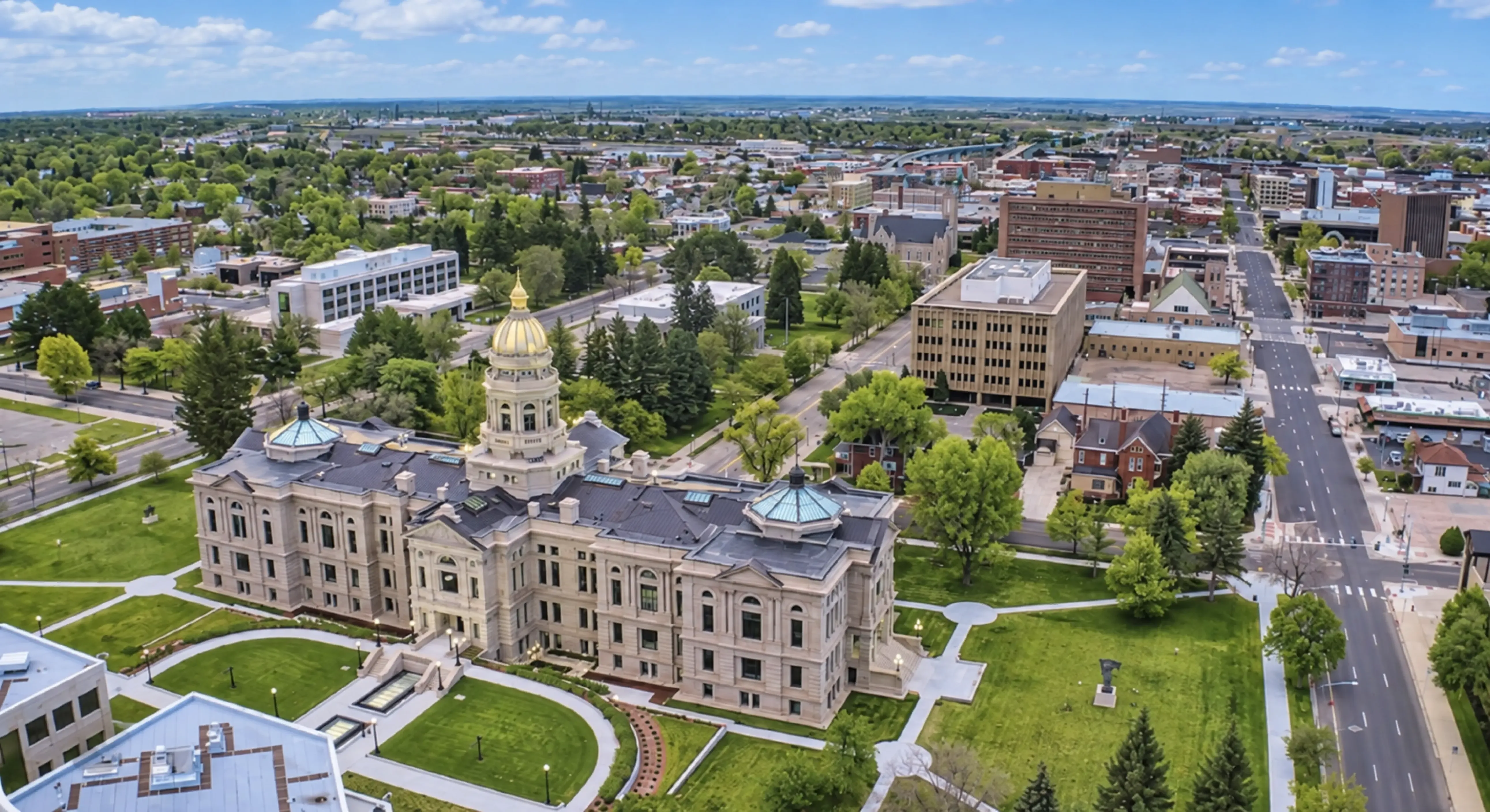
Software Architecture Expertise for Modern Systems in Cheyenne
Software Architecture Expertise for Modern Systems in Cheyenne
Software architecture in Cheyenne defines how applications, data, and infrastructure connect and evolve. SoftDoes works remotely with your stakeholders, accounting for Laramie County requirements and practical constraints. Our services include software development, architecture & consulting, AI and ML, data science and engineering, cloud services, and UI/UX design.
Let's build together.
Talk with a senior engineer about your product idea, architecture, and what it would take to build it.

services we offer
- [ Software Development ]
- Mobile App Development
- Custom Software Development
- Web Application Development
- Product Development
- MVP Development
- API Integration Services
Software Development at SoftDoes is never disconnected from the architecture it runs on. Project teams implement features according to defined software architecture, coding standards, and integration contracts. Practical details matter: repository structure, CI/CD pipelines, and branching strategies all follow architectural boundaries. SoftDoes works alongside local Cheyenne engineers, whether supplementing an in house team or owning full delivery. Architecture decisions are revisited as the codebase and requirements evolve, with a feedback loop from developers that keeps the system honest. When teams write code without an architectural frame, things go wrong quickly. Monolithic architecture combines all components into a single codebase, which works for some situations but limits flexibility as products mature. Microservices architecture splits applications into small independent services, and knowing when to choose one pattern over another is exactly what architecture guidance ensures. Programming conventions, automated testing, and deployment automation all serve the architecture rather than existing as separate concerns.
- [ UX/UI DESIGN ]
- Product Design
- User Interface Design
- User Experience Design
Interface decisions and architecture interact directly. SoftDoes UI / UX Design teams work with architects to keep design systems, component libraries, and accessibility requirements technically feasible across the full stack. The result: coherent navigation across modules, consistent behavior across devices, and straightforward integration with APIs. In Cheyenne, where field workers may rely on mobile interfaces and mixed bandwidth environments, design must account for real operating conditions. That means offline capable views, efficient data loading, and clear feedback when network quality fluctuates. Good UX is not layered on top of architecture. It is part of it.
- [ Data Science & Engineering ]
- Data Science Services
- Enterprise Data Management
- Data Strategy and Governance
- Data Analytics Solutions
Data architecture determines whether analytics and operational decision making actually work. SoftDoes defines sources, storage, processing layers, and access paths for structured and unstructured data with precision. Careful data modeling, lineage tracking, and access control become core architectural assets, not afterthoughts. CRM systems can track lead sources and generate reports, but only if the underlying data architecture supports clean integration. Cheyenne organizations can move from scattered spreadsheets and siloed databases to one coherent data platform, all guided by architecture decisions that reflect real constraints. Data is not useful when it is trapped. It is useful when it flows through systems with clear rules, consistent quality, and governance that leadership can trust.
- [ Architecture & Consulting Services ]
- Business Analytics
- Product Management
- Digital Transformation
- IT Consulting
- Code Audits
- Database Design & Development
Software architecture is the structural blueprint for applications and infrastructure, covering integration patterns, data flows, deployment models, and the decisions that hold all of it together. SoftDoes approaches architecture for Cheyenne teams through concrete activities: current state analysis, target state definition, a phased roadmap, and ongoing guidance that adapts as your systems evolve. At a high level, that means working with microservices, event driven designs, container orchestration, and managed cloud databases, but always selected for the right reasons rather than chasing trends. Modular architecture allows systems to expand without complete redesigns, and decoupled architectures improve flexibility and system resilience. Choosing the right architecture helps balance operational costs and scalability. Architecture is always connected to business constraints in Cheyenne: budget awareness, hiring realities, existing vendors, and local compliance needs. Effective software architectures should ensure reliability, security, and maintainability, and that is the standard we apply in every engagement. Our mission is straightforward: create technology structures that are efficient, transparent, and suited to your team's real capability.
- [ AI & Machine Learning ]
- Artificial Intelligence Development
- Machine Learning Model Development
- AI-Driven Process Automation
- AI Operationalization
- Custom AI Solutions
Many teams in Cheyenne experiment with AI, but struggle to connect experiments with core systems. SoftDoes defines the full path from data ingestion, feature engineering, and training to inference services embedded in products. AI driven automation incorporates machine learning into business processes in ways that actually persist beyond a proof of concept. AI is increasingly integrated into software architecture for intelligent automation, and over 600 companies in North America use AI engineering services to do exactly that. Principles like model versioning, monitoring for drift, and safe rollback are non negotiable. AI can streamline operations and reduce costs when the architecture supports it. AI powered document storage improves personnel records management, and AI solutions can enhance customer communication and lead management. AI integration can improve business efficiency and compliance when governed correctly. AI assisted communication enhances customer engagement, and CRM automates customer communication and sales processes while automated email follow up improves lead conversion rates and automated text message follow up increases customer response. Responsible use of AI is treated as an architectural topic with clear constraints, not as ad hoc tooling. Cheyenne has a growing ecosystem for cloud computing and AI, and SoftDoes helps organizations here move from prototype to production with confidence.
- [ Cloud services ]
- Cloud Computing Solutions
- DevOps and Cloud Infrastructure
- Cloud Migration Services
- Managed Cloud Services
Software architecture in Cheyenne connects directly to practical cloud choices. SoftDoes plans account structures, networks, secrets management, and observability from the beginning of every engagement. Cloud based architecture uses infrastructure hosted by cloud providers, and cloud native architectures utilize containerization and managed services to maximize efficiency. Cloud services reduce IT costs by eliminating hardware expenses and enable remote access to applications and data for distributed teams. Environment isolation, serverless patterns, and regional considerations are addressed without overcomplicating the setup. Cloud infrastructure supports scalability for growing businesses, and cloud migration improves operational efficiency when handled with architectural discipline. Existing on premises assets in Cheyenne remain part of the overall blueprint through hybrid patterns. Cloud services enable remote support and reliable technology support for teams that cannot maintain on site servers at every location.




SoftDoes can help you move forward
If your Cheyenne organization is facing scattered systems, unclear cloud direction, or technology decisions that keep getting deferred. Whether you need a full architecture assessment or a targeted review of one critical system, we are ready to work through the details with your team.
PRODUCTS BUILT ACROSS INDUSTRIES
Finance
Financial organizations need architecture for transaction processing, audit trails, and strict access control. SoftDoes helps align data, permissions, and reporting with regulatory and leadership requirements.
Healthcare
Healthcare platforms require privacy focused design, reliable access, and careful data sharing. SoftDoes helps Cheyenne teams protect sensitive information while supporting efficient clinical workflows.
Education
Education institutions use learning platforms, management systems, and analytics. SoftDoes connects these systems while maintaining secure, clear access for students, faculty, and administrators.
Construction
Construction teams need project data to flow between field staff and planning tools. SoftDoes helps Cheyenne area contractors coordinate information across job sites and distributed teams.
Technology
Technology companies work with SoftDoes to refine product architecture, cloud foundations, and integrations. We help internal engineering teams apply new technologies where they add practical value.
Startups
Startups need architecture that supports experimentation without unnecessary complexity. SoftDoes helps Cheyenne founders make documented, cost conscious decisions that leave room for future change.
Compliance
Compliance focused organizations need clear controls without unnecessary delivery friction. SoftDoes addresses documentation, access management, activity logging, and separation of duties in the architecture.
Energy
Energy organizations connect operational data with planning and reporting systems. SoftDoes helps define secure access, observability, and reliable data flows across these platforms.



Integration API Services
Multiply business impact
Design, build, and deploy data-driven systems that automate operations, improve decision-making, and scale with your business.
SOLUTIONS DELIVERED
60+Data, AI, and automation systems implemented across real production environments.
YEARS OF EXPERIENCE
6+Hands-on expertise in data platforms, machine learning, and scalable system design.
PRODUCTIONS
45+From internal automation to customer-facing intelligent products.
ACTIVE ENGAGEMENTS
25+Ongoing partnerships focused on long-term value and continuous improvement.
SoftDoes is ready to review your systems
Cheyenne organizations facing complex architecture questions deserve a partner who understands both the technology and the local context. Clarify your roadmap, and help your team make confident technical decisions.
Clarity
SoftDoes keeps architecture diagrams, decisions, and tradeoffs understandable for all Cheyenne stakeholders. Regular review sessions use plain language so that business leaders and engineers share the same picture.
Pragmatism
Solutions are chosen for what Cheyenne teams can actually operate with their current capability and vendor mix. SoftDoes avoids unnecessary tools and complexity that create more problems than they solve.
Consistency
Shared patterns, libraries, and conventions keep applications aligned across projects and over time. Documentation and reusable templates ensure that new team members or vendors can contribute without breaking what already works.
Partnership
Every engagement is treated as a long term collaboration, not a short assignment with an expiration date. Regular check ins, transparent priorities, and co ownership of outcomes with local teams define how SoftDoes operates in the Cheyenne community.
Accountability
Architecture decisions include clear owners, rationale, and measurement points from the start. Cheyenne leaders always know who to talk to when tradeoffs need revisiting or when priorities shift.
Frequently Asked Questions
Everything you need to know about working with SoftDoes. Can’t find an answer?
How does SoftDoes approach software architecture in Cheyenne for organizations with mixed legacy and cloud systems?
SoftDoes starts with a detailed inventory of every application, database, and integration point in your current environment. Dependency mapping reveals which systems connect to what, and where fragile or undocumented links exist. From there, we identify risks, prioritize what needs attention first, and define a target state that respects your Cheyenne operations and existing investments. The roadmap is phased so that current operations remain protected while new patterns are introduced gradually. For example, if your team runs on premises servers alongside cloud platforms, the architecture plan specifies which workloads move, which stay, and what integration layer connects them. Legacy system modernization involves updating applications without complete rewrites, and that principle guides every recommendation. We document decisions so your team and future partners understand the reasoning behind each change. The process is collaborative: your internal engineers participate in discovery and review, ensuring no critical context is lost. This reduces surprises during implementation and keeps the team confident about what comes next.
What does an architecture engagement with SoftDoes in Cheyenne typically cover?
An architecture engagement usually begins with structured workshops where SoftDoes and your Cheyenne team align on business goals, current pain points, and technical constraints. Technical discovery follows: we review code repositories, infrastructure configurations, data models, and existing documentation. The result is a set of architecture diagrams, interface contracts, governance standards, and a prioritized roadmap. Decision points are clearly marked so local leadership knows exactly where input is needed and when. Throughout the engagement, we set up governance practices such as decision records and design review sessions that persist after our direct involvement ends. The engagement format adapts to what your organization needs: some clients require a comprehensive assessment across multiple systems, while others focus on a single product or platform. We define expected outputs at the start and track delivery against them so there is no ambiguity about what was accomplished. Every artifact is written to be usable by your team, not filed away as a theoretical exercise. This process helps your organization report progress internally, allocate resources with confidence, and maintain architectural coherence over time.
How are Software Development projects guided by architecture decisions in Cheyenne?
Architecture decisions set the boundaries and conventions that every Software Development team follows. That means coding standards, repository structure, branching strategies, and CI/CD pipelines are all aligned with the architectural blueprint. When developers write new features, they do so within contracts defined by the architecture, covering how modules communicate, how data is stored and accessed, and how errors are handled. SoftDoes architects participate in code reviews and design discussions alongside developers, ensuring that implementation stays true to the intended structure. This is especially important for mid size businesses in Cheyenne where a single team handles multiple systems. As the codebase evolves, architecture decisions are revisited through regular review sessions. The feedback loop from developers surfaces real world issues, like unexpected latency or integration bottlenecks, that may require architectural adjustments. This keeps the system responsive to actual conditions rather than locked into a plan that no longer fits. Documentation of changes ensures continuity even when team members rotate or new vendors join the project.
How does SoftDoes handle security and compliance requirements in software architecture for Cheyenne organizations?
Security and compliance are addressed as first order architectural concerns, not afterthoughts. During architecture design, SoftDoes conducts threat modeling to identify potential attack surfaces and defines access control structures, data classification schemes, and logging requirements. Multi factor authentication is incorporated wherever sensitive systems or data are involved. For organizations in Cheyenne operating in regulated environments, architecture documentation includes clear mapping of compliance requirements to system components, making audit preparation significantly more efficient. Zero Trust security models emphasize continuous security monitoring, and we design network boundaries and access policies accordingly. Data classification determines who can see what, and encryption and secrets management are defined in the architecture from the outset. Cybersecurity monitoring tools are selected and integrated into the observability layer. SoftDoes also establishes processes for incident response and tracking that align with both organizational expectations and applicable regulations. Architecture governance keeps these controls consistent across all systems rather than applied piecemeal.
Can SoftDoes work with an existing engineering team in Cheyenne instead of replacing it?
Absolutely. SoftDoes collaboration models are specifically designed for working alongside internal staff, not displacing them. Our architects join your team's existing workflows, whether that means participating in sprint planning, conducting joint design reviews, or pairing with your engineers on complex integration tasks. Knowledge transfer is intentional: we document every architectural decision, run training sessions on new patterns or tools, and make sure your team understands the reasoning behind recommendations. Joint ownership means your Cheyenne engineers co sign off on architecture decisions and participate in governance. The goal is that your internal team grows more capable through every engagement, gaining exposure to cutting edge technologies and architectural patterns they can apply independently. SoftDoes adapts its level of involvement over time. Early phases often require more hands on assistance, while later phases shift toward advisory and review. This approach keeps costs predictable and ensures that the architecture remains maintainable by the people who will operate it every day, long after our engagement concludes.
How does SoftDoes keep software architecture practical for smaller teams in Cheyenne?
Smaller teams need architectures they can actually run. SoftDoes addresses this by selecting lean toolsets, simple deployment patterns, and automation that reduces manual work without introducing unnecessary complexity. If a managed service from a cloud provider handles the job, we use that instead of asking your team to operate custom infrastructure. Proactive monitoring and alerting are set up early so your team catches critical issues before they become emergencies, without needing a dedicated help desk or operations center. Progressive improvement is a guiding principle: we start with what works now and define a clear path for adding functionality or new features as your team and business grow. Every recommendation is filtered through the question of whether your team, at its current size and skill level, can operate and maintain it. SoftDoes avoids microservices sprawl, over engineering, and toolchain complexity that look impressive on a diagram but create a support burden your Cheyenne team cannot sustain. Architecture reviews happen on a regular cadence so adjustments can be made as conditions change.
What kind of documentation does SoftDoes leave after a software architecture project in Cheyenne?
SoftDoes leaves concrete, usable artifacts rather than abstract white papers. Typical deliverables include system context diagrams, component diagrams, interface contracts, data flow maps, infrastructure blueprints, shared pattern libraries, and architecture decision records. Each decision record captures the context, the options considered, the rationale for the selected approach, and the owner responsible for future changes. This documentation is written for your team, using the terminology and tools your Cheyenne organization already works with. It is maintained in formats that integrate with your existing repositories or knowledge management platforms, so it stays current rather than gathering dust. SoftDoes also documents governance processes: how design reviews are run, how exceptions are handled, and how standards evolve. The intent is to free your team from guessing about why something was designed a certain way or who approved a change. These artifacts serve as the institutional memory of your software architecture, making onboarding, audits, and future engagements significantly more efficient.
How long does a typical software architecture project in Cheyenne take before implementation can start?
Timeline depends on system complexity, the number of stakeholders involved, and how well existing documentation reflects the current state. A focused architecture assessment for a single application or platform can take a few weeks. Broader assessments spanning multiple systems, data environments, and integration layers typically require several weeks to a couple of months. The important distinction is that implementation does not wait for architecture to be fully complete. SoftDoes structures engagements so that high confidence areas of the architecture are finalized first, allowing development teams to begin work while remaining sections are refined. Early implementation results feed back into architecture decisions, keeping the process grounded in reality rather than theory. SoftDoes is transparent about expected durations and dependencies during the initial engagement setup. Cheyenne clients receive a clear project plan with milestones, so there is no ambiguity about when outputs will be ready and when development teams can expect to start. This approach keeps momentum and avoids the frustration of extended planning phases with no visible delivery.



