


U.S.-Based
Built for the Way Legal Practices Actually Run
SoftDoes provides legal software development for law firms and in-house legal teams that have outgrown spreadsheets, shared drives and tools that almost fit. We design and build software to order, so matters, documents, deadlines and client requests run through one system shaped around your own processes, which is usually the smarter choice once a ready-made tool starts forcing your lawyers to work around it.

Let's build together.
Talk with a senior engineer about your product idea, architecture, and what it would take to build it.
90+
Active Client Partnerships
80+ Person
Product & Engineering Team
100%
Your Code & IP Ownership
U.S.-Led
Delivery & Accountability
Why Law Firms and Legal Teams Come to Us
Case Information Lives in Too Many Places
A single matter can end up split across an inbox, a shared drive, a billing tool and a colleague's private notes. Each new need got its own app over the years, and nobody planned how those apps would talk to each other. Context gets lost in between. Partners then make staffing and strategy calls based on whichever fragment of the matter they happened to see that morning. With custom legal case management software development, every detail lands in one matter record that stays connected to the tools your team already uses.
Documents Are Still Assembled by Hand
Engagement letters, pleadings and contracts often begin as an old file that someone copies and edits line by line. Templates do exist, but they are disconnected from the client and matter data your team has already entered somewhere else. So the same names get retyped. One wrong party name, or a clause left over from a previous client, can reach a counterparty before anyone notices, and that kind of slip damages trust far faster than it can be repaired. Legal document automation software pulls verified data straight from the matter record into approved templates, so every draft starts accurately.
Deadlines Slip Between People
Every matter carries filing dates, response windows and internal checkpoints that someone has to own. When those dates sit in personal calendars or a shared spreadsheet, ownership becomes unclear the moment work changes hands during leave, a reassignment or a busy month. Reminders reach the wrong person. A missed step can mean an awkward call to a client, extra hours spent recovering the position or, in the worst case, real exposure for the firm. Custom software ties each deadline to a matter, a responsible person and a next action, then escalates automatically when something stalls.
Client Communication Is Scattered
Clients send questions by email, files through messaging apps and urgent updates by phone, often all within the same week. No single channel holds the full story, because each one was chosen for convenience rather than for keeping a record. History becomes guesswork. When a client asks what was agreed last month, your team has to reconstruct the answer from memory and old threads, and clients quickly notice when updates feel slow or inconsistent. Legal client portal development gives clients one secure place to share documents, ask questions and check progress, while every exchange is saved against the matter.
Generic Software Leaves Workflow Gaps
Off the shelf platforms are designed for the average firm, and no firm actually works like the average. Your approval rules, intake criteria and matter types reflect years of practice that a vendor's settings screen simply cannot capture. Teams improvise around the gaps. Workarounds pile up inside spreadsheets and unwritten habits, so the real process lives in people's heads and walks out the door whenever someone leaves. Custom legal software development turns those rules into the system itself, which makes the right way to work also the easiest way.
YOU BRING THE LEGAL VISION. WE BUILD THE SOFTWARE.

Matter Management That Fits Your Practice
We shape legal practice management software development around your matter types, roles and stages instead of forcing a generic template onto your work.
Each matter shows its status, parties, documents and history on one screen
Dates and tasks link to named owners, with reminders that follow your internal rules
One searchable source of truth for every authorized member of the team

Document Workflows Without Repetitive Work
Your templates and review rules become an automated flow, so lawyers can spend their attention on substance rather than formatting.
Client and matter data fill drafts directly from the record
Drafts move to the right reviewer in the right order, with comments kept in context
Every change is tracked, and each person sees only what their role allows

A Better Way to Work With Clients
We build client facing tools that make your firm easier to work with while keeping every interaction on record.
Clients sign in safely, upload files and follow progress without chasing anyone by email
New requests arrive complete and go straight to the person who should handle them
Every message and milestone is logged against the matter it belongs to
Numbers Don’t Lie
Recent projects showcasing how we design, engineer, and deliver production-ready software solutions.

- Startup
- Real Estate
Our Haus AI
A finance professional turned founder built Our Haus AI, an AI-powered collaborative workspace where homeowners and contractors scope, bid, contract, and document renovation projects together. SoftDoes took her prototype and made it production-ready.- 10XMVP scope delivered
- 2+years Ongoing partnership
- 1Fully owned Platform

- Finance
- Energy
Deepwater Insights
Deepwater Insights delivers proprietary alternative data and niche research on the offshore drilling and energy sector to institutional investors, family offices, and high-net-worth individuals who require coverage that larger firms don't provide.- 100%Brand Continuity
- 2Platform Distribution
- 100%Paywall-Ready Content

- Real Estate
The building buyer
The Building Buyer is a Florida-based real estate investment firm co-founded by Dylan Troiano and Charles Hanlin. They acquire single-family, multifamily, and commercial properties across South Florida and beyond, with a focus on motivated seller opportunities.- 18Weekly hours saved
- 2+Years Ongoing partnership
- 1Fully owned Platform

- Education
- Non-Profit
WOVEN & NICE
Woven is a Spring Valley, NY nonprofit running the NICE program (New Training Inclusive Community Environment) in four Rockland County schools. Their team supports students through restorative practices, mediation, and professional development for teachers and administrators.- 4Schools Served
- 4Weeks to Launch
- 1STTime on Upwork

- Healthcare
CareInTouch
CareInTouch is a Bay Area home health agency providing skilled nursing and therapy services to patients referred from hospitals and clinics. With over 100 staff, they operate in one of the most complex and compliance-driven healthcare markets in the country.- 40% Reduction In Billing Errors
- 100+Staff Operations Managed
- 0Missed Compliance Deadlines

- Startup
Sparkle The Cleaning Service
Sparkle The Cleaning Service is a Detroit-area residential cleaning company with 10 years in business, connecting homeowners with vetted, insured independent cleaners through a subscription-based marketplace platform.- 75% Platform Transparency
- 2XPlatform Growth
- 40%Higher User Retention

- Startup
DineMate
DineMate is a Maryland-based dating and connecting platform built around verified profiles, restaurant reservations, and prepaid dining experiences. Founded to bring back authenticity to how people meet and connect.- 60% Time Saved
- 99%System Reliability
- 40%Higher User Retention

- Healthcare
Prior Authorization AI
Prior Authorization AI is a healthcare automation startup building AI-powered tools to streamline prior authorization for Medicare and Medicaid medical transportation providers in New Jersey.- 16Weekly hours saved
- 63%Admin time reduced
- 43%Fewer submission errors

- Education
Grand Central Language Services
Grand Central Language Services provides translation and interpretation for organizations operating in complex, multilingual environments. As demand grew, internal workflows became harder to manage. SoftDoes built a custom platform to streamline coordination, improve visibility, and support scalable operations.- 72%Workflow Reduction
- 48%Coordination Reduction
- 83%Visibility Increase

- Healthcare
FMY Orthodontics
FMY Orthodontics, a multi-location practice in West Tennessee, partnered with SoftDoes to replace a spreadsheet-based financial workflow with a custom web platform. The goal was to simplify how staff present treatment financing while allowing patients and families to review and complete decisions remotely.- 60%Workflow Reduction
- 75%Remote Adoption
- 5Locations Aligned

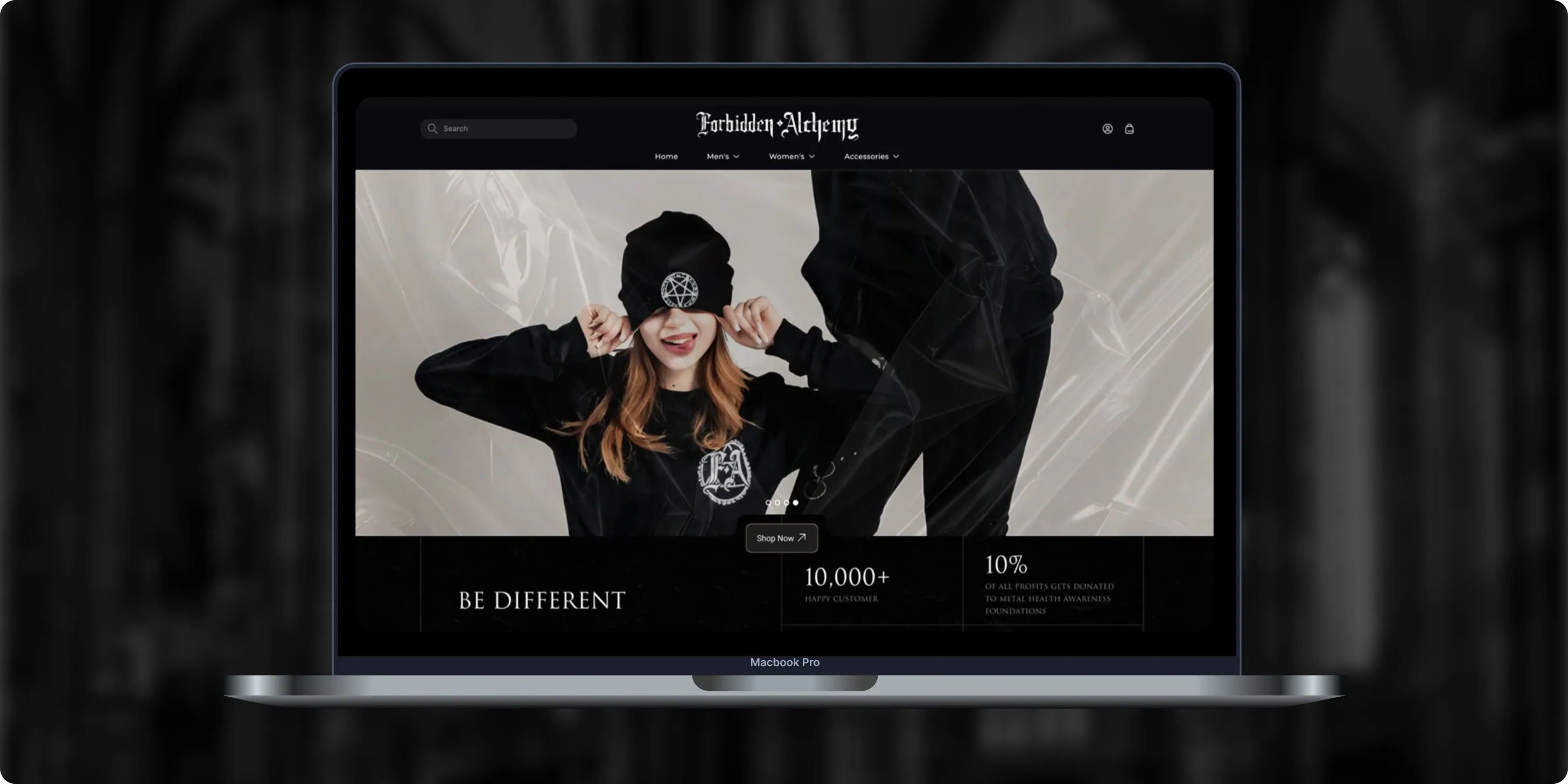
Forbidden Alchemy
Forbidden Alchemy is an alternative fashion brand creating dark, provocative clothing for the metalhead community, with 10% of profits donated to mental health awareness. Its mostly mobile audience struggled with a store that was hard to navigate and weak on functionality.- +44%Revenue Month Over Month
- 86%Design Satisfaction
- 2.8XUser Retention Growth
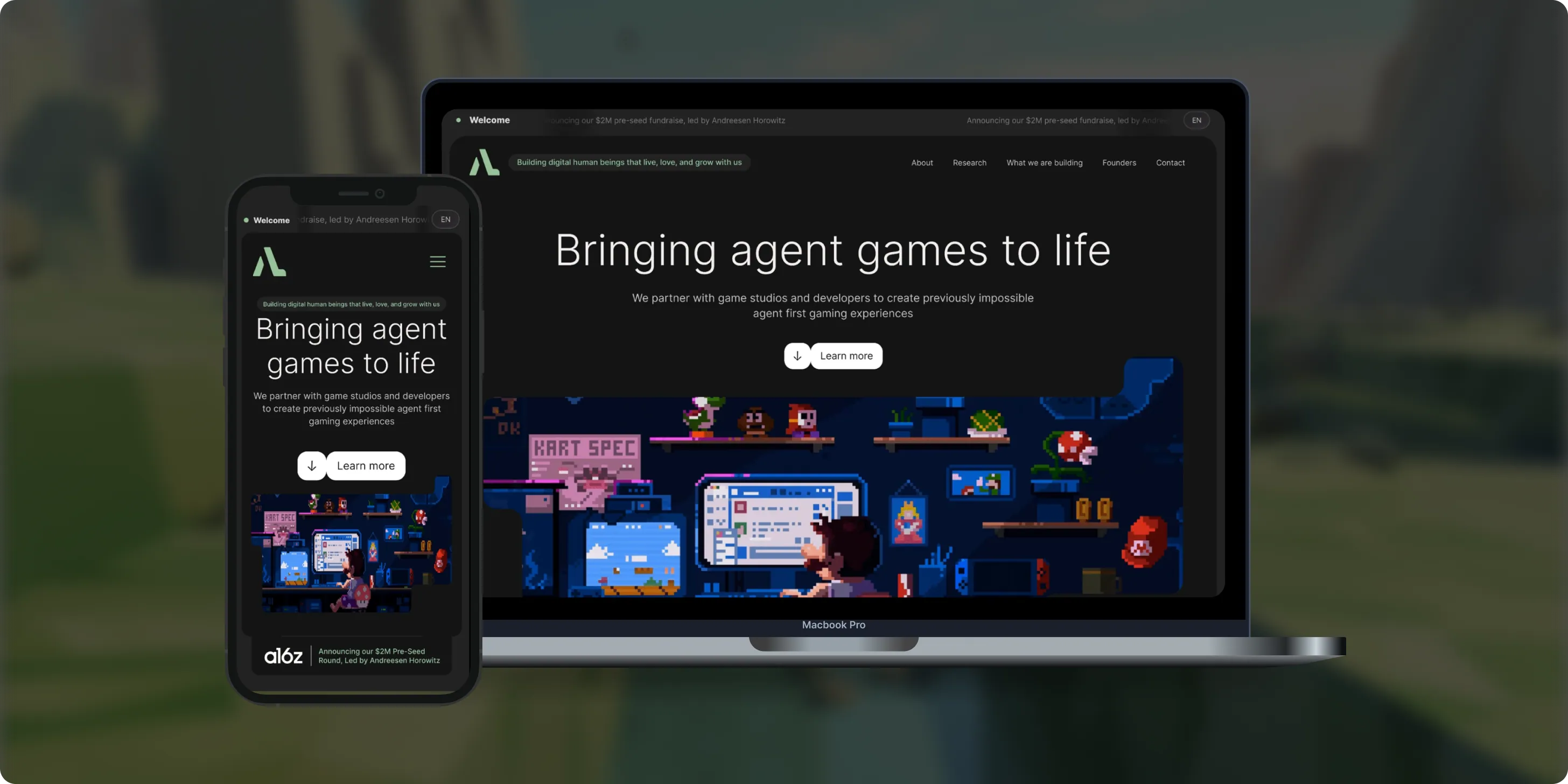
Altera
Altera builds on decades of computational neuroscience research to create digital human beings for gaming. Backed by a $2M pre-seed round led by Andreessen Horowitz, the team needed a landing page that could explain complex agent technology to players, partners, and investors.- 98%Dynamic Customization
- 100%Streamlined Navigation
- $2MPre-Seed Round
- Real Estate
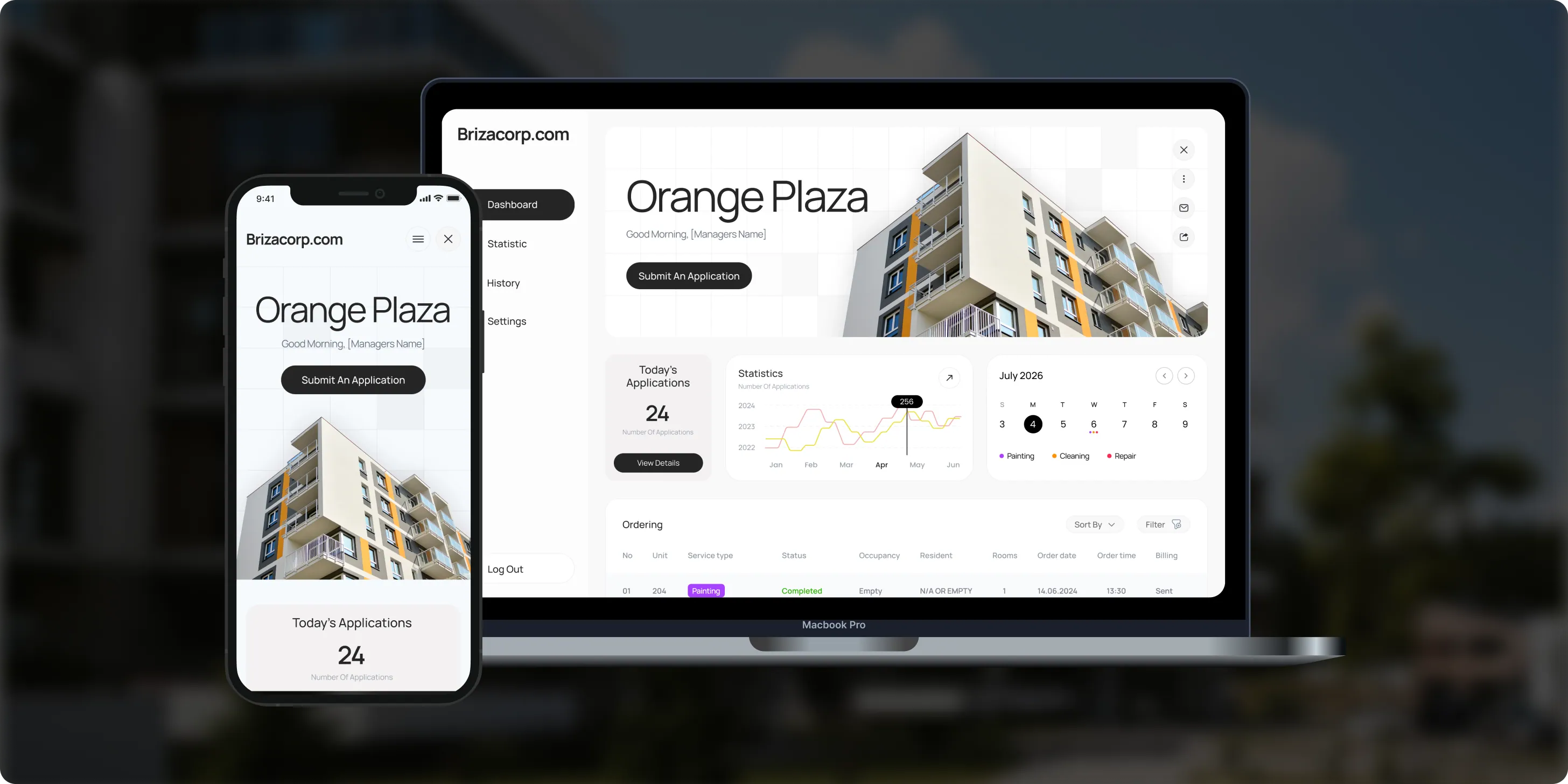
Brizacorp
Brizacorp manages residential properties and coordinates the staff who handle painting, cleaning, and repair requests. Its team tracked work across messengers, phone calls, e-mail, and paper planners, with no single place to manage requests or measure performance.- 98%Application Stability
- 95%Utilization Rate
- 30%Faster Task Completion
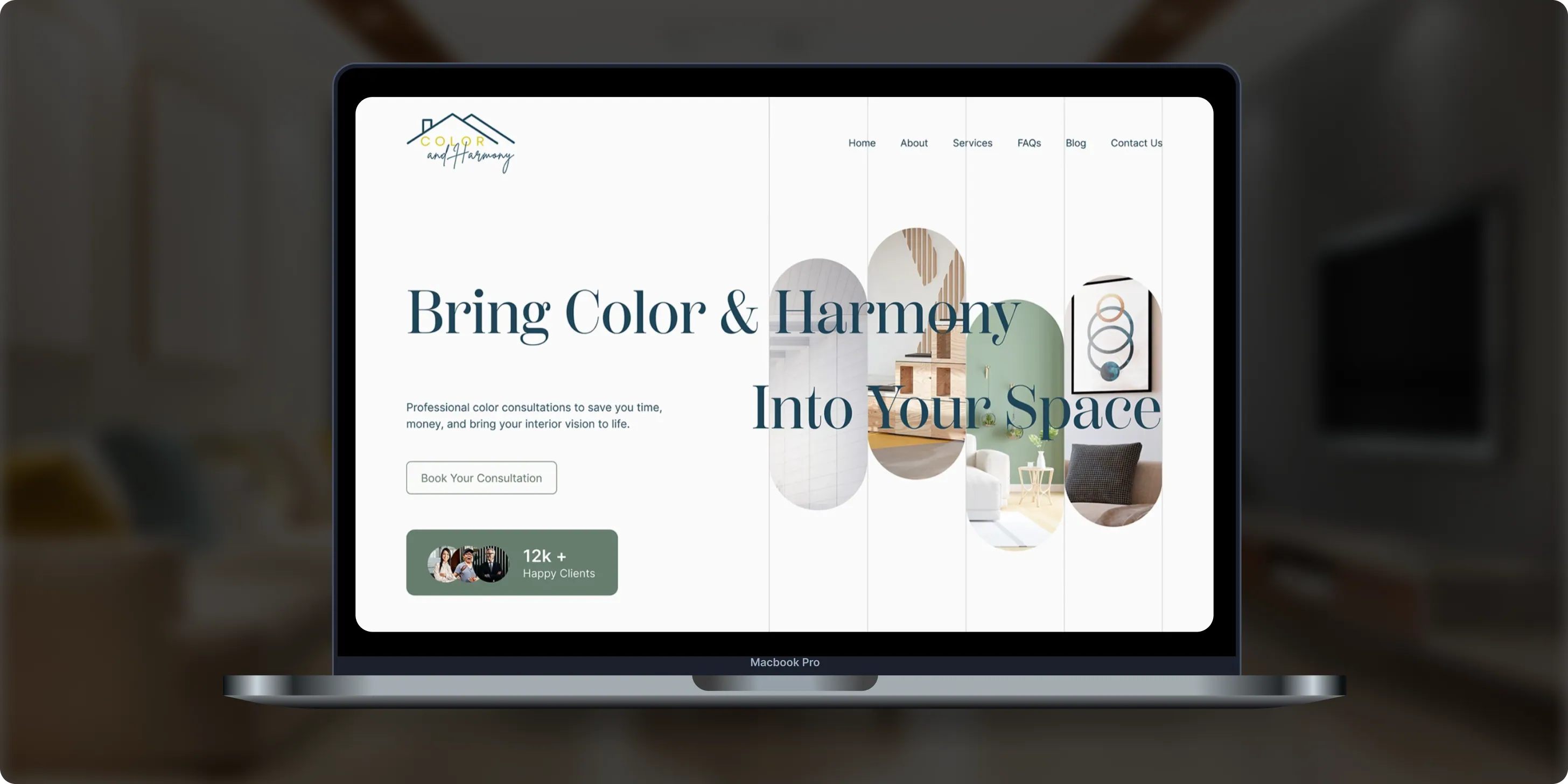
Color & Harmony
Color & Harmony is a Kentucky-based color consulting studio led by certified color strategist Diana Cartaya. The studio needed a website that reflects its refined aesthetic, showcases its portfolio, and explains a science-based color process in simple language.- 45%Conversion Rate Increase
- 50%Higher User Engagement
- 2Months to Launch
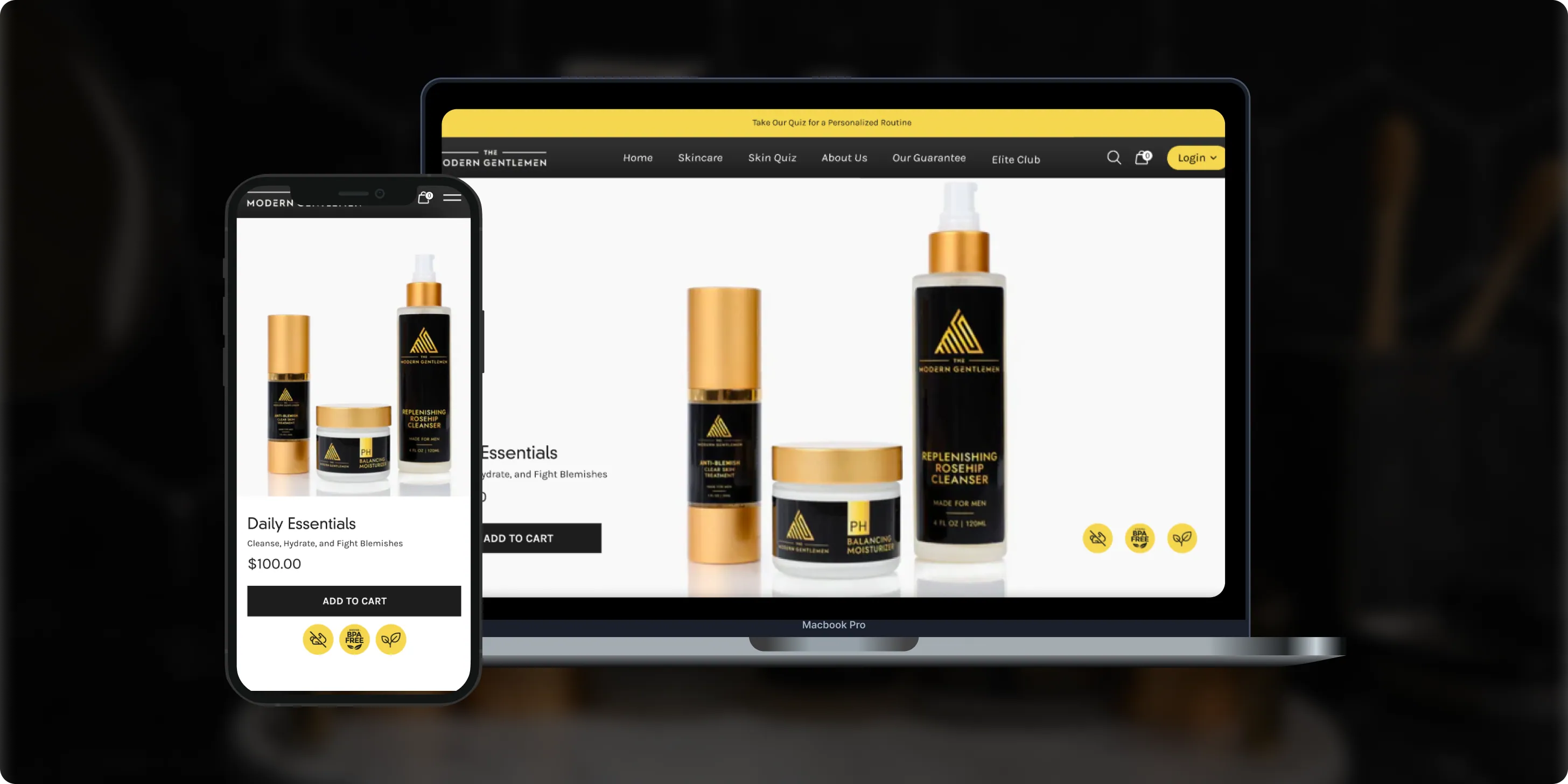
The Modern Gentlemen
The Modern Gentlemen sells premium men's skincare featured in Men's Health, GQ, and Men's Journal. Its customers wanted an efficient routine, but generic product suggestions and limited skincare knowledge made choosing the right products hard.- 30%Increase in Conversions
- 25%Higher Customer Retention
- 92%Mobile Purchases
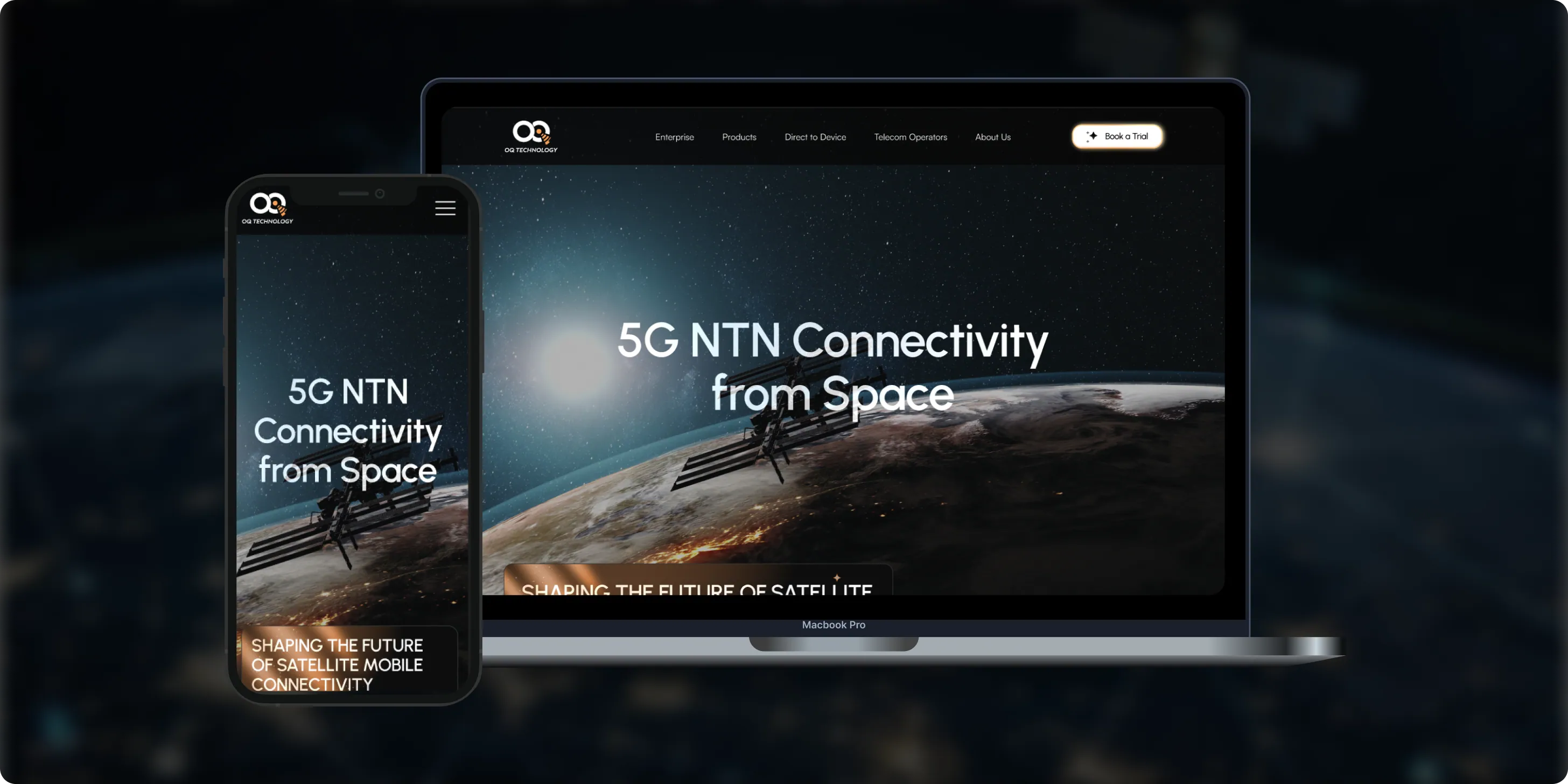
OQ Technology
OQ Technology connects IoT devices, machines, and people anywhere on the planet through its satellite network, serving energy, maritime, logistics, agriculture, and mobile operators. Its website made it hard to explore products and reach pricing plans.- 4Pricing Plans Clarified
- 3Dedicated User Flows
- 1Unified Platform
- Real Estate
- Finance
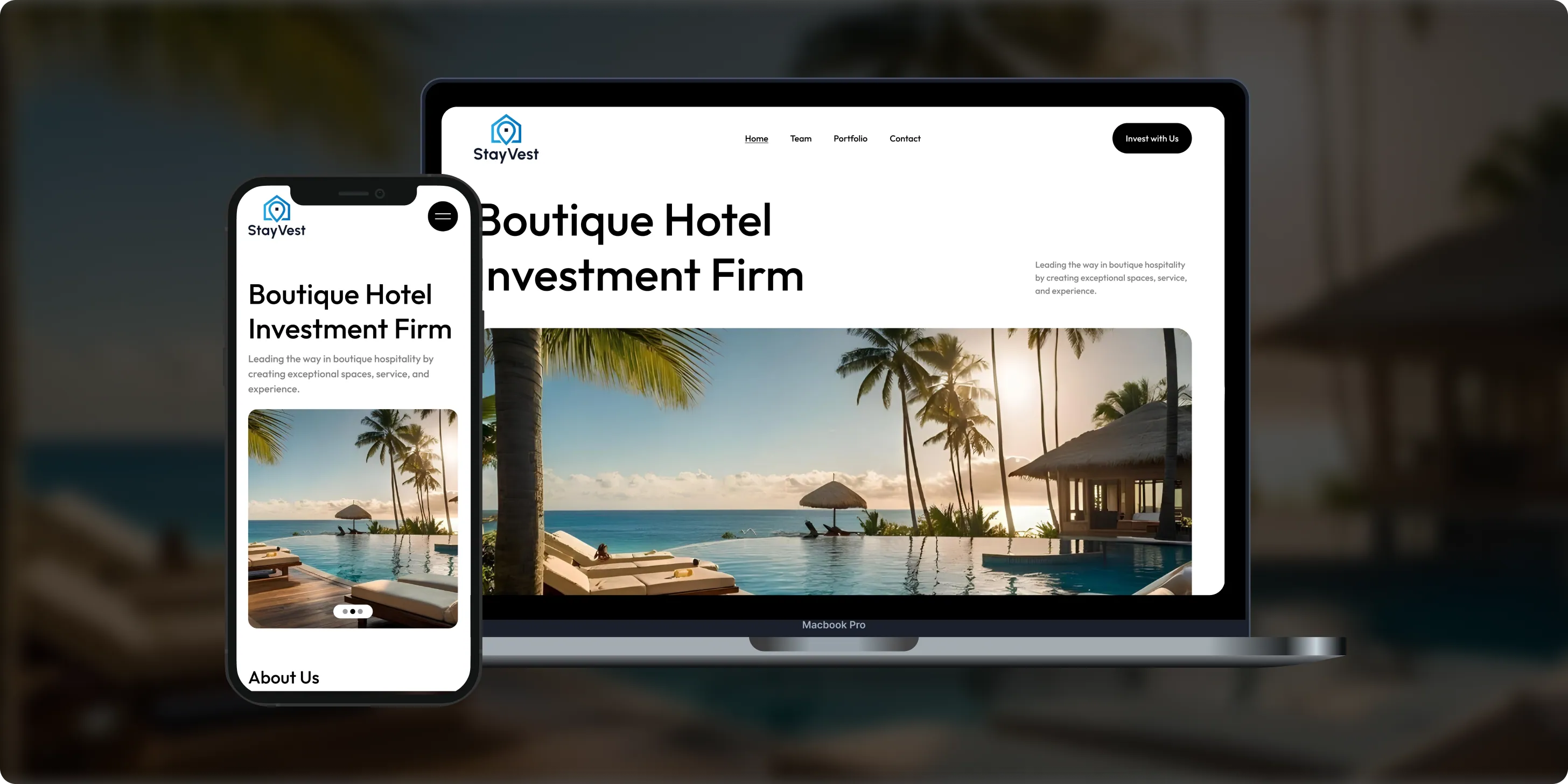
Stay Vest
Stay Vest is a private real estate investment firm that acquires, renovates, and operates boutique hotels for cash flow, tax benefits, and equity gain. It needed a platform that explains its strategy and earns the trust of passive investors.- 1,500+Guest Stays
- 200+Rooms Managed
- 5States Covered
Bokeyno Motorsports
Bokeyno Motorsports is the leading mobile installer of vertical doors for high-performance cars. This Shopify website isn’t just about services—it’s a bold statement of power, style, and expertise. With a sharp layout, strong visuals, and real-world case studies, the site delivers all the information car enthusiasts need to book confidently and instantly.- 54%Booking Requests
- 43%Lead Conversion
- 32%Qualified Inquiries

ai document processing platform
A comprehensive talent solution designed to help companies attract, hire, and retain top talent more effectively. The platform combines AI-powered recruitment technology with employee financial wellbeing programs, enabling smarter hiring decisions while supporting employees’ financial stability and long-term engagement.- 62%Faster Processing Time
- 78%Less Manual Work
- 35%Improved Accuracy

WHAT CLIENTS SAY
Independently verified reviews from real clients on Clutch.co


Client Story
Real feedback from
FMY Orthodontics

“SoftDoes consistently found ways to make things work, added features we had not originally envisioned, and never became frustrated. It felt like working with a true partner who cared about the success of our practice.”
Dan Merwin
DDS, MS, President, FMY Orthodontics

Client Story
Real feedback from
Prior Authorization AI
“Every time I sent a request, if there was anything that didn't work, they were able to turn it around quickly. Even when there were no updates yet, they always reached out to let me know they were working on it.”
Joseph Oluwo
Founder of Prior Authorization AI


Client Story
Real feedback from
WOVEN
“What stood out most was their commitment to understanding our needs before presenting solutions.”
Danna Pastran
Administrative Operations Manager, WOVEN

Client Story
Real feedback from
Grand Central Language Services
“The site performs as intended and provides the foundation for our company's digital presence.”
Joe Goldstein
QA Manager, Grand Central Language Services


Client Story
Real feedback from
DineMate
“They go above and beyond.”
Eric Snead
CEO, DineMate "Dating Connecting Platform"
Why Teams Choose SoftDoes
- 01Security and Confidentiality Built In From Day One
You talk directly with the engineers who design and build your product. There are no account managers passing notes back and forth and no sales team turning your needs into tickets that someone else reads later. In the first sessions, the engineers ask about your data, your existing tools and the integrations you need, then explain the proposed architecture in plain language before any code is written. That early conversation often uncovers edge cases that would otherwise appear months into the build, such as matters that change owners halfway through or documents that need different approval paths. Questions get real answers. When something is unclear, you can reach the person writing the code and settle it in minutes, so you never wait days for a reply that has passed through several inboxes.
- 02Built Around Your Practice, Not a Template
Confidentiality, access rights, audit logs and data retention are planned at the design stage rather than patched in just before launch. Adding them later costs a lot. It usually means reworking the data model, the permission logic and parts of the interface all at once. The exact requirements depend on the type of data you hold, your jurisdiction and how the software will be used, so we work through them with you and your advisers before development starts. Every decision is documented, which makes internal reviews and client security questionnaires much easier to answer. We build the controls, and your team sets the policies.
- 03Built to Last Past Launch
Launch day is only the starting point. We write maintainable code on top of a clear data structure, with automated tests and change control in place from the very first release. Documentation explains how the system works, why the key decisions were made and how to deploy updates safely, so knowledge never depends on one person. Behavior stays predictable as you add users, matter types or new features. When your practice changes, the software follows, and new modules and integrations plug into the existing foundation instead of forcing anyone to rewrite its core. After release, we can stay on for support and improvements or hand everything over cleanly to your own team.
- 04No Babysitting Required
You hired engineers so your lawyers could stay focused on clients. Scope is agreed in writing, progress updates arrive on a steady schedule and every technical decision comes with a short explanation of what it means for your team. Demos show working software, not slides. Changes are discussed before they happen, along with their effect on the timeline, so nothing comes as a surprise later. Our team tracks its own risks and raises them early, long before they turn into problems. You stay part of each key decision without becoming the person who chases tasks or coordinates developers.
Experience Across Legal and Compliance-Driven Industries
We build software where data security, workflow reliability, and client trust are non-negotiable.
Case Management
Contract Management
Document Automation
eDiscovery
Legal AI Software
CRM & Client Intake
From first version to real traction without painting yourself into a corner. Built for speed now and hard decisions later.
Billing Software
Systems designed around controls, traceability, and change management. Built so audits don’t become fire drills.
Risk Management


Frequently Asked Questions
Everything you need to know about working with SoftDoes. Can’t find an answer?
What types of legal software projects are a good fit?
Strong candidates include matter and case management platforms, document assembly tools, client portals, intake systems and internal dashboards that show workload and status at a glance. Projects also fit well when you need to connect tools you already pay for, so data stops being copied from one screen to another by hand. Some teams start small. A conflict check helper, a time entry reminder or a simple request tracker can prove the value of custom software before a larger build begins. If a process repeats often and follows rules your team can describe, software can usually support it. We help you decide what deserves to be built first and what can sensibly wait.
Do you build custom legal software?
Yes, custom legal software development is our core work for legal teams. Every product is designed around your processes instead of being adapted from a packaged tool that we resell. We can deliver a complete platform or a focused module that extends the systems you already rely on. Before proposing anything, our engineers study how work actually flows today, including the shortcuts and exceptions nobody ever wrote down. That matters. Software built on assumptions tends to get ignored, while software built on observed habits gets used. The result is shaped by how your lawyers, paralegals and support staff really work day after day, not by a feature list someone else wrote.
How do you price legal software projects?
Pricing depends on scope, the number and quality of integrations, how complex your existing data is and how much of the project is still undefined. Most engagements start with a discovery phase, where we map your workflows, review your current tools and agree on what the first release should include. That step gives you a detailed estimate based on real requirements rather than a guess. Clear priorities help too. A focused first version that solves your most painful problem usually costs far less than trying to build everything at once, and real usage then shows what to add next. Larger products are usually split into stages, so you can review and approve each one separately.
Will we own the code and IP?
You do. Under the terms of our agreement, the source code, documentation and intellectual property transfer to you once the agreed payments are complete. Where possible, repository access is set up in your own accounts, so you can see the code as it is written rather than receiving it at the very end. You are free to host the software wherever you choose, hire another team to extend it or bring development in house later. To make that realistic, we hand over deployment instructions, credentials and architecture notes along with the code. We never lock clients into our services, because a partnership should continue only while it keeps delivering value.
Can you migrate data from our existing legal software?
In most cases, yes. We start by reviewing how your current system structures its data, what it allows you to export and in which formats. Next, we check data quality, flag duplicates and gaps, and agree on how each record should map into the new structure. Old systems hide surprises. Free text fields used for dates, attachments stored outside the database and inactive users still linked to open matters are common examples, and each one needs a clear rule before transfer. The migration is then tested on a copy before anything goes live, so your team can confirm that matters, documents and histories arrived intact. For the final switch, we plan a cutover window that keeps disruption to daily work as small as possible.
Can you integrate with Clio, MyCase or other legal practice management platforms?
Usually, as long as the platform offers an API or another dependable way to exchange data. We first check what the API exposes, which permissions it requires and what usage limits apply. Then we design the sync itself: which system owns each record, how often updates move and what happens when two changes conflict. Failures are planned for too. If a connection drops, the integration logs the problem, retries safely and alerts the right person instead of silently losing data. This approach to legal software integration keeps the tools you already trust useful instead of replacing them for no good reason. The same method works for the email, calendar, accounting and electronic signature services your team already uses.
How can custom software help automate document workflows?
It removes the manual steps between a request and a finished document. Data from the matter record fills approved templates, drafts travel to reviewers in the correct order, and signed versions are filed back automatically with a complete change history. Rules can be as detailed as you need. A clause can appear only for certain matter types, a second reviewer can be required for higher value work, and outdated templates can be retired so nobody uses them by mistake. Searching becomes easier as well, because every document is stored with uniform names and metadata. Legal workflow automation of this kind keeps your documents consistent, while lawyers still review and approve every piece of content before it leaves the firm.
How do you protect confidential client information?
Access is role based, so each person sees only the matters and documents their work requires. Ethical walls can be enforced in the system itself, blocking specific people from specific matters when a conflict calls for it. Data is encrypted in transit and at rest, and audit logs record who viewed or changed what and when. Logins can require two factor authentication. We also plan backups, retention rules and secure hosting with you from the start, and access is reviewed whenever people join, change roles or leave. These measures support your confidentiality obligations, but your firm remains responsible for its own policies and legal compliance.


