


Latest Anna's insights
Best Industrial IoT Platforms for Manufacturing in 2026
Web development
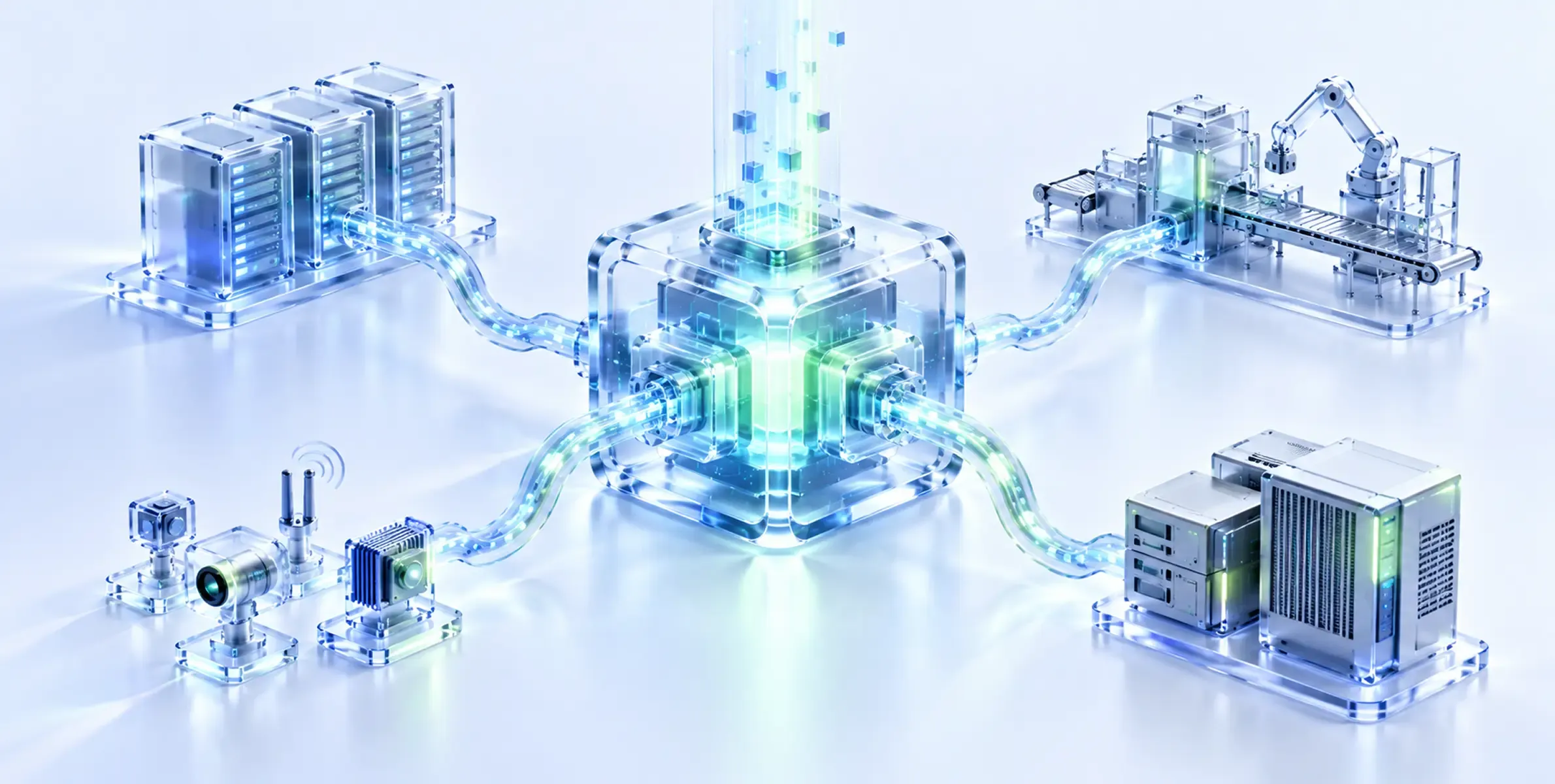
READ MOREManufacturers across the U.S. and Canada are investing heavily in industrial IoT platforms to gain real time data from their equipment, reduce waste, and keep production running. An industrial IoT platform connects machines, sensors, and control systems into a central data layer that operations teams can actually use to make decisions, not just collect dust in a historian.
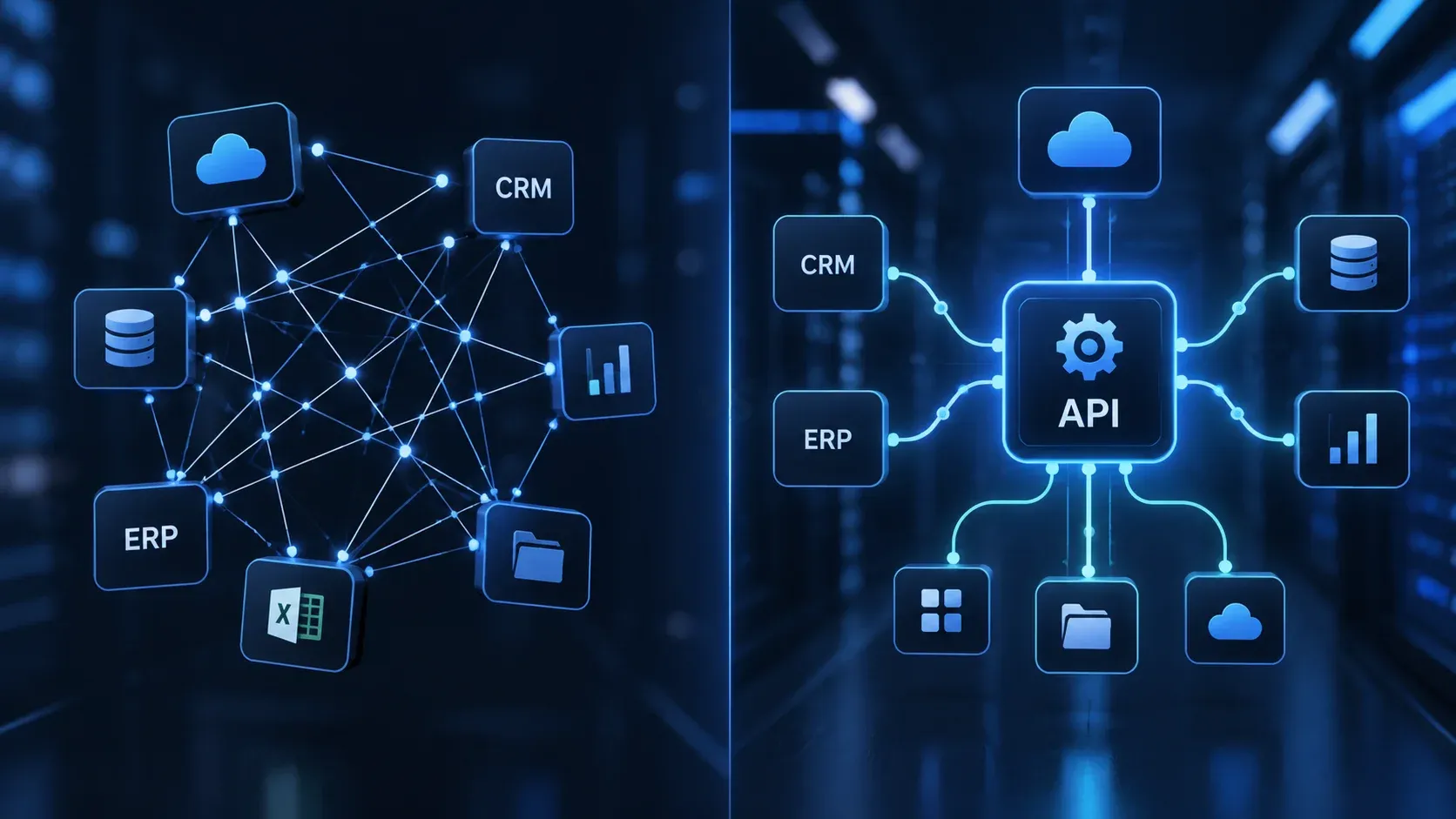
Point-to-Point Integration vs API-Led Architecture: Which Is Better for Enterprise Data Integration?
Web development
READ MOREOrganizations managing multiple systems face a critical choice between point to point integration and API-led architecture.
Data Integration Process: 7 Steps to Build an AI-Ready Data Platform
Data Science, Web development
READ MOREMost organizations today are racing to adopt AI, but the majority are tripping over the same obstacle: their data isn't ready. A recent survey found that 97% of companies report active AI initiatives, yet only 5% believe their data is fully prepared to support them. The gap between AI ambition and AI results almost always comes down to one thing: how well you integrate, govern, and maintain your enterprise data.
Top Data Integration Consulting Companies in the USA in 2026
Web development, Data Science
READ MOREFinding the right data integration consulting partner can determine whether your organization turns scattered, unreliable information into a genuine competitive advantage. This guide breaks down the leading consulting firms serving U.S. and Canadian businesses in 2026, what to look for in a partner, and where SoftDoes fits in the landscape.
Modern Data Platform Architecture: Components, Costs, and Migration Roadmap
Web development, Data Science
READ MORELegacy data warehouses and disconnected point solutions can no longer keep pace with the demands of analytics, machine learning, and tightening regulations across North American enterprises. In 2026, building modern data platforms is not optional for organizations that want to remain competitive. This guide breaks down the core components of a modern data platform architecture, realistic cost structures, and a phased migration roadmap designed for U.S. and Canadian enterprises.
Enterprise Data Strategy: A Practical Roadmap for AI-Ready Organizations in 2026
AI, Data Science
READ MOREIn 2026, enterprises across North America face increasing pressure to deploy AI-driven solutions like copilots, predictive models, and automated agents. Yet, many lack the robust data foundation necessary for success. This article outlines a practical, streamlined enterprise data strategy roadmap tailored for U.S. and Canadian organizations, especially those in regulated industries.
Business Intelligence as a Service: Costs, Architecture, and Use Cases in 2026
Data Science
READ MOREBusiness Intelligence as a Service (BIaaS) is transforming how organizations in the U.S. and Canada access analytics. Instead of building analytics infrastructure from scratch, companies subscribe to managed platforms that combine cloud infrastructure, data pipelines, and AI capabilities.
Industrial Data Integration: How to Connect ERP, MES, IoT, and Legacy Systems
READ MOREConsider a midsize U.S. manufacturer running SAP for finance and orders, a decade-old MES for production tracking, Allen-Bradley PLCs on shop floors, and a new IoT pilot collecting vibration data from pumps. Individually, these systems work well, but together they create data silos that impede collaboration and decision-making, often requiring manual data reconciliation.
How to Choose a Software Development Partner for a Business-Critical Product
Web development
READ MOREPicking a software development partner for a product your business depends on is one of the highest stakes decisions you can make. Get it wrong and you risk missed regulatory deadlines, lost revenue, security incidents, and long months of rework.
How to Build Custom Healthcare Compliance Software in 2026
Healthcare
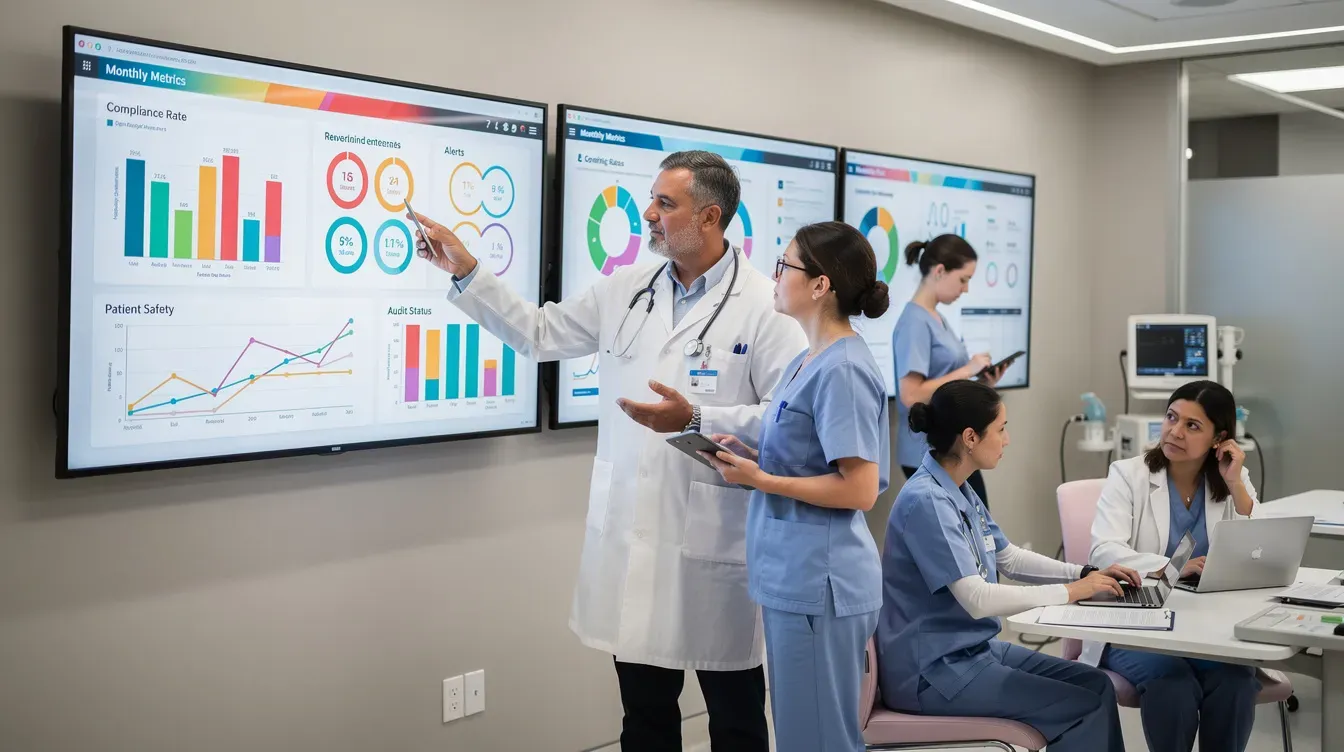
READ MORECustom healthcare compliance software in 2026 must embed HIPAA, HITECH, and state laws directly into workflows, not just bolt them onto generic tools.







Frequently Asked Questions
Everything you need to know about deploying, scaling, and securing your neural agents with SoftDoes. Can’t find an answer?
How is communication handled?
A PM leads updates, scope, and timelines. Engineers are brought in for planning, tradeoffs, and technical clarity so decisions don’t get lost in translation.
What types of projects are a good fit for SoftDoes?
Long-term products, business-critical systems, and software that needs to be maintained and evolved after launch.
Do you build MVPs or only large systems?
We build MVPs when they’re designed to grow into production systems. We don’t build throwaway demos.
How do you handle scope and changes?
Work starts from a defined scope. Changes are discussed, estimated, and prioritized explicitly — not absorbed silently.
What happens after launch?
We continue supporting, maintaining, and evolving the system. Launch is the beginning, not the end.
Will we own the code and IP?
Yes. You own 100% of the code, repositories, and intellectual property from day one.
What makes SoftDoes different from a typical agency?
Senior engineers, direct communication, predictable delivery, and long-term ownership — not volume-based outsourcing.
How do you price projects?
Engagements are structured around clear scope and outcomes. We focus on long-term value, not lowest upfront cost.