


Let's build together.
Talk with a senior engineer about your product idea, architecture, and what it would take to build it.
90+
Active Client Partnerships
80+ Person
Product & Engineering Team
100%
Your Code & IP Ownership
U.S.-Led
Delivery & Accountability
Services we offer
- 01User Interface Design
> CLARITY THAT CONVERTS, AESTHETICS THAT LAST <
Visual hierarchy uses size, color, contrast, and spacing to guide the user's attention toward what matters most. Our designers create design systems with reusable components, consistent typography, and a defined color palette that reinforces brand identity across every touchpoint. Consistency involves maintaining uniform colors, fonts, and button styles across screens so users never feel lost. Springfield companies get a visual language that works on web pages, mobile apps, and internal tools simultaneously. We treat responsive typography and flexible images as first class concerns, not afterthoughts. Every design element adapts to the user's screen without losing legibility or impact. Font size, line length, and spacing follow relative units to ensure readability on any viewport width. The visual system we hand off is documented, extensible, and ready for your internal team to maintain independently.
- Component library creation
- Typography and color system definition
- Iconography and illustration standards
- Responsive image asset preparation
- Brand identity alignment review
> WHAT HAPPENS AFTER YOUR INTERFACE GOES LIVE <
Responsive websites require ongoing attention to maintain quality. Does your team need post launch support for iterating on user feedback and updating the interface?
- Post launch usability review cycles
- Design system updates and component additions
- Performance monitoring and optimization
- Accessibility compliance re auditing
- 02User Experience Design
> DECISIONS ROOTED IN REAL USER DATA: User Interface Design in Springfield <
Every user interface starts with understanding who will actually use it. Our user research process combines interviews, contextual inquiry, and usability testing to map the full user journey before a single pixel is drawn. We identify friction points, mental models, and user preferences that shape information architecture and interaction patterns. Springfield companies competing in crowded markets need this clarity because assumptions about what users want rarely survive first contact with real world examples. Our strategists translate raw findings into actionable deliverables. Personas, journey maps, and competitive audits inform every downstream design decision. This structured approach reduces rework, shortens timelines, and ensures the final user interface reflects actual behavior rather than internal opinion. The result is a seamless user experience grounded in evidence, not guesswork.
- Stakeholder and end user interviews
- Competitive landscape audits
- Information architecture mapping
- Persona and scenario development
- Heuristic usability evaluation
- 03Product Design Services
> FROM CONCEPT TO SHIPPED PRODUCT <
Product design connects UX/UI research, visual interface work, and engineering into a single continuous process. We partner with Springfield founders and product leaders to define key features, validate market assumptions, and shape digital products and digital solutions that solve measurable business problems. Clarity ensures every element has a purpose and navigation is straightforward from day one. Our product design services cover the full lifecycle. We align business goals with user needs, define MVP scope, and iterate through validated learning cycles. Each release candidate is tested against real user behavior, refined, and prepared for a responsive website deployment that works across digital platforms. Springfield companies working with us get a product partner, not a vendor producing static mockups.
- MVP scoping and feature prioritization
- End to end design and engineering alignment
- Cross platform consistency verification
- Analytics integration for post launch learning
- Iterative release planning
> CLARITY THAT CONVERTS, AESTHETICS THAT LAST <
Visual hierarchy uses size, color, contrast, and spacing to guide the user's attention toward what matters most. Our designers create design systems with reusable components, consistent typography, and a defined color palette that reinforces brand identity across every touchpoint. Consistency involves maintaining uniform colors, fonts, and button styles across screens so users never feel lost. Springfield companies get a visual language that works on web pages, mobile apps, and internal tools simultaneously. We treat responsive typography and flexible images as first class concerns, not afterthoughts. Every design element adapts to the user's screen without losing legibility or impact. Font size, line length, and spacing follow relative units to ensure readability on any viewport width. The visual system we hand off is documented, extensible, and ready for your internal team to maintain independently.
- Component library creation
- Typography and color system definition
- Iconography and illustration standards
- Responsive image asset preparation
- Brand identity alignment review
> WHAT HAPPENS AFTER YOUR INTERFACE GOES LIVE <
Responsive websites require ongoing attention to maintain quality. Does your team need post launch support for iterating on user feedback and updating the interface?
- Post launch usability review cycles
- Design system updates and component additions
- Performance monitoring and optimization
- Accessibility compliance re auditing

PRODUCTS BUILT ACROSS INDUSTRIES
Finance
Secure portals need trusted, compliant financial user interface design in Springfield. We ensure clear navigation with user control and highlight urgent data using visual hierarchy.
Healthcare
Patient applications and clinical tools require accessibility and clarity. Our designs support screen readers and aging users with community-centered language that reduces errors and boosts adoption across care teams.
Education
Learning platforms demand intuitive, mobile-friendly layouts that engage students across devices. Responsive design speeds development by using a single adaptable layout from phones to classroom displays.
Construction
Project management and reporting tools must work on-site with limited connectivity. We create responsive layouts handling large data on small screens, minimizing clicks to boost efficiency under tight deadlines.
Technology
SaaS and developer platforms rely on fluid layouts and reusable components. Responsive design adapts dashboards at multiple breakpoints to keep complex interfaces usable on any device.
Startups
Early products need interfaces that attract users and investors. Our UI design principles ensure intuitive digital products that reduce user error from the start.
Compliance
Regulated sectors require auditable interfaces with strict controls and clear audit trails. We embed compliance into design, providing proactive feedback to reassure users in high-stakes workflows.
Energy
Operational dashboards and self-service portals show dense data clearly across devices. Responsive images and fluid grids adapt space without losing detail. Consistent branding supports recognition across platforms.


Transparency at each stage
Discovery & Research
We audit audiences and competitors to define pain points, ensuring design solves your specific business challenges.
Design Strategy
Creating concepts and user flows to build an intuitive product structure and seamless interaction logic.
Iterative Prototyping
Real-time progress you can see, from wireframes to high-fidelity mockups that bring your digital vision to life.
Usability Testing
We validate every button and transition through real-world scenarios to eliminate friction before development.
Handoff & Support
Complete design systems and asset delivery with ongoing expert support to ensure pixel-perfect implementation.

Numbers Don’t Lie
Recent projects showcasing how we design, engineer, and deliver production-ready software solutions.

- Startup
- Real Estate
Our Haus AI
A finance professional turned founder built Our Haus AI, an AI-powered collaborative workspace where homeowners and contractors scope, bid, contract, and document renovation projects together. SoftDoes took her prototype and made it production-ready.- 10XMVP scope delivered
- 2+years Ongoing partnership
- 1Fully owned Platform

- Finance
- Energy
Deepwater Insights
Deepwater Insights delivers proprietary alternative data and niche research on the offshore drilling and energy sector to institutional investors, family offices, and high-net-worth individuals who require coverage that larger firms don't provide.- 100%Brand Continuity
- 2Platform Distribution
- 100%Paywall-Ready Content

- Real Estate
The building buyer
The Building Buyer is a Florida-based real estate investment firm co-founded by Dylan Troiano and Charles Hanlin. They acquire single-family, multifamily, and commercial properties across South Florida and beyond, with a focus on motivated seller opportunities.- 18Weekly hours saved
- 2+Years Ongoing partnership
- 1Fully owned Platform

- Education
- Non-Profit
WOVEN & NICE
Woven is a Spring Valley, NY nonprofit running the NICE program (New Training Inclusive Community Environment) in four Rockland County schools. Their team supports students through restorative practices, mediation, and professional development for teachers and administrators.- 4Schools Served
- 4Weeks to Launch
- 1STTime on Upwork

- Healthcare
CareInTouch
CareInTouch is a Bay Area home health agency providing skilled nursing and therapy services to patients referred from hospitals and clinics. With over 100 staff, they operate in one of the most complex and compliance-driven healthcare markets in the country.- 40% Reduction In Billing Errors
- 100+Staff Operations Managed
- 0Missed Compliance Deadlines

- Startup
Sparkle The Cleaning Service
Sparkle The Cleaning Service is a Detroit-area residential cleaning company with 10 years in business, connecting homeowners with vetted, insured independent cleaners through a subscription-based marketplace platform.- 75% Platform Transparency
- 2XPlatform Growth
- 40%Higher User Retention

- Startup
DineMate
DineMate is a Maryland-based dating and connecting platform built around verified profiles, restaurant reservations, and prepaid dining experiences. Founded to bring back authenticity to how people meet and connect.- 60% Time Saved
- 99%System Reliability
- 40%Higher User Retention

- Healthcare
Prior Authorization AI
Prior Authorization AI is a healthcare automation startup building AI-powered tools to streamline prior authorization for Medicare and Medicaid medical transportation providers in New Jersey.- 16Weekly hours saved
- 63%Admin time reduced
- 43%Fewer submission errors

- Education
Grand Central Language Services
Grand Central Language Services provides translation and interpretation for organizations operating in complex, multilingual environments. As demand grew, internal workflows became harder to manage. SoftDoes built a custom platform to streamline coordination, improve visibility, and support scalable operations.- 72%Workflow Reduction
- 48%Coordination Reduction
- 83%Visibility Increase

- Healthcare
FMY Orthodontics
FMY Orthodontics, a multi-location practice in West Tennessee, partnered with SoftDoes to replace a spreadsheet-based financial workflow with a custom web platform. The goal was to simplify how staff present treatment financing while allowing patients and families to review and complete decisions remotely.- 60%Workflow Reduction
- 75%Remote Adoption
- 5Locations Aligned

Forbidden Alchemy
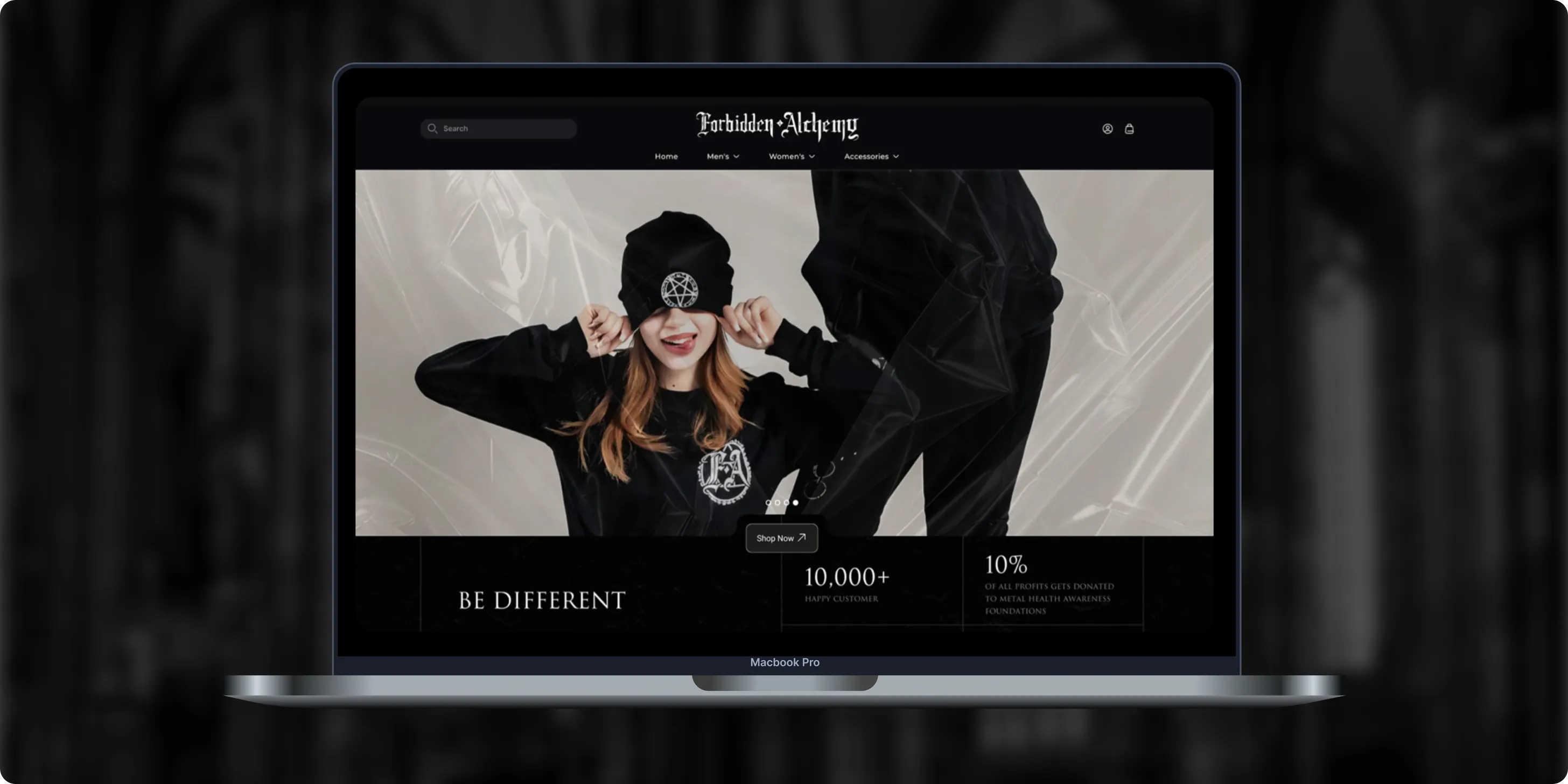
Forbidden Alchemy is an alternative fashion brand creating dark, provocative clothing for the metalhead community, with 10% of profits donated to mental health awareness. Its mostly mobile audience struggled with a store that was hard to navigate and weak on functionality.- +44%Revenue Month Over Month
- 86%Design Satisfaction
- 2.8XUser Retention Growth
Altera
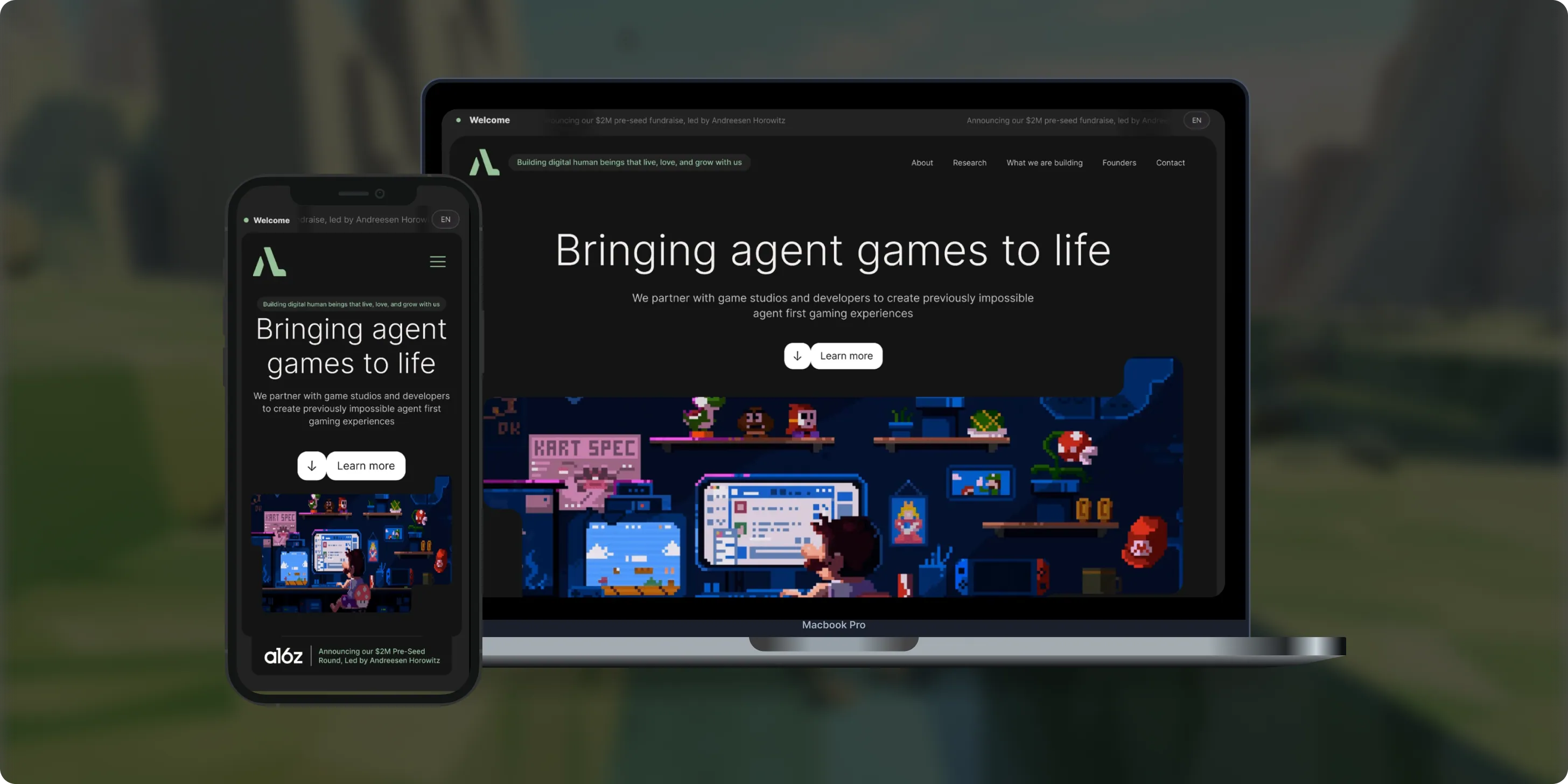
Altera builds on decades of computational neuroscience research to create digital human beings for gaming. Backed by a $2M pre-seed round led by Andreessen Horowitz, the team needed a landing page that could explain complex agent technology to players, partners, and investors.- 98%Dynamic Customization
- 100%Streamlined Navigation
- $2MPre-Seed Round
- Real Estate
Brizacorp
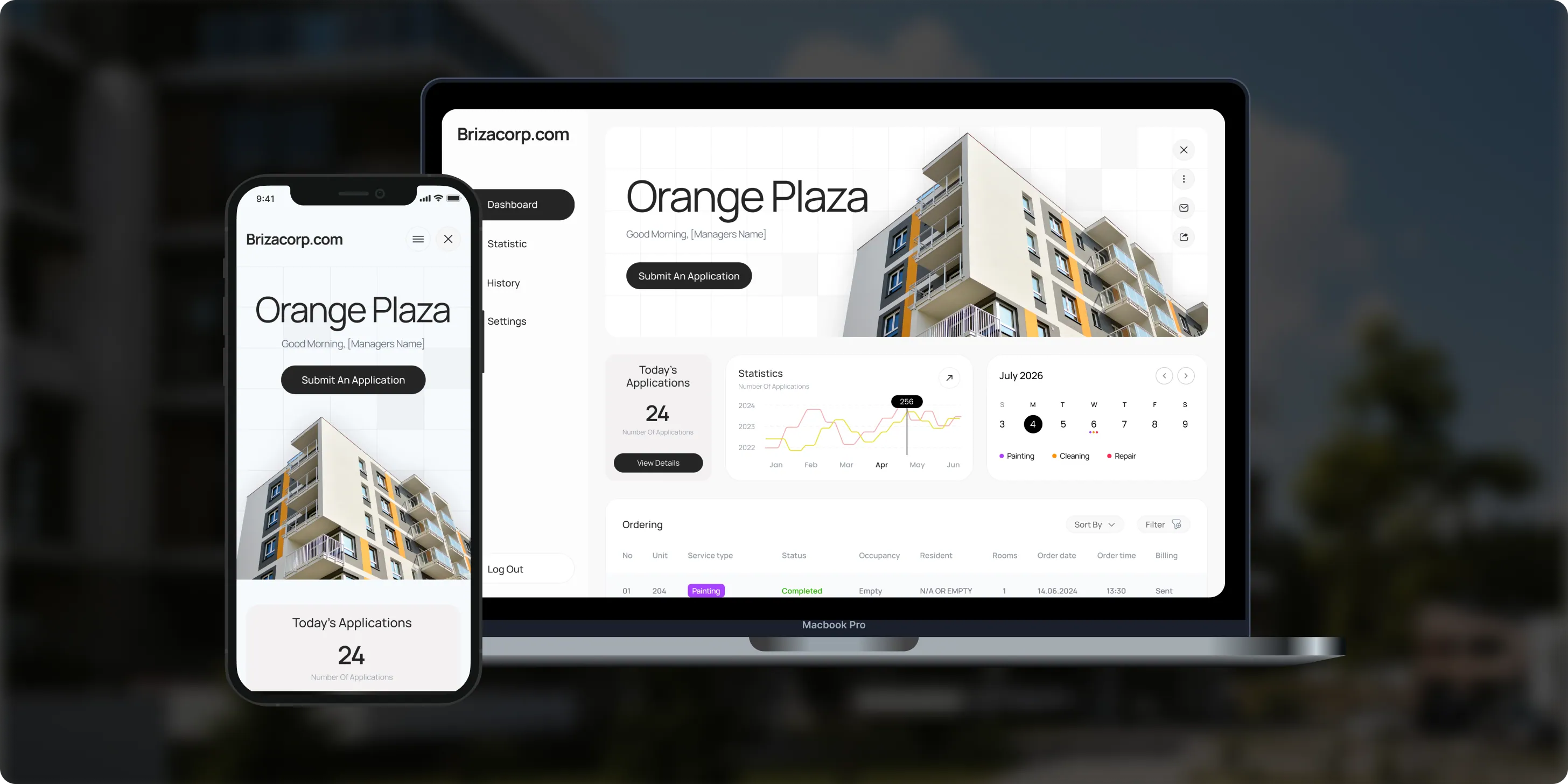
Brizacorp manages residential properties and coordinates the staff who handle painting, cleaning, and repair requests. Its team tracked work across messengers, phone calls, e-mail, and paper planners, with no single place to manage requests or measure performance.- 98%Application Stability
- 95%Utilization Rate
- 30%Faster Task Completion
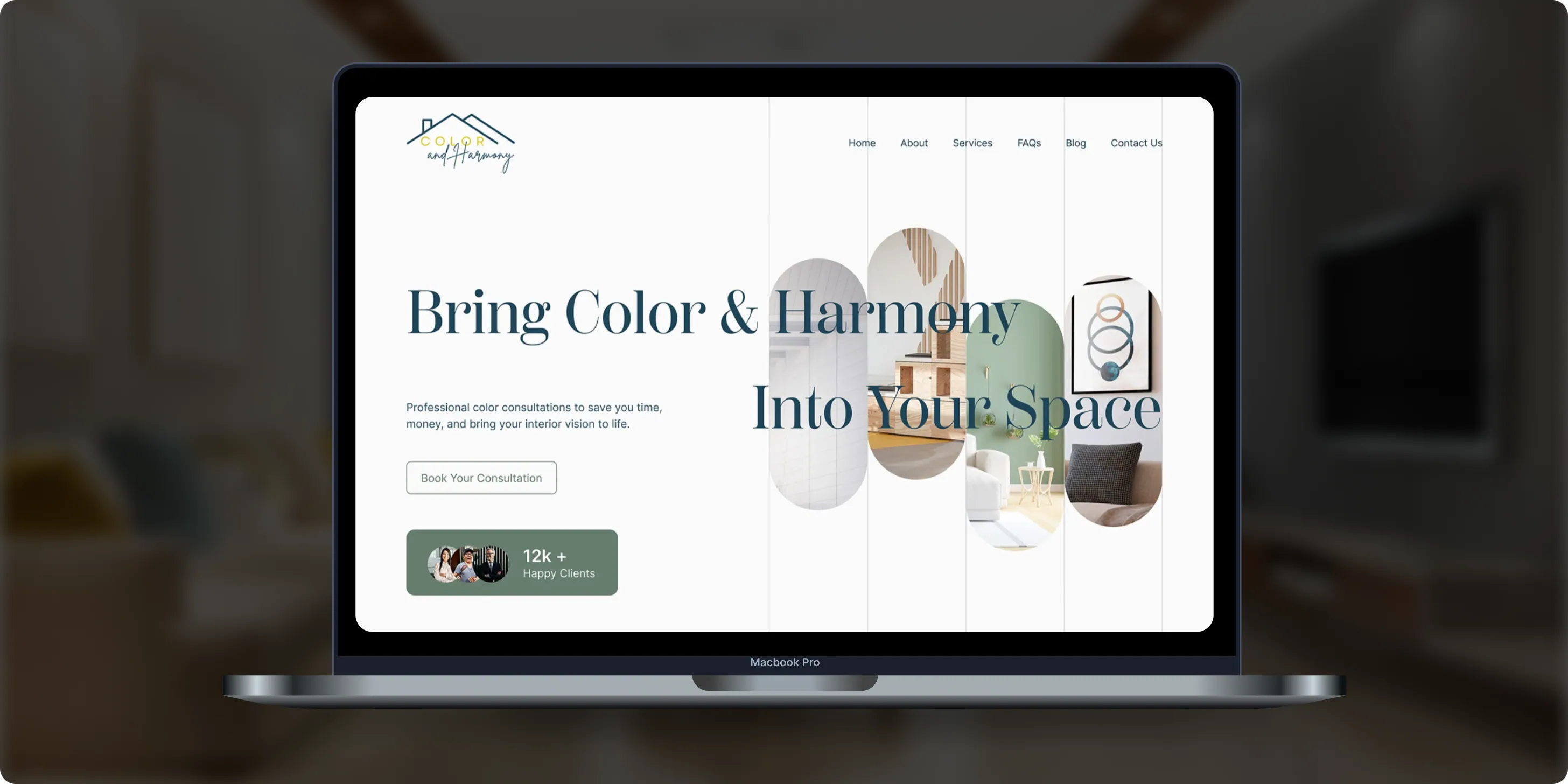
Color & Harmony
Color & Harmony is a Kentucky-based color consulting studio led by certified color strategist Diana Cartaya. The studio needed a website that reflects its refined aesthetic, showcases its portfolio, and explains a science-based color process in simple language.- 45%Conversion Rate Increase
- 50%Higher User Engagement
- 2Months to Launch
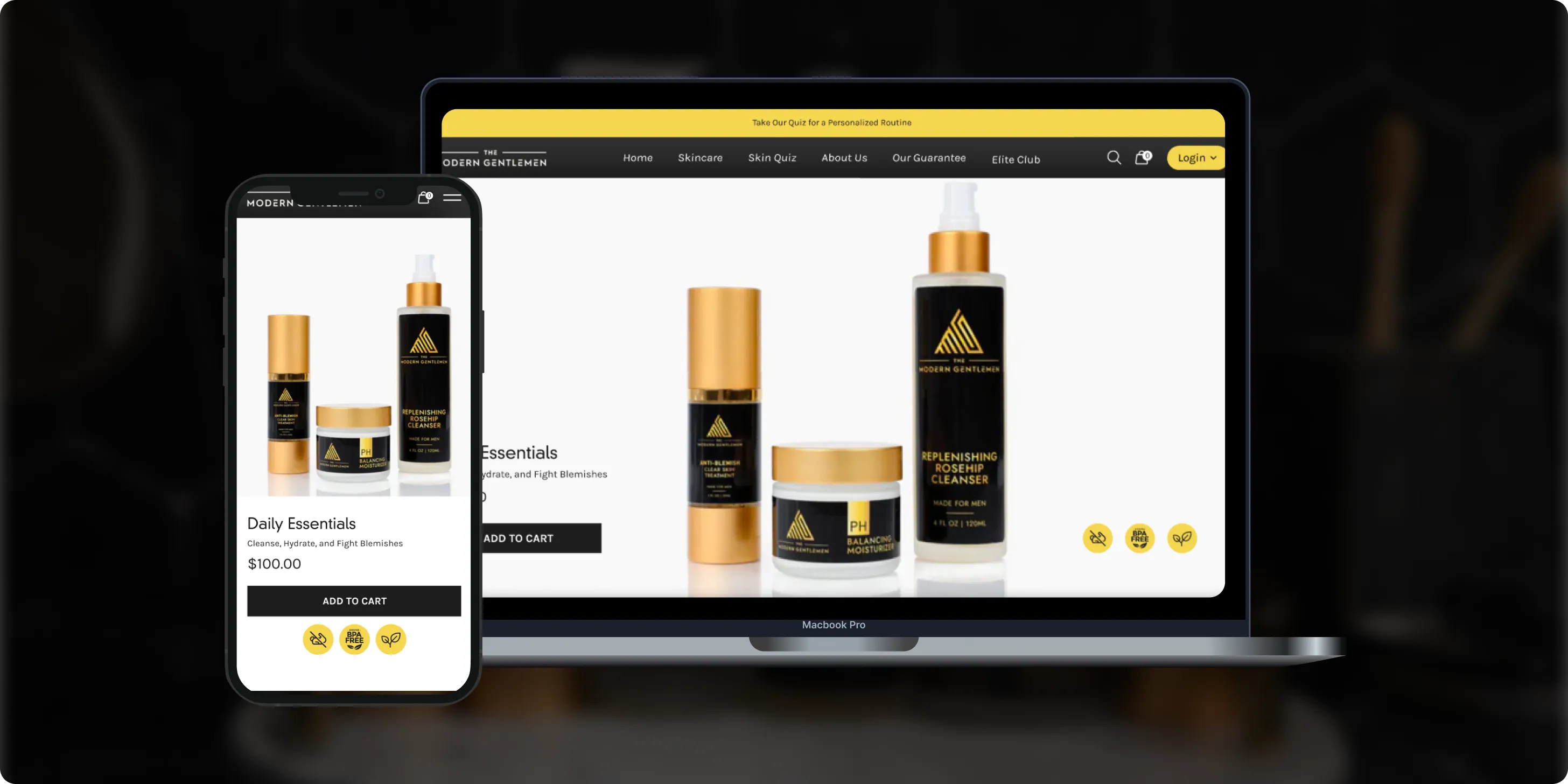
The Modern Gentlemen
The Modern Gentlemen sells premium men's skincare featured in Men's Health, GQ, and Men's Journal. Its customers wanted an efficient routine, but generic product suggestions and limited skincare knowledge made choosing the right products hard.- 30%Increase in Conversions
- 25%Higher Customer Retention
- 92%Mobile Purchases
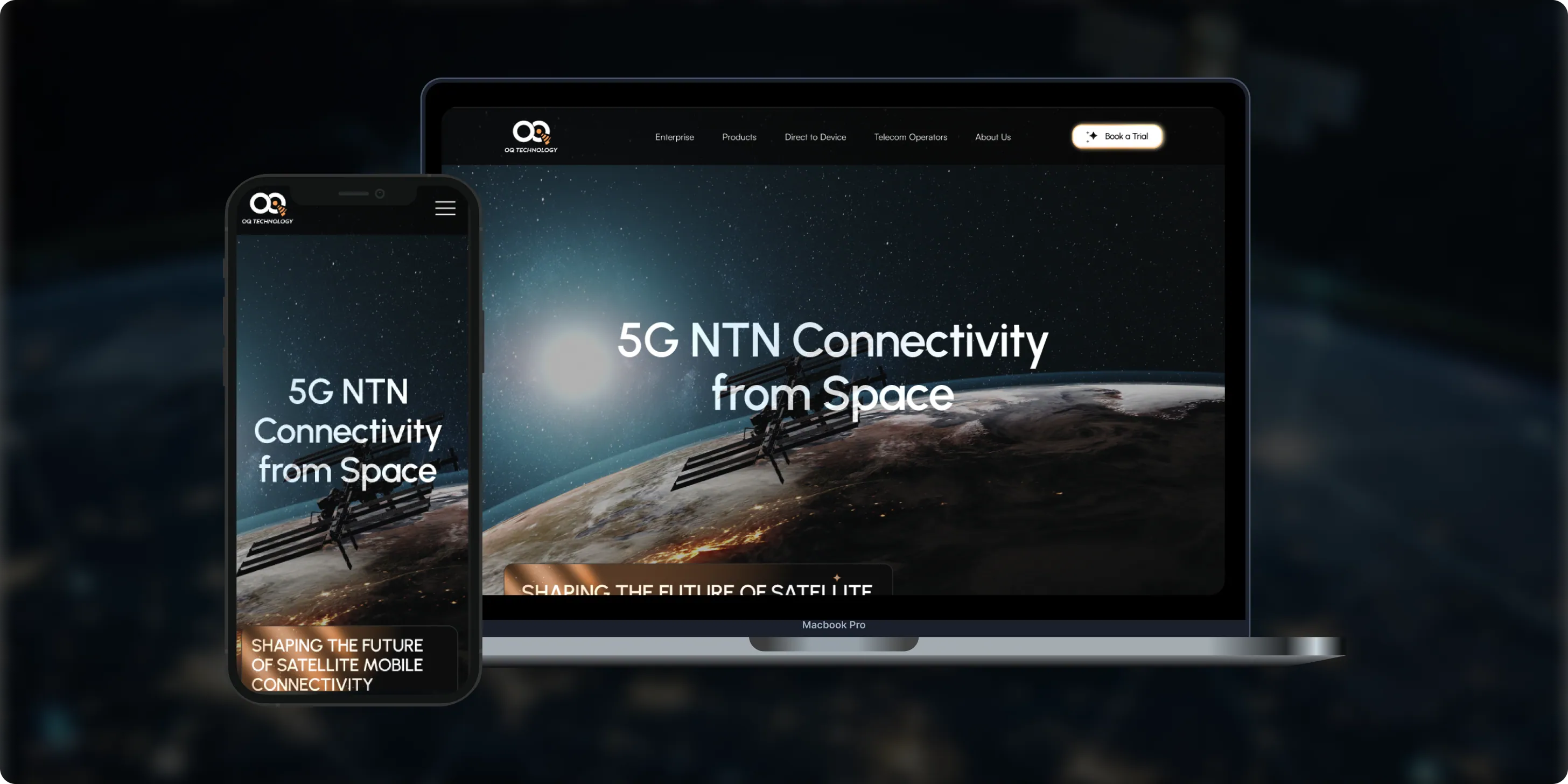
OQ Technology
OQ Technology connects IoT devices, machines, and people anywhere on the planet through its satellite network, serving energy, maritime, logistics, agriculture, and mobile operators. Its website made it hard to explore products and reach pricing plans.- 4Pricing Plans Clarified
- 3Dedicated User Flows
- 1Unified Platform
- Real Estate
- Finance
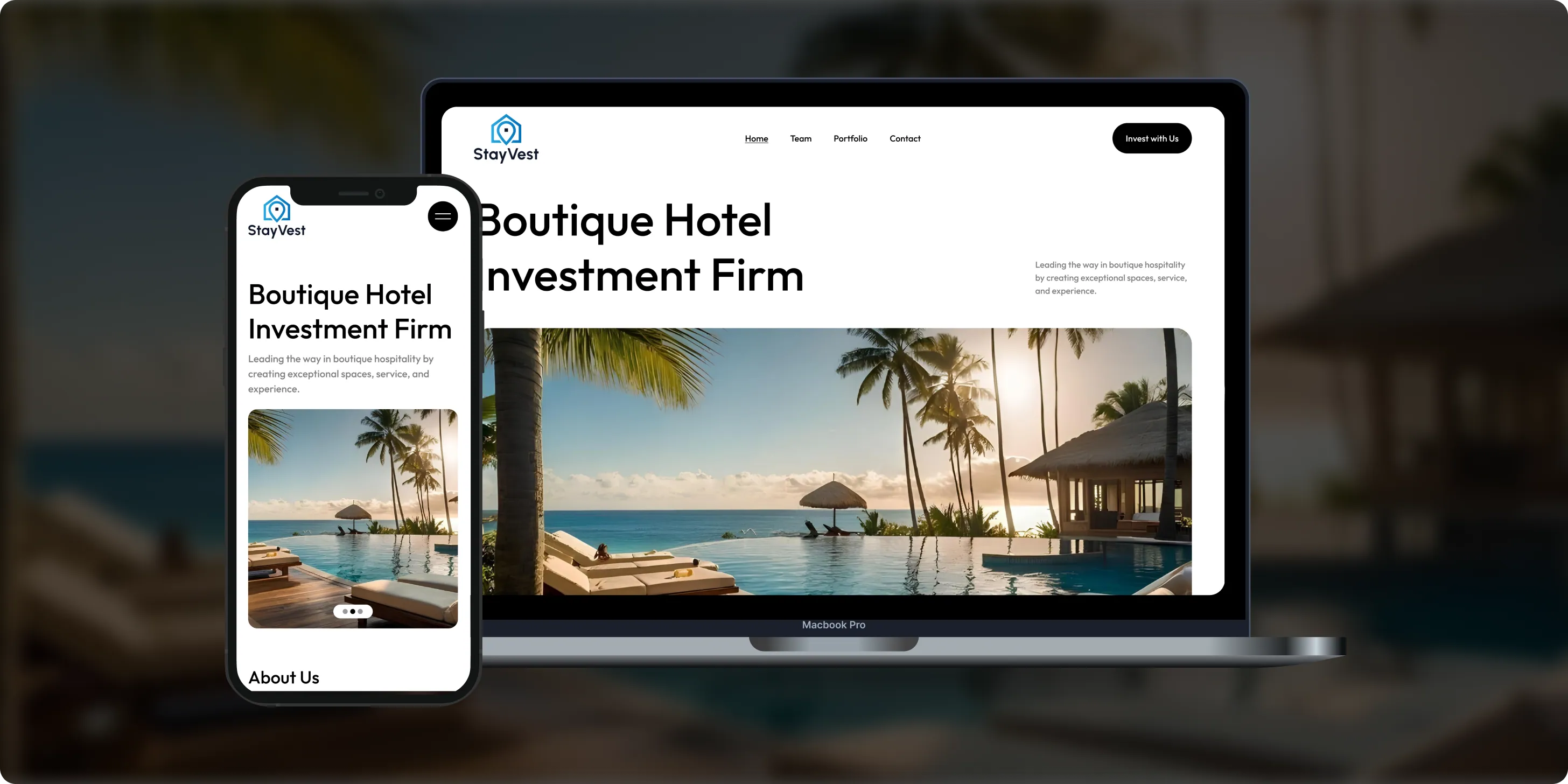
Stay Vest
Stay Vest is a private real estate investment firm that acquires, renovates, and operates boutique hotels for cash flow, tax benefits, and equity gain. It needed a platform that explains its strategy and earns the trust of passive investors.- 1,500+Guest Stays
- 200+Rooms Managed
- 5States Covered
Bokeyno Motorsports
Bokeyno Motorsports is the leading mobile installer of vertical doors for high-performance cars. This Shopify website isn’t just about services—it’s a bold statement of power, style, and expertise. With a sharp layout, strong visuals, and real-world case studies, the site delivers all the information car enthusiasts need to book confidently and instantly.- 54%Booking Requests
- 43%Lead Conversion
- 32%Qualified Inquiries

ai document processing platform
A comprehensive talent solution designed to help companies attract, hire, and retain top talent more effectively. The platform combines AI-powered recruitment technology with employee financial wellbeing programs, enabling smarter hiring decisions while supporting employees’ financial stability and long-term engagement.- 62%Faster Processing Time
- 78%Less Manual Work
- 35%Improved Accuracy

WHAT CLIENTS SAY
Independently verified reviews from real clients on Clutch.co


Client Story
Real feedback from
FMY Orthodontics

“Their perseverance and solution-oriented mindset. SoftDoes consistently found ways to make things work, added features we had not originally envisioned, and never became frustrated. It felt like working with a true partner who cared about the success of our practice.”
Dan Merwin
DDS, MS -- President, FMY Orthodontics

Client Story
Real feedback from
Prior Authorization AI
“Every time I sent a request, if there was anything that didn't work, they were able to turn it around quickly. Even when there were no updates yet, they always reached out to let me know they were working on it.”
Joseph Oluwo
Founder of Prior Authorization AI


Client Story
Real feedback from
WOVEN
“What stood out most was their commitment to understanding our needs before presenting solutions.”
Danna Pastran
Administrative Operations Manager, WOVEN

Client Story
Real feedback from
Grand Central Language Services
“The site performs as intended and provides the foundation for our company's digital presence.”
Joe Goldstein
QA Manager, Grand Central Language Services


Client Story
Real feedback from
DineMate
“They go above and beyond.”
Eric Snead
CEO, DineMate "Dating Connecting Platform"
WHAT CHANGED IN PRACTICE
Clients didn’t stay because of promises. They stayed because delivery became predictable, ownership was clear, and the product kept moving forward after launch.
- 01Direct Access to Senior Engineers
You work directly with the senior engineers and designers assigned to your project. There are no account managers filtering communication or translating requirements between layers. Questions get answered by the people doing the work. This structure eliminates the telephone game that plagues larger agencies. It means faster decisions, fewer misunderstandings, and a team that understands your product deeply. Every conversation moves the project forward instead of generating status reports.
- 02Predictable Delivery
Our design process follows a structured timeline with defined milestones and clear deliverables at each stage. You know what is coming, when it arrives, and what approval is needed before the next phase begins. We set realistic deadlines and meet them. Scope changes are documented and scheduled, not absorbed silently until they cause delays. This predictability lets your internal team plan around our work. You never wonder where the project stands.
- 03Built to Last Past Launch
We engineer interfaces with maintainable code architecture and documented design systems that your team can extend independently. The goal is not just a successful launch but a product that remains coherent as it evolves. We use reusable components, relative units, and modular CSS patterns instead of fragile one off solutions. Every design decision considers what happens six months after handoff. Documentation covers usage rules, component behavior, and responsive breakpoints. Your investment compounds over time rather than degrading.
- 04No Babysitting Required
Our team manages itself. You will not need to chase updates, remind us about deadlines, or re explain priorities. We surface blockers early and propose solutions alongside them. Weekly syncs are concise and action oriented. If something changes on your side, we adapt without requiring a formal change order for every minor adjustment. You get a partner that operates like an embedded extension of your own organization.
Technologies We Use
DESIGN TOOLS
VISUAL DESIGN
PROTOTYPING


COLLABORATION & WORKFLOW

























Frequently Asked Questions
Everything you need to know about working with SoftDoes. Can’t find an answer?
How is communication handled during user interface design projects?
We assign a dedicated project lead who communicates directly with your team through Slack, email, or your preferred channel. Weekly status calls cover progress, blockers, and upcoming milestones. Design reviews happen in collaborative tools where you can leave feedback directly on the interface mockups. You always have visibility into what is being worked on and what comes next. Urgent questions get same day responses during business hours. We treat clear communication as part of the deliverable, not an extra.
What types of web design projects are a good fit for SoftDoes?
We work across a wide range of project types. Full product redesigns, new application interfaces, responsive website overhauls, and focused UX design improvements all fit our capabilities. Short engagements like a usability audit or a design system kickoff are welcome alongside longer product partnerships. The common thread is that the work requires senior level thinking and production quality output. If your project involves complex user interactions or cross platform requirements, we are a strong match. We scope each engagement to fit your actual needs rather than pushing a fixed engagement model.
Do you design for specific platforms or handle cross platform user interface solutions?
We design for web, iOS, Android, and internal enterprise platforms. Our responsive design approach ensures that layouts adapt across different screen sizes using fluid grids and media features. When a product needs to exist on multiple platforms, we create a unified design system that maintains visual and interaction consistency everywhere. Platform specific patterns like iOS navigation conventions or Material Design guidelines are respected where they matter. We test responsive designs on real devices for accurate results, not just emulators. The outcome is a coherent experience regardless of where users access your product.
How many revision rounds are included in the UI design process?
Each project phase includes structured revision cycles, typically two to three rounds per major deliverable. We present concepts, gather specific feedback, and refine. This iterative approach ensures the final user interface reflects your input without spiraling into endless revision loops. Clear feedback guidelines help your team articulate what needs to change and why. If a project requires more exploration in a particular area, we discuss scope adjustments transparently. Our goal is convergence toward a validated design, not unlimited open ended iteration.
What happens after a responsive web design launch and implementation?
Post launch, we offer support packages that cover usability monitoring, design system updates, and interface refinements based on real user data. We use browser developer tools for responsive design testing and monitor performance metrics after deployment. Bug fixes related to our delivered work are addressed promptly within the agreed support window. If your product evolves, we can extend the design system with new components and patterns. We also document everything thoroughly so your internal team can handle routine updates independently. The transition from project mode to maintenance mode is planned from the start.
Will we own the design files and intellectual property?
Yes. Upon final payment, full ownership of all design files, source code, and documentation transfers to you. This includes Figma files, component libraries, icon sets, and any custom assets created during the user interface design engagement. There are no licensing fees or usage restrictions after handoff. You are free to modify, extend, or redistribute the work as you see fit. We retain no proprietary claims on your product. Clean IP transfer is standard in every SoftDoes contract.
What makes SoftDoes different from a typical design agency?
Most agencies separate design from engineering into distinct handoff stages. SoftDoes integrates user interface design and front end development into a single workflow. Our designers understand CSS media queries, responsive typography, and component architecture. Our engineers understand visual hierarchy and interaction patterns. This overlap eliminates the translation loss that typically occurs between a design team and a development services team. You get production ready interfaces, not static pictures that require months of interpretation by a separate engineering group.
How do you price user experience design projects?
We scope and price based on project complexity, timeline, and deliverable requirements. After an initial discovery conversation, we define the engagement structure and present a clear proposal. Pricing reflects the seniority of the team assigned and the depth of UX design research, prototyping, and implementation involved. We do not use hourly billing for most engagements because it creates misaligned incentives. Fixed scope phases with defined outputs give you cost certainty. Every proposal includes a detailed breakdown so you understand exactly what you are paying for.
EHR Software Development Cost in 2026: Complete Budgeting Guide for U.S. & Canadian Healthcare
Healthcare
Building a custom electronic health record system is a major technology investment for healthcare organizations. However, the cost discussion is often unclear due to varying vendor quotes, underestimated compliance layers, and confusion between EHR, EMR, and practice management software.
How to Build an E-Learning Platform in 2026: Strategy, Architecture, and Costs
EdTech
The global eLearning market surpassed $325 billion and continues to grow as enterprises, universities, and independent creators invest in digital education across the U.S. and Canada. If you are planning to build an e learning platform, the decisions you make in the first few weeks will shape your costs, timeline, and competitive position for years. This guide covers everything from choosing a business model to launching an MVP, written from SoftDoes' perspective as a software engineering partner for regulated, high demand industries.
Legal Case Management Software Development: A Complete Guide for Law Firms in 2026
Web development
Legal case management software is the operational backbone of modern law firms. It coordinates every moving piece of a practice, from matter intake and deadline tracking to billing, document automation, and client communication, all within a single system. The legal case management software market was valued at $8.7 billion in 2023, is growing at a CAGR of 11.5% from 2024 to 2031, and is forecasted to reach $12.3 billion by 2031. With 88% of lawyers now using cloud computing software for case management, firms across the U.S. and Canada are moving past generic tools and investing in custom platforms that reflect how they actually practice law. This guide covers how to plan, build, and evolve a custom legal case management system, not just how to pick a product off the shelf. SoftDoes is a U.S. and Canada focused software engineering partner with deep experience in LegalTech and regulated industries, and we'll reference their approach throughout.