Coders for Hire: Senior Programmers
Need code shipped, not just written? Our senior programmers build, fix and maintain your software, backed by a U.S. delivery team.
100+
Fully Vetted Developers
24h
Average Matching Time
300
Project Delivered




















Hire Senior Programmers
Discover developers that match your project requirements.No exact match for this specialty yet — here are related experts from our network.

Principal DevOps / Site Reliability Engineer with 14+ years of software engineering experience (including freelance development) and 9+ years of professional DevOps/SRE experience. Expert in designing and automating scalable cloud infrastructure across AWS, GCP, Azure, a company Cloud, with deep expertise in Kubernetes, Docker, OpenShift, Terraform, Ansible, GitOps (ArgoCD/FluxCD), CI/CD, Go, and Python. Experienced in building multi-cloud, high-availability platforms, infrastructure automation, cloud migrations, and developer platforms. Currently working as Principal Engineer at FOX, previously held senior engineering roles at Hippo Insurance, a company, and Morgan Stanley.

I am a solutions architect and engineer with 5+ years of experience in designing and implementing cloud-based AI solutions. Solid skills across applied AI, software engineering, cloud architecture and DevOps practices, built on years of field experience, allow me to drive AI initiatives from concept to production, leveraging AI tools to boost delivery speed without compromising on deliverable quality.

Senior Python Developer with 11+ years of experience designing scalable backend systems and microservice architectures across data analytics, logistics, and fintech platforms. Proven track record leading engineering teams and delivering cloud-native solutions on AWS and Kubernetes. Recently led development of AI-powered and real-time observability platforms using modern Python frameworks and large-scale data technologies. Strong background in system architecture, distributed systems, and mentoring teams in Agile environments.

Senior AI/ML Engineer with 10+ years of experience designing and deploying large-scale machine learning and generative AI systems in production environments. Specialized in LLM architectures, agentic AI systems, distributed ML infrastructure, and end-to-end MLOps platforms. Proven track record of delivering high-impact AI products including diagnostic AI systems improving accuracy by 38% and enterprise ML platforms accelerating data pipelines by 40%. Experienced in leading cross-functional teams, architecting scalable AI platforms, and driving AI innovation across healthcare, enterprise analytics, and automation domains.

10+ years in IT, 7+ years focused on DevOps/SysOps/SRE. Currently - Tech Lead at a U.S. company.

AI engineer with 6+ years of professional experience, available to start a new challenging role in stimulating and innovative company.

Over the past 8 years, I have gained ample experience in ETL/ELT, Snowflake, Airflow, and Data Warehouse. I have been responsible for Data Lake Support and creating new ETL/ELT processes within AWS using either Snowflake, Glue, Airflow, dbt, Xplenty, Docker, or Custom Python Scripts with APIs. I have also worked as an Application Architect, which includes over 50 different services across AWS. I needed to create pipelines, organizations, and permissions within AWS Infrastructure to meet business requirements while optimizing costs. My previous work includes over four years as a Data Analyst, creating and supporting BI Tools like Sisense, Quicksight, and Power BI/Tableau. I managed and created dashboards, widgets, and Data Architecture with Sisense and Redshift. I was also the Support Engineer for Sisense Installation and Maintenance. I would describe myself as reliable and able to undertake complex situations with unique solutions. I have over 7 years of experience in the Data sector, over 17+ years of SQL experience, and 20+ years as a Developer. I’m also a mid-QA Automation Engineer, which gives me a better idea of the attention to detail a developer needs to attain to complete development within the time limit and without affecting PROD releases. My other skills include being a Sysadmin in both Windows and Linux environments, a company Web Services AWS, a company 365 Portal, JumpCloud, 1Password, and Slack. I also have DBA knowledge, including creating servers and Data Warehouses. I'm an expert in MS Office and can automate with macros. I’m also a Cybersecurity advocate since I’m always looking for ways to protect data and user permissions. I have been in Agile Development with Jira in Kanban and Scrum for the past 4 years. And I have also created bots to automatize process alerts and configurations with Slack APIs and AWS to help my teammates get prompt feedback from the ETL pipelines.

I am a technical leader and problem solver who designs and delivers scalable, distributed software and AI systems that create measurable business value. I have led cross-functional teams and platform initiatives, translating complex requirements into reliable, production-ready solutions built on open standards. My experience spans architecting, mentoring, and driving execution across diverse technology stacks, with a strong focus on operational excellence, product impact, and long-term system sustainability.

Energetic, adaptable, mission-focused and multilingual MBA professional with more than 20 years of experience in IT, Business Intelligence, Marketing and Finance in 4 multinationals. Proven track record of finding creative solutions to solving challenges. Effective presenter who collaborates well in teams and across divisions. Passion for learning and acquiring new skills every day.

15+ years of experience designing and operating large-scale distributed systems and latency-sensitive production platforms. Expertise in multi-region Kubernetes infrastructure, hybrid cloud environments, and production reliability engineering, with a strong focus on scalability, fault tolerance, observability, and operational automation. Deep experience building and operating hybrid bare-metal and cloud platforms (AWS, GCP), including Kubernetes infrastructure, traffic routing, CI/CD systems, and production observability stacks supporting globally distributed workloads. Strong background in incident response, Linux systems, networking, distributed systems troubleshooting, and infrastructure automation using Terraform and Python. Focused on end-to-end ownership of production infrastructure platforms while partnering closely with engineering teams to improve reliability, security, deployment consistency, and operational efficiency.

Technical leader at a company AI Core, building and operating cloud-native AI platform services from prototype to production. Hands-on across backend engineering, distributed systems, and Kubernetes, driving technical direction and delivery across teams without direct authority.

Software Engineer with 10+ years of AI/ML experience and proven expertise in developing LLM-powered applications, generative AI systems, and ad engines. Strong track record of scaling ML platforms from inception to 1,500+ users at a company, building production AI systems, and creating innovative ad solutions. Experienced in full software development lifecycle with deep knowledge of PyTorch, TensorFlow, and modern AI frameworks including LangChain, LangGraph, and various LLM APIs.
What our Programmers
can build

Which Engagement Model Is Right For You?
Whether you need one engineer, ongoing delivery support, or a complete product team, we have an engagement model that fits.

Strengthen your existing engineering team with senior specialists who integrate seamlessly into your workflows while you retain full ownership of priorities, roadmap, and day-to-day management.
- Senior engineer(s) integrated into your team.
- Fast onboarding into your workflow.
- Flexible monthly engagement.
- Replacement guarantee if needed.
- Direct communication and full transparency.

Ideal for teams that need experienced engineers backed by technical leadership, ensuring faster onboarding, predictable execution, and consistent delivery without adding management overhead.
- Dedicated senior engineer(s).
- SoftDoes delivery oversight.
- Regular technical and delivery check-ins.
- Optional code reviews and QA support.
- Escalation management.
- Replacement support.
- Flexible team scaling.

Launch products faster with a ready-to-work cross-functional team that brings together the right expertise from day one, helping you scale without the complexity of hiring each role individually.
- Engineers, QA, Designers, PMs, Tech Leads - assembled to fit your project.
- Cross-functional collaboration.
- One engagement structure and one point of contact.
- Easy scaling up or down.
- Team continuity throughout the project.
Not sure which engagement model fits?
Or maybe you don't want to manage engineers at all.
- End-to-end project ownership.
- Dedicated Project Manager.
- Engineering, QA, Design, and Product expertise.
- Delivery planning and sprint management.
- Quality assurance throughout development.
- Transparent communication and regular progress updates.
- One accountable partner responsible for successful delivery.


Not sure which engagement model fits?
SoftDoes takes full ownership of delivery, combining project management, engineering, design, and QA into one accountable team focused on successful outcomes.
FIND THE
RIGHT expert, FASTER
Choose a role. Filter by technology.
Discover developers that match your project requirements.
Hire developers by role


Hire developers by tech stack



























Hire developers by industry











Engagement Flexibility
Launch with a single senior engineer who can own development from day one. Validate ideas, ship faster, and scale only when your product requires additional capacity.
Expand naturally as new priorities emerge. Bring in frontend, backend, QA, DevOps, or design specialists without disrupting your existing workflow.
Transform individual contributors into a dedicated delivery pod. Combine engineering, QA, design, and product expertise working together toward shared outcomes.
Increase or reduce team size based on roadmap, funding, or workload. Stay lean during quieter periods and scale confidently when demand grows.
How to hire a Programmer
Fill out a short form and see who's on the bench. Real profiles, verified histories.
Tell us what you need. We propose two or three candidates from the bench; you interview them directly.
Your engineer starts on your project. Contract, payments, and the guarantee run through us.
US VS. THE DATABASE

 >
Frequently Asked Questions
Everything you need to know about working with SoftDoes. Can’t find an answer?
How long does it take to hire a programmer through SoftDoes?
Because our programmers are already prescreened for coding skill, communication, and references, we typically present matched candidates within days rather than the weeks or months a traditional recruiting cycle demands. The exact timeline depends on how specialized your stack and domain are, and on how quickly your team can schedule a short technical interview or trial task. Once you approve a candidate, onboarding can begin almost immediately, with repository access, environment setup, and a first scoped task ready on day one. Most clients see a senior programmer contributing reviewed, tested code to their codebase within the first week of the engagement.
What does it cost to hire a programmer?
Cost depends on seniority, the languages and frameworks involved, the engagement model, and how long you need the programmer. A dedicated senior coder through SoftDoes is billed at a predictable rate that already covers recruiting, vetting, delivery oversight, and replacement protection, so you avoid recruiter fees, benefits overhead, and the hidden expense of a mis hire. The more useful comparison is total cost of ownership: a strong programmer who ships tested, maintainable code reduces rework, incidents, and technical debt. We share transparent pricing during the discovery call once we understand your scope, stack, and timeline in enough detail to quote accurately.
What engagement models are available (dedicated hire, pod, contract)?
SoftDoes offers three main models so you can match the engagement to the work. A dedicated hire places one senior programmer inside your team full time, following your processes and reporting to your engineering leadership. A pod gives you a small self contained team, often with a lead, that owns a defined workstream end to end and suits larger initiatives or new products. A contract engagement covers a scoped, time bound project with clear deliverables. Every model includes engineering led oversight and a written IP assignment, and you can move between models as your priorities and budget change over time.
How do you ensure time zone alignment with a programmer?
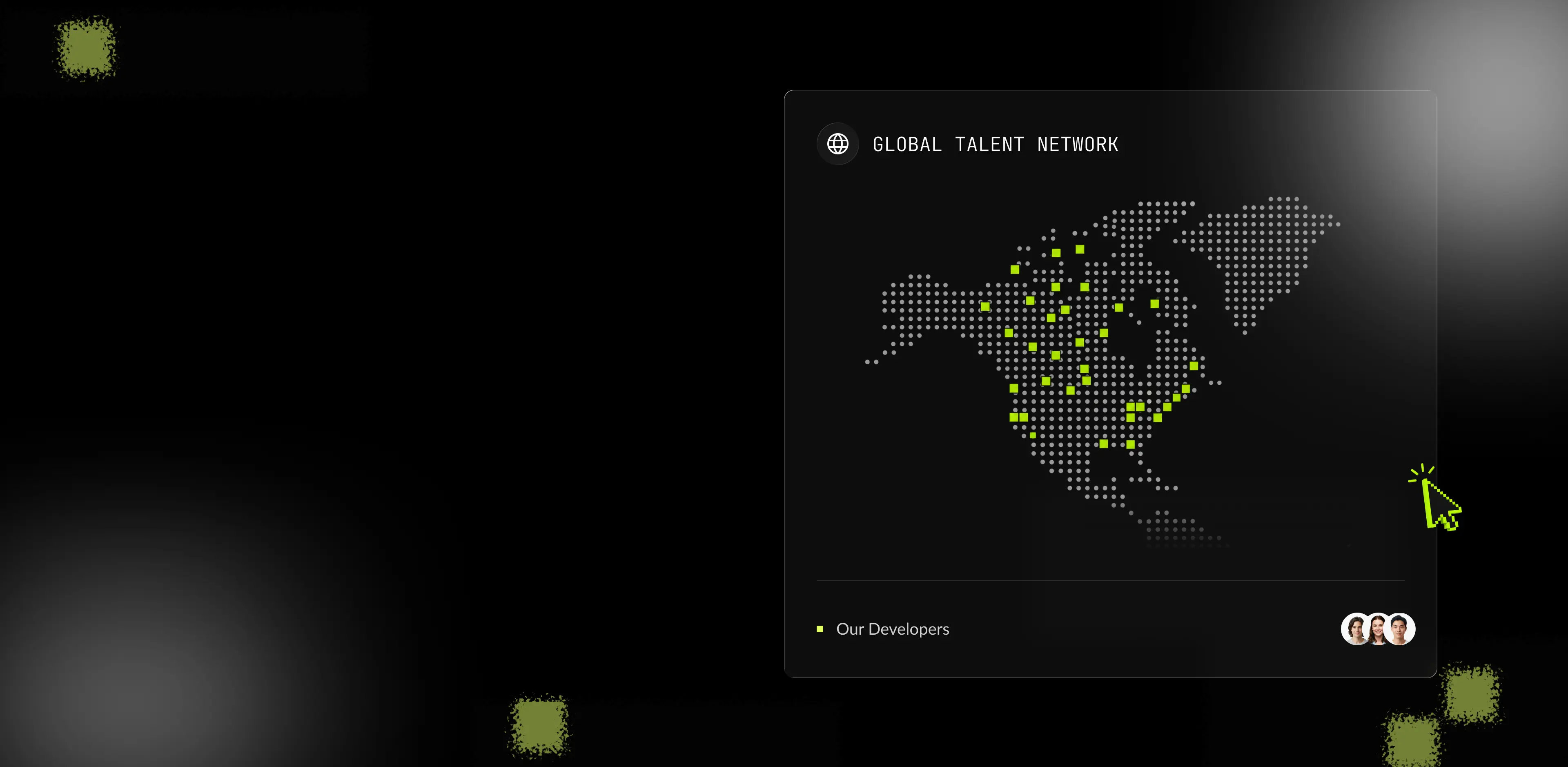
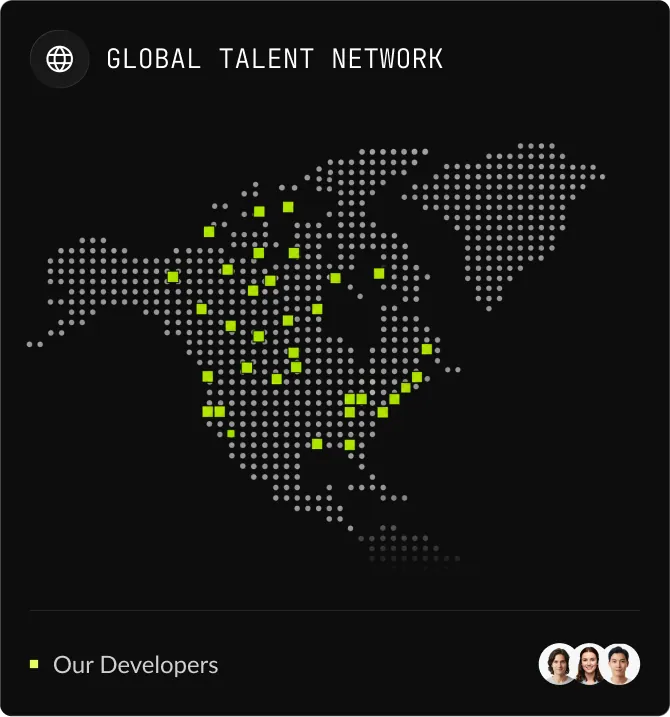
SoftDoes focuses on clients across the US and Canada, so we match programmers whose working hours overlap substantially with your core business day. During matching, we confirm the hours each candidate commits to, including availability for standups, code reviews, and planning sessions with your team. For roles that touch production systems, we agree on coverage expectations for incident response up front so nobody is surprised during an outage. Our delivery leads monitor communication quality and responsiveness throughout the engagement, and if overlap ever becomes a problem, we adjust schedules or replace the programmer quickly at no additional cost to you.
How does SoftDoes technically vet a programmer?
Our vetting focuses on how a programmer writes production code, not on memorized algorithm puzzles. Candidates work through realistic tasks such as pair programming on a real bug in a sample repository, where we watch how they read unfamiliar code, write tests, and communicate their reasoning. We review their approach to code quality, debugging, logging, and safe refactoring of legacy code. We also assess how they use AI coding assistants, expecting them to review every generated line for correctness and security. Reference checks and a communication screen complete the process, so only senior programmers who meet our engineering bar reach your interview calendar.
What happens if the programmer isn't the right fit, or I need to scale up or down?
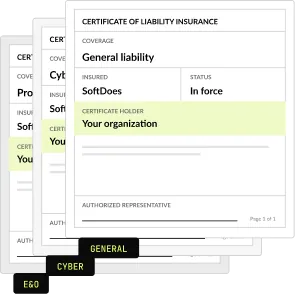
Every SoftDoes placement is covered by a zero risk replacement guarantee. If a programmer is not the right fit for any reason, tell us and we will source and onboard a replacement quickly, with a handover that protects continuity in your codebase. Scaling works the same way in both directions. If your roadmap expands, we can add programmers or convert a single hire into a pod, and if priorities shift, you can reduce capacity without the legal and emotional cost of layoffs. Our delivery leads stay involved throughout, so changes to team size happen smoothly rather than disrupting your release schedule.
The Executive Guide to Hiring a Programmer


A bad programmer hire never shows up as one line item. It shows up as a release that slips a quarter, a test suite nobody trusts, and a senior engineer who spends half the week rewriting someone else's pull requests. A slow pipeline costs almost as much, because every week a seat stays empty the backlog compounds and your best people burn out covering the gap. The right placement does the opposite: cleaner code ships sooner and incidents drop. This playbook gives you a field tested strategy to define, vet, and onboard top tier programmer talent without gambling your roadmap.
What Is Really on the Line
Owners Versus Ticket Takers: What a Senior Programmer Actually Does
A senior programmer is not a faster typist. The difference between a professional who owns outcomes and a coder who only translates tickets into code is the difference between a codebase that gets easier to change every month and one that slowly calcifies. Here is what ownership looks like day to day:
- Reading unfamiliar code fast. Senior programmers can open a module they have never seen, trace the data flow, and understand the intent behind it within hours, not weeks. That skill matters more than raw output, because most production work happens inside code someone else wrote years ago.
- Testing as part of the change. They write unit and integration tests in the same pull request as the feature or fix, not as a promise for later. The tests document behavior, protect the next engineer, and turn every future refactor from a gamble into a routine, controlled operation.
- Small commits and clear pull requests. Strong programmers keep changes small and describe them clearly: what changed, why, how it was tested, and what reviewers should watch. That discipline speeds up code review, simplifies rollbacks, and creates a readable history that explains decisions long after the author has moved on.
- Debugging with evidence, not guesses. When something breaks, they reach for a debugger, a profiler, and the logs before touching code. They reproduce the failure, isolate the cause, and fix the root problem instead of patching symptoms that resurface a week later under heavier production traffic and pressure.
- Logging for the next person. They add structured logging and meaningful error messages that help whoever is on call next, even if that person is not them. Good observability turns a midnight incident from a frantic guessing session into a short, methodical investigation with a clear and documented resolution.
- Managing tradeoffs openly. They know when a quick fix is acceptable and when it will create debt that costs ten times more later. They name the tradeoff, write it down in the ticket or pull request, and let the business make an informed call instead of quietly absorbing hidden risk.
Why the Right Hire Pays for Itself
The financial case for a senior programmer is not about salary versus output. It is about what bad code quietly costs you every sprint:
- Technical debt reduction. Every shortcut a weak coder takes becomes interest your team pays later through slower features and fragile releases. A senior programmer refactors safely behind tests, steadily paying down that debt so future work gets cheaper instead of more expensive with every quarter that passes.
- Faster, safer deployment cycles. Programmers who expect code review on every pull request, linters, static analysis, and a CI pipeline that runs the full test suite before merging ship with confidence. Fewer broken builds and rollbacks mean your release cadence speeds up without trading away production stability or customer trust.
- Lower infrastructure and support costs. Code that is profiled and optimized consumes fewer compute resources and generates fewer support tickets. A programmer who finds the slow query or the memory leak with a profiler saves real money on cloud bills and frees your support team from chasing recurring, avoidable customer complaints.
- Risk mitigation. Senior programmers catch security issues such as injection and broken access control before they reach production, and they review AI generated code line by line. That vigilance protects you from breaches, compliance headaches, and the reputational damage that follows a preventable incident nobody caught during review.
Groundwork Before You Open the Search
Audit Your Real Constraints Before You Write a Single Job Post
Most hiring mistakes are made before the first interview. Leaders open a requisition based on headcount pressure rather than a clear diagnosis of what the codebase and the team actually need. Spend a week on this audit and you will save months of misaligned interviews.
Diagnose the Codebase First
Start with the problem this programmer must solve in their first ninety days. Is it a legacy module nobody dares to touch, a flaky test suite, a performance bottleneck, or simply too many tickets for the current team? The answer shapes the profile. Legacy work demands someone who refactors instead of rewrites: safe change starts with characterization tests that pin current behavior, followed by small, reversible changes behind those tests. Programmers who insist on rewriting from scratch are a common source of missed deadlines. Document the debt honestly so candidates see the real job, not a polished fantasy.
Decide How Much Autonomy the Role Carries
Next, decide how this person fits into the team. An embedded specialist joins an existing squad, follows established conventions, and needs strong collaboration skills more than independent judgment. A dedicated pod works on a self contained stream of work with its own lead, cadence, and accountability, which suits larger initiatives or a new product line. Be explicit about who reviews their code, who sets priorities, and how much they can decide alone. A senior programmer dropped into a role with unclear ownership will either stall waiting for permission or drift into building things nobody asked for.
Weigh In House Hiring Against Vetted Remote Talent
Finally, choose the deployment model. A full time in house hire brings long term continuity, but it also brings a long recruiting cycle, benefits overhead, and a painful exit if the fit is wrong. Vetted dedicated remote talent from an engineering partner removes most of that friction: the screening is done, the start date is measured in days, and replacement is contractual rather than personal. If the work is part of a broader build, consider pairing the hire with a custom software development engagement so delivery oversight comes included rather than improvised by an already stretched manager.
Build a Profile Around Outcomes, Not a Wish List
Generic job specs attract generic candidates. A strong profile describes the work, the environment, and the authority attached to the seat:
- Core outcome and mission. State the single result this programmer must deliver, such as stabilizing the payments module or cutting the bug backlog in half. A clear mission filters out candidates who want a different job and gives the eventual hire a measurable target from day one onward.
- Technical stack reality. Language choice should follow your existing codebase and team, not trends. Most business software runs on JavaScript or TypeScript, Python, Java, C#, PHP, or Go. Strong programmers move between languages, but production experience in your main stack meaningfully shortens ramp up and early review cycles.
- Decision making authority. Spell out what the programmer can decide alone, such as library choices, refactoring scope, or test strategy, and what needs approval. Clear authority prevents both paralysis and overreach, and it tells senior candidates whether this role will respect their judgment or simply consume their time.
- Growth trajectory. Describe where the role leads in a year: technical lead, module owner, or mentor for junior engineers. Senior talent evaluates the path as carefully as the paycheck, and a credible trajectory is often what wins a candidate who is weighing several competing offers at once.

Let’s Turn Your Idea into Scalable Software
Book a call with the representative to get answers to all the questions you may have.
Vetting and Ramp Up Without the Guesswork
A Vetting Framework Built in the Trenches
Resumes tell you where someone sat, not how they write code. The only reliable signal comes from watching a programmer work on something real, reason out loud, and handle feedback under realistic pressure.
Where Great Programmers Actually Come From
Traditional recruiters optimize for keyword matches and speed to a shortlist, which is why so many candidates look identical on paper and collapse in a technical interview. Job boards are worse: you inherit hundreds of applications and the full burden of screening them. A prescreened engineering network flips the economics. Candidates have already passed coding assessments, reference checks, and communication screens before you ever see a name. Sourcing through a vetted talent network means your senior engineers spend interview time evaluating fit with your codebase rather than filtering out people who never should have reached the calendar.
How to Evaluate Real Coding Skill
Skip the algorithm puzzles. They measure interview preparation, not production ability. Instead, run pair programming on a realistic bug in a sample repository, or a short paid trial task in your real codebase. Then review how the candidate reasoned, tested, and communicated. Did they read the surrounding code first? Did they write a failing test before the fix? Follow with a scenario review of an existing module where they explain tradeoffs and risks. Probe how they use AI coding assistants: senior programmers use them for speed but review every generated line for correctness, security, and fit. Close with a cross functional conversation with product to test collaboration.
The First 90 Days: A Ramp Up Plan That Produces Results
A great hire still fails without a deliberate onboarding plan. Structure the first quarter around clear milestones:
- Days 1 to 30: Orientation and first commits. Provide repository access, environment setup, and a walkthrough of the CI pipeline and review norms on day one. Target a merged, tested pull request in the first week, then a steady stream of small fixes that build familiarity with the codebase, the conventions, and the team.
- Days 31 to 60: Ownership of a defined area. Hand the programmer a module or workstream they own end to end. Expect them to improve test coverage, clean up obvious debt, and participate actively in code review for others. By the end of this window, they should be unblocking teammates rather than waiting on them.
- Days 61 to 90: Measurable impact and influence. The programmer should now deliver against the core mission defined in the profile, propose improvements to tooling or process, and document what they have learned. Review results against the original outcome and decide together where their ownership expands next across the team's broader roadmap.
Making the Final Decision
Reading the Room: Red Flags and Green Flags
Interviews generate noise. These signals cut through it.
Red flags:
- Excessive engineering. The candidate proposes a layered abstraction, a new framework, or a microservice for a problem that needs twenty lines of clear code. Overbuilt solutions slow delivery, confuse teammates, and multiply the surface area for bugs that someone else will eventually have to maintain and debug.
- No honest account of failure. Ask about a production incident they caused. Candidates who cannot name one, or who blame everyone else, have either not shipped much or have not learned from it. Neither profile belongs anywhere near your critical systems or your on call rotation.
- Tool obsession over problem solving. They talk endlessly about their favorite language, editor, or library but struggle to explain why a choice fit a specific business problem. Tools change constantly; judgment about when and why to use them is what you are actually paying for.
- Rewrite reflex. Shown messy legacy code, their first instinct is to throw it away and start over. Rewrites routinely blow deadlines and reintroduce bugs the old code had already solved. You want someone who stabilizes behavior with tests first, then improves the code incrementally and safely.
Green flags:
- Pragmatic tradeoff analysis. They weigh speed against maintainability out loud, explain what they would do with a week versus a month, and accept that good enough is sometimes the right answer. That maturity keeps projects moving without silently accumulating debt that cripples the team later on.
- Focus on data and system integrity. They ask how failures are handled, what happens to data during a partial outage, and how changes are rolled back. Programmers who protect integrity instinctively prevent the kind of silent corruption that is expensive, embarrassing, and slow to discover in production.
- Proactive risk identification. Without prompting, they point out missing tests, security gaps such as injection or broken access control, or fragile dependencies in the sample code. People who surface risk early save you from discovering it through an outage or an angry customer escalation.
- Clear communication under pressure. When stuck during the live exercise, they explain what they are trying, ask focused questions, and adjust when given a hint. That behavior predicts how they will act during a real incident, when calm, precise communication matters most.
Why Leaders Choose SoftDoes
SoftDoes is a North America focused custom software engineering and data and AI partner serving clients across the US and Canada. We do not hand you unmanaged freelancers and disappear. Every programmer we place is battle tested senior talent, vetted through live coding on realistic problems, and backed by engineering led delivery oversight that keeps quality gates, code review, and accountability in place. We deploy rapidly, scale your team up or down as priorities shift, and stand behind every placement with a zero risk replacement guarantee. Every contract includes a written IP assignment, so the code you pay for is yours. If your needs extend beyond coding into architecture and product strategy, explore how we help you hire software developers for those broader roles.
Your Next Move
Every week without the right programmer is a week of slower releases, mounting debt, and overloaded senior engineers. You now have the framework to define the role, vet candidates on real work, and ramp them into ownership quickly. The fastest way to put it into action is a conversation with people who do this every day. Book a technical discovery session with SoftDoes architects, and we will map your constraints to the right programmer profile and deployment model.