

IT staff augmentation
IT Staff Augmentation Services
Add senior engineers, QA, DevOps and data specialists to the team you already run. You interview every candidate, and nobody starts without your approval.
400+ technologies and roles No recruiting fees
5.0
Clutch rating from 40 client reviews, 36 verified
10K+
Employees at the largest reviewing client, a government agency
$200K+
Budget of the largest project reviewed on Clutch
2+ yrs
How long three clients have worked with SoftDoes
IT staff augmentation, in short
- What it is
- Outside engineers on your team
- under your management, for as long as the work needs them
- Who we are
- Kansas City metro software company
- headquartered in Mission, KS
- Price
- $14.5 an hour
- The flat SoftDoes fee per engineer, on top of the engineer’s own rate. There are no recruiting fees.
- Trial
- Free trial
- Every engagement starts with a free trial, and 98% of SoftDoes clients choose to hire after it.
- Start
- Week one
- matching profiles within one business day, then the engineer joins your tools
How augmentation starts
From the roles you send to an engineer working in your tools, in week one.
You send the roles
Day 1. Skills, stack, seniority and the weekly hours you need.
Profiles arrive
1 business day. Two or three screened candidates per role, each showing their rate.
You interview
Days 1 to 3. Talk to each candidate directly, then pick who joins.
The engineer starts
Week one. Inside your tools, while SoftDoes runs the contract and payments.
What does staff augmentation mean? Definition and meaning
Staff augmentation means bringing outside specialists into your own team to fill a skill or capacity gap. You direct their daily work, while a provider recruits, contracts, pays and replaces them.
How the staff augmentation model works
You define the gap
Skills, seniority and weekly hours.
You interview candidates
The provider proposes screened candidates, and you interview them.
They join your team
The people you choose join your team and work in your tools.
You pay for hours, add or release people
You pay the provider for the hours worked, usually every month, and add or release people as the work changes.


Your team, your process
You keep your team, your process and your roadmap, and add capacity to them. The added specialists join your stand-ups, take tickets from your backlog and follow your coding standards.
Hours, not a deliverable
You buy skilled hours rather than a finished deliverable, so the result stays your responsibility.
What is staff augmentation in the IT field?
In IT, staff augmentation means adding vetted engineers, QA, DevOps, data or design specialists to your technology team. They work in your tools and report to your leads, while the provider owns recruiting, contracts and payroll. Technology teams augment when the roadmap outgrows the team, or when a project needs a skill nobody on staff has.
Software development staff augmentation
This form adds engineers who write, review and ship code in your repository. It suits teams with a lead who sets standards and reviews each pull request.
Engineering staff augmentation beyond code
Engineering staff augmentation also covers QA, DevOps, data engineering, design and product management. These roles are often needed for a few months, which makes a full-time hire hard to justify.
Tech staff augmentation vs general staffing
Tech staff augmentation needs deeper checks than general staffing, because the person gets access to code, data and production systems. Ask how the provider tests technical skills, and who stands behind the person after day one.
Engagement Options
We don’t just deliver code — we deliver outcomes. Our partners trust us to turn complex ideas into scalable digital products that actually work. Here’s what they say — and how we proved it.
> Time and Materials <
> FIXED PRICE <
> MANAGED TEAM <
> managed product <
Staff augmentation vs outsourcing, managed services and consulting
The core difference is control: in staff augmentation you direct the people, and in the other models a vendor does. The vendor then answers for a result, a service level or advice.

A dedicated team keeps your priorities but brings its own tech lead, QA and design. Compare that option on the dedicated software development team page.
Staff augmentation vs managed services
Staff augmentation buys people you direct, billed for the hours they work. Managed services buys a result, such as uptime or resolved tickets, delivered under a service-level agreement.
Which one to choose
Choose managed services when the work repeats and success fits in a contract, as with monitoring or help desk. Choose staff augmentation when the work changes every sprint and your leads decide what comes next. Many companies run both side by side. SoftDoes offers Dedicated Talent and Managed Talent for augmentation, and Managed Cloud Services for cloud operations.
You buy
Staff augmentation: skilled people and their hours. Managed services: a defined service and its results.
Daily control
Staff augmentation: your leads assign and review work. Managed services: the vendor decides how work gets done.
Success measure
Staff augmentation: your own team’s output. Managed services: service levels in the contract.
Pricing
Staff augmentation: hourly or monthly, per person. Managed services: a recurring fee for the agreed scope.
Knowledge
Staff augmentation: stays in your team and documents. Managed services: builds up with the vendor’s staff.
Best for
Staff augmentation: product work that changes every sprint. Managed services: stable operations such as monitoring, help desk and infrastructure.
Staff augmentation pros and cons
Advantages
Staff augmentation adds skills fast without permanent headcount, and you keep control of the work. The trade-offs are management time, onboarding effort and a dependence on the provider’s vetting.
Speed: a screened engineer can start in week one, while an in-house hire typically takes 2 to 6 months. Control: your leads set priorities, review the code and decide what ships. Flexibility: add or release people month to month as the roadmap changes. Skills on demand: bring in DevOps, data or AI expertise for the months you need it. Lower fixed cost: no recruiting fee and no permanent salary for a one-project skill.
Disadvantages and risks
Management load: augmented engineers need direction and reviews from your leads. Onboarding time: each new person needs access, documentation and time to learn the code. Knowledge loss: what an engineer learns can leave when the engagement ends. Uneven quality: some providers forward resumes with little real vetting. Security exposure: outside people get access to code, data and production systems. Long-term cost: for a role you need for many years, an employee can cost less.
How to reduce the risks
Weak vetting: interview every candidate and test a real task. SoftDoes uses multi-stage screening, 5+ years of experience, and your own interviews.
A poor fit: start with a trial and get replacement terms in writing. SoftDoes gives a free trial and a 100% free replacement guarantee.
Management load: name one internal owner for priorities and reviews. SoftDoes adds Managed Talent check-ins, with optional code reviews and QA support.
Knowledge loss: keep code and documents in your own repositories. SoftDoes engineers work in your accounts, and you own all code and IP.
Security exposure: grant only the access each task needs, and revoke it at the end. SoftDoes signs an NDA before confidential details, and a certificate of insurance is available on request.

How IT staff augmentation works, step by step
Five steps take you from a role description to an engineer working in your codebase. Nobody touches your code without your approval.
Tell us the roles, stack, seniority and weekly hours through a short request form. You get real profiles with verified histories to browse.
For each role, SoftDoes picks two or three candidates from its bench of screened engineers. You get vetted profiles, each showing the engineer’s rate.
Interview each candidate directly, with your own technical questions, and choose who joins. You get your choice of engineer, with no recruiting fee.
The engineer joins your repository, tracker and chat. SoftDoes runs the contract, payments and guarantee. You get a working engineer and time reports you can check.
Check delivery with your customer success manager, then add, change or release roles as plans change. You get one contact and month-to-month flexibility.
Which IT roles can you augment?
You can augment most technical roles: software engineers, QA, DevOps, data and AI engineers, designers and product managers. SoftDoes also places fractional technical leaders, such as a part-time CTO. The SoftDoes bench spans more than 400 technologies and roles. Each engineer has at least 5 years of experience and passed screening for hard and soft skills.

Software engineers
Back-end, front-end, full-stack and mobile features, APIs and fixes.
QA engineers
Test plans, automated tests and release checks.
DevOps engineers
Infrastructure as code, deployment pipelines, monitoring and incident response.
Data and AI engineers
Data pipelines, analytics, models and AI features.
UI/UX designers
Research, flows and screens ready for engineers to build.
Product and project managers
Backlog, sprint planning and progress reports.
Fractional technical leaders
Architecture and technical direction a few days a week. Fractional leadership suits a company without a CTO, or a team that needs architecture decisions before it adds engineers.
When does staff augmentation make sense?
Staff augmentation makes sense when you already have technical leadership and need more capacity or a skill your team lacks. Without someone to direct the work, a dedicated team or a managed project fits better.
Good fits:
- Your roadmap has outgrown your team, and hiring can’t keep pace.
- A project needs a skill nobody on staff has, such as Kubernetes or AI.
- A launch, migration or deadline needs extra hands for a few months.
- A team member is on leave, and the work cannot wait.
Poor fits
Nobody on your side can set priorities or review the work. You want a fixed price for a defined scope: a managed project fits, see custom software development. You need an assessment or a roadmap before any build: see IT consulting. Staff augmentation fills individual seats in a team you already lead. When several roles must work as one unit with their own tech lead, a dedicated software development team fits better.


Add senior engineers to your team
Share the roles, stack and hours you need. Profiles that match reach you within one business day.
























Roles and technologies available for augmentation
A sample of the 400+ technologies and roles on the SoftDoes bench. If your stack is rare, the first matching profiles still arrive within one business day.





























Cost example
IT staff augmentation cost per month: a worked example
Multiply the engineer’s rate plus the $14.5 fee by the hours worked. For a DevOps engineer at $53 an hour, a 160-hour month costs $10,800. The $53 rate comes from a live SoftDoes profile of a DevOps engineer. Each profile carries its own rate, set by role, stack and seniority.
How to read the numbers
A flat fee
Here the fee is $14.5 of a $67.5 hourly total, about 21%. The share falls as the rate rises, because the fee stays flat. For several engineers, add up each one’s rate plus the same flat fee per hour.
How to compare it with an in-house hire
Compare the monthly total with an employee’s full cost, not the salary alone. Add benefits, payroll taxes, equipment and the months a seat sits empty during recruiting.
How to choose an IT staff augmentation company
Compare providers on vetting, speed, price transparency, replacement terms and code ownership. A strong provider answers each question in writing and lets you interview every engineer before anyone starts.
Ask every provider on your shortlist the same questions, and compare the written answers. For a list of providers, see the top IT staff augmentation companies in the USA.
Ask the provider, and what a good answer includes
- How do you test technical skills? Live technical checks, a soft-skills review and a minimum level of experience.
- How soon will we see candidates? Named profiles within days, two or three per role, with rates shown.
- Do we approve each engineer? Yes, after our own interview, including for replacements.
- What exactly do we pay? Rate and fee on separate lines, with any recruiting or conversion fees in writing.
- What if an engineer leaves or underperforms? A free replacement, found with the same vetting and interviews.
- Who owns the code and accounts? You do, from the first commit, in repositories and cloud accounts you control.
- How do you protect our systems and data? An NDA first, access limited to each task, and insurance documents for your vendor file.
Red flags
- Resumes arrive in bulk, with no screening notes or rates.
- You cannot interview candidates before they start.
- The price is one blended number with no fee breakdown.
- The contract leaves code or account ownership unclear.
Client products SoftDoes engineers shipped
Two products SoftDoes engineers took to production for non-technical founders, summarized from their case studies.

- Startup
- Real Estate
Our Haus AI
A finance professional turned founder built Our Haus AI, an AI-powered collaborative workspace where homeowners and contractors scope, bid, contract, and document renovation projects together. SoftDoes took her prototype and made it production-ready.- 10XMVP scope delivered
- 2+years Ongoing partnership
- 1Fully owned Platform

- Finance
- Energy
Deepwater Insights
Deepwater Insights delivers proprietary alternative data and niche research on the offshore drilling and energy sector to institutional investors, family offices, and high-net-worth individuals who require coverage that larger firms don't provide.- 100%Brand Continuity
- 2Platform Distribution
- 100%Paywall-Ready Content

- Real Estate
The building buyer
The Building Buyer is a Florida-based real estate investment firm co-founded by Dylan Troiano and Charles Hanlin. They acquire single-family, multifamily, and commercial properties across South Florida and beyond, with a focus on motivated seller opportunities.- 18Weekly hours saved
- 2+Years Ongoing partnership
- 1Fully owned Platform

- Education
- Non-Profit
WOVEN & NICE
Woven is a Spring Valley, NY nonprofit running the NICE program (New Training Inclusive Community Environment) in four Rockland County schools. Their team supports students through restorative practices, mediation, and professional development for teachers and administrators.- 4Schools Served
- 4Weeks to Launch
- 1STTime on Upwork

- Healthcare
CareInTouch
CareInTouch is a Bay Area home health agency providing skilled nursing and therapy services to patients referred from hospitals and clinics. With over 100 staff, they operate in one of the most complex and compliance-driven healthcare markets in the country.- 40% Reduction In Billing Errors
- 100+Staff Operations Managed
- 0Missed Compliance Deadlines

- Startup
Sparkle The Cleaning Service
Sparkle The Cleaning Service is a Detroit-area residential cleaning company with 10 years in business, connecting homeowners with vetted, insured independent cleaners through a subscription-based marketplace platform.- 75% Platform Transparency
- 2XPlatform Growth
- 40%Higher User Retention

- Startup
DineMate
DineMate is a Maryland-based dating and connecting platform built around verified profiles, restaurant reservations, and prepaid dining experiences. Founded to bring back authenticity to how people meet and connect.- 60% Time Saved
- 99%System Reliability
- 40%Higher User Retention

- Healthcare
Prior Authorization AI
Prior Authorization AI is a healthcare automation startup building AI-powered tools to streamline prior authorization for Medicare and Medicaid medical transportation providers in New Jersey.- 16Weekly hours saved
- 63%Admin time reduced
- 43%Fewer submission errors

- Education
Grand Central Language Services
Grand Central Language Services provides translation and interpretation for organizations operating in complex, multilingual environments. As demand grew, internal workflows became harder to manage. SoftDoes built a custom platform to streamline coordination, improve visibility, and support scalable operations.- 72%Workflow Reduction
- 48%Coordination Reduction
- 83%Visibility Increase

- Healthcare
FMY Orthodontics
FMY Orthodontics, a multi-location practice in West Tennessee, partnered with SoftDoes to replace a spreadsheet-based financial workflow with a custom web platform. The goal was to simplify how staff present treatment financing while allowing patients and families to review and complete decisions remotely.- 60%Workflow Reduction
- 75%Remote Adoption
- 5Locations Aligned

Forbidden Alchemy
Forbidden Alchemy is an alternative fashion brand creating dark, provocative clothing for the metalhead community, with 10% of profits donated to mental health awareness. Its mostly mobile audience struggled with a store that was hard to navigate and weak on functionality.- +44%Revenue Month Over Month
- 86%Design Satisfaction
- 2.8XUser Retention Growth

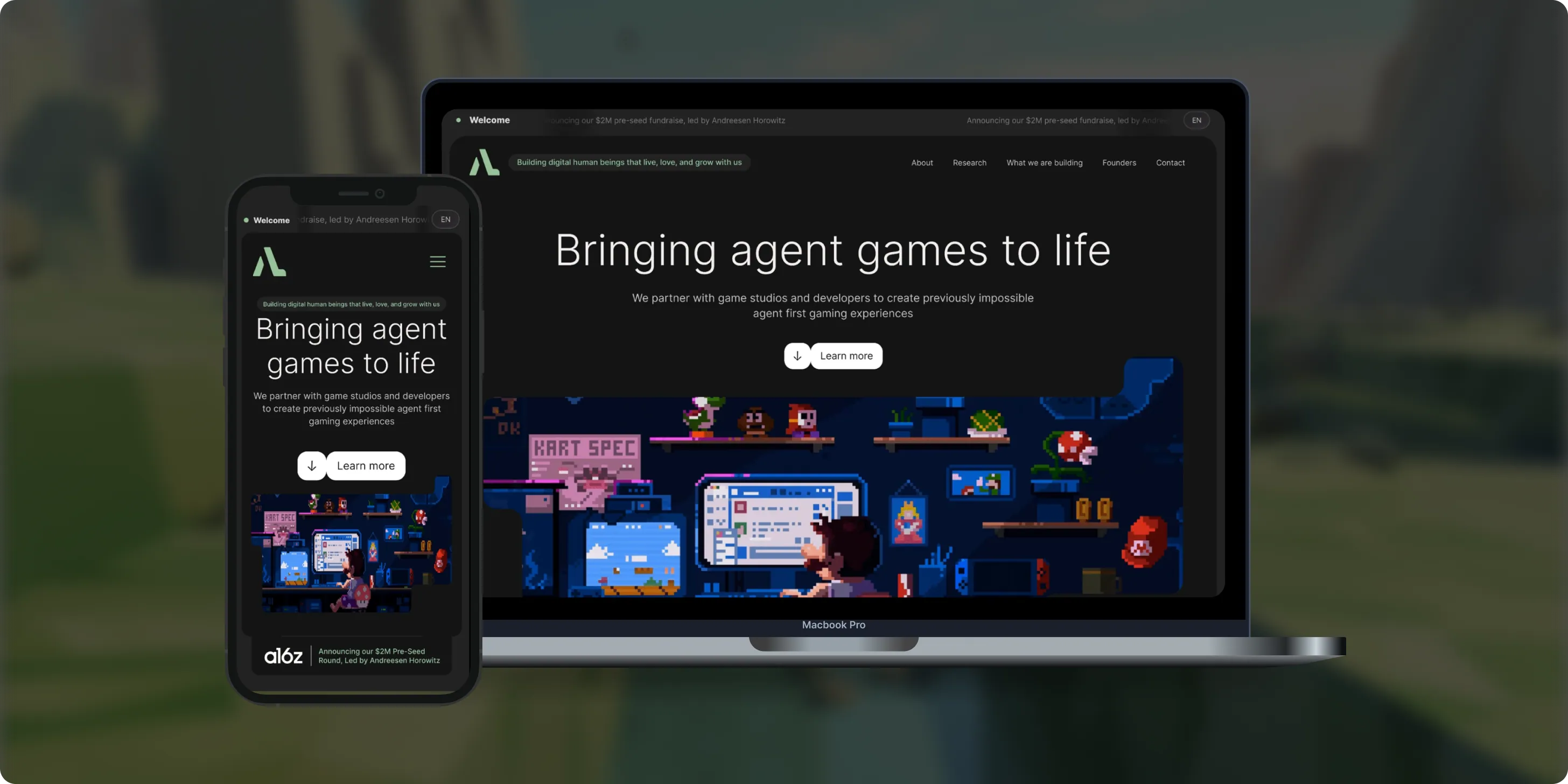
Altera
Altera builds on decades of computational neuroscience research to create digital human beings for gaming. Backed by a $2M pre-seed round led by Andreessen Horowitz, the team needed a landing page that could explain complex agent technology to players, partners, and investors.- 98%Dynamic Customization
- 100%Streamlined Navigation
- $2MPre-Seed Round
- Real Estate
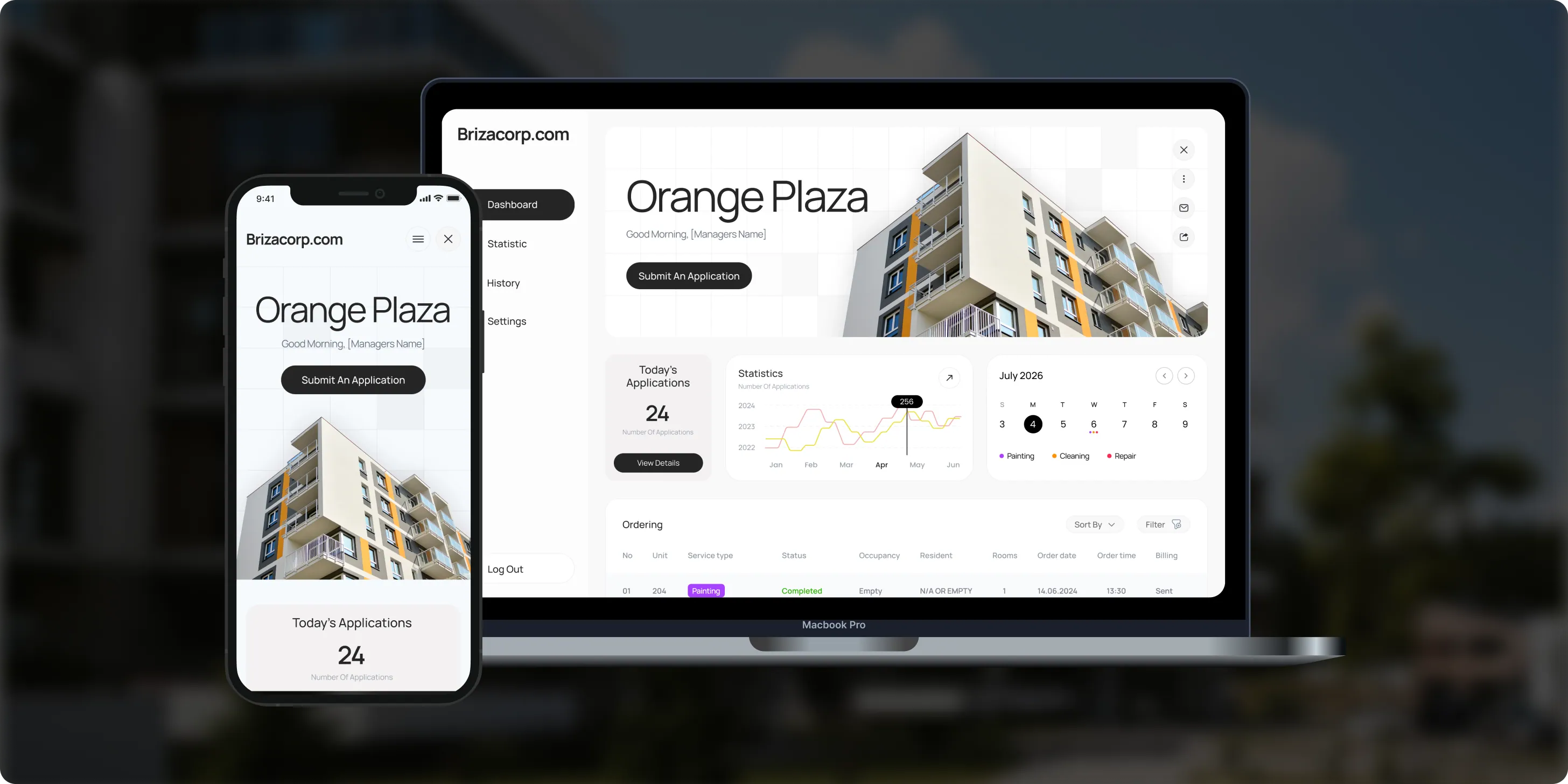
Brizacorp
Brizacorp manages residential properties and coordinates the staff who handle painting, cleaning, and repair requests. Its team tracked work across messengers, phone calls, e-mail, and paper planners, with no single place to manage requests or measure performance.- 98%Application Stability
- 95%Utilization Rate
- 30%Faster Task Completion
Color & Harmony
Color & Harmony is a Kentucky-based color consulting studio led by certified color strategist Diana Cartaya. The studio needed a website that reflects its refined aesthetic, showcases its portfolio, and explains a science-based color process in simple language.- 45%Conversion Rate Increase
- 50%Higher User Engagement
- 2Months to Launch

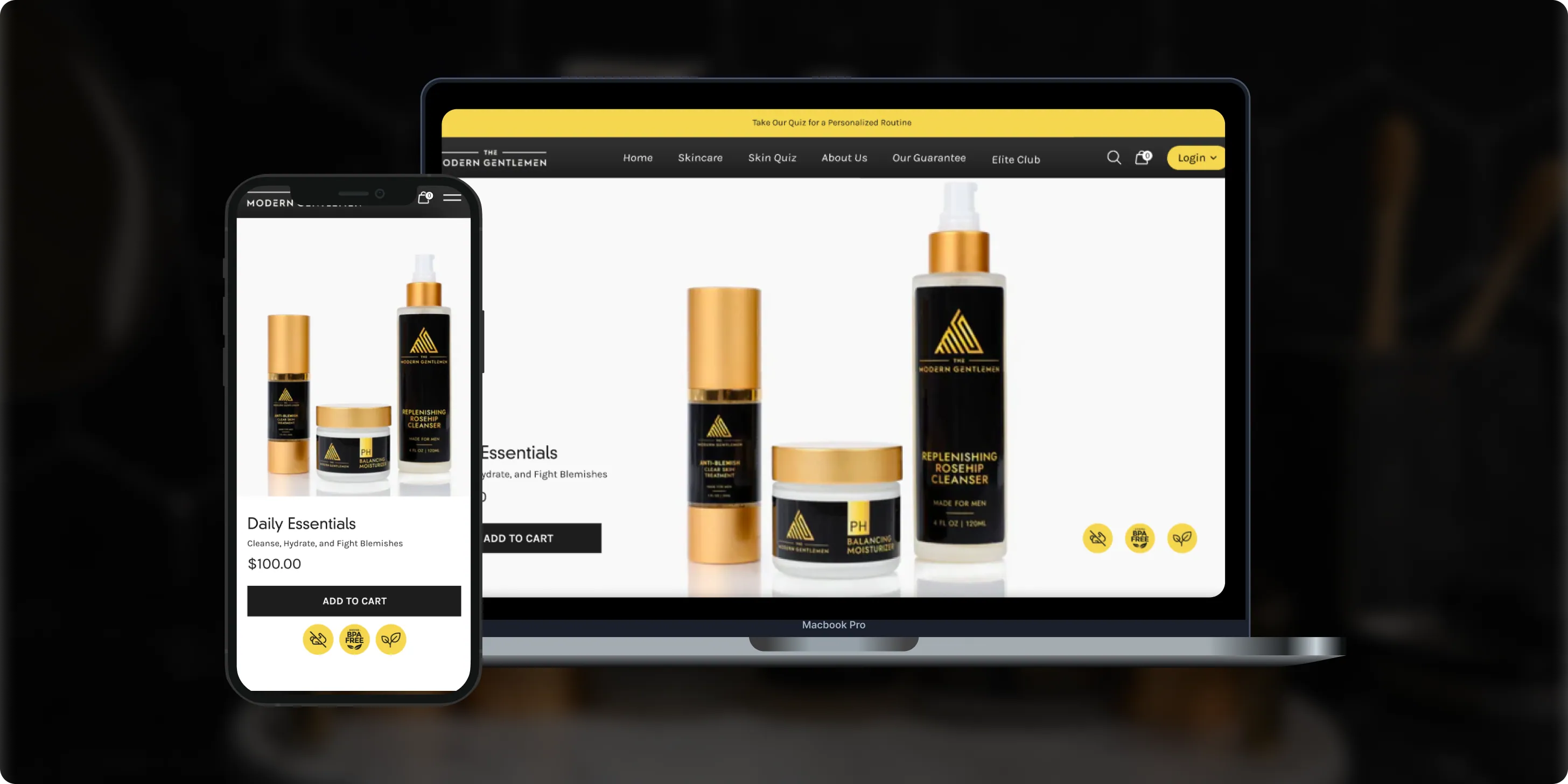
The Modern Gentlemen
The Modern Gentlemen sells premium men's skincare featured in Men's Health, GQ, and Men's Journal. Its customers wanted an efficient routine, but generic product suggestions and limited skincare knowledge made choosing the right products hard.- 30%Increase in Conversions
- 25%Higher Customer Retention
- 92%Mobile Purchases
OQ Technology
OQ Technology connects IoT devices, machines, and people anywhere on the planet through its satellite network, serving energy, maritime, logistics, agriculture, and mobile operators. Its website made it hard to explore products and reach pricing plans.- 4Pricing Plans Clarified
- 3Dedicated User Flows
- 1Unified Platform

- Real Estate
- Finance
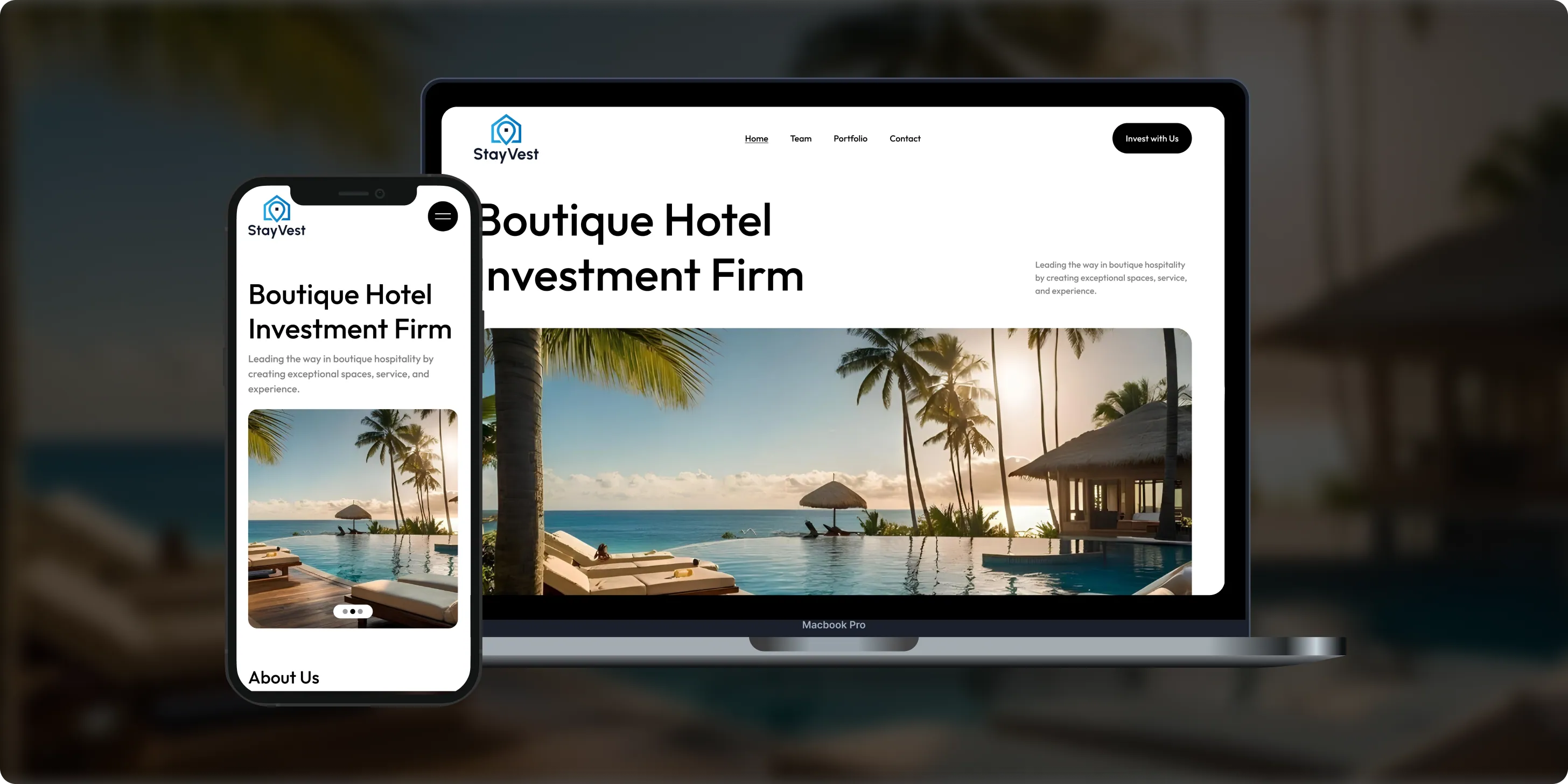
Stay Vest
Stay Vest is a private real estate investment firm that acquires, renovates, and operates boutique hotels for cash flow, tax benefits, and equity gain. It needed a platform that explains its strategy and earns the trust of passive investors.- 1,500+Guest Stays
- 200+Rooms Managed
- 5States Covered
Bokeyno Motorsports
Bokeyno Motorsports is the leading mobile installer of vertical doors for high-performance cars. This Shopify website isn’t just about services—it’s a bold statement of power, style, and expertise. With a sharp layout, strong visuals, and real-world case studies, the site delivers all the information car enthusiasts need to book confidently and instantly.- 54%Booking Requests
- 43%Lead Conversion
- 32%Qualified Inquiries

ai document processing platform
A comprehensive talent solution designed to help companies attract, hire, and retain top talent more effectively. The platform combines AI-powered recruitment technology with employee financial wellbeing programs, enabling smarter hiring decisions while supporting employees’ financial stability and long-term engagement.- 62%Faster Processing Time
- 78%Less Manual Work
- 35%Improved Accuracy

In their own words
“It felt like working with a true partner who cared about the success of our practice.”
Clutch review · Read the review “Without SoftDoes, we would not be where we are today. Our growth has gone up tremendously in the past two years.”
Clutch review · Read the review “The delivery was there, and the vision I explained was actually there too.”
Clutch review · Read the review “Every time I sent a request, if there was anything that didn’t work, they were able to turn it around quickly.”
Clutch review · Read the review
How much does IT staff augmentation cost?
At SoftDoes, IT staff augmentation costs each engineer’s own hourly rate plus a flat SoftDoes fee of $14.5 an hour. At a $53 profile rate, a full-time engineer comes to $10,800 for a 160-hour month. The fee covers personal recruitment, payroll management, time tracking and reports, 24/7 support and a free trial. It is the same for every role, SoftDoes signs one agreement with you, and billing follows tracked hours you can check in your time reports. Compare developer hourly rates by role.
Engineer’s own rate
Shown on the profile before you interview
Set per engineer
SoftDoes fee per engineer
Free trial included
$14.5 an hour
Recruiting fees
One agreement, the same fee for every role
None
Why companies augment their IT teams with SoftDoes

- 01
Profiles in one business day
Two or three hand-picked candidates per role, even for rare stacks, with each engineer’s rate on the profile.
- 02
Senior engineers only
Each engineer has 5+ years of experience and passed multi-stage screening for hard and soft skills.
- 03
A flat, visible fee
Each engineer’s own rate plus $14.5 an hour, with no recruiting fees and a free trial included.
- 04
Free replacement, one contact
A 100% free replacement guarantee covers every engineer, and one customer success manager handles any issue.
- 05
Ready for procurement
SoftDoes carries general liability, professional liability (errors and omissions) and cyber liability insurance. A certificate of insurance is available on request.
- 06
Recognized on Clutch
Clutch named SoftDoes a top software developer in Kansas City for 2026, with a 5.0 rating from 40 client reviews.
Questions about IT staff augmentation
Short answers on what staff augmentation is, how it compares with other models and how it works at SoftDoes.
What is staff augmentation?
Staff augmentation is a hiring model in which a company adds outside professionals to its own team. The company directs their daily work. A provider recruits, vets, contracts and pays them, and replaces anyone who does not fit. In technology, it usually means adding engineers, QA, DevOps or data specialists to an internal team.
Is staff augmentation considered outsourcing?
Staff augmentation is outsourcing only in a narrow sense: the people come from an outside provider. It is outsourced hiring, not outsourced delivery. You manage the engineers and own the result. In classic outsourcing, a vendor manages its own people and answers for an agreed scope. At SoftDoes, Managed Project Delivery is the outsourced option.
What is staff augmentation vs. outsourcing?
Staff augmentation adds people to your team, while outsourcing hands a whole piece of work to a vendor. With augmentation, you set priorities, review the code and carry the delivery risk. With outsourcing, the vendor plans the work and commits to a scope and a timeline. Augmentation suits a changing roadmap, and outsourcing suits a defined project.
What is staff augmentation vs. consulting?
Consultants advise, and augmented staff deliver. An IT consultant assesses your systems and recommends a plan, then usually leaves the build to others. Augmented engineers take tickets from your backlog and write code under your leads. Used together, consulting decides what to build, and staff augmentation adds the people who build it.
How do you compare IT staff augmentation companies in the USA?
IT staff augmentation providers in the USA range from large staffing firms to software engineering firms and vetted talent platforms. Compare them on vetting, speed to first profiles, price transparency and replacement terms. SoftDoes, headquartered in the Kansas City metro, is one option. Our list of the top IT staff augmentation companies in the USA compares providers side by side.
Are team augmentation and developer augmentation the same as staff augmentation?
Yes, in most cases. Team augmentation and developer augmentation describe the same model: outside engineers join your team, and you direct their work. Some providers say team augmentation when several people join at once. Developer augmentation narrows the idea to software engineers. Contracts, pricing and control work the same way under each name.
Is software staff augmentation the same as hiring freelancers?
No. A freelancer is an independent contractor you find, vet, contract and pay yourself. If they leave, the search starts over. Software staff augmentation through a provider adds a screened engineer with a company behind them. At SoftDoes, that means one contract, payroll, time reports, a customer success manager and a 100% free replacement guarantee.
Can we hire contract developers through staff augmentation?
Yes. Staff augmentation is a common way to hire developers on contract without managing freelancers alone. At SoftDoes, each contract developer works on a flexible monthly engagement under one contract with SoftDoes, which handles payroll and time reports. You interview every candidate first, and the 100% free replacement guarantee covers each person.
Who manages augmented engineers day to day?
Your team does. Augmented engineers take priorities from your product or engineering lead and follow your review process. With SoftDoes Dedicated Talent, your managers run the work alone. Managed Talent adds SoftDoes oversight: regular check-ins on technical work and delivery, and escalation management. Code reviews and QA support are optional.
What if an augmented engineer doesn't work out?
The 100% free replacement guarantee covers this case. Raise it with your SoftDoes customer success manager, who starts the search for new screened candidates. You interview them before anyone joins your team. Contracts and payments already run through SoftDoes, so a replacement adds no paperwork on your side.
Who owns the code an augmented engineer writes?
You do. At SoftDoes, clients own all code and intellectual property that augmented engineers produce. Engineers work in your repositories and cloud accounts from day one, so nothing needs a handover at the end. With any provider, confirm this ownership in the contract before an engineer gets access to your systems.
How long can a staff augmentation engagement last?
A staff augmentation engagement can last as long as the work needs it. SoftDoes engagements are flexible and monthly, so an engineer can stay for one quarter or for years. Three SoftDoes clients have worked with the company for two years or more. Teams grow with the roadmap and shrink when a phase is done.
Is staff augmentation safe for our code and data?
Staff augmentation is safe when access is controlled. Give each engineer only the access their tasks need, and remove it at the end. Keep all code in your own repositories. SoftDoes signs its NDA before you share confidential project details. SoftDoes carries general liability, professional liability (errors and omissions) and cyber liability insurance. A certificate of insurance is available on request.



