



We build with GraphQL
We use GraphQL to build flexible, efficient APIs that give clients exactly the data they need that support your business goals. From schema design and resolver architecture to caching and performance tuning, we create products designed to evolve with your needs.
DISCUSS YOUR PROJECTPrecise Data Fetching
Clients request exactly the fields they need, no more.
Single Unified API
One schema and endpoint replace many fixed REST routes.
Strongly Typed Schema
A typed schema keeps client and server contracts aligned.



















BENEFITS OF GRAPHQL technology
We use GraphQL to reduce over-fetching, unify data from multiple sources, and speed up client development.
BUILD
[01]- Design the schema
- Define types and resolvers
- Model queries and mutations
- Set up the API gateway
ENGAGE
[02]- Serve precise data fetches
- Power multi-client apps
- Aggregate multiple sources
- Support real-time subscriptions
GROW
[03]- Extend schema incrementally
- Add new resolvers and types
- Optimize resolver performance
- Federate across services



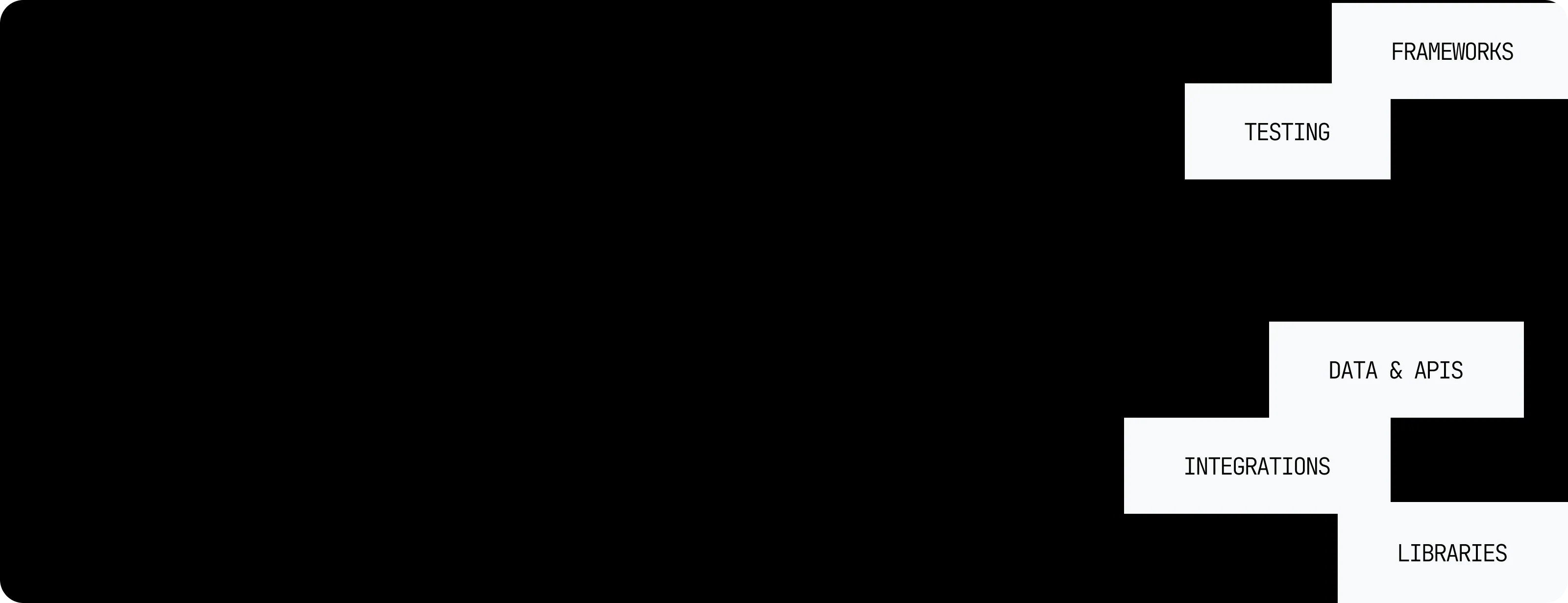
Our GraphQL Technology Stack
We combine GraphQL with Apollo Server, Apollo Client, and supporting resolvers for schema design, caching, authentication, and real-time subscriptions across your existing APIs and databases.
Custom GraphQL development company
With our GraphQL development services, we build unified API layers that give clients precise, flexible access to data across mobile apps, single-page applications, and multi-service backends, tailored to your boldest business goals. Having years of experience with GraphQL, our engineers harness its full potential to deliver strongly typed schemas, efficient resolvers, and real-time subscriptions across industries and company sizes. Whether it's replacing a sprawl of REST endpoints or introducing GraphQL as a gateway in front of existing services, we design schemas and resolvers that scale with your product. Our range of GraphQL development services spans consulting, schema design, resolver development, and ongoing maintenance. We work as your technical partner and ensure complete transparency and comfortable communication throughout the process, bringing deep API design expertise and a pragmatic approach to data modeling and problem-solving. All this to make sure your API stays fast, discoverable, and easy to extend as your product grows, and moves your business forward.
OUR GRAPHQL SERVICES
We build, modernize, and support GraphQL APIs around your product goals.

Your roadmap is growing faster than your team. Add senior engineering capacity and deliver more without sacrificing quality.
Typed schemas and resolvers modeled around your data and how clients actually query it.
Unify REST APIs, databases, and third-party services behind a single GraphQL endpoint.
Subscriptions and live queries powering dashboards, chat, and collaborative real-time features.
Replace legacy REST endpoints with GraphQL, or add it as a layer in front of existing APIs.
Meet our GraphQL experts
A curated selection of senior specialists currently available for new engagements.

AG
AK
AK
AD



We Turn Technology Into Results
Partner with a team that blends technical precision, creative design, and business insight. We’ll help you launch, scale, and dominate your digital niche.
Frequently Asked Questions
Common questions about how we use GraphQL and what it can bring to your project. Have a specific requirement?
How does SoftDoes use GraphQL?
We use GraphQL to build unified API layers that give clients precise control over the data they request, whether that's a single mobile app or several services sharing one schema. We design the schema and resolvers around your product's actual query patterns.
What types of applications do you build with GraphQL?
We build API gateways that aggregate multiple backend services, mobile and single-page applications with flexible data needs, and internal dashboards that pull from several data sources through one endpoint.
Can GraphQL integrate with our existing REST APIs?
Yes. GraphQL can sit in front of existing REST endpoints and databases as a unifying layer, so you don't need to rewrite your backend to gain its benefits.
Do you work with Apollo or Relay?
Yes, Apollo Server and Apollo Client are our default choice for most GraphQL projects. We use Relay instead when a project needs its more opinionated, performance-focused data fetching approach.
How does GraphQL reduce over-fetching and under-fetching?
Because clients specify exactly the fields they need in each query, GraphQL avoids returning unused data or requiring multiple round trips to assemble a full response.
Can you migrate an existing REST API to GraphQL?
Yes. We typically introduce GraphQL as a gateway in front of your existing REST endpoints first, then migrate resolvers to native data sources gradually as it makes sense.
How do you decide whether GraphQL fits a project?
We look at your client diversity, data complexity, existing APIs, and team experience, then confirm GraphQL is the right fit before starting development.