



We build with Kubernetes
We use Kubernetes to orchestrate containerized applications for resilience, scalability, and automated operations that support your business goals. From cluster architecture and workload design to CI/CD integration and observability, we create products designed to evolve with your needs.
DISCUSS YOUR PROJECTContainer Orchestration
We automate deployment, scaling, and recovery of every container.
Self-Healing Clusters
Failed containers are detected and replaced automatically.
Multi-Cloud Flexibility
We run consistent workloads across cloud and on-prem environments.
























BENEFITS OF KUBERNETES technology
We use Kubernetes to automate container deployment, scale workloads on demand, and keep applications running through failures.
BUILD
[01]- Design cluster architecture
- Write deployment manifests
- Configure Helm charts
- Set resource limits
ENGAGE
[02]- Power microservices architectures
- Balance traffic automatically
- Heal failed containers
- Scale pods on demand
GROW
[03]- Scale across clusters
- Add multi-cloud deployments
- Optimize resource costs
- Extend with new services



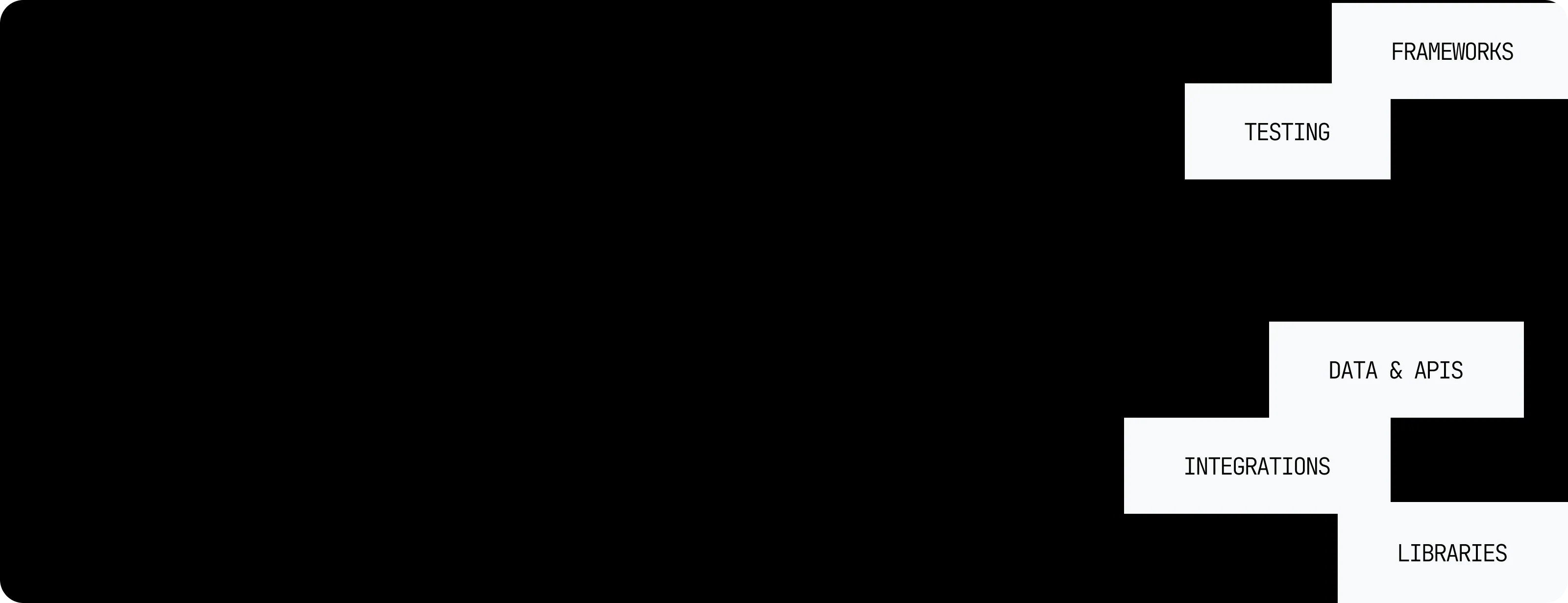
Our Kubernetes Technology Stack
We combine Kubernetes with Docker or containerd, Helm, and managed services like EKS, GKE, or AKS for container runtimes, package management, monitoring, and infrastructure automation across your clusters.
Custom Kubernetes development company
With our Kubernetes development services, we build scalable container orchestration platforms for microservices architectures, high-availability production workloads, and multi-cloud deployments, tailored to your boldest business goals. Having years of experience with Kubernetes, our engineers harness its full potential to deliver resilient, self-healing infrastructure across industries and company sizes. Whether it's migrating from a monolithic deployment or building a new cluster architecture from scratch, we design manifests and workflows that scale with your product. Our range of Kubernetes development services spans consulting, cluster architecture design, migration, and ongoing management. We work as your technical partner and ensure complete transparency and comfortable communication throughout the process, bringing deep container orchestration expertise and a pragmatic approach to infrastructure design and problem-solving. All this to make sure your application stays reliable and scalable as usage grows, and moves your business forward.
OUR KUBERNETES SERVICES
We build, modernize, and support Kubernetes clusters around your product goals.

Your roadmap is growing faster than your team. Add senior engineering capacity and deliver more without sacrificing quality.
Cluster design, namespace strategy, and Helm charts built around your workload requirements.
Consistent deployments across EKS, GKE, AKS, and on-prem clusters for high availability.
Autoscaling, self-healing, and automated rollouts that keep production workloads resilient at scale.
Migrate legacy VM or monolithic deployments to containerized, orchestrated infrastructure.
Meet our Kubernetes experts
A curated selection of senior specialists currently available for new engagements.





We Turn Technology Into Results
Partner with a team that blends technical precision, creative design, and business insight. We’ll help you launch, scale, and dominate your digital niche.

Frequently Asked Questions
Common questions about how we use Kubernetes and what it can bring to your project. Have a specific requirement?
How does SoftDoes use Kubernetes?
We use Kubernetes to orchestrate containerized applications, automating deployment, scaling, and recovery across development, staging, and production environments. We design cluster architecture and manifests around your workload's actual traffic and reliability needs.
What types of applications do you deploy on Kubernetes?
We deploy microservices architectures, high-traffic APIs, event-driven backends, and multi-service platforms that need automated scaling, self-healing, and consistent rollouts across environments.
Can Kubernetes run across multiple cloud providers?
Yes. Kubernetes is designed for multi-cloud and hybrid deployments, and we configure clusters on EKS, GKE, AKS, or on-prem infrastructure depending on your requirements.
Do you use Helm for Kubernetes deployments?
Yes, Helm is our default choice for packaging and managing Kubernetes applications. It keeps deployments repeatable and makes upgrades and rollbacks easier to manage.
Can you migrate our existing infrastructure to Kubernetes?
Yes. We assess your current deployment, containerize applications where needed, and migrate workloads to Kubernetes with minimal downtime, whether you're coming from VMs, a monolith, or another orchestrator.
How does Kubernetes handle failures and scaling?
Kubernetes continuously monitors pod health, restarts or replaces failed containers automatically, and scales pods horizontally based on demand, keeping applications available under changing load.
How do you decide whether Kubernetes fits a project?
We look at your traffic patterns, deployment complexity, team experience, and existing infrastructure, then confirm Kubernetes is the right fit before starting development.