



We build with NumPy
We use NumPy to build efficient numerical computing pipelines for data analysis and machine learning that support your business goals. From array-based algorithm design to performance optimization and integration, we create products designed to evolve with your needs.
DISCUSS YOUR PROJECTN-Dimensional Arrays
We work with fast, memory-efficient arrays for numerical data.
Vectorized Performance
We replace slow Python loops with optimized, compiled operations.
Scientific Stack Core
We build on the array layer beneath pandas and scikit-learn.
























BENEFITS OF NUMPY technology
We use NumPy to accelerate numerical computations, standardize array operations, and support the broader ML and data stack.
BUILD
[01]- Design array structures
- Implement numerical logic
- Optimize compute-heavy code
- Structure input pipelines
ENGAGE
[02]- Power fast computations
- Support real-time processing
- Feed downstream ML models
- Enable vectorized workflows
GROW
[03]- Scale to larger datasets
- Integrate with GPU backends
- Extend with SciPy tools
- Optimize memory usage



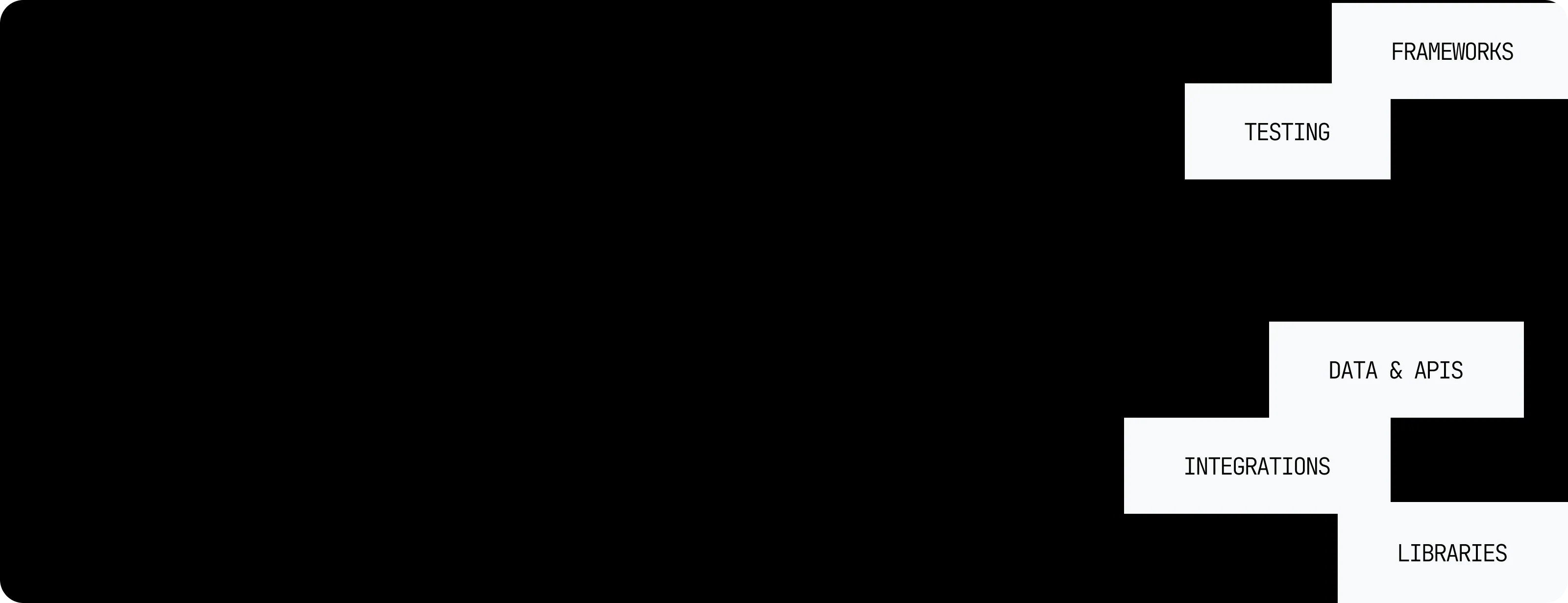
Our NumPy Technology Stack
We combine NumPy with pandas, SciPy, Jupyter, and visualization libraries like Matplotlib for data preprocessing, statistical analysis, and exploratory work across your data and ML pipelines.
Custom NumPy development company
With our NumPy development services, we build the numerical computing layer behind data pipelines, machine learning models, and scientific applications, tailored to your boldest business goals. Having years of experience with NumPy, our engineers harness its vectorized array operations and optimized, compiled performance to deliver fast, reliable numerical code across industries and company sizes. Whether it's building a new data processing pipeline from scratch or optimizing slow, loop-heavy legacy code, we deliver array-based solutions that are fast, memory-efficient, and built to scale. Our range of NumPy development services spans consulting, architecture design, development, and ongoing performance optimization. We work as your technical partner and ensure complete transparency and comfortable communication throughout the process, bringing deep numerical computing expertise and a rigorous approach to performance tuning and problem-solving. All this to make sure your data and ML systems run efficiently and reliably as your workloads grow, and moves your business forward.
OUR NUMPY SERVICES
We build, modernize, and support NumPy-based numerical pipelines around your product goals.

Your roadmap is growing faster than your team. Add senior engineering capacity and deliver more without sacrificing quality.
Array-based preprocessing and numerical pipelines built around your data and model requirements.
Vectorized array operations that replace slow loops and cut compute time.
Numerical foundations connected to pandas, scikit-learn, and your broader ML stack.
Migrate legacy numeric code to vectorized NumPy for faster, more maintainable computation.


We Turn Technology Into Results
Partner with a team that blends technical precision, creative design, and business insight. We’ll help you launch, scale, and dominate your digital niche.

Frequently Asked Questions
Common questions about how we use NumPy and what it can bring to your project. Have a specific requirement?
How does SoftDoes use NumPy?
We use NumPy as the numerical foundation for data preprocessing, custom ML model code, and scientific computing tasks. We structure array operations and data pipelines around your project's performance and accuracy requirements.
What types of projects use NumPy?
We use NumPy in data preprocessing pipelines, custom machine learning models, scientific simulations, financial calculations, and any application that needs fast, memory-efficient numerical computation.
How does NumPy relate to pandas and scikit-learn?
NumPy provides the underlying array structure that pandas, scikit-learn, TensorFlow, and PyTorch are built on or interoperate with. It's the common numerical layer beneath most of the Python data and ML stack.
Why is NumPy faster than plain Python for numerical work?
NumPy performs vectorized operations in optimized, compiled C code instead of Python loops, which can produce substantial performance gains on large arrays and numerical workloads.
Can NumPy handle large-scale or production data workloads?
Yes. NumPy's vectorized arrays and broadcasting operations are built for efficient computation at scale, and we design the surrounding pipeline and memory usage around your data volume and performance targets.
Do you optimize existing slow numerical code?
Yes. We review loop-heavy or inefficient numerical code and rewrite it using vectorized NumPy operations, broadcasting, and appropriate data types to reduce runtime and memory usage.
How do you decide whether NumPy fits a project?
We look at your data volume, performance requirements, existing Python stack, and downstream tools like pandas or scikit-learn, then confirm NumPy is the right foundation before starting development.