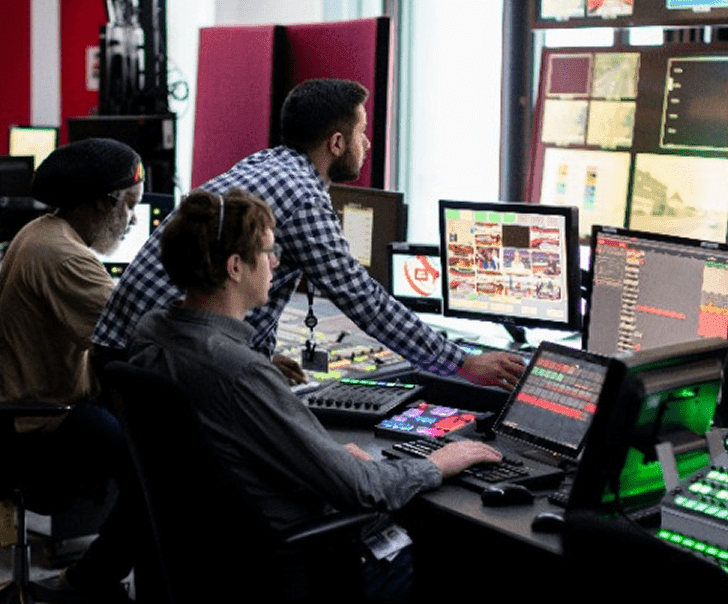


DevOps & Cloud Infrastructure in Worcester, MA
DevOps & Cloud Infrastructure in Worcester, MA
Worcester companies are running more of their software in the cloud than ever before. We work as a technical partner for teams that need their DevOps and cloud infrastructure to perform reliably under real conditions.
Let's build together.
Talk with a senior engineer about your product idea, architecture, and what it would take to build it.
90+
Active Client Partnerships
80+ Person
Product & Engineering Team
100%
Your Code & IP Ownership
U.S.-Led
Delivery & Accountability
Services we offer
- 01DevOps & Cloud Infrastructure
> DEVOPS AND CLOUD INFRASTRUCTURE ENGINEERING <
Our DevOps and cloud infrastructure work connects code, pipelines, and runtime systems into one predictable flow. The goal is simple: every change to your software should move through a repeatable, observable process from commit to production with minimal manual steps. The tooling patterns we use are proven and well understood. CI/CD pipelines handle the mechanics of testing, building, and releasing. Containerization bundles applications with all necessary files, producing container images that run on any infrastructure without OS compatibility issues. Containers improve application scalability and resource efficiency. Docker is a popular tool for creating and managing containers. Fault tolerant applications can be built using multiple containers, and container orchestration automates management of multiple containers. Where kubernetes takes over orchestration at larger scales, a single application can start in one container and grow as needed. Even a single machine can host containers during early development.
--
For teams that need event driven execution, serverless architectures rely on third party services for functionality. Functions as a Service (FaaS) are event triggered and stateless. Serverless computing allows automatic scaling of resources based on workload and enables faster deployment of applications. AWS Lambda is a popular example of a serverless computing service. We also design around microservice architecture when systems need independent scaling and isolated failure domains. Worcester teams often work across time zones, so automated runbooks and clear observability are essential. We handle compliance, backups, and disaster recovery planning in cloud environments and document everything so your team can operate confidently.
- Pipeline automation for frequent, low risk releases
- Container platforms for consistent deployments
- Configuration management for all cloud resources
- Security checks integrated into delivery pipelines
- Resilience patterns and disaster recovery playbooks
> EVERY PROJECT STARTS WITH SOLID GROUND. <
These are the base practices we set up first for every Worcester project: version control, automated tests, and environment parity. Clear version control practices mean every change is traceable. Automated testing enhances the reliability of cloud infrastructures by catching problems before they reach users. Continuous Integration allows developers to merge code into a shared repository frequently, keeping the main branch healthy. We choose tools that fit your stack. If your team already has technologies installed and working, we adapt rather than force a vendor switch. Every environment runs the latest version of your configurations, ensuring dev, staging, and production behave the same way.
- Version control standards across all repositories
- Automated unit and integration testing
- Environment parity from dev to production
- Release strategy with rollback options
> KEEPING YOUR CLOUD RUNNING IS NOT A SIDE PROJECT <
How does your team currently detect and resolve incidents in your cloud services? If the answer involves manual log checks or waiting for customer complaints, there is room to improve. We set up runbooks, real time alerts, and dashboards so local and remote teams share the same operational view. Continuous monitoring and log analysis keep problems visible before they affect users. We use tools like aws cloudwatch, Prometheus, and Grafana for consistent monitoring of health, latency, and errors. Cloud security monitoring continuously analyzes cloud resources for threats and uses automation tools for ongoing threat assessment. We design on call routines and escalation paths that match your team size and working hours, because downtime does not wait for business hours.
- Runbooks for common failure scenarios
- Post incident reviews with clear actions
- Capacity planning based on real usage
- 02Cloud Computing Solutions
> CLOUD COMPUTING SOLUTIONS FOR MODERN TEAMS <
Our cloud computing solutions work covers architecture design, environment provisioning, and ongoing optimization for AWS, Azure, and Google Cloud. We configure environments that run across different platforms when the business calls for it, and we keep them consistent so your developers do not waste hours on environment drift. This addresses a common situation for Worcester companies: fragmented systems, long lead times for spinning up new environments, and unclear cloud costs. Real time monitoring is critical to detect and resolve issues early, so we treat cloud monitoring, observability, and centralized logging as standard parts of every environment we touch. Performance optimization reduces unnecessary expenses in cloud services. Infrastructure as Code enhances scalability and precision in cloud environments, meaning each setup is repeatable and auditable. Regular performance reviews help adapt strategies to changing demands, and optimized monitoring contributes to smoother operations and satisfied users.
- Cloud readiness assessments for existing systems
- Environment design for high availability setups
- Automated provisioning with Infrastructure as Code
- Centralized logging and metrics dashboards
- Cloud cost and usage visibility for leadership
- 03Cloud Migration Services
> CLOUD MIGRATION AND MODERNIZATION <
We move cloud applications and data from on premises hardware or legacy hosting into modern cloud computing platforms through our cloud migration services. Many firms are migrating to cloud native architectures for scalability, but the transition carries real risk if it is rushed. We favor stepwise migration strategies. Start with low risk services. Validate. Then move critical systems. This approach reduces the chance of data loss and performance degradation during cutover. Automation reduces human error in infrastructure management, which is especially important during migration when one misconfigured setting can take down a production system. When refactoring into microservices or serverless patterns brings clear operational gains, we recommend it. Otherwise, we keep things practical. Every migration includes backup validation and fallback paths, because some resources cannot tolerate extended downtime.
- Cloud inventory and dependency mapping
- Migration runbooks with dry runs
- Refactoring candidates for microservices
- Database migration and verification steps
- Post migration performance tuning
- 04Managed Cloud Services
> MANAGED CLOUD OPERATIONS <
Our managed cloud services handle daily operations so Worcester teams can focus on product work. Managed cloud services allow companies to focus on core operations rather than spending engineering hours on routine maintenance. The main managed cloud service models are IaaS, PaaS, and SaaS, and we help you choose what fits. Many clients access these services on a subscription basis, making costs predictable. There is a meaningful difference between ad hoc support and a structured managed model. We define clear responsibilities, reporting cadences, and escalation paths up front. Automation in managed cloud services reduces human error and streamlines processes. We maintain your environments with regular updates, patch management, and configuration backups. Effective monitoring contributes to smoother operations and satisfied users. Regular performance reviews help organizations adapt strategies effectively so your cloud environment grows with your business rather than against it.
- Proactive incident detection and response
- Patch management and routine maintenance
- Capacity and cost optimization reviews
- Configuration backups and recovery checks
- Regular technical and business health reports
> DEVOPS AND CLOUD INFRASTRUCTURE ENGINEERING <
Our DevOps and cloud infrastructure work connects code, pipelines, and runtime systems into one predictable flow. The goal is simple: every change to your software should move through a repeatable, observable process from commit to production with minimal manual steps. The tooling patterns we use are proven and well understood. CI/CD pipelines handle the mechanics of testing, building, and releasing. Containerization bundles applications with all necessary files, producing container images that run on any infrastructure without OS compatibility issues. Containers improve application scalability and resource efficiency. Docker is a popular tool for creating and managing containers. Fault tolerant applications can be built using multiple containers, and container orchestration automates management of multiple containers. Where kubernetes takes over orchestration at larger scales, a single application can start in one container and grow as needed. Even a single machine can host containers during early development.
--
For teams that need event driven execution, serverless architectures rely on third party services for functionality. Functions as a Service (FaaS) are event triggered and stateless. Serverless computing allows automatic scaling of resources based on workload and enables faster deployment of applications. AWS Lambda is a popular example of a serverless computing service. We also design around microservice architecture when systems need independent scaling and isolated failure domains. Worcester teams often work across time zones, so automated runbooks and clear observability are essential. We handle compliance, backups, and disaster recovery planning in cloud environments and document everything so your team can operate confidently.
- Pipeline automation for frequent, low risk releases
- Container platforms for consistent deployments
- Configuration management for all cloud resources
- Security checks integrated into delivery pipelines
- Resilience patterns and disaster recovery playbooks
> EVERY PROJECT STARTS WITH SOLID GROUND. <
These are the base practices we set up first for every Worcester project: version control, automated tests, and environment parity. Clear version control practices mean every change is traceable. Automated testing enhances the reliability of cloud infrastructures by catching problems before they reach users. Continuous Integration allows developers to merge code into a shared repository frequently, keeping the main branch healthy. We choose tools that fit your stack. If your team already has technologies installed and working, we adapt rather than force a vendor switch. Every environment runs the latest version of your configurations, ensuring dev, staging, and production behave the same way.
- Version control standards across all repositories
- Automated unit and integration testing
- Environment parity from dev to production
- Release strategy with rollback options
> KEEPING YOUR CLOUD RUNNING IS NOT A SIDE PROJECT <
How does your team currently detect and resolve incidents in your cloud services? If the answer involves manual log checks or waiting for customer complaints, there is room to improve. We set up runbooks, real time alerts, and dashboards so local and remote teams share the same operational view. Continuous monitoring and log analysis keep problems visible before they affect users. We use tools like aws cloudwatch, Prometheus, and Grafana for consistent monitoring of health, latency, and errors. Cloud security monitoring continuously analyzes cloud resources for threats and uses automation tools for ongoing threat assessment. We design on call routines and escalation paths that match your team size and working hours, because downtime does not wait for business hours.
- Runbooks for common failure scenarios
- Post incident reviews with clear actions
- Capacity planning based on real usage

PRODUCTS BUILT ACROSS INDUSTRIES
Finance
Transaction systems need controlled environments with traceable changes. We support financial organizations with DevOps, cloud services, and cloud monitoring that meet compliance demands.
Healthcare
Sensitive patient data shapes every architectural choice. Our teams implement strict access controls, traceable deployments, and end to end encryption for healthcare clients using modern cloud services.
Education
Digital learning platforms, analytics dashboards, and student portals need to stay responsive during enrollment surges and exam periods. Cloud computing powers these systems at the scale modern education requires.
Construction
Project management platforms, document storage for large files, and coordination tools need reliable cloud monitoring and uptime. Mobile apps and portals must stay synchronized across sites and headquarters.
Technology
Independent product companies using cloud environments and modern stacks often require deeper expertise. We collaborate with teams handling multi region deployments, frequent releases, and complex microservice architectures.
Startups
Early stage Worcester companies need fast execution without locking into choices that cause problems later. Serverless architectures suit experimental products with unpredictable demand and cost concerns.
Compliance
For organizations where compliance shapes cloud infrastructure and release processes, every change needs clear history. We embed compliance checks into CI/CD pipelines to catch issues early and reduce manual work.
Energy
Energy and utility companies manage telemetry, forecasting, and dashboards with large time series data. Cloud computing provides elasticity beyond on premises hardware.


Transparency at each stage
Discovery & Alignment
Defined goals and a precise roadmap ensure your vision is realized without unexpected pivots or hidden costs.
Technical Strategy
Senior engineers select the optimal tech stack with clear architectural reasoning for long-term scalability.
Iterative Development
Gain real-time access to code and staging environments with regular demos to track every milestone as it happens.
Careful Testing
Receive transparent QA, security, and performance audits to ensure a flawless and stable launch every time.
Deployment & Support
Stay in total control with full documentation and proactive monitoring to keep your systems running at peak performance.

Numbers Don’t Lie
Recent projects showcasing how we design, engineer, and deliver production-ready software solutions.

- Startup
- Real Estate
Our Haus AI
A finance professional turned founder built Our Haus AI, an AI-powered collaborative workspace where homeowners and contractors scope, bid, contract, and document renovation projects together. SoftDoes took her prototype and made it production-ready.- 10XMVP scope delivered
- 2+years Ongoing partnership
- 1Fully owned Platform

- Finance
- Energy
Deepwater Insights
Deepwater Insights delivers proprietary alternative data and niche research on the offshore drilling and energy sector to institutional investors, family offices, and high-net-worth individuals who require coverage that larger firms don't provide.- 100%Brand Continuity
- 2Platform Distribution
- 100%Paywall-Ready Content

- Real Estate
The building buyer
The Building Buyer is a Florida-based real estate investment firm co-founded by Dylan Troiano and Charles Hanlin. They acquire single-family, multifamily, and commercial properties across South Florida and beyond, with a focus on motivated seller opportunities.- 18Weekly hours saved
- 2+Years Ongoing partnership
- 1Fully owned Platform

- Education
- Non-Profit
WOVEN & NICE
Woven is a Spring Valley, NY nonprofit running the NICE program (New Training Inclusive Community Environment) in four Rockland County schools. Their team supports students through restorative practices, mediation, and professional development for teachers and administrators.- 4Schools Served
- 4Weeks to Launch
- 1STTime on Upwork

- Healthcare
CareInTouch
CareInTouch is a Bay Area home health agency providing skilled nursing and therapy services to patients referred from hospitals and clinics. With over 100 staff, they operate in one of the most complex and compliance-driven healthcare markets in the country.- 40% Reduction In Billing Errors
- 100+Staff Operations Managed
- 0Missed Compliance Deadlines

- Startup
Sparkle The Cleaning Service
Sparkle The Cleaning Service is a Detroit-area residential cleaning company with 10 years in business, connecting homeowners with vetted, insured independent cleaners through a subscription-based marketplace platform.- 75% Platform Transparency
- 2XPlatform Growth
- 40%Higher User Retention

- Startup
DineMate
DineMate is a Maryland-based dating and connecting platform built around verified profiles, restaurant reservations, and prepaid dining experiences. Founded to bring back authenticity to how people meet and connect.- 60% Time Saved
- 99%System Reliability
- 40%Higher User Retention

- Healthcare
Prior Authorization AI
Prior Authorization AI is a healthcare automation startup building AI-powered tools to streamline prior authorization for Medicare and Medicaid medical transportation providers in New Jersey.- 16Weekly hours saved
- 63%Admin time reduced
- 43%Fewer submission errors

- Education
Grand Central Language Services
Grand Central Language Services provides translation and interpretation for organizations operating in complex, multilingual environments. As demand grew, internal workflows became harder to manage. SoftDoes built a custom platform to streamline coordination, improve visibility, and support scalable operations.- 72%Workflow Reduction
- 48%Coordination Reduction
- 83%Visibility Increase

- Healthcare
FMY Orthodontics
FMY Orthodontics, a multi-location practice in West Tennessee, partnered with SoftDoes to replace a spreadsheet-based financial workflow with a custom web platform. The goal was to simplify how staff present treatment financing while allowing patients and families to review and complete decisions remotely.- 60%Workflow Reduction
- 75%Remote Adoption
- 5Locations Aligned

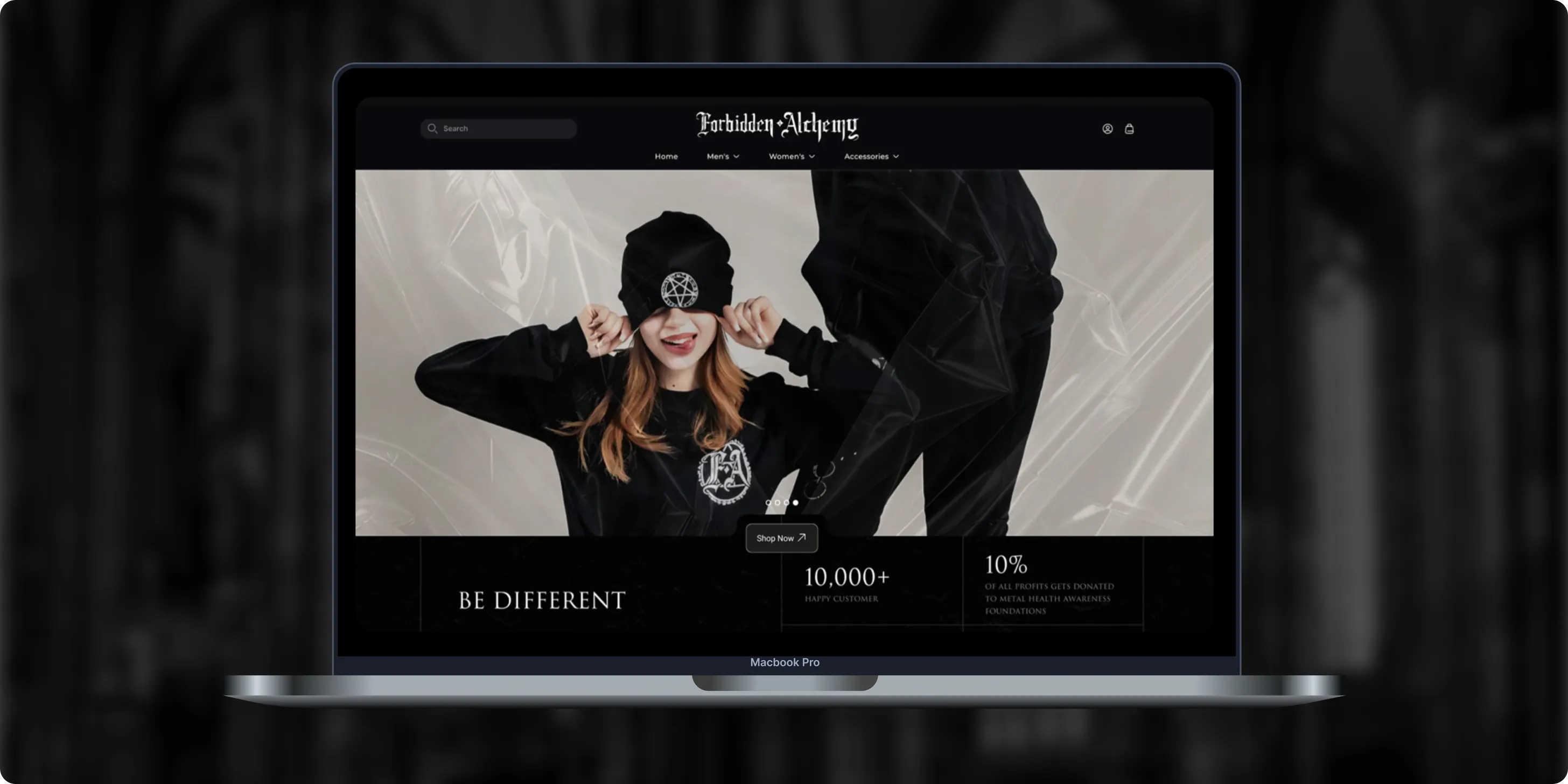
Forbidden Alchemy
Forbidden Alchemy is an alternative fashion brand creating dark, provocative clothing for the metalhead community, with 10% of profits donated to mental health awareness. Its mostly mobile audience struggled with a store that was hard to navigate and weak on functionality.- +44%Revenue Month Over Month
- 86%Design Satisfaction
- 2.8XUser Retention Growth
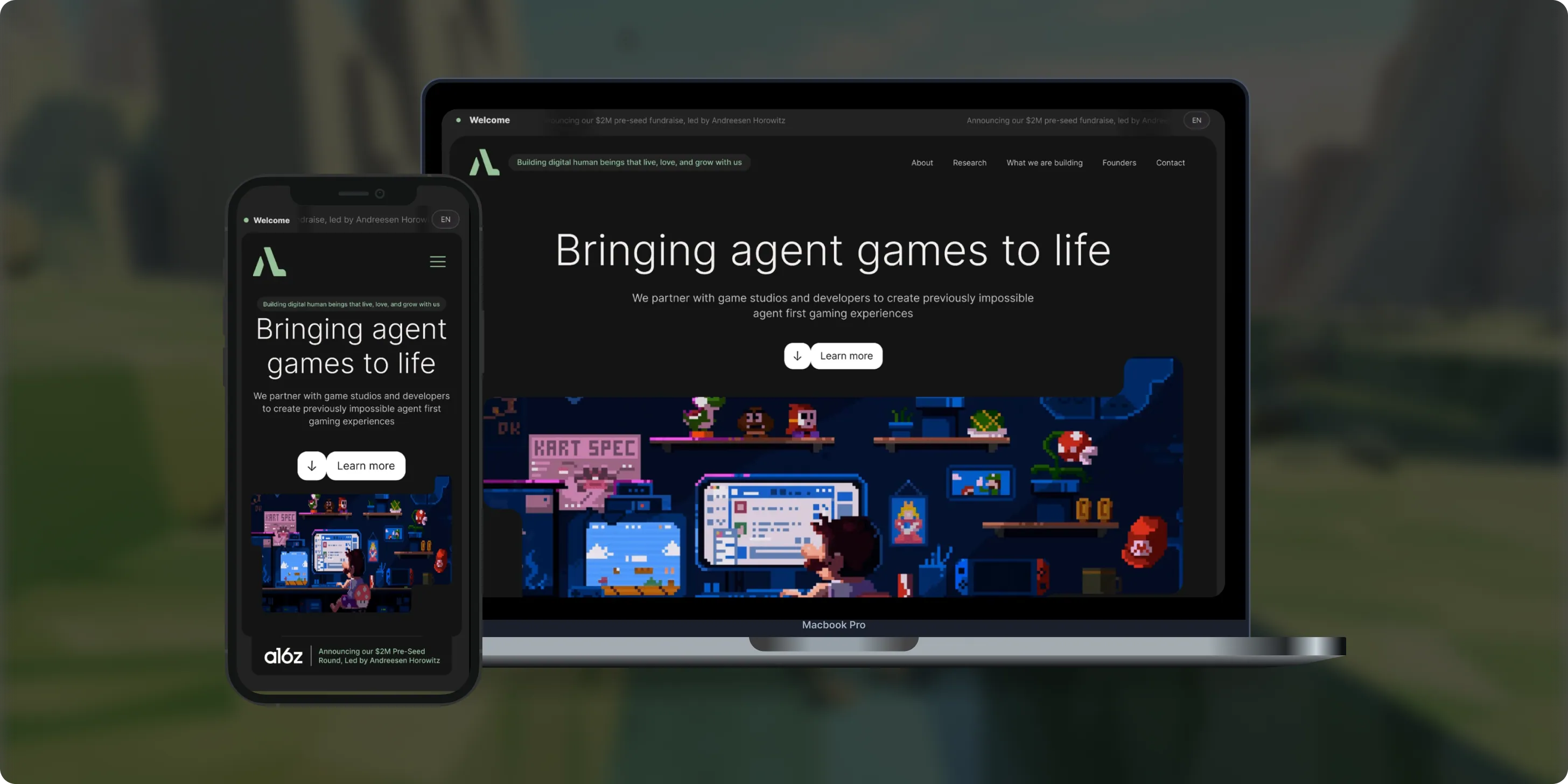
Altera
Altera builds on decades of computational neuroscience research to create digital human beings for gaming. Backed by a $2M pre-seed round led by Andreessen Horowitz, the team needed a landing page that could explain complex agent technology to players, partners, and investors.- 98%Dynamic Customization
- 100%Streamlined Navigation
- $2MPre-Seed Round
- Real Estate
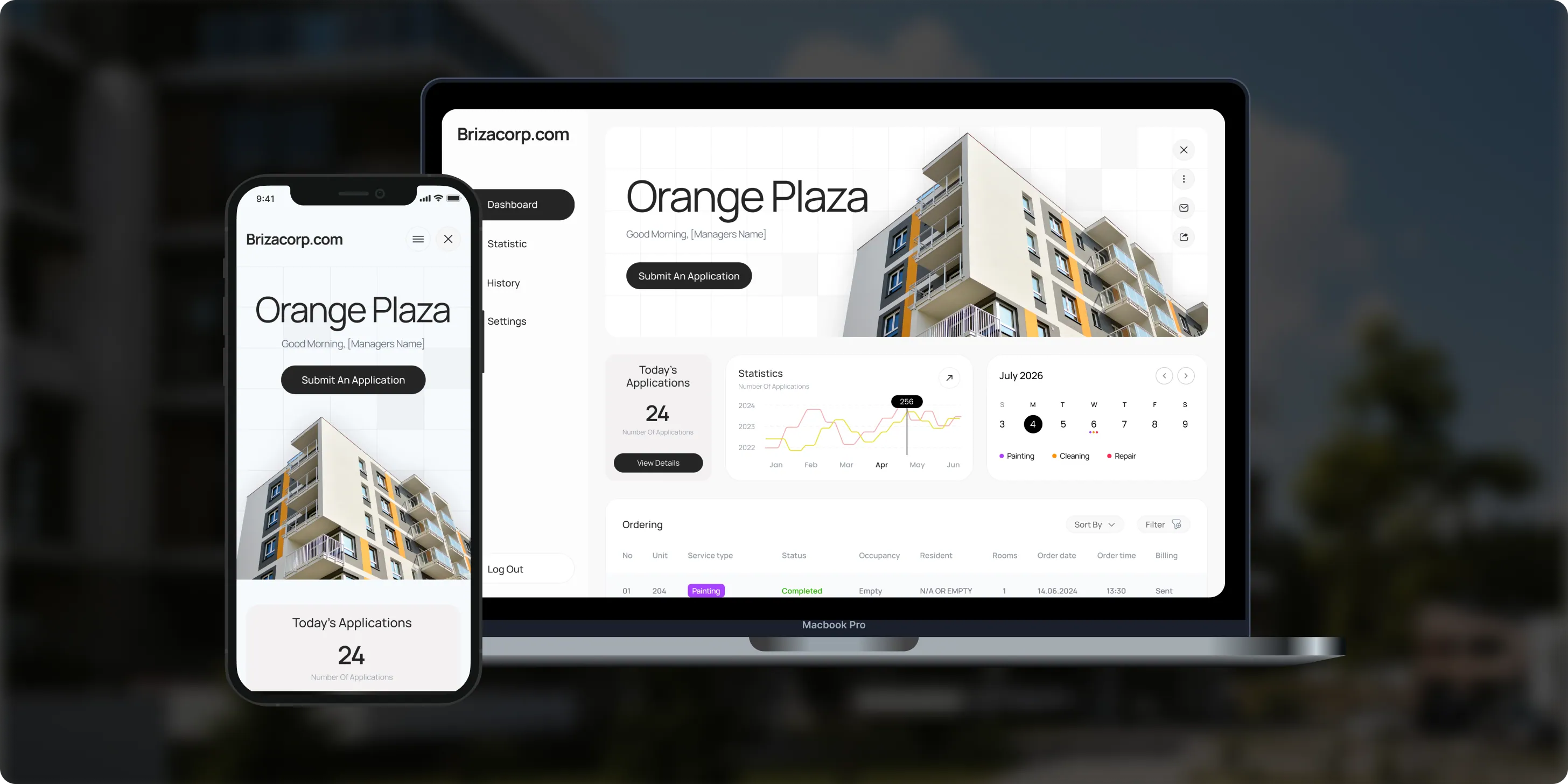
Brizacorp
Brizacorp manages residential properties and coordinates the staff who handle painting, cleaning, and repair requests. Its team tracked work across messengers, phone calls, e-mail, and paper planners, with no single place to manage requests or measure performance.- 98%Application Stability
- 95%Utilization Rate
- 30%Faster Task Completion
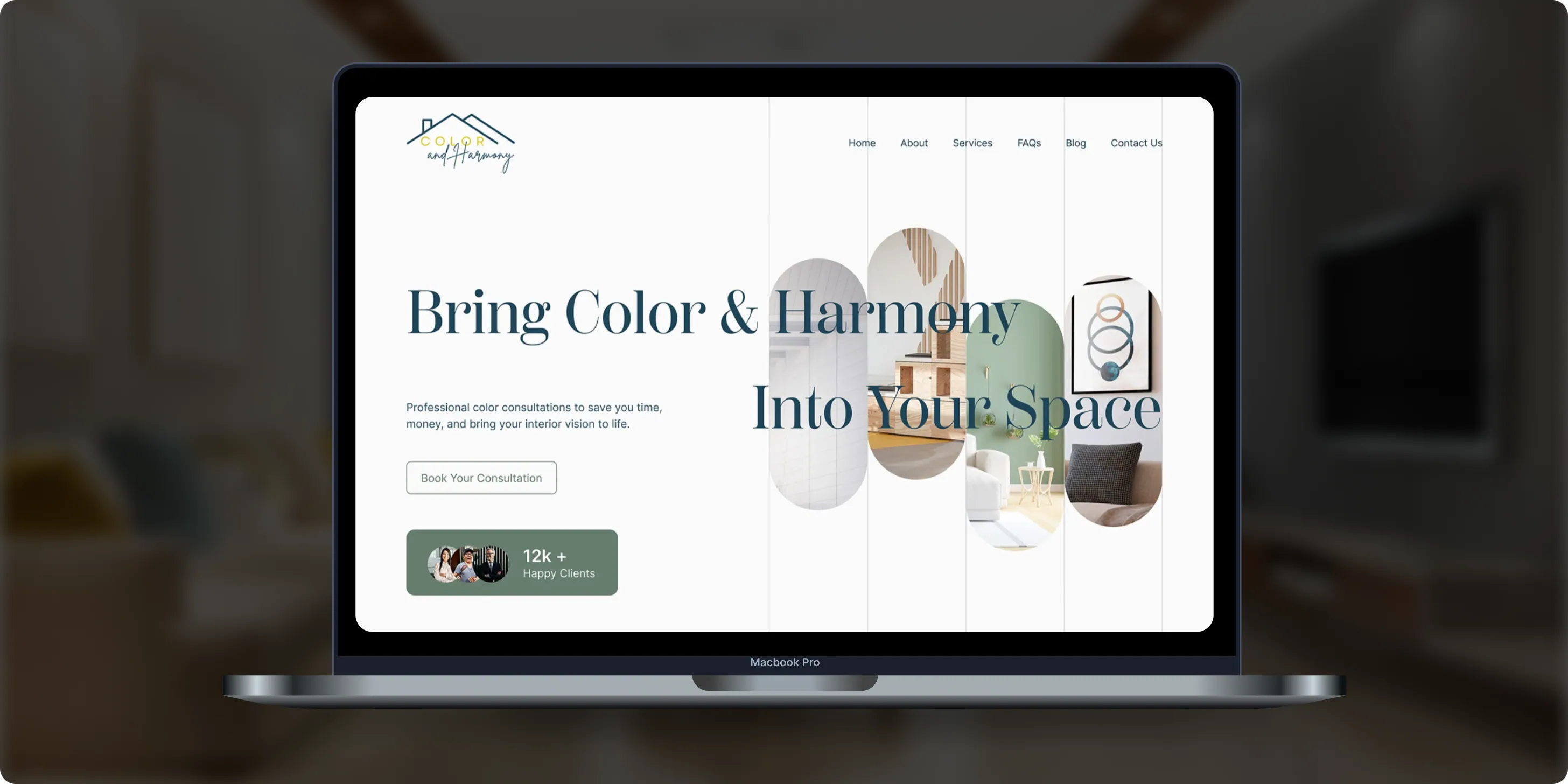
Color & Harmony
Color & Harmony is a Kentucky-based color consulting studio led by certified color strategist Diana Cartaya. The studio needed a website that reflects its refined aesthetic, showcases its portfolio, and explains a science-based color process in simple language.- 45%Conversion Rate Increase
- 50%Higher User Engagement
- 2Months to Launch
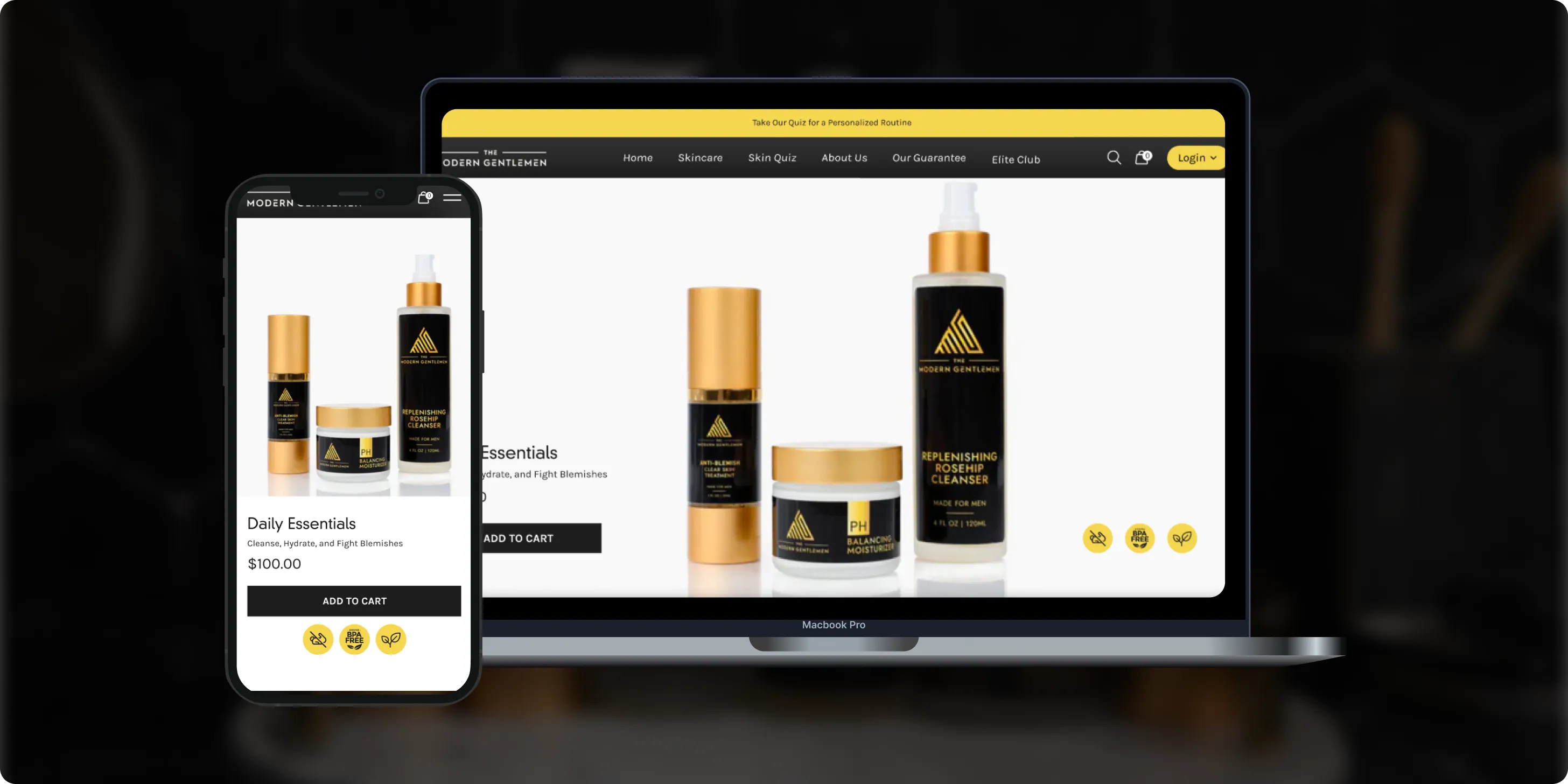
The Modern Gentlemen
The Modern Gentlemen sells premium men's skincare featured in Men's Health, GQ, and Men's Journal. Its customers wanted an efficient routine, but generic product suggestions and limited skincare knowledge made choosing the right products hard.- 30%Increase in Conversions
- 25%Higher Customer Retention
- 92%Mobile Purchases
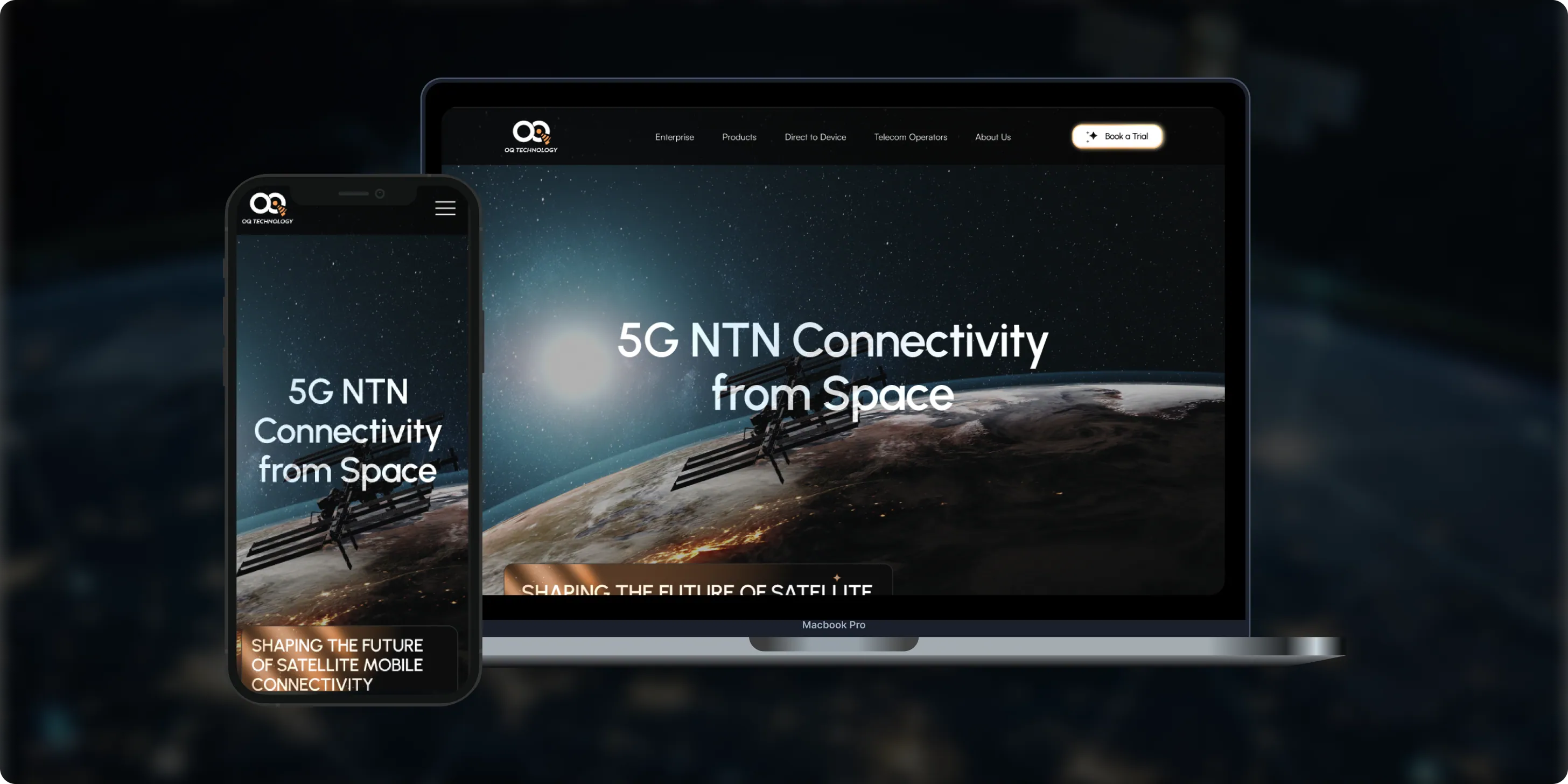
OQ Technology
OQ Technology connects IoT devices, machines, and people anywhere on the planet through its satellite network, serving energy, maritime, logistics, agriculture, and mobile operators. Its website made it hard to explore products and reach pricing plans.- 4Pricing Plans Clarified
- 3Dedicated User Flows
- 1Unified Platform
- Real Estate
- Finance
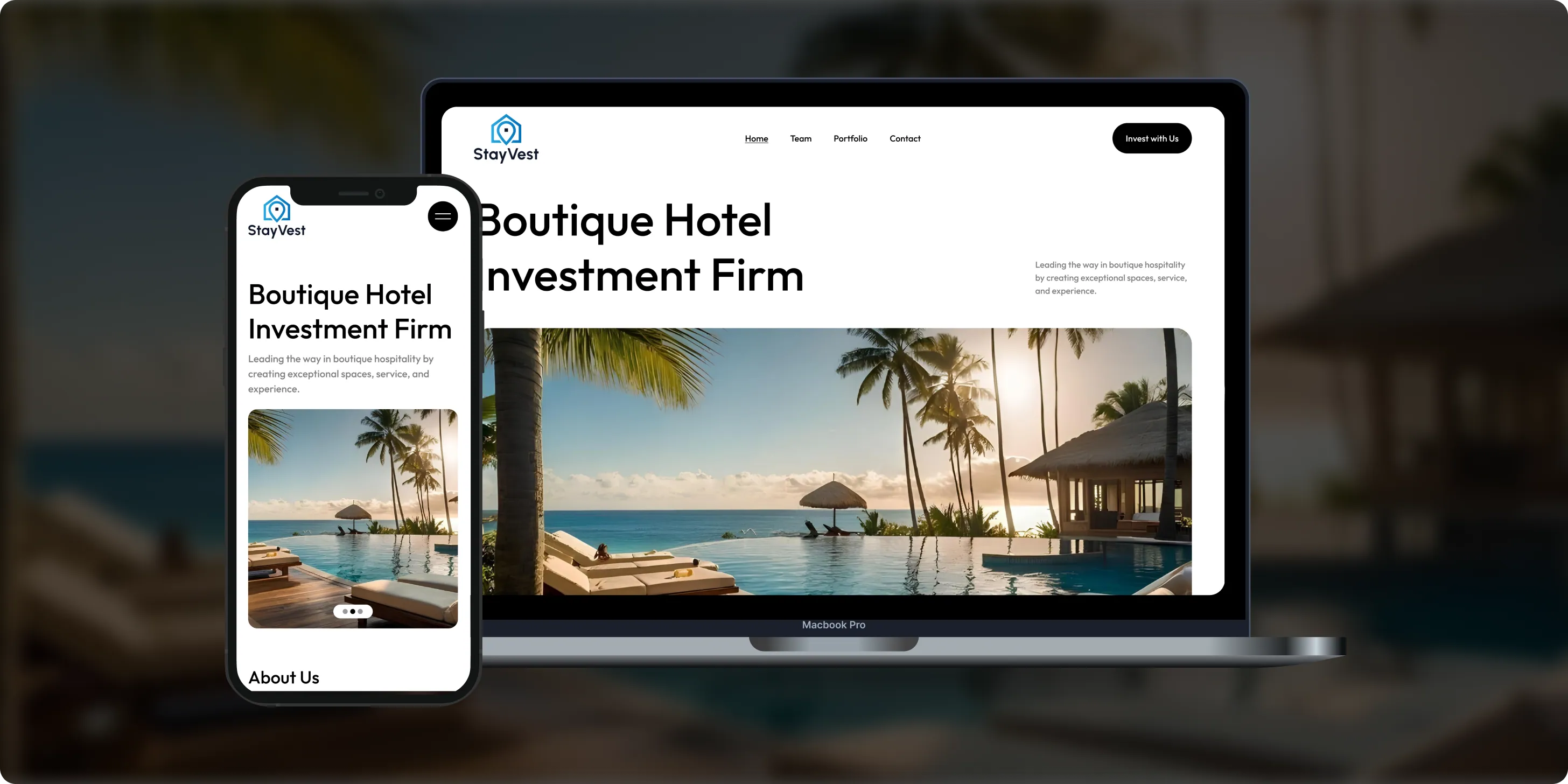
Stay Vest
Stay Vest is a private real estate investment firm that acquires, renovates, and operates boutique hotels for cash flow, tax benefits, and equity gain. It needed a platform that explains its strategy and earns the trust of passive investors.- 1,500+Guest Stays
- 200+Rooms Managed
- 5States Covered
Bokeyno Motorsports
Bokeyno Motorsports is the leading mobile installer of vertical doors for high-performance cars. This Shopify website isn’t just about services—it’s a bold statement of power, style, and expertise. With a sharp layout, strong visuals, and real-world case studies, the site delivers all the information car enthusiasts need to book confidently and instantly.- 54%Booking Requests
- 43%Lead Conversion
- 32%Qualified Inquiries

ai document processing platform
A comprehensive talent solution designed to help companies attract, hire, and retain top talent more effectively. The platform combines AI-powered recruitment technology with employee financial wellbeing programs, enabling smarter hiring decisions while supporting employees’ financial stability and long-term engagement.- 62%Faster Processing Time
- 78%Less Manual Work
- 35%Improved Accuracy

WHAT CLIENTS SAY
Independently verified reviews from real clients on Clutch.co


Client Story
Real feedback from
FMY Orthodontics

“Their perseverance and solution-oriented mindset. SoftDoes consistently found ways to make things work, added features we had not originally envisioned, and never became frustrated. It felt like working with a true partner who cared about the success of our practice.”
Dan Merwin
DDS, MS -- President, FMY Orthodontics

Client Story
Real feedback from
Prior Authorization AI
“Every time I sent a request, if there was anything that didn't work, they were able to turn it around quickly. Even when there were no updates yet, they always reached out to let me know they were working on it.”
Joseph Oluwo
Founder of Prior Authorization AI


Client Story
Real feedback from
WOVEN
“What stood out most was their commitment to understanding our needs before presenting solutions.”
Danna Pastran
Administrative Operations Manager, WOVEN

Client Story
Real feedback from
Grand Central Language Services
“The site performs as intended and provides the foundation for our company's digital presence.”
Joe Goldstein
QA Manager, Grand Central Language Services


Client Story
Real feedback from
DineMate
“They go above and beyond.”
Eric Snead
CEO, DineMate "Dating Connecting Platform"
WHAT CHANGED IN PRACTICE
Clients didn’t stay because of promises. They stayed because delivery became predictable, ownership was clear, and the product kept moving forward after launch.
- 01Direct Access to Senior Engineers
Clients work directly with senior engineers who understand both application code and cloud infrastructure. There is no project manager relaying messages between you and the person doing the work. This shortens feedback loops and improves the quality of every decision. Fewer handoffs mean fewer misunderstandings and less rework. SoftDoes makes architecture, security, and delivery tradeoffs transparent so your team sees the reasoning, not just the result. Our engineers bring depth in cloud services, containers, orchestration, and observability to every conversation.
- 02Predictable Delivery
We organize work into clear milestones with agreed inputs and outputs. DevOps practices like automated testing, CI pipelines, and cloud monitoring keep surprises low during releases. We are open to short engagements and longer partnerships alike, while keeping timelines visible. Regular demos and environment updates keep Worcester stakeholders informed without pulling them into long meetings. SoftDoes documents progress in a way that aligns technical details with business priorities, so you always know where things stand.
- 03Built to Last Past Launch
Launch is the beginning of operational life, not the end of a project. We treat it that way from the first architecture conversation. Patterns like Infrastructure as Code, repeatable deployment pipelines, and clear runbooks are part of every engagement. Cloud environments are designed for the team that will operate them in six months, not just the team that sets them up today. SoftDoes avoids single engineer knowledge silos through documentation and pairing. New team members can contribute safely after launch because the system is understandable, not just functional.
- 04No Babysitting Required
Our teams work independently. Clear goals, regular check ins, and transparent metrics replace day to day micromanagement. Cloud monitoring dashboards and status summaries give Worcester leaders the information they need to make decisions without chasing updates. DevOps teams utilize machine learning for predictive analytics in CI/CD pipelines, which means we can flag trends before they become incidents. SoftDoes respects time zones and schedules, aligning communication style and cadence with each client.
Technologies We Use


CONTAINERIZATION


INFRASTRUCTURE AS CODE


CLOUD MONITORING & OBSERVABILITY

Frequently Asked Questions
Everything you need to know about working with SoftDoes. Can’t find an answer?
How is communication handled for complex cloud monitoring and DevOps work?
We use a combination of video calls, async chat (Slack or Teams), and project boards. The usual rhythm is weekly or biweekly reviews with leadership, daily async updates for the engineering team, and ad hoc calls when incidents require fast coordination. We share diagrams, runbooks, and dashboards so Worcester based and remote team members see the same information at the same time. One SoftDoes lead stays accountable for coordination while engineers join specific sessions as needed. Escalation paths for urgent issues are agreed up front, before anything goes wrong.
What types of projects are a good fit for SoftDoes in modern cloud environments?
We take on new product platforms, modernization of legacy systems, and targeted DevOps improvements. Both short audits and longer term engagements are welcome, as long as there is a clear technical problem to solve. Cloud computing underpins most of these efforts, whether the work involves redesigning deployment pipelines, moving workloads into containers, or setting up observability for the first time. We help Worcester teams frame goals and success criteria before starting, so everyone agrees on what "done" looks like.
How do you help us optimize cloud costs after migration to cloud services?
Once a system runs in the cloud, we conduct a structured cost review. This includes right sizing instances, evaluating storage classes, and making reserved capacity decisions based on actual usage patterns. We use monitoring data to find idle resources, noisy components, and services running at unnecessary scale. Cloud services often accumulate cost from forgotten experiments and overprovisioned environments. SoftDoes shares clear reports with specific recommendations, not just high level guidance. Our goal is to make your cloud spend match your actual demand.
How do you handle scope and changes in ongoing DevOps engagements?
Scope is managed through small, well defined increments. When new requests come in, we run impact analysis, especially when changes affect cloud infrastructure or production risk. We reassess timelines and priorities together with Worcester stakeholders rather than absorbing scope quietly and missing deadlines. Documentation and tickets keep track of every decision and tradeoff. SoftDoes prefers early discussion of changes rather than last minute adjustments that force compromises.
What happens after launch when our cloud environments go live?
The transition from project mode to steady operations follows a defined plan. In the first days or weeks after launch, we run hypercare: intensified monitoring, faster response times, and closer attention to performance and error rates. Runbooks, alert policies, and dashboards are handed over and refined based on real production behavior. Cloud monitoring stays active and tuned during this period. After stabilization, clients choose from several ongoing options: full knowledge transfer, advisory support on an as needed basis, or full managed operations with SoftDoes.
Who owns the cloud infrastructure accounts and configurations after a project?
You do. Clients retain full ownership of cloud accounts, data, and all configurations. We work inside your cloud environments using appropriate roles and access granted by your team. Any automation scripts, Infrastructure as Code files, and runbooks we create become your assets. We automate where possible to keep processes clean and deploy changes through documented pipelines. SoftDoes documents access patterns, secrets handling, and offboarding steps clearly so there is never ambiguity about control or ownership.
What makes SoftDoes different from a typical agency in DevOps and cloud infrastructure work?
We care about on call quality, incident handling, and real world reliability, not just shipping features. Our teams are comfortable discussing tradeoffs rather than promising universal solutions. When microservice architecture or serverless architectures are the right fit, we recommend them. When they add unnecessary complexity, we say so. SoftDoes aims to leave clients with better habits and stronger capabilities, not dependency. The importance of this approach shows up in how systems behave at 2 AM, not just during a demo.
How do you price projects involving DevOps and managed cloud services?
We use several pricing approaches depending on the engagement. Common models include well defined project scopes with fixed estimates, ongoing retainers for managed cloud services and operations, or hybrid approaches that combine both. Complexity, team composition, and timelines influence every estimate. SoftDoes keeps rate structures clear and ties them to concrete outcomes and responsibilities. We do not bury costs in vague line items, and we revisit estimates when scope changes materially.
EHR Software Development Cost in 2026: Complete Budgeting Guide for U.S. & Canadian Healthcare
Healthcare
Building a custom electronic health record system is a major technology investment for healthcare organizations. However, the cost discussion is often unclear due to varying vendor quotes, underestimated compliance layers, and confusion between EHR, EMR, and practice management software.
How to Build an E-Learning Platform in 2026: Strategy, Architecture, and Costs
EdTech
The global eLearning market surpassed $325 billion and continues to grow as enterprises, universities, and independent creators invest in digital education across the U.S. and Canada. If you are planning to build an e learning platform, the decisions you make in the first few weeks will shape your costs, timeline, and competitive position for years. This guide covers everything from choosing a business model to launching an MVP, written from SoftDoes' perspective as a software engineering partner for regulated, high demand industries.
Legal Case Management Software Development: A Complete Guide for Law Firms in 2026
Web development
Legal case management software is the operational backbone of modern law firms. It coordinates every moving piece of a practice, from matter intake and deadline tracking to billing, document automation, and client communication, all within a single system. The legal case management software market was valued at $8.7 billion in 2023, is growing at a CAGR of 11.5% from 2024 to 2031, and is forecasted to reach $12.3 billion by 2031. With 88% of lawyers now using cloud computing software for case management, firms across the U.S. and Canada are moving past generic tools and investing in custom platforms that reflect how they actually practice law. This guide covers how to plan, build, and evolve a custom legal case management system, not just how to pick a product off the shelf. SoftDoes is a U.S. and Canada focused software engineering partner with deep experience in LegalTech and regulated industries, and we'll reference their approach throughout.