







Key Takeaways
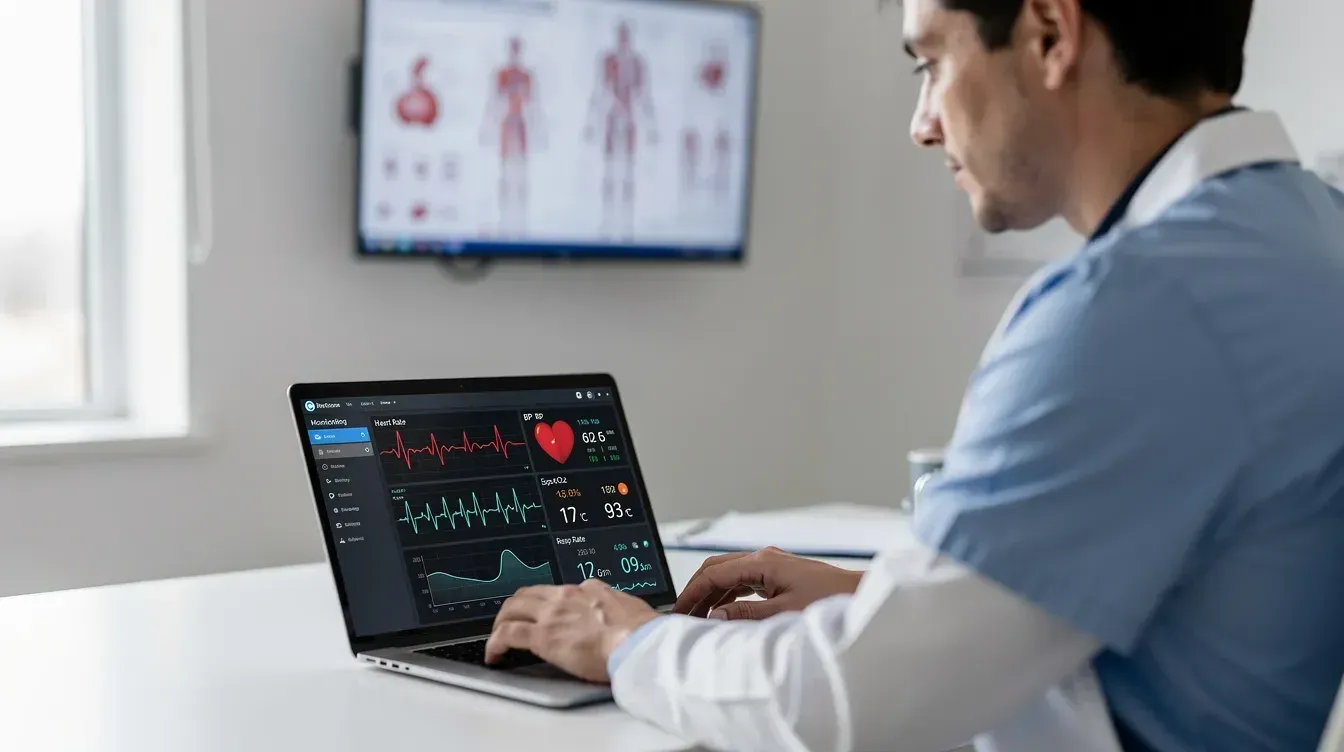
- Remote patient monitoring (RPM) combines connected medical devices, clinical software, and billing systems to collect patient vitals like blood pressure, glucose, and SpO₂ at home and transmit data to healthcare providers for timely intervention.
- A basic custom RPM MVP in 2025–2026 often starts around $70k–$120k, while enterprise platforms with AI, EHR integration, and automated billing can exceed $350k. RPM software development costs range from $50,000 to $500,000 depending on scope.
- Medicare covers RPM services under CPT codes 99453, 99454, 99457, and 99458. When paired with chronic care management stacking, reimbursement can offset software, device, and personnel costs for programs with strong patient engagement.
- Secure, standards-based EHR integration using HL7 v2, FHIR R4, and SMART on FHIR is essential to clinician adoption, lower staffing overhead, and improved clinical outcomes.
- SoftDoes helps U.S. and Canadian providers build compliant RPM platforms with device connectivity, electronic health records integration, and billing automation tailored to their care models and health systems, leveraging its broader custom healthcare software development expertise.
Why Build Your Own Remote Patient Monitoring Platform Now
Remote patient monitoring is the continuous home-based collection of physiologic data, including blood pressure, weight, SpO₂, glucose, and heart rate, followed by secure data transmission to healthcare providers for timely clinical decisions. RPM improves management of chronic diseases like hypertension and diabetes while reducing hospital admissions and emergency department visits.
In the U.S. and Canada, the shift toward value based care models, growing chronic disease burden, and persistent staffing shortages are pushing healthcare organizations to invest in custom RPM technology rather than relying solely on off the shelf vendor solutions. Building your own platform gives you deeper EHR integration, full control over sensitive health data, custom clinical protocols, and stronger economics as patient volumes scale.
RPM enhances patient engagement and satisfaction through continuous monitoring, turning episodic care into proactive population health management. This guide walks through software and device architecture, regulatory compliance, EHR and billing integration, and a practical view of costs and ROI for typical U.S. and Canadian deployments.

Defining Your RPM Strategy and Clinical Scope
Before writing a single line of code, your remote patient monitoring program needs a clear clinical and business strategy. Software must define the clinical use case to dictate technical and regulatory choices.
- Pick 1–2 priority conditions first. Uncontrolled hypertension with remote blood pressure monitoring and medication titration is the most common starting point. Nearly half of U.S. adults have hypertension, making it the most scalable RPM use case. Other strong candidates include heart failure, diabetes, chronic obstructive pulmonary disease, and post-surgical transitions of care.
- Identify patient populations that will benefit from RPM. Patients must have a chronic condition requiring ongoing monitoring for RPM reimbursement. Focus on high risk patients where continuous monitoring can detect early warning signs of deterioration.
- Define three or more major goals. Examples: reduced 30-day readmissions, lower ED utilization, improved HEDIS quality scores, higher patient satisfaction, and net positive RPM margin after device and personnel costs.
- Form a core team with all stakeholders involved. Map physicians, nurses, care managers, IT, compliance, revenue cycle, and patient representatives in U.S. and Canadian settings to make sure remote patient monitoring workflows are realistic.
- Recognize downstream effects. These strategic choices directly influence required features, regulatory risk, and overall software and staffing budgets for every phase that follows.
Core Architecture of Remote Patient Monitoring Software
Remote patient monitoring systems integrate medical devices, clinical workflows, and billing systems into a single platform. Each software architecture component must handle distinct responsibilities for data ingestion, clinical decision support, and billing functions.
A modern RPM technical stack typically includes:
Layer | Purpose |
|---|---|
Patient mobile app or tablet interface | Capture readings, coaching, patient education |
Clinician web portal | Dashboards, alerts, documentation, messaging |
Device data ingestion | Adapters, validation, normalization |
Analytics engine | Trend detection, risk scoring, reporting |
Integration hub | EHR, billing, and payer system connectors |
How data flows: RPM devices transmit readings via Bluetooth or cellular signals into a secure IoT gateway. From there, a cloud API normalizes the patient data into structured stores, which feed clinician dashboards and automated alerts. Building remote patient monitoring software requires secure clinical workflows at every step.
For U.S. and Canadian deployments, cloud infrastructure should support scalable data processing and reliable service delivery. AWS, Azure, or Google Cloud all offer HIPAA-aligned configurations. Canadian provinces may require regional data residency, such as PHIPA in Ontario.
Multi-tenant architecture is crucial for commercial remote patient monitoring platforms serving multiple clinics. SoftDoes typically recommends modular, microservice-friendly designs so future features like AI triage, new device protocols, or telehealth integration can be added without major rewrites.
Connecting RPM Devices: From Blood Pressure Cuffs to Wearables
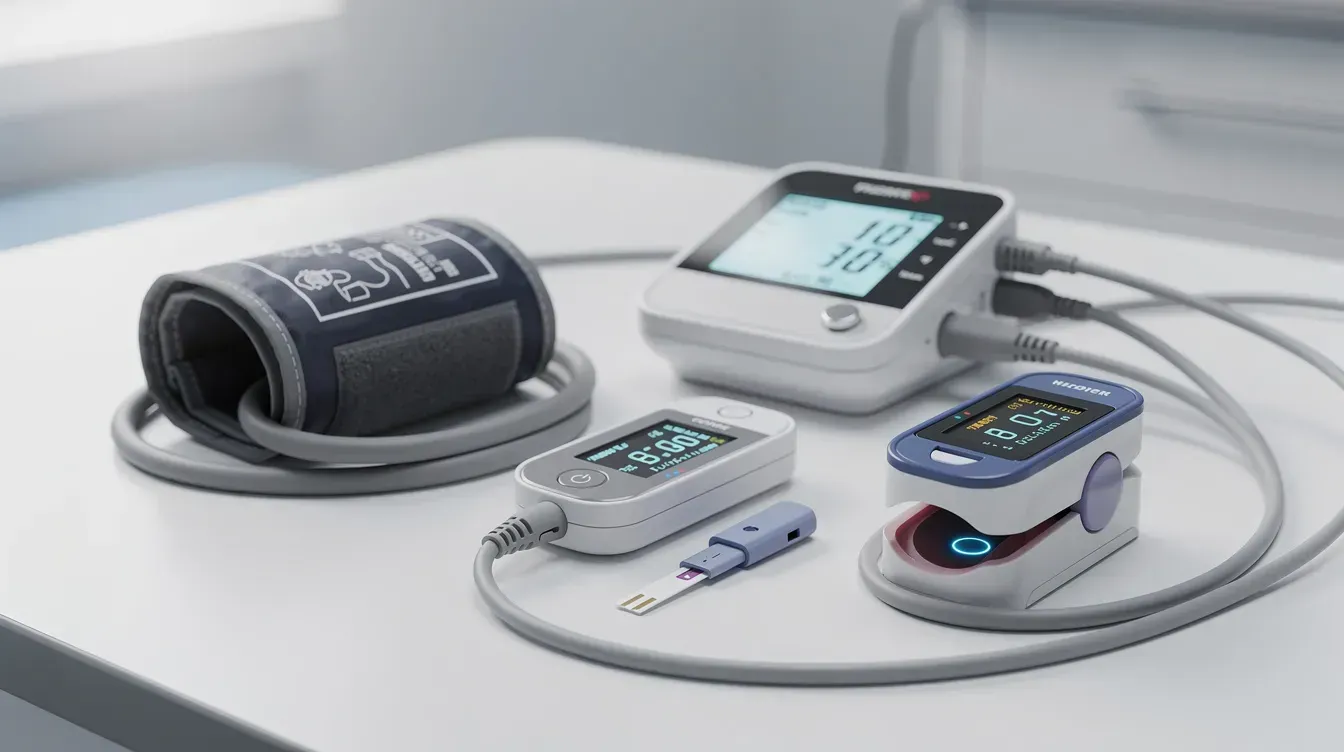
Device selection directly impacts patient experience, clinical reliability, CMS billing eligibility, and long-term device cost. RPM devices must be FDA-approved for safety and accuracy, and Health Canada approved where applicable.
Common RPM devices include blood pressure monitors, glucometers, pulse oximeters, weight scales, thermometers, ECG patches, and activity trackers. Blood pressure monitors remain the most widely deployed device in 2025–2026 programs.
Bluetooth vs. Cellular:
Factor | Bluetooth | Cellular |
|---|---|---|
Hardware cost | $40–$90 per unit | $100–$220 per unit |
Patient setup | Requires smartphone pairing | Plug in and go |
Best for | Tech-comfortable patients | Older adults, rural areas |
Patient compliance | Moderate | Higher |
Blood pressure device costs average $48 per patient in many RPM-HTN programs. Device integration must facilitate automatic and secure data transmission from medical devices. Patients must use RPM devices for at least 16 days in 30 days to meet CMS billing thresholds.
SoftDoes engineers build device integration layers using standardized adapter services, retry logic for poor connectivity, and validation rules to prevent corrupted or implausible rpm data from entering clinical records, supported by their specialized HL7 data integration for EHR, billing, and lab systems. Device data must be validated before clinical interpretation to ensure clinical accuracy.
Designing Patient and Clinician Experience for Engagement
UX directly affects patient engagement, data completeness, and program ROI. Patient-facing applications must provide high accessibility for elderly or low-tech users managing chronic and acute conditions.
For patients:
- Large fonts, simple language, and minimal steps to record readings
- Clear coaching messages when blood pressure readings or glucose are out of range
- Accessible support options and phone-based fallback for patient interaction
- Remote patient monitoring must include patient education and consent documentation as part of its workflow, including patient consent forms during enrollment
For clinicians:
- Clinical dashboards should focus on workflow and actionable insights rather than raw data
- Configurable views that surface high risk patients first, with patient trends, trend views, and quick actions like messaging or medication changes
- Automated alert systems should prioritize critical notifications to reduce clinician overload
Alert fatigue controls matter: adjustable thresholds per condition, escalation rules, and batching of non-urgent notifications keep personnel costs from spiking as the rpm program scales. SoftDoes typically validates UX designs with small pilot groups of patients and providers before full build out to avoid misaligned workflows.

Let’s Turn Your Idea into Scalable Software
Book a call with the representative to get answers to all the questions you may have.
Security, Privacy, and Regulatory Compliance
Security and regulatory compliance cannot be bolted on after the fact. They must be part of architecture from day one for any RPM platform handling protected health information. Custom software development should consider regulatory landscapes early in the design process.
U.S. frameworks:
- RPM software must comply with HIPAA and integrate with EHRs
- FDA guidance applies when software qualifies as a medical device or software as a medical device
- CMS rules for 2026 RPM billing, plus state privacy laws (California, Texas, etc.)
- Texas Medicaid pays for RPM devices and monitoring services, adding a reimbursement path beyond Medicare
Canada:
- PHIPA in Ontario and other provincial privacy acts
- Provincial data residency requirements where applicable
- Health Canada device approvals
Concrete controls to implement:
- Data security must include encryption in transit and at rest along with audit trails
- Role-based access control and strong identity management
- Regular penetration testing and documented incident response procedures
- Regular audits and compliance checks are necessary to maintain security and regulatory standards
Involve compliance teams early to define documentation, risk assessments, and vendor agreements. SoftDoes builds these controls into the SDLC and devops pipelines for healthcare clients.
EHR and Health System Integration
Without strong EHR integration, clinicians view RPM as extra work, which raises personnel costs and limits adoption across large health systems. Interoperability with electronic health records requires adherence to FHIR and HL7 standards.
Common integration patterns:
- HL7 v2 messages for results, orders, and high-frequency data streams
- FHIR R4 APIs for patient data and observations, using US Core Implementation Guides
- SMART on FHIR apps embedded in EHR workflows for seamless clinician access
- CDS Hooks for triggering clinical decision support when remote monitoring events occur
RPM platforms must integrate with EHR systems for data exchange. EHR integration supports seamless patient data management and monitoring. Interoperability standards like FHIR ensure EHR integration in RPM. RPM observations such as daily blood pressure readings or weight trends should map to standard LOINC codes and be visible inside core EHR views so clinicians do not need to switch between remote monitoring systems.
Validic is one example of an EHR-embedded application for RPM data integration that handles device data normalization. Whether you use a third-party connector or build your own, the integration layer needs to handle deduplication, error management, and reconnection when EHR interfaces go down.
SoftDoes has experience integrating with major EHRs like Epic, Cerner/Oracle Health, and MEDITECH, including handling hospital-specific interface engines and security practices.
Embedding CMS Billing and Reimbursement Logic
CMS billing logic needs to be part of the platform design, not an afterthought. RPM services must be ordered by a qualified healthcare provider, and automated billing systems must track compliance markers for Medicare reimbursement.
Code | Description | 2026 Approx. Rate |
|---|---|---|
99453 | Device setup and patient education | ~$21.71 |
99454 | Device supply and 16+ days of readings | ~$52.11 |
99457 | First 20 min clinical time | ~$51.77 |
99458 | Each additional 20 min | ~$41.42 |
RPM data must be collected for at least 16 days in 30 days for billing the full device reading code. Your software should track days with transmitted data per patient, minutes of clinical review and patient provider interactions, and documented consent and patient enrollment details. Automated interaction logs are necessary to support billing audits and compliance.
Design billing dashboards that let staff see per-patient progress toward monthly thresholds, flag missing documentation, and export clean data to practice management or RCM systems. Set up workflows to manage incoming vital sign data, and train staff on RPM technology and workflows. SoftDoes often implements configurable rules engines so health systems can adjust logic as CMS, private payers, or provincial payers update rpm reimbursement rates year by year.
Understanding the Full Cost Structure: Software, Devices, and Personnel
Understanding the real numbers helps you maximize reimbursement and plan for sustainable healthcare delivery. Here are the main cost buckets for a typical hypertension and chronic disease RPM program.
Software build costs:
- RPM MVP (single condition, single device): $70k–$120k
- Mid-range platform (multiple conditions, EHR integration, telehealth): $150k–$300k
- Enterprise RPM with advanced analytics and automation: $350k+
- RPM software development costs range from $50,000 to $500,000 depending on complexity
Device costs per patient:
- Blood pressure device costs average $48 per patient
- Cellular-enabled cuffs or weight scales: $100–$220 per unit
- Reuse and refurbishment policies significantly lower per-patient device supply expenses over time
Personnel and operational costs:
- Data review by nurse practitioners costs $172 per patient annually
- Monthly communication with patients costs $36 per patient
- The average cost of RPM-HTN was $330 per patient, and the annual program cost for 100 patients was $33,000
ROI picture:
- The average ROI for RPM-HTN is 22.2%, with ROI ranging from −11.1% to 93.3% per patient
- RPM programs can provide ROI within 3–6 months
- Lower program costs lead to better ROI ratios
- Over 11,000 patients have enrolled in NYU Langone Health's RPM-HTN program, demonstrating scalability
- Evaluate potential RPM vendors for program support if building fully in-house is not feasible
Well-designed rpm software features like smart triage, bulk messaging, and integrated documentation directly reduce personnel costs and improve net margin. Every design choice in earlier sections has a cost savings implication at scale. For deeper guidance on building cost-effective technical foundations, see this guide on best healthcare software development companies.
Step-by-Step Build Roadmap for RPM Platforms
A realistic timeline from discovery to launch runs 6–12 months in U.S. and Canadian environments. Here is the chronological roadmap:
1. Discovery and requirements (4–6 weeks) Conduct stakeholder interviews, workflow mapping, and selection of target conditions. For example, start with remote blood pressure monitoring for a chronic or acute condition population. Align with rpm reimbursement strategies and define patient enrollment criteria.
2. UX prototyping and testing (3–5 weeks) Create clickable prototypes for both patients and clinicians. Test core flows: taking a reading, responding to alerts, documenting time for billing, and recording patient reported outcomes. Iterate until the patient experience is intuitive for the same patient populations you defined in strategy.
3. Implementation (12–20 weeks) Build backend, mobile and web apps, device connectors, EHR interfaces, and billing logic in parallel. Use continuous QA and security testing. RPM platforms integrate with electronic health records for data management throughout this phase.
4. Pilot and scaling (4–8 weeks initial, then ongoing) Roll out to one clinic or service line. Track patient engagement, patient compliance, and program KPIs. Patients benefit from improved medication adherence when onboarding is smooth. Gradually expand across more chronic conditions and locations once the model proves positive patient outcomes and financial sustainability.
Benefits of Working with SoftDoes on Custom RPM Solutions
SoftDoes supports health systems and clinics in the U.S. and Canada with end to end RPM platform development, from initial discovery through production scaling, and applies lessons from broader medical patient management software platforms to improve care coordination and operational efficiency.
- Custom healthcare software engineering built for remote patient monitoring services, including AI and machine learning for risk stratification and anomaly detection across rpm patients, as well as dental and orthodontic practice software tailored to specialty workflows
- Cloud and data engineering designed for HIPAA-focused architectures, secure devops, and audit-ready logging that passes regulatory compliance reviews
- UI/UX tailored for older and chronic disease patient populations, improving patient adherence and health outcomes across primary care and specialty settings
- EHR integration expertise with major systems like Epic, Cerner/Oracle Health, and MEDITECH, plus experience with hospital-specific interface engines common in North American health systems
- Flexible engagement models: from full product ownership to staff augmentation for healthcare organizations and operational businesses that already have internal teams but need specialized RPM, data interoperability, or construction and manufacturing software development expertise
Consider a discovery workshop with SoftDoes to refine your RPM roadmap, cost estimates, and technical architecture before committing large internal budgets.


Comments (0)
No comments yet.