
U.S.-Based
eDiscovery & Litigation Support Software Development
eDiscovery and litigation support software development by SoftDoes: custom legal hold, processing, review and production tools built to be defensible.

Let's build together.
Talk with a senior engineer about your product idea, architecture, and what it would take to build it.
90+
Active Client Partnerships
80+ Person
Product & Engineering Team
100%
Your Code & IP Ownership
U.S.-Led
Delivery & Accountability
We understand the challenges you're facing
Why do we run legal holds in spreadsheets, process data in one tool, review in another, and track productions by hand?
The Electronic Discovery Reference Model outlines nine eDiscovery stages - identification, preservation, collection, processing, review, analysis, production, and presentation - and most firms cobble together separate tools for each phase, losing traceability along the way. A custom eDiscovery platform replaces that patchwork with one consistent data model linking matters, custodians, data sources (Microsoft 365, Slack, Teams, Box, network drives, file shares), legal holds and acknowledgments, collections with hashes and chain of custody, documents and families, metadata, review tags and coding decisions, redactions, and production sets with Bates ranges. SoftDoes designs unified data pipelines and background jobs so every document can be traced from its original source through each processing step to its final production, with complete audit trails. Software must maintain immutable audit trails to prove evidence integrity in eDiscovery processes, and that traceability is what turns a collection of disconnected tools into a defensible workflow. Custom eDiscovery software development replaces the manual trackers and disconnected exports with a single platform aligned to the way your litigation team actually operates.
If opposing counsel or the court questions our process, can we prove what we preserved, how we searched, and why documents were withheld?
Defensibility isn't a feature you bolt on after launch - it has to be the foundation. SoftDoes builds defensibility into every layer of the platform: automated legal hold notices with tracked acknowledgments and reminders, forensically sound collections with cryptographic hashing, documented search and TAR protocols, and privilege logs generated directly from review coding. The platform supports the legal framework that governs electronic discovery, including the Federal Rules of Civil Procedure (Rules 26, 34, and 37(e) on preservation and spoliation), Federal Rule of Evidence 502 on privilege waiver, Sedona Conference principles, the EDRM reference models, UK CPR Practice Direction 57AD, GDPR for EU personal data, HIPAA for protected health information, and CJIS for law enforcement data. Security measures in eDiscovery software include encryption at rest and in transit, matter-based access controls, ethical wall capabilities, role-based permissions, and immutable audit logs aligned with court and regulator expectations. Custom workflows - privilege review queues, redaction templates, QC checks before export - reduce inadvertent disclosure of privileged or personal data while keeping the entire process explainable to the court, supporting the defensible strategies your firm's attorneys rely on.
Can new tools work with Microsoft 365, Slack, and our Relativity workspaces without forcing us to change platforms mid-case?
SoftDoes takes an API-first approach to eDiscovery software development, building dedicated connectors to data sources and integrations with review platforms through REST APIs, webhooks, and standard load files (DAT, OPT, EDRM XML). We work closely with the common eDiscovery stacks your team already uses: Microsoft 365 and Purview, Google Workspace, Slack, Microsoft Teams, Box, mobile and forensic collection tools, and review platforms like Relativity, Everlaw, DISCO, Reveal, and Nuix, as well as matter management and billing systems. Data ingestion systems must handle diverse file formats and maintain metadata integrity during processing, and our migration patterns include importing legacy cases and load files, validating document counts, hashes, and metadata fields post-transfer, and running parallel matters during a transition period. Phased adoption is key: we pilot the new platform on new or closed matters first, then gradually move higher-risk active cases once validation is complete, so you never risk disrupting an active production.
Why do our reviewers fight slow screens, while partners can't see how review is progressing?
Document review accounts for 73% of eDiscovery costs, and slow, clunky interfaces only make that worse. SoftDoes conducts UX research with litigators, review managers, contract reviewers, litigation support specialists, and forensic analysts to map real review workflows before writing a line of code. The result is role-specific interfaces: a fast document viewer with coding panels and keyboard shortcuts for attorney review, batch assignment and QC queues for project managers, early case assessment dashboards for case strategy, privilege and redaction workspaces, and trial preparation tools for chronologies, witness kits, exhibit lists, and deposition transcripts. Engineering tactics like prefetching and caching, optimized search indexes, email threading, near-duplicate grouping, saved filters, and responsive layouts supporting dual-monitor setups ensure near-instant document loading. Custom review UIs and progress dashboards give partners and eDiscovery counsel real-time insight into review rates, error rates, and budgets - no more pulling separate spreadsheets to answer "where are we?"
With chat messages, collaboration apps, video, and AI-generated content growing every year, are we stuck rebuilding our discovery tools again?
Civil cases often exceed 130 gigabytes of data in eDiscovery, and that number climbs every year as organizations adopt new collaboration platforms and generate more digital data. SoftDoes engineers cloud-native, horizontally scalable architectures - containers, worker queues, autoscaling - that handle surges in processing and review load without performance degradation. Modular data parsers and configuration-driven workflows mean new data types (WhatsApp, Zoom recordings, Teams voice, proprietary logs, LLM chat transcripts, social media posts) can be added without a full rewrite of the processing pipeline. Extension points and versioned APIs allow new AI capabilities, client portals, or reporting modules to plug into the platform safely, and feature toggles let you roll out changes to specific practice groups before a firm-wide release. SoftDoes delivers technical and process documentation so internal ediscovery teams can adjust coding layouts, workflow rules, and production specifications without relying on eDiscovery vendors for every change - that autonomy makes long-term economic sense.
You negotiate the deals. We engineer the contract platform behind them.

Custom eDiscovery platforms and tools
Tailored discovery platforms built around your matter types, data sources, and preferred workflows - not a generic SaaS tool that forces every case into the same mold. Modules can span the entire eDiscovery process: legal hold management, custodian and data source mapping, collection connectors, processing pipelines (text extraction, OCR, deduplication, de-NISTing, email threading), ECA search, review and coding, QC, privilege logging, redaction, production, and case chronologies.
Automated legal hold notices with acknowledgment tracking, reminders, and escalations - eDiscovery tools help prevent spoliation by enforcing legal holds on relevant data.
Processing pipelines that normalize e-mail, chat, collaboration, and mobile exports into a unified document model with full metadata integrity.
Production engine that generates Bates-stamped TIFF/PDF natives with validated load files and export logs for any downstream review platform.

Litigation data integration and analytics
SoftDoes unifies data from collection tools, review platforms, matter management, and billing into a single analytics and reporting layer, giving corporate legal departments and large law firms visibility they've never had across their discovery portfolio. Search indexes, clustering, concept search, timelines, and BI dashboards surface volumes, review progress, costs per matter, and risk hotspots - turning raw data into actionable intelligence for business development and information management.
Matter-level dashboards showing processed volume, review status, exceptions, and spend for legal teams and eDiscovery counsel.
Reviewer and vendor performance metrics with accuracy and QC trends across projects, helping reduce costs and improve consistency.
Communication maps and timelines that reveal key actors, channels, and events for case strategy in complex litigation.

AI enhanced review and case preparation
AI-assisted review is reshaping how ediscovery specialists and attorneys handle large volumes of electronic documents. Technology-Assisted Review integrates machine learning to help prioritize relevant documents efficiently, while generative AI is transforming eDiscovery workflows by summarizing key documents, drafting privilege logs, and identifying personal data - and AI can improve document review processes by aiding in classification and data analysis. SoftDoes designs AI features for defensibility: documented methods, validation samples, recall and precision metrics, and deployment approaches (private models, zero-retention APIs) appropriate for sensitive legal data where human judgment remains the final word.
Natural language summaries of key documents, custodians, and conversations for case teams - AI reduces eDiscovery timelines by weeks.
Predictive relevance and privilege scoring with validation reports and sampling workflows that satisfy opposing counsel and the court.
Smart suggestions for search terms, review batches, hot documents, and chronology entries, so attorneys focus on the legal work that matters.
Numbers Don’t Lie
Recent projects showcasing how we design, engineer, and deliver production-ready software solutions.

- Startup
- Real Estate
Our Haus AI
A finance professional turned founder built Our Haus AI, an AI-powered collaborative workspace where homeowners and contractors scope, bid, contract, and document renovation projects together. SoftDoes took her prototype and made it production-ready.- 10XMVP scope delivered
- 2+years Ongoing partnership
- 1Fully owned Platform

- Finance
- Energy
Deepwater Insights
Deepwater Insights delivers proprietary alternative data and niche research on the offshore drilling and energy sector to institutional investors, family offices, and high-net-worth individuals who require coverage that larger firms don't provide.- 100%Brand Continuity
- 2Platform Distribution
- 100%Paywall-Ready Content

- Real Estate
The building buyer
The Building Buyer is a Florida-based real estate investment firm co-founded by Dylan Troiano and Charles Hanlin. They acquire single-family, multifamily, and commercial properties across South Florida and beyond, with a focus on motivated seller opportunities.- 18Weekly hours saved
- 2+Years Ongoing partnership
- 1Fully owned Platform

- Education
- Non-Profit
WOVEN & NICE
Woven is a Spring Valley, NY nonprofit running the NICE program (New Training Inclusive Community Environment) in four Rockland County schools. Their team supports students through restorative practices, mediation, and professional development for teachers and administrators.- 4Schools Served
- 4Weeks to Launch
- 1STTime on Upwork

- Healthcare
CareInTouch
CareInTouch is a Bay Area home health agency providing skilled nursing and therapy services to patients referred from hospitals and clinics. With over 100 staff, they operate in one of the most complex and compliance-driven healthcare markets in the country.- 40% Reduction In Billing Errors
- 100+Staff Operations Managed
- 0Missed Compliance Deadlines

- Startup
Sparkle The Cleaning Service
Sparkle The Cleaning Service is a Detroit-area residential cleaning company with 10 years in business, connecting homeowners with vetted, insured independent cleaners through a subscription-based marketplace platform.- 75% Platform Transparency
- 2XPlatform Growth
- 40%Higher User Retention

- Startup
DineMate
DineMate is a Maryland-based dating and connecting platform built around verified profiles, restaurant reservations, and prepaid dining experiences. Founded to bring back authenticity to how people meet and connect.- 60% Time Saved
- 99%System Reliability
- 40%Higher User Retention

- Healthcare
Prior Authorization AI
Prior Authorization AI is a healthcare automation startup building AI-powered tools to streamline prior authorization for Medicare and Medicaid medical transportation providers in New Jersey.- 16Weekly hours saved
- 63%Admin time reduced
- 43%Fewer submission errors

- Education
Grand Central Language Services
Grand Central Language Services provides translation and interpretation for organizations operating in complex, multilingual environments. As demand grew, internal workflows became harder to manage. SoftDoes built a custom platform to streamline coordination, improve visibility, and support scalable operations.- 72%Workflow Reduction
- 48%Coordination Reduction
- 83%Visibility Increase

- Healthcare
FMY Orthodontics
FMY Orthodontics, a multi-location practice in West Tennessee, partnered with SoftDoes to replace a spreadsheet-based financial workflow with a custom web platform. The goal was to simplify how staff present treatment financing while allowing patients and families to review and complete decisions remotely.- 60%Workflow Reduction
- 75%Remote Adoption
- 5Locations Aligned

Forbidden Alchemy
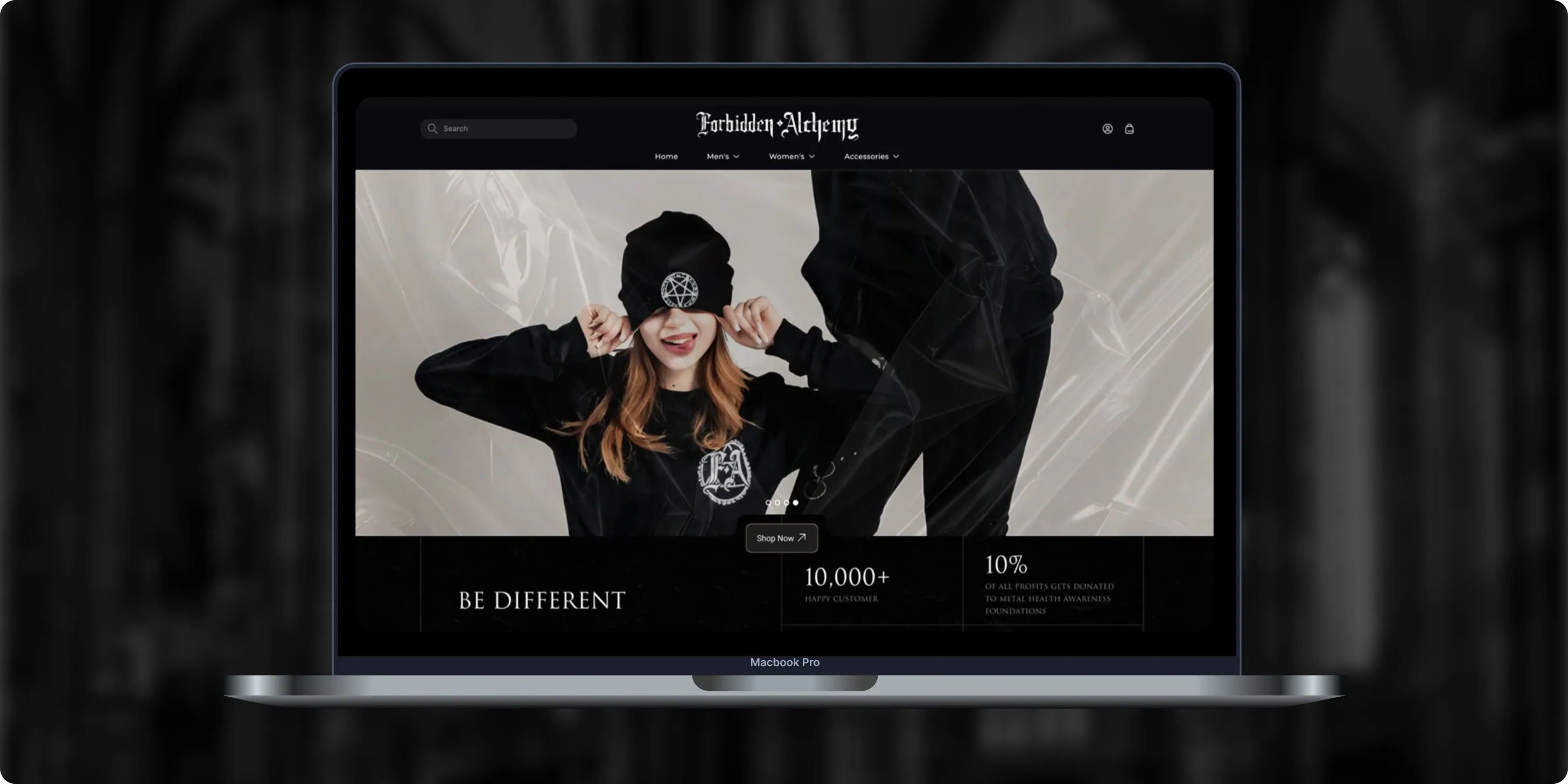
Forbidden Alchemy is an alternative fashion brand creating dark, provocative clothing for the metalhead community, with 10% of profits donated to mental health awareness. Its mostly mobile audience struggled with a store that was hard to navigate and weak on functionality.- +44%Revenue Month Over Month
- 86%Design Satisfaction
- 2.8XUser Retention Growth
Altera
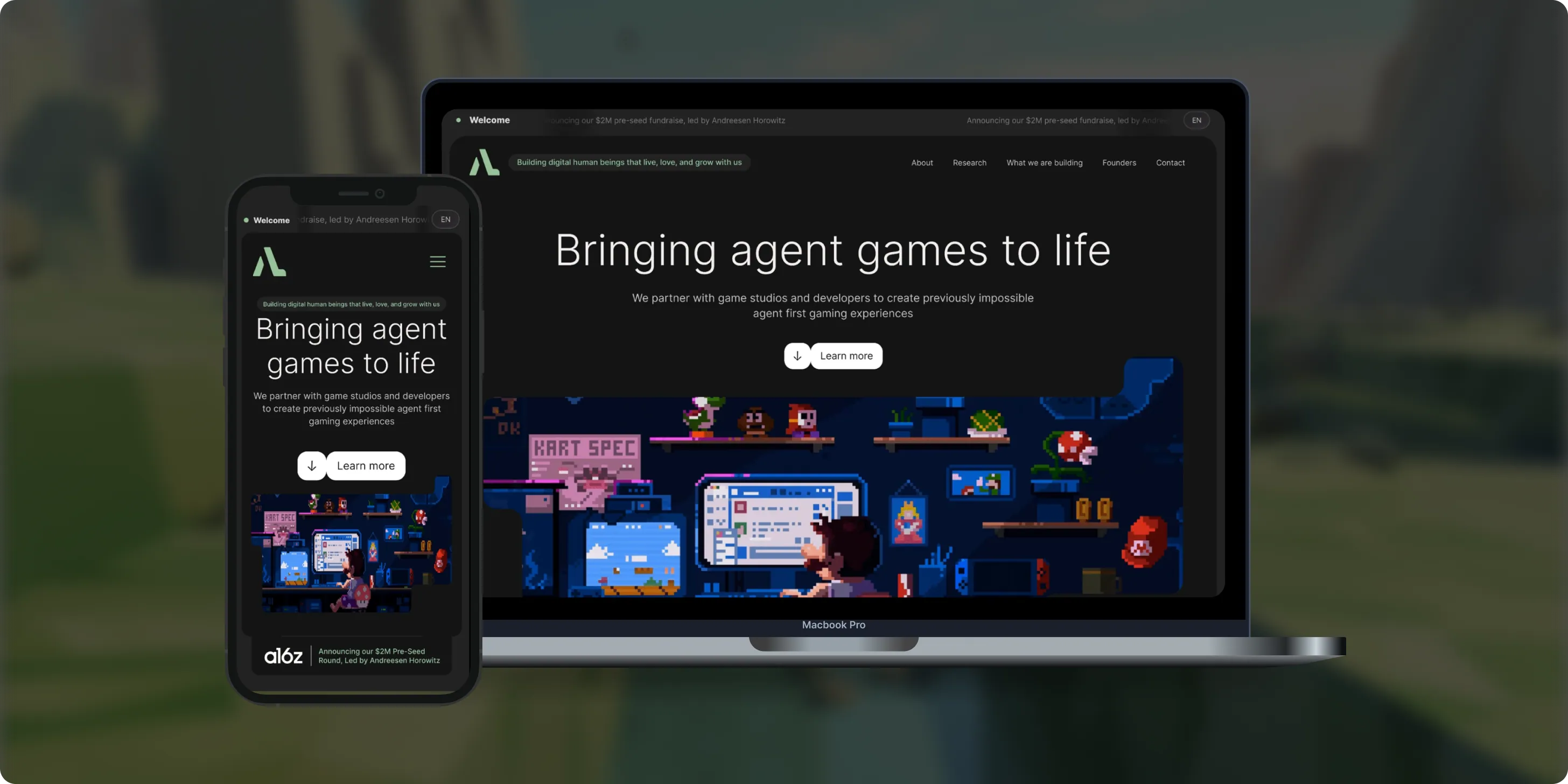
Altera builds on decades of computational neuroscience research to create digital human beings for gaming. Backed by a $2M pre-seed round led by Andreessen Horowitz, the team needed a landing page that could explain complex agent technology to players, partners, and investors.- 98%Dynamic Customization
- 100%Streamlined Navigation
- $2MPre-Seed Round
- Real Estate
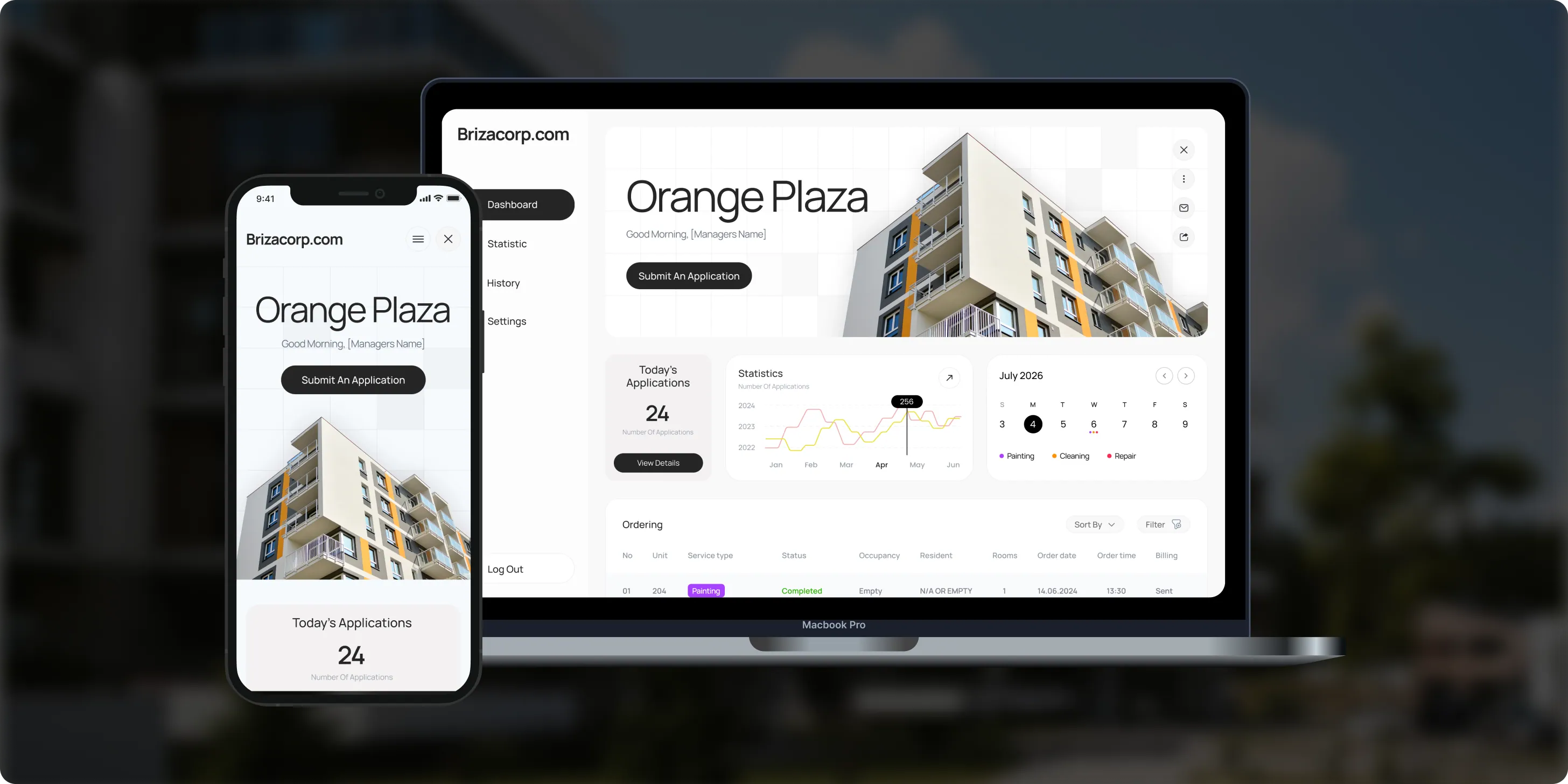
Brizacorp
Brizacorp manages residential properties and coordinates the staff who handle painting, cleaning, and repair requests. Its team tracked work across messengers, phone calls, e-mail, and paper planners, with no single place to manage requests or measure performance.- 98%Application Stability
- 95%Utilization Rate
- 30%Faster Task Completion
Color & Harmony
Color & Harmony is a Kentucky-based color consulting studio led by certified color strategist Diana Cartaya. The studio needed a website that reflects its refined aesthetic, showcases its portfolio, and explains a science-based color process in simple language.- 45%Conversion Rate Increase
- 50%Higher User Engagement
- 2Months to Launch

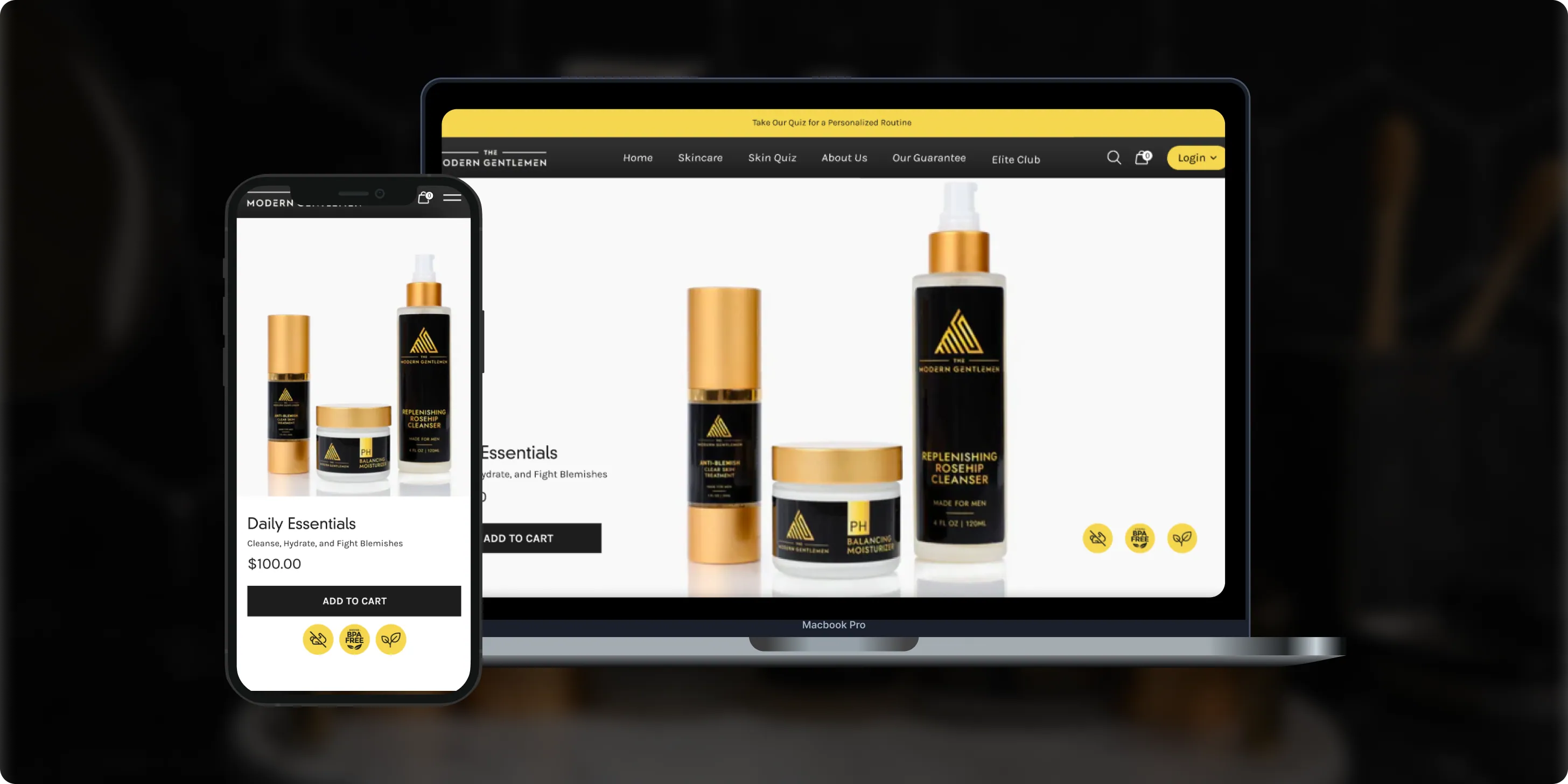
The Modern Gentlemen
The Modern Gentlemen sells premium men's skincare featured in Men's Health, GQ, and Men's Journal. Its customers wanted an efficient routine, but generic product suggestions and limited skincare knowledge made choosing the right products hard.- 30%Increase in Conversions
- 25%Higher Customer Retention
- 92%Mobile Purchases
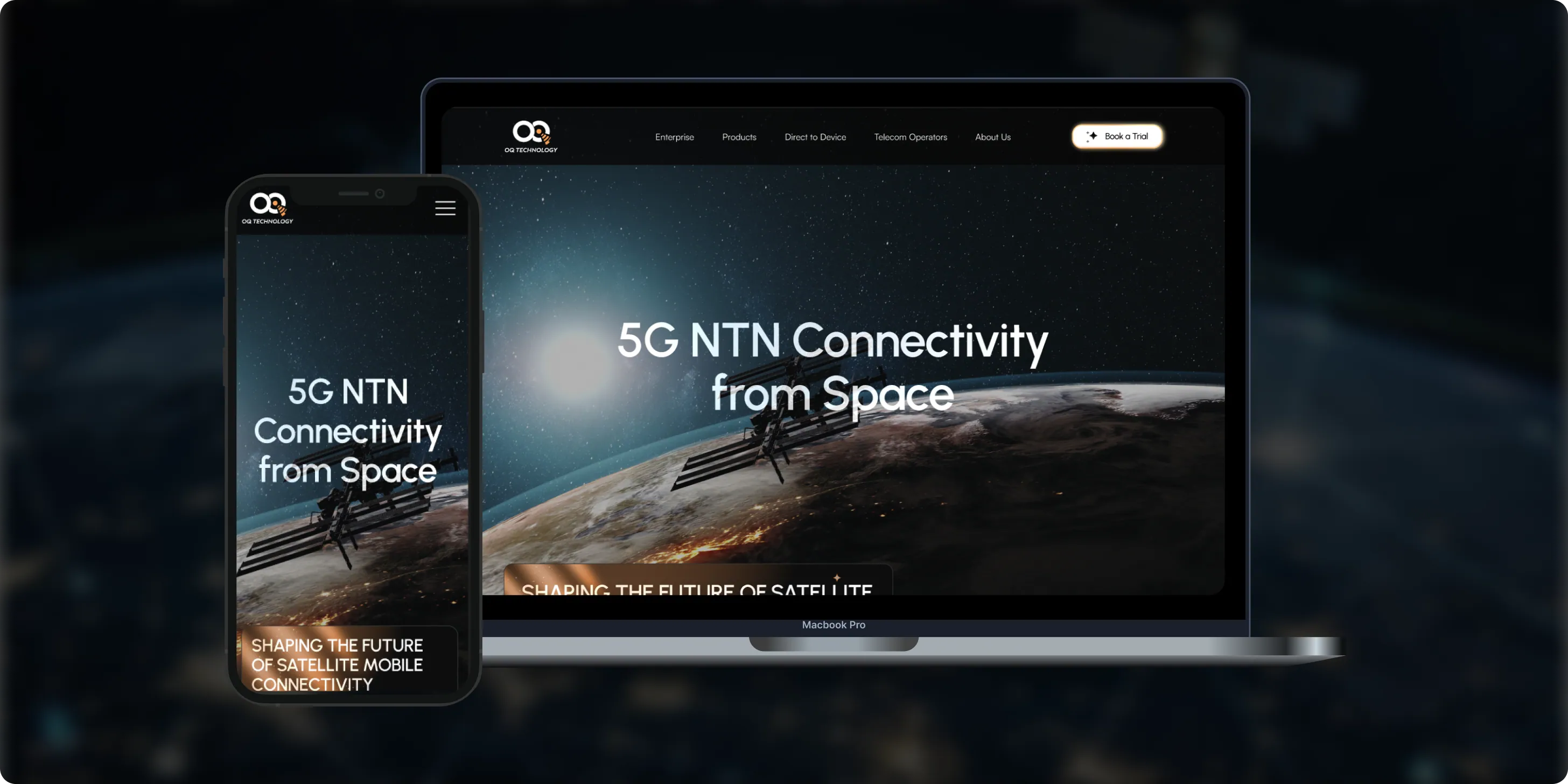
OQ Technology
OQ Technology connects IoT devices, machines, and people anywhere on the planet through its satellite network, serving energy, maritime, logistics, agriculture, and mobile operators. Its website made it hard to explore products and reach pricing plans.- 4Pricing Plans Clarified
- 3Dedicated User Flows
- 1Unified Platform
- Real Estate
- Finance
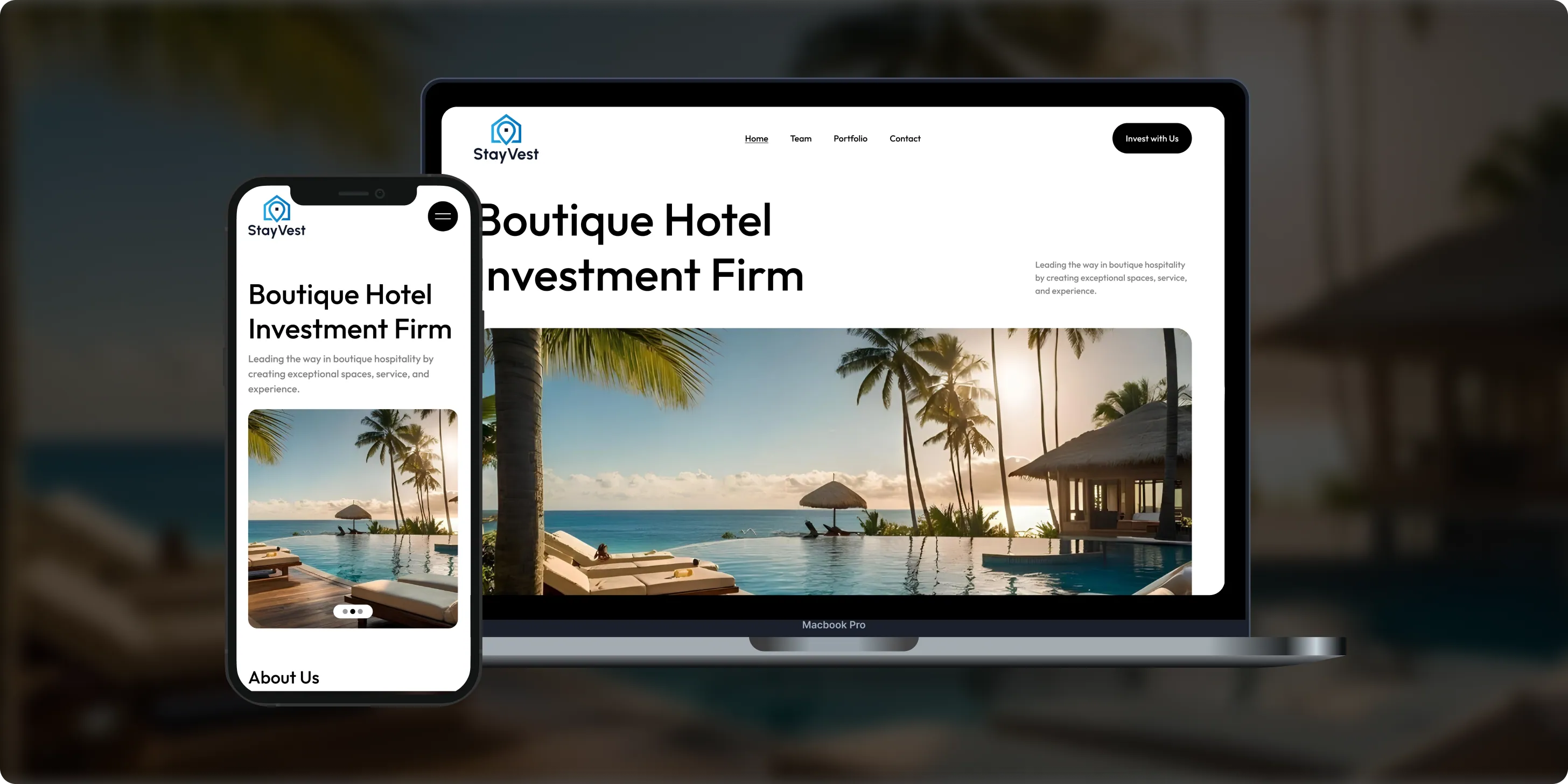
Stay Vest
Stay Vest is a private real estate investment firm that acquires, renovates, and operates boutique hotels for cash flow, tax benefits, and equity gain. It needed a platform that explains its strategy and earns the trust of passive investors.- 1,500+Guest Stays
- 200+Rooms Managed
- 5States Covered
Bokeyno Motorsports
Bokeyno Motorsports is the leading mobile installer of vertical doors for high-performance cars. This Shopify website isn’t just about services—it’s a bold statement of power, style, and expertise. With a sharp layout, strong visuals, and real-world case studies, the site delivers all the information car enthusiasts need to book confidently and instantly.- 54%Booking Requests
- 43%Lead Conversion
- 32%Qualified Inquiries

ai document processing platform
A comprehensive talent solution designed to help companies attract, hire, and retain top talent more effectively. The platform combines AI-powered recruitment technology with employee financial wellbeing programs, enabling smarter hiring decisions while supporting employees’ financial stability and long-term engagement.- 62%Faster Processing Time
- 78%Less Manual Work
- 35%Improved Accuracy

WHAT CLIENTS SAY
Independently verified reviews from real clients on Clutch.co


Client Story
Real feedback from
FMY Orthodontics

“Their perseverance and solution-oriented mindset. SoftDoes consistently found ways to make things work, added features we had not originally envisioned, and never became frustrated. It felt like working with a true partner who cared about the success of our practice.”
Dan Merwin
DDS, MS -- President, FMY Orthodontics

Client Story
Real feedback from
Prior Authorization AI
“Every time I sent a request, if there was anything that didn't work, they were able to turn it around quickly. Even when there were no updates yet, they always reached out to let me know they were working on it.”
Joseph Oluwo
Founder of Prior Authorization AI


Client Story
Real feedback from
WOVEN
“What stood out most was their commitment to understanding our needs before presenting solutions.”
Danna Pastran
Administrative Operations Manager, WOVEN

Client Story
Real feedback from
Grand Central Language Services
“The site performs as intended and provides the foundation for our company's digital presence.”
Joe Goldstein
QA Manager, Grand Central Language Services


Client Story
Real feedback from
DineMate
“They go above and beyond.”
Eric Snead
CEO, DineMate "Dating Connecting Platform"
Why they Choose SoftDoes
- 01SENIOR ENGINEERS, NOT LAYERS
SoftDoes projects are led by senior engineers and solution architects with hands-on experience shipping large-scale data processing, search, and document review systems - including prior work on discovery and review platforms used in complex litigation and regulatory investigations. These leads can read ESI protocols, protective orders, production specifications, and court orders, then convert them into concrete data schemas, processing rules, and export configurations. Litigators, eDiscovery counsel, litigation support, and IT speak directly with engineers rather than through multiple account layers, which reduces translation errors and rework when discovery requirements shift mid-matter. Our team discusses file formats and metadata fields, hashing and chain of custody, search indexing, TAR validation, and load file structures (DAT, OPT, EDRM XML) at both a technical and legal level. That domain fluency - rare among general software shops - is why ediscovery teams trust SoftDoes with their most critical legal tech initiatives.
- 02PREDICTABLE DELIVERY
SoftDoes delivers in phases anchored to the discovery lifecycle - for example, releasing legal hold and custodian mapping first, then processing connectors, then review integrations and AI - so nothing jeopardizes active productions. Written specifications are tied to concrete workflows such as issuing a hold, collecting from Microsoft 365, loading into Relativity, and generating a privilege log, and regular demos use realistic data sets (email threads, chat logs, mixed-language content) to validate behavior before go-live. We coordinate timelines with client IT, information governance, review platform vendors, and outside counsel so dependencies are surfaced early and managed transparently. Predictability and clear milestones are critical in the legal practice because court deadlines and production dates are fixed - missed productions carry real sanctions risk under the federal rules, and eDiscovery specialists support litigation teams with technical tasks that can't slip.
- 03BUILT TO LAST PAST LAUNCH
SoftDoes makes architectural choices that keep complexity manageable: stateless processing workers, queue-based orchestration of jobs, and well-defined domain boundaries for matters, custodians, data sources, collections, documents, coding, and productions. Robust logging, monitoring, and data validation - counts, hashes, exception tracking, retry logic, and alerting - catch processing errors before electronic documents reach review or production. Maintainability practices include peer-reviewed pull requests, automated tests for deduplication, family linkage, redaction rules, Bates numbering logic, and access controls, plus CI/CD pipelines with security scans. The software is designed to handle bigger matters, new file types, new regulations, and new AI tools without wholesale rewrites - modern AI platforms can reduce data volumes by over 70% before review, and the architecture must support integrating those latest technologies cleanly. Clear internal APIs and modular components make it easy for client IT teams to extend the platform themselves.
- 04NO BABYSITTING REQUIRED
Onboarding includes runbooks, admin and user documentation, and training sessions tailored to litigation support, review managers, and in-house IT - because legal compliance is critical for software handling sensitive data in eDiscovery processes, and everyone who touches the system needs to understand their role. Intuitive admin consoles let clients manage matters, custodians, users, coding forms, workflows, legal hold templates, and production specifications without developer help. Systems are built with clear operational boundaries - what infrastructure client IT owns versus what SoftDoes manages, permissions and roles, log access - so support teams know exactly where to act. SoftDoes offers ongoing partnership and enhancements, but day-to-day actions like adding a matter, changing a coding layout, or spinning up a new processing job don't require vendor tickets. Clients gain control over their discovery stack, not a black box dependency - that independence builds strong relationships and makes economic sense for any firm.
How we work with your quality team
This is how SoftDoes partners with you from first conversation through long term support.




Experience Across Litigation Firms, Corporate Legal, eDiscovery Providers, and Investigations
SoftDoes builds discovery platforms where defensibility, privilege protection, and scale under tight deadlines are non-negotiable.
Case Management
Contract Management
Document Automation
Legal AI Software
CRM Client Intake
Complex systems, integrations, and internal platforms built to evolve. We step in when off-the-shelf tools stop being enough.
Legal Billing
From first version to real traction without painting yourself into a corner. Built for speed now and hard decisions later.
Compliance Risk
Systems designed around controls, traceability, and change management. Built so audits don’t become fire drills.
Legal Software
Infrastructure software built for long timelines and high stakes. Reliable systems for assets that can’t afford guesswork.


Frequently Asked Questions
Everything you need to know about working with SoftDoes. Can’t find an answer?
How long does custom eDiscovery software development take, and what drives the cost?
A focused module - such as a legal hold system or a custom processing connector - typically takes 2–4 months to deliver. A full eDiscovery platform covering processing, review, and production ranges from 4–9+ months depending on scope, the number of EDRM stages covered, and the depth of AI review features. The main cost drivers are data source connectors, processing scale and performance requirements, review interface complexity, AI/TAR validation, reporting needs, and security and compliance obligations. Time spent aligning workflows, acceptance criteria, and validation standards with legal teams can be as significant as pure engineering effort - and it's essential for defensibility.
Should we build custom tools or keep using Relativity, Everlaw, or another platform?
Many SoftDoes clients continue to use their primary document review platform and add custom tools where it falls short: legal hold systems, data collection orchestration, chat and collaboration processing, automation scripts, analytics dashboards, and AI workflows that sit alongside Relativity, Everlaw, DISCO, or Reveal. A full custom platform makes sense when you're an eDiscovery provider building your own product, when your organization has highly specialized electronic data or workflows, or when you want to control long-term licensing and scaling costs - eDiscovery software automates data collection and review for legal cases, and owning that automation can deliver significant cost savings at scale. SoftDoes helps evaluate both paths through technical and business analysis before you commit, so the decision is grounded in your actual data volumes, matter mix, and budget.
Is AI-assisted review defensible in court?
Courts have accepted technology-assisted review - including continuous active learning - for years when parties use reasonable, transparent, and validated processes. Zubulake v. UBS Warburg established preservation duties in eDiscovery, and subsequent case law has affirmed that algorithm-driven review is defensible when properly documented. The software supports that defensibility: documented TAR and AI protocols, sampling plans, recall and precision measurement, training and decision logs, and immutable audit trails of how models were used. AI-assisted tools improve consistency and accuracy in reviews, but attorneys always make final relevance and privilege decisions, and disclosure of AI-assisted review approaches follows the rules and case law applicable in each matter.
Which data sources and formats can you handle?
Our platform handles e-mail (Exchange, Microsoft 365, Gmail), Office documents, PDFs, images with OCR, Slack and Microsoft Teams chats, mobile data exports, cloud storage (OneDrive, SharePoint, Box, Google Drive), audio and video, social media posts, and structured exports like CSV or database dumps. SoftDoes builds or configures parsers for specific exports and proprietary formats as needed, using modular ingestion pipelines - civil cases often exceed 130 gigabytes of data, and the system is designed to handle that scale with room to grow. Standard import and export formats include load files compatible with Relativity, Everlaw, DISCO, Nuix, and others (DAT, OPT, EDRM XML), plus native and image-based productions. Systematic validation - document counts, hash checks, metadata field comparisons, and exception reporting - runs on every import and export.
How do you keep case data secure and confidential?
Security starts with concrete controls: encryption in transit and at rest, SSO and multi-factor authentication, matter-level access controls, permission-based views, chain of custody records, and immutability of audit logs. We align with common security frameworks and regulations - GDPR, HIPAA where applicable, and SOC 2/ISO 27001-aligned practices - because legal compliance is critical for software handling sensitive electronic information. SoftDoes collaborates with client security teams on threat modeling, secure deployment patterns (network segmentation, secrets management), and supports client-run penetration tests and audits. Data residency options and on-premises or private cloud deployments are available where regulatory or client policies require them.
Who owns the source code, data, and intellectual property?
For custom eDiscovery platform development, clients own their application source code (as contracted), configurations, and all matter data, unless a different commercial model is explicitly agreed. SoftDoes documents how third-party components, processing libraries, AI models, and open-source libraries are used, clarifying licenses and responsibilities so there are no surprises. At handover, clients receive repository access, build and deployment scripts, infrastructure-as-code where applicable, and documentation so they can operate or extend the system independently - that ownership is what makes custom eDiscovery software development a long-term investment rather than a recurring licensing expense.
What kind of support do we get after launch?
Support begins with a hypercare period, then transitions to optional ongoing support with defined SLAs and extended coverage around major production deadlines. Incidents are triaged with top priority for issues affecting legal holds, processing accuracy, review accessibility, or imminent productions - because those directly affect your ability to meet court and regulator deadlines. Minor enhancements and roadmap features are scheduled to avoid peak matter periods, and training for litigation support and IT teams ensures your team required to operate the platform is fully prepared. Monitoring dashboards track processing throughput, exception rates, storage utilization, platform uptime, and review performance to catch issues before they affect the litigation team.
Can you work with our existing litigation support and IT teams?
SoftDoes typically works side-by-side with internal litigation support, information governance, and IT teams rather than replacing them. Collaboration patterns include joint design sessions, shared Slack or Teams channels, co-run user acceptance testing, and a clear RACI for operations and support. Our engineers are comfortable collaborating with existing eDiscovery vendors and forensic providers and fitting into established change-management and security processes. The goal is to upskill internal teams and leave them with tools they can own confidently - building the kind of strong relationships that support long-term success in the eDiscovery process.