


Let's build together.
Talk with a senior engineer about your product idea, architecture, and what it would take to build it.
90+
Active Client Partnerships
80+ Person
Product & Engineering Team
100%
Your Code & IP Ownership
U.S.-Led
Delivery & Accountability
Services we offer
- 01DevOps & Cloud Infrastructure
> ENGINEERING PRACTICES THAT ACCELERATE DELIVERY <
DevOps integrates development and operations into unified workflows. Containerized applications deploy through automated pipelines, while cloud native applications are designed specifically for cloud environments to maximize scalability, resilience, and flexibility. Containers are lightweight and can run efficiently on a shared operating system, allowing multiple containers to operate without interfering with each other, which optimizes resource usage. Using one container per microservice is key for fault-tolerant application design, as a failure in one container does not affect others, increasing overall application resilience. Infrastructure provisions through code, and monitoring catches issues before customers notice. Boston companies adopting these practices ship features faster while maintaining reliability. Platform engineering is a key trend in Boston, streamlining developer experiences and managing cloud costs. The DevOps culture in Boston is characterized by a security-first mentality, especially in regulated industries, with security and compliance integrated early in development cycles through collaborative DevSecOps practices. Firms are investing heavily in automating the full software development lifecycle (SDLC) and creating dedicated platform teams to deliver Internal Developer Platforms (IDPs) that improve efficiency.
- CI/CD pipeline design and implementation
- Kubernetes cluster management
- Infrastructure as Code with Terraform
- Container orchestration and networking
- Microservice architecture consulting
> CLOUD INFRASTRUCTURE THAT HANDLES COMPLEXITY <
How do you manage multiple microservices across different regions? We design cloud native architectures that handle this complexity through proper service mesh configuration, load balancing, and failover strategies. Managing cloud native applications means orchestrating different services across distributed environments, ensuring observability and tracing requests through multiple microservices, and maintaining operational consistency.
—
Managing devices such as IoT and edge devices introduces additional challenges due to their limited computing resources, requiring specialized management, security, and deployment solutions like containerization. Platforms that support multi-cloud orchestration can simplify the complexity of managing containers across multiple clouds by providing a unified control plane that works across public clouds, private infrastructure, and managed environments.
- Multi-region deployment strategies
- Service mesh for inter-service communication
- Automated failover and recovery
- Cost optimization through rightsizing
- 02Cloud Computing Solutions
> INFRASTRUCTURE THAT MATCHES YOUR DEMAND <
Cloud computing solutions replace rigid on-premises hardware with flexible resources you provision in minutes. Our team designs architectures across AWS, Azure, and Google Cloud that adjust to your workload automatically. Boston organizations running AI workloads or customer-facing platforms need this elasticity. We configure auto-scaling, load balancing, and redundancy so your systems handle traffic spikes without manual intervention. There is a significant demand in Boston for robust, secure, and compliant cloud infrastructure, especially in biotech and financial services, where data protection and regulatory compliance are critical.
—
Hybrid setups work well when you have existing deployments that cannot move entirely to public cloud providers. We connect on-premises systems with cloud services through secure networking and unified monitoring. This approach satisfies compliance requirements while giving you modern capabilities. The industry in Boston is transitioning from traditional virtual machines to container-based orchestration like Kubernetes for scalable applications. Your teams get a single control plane to manage resources across different environments.
- Auto-scaling configured for variable demand
- Multi-region deployment for redundancy
- Hybrid connectivity to existing infrastructure
- Cost controls and spend alerts
- Security groups and access policies
Adopting multi-cloud strategies brings significant benefits for organizations seeking flexibility and resilience. Multi-cloud container orchestration enables you to manage containerized applications across multiple clouds, helping avoid vendor lock-in, optimize costs, and meet compliance requirements by placing workloads in specific geographic locations. Platforms that support multi-cloud orchestration provide a unified control plane across public clouds, private infrastructure, and managed environments, simplifying the complexity of managing containers across multiple clouds.
- 03Cloud Migration Services
> MOVE WITHOUT BREAKING WHAT WORKS <
Migration projects fail when teams rush the process or skip proper assessment. We start with discovery: mapping dependencies, identifying valuable data stores, and documenting integration points. Boston companies often have legacy systems with years of accumulated logic. Our engineers create migration runbooks that account for every database, API connection, and scheduled job. Using containerization, organizations can modernize legacy applications by encapsulating them in containers, which makes migration to the cloud easier and avoids extensive code rewrites.
—
The actual move happens in phases. We test each component in the target environment before cutting over production traffic. Rollback procedures stay ready throughout. Post-migration, we optimize configurations and eliminate orphaned resources that add cost. Your business continues operating while infrastructure transforms underneath.
- Dependency mapping before any changes
- Phased migration with rollback plans
- Database transfer with minimal downtime
- Post-migration cost optimization
- Documentation for your internal teams
- 04Managed Cloud Services
> OPERATIONS HANDLED BY ENGINEERS WHO KNOW YOUR STACK <
Running cloud infrastructure requires constant attention. Patches, certificate renewals, capacity planning, incident response. Our managed services cover these operational overhead tasks so your developers focus on building features. We monitor your systems around the clock using Prometheus, Grafana, and custom alerting rules tuned to your specific thresholds. When incidents occur, our engineers respond immediately. We diagnose root causes, implement fixes, and document what happened. Monthly reports show uptime metrics, security scan results, and recommendations for improvements. Boston companies with small teams particularly benefit from this arrangement. You get enterprise-grade operations without hiring a full platform engineering group.
- Patch management and security updates
- Capacity planning and rightsizing
- Monthly performance reports
- Direct access to senior engineers
> ENGINEERING PRACTICES THAT ACCELERATE DELIVERY <
DevOps integrates development and operations into unified workflows. Containerized applications deploy through automated pipelines, while cloud native applications are designed specifically for cloud environments to maximize scalability, resilience, and flexibility. Containers are lightweight and can run efficiently on a shared operating system, allowing multiple containers to operate without interfering with each other, which optimizes resource usage. Using one container per microservice is key for fault-tolerant application design, as a failure in one container does not affect others, increasing overall application resilience. Infrastructure provisions through code, and monitoring catches issues before customers notice. Boston companies adopting these practices ship features faster while maintaining reliability. Platform engineering is a key trend in Boston, streamlining developer experiences and managing cloud costs. The DevOps culture in Boston is characterized by a security-first mentality, especially in regulated industries, with security and compliance integrated early in development cycles through collaborative DevSecOps practices. Firms are investing heavily in automating the full software development lifecycle (SDLC) and creating dedicated platform teams to deliver Internal Developer Platforms (IDPs) that improve efficiency.
- CI/CD pipeline design and implementation
- Kubernetes cluster management
- Infrastructure as Code with Terraform
- Container orchestration and networking
- Microservice architecture consulting
> CLOUD INFRASTRUCTURE THAT HANDLES COMPLEXITY <
How do you manage multiple microservices across different regions? We design cloud native architectures that handle this complexity through proper service mesh configuration, load balancing, and failover strategies. Managing cloud native applications means orchestrating different services across distributed environments, ensuring observability and tracing requests through multiple microservices, and maintaining operational consistency.
—
Managing devices such as IoT and edge devices introduces additional challenges due to their limited computing resources, requiring specialized management, security, and deployment solutions like containerization. Platforms that support multi-cloud orchestration can simplify the complexity of managing containers across multiple clouds by providing a unified control plane that works across public clouds, private infrastructure, and managed environments.
- Multi-region deployment strategies
- Service mesh for inter-service communication
- Automated failover and recovery
- Cost optimization through rightsizing

PRODUCTS BUILT ACROSS INDUSTRIES
Finance
Financial systems demand secure cloud infrastructure with strict access controls. We build compliant environments using encryption, audit logging, and network segmentation that satisfy regulatory requirements.
Healthcare
Patient data requires HIPAA-compliant cloud services with proper encryption and access management. Our engineers design infrastructure that protects valuable data while enabling modern applications.
Education
Student information systems need reliable cloud infrastructure with strong security. We deploy platforms that handle enrollment spikes and integrate with existing campus tools seamlessly.
Construction
Project management platforms benefit from scalable cloud services. We configure infrastructure that supports field operations, document storage, and collaboration tools across multiple sites.
Technology
SaaS companies need DevOps practices that accelerate software delivery. Our team implements CI/CD pipelines and container orchestration that let developers deploy features confidently.
Startups
Early-stage companies benefit from cloud native architecture designed for scalability. We help startups build infrastructure that handles rapid user acquisition without requiring constant rework.
Compliance
Regulated industries require documented security controls and audit capabilities. Our compliance engineering ensures your cloud infrastructure meets frameworks like SOC 2 and state requirements.
Energy
Grid monitoring and operational systems need reliable cloud platforms. We build infrastructure that processes sensor data and supports analysis tools across distributed facilities.


Transparency at each stage
Discovery & Alignment
Defined goals and a precise roadmap ensure your vision is realized without unexpected pivots or hidden costs.
Technical Strategy
Senior engineers select the optimal tech stack with clear architectural reasoning for long-term scalability.
Iterative Development
Gain real-time access to code and staging environments with regular demos to track every milestone as it happens.
Careful Testing
Receive transparent QA, security, and performance audits to ensure a flawless and stable launch every time.
Deployment & Support
Stay in total control with full documentation and proactive monitoring to keep your systems running at peak performance.

Numbers Don’t Lie
Recent projects showcasing how we design, engineer, and deliver production-ready software solutions.

- Startup
- Real Estate
Our Haus AI
A finance professional turned founder built Our Haus AI, an AI-powered collaborative workspace where homeowners and contractors scope, bid, contract, and document renovation projects together. SoftDoes took her prototype and made it production-ready.- 10XMVP scope delivered
- 2+years Ongoing partnership
- 1Fully owned Platform

- Finance
- Energy
Deepwater Insights
Deepwater Insights delivers proprietary alternative data and niche research on the offshore drilling and energy sector to institutional investors, family offices, and high-net-worth individuals who require coverage that larger firms don't provide.- 100%Brand Continuity
- 2Platform Distribution
- 100%Paywall-Ready Content

- Real Estate
The building buyer
The Building Buyer is a Florida-based real estate investment firm co-founded by Dylan Troiano and Charles Hanlin. They acquire single-family, multifamily, and commercial properties across South Florida and beyond, with a focus on motivated seller opportunities.- 18Weekly hours saved
- 2+Years Ongoing partnership
- 1Fully owned Platform

- Education
- Non-Profit
WOVEN & NICE
Woven is a Spring Valley, NY nonprofit running the NICE program (New Training Inclusive Community Environment) in four Rockland County schools. Their team supports students through restorative practices, mediation, and professional development for teachers and administrators.- 4Schools Served
- 4Weeks to Launch
- 1STTime on Upwork

- Healthcare
CareInTouch
CareInTouch is a Bay Area home health agency providing skilled nursing and therapy services to patients referred from hospitals and clinics. With over 100 staff, they operate in one of the most complex and compliance-driven healthcare markets in the country.- 40% Reduction In Billing Errors
- 100+Staff Operations Managed
- 0Missed Compliance Deadlines

- Startup
Sparkle The Cleaning Service
Sparkle The Cleaning Service is a Detroit-area residential cleaning company with 10 years in business, connecting homeowners with vetted, insured independent cleaners through a subscription-based marketplace platform.- 75% Platform Transparency
- 2XPlatform Growth
- 40%Higher User Retention

- Startup
DineMate
DineMate is a Maryland-based dating and connecting platform built around verified profiles, restaurant reservations, and prepaid dining experiences. Founded to bring back authenticity to how people meet and connect.- 60% Time Saved
- 99%System Reliability
- 40%Higher User Retention

- Healthcare
Prior Authorization AI
Prior Authorization AI is a healthcare automation startup building AI-powered tools to streamline prior authorization for Medicare and Medicaid medical transportation providers in New Jersey.- 16Weekly hours saved
- 63%Admin time reduced
- 43%Fewer submission errors

- Education
Grand Central Language Services
Grand Central Language Services provides translation and interpretation for organizations operating in complex, multilingual environments. As demand grew, internal workflows became harder to manage. SoftDoes built a custom platform to streamline coordination, improve visibility, and support scalable operations.- 72%Workflow Reduction
- 48%Coordination Reduction
- 83%Visibility Increase

- Healthcare
FMY Orthodontics
FMY Orthodontics, a multi-location practice in West Tennessee, partnered with SoftDoes to replace a spreadsheet-based financial workflow with a custom web platform. The goal was to simplify how staff present treatment financing while allowing patients and families to review and complete decisions remotely.- 60%Workflow Reduction
- 75%Remote Adoption
- 5Locations Aligned

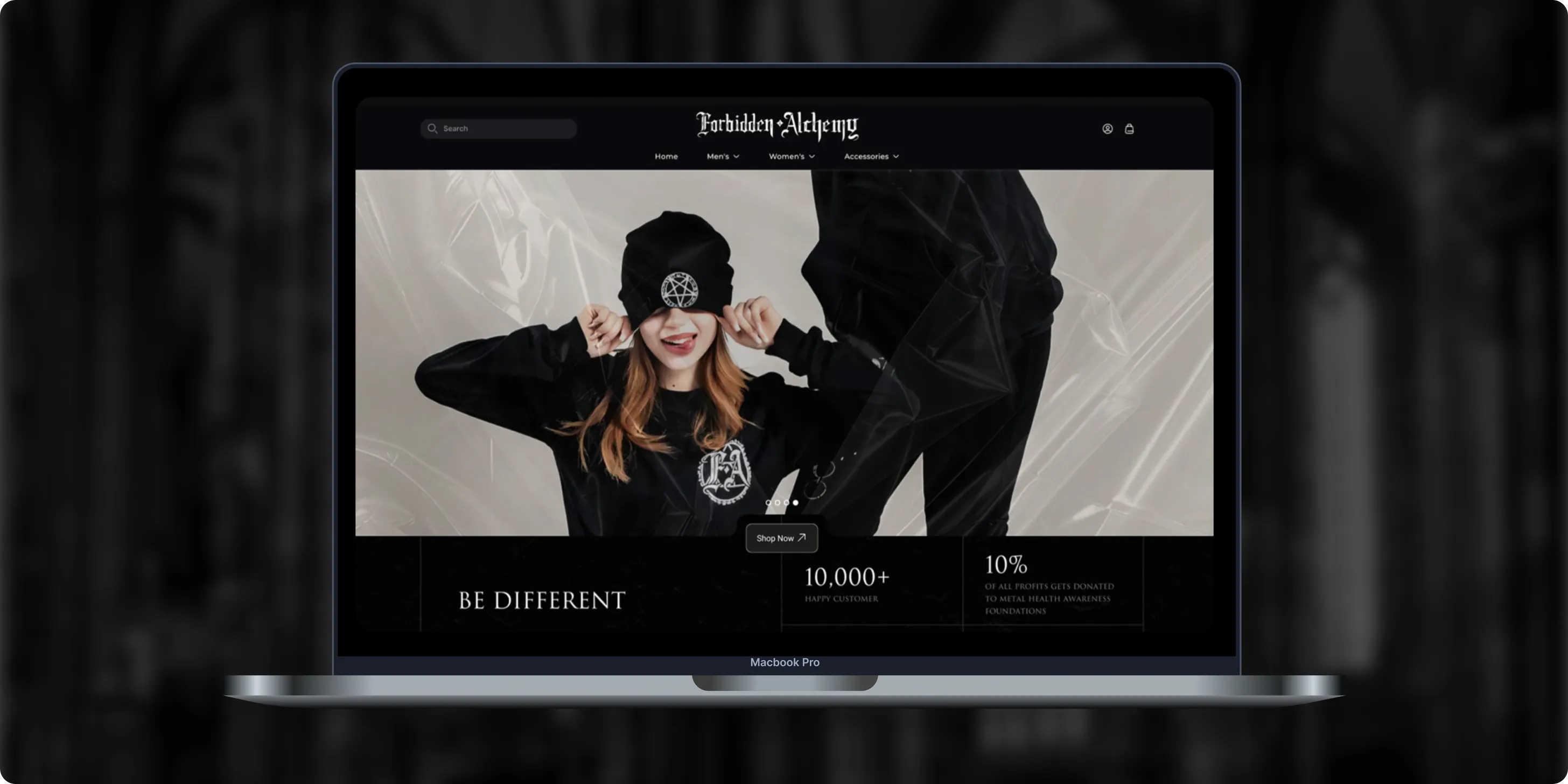
Forbidden Alchemy
Forbidden Alchemy is an alternative fashion brand creating dark, provocative clothing for the metalhead community, with 10% of profits donated to mental health awareness. Its mostly mobile audience struggled with a store that was hard to navigate and weak on functionality.- +44%Revenue Month Over Month
- 86%Design Satisfaction
- 2.8XUser Retention Growth
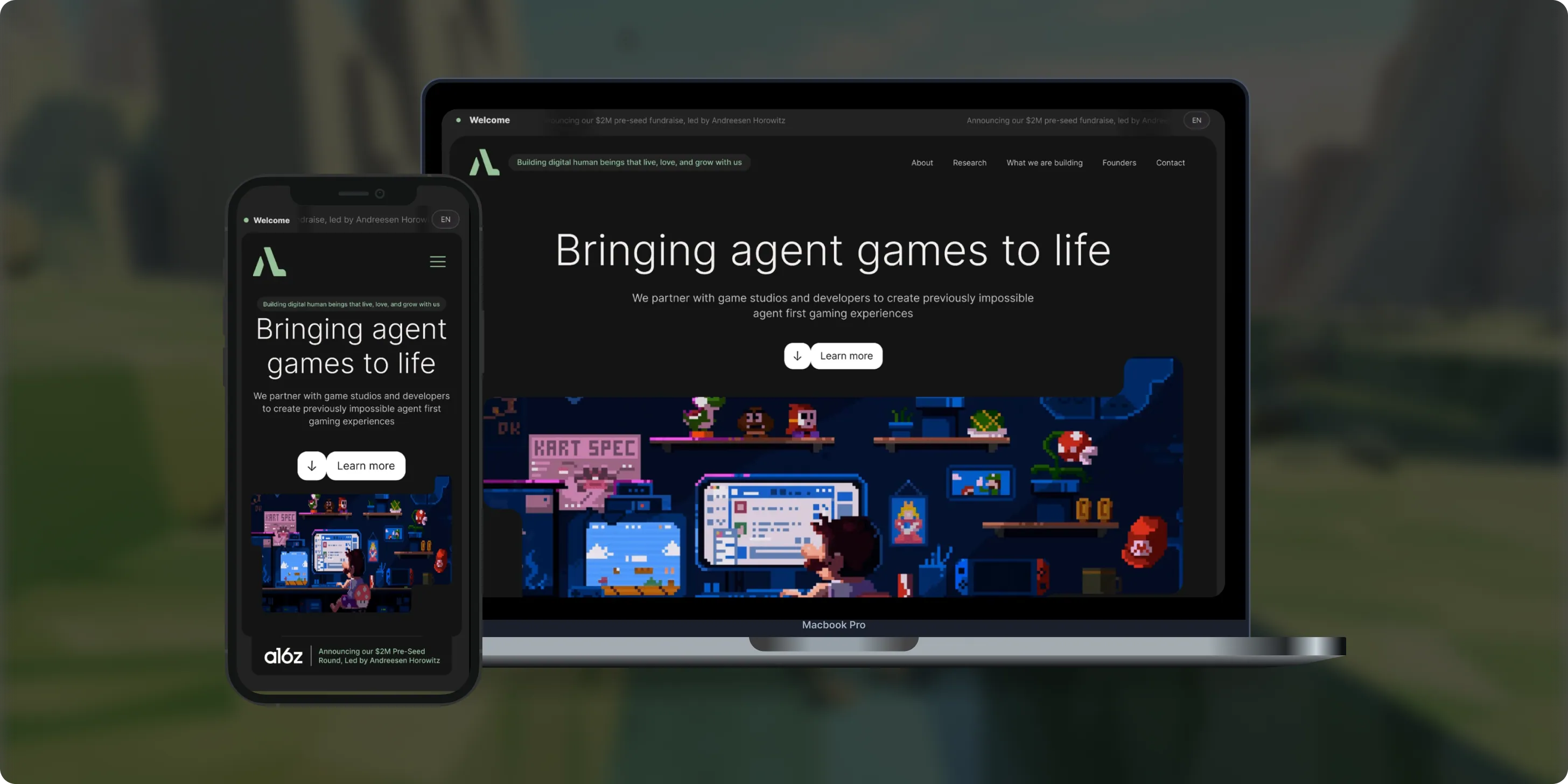
Altera
Altera builds on decades of computational neuroscience research to create digital human beings for gaming. Backed by a $2M pre-seed round led by Andreessen Horowitz, the team needed a landing page that could explain complex agent technology to players, partners, and investors.- 98%Dynamic Customization
- 100%Streamlined Navigation
- $2MPre-Seed Round
- Real Estate
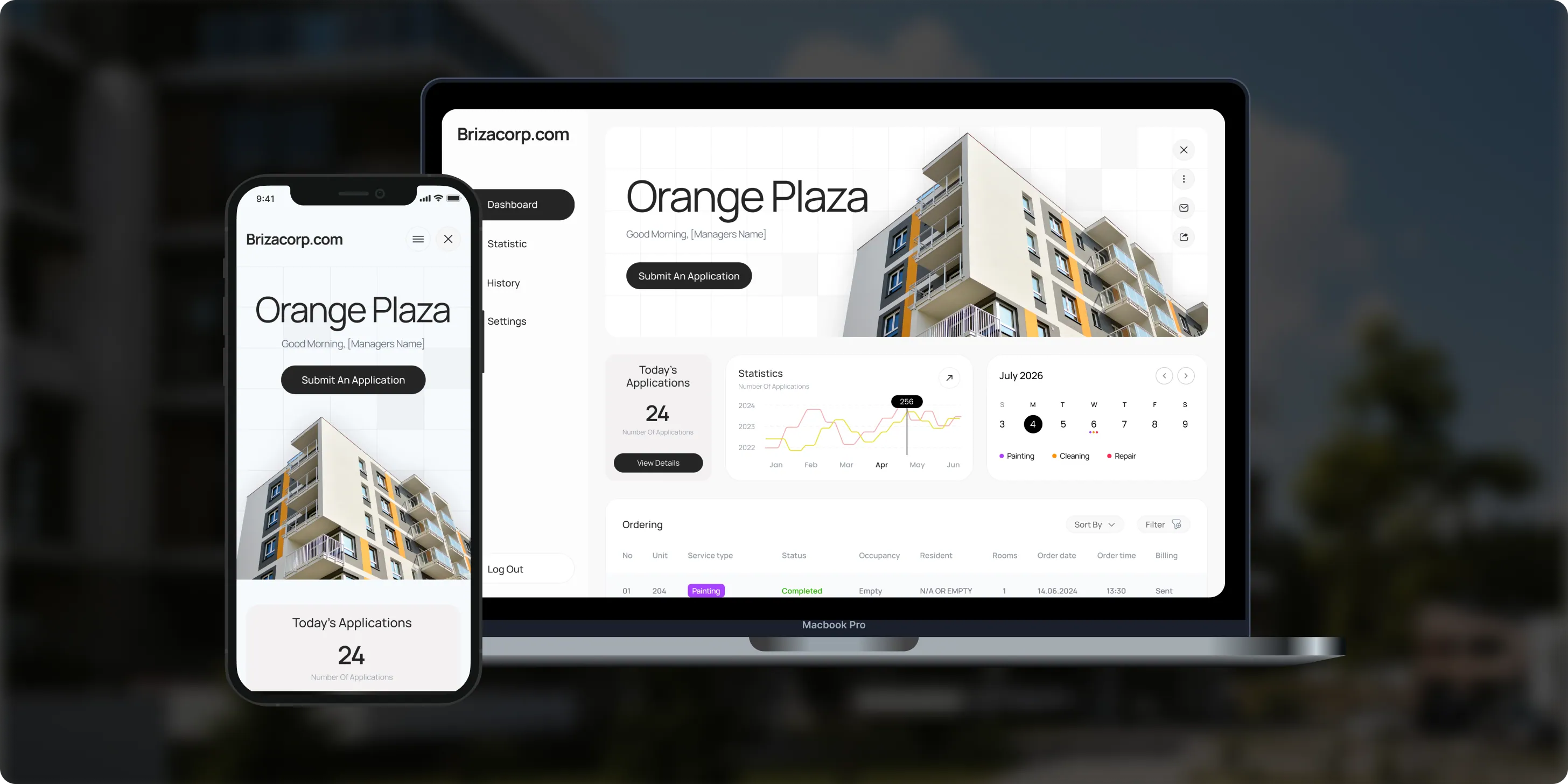
Brizacorp
Brizacorp manages residential properties and coordinates the staff who handle painting, cleaning, and repair requests. Its team tracked work across messengers, phone calls, e-mail, and paper planners, with no single place to manage requests or measure performance.- 98%Application Stability
- 95%Utilization Rate
- 30%Faster Task Completion
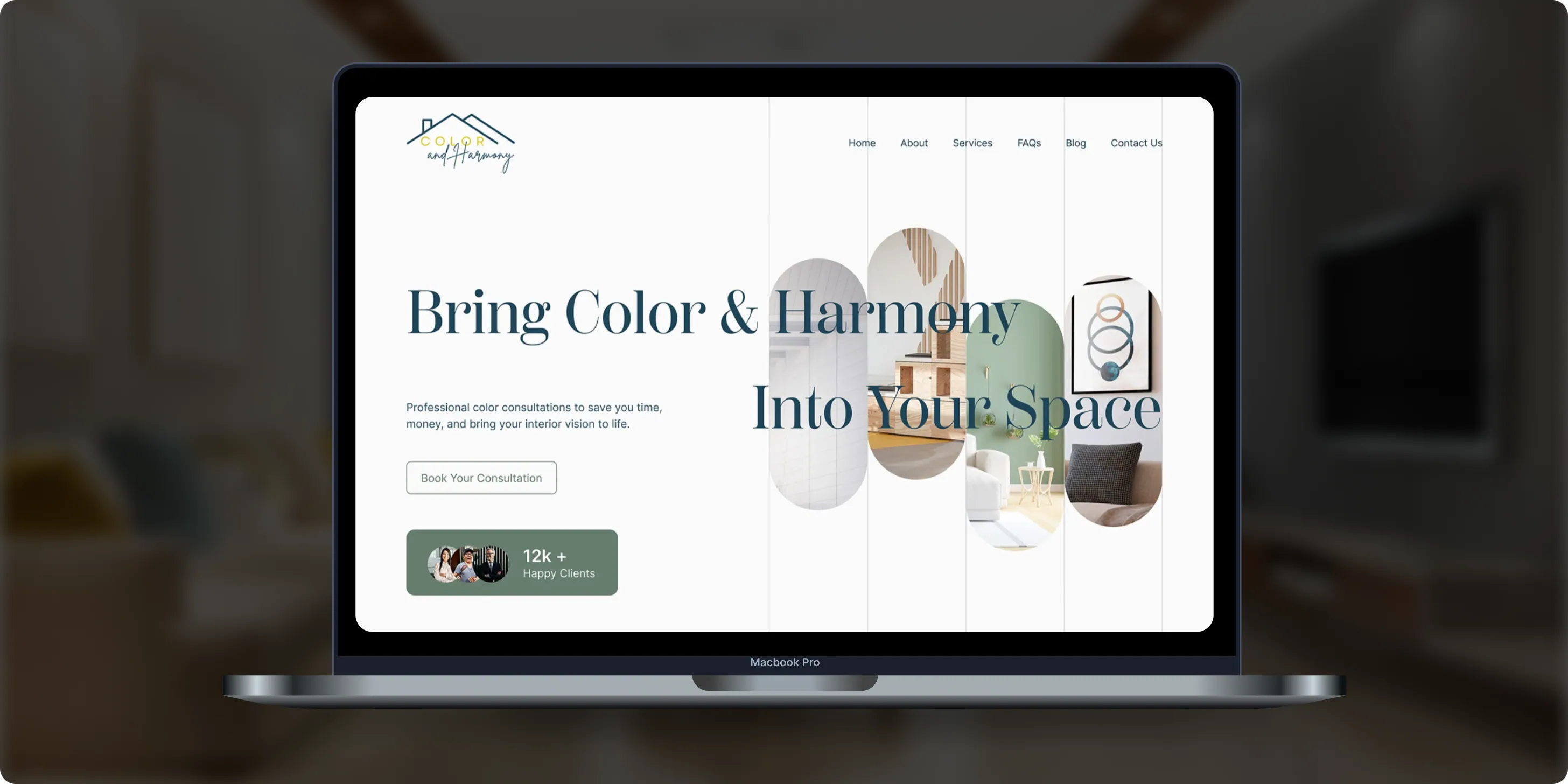
Color & Harmony
Color & Harmony is a Kentucky-based color consulting studio led by certified color strategist Diana Cartaya. The studio needed a website that reflects its refined aesthetic, showcases its portfolio, and explains a science-based color process in simple language.- 45%Conversion Rate Increase
- 50%Higher User Engagement
- 2Months to Launch
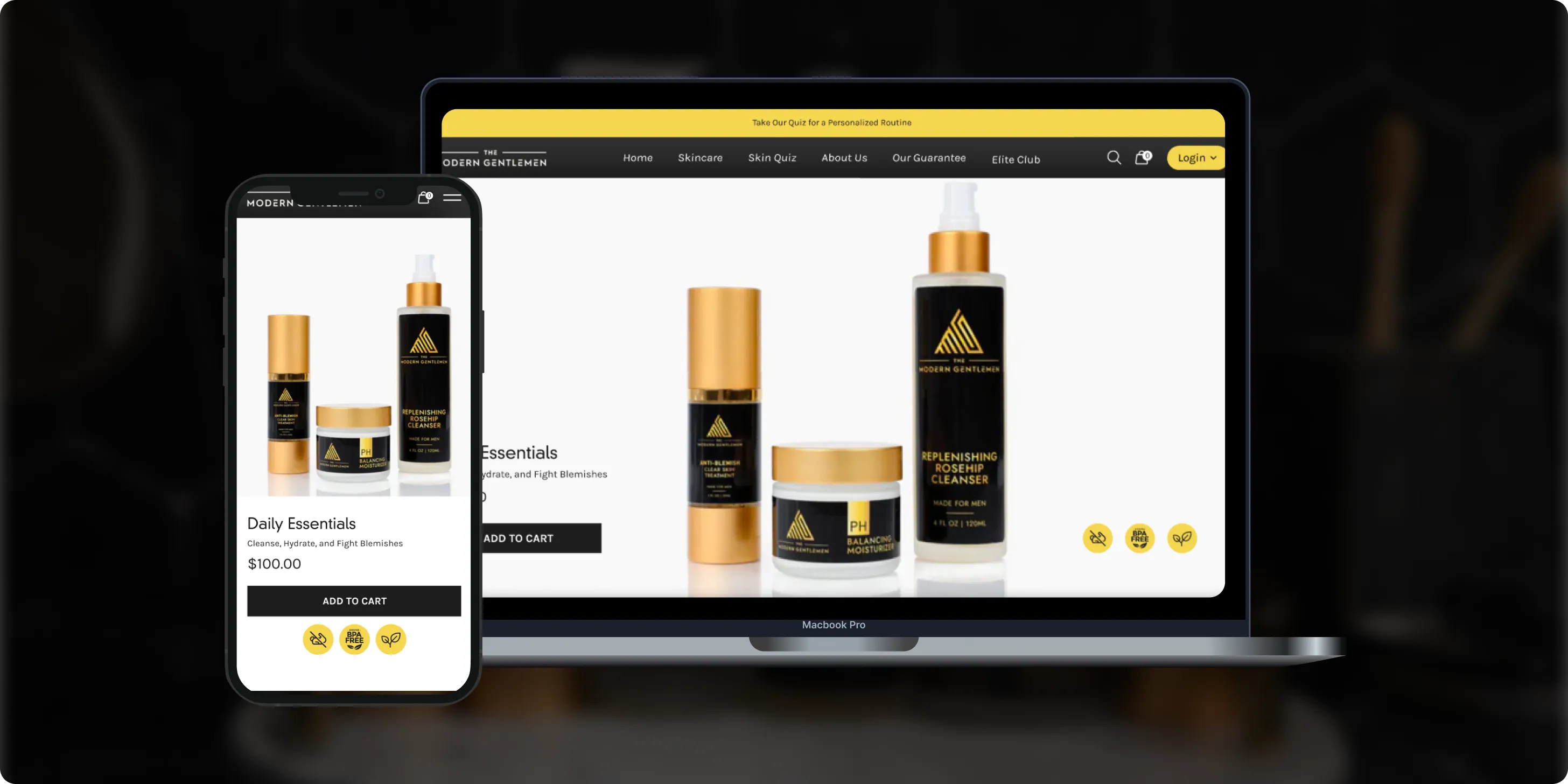
The Modern Gentlemen
The Modern Gentlemen sells premium men's skincare featured in Men's Health, GQ, and Men's Journal. Its customers wanted an efficient routine, but generic product suggestions and limited skincare knowledge made choosing the right products hard.- 30%Increase in Conversions
- 25%Higher Customer Retention
- 92%Mobile Purchases
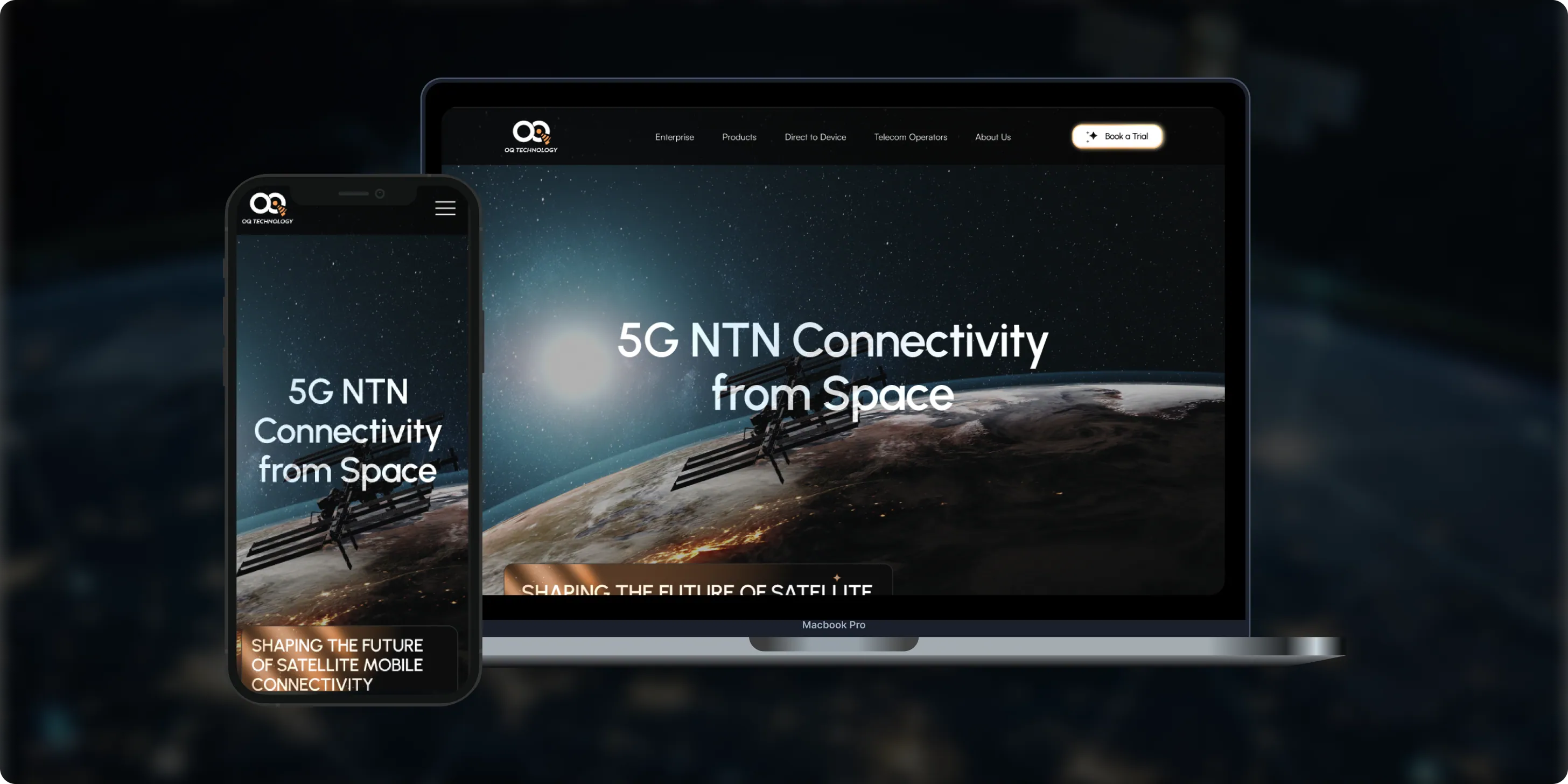
OQ Technology
OQ Technology connects IoT devices, machines, and people anywhere on the planet through its satellite network, serving energy, maritime, logistics, agriculture, and mobile operators. Its website made it hard to explore products and reach pricing plans.- 4Pricing Plans Clarified
- 3Dedicated User Flows
- 1Unified Platform
- Real Estate
- Finance
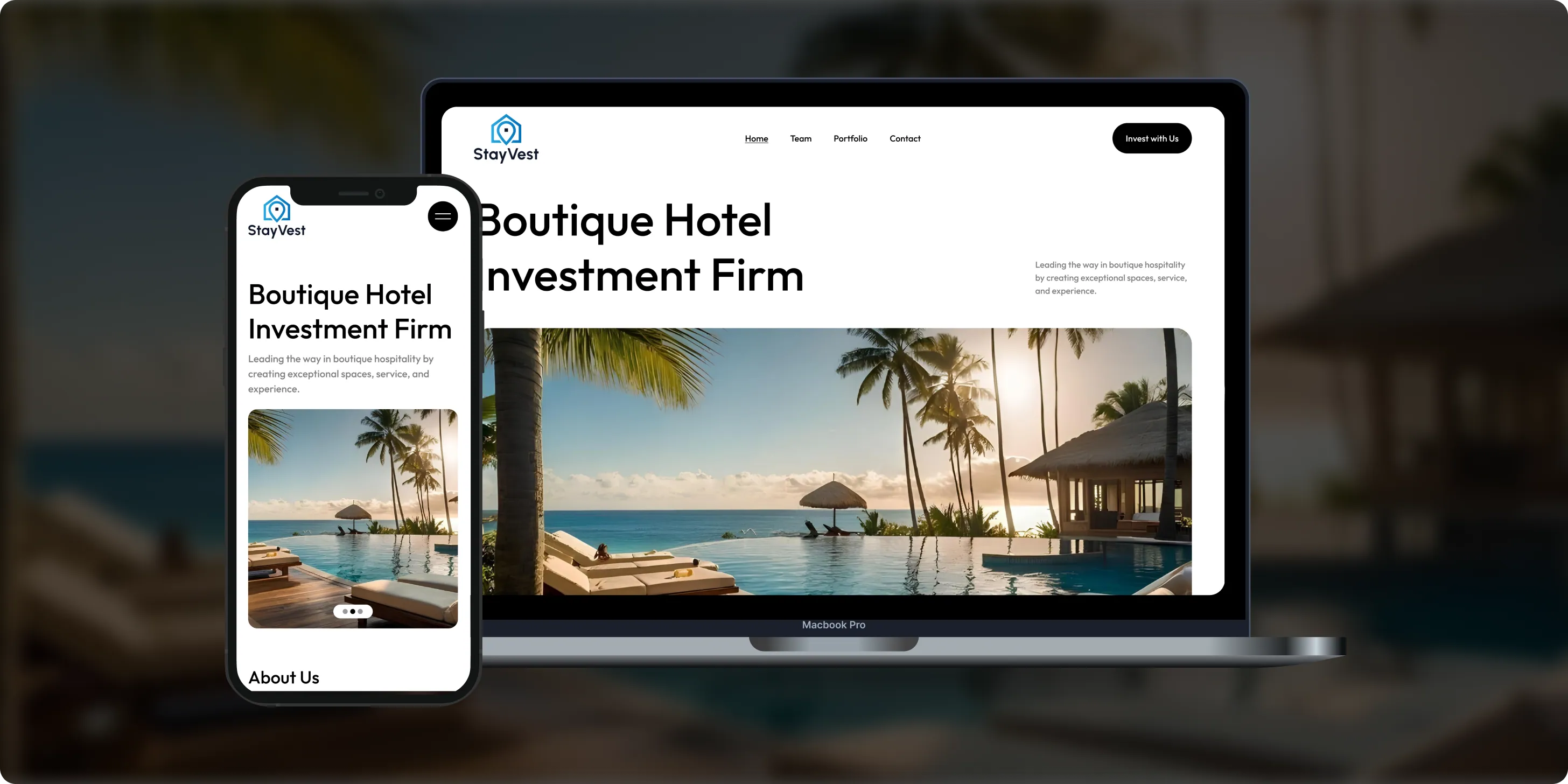
Stay Vest
Stay Vest is a private real estate investment firm that acquires, renovates, and operates boutique hotels for cash flow, tax benefits, and equity gain. It needed a platform that explains its strategy and earns the trust of passive investors.- 1,500+Guest Stays
- 200+Rooms Managed
- 5States Covered
Bokeyno Motorsports
Bokeyno Motorsports is the leading mobile installer of vertical doors for high-performance cars. This Shopify website isn’t just about services—it’s a bold statement of power, style, and expertise. With a sharp layout, strong visuals, and real-world case studies, the site delivers all the information car enthusiasts need to book confidently and instantly.- 54%Booking Requests
- 43%Lead Conversion
- 32%Qualified Inquiries

ai document processing platform
A comprehensive talent solution designed to help companies attract, hire, and retain top talent more effectively. The platform combines AI-powered recruitment technology with employee financial wellbeing programs, enabling smarter hiring decisions while supporting employees’ financial stability and long-term engagement.- 62%Faster Processing Time
- 78%Less Manual Work
- 35%Improved Accuracy

WHAT CLIENTS SAY
Independently verified reviews from real clients on Clutch.co


Client Story
Real feedback from
FMY Orthodontics

“Their perseverance and solution-oriented mindset. SoftDoes consistently found ways to make things work, added features we had not originally envisioned, and never became frustrated. It felt like working with a true partner who cared about the success of our practice.”
Dan Merwin
DDS, MS -- President, FMY Orthodontics

Client Story
Real feedback from
Prior Authorization AI
“Every time I sent a request, if there was anything that didn't work, they were able to turn it around quickly. Even when there were no updates yet, they always reached out to let me know they were working on it.”
Joseph Oluwo
Founder of Prior Authorization AI


Client Story
Real feedback from
WOVEN
“What stood out most was their commitment to understanding our needs before presenting solutions.”
Danna Pastran
Administrative Operations Manager, WOVEN

Client Story
Real feedback from
Grand Central Language Services
“The site performs as intended and provides the foundation for our company's digital presence.”
Joe Goldstein
QA Manager, Grand Central Language Services


Client Story
Real feedback from
DineMate
“They go above and beyond.”
Eric Snead
CEO, DineMate "Dating Connecting Platform"
WHAT CHANGED IN PRACTICE
Clients didn’t stay because of promises. They stayed because delivery became predictable, ownership was clear, and the product kept moving forward after launch.
- 01Direct Access to Senior Engineers
You work directly with senior engineers who have built cloud infrastructure for companies with demanding requirements. No layers of project managers or junior staff learning on your project. Our team members average over eight years of experience with AWS, Azure, and Google Cloud platforms. They understand both the technical details and the business context behind your decisions. Questions get answered by the person doing the work. This direct communication eliminates delays and misunderstandings that plague larger consultancies.
- 02Predictable Delivery
We estimate conservatively and communicate progress honestly throughout every project. Weekly updates show exactly what completed, what comes next, and any blockers affecting timeline. Our deployment process includes proper testing gates and rollback procedures. You know when to expect each milestone because we track against realistic schedules. If scope changes affect delivery dates, we discuss tradeoffs immediately rather than surprising you later. This transparency lets you plan around our work with confidence.
- 03Built to Last Past Launch
Cloud infrastructure needs to run reliably for years after initial deployment. We design systems with operational sustainability in mind from the first architecture discussion. Documentation covers not just what exists but why decisions were made. Runbooks explain common procedures so your team can handle routine tasks independently. We avoid vendor lock in by using portable tools and standard interfaces where practical. Your infrastructure remains maintainable even if your team composition changes.
- 04No Babysitting Required
Our engineers operate independently once requirements are clear. You set priorities and we execute without needing daily check-ins or task-level oversight. We proactively identify issues and propose solutions rather than waiting for direction. Status updates arrive on schedule without prompting. Your technical leadership can focus on strategy instead of managing our work. This autonomy reflects our experience handling complex cloud infrastructure projects across many organizations.
Technologies We Use


CONTAINERIZATION


INFRASTRUCTURE AS CODE


CLOUD MONITORING & OBSERVABILITY








Frequently Asked Questions
Everything you need to know about working with SoftDoes. Can’t find an answer?
How is communication handled for cloud infrastructure projects?
We establish communication channels during project kickoff based on your team preferences. Most clients use Slack or Teams for daily questions and async updates. Weekly video calls review progress against milestones and discuss upcoming work. You have direct access to the engineers building your systems. No messages filtered through account managers or support tiers. For urgent production issues, we respond within agreed timeframes through your preferred contact method.
What types of cloud infrastructure projects fit SoftDoes?
We work on projects ranging from initial cloud migrations to ongoing platform engineering. Kubernetes deployments, CI/CD pipeline implementation, infrastructure automation, and security hardening all fit our capabilities. Both short engagements and long-term partnerships work well. Companies moving from legacy systems to cloud native architectures benefit from our migration experience. Organizations needing to improve deployment velocity or reduce operational overhead find value in our DevOps expertise. We scope each project based on your specific situation and goals.
How do you help optimize cloud costs after migration?
Post-migration cost optimization starts with visibility into actual usage patterns. We configure monitoring dashboards showing spend by service, team, and environment. Our engineers identify idle resources, oversized instances, and opportunities for reserved capacity purchases. We implement auto-scaling policies that match compute to demand rather than provisioning for peak constantly. Regular reviews compare actual costs against forecasts and surface anomalies quickly. These practices prevent the cost overruns that surprise many Boston companies after moving to cloud services.
How do you handle scope changes in DevOps projects?
Requirements evolve as projects progress. When scope changes emerge, we assess impact on timeline and budget before proceeding. You get clear options: adjust timeline, modify other priorities, or increase budget to accommodate additions. We document changes formally so everyone understands the updated agreement. Small adjustments within existing capacity happen naturally. Larger changes trigger explicit discussions about tradeoffs. This transparency prevents scope creep from derailing projects while keeping flexibility to adapt as your business needs shift.
What happens after cloud infrastructure launch?
Launch is a milestone, not an ending. We provide knowledge transfer sessions covering architecture decisions, operational procedures, and monitoring tools. Documentation includes runbooks for common scenarios your team will encounter. For managed services clients, we continue handling operations, patching, and incident response. Project-based engagements include a hypercare period where we remain available for questions and quick fixes. Your team gains the context needed to operate confidently. We stay accessible for future projects or consulting as your infrastructure evolves.
Who owns the cloud infrastructure accounts and configurations?
You own everything. Cloud accounts remain in your name with your billing relationship to providers. Infrastructure as Code repositories live in your version control systems. We work within your accounts using access you grant. When engagements end, you retain full control without needing anything from us. Secrets, credentials, and configurations stay under your management. This ownership model protects you from dependency on any single vendor or consultant. Your cloud infrastructure belongs to your company entirely.
What makes SoftDoes different from a typical agency?
We staff projects with senior engineers from day one rather than training junior developers on your budget. Our team has deep experience across cloud providers and DevOps tools rather than narrow specialization. We focus on building infrastructure that your team can maintain independently rather than creating ongoing dependency. Communication happens directly with engineers doing the work. Estimates reflect realistic timelines rather than optimistic sales pitches. Boston companies choose us because we treat cloud infrastructure as engineering discipline, not commodity service delivery.
How do you price projects?
Pricing depends on project type and scope. Fixed-price works well for clearly defined cloud migration or infrastructure projects with known requirements. Time and materials suits ongoing DevOps support or exploratory work where scope evolves. Retainers provide predictable monthly costs for managed services and continuous access to engineering capacity. We discuss options during initial conversations and recommend the model that fits your situation. Proposals include clear deliverables so you understand exactly what each engagement covers.
How to Build an AI Contract Review System (For Law Firms and In-House Teams)
AI
LMS Development Cost in 2026: Complete Guide for U.S. & Canadian Businesses
Web development, Fintech
If you are planning to build a learning management system for your organization, the first question on your mind is probably: how much will it actually cost? The answer depends on dozens of variables, from your user base to your compliance requirements, and the range can be wider than you expect.
EHR Software Development Cost in 2026: Complete Budgeting Guide for U.S. & Canadian Healthcare
Healthcare
Building a custom electronic health record system is a major technology investment for healthcare organizations. However, the cost discussion is often unclear due to varying vendor quotes, underestimated compliance layers, and confusion between EHR, EMR, and practice management software.