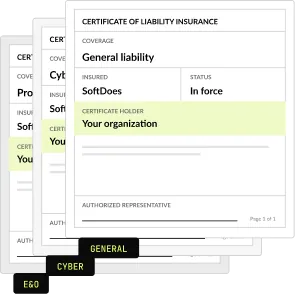

U.S.-Based
Construction ERP Software Development
General contractors, specialty trades, and developers use a unified ERP platform built around real construction workflows. Custom construction ERP software connects project management, job cost accounting, change orders, compliance, and field operations with real-time data.

Let's build together.
Talk with a senior engineer about your product idea, architecture, and what it would take to build it.
90+
Active Client Partnerships
80+ Person
Product & Engineering Team
100%
Your Code & IP Ownership
U.S.-Led
Delivery & Accountability
We understand the challenges you're facing
Our job cost reports are always a month behind actual spending
Construction ERP integrates project management and financials so cost data flows from the field the same day work happens. Real time financial management is essential for construction ERP because waiting until month end to reconcile committed costs, invoices, and labor means you discover overruns too late to act. A custom construction ERP platform ties every PO, time card, and change order directly to cost codes the moment they are entered. Your project managers see budget versus actual at the cost code level without waiting for accounting to close the books. That visibility lets you course correct on a Tuesday, not six weeks after the damage is done.
Change orders take weeks to get through our approval chain
Construction projects often require change order management to track revisions in scope and cost, yet most firms still route these through email threads, paper forms, and disconnected spreadsheets. Custom ERP software automates the approval workflow with configurable routing rules, mobile notifications, and e signatures so a change order moves from field to PM to owner in hours. Every revision is logged with timestamps and audit trails for dispute resolution. The result is faster decisions, fewer lost documents, and tighter cost control across the entire project lifecycle.
Field crews re key the same data into three different systems
Mobile applications in construction ERP allow field workers to update project data on site, eliminating the manual processes that create errors and delays. When a foreman enters a daily log, that data populates time cards, equipment usage, inventory management, and job costing in the same system. No one in the office re types quantities or labor hours into a separate accounting tool. Custom construction ERP software matches your company specific field paperwork and approval chains instead of forcing generic templates that field teams ignore.
We can't tell which projects are actually making money until they close
Job costing tracks budgets, actual expenses, and financial forecasts for construction projects, but only when all the data lives in one place. Better visibility into project performance supports data driven decisions and clearer financial management before margin problems get buried in month end reporting. Construction ERP systems must support complex billing methods like progress billing and retainage, and a custom platform handles these natively rather than through workarounds. Real time data visibility enhances efficiency in managing construction projects by surfacing margin erosion as it happens. Your CFO gets WIP schedules, cost to complete projections, and cash flow forecasts without assembling five spreadsheets.
Subcontractor compliance documents are scattered across inboxes and folders
Inside a construction ERP, subcontractor management should include compliance tracking for safety regulations, insurance requirements, and lien waivers on every active project. A custom construction ERP centralizes all compliance documents in one portal, sends automated alerts when insurance certificates approach expiry, and blocks payment processing if required documents are missing. When compliance, vendors, and purchasing are managed together, procurement management and stronger supply chain control help prevent material shortages and overstock. ERP software automates compliance tracking, reducing legal risks that come from expired coverage or missing lien waivers. This is especially critical for construction firms operating across multiple states with different regulatory requirements.
You run the projects. We engineer the construction ERP software.

Custom Construction ERP Platform
A unified ERP system designed around your contract types, cost code structures, and approval hierarchies. Built for the construction industry, it supports project planning, project operations, and project execution instead of linear manufacturing processes.
Job cost accounting with WIP, retainage, and revenue recognition
Automated change order routing and AIA pay app generation
Portfolio dashboards for project performance and resource allocation

Field Operations and Mobility Suite
Responsive mobile interfaces that let superintendents and foremen capture field data without returning to the trailer. Built for construction management, they keep field and office teams aligned as work moves across active jobs.
Daily logs, time cards, and safety observations from any device
GPS tagged entries feeding job costing in near real time
On-site material tickets and equipment management records

ERP Integration and Data Unification Layer
Connect your existing tools into a single source of truth instead of replacing everything overnight. Designed with strong integration capabilities, this layer connects enterprise resource planning workflows with the accounting and payroll systems already running your back office.
Procore, Sage 300 CRE, QuickBooks Enterprise, and Microsoft Dynamics 365 connectors
Payroll services integration with ADP, Paychex, and union exports
REST APIs for BIM tools, scheduling engines, and vendor portals
Numbers Don’t Lie
Recent projects showcasing how we design, engineer, and deliver production-ready software solutions.

- Startup
- Real Estate
Our Haus AI
A finance professional turned founder built Our Haus AI, an AI-powered collaborative workspace where homeowners and contractors scope, bid, contract, and document renovation projects together. SoftDoes took her prototype and made it production-ready.- 10XMVP scope delivered
- 2+years Ongoing partnership
- 1Fully owned Platform

- Finance
- Energy
Deepwater Insights
Deepwater Insights delivers proprietary alternative data and niche research on the offshore drilling and energy sector to institutional investors, family offices, and high-net-worth individuals who require coverage that larger firms don't provide.- 100%Brand Continuity
- 2Platform Distribution
- 100%Paywall-Ready Content

- Real Estate
The building buyer
The Building Buyer is a Florida-based real estate investment firm co-founded by Dylan Troiano and Charles Hanlin. They acquire single-family, multifamily, and commercial properties across South Florida and beyond, with a focus on motivated seller opportunities.- 18Weekly hours saved
- 2+Years Ongoing partnership
- 1Fully owned Platform

- Education
- Non-Profit
WOVEN & NICE
Woven is a Spring Valley, NY nonprofit running the NICE program (New Training Inclusive Community Environment) in four Rockland County schools. Their team supports students through restorative practices, mediation, and professional development for teachers and administrators.- 4Schools Served
- 4Weeks to Launch
- 1STTime on Upwork

- Healthcare
CareInTouch
CareInTouch is a Bay Area home health agency providing skilled nursing and therapy services to patients referred from hospitals and clinics. With over 100 staff, they operate in one of the most complex and compliance-driven healthcare markets in the country.- 40% Reduction In Billing Errors
- 100+Staff Operations Managed
- 0Missed Compliance Deadlines

- Startup
Sparkle The Cleaning Service
Sparkle The Cleaning Service is a Detroit-area residential cleaning company with 10 years in business, connecting homeowners with vetted, insured independent cleaners through a subscription-based marketplace platform.- 75% Platform Transparency
- 2XPlatform Growth
- 40%Higher User Retention

- Startup
DineMate
DineMate is a Maryland-based dating and connecting platform built around verified profiles, restaurant reservations, and prepaid dining experiences. Founded to bring back authenticity to how people meet and connect.- 60% Time Saved
- 99%System Reliability
- 40%Higher User Retention

- Healthcare
Prior Authorization AI
Prior Authorization AI is a healthcare automation startup building AI-powered tools to streamline prior authorization for Medicare and Medicaid medical transportation providers in New Jersey.- 16Weekly hours saved
- 63%Admin time reduced
- 43%Fewer submission errors

- Education
Grand Central Language Services
Grand Central Language Services provides translation and interpretation for organizations operating in complex, multilingual environments. As demand grew, internal workflows became harder to manage. SoftDoes built a custom platform to streamline coordination, improve visibility, and support scalable operations.- 72%Workflow Reduction
- 48%Coordination Reduction
- 83%Visibility Increase

- Healthcare
FMY Orthodontics
FMY Orthodontics, a multi-location practice in West Tennessee, partnered with SoftDoes to replace a spreadsheet-based financial workflow with a custom web platform. The goal was to simplify how staff present treatment financing while allowing patients and families to review and complete decisions remotely.- 60%Workflow Reduction
- 75%Remote Adoption
- 5Locations Aligned

Forbidden Alchemy
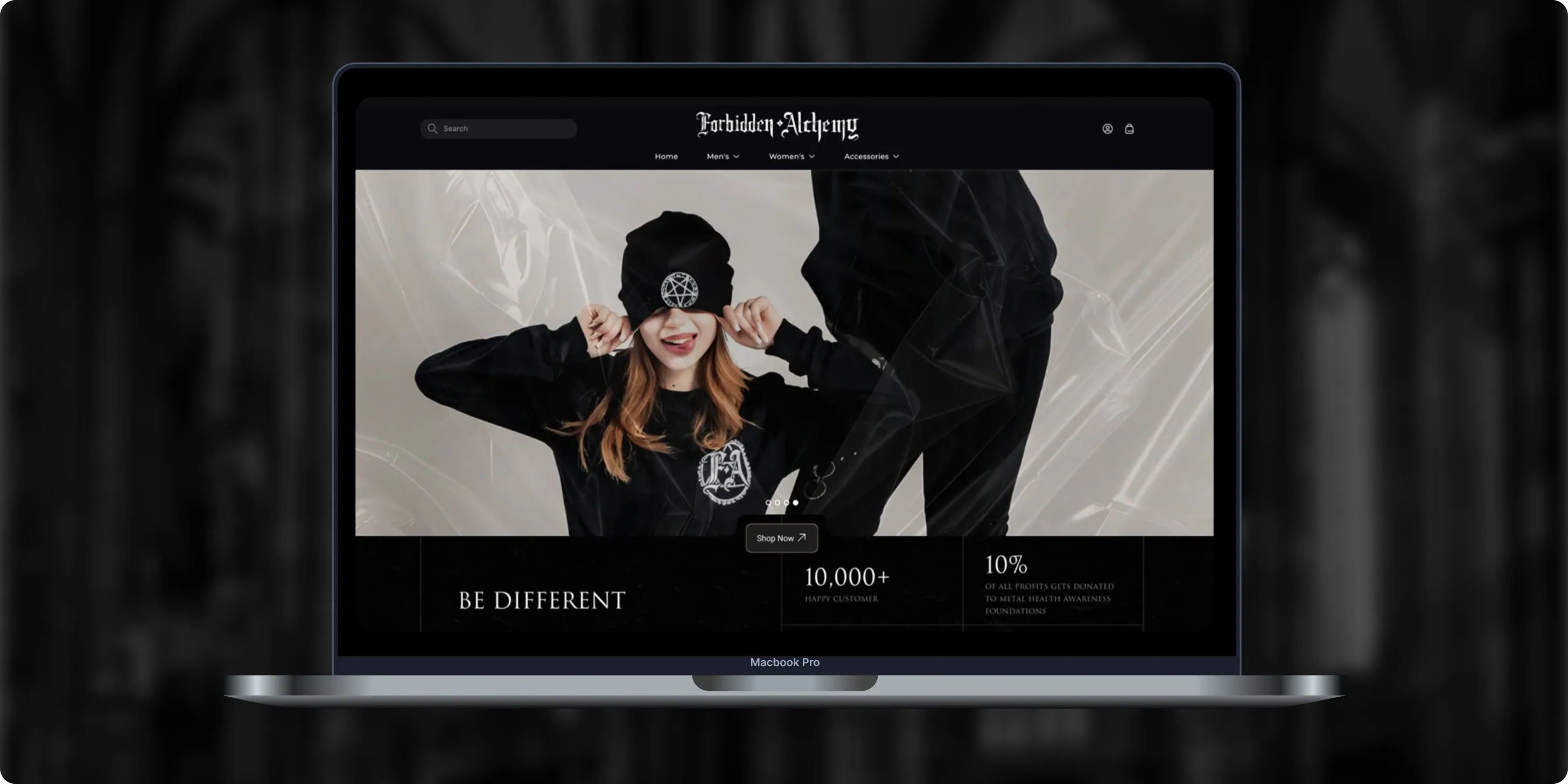
Forbidden Alchemy is an alternative fashion brand creating dark, provocative clothing for the metalhead community, with 10% of profits donated to mental health awareness. Its mostly mobile audience struggled with a store that was hard to navigate and weak on functionality.- +44%Revenue Month Over Month
- 86%Design Satisfaction
- 2.8XUser Retention Growth
Altera
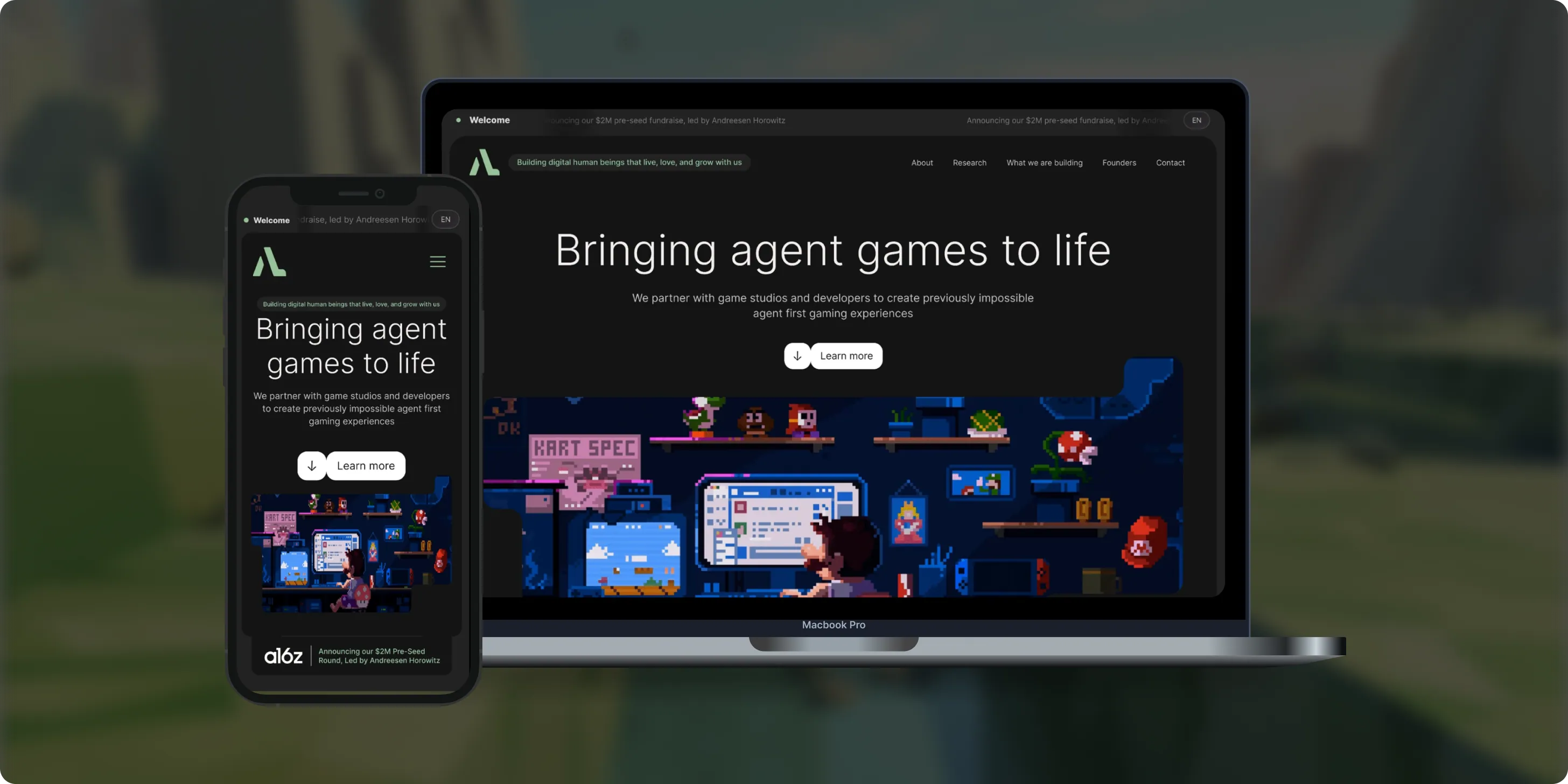
Altera builds on decades of computational neuroscience research to create digital human beings for gaming. Backed by a $2M pre-seed round led by Andreessen Horowitz, the team needed a landing page that could explain complex agent technology to players, partners, and investors.- 98%Dynamic Customization
- 100%Streamlined Navigation
- $2MPre-Seed Round
- Real Estate
Brizacorp
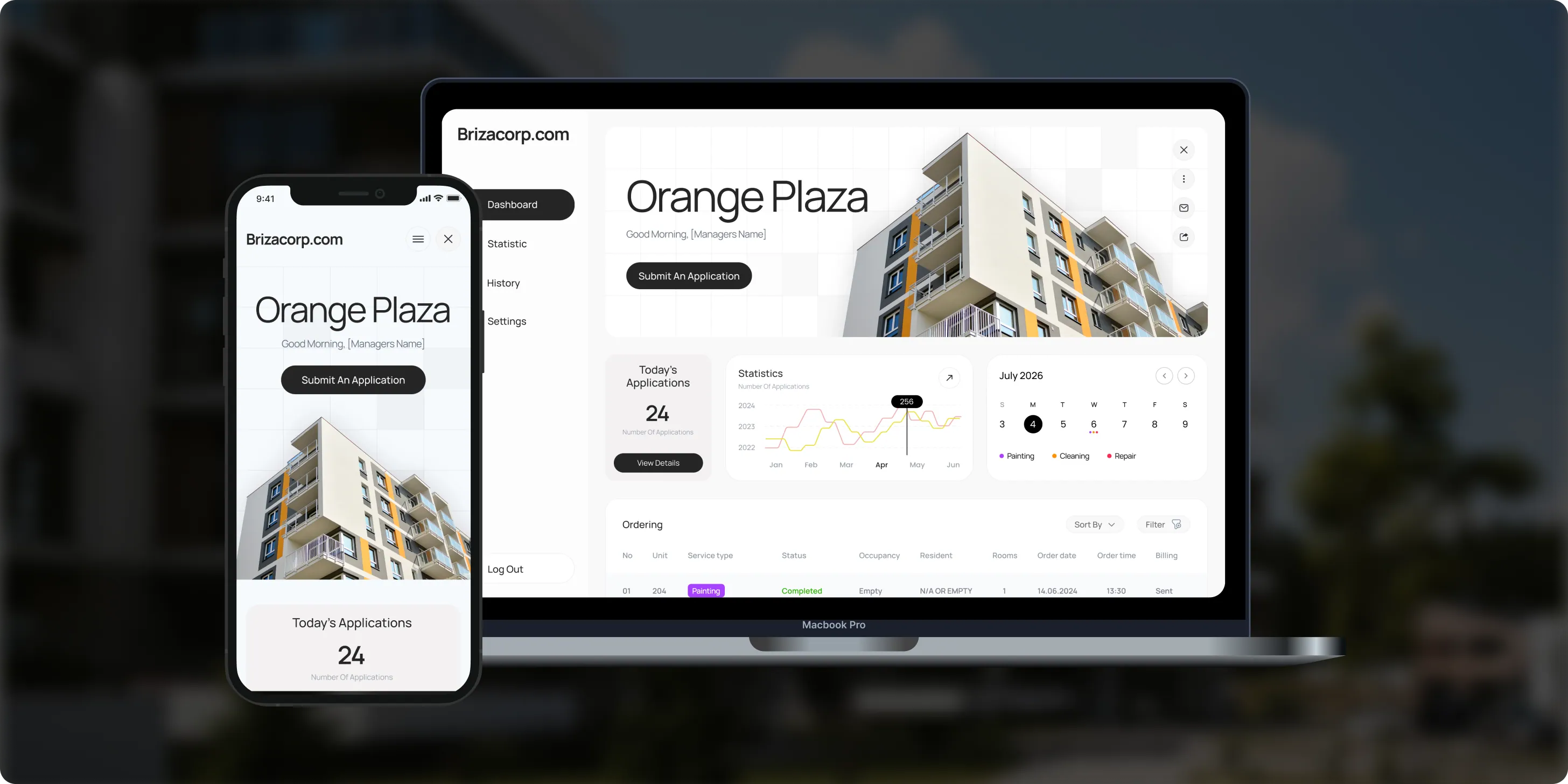
Brizacorp manages residential properties and coordinates the staff who handle painting, cleaning, and repair requests. Its team tracked work across messengers, phone calls, e-mail, and paper planners, with no single place to manage requests or measure performance.- 98%Application Stability
- 95%Utilization Rate
- 30%Faster Task Completion
Color & Harmony
Color & Harmony is a Kentucky-based color consulting studio led by certified color strategist Diana Cartaya. The studio needed a website that reflects its refined aesthetic, showcases its portfolio, and explains a science-based color process in simple language.- 45%Conversion Rate Increase
- 50%Higher User Engagement
- 2Months to Launch

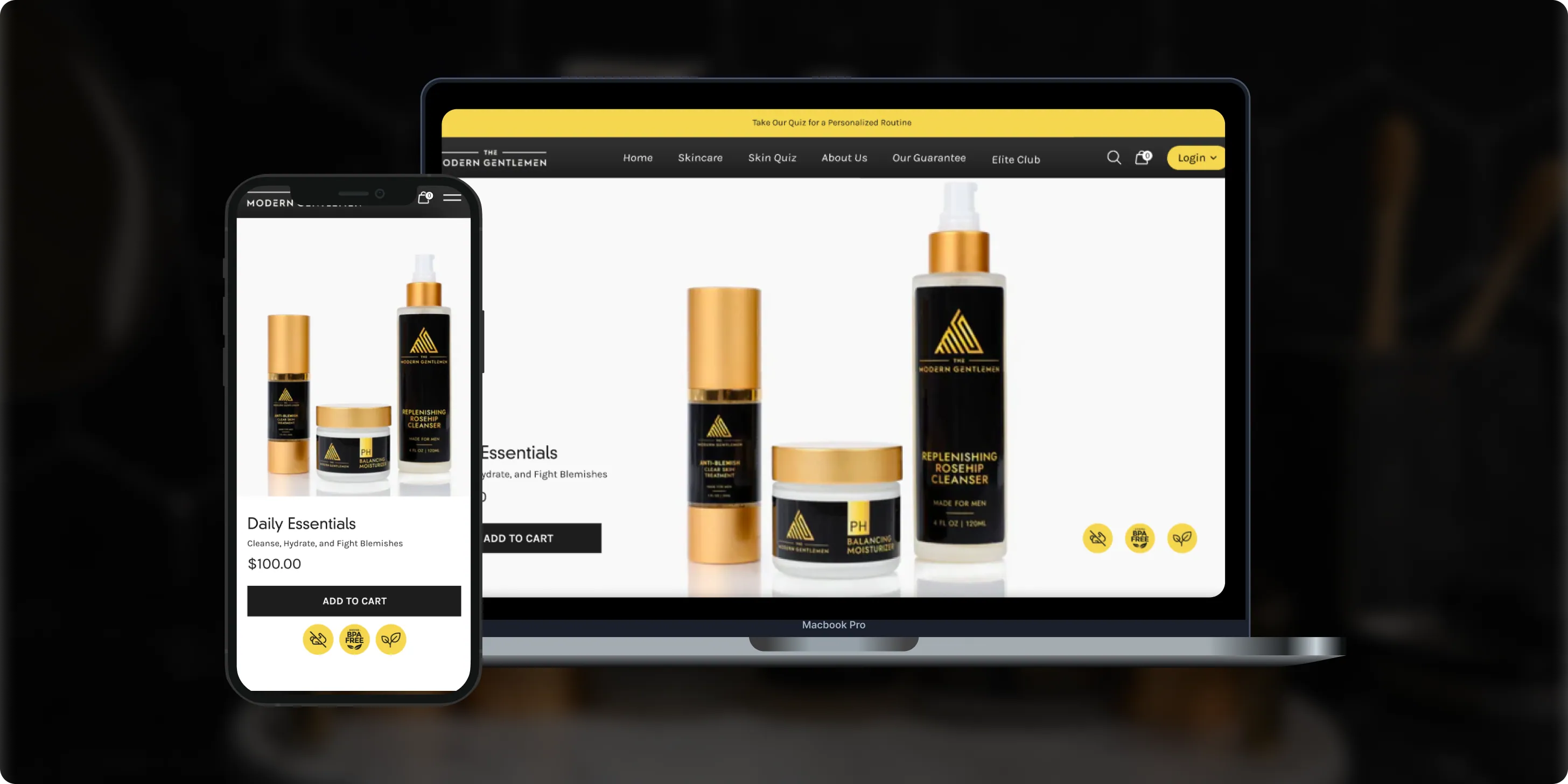
The Modern Gentlemen
The Modern Gentlemen sells premium men's skincare featured in Men's Health, GQ, and Men's Journal. Its customers wanted an efficient routine, but generic product suggestions and limited skincare knowledge made choosing the right products hard.- 30%Increase in Conversions
- 25%Higher Customer Retention
- 92%Mobile Purchases
OQ Technology
OQ Technology connects IoT devices, machines, and people anywhere on the planet through its satellite network, serving energy, maritime, logistics, agriculture, and mobile operators. Its website made it hard to explore products and reach pricing plans.- 4Pricing Plans Clarified
- 3Dedicated User Flows
- 1Unified Platform

- Real Estate
- Finance
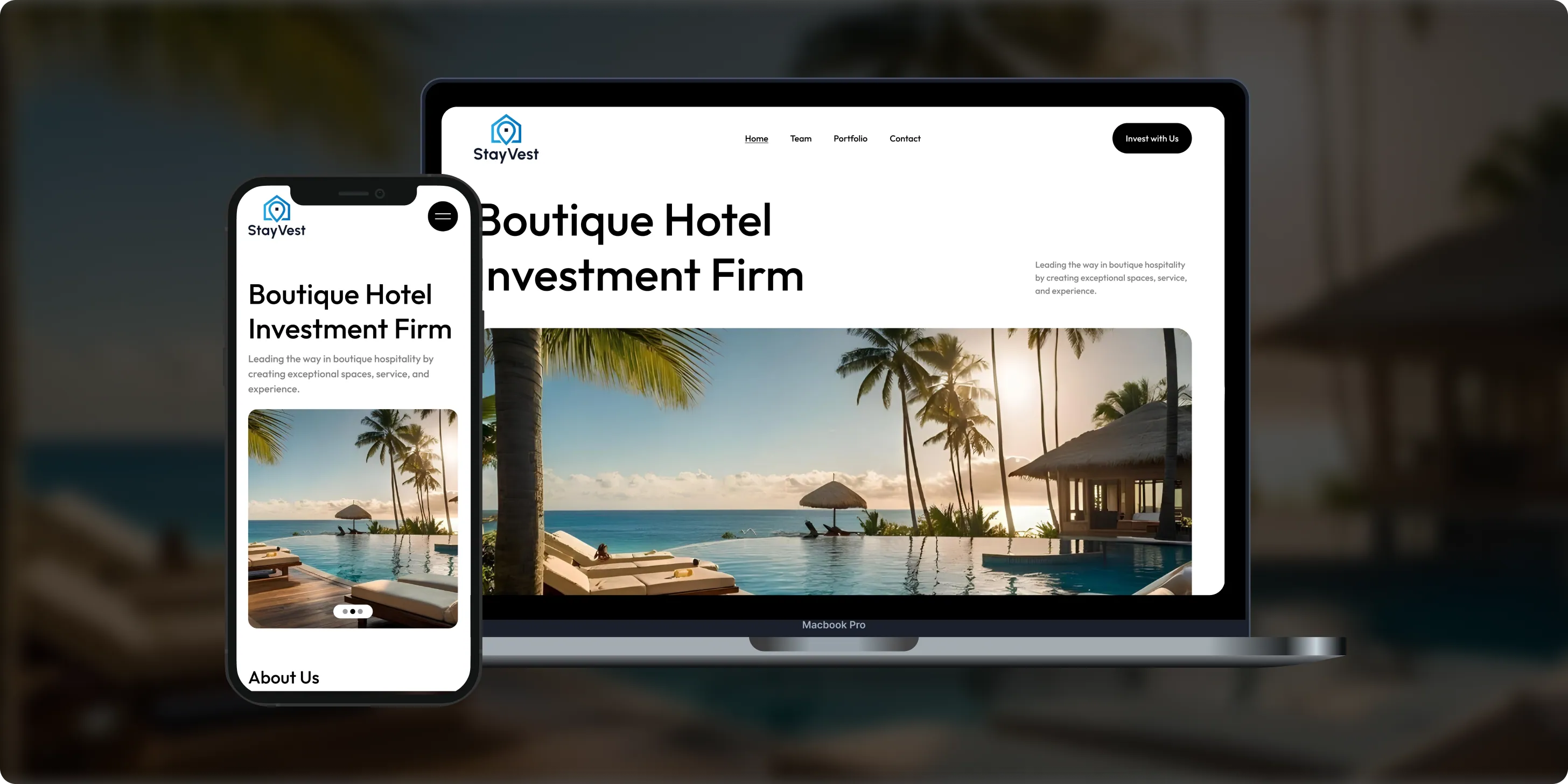
Stay Vest
Stay Vest is a private real estate investment firm that acquires, renovates, and operates boutique hotels for cash flow, tax benefits, and equity gain. It needed a platform that explains its strategy and earns the trust of passive investors.- 1,500+Guest Stays
- 200+Rooms Managed
- 5States Covered
Bokeyno Motorsports
Bokeyno Motorsports is the leading mobile installer of vertical doors for high-performance cars. This Shopify website isn’t just about services—it’s a bold statement of power, style, and expertise. With a sharp layout, strong visuals, and real-world case studies, the site delivers all the information car enthusiasts need to book confidently and instantly.- 54%Booking Requests
- 43%Lead Conversion
- 32%Qualified Inquiries

ai document processing platform
A comprehensive talent solution designed to help companies attract, hire, and retain top talent more effectively. The platform combines AI-powered recruitment technology with employee financial wellbeing programs, enabling smarter hiring decisions while supporting employees’ financial stability and long-term engagement.- 62%Faster Processing Time
- 78%Less Manual Work
- 35%Improved Accuracy

WHAT CLIENTS SAY
Independently verified reviews from real clients on Clutch.co


Client Story
Real feedback from
FMY Orthodontics

“Their perseverance and solution-oriented mindset. SoftDoes consistently found ways to make things work, added features we had not originally envisioned, and never became frustrated. It felt like working with a true partner who cared about the success of our practice.”
Dan Merwin
DDS, MS -- President, FMY Orthodontics

Client Story
Real feedback from
Prior Authorization AI
“Every time I sent a request, if there was anything that didn't work, they were able to turn it around quickly. Even when there were no updates yet, they always reached out to let me know they were working on it.”
Joseph Oluwo
Founder of Prior Authorization AI


Client Story
Real feedback from
WOVEN
“What stood out most was their commitment to understanding our needs before presenting solutions.”
Danna Pastran
Administrative Operations Manager, WOVEN

Client Story
Real feedback from
Grand Central Language Services
“The site performs as intended and provides the foundation for our company's digital presence.”
Joe Goldstein
QA Manager, Grand Central Language Services


Client Story
Real feedback from
DineMate
“They go above and beyond.”
Eric Snead
CEO, DineMate "Dating Connecting Platform"
Why they Choose SoftDoes
- 01SENIOR ENGINEERS, NOT LAYERS
Construction ERP software development for construction companies often means supporting complex operations, so it requires engineers who understand cost codes, AIA billing, prevailing wage rules, and how a GC actually runs a project. SoftDoes puts senior architects and engineers directly on your engagement, not layers of project coordinators passing notes to junior developers offshore. Your team works with people who can sit in a room with your estimators, PMs, and supers and speak their language. That means fewer misunderstandings, less rework, and an ERP platform that reflects how your construction business actually operates. When your VP of Operations explains a GMP contract workflow, the person listening already knows what committed costs and retainage mean.
- 02PREDICTABLE DELIVERY
Construction leaders run on schedules and milestones, and your ERP project should work the same way. SoftDoes sets clear phase gates: discovery sign off, pilot module release, portfolio rollout, with written scope and timeline commitments at each stage. We run sprint demos every two to three weeks so you see working software, not slide decks. That matters when project complexity is high and leadership needs to streamline operations across estimating, project management, accounting, and field teams without losing control of delivery. Risk registers track integration dependencies, data migration blockers, and adoption concerns before they become surprises. If something shifts, you hear about it that week with a revised plan, not three months later with an invoice.
- 03BUILT TO LAST PAST LAUNCH
Construction ERP platforms, including cloud based construction ERP environments, need to run reliably for years as your firm takes on new project types, enters new states, or adopts new contract models like design build or IPD. SoftDoes writes clean, tested, documented code with modular architecture so your cloud ERP platform can evolve without a rewrite. We design for extension: configuration over hard coded rules, plugin style modules, and API layers that let future teams add capabilities safely. Teams also often need integrations with tools like Acumatica for real-time project reports and financial management, Foundation Software for mid-sized contractors' job costing, or CMiC for project management used by many ENR Top 400 firms. If you want to bring development in house in 2028 or 2030, the codebase, architecture diagrams, and API specs are yours.
- 04NO BABYSITTING REQUIRED
Your operations leaders and CFOs have enough on their plates managing construction projects without also managing a software team hour by hour. Some construction contractors also need to manage multiple entities, so the platform and delivery process have to support that without creating more oversight work for leadership. SoftDoes runs autonomously within agreed scope: we set priorities with you at the start of each sprint, execute, and report results. Questions get raised proactively. If we spot a gap in requirements during engineering, we flag it with a recommendation, not an open ended question that stalls progress. You stay informed without needing to attend daily standups or chase status updates.
What you can count on in project management
From first conversation through long term operation, here is how working with SoftDoes actually works for ERP software for construction.




Experience Across General Contractors, Specialty Trades, and Infrastructure Projects
We build construction ERP for companies where job costing, cash flow, and project control have to stay in sync from bid to closeout.
MES Software
Project Management
ERP Software
BIM Software
Industrial IoT
Complex systems, integrations, and internal platforms built to evolve. We step in when off-the-shelf tools stop being enough.
QMS Software
From first version to real traction without painting yourself into a corner. Built for speed now and hard decisions later.
Estimating
Systems designed around controls, traceability, and change management. Built so audits don’t become fire drills.
Construction
Infrastructure software built for long timelines and high stakes. Reliable systems for assets that can’t afford guesswork.


Frequently Asked Questions
Everything you need to know about working with SoftDoes. Can’t find an answer?
How long does it take to develop custom construction ERP software for a mid sized contractor?
A core module set covering project management and job costing typically reaches go live in roughly four months for mid market construction firms. Additional modules like estimating, procurement, and subcontractor portals are layered in over subsequent phases. Implementing construction ERP often involves a phased approach to mitigate risks associated with data migration and training. Total timeline depends on project complexity, the breadth of construction management software modules being implemented, the number of regional compliance variations, and how many legacy data sources need migration.
How does a custom construction ERP work with Procore, Sage 300 CRE, or other tools we already use?
Procore connects to various ERP systems for centralized project data, and a custom platform can use standard connectors or purpose engineered integrations depending on your workflow complexity. Procore is a construction management platform, so ERP integration is often what creates a single source of truth for financial and project data. Standard connectors typically take four to eight weeks to configure, while custom integrations for non standard workflows may take three to six months. The critical decision is data ownership: which system controls the vendor master, budget baseline, and change order numbering. SoftDoes maps these ownership rules during discovery so you avoid constant reconciliation pain after go live.
What is the difference between configuring an off the shelf ERP and custom construction ERP software development?
When comparing off the shelf construction management software with custom construction ERP software development, the difference comes down to whether your processes adapt to the product or the product is engineered around your business. Custom development engineers the domain logic around your contract types, cost structures, approval chains, and compliance requirements. You get software that fits your construction business rather than a business that contorts to fit software. Off the shelf solutions often require businesses to change established processes to fit within rigid software frameworks, which can lead to inefficiencies and workarounds. In contrast, custom construction ERP software can integrate unique business rules, regional compliance variations, and specialized reporting needs directly into the platform. Choosing custom construction ERP software also means you can prioritize scalability and future-proofing. As your business grows or your operational needs evolve, the software can be adapted without the constraints imposed by off the shelf products. Whether you need to incorporate new contract types, comply with changing regulations, or enhance IT management practices, a custom-built ERP platform can evolve alongside your company.
How do we evaluate the best ERP software for our construction business?
The best ERP software depends on your budget, project complexity, required financial and workforce features, and compliance needs. For the construction sector, the right fit also depends on integrations, reporting depth, mobile workflows, and whether your operating model centers on self perform work, subcontractor management, or service. Some firms need a cloud first option such as Premier Construction Software, while others need a more tailored construction ERP system built around existing processes and controls. The goal is to match the platform to how your business actually operates, not just to a feature checklist.
What does construction ERP software cost?
Construction ERP software cost varies based on vendor, company size, user count, selected modules, and construction volume. A smaller rollout focused on finance and job costing is very different from a multi entity platform with payroll, procurement, and field workflows. Integration scope, data migration effort, and compliance requirements also affect total investment. The clearest way to estimate budget is to define the initial phase, user groups, and systems that need to connect. Additionally, costs can be influenced by the degree of customization required to fit your unique construction project management processes and contract types. More complex projects, such as infrastructure projects or those involving multiple project stakeholders across various job sites, typically require more extensive development and integration work, increasing the overall cost. Furthermore, ongoing support, updates, and training can add to the total cost of ownership. When planning your investment, consider the long term benefits of improved risk management, detailed cost management, and enhanced asset tracking that a tailored construction ERP solution can offer.
Can custom ERP work with existing construction software?
Yes, custom ERP can work with existing construction software when integration points, data ownership, and workflows are defined upfront. It can sync records with accounting tools, estimating systems, document platforms, and a construction management platform without forcing every team into one interface. Procore is one common example, but the same integration approach applies to many systems already used across project delivery and back office operations. What matters is deciding which system is authoritative for each data set before build starts.
Who owns the code and data in a construction ERP that SoftDoes engineers?
You own your data completely, and code ownership is agreed in the contract before work begins. SoftDoes typically structures engagements so the client holds full rights to the codebase, architecture documentation, and API specifications. You can choose to bring development in house, hire another firm, or continue working with SoftDoes without any vendor lock in. Data security measures in ERP software protect sensitive financial and operational information throughout the engagement and after handover. SoftDoes also implements compliance standards tailored to the construction industry, safeguarding confidential bid data, banking details for subcontractors, and certified payroll records.
How do you protect sensitive financial and payroll data in a custom ERP?
Data is encrypted in transit and at rest, with role based access controls that restrict visibility down to individual projects, cost codes, and document types. We design for SOC 2 compliance expectations and conduct periodic security reviews and penetration testing as part of the platform roadmap. Construction specific concerns like confidential bid data, banking details for subcontractors, and certified payroll records receive dedicated access policies. Audit trails log every access and modification for compliance and dispute resolution.