



U.S.-Based
MES Software Development for How Factories Actually Operate
Manufacturing Execution System (MES) software tracks the conversion of raw materials into finished goods. SoftDoes engineers custom MES solutions for discrete manufacturing, process, food and beverage, pharma, and automotive plants that need real time visibility, traceability, and tighter ERP integration.

Let's build together.
Talk with a senior engineer about your product idea, architecture, and what it would take to build it.
90+
Active Client Partnerships
80+ Person
Product & Engineering Team
100%
Your Code & IP Ownership
U.S.-Led
Delivery & Accountability
We understand the challenges you're facing
Our plant data is scattered across machines, spreadsheets, and ERP
PLCs speak one language, SCADA another, and your ERP sits in its own world. Data collection in MES involves gathering metrics from factory machines and sensors, but without a unified layer, operators end up retyping numbers between systems, introducing errors and delays. MES software development starts with a connectivity layer that reads from PLC, SCADA, DCS, and IIoT devices using protocols like OPC UA and MQTT. OPC UA is the industry standard for plant floor connectivity, and IIoT protocols like MQTT enhance MES connectivity even further, enabling seamless data flow between shop floor operations and enterprise systems. A central MES data model aligns work orders, materials, equipment status, and production data so everyone sees one version of truth. SoftDoes handles integrations with ERP platforms and quality systems without disrupting current production, because the last thing your line needs is an integration project that causes unplanned stops.
We cannot see what is happening on each line right now
Too many factories rely on end of shift reports. Problems show up hours after they started, and by then the damage is done. Real time production monitoring is a core function of MES software. A custom MES tracks overall equipment effectiveness, downtime reasons, and work in process status per line and per work center, updated to the minute. Unlike generic MES systems that force you into a standard layout, custom MES software development maps the exact arrangement of your production lines, stations, and cells. SoftDoes uses event driven architectures and streaming production data so dashboards and alerts reflect what is happening now, not what happened last shift. Role based views give operators, supervisors, maintenance, and quality teams exactly the screens they need, nothing more.
Traceability and electronic batch records are a nightmare
For regulated industries like pharma, food and beverage, and automotive suppliers, maintaining traceability and genealogy of products is essential in MES. Custom MES development enforces electronic work instructions, captures lot and serial data at each step, and keeps full genealogy from raw materials to finished pallet. Fine grained trace and recall capabilities meet standards such as FDA 21 CFR Part 11, ISO, and IATF where relevant. Automated audit trails simplify compliance for regulated industries like pharmaceuticals, and electronic signatures with controlled changes to routing and parameters satisfy even the most demanding auditors. Well designed MES screens speed up operators rather than slowing them down with extra clicks. User experience design is crucial for operator adoption of MES software, and SoftDoes treats that as an engineering requirement, not an afterthought.
Standard MES products do not match our complex routes
Some plants run rework loops, parallel operations, and mixed model production that generic MES products simply cannot model cleanly. Every workaround becomes a custom hack that breaks during the next product changeover. True custom MES software development models real routing, dynamic work in process moves, and alternate paths using rule engines and configurable workflows. SoftDoes collaborates with process engineers and planners to convert whiteboard flows into maintainable digital logic that reflects the actual manufacturing process. Future products and production lines are considered up front so the MES solution does not need constant rewrites as the business changes.
Our current systems are fragile and hard to change
Legacy MES or home grown systems carry years of undocumented logic. Small changes risk downtime, and nobody wants to touch them. A modular architecture can improve the scalability and maintainability of MES applications, and modern MES software development uses APIs, modular services, and clear domain boundaries to reduce coupling between modules like production scheduling, quality control, and maintenance management. SoftDoes uses migration strategies such as parallel runs, phased line by line cutovers, and data seeding so the transition does not interrupt manufacturing operations. Automated tests, staging environments, and DevOps practices make MES updates routine instead of risky events. The outcome: operations teams can request changes with confidence, and IT can respond without fear of breaking something downstream.
You run production. We engineer the MES behind it.

Custom MES Platform for Your Lines
A full featured manufacturing execution system MES tailored to one or more plants, covering order dispatch, work instruction enforcement, part traceability, and production performance tracking. SoftDoes maps existing production processes, then designs screen flows and logic around how operators really work on the shop floor.
Real time production views across all work centers
Reduced manual paperwork and data entry errors
Accurate WIP inventory and material availability tracking

MES Integration with ERP, PLM, and CMMS
Many plants already have ERP, PLM, CMMS, and quality systems. The missing piece is a connective execution layer that keeps manufacturing data and business processes aligned. MES development requires integration with ERP systems, and SoftDoes uses APIs, message queues, and ISA 95 concepts to synchronize Level 3 MES with Level 4 enterprise systems.
Automatic work order download from ERP
Closed loop quality feedback to business planning systems
Synchronized maintenance events into MES for asset utilization

Advanced Analytics and AI on MES Data
MES software development combines production execution with AI for predictive maintenance and schedule optimization. AI driven maintenance cuts downtime, and AI analytics provide real time MES insights. SoftDoes ensures clean data streams for reliable inputs in data science projects.
Predictive quality alerts from production data patterns
Anomaly detection for machines using real time data collection
Recommendation engines for sequence and changeover planning
Numbers Don’t Lie
Recent projects showcasing how we design, engineer, and deliver production-ready software solutions.

- Startup
- Real Estate
Our Haus AI
A finance professional turned founder built Our Haus AI, an AI-powered collaborative workspace where homeowners and contractors scope, bid, contract, and document renovation projects together. SoftDoes took her prototype and made it production-ready.- 10XMVP scope delivered
- 2+years Ongoing partnership
- 1Fully owned Platform

- Finance
- Energy
Deepwater Insights
Deepwater Insights delivers proprietary alternative data and niche research on the offshore drilling and energy sector to institutional investors, family offices, and high-net-worth individuals who require coverage that larger firms don't provide.- 100%Brand Continuity
- 2Platform Distribution
- 100%Paywall-Ready Content

- Real Estate
The building buyer
The Building Buyer is a Florida-based real estate investment firm co-founded by Dylan Troiano and Charles Hanlin. They acquire single-family, multifamily, and commercial properties across South Florida and beyond, with a focus on motivated seller opportunities.- 18Weekly hours saved
- 2+Years Ongoing partnership
- 1Fully owned Platform

- Education
- Non-Profit
WOVEN & NICE
Woven is a Spring Valley, NY nonprofit running the NICE program (New Training Inclusive Community Environment) in four Rockland County schools. Their team supports students through restorative practices, mediation, and professional development for teachers and administrators.- 4Schools Served
- 4Weeks to Launch
- 1STTime on Upwork

- Healthcare
CareInTouch
CareInTouch is a Bay Area home health agency providing skilled nursing and therapy services to patients referred from hospitals and clinics. With over 100 staff, they operate in one of the most complex and compliance-driven healthcare markets in the country.- 40% Reduction In Billing Errors
- 100+Staff Operations Managed
- 0Missed Compliance Deadlines

- Startup
Sparkle The Cleaning Service
Sparkle The Cleaning Service is a Detroit-area residential cleaning company with 10 years in business, connecting homeowners with vetted, insured independent cleaners through a subscription-based marketplace platform.- 75% Platform Transparency
- 2XPlatform Growth
- 40%Higher User Retention

- Startup
DineMate
DineMate is a Maryland-based dating and connecting platform built around verified profiles, restaurant reservations, and prepaid dining experiences. Founded to bring back authenticity to how people meet and connect.- 60% Time Saved
- 99%System Reliability
- 40%Higher User Retention

- Healthcare
Prior Authorization AI
Prior Authorization AI is a healthcare automation startup building AI-powered tools to streamline prior authorization for Medicare and Medicaid medical transportation providers in New Jersey.- 16Weekly hours saved
- 63%Admin time reduced
- 43%Fewer submission errors

- Education
Grand Central Language Services
Grand Central Language Services provides translation and interpretation for organizations operating in complex, multilingual environments. As demand grew, internal workflows became harder to manage. SoftDoes built a custom platform to streamline coordination, improve visibility, and support scalable operations.- 72%Workflow Reduction
- 48%Coordination Reduction
- 83%Visibility Increase

- Healthcare
FMY Orthodontics
FMY Orthodontics, a multi-location practice in West Tennessee, partnered with SoftDoes to replace a spreadsheet-based financial workflow with a custom web platform. The goal was to simplify how staff present treatment financing while allowing patients and families to review and complete decisions remotely.- 60%Workflow Reduction
- 75%Remote Adoption
- 5Locations Aligned

Forbidden Alchemy
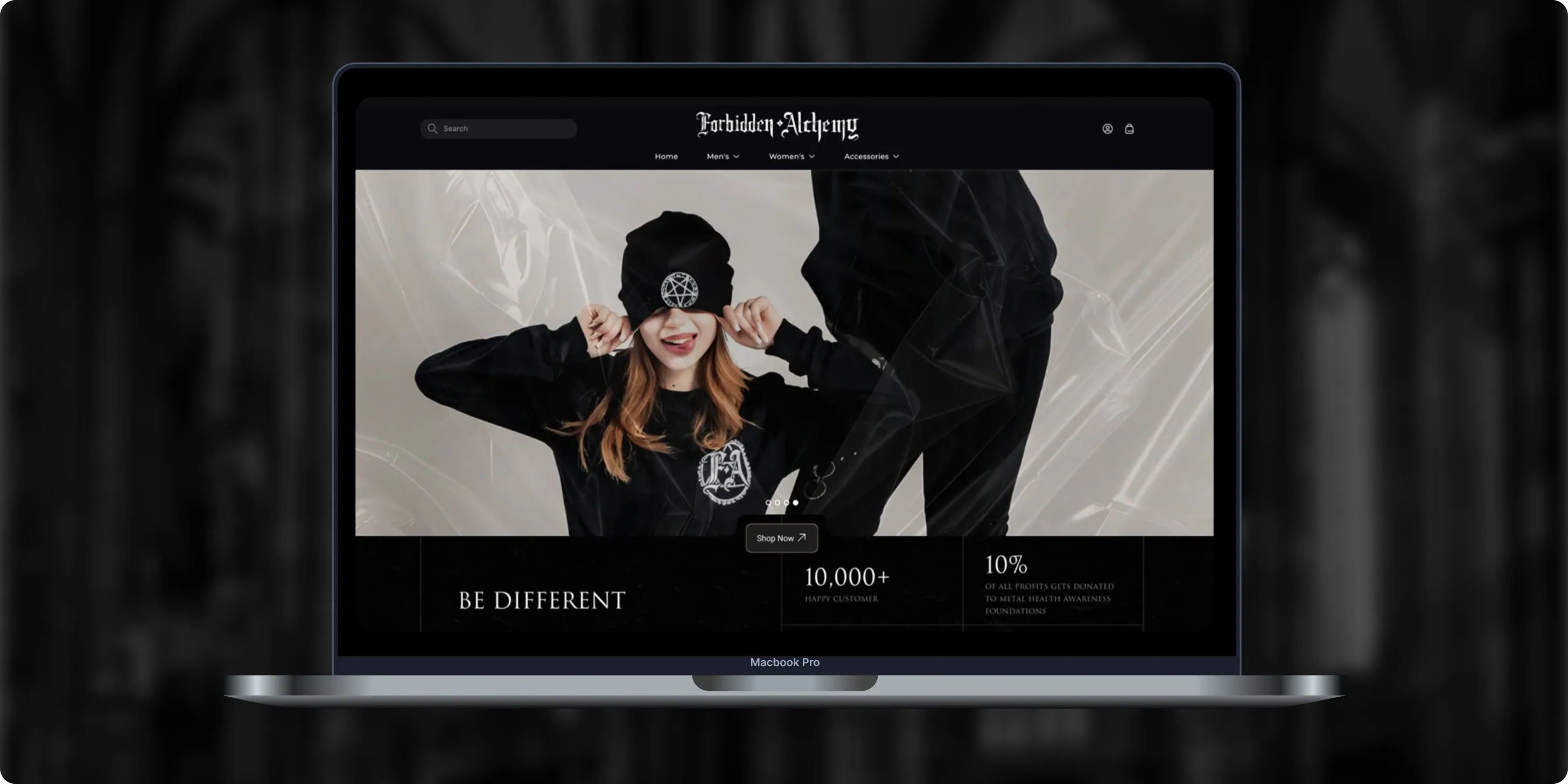
Forbidden Alchemy is an alternative fashion brand creating dark, provocative clothing for the metalhead community, with 10% of profits donated to mental health awareness. Its mostly mobile audience struggled with a store that was hard to navigate and weak on functionality.- +44%Revenue Month Over Month
- 86%Design Satisfaction
- 2.8XUser Retention Growth
Altera
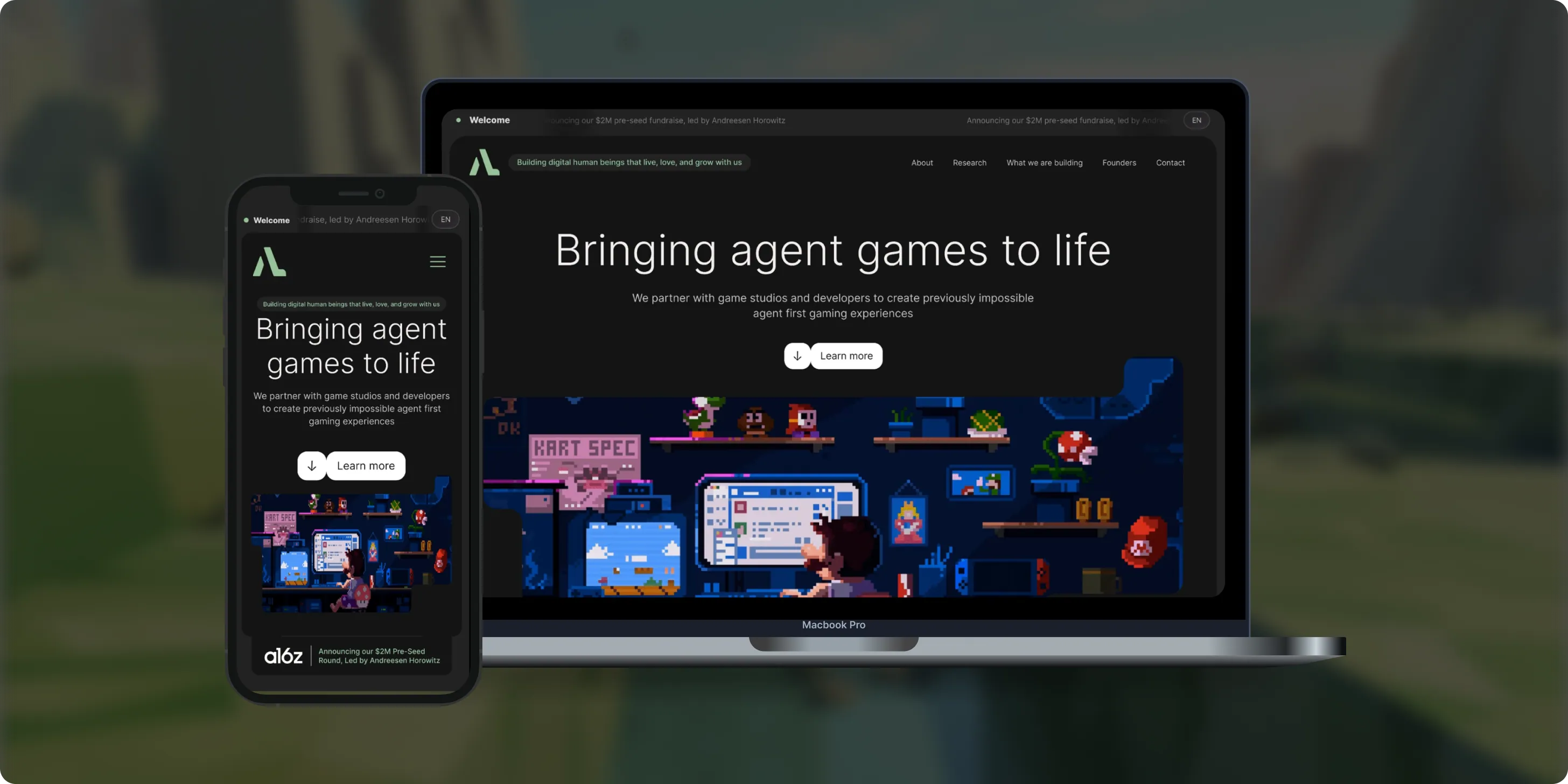
Altera builds on decades of computational neuroscience research to create digital human beings for gaming. Backed by a $2M pre-seed round led by Andreessen Horowitz, the team needed a landing page that could explain complex agent technology to players, partners, and investors.- 98%Dynamic Customization
- 100%Streamlined Navigation
- $2MPre-Seed Round
- Real Estate
Brizacorp
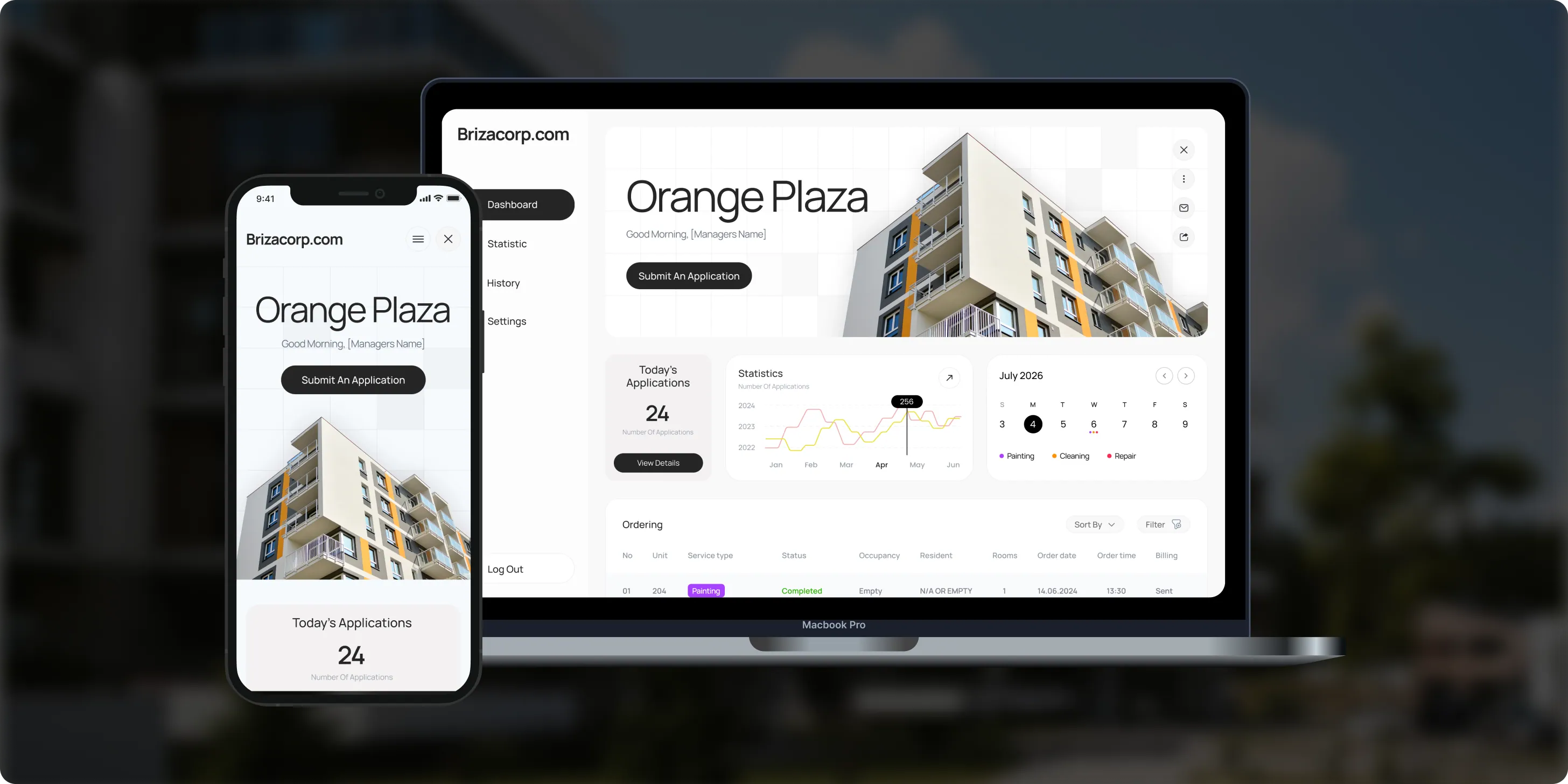
Brizacorp manages residential properties and coordinates the staff who handle painting, cleaning, and repair requests. Its team tracked work across messengers, phone calls, e-mail, and paper planners, with no single place to manage requests or measure performance.- 98%Application Stability
- 95%Utilization Rate
- 30%Faster Task Completion
Color & Harmony
Color & Harmony is a Kentucky-based color consulting studio led by certified color strategist Diana Cartaya. The studio needed a website that reflects its refined aesthetic, showcases its portfolio, and explains a science-based color process in simple language.- 45%Conversion Rate Increase
- 50%Higher User Engagement
- 2Months to Launch

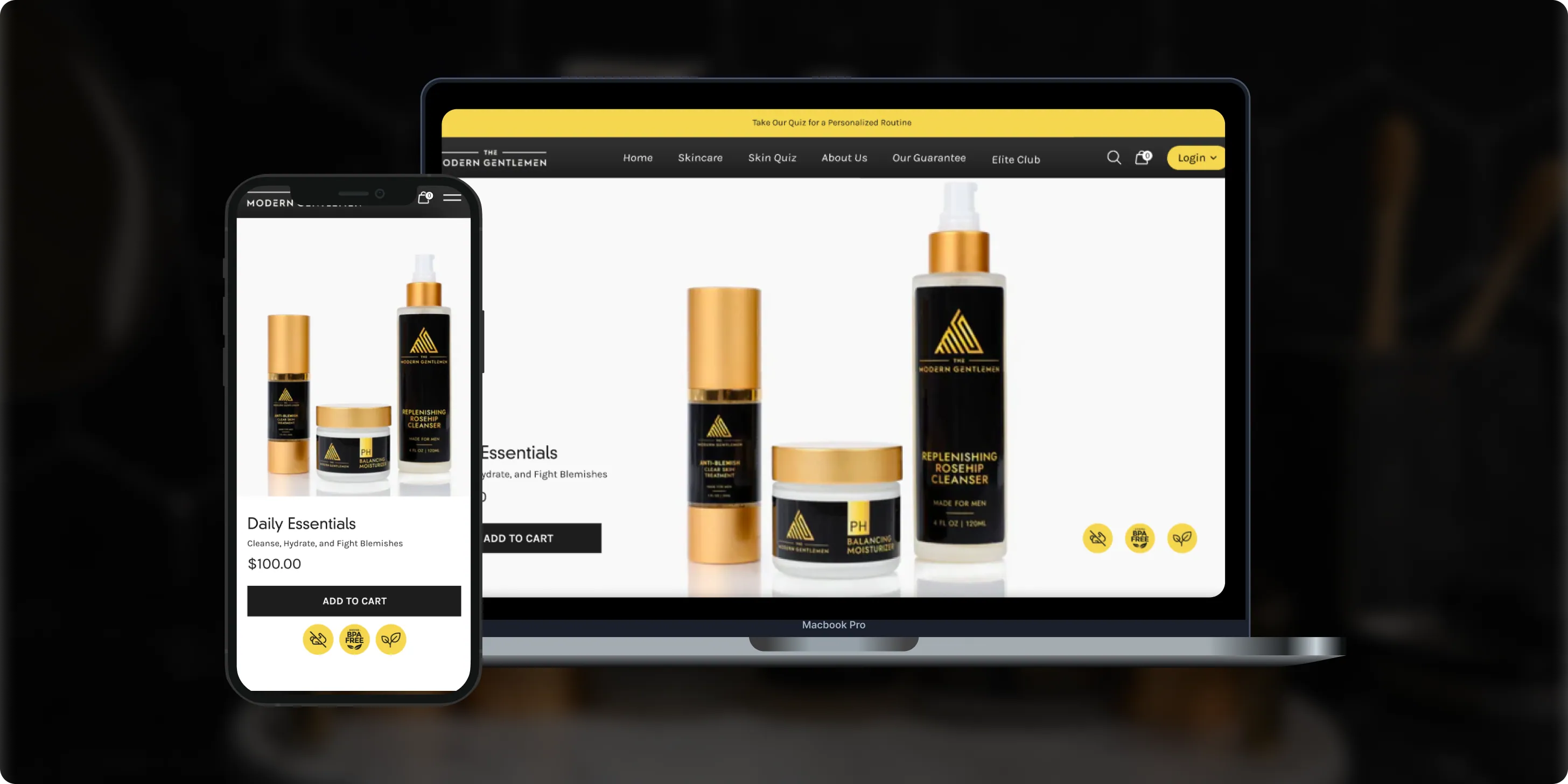
The Modern Gentlemen
The Modern Gentlemen sells premium men's skincare featured in Men's Health, GQ, and Men's Journal. Its customers wanted an efficient routine, but generic product suggestions and limited skincare knowledge made choosing the right products hard.- 30%Increase in Conversions
- 25%Higher Customer Retention
- 92%Mobile Purchases
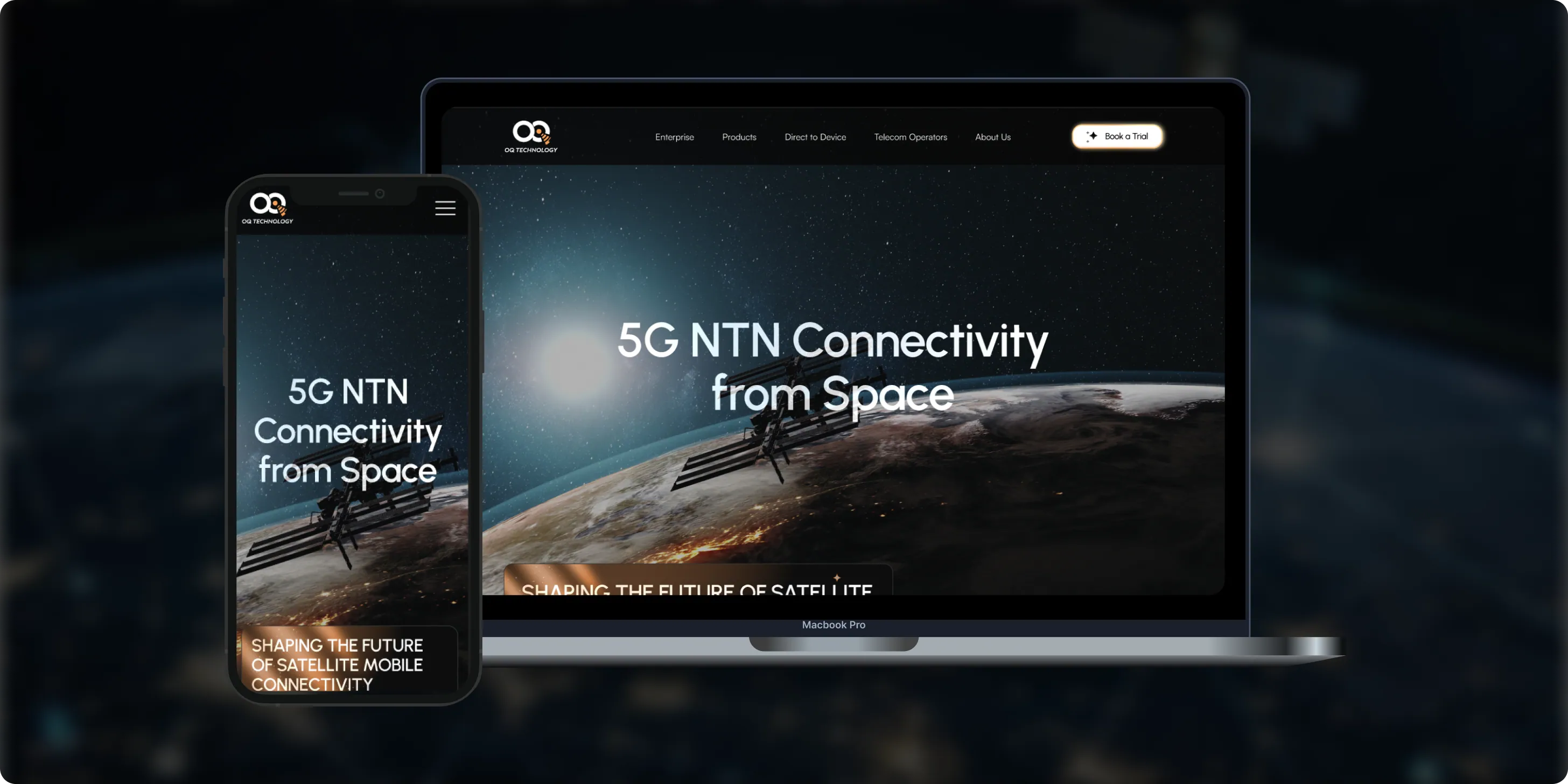
OQ Technology
OQ Technology connects IoT devices, machines, and people anywhere on the planet through its satellite network, serving energy, maritime, logistics, agriculture, and mobile operators. Its website made it hard to explore products and reach pricing plans.- 4Pricing Plans Clarified
- 3Dedicated User Flows
- 1Unified Platform
- Real Estate
- Finance
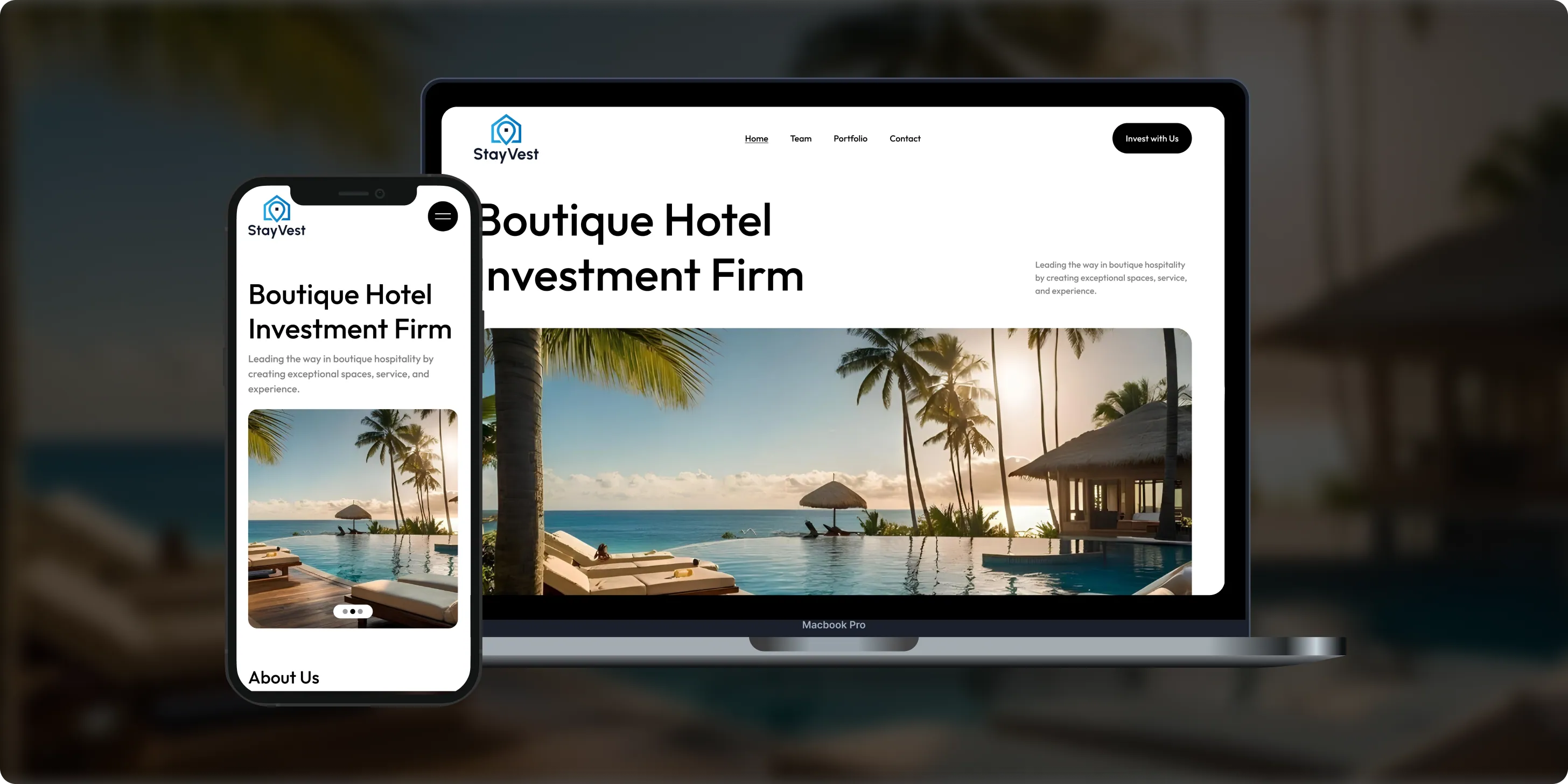
Stay Vest
Stay Vest is a private real estate investment firm that acquires, renovates, and operates boutique hotels for cash flow, tax benefits, and equity gain. It needed a platform that explains its strategy and earns the trust of passive investors.- 1,500+Guest Stays
- 200+Rooms Managed
- 5States Covered
Bokeyno Motorsports
Bokeyno Motorsports is the leading mobile installer of vertical doors for high-performance cars. This Shopify website isn’t just about services—it’s a bold statement of power, style, and expertise. With a sharp layout, strong visuals, and real-world case studies, the site delivers all the information car enthusiasts need to book confidently and instantly.- 54%Booking Requests
- 43%Lead Conversion
- 32%Qualified Inquiries

ai document processing platform
A comprehensive talent solution designed to help companies attract, hire, and retain top talent more effectively. The platform combines AI-powered recruitment technology with employee financial wellbeing programs, enabling smarter hiring decisions while supporting employees’ financial stability and long-term engagement.- 62%Faster Processing Time
- 78%Less Manual Work
- 35%Improved Accuracy

WHAT CLIENTS SAY
Independently verified reviews from real clients on Clutch.co


Client Story
Real feedback from
FMY Orthodontics

“Their perseverance and solution-oriented mindset. SoftDoes consistently found ways to make things work, added features we had not originally envisioned, and never became frustrated. It felt like working with a true partner who cared about the success of our practice.”
Dan Merwin
DDS, MS -- President, FMY Orthodontics

Client Story
Real feedback from
Prior Authorization AI
“Every time I sent a request, if there was anything that didn't work, they were able to turn it around quickly. Even when there were no updates yet, they always reached out to let me know they were working on it.”
Joseph Oluwo
Founder of Prior Authorization AI


Client Story
Real feedback from
WOVEN
“What stood out most was their commitment to understanding our needs before presenting solutions.”
Danna Pastran
Administrative Operations Manager, WOVEN

Client Story
Real feedback from
Grand Central Language Services
“The site performs as intended and provides the foundation for our company's digital presence.”
Joe Goldstein
QA Manager, Grand Central Language Services


Client Story
Real feedback from
DineMate
“They go above and beyond.”
Eric Snead
CEO, DineMate "Dating Connecting Platform"
Why they Choose SoftDoes
- 01SENIOR ENGINEERS, NOT LAYERS
MES projects at SoftDoes are led by engineers with both software and manufacturing domain experience. Clients speak directly with people who understand OEE, changeover, takt time, and batch records, so discovery is efficient and accurate. Collaborating across teams is critical for successful MES implementation, and that collaboration is only productive when engineers understand the manufacturing process firsthand. This cuts down on misinterpretation between operations, IT, and the development team. Practical plant visits, line walks, and shadowing of supervisors during analysis are standard, not optional extras.
- 02PREDICTABLE DELIVERY
MES work is sliced into phases: discovery, design, pilot line, and wider roll out, each with clear milestones and acceptance criteria. SoftDoes runs short feedback cycles with operators, demo environments, and frequent releases instead of one large go live that risks everything at once. Risk management practices cover plant shutdown windows, validation periods, and training before deployment. Clients see progress inside their own environment early, not just in slideware. MES technology use is increasing faster than general automation, and SoftDoes keeps pace without sacrificing discipline.
- 03BUILT TO LAST PAST LAUNCH
Coding standards, documentation, and use of mainstream tech stacks mean internal IT or future partners can extend the MES safely. Versioning of routes, parameters, and interfaces ensures historical data and audits always point to the correct logic. Automated tests around critical functions like order dispatch and label printing prevent regressions when later changes are made. SoftDoes plans for new lines and products in the domain model from day one, so the MES grows with the operation instead of becoming another legacy system.
- 04NO BABYSITTING REQUIRED
SoftDoes works with clear documentation, logging, and monitoring so plant IT can support day to day issues without constant vendor help. Handover includes knowledge transfer sessions for internal teams and power users. Structured incident response plans and escalation paths are understood before launch, not figured out during the first crisis. Well designed MES tools lower support load for both client and SoftDoes after the first months, freeing everyone to focus on continuous improvement instead of firefighting.
How we work with your factory
This section focuses on the partnership and process SoftDoes uses during MES software development. Features matter, but how they get engineered and handed over matters just as much.




Experience Across Discrete, Process, and Regulated Manufacturing
We build manufacturing execution systems where real-time shop floor visibility, full traceability, and production uptime are non-negotiable.
Project Management
CustomERP
BIM
Industrial IoT
QMS Software
Complex systems, integrations, and internal platforms built to evolve. We step in when off-the-shelf tools stop being enough.
Estimating
From first version to real traction without painting yourself into a corner. Built for speed now and hard decisions later.
Finance
Systems designed around controls, traceability, and change management. Built so audits don’t become fire drills.
Construction
Infrastructure software built for long timelines and high stakes. Reliable systems for assets that can’t afford guesswork.


Frequently Asked Questions
Everything you need to know about working with SoftDoes. Can’t find an answer?
How long does a custom MES software development project usually take?
Discovery typically takes several weeks to a few months depending on the number of production lines and sites. A pilot line roll out often runs three to six months, while full plant or multi plant deployments may require twelve to eighteen months. Factors that stretch time include the amount of legacy equipment, undocumented systems, regulatory validation needs, and custom integrations. SoftDoes favors phased value so dashboards and real time OEE visibility appear within weeks of pilot, not at the end of a year long project.
Can you integrate a new MES with our existing ERP and SCADA?
Yes. MES acts as a bridge between business planning systems and physical machinery. SoftDoes integrates with common ERP platforms, process control systems, and SCADA using APIs, OPC UA, MQTT, and message queues. When documentation of older systems is limited, we reverse engineer interfaces through direct testing and controlled data capture, reducing risk without forcing a full replacement of other enterprise systems. By connecting MES with manufacturing operations management and supply chain systems, SoftDoes helps improve production output and manufacturing efficiency. Our integration strategy supports data driven decisions and predictive analytics, enabling operators and managers to identify patterns, optimize workflows, and reduce maintenance costs.
How do you handle data security and compliance for manufacturing?
Data security measures must be implemented in MES to protect operational technology. SoftDoes applies network segmentation between IT and OT zones, role based access control, encryption in transit and at rest, and comprehensive audit trails. Implementing MES software ensures quality management and regulatory compliance, and for FDA regulated manufacturers, the system aligns with 21 CFR Part 11 requirements for electronic records and signatures. MES software must accommodate the specific regulatory requirements of different industries, and the architecture is designed accordingly.
What happens to our legacy MES or shop floor applications?
Options include phased coexistence, wrap and replace, or selective refactor. SoftDoes assesses the current state and determines which modules can remain, which need wrapping with modern APIs, and which require replacement. Parallel runs and line by line cutovers reduce risk so production operations continue uninterrupted during the transition. This approach minimizes downtime and ensures that critical production processes are not disrupted. Legacy system data is carefully migrated and validated to maintain continuity and accuracy. Our strategy also includes training for your staff to smoothly transition to new or updated systems while preserving operational knowledge.
Who owns the code and intellectual property of a custom MES?
Clients own all custom code and domain logic. SoftDoes retains rights only to its own pre existing libraries and frameworks, which are clearly identified and licensed. Your internal IT team or any future partner can maintain and extend the system without dependency on SoftDoes. This ownership model empowers your organization with full control over your MES software, enabling you to adapt and evolve it as your manufacturing needs change. It also ensures transparency and flexibility in vendor relationships, supporting long term sustainability of your production technology.
How involved do our operations and IT teams need to be?
Expect meaningful involvement during discovery, testing, and roll out. Line supervisors and key operators are needed for workflow validation and screen feedback. IT teams participate in integration testing and infrastructure decisions. The investment of time pays off immediately because systems that reflect real shop floor operations get adopted faster and reduce waste from day one. Early and ongoing collaboration helps identify hidden inefficiencies and tailor the MES for optimal performance. Cross functional communication between operations and IT ensures smooth deployment and quicker resolution of any issues that arise.
Can you extend or modernize an existing MES instead of starting from scratch?
Absolutely. SoftDoes assesses current MES systems and either extends them with new modules and integrations or carves out parts into a new architecture depending on technical and business fit. Digital transformation in manufacturing relies on effective MES software implementation, but that does not always mean starting over. Sometimes adding real time data collection, a new analytics layer, or connecting to other systems is the right move. Modernization can also include incorporating machine learning for predictive insights, improving quality assurance processes, and enhancing product tracking capabilities. This approach reduces costs and risk while delivering valuable insights and improved production efficiency.
How do you keep an MES solution flexible for future products and lines?
Through domain driven modeling, configuration driven routing and parameters, and modular additions. AI driven MES can dynamically adapt production schedules to real time conditions, and the architecture supports adding new equipment or customized products without large rewrites. Cloud computing can enhance multi site visibility in MES deployments, and hybrid architectures let the MES expand to new plants while keeping production plans and process control local where latency demands it. MES software can enhance operational efficiency through improved resource allocation, and that flexibility is engineered in from the start, not patched in later.


