




U.S.-Based
Energy Management Software Development Services
We engineer energy management software for utilities, industrial operators, and commercial portfolios - turning raw meter and sensor data into real time decisions, cost control, and sustainability insights.

Let's build together.
Talk with a senior engineer about your product idea, architecture, and what it would take to build it.
90+
Active Client Partnerships
80+ Person
Product & Engineering Team
100%
Your Code & IP Ownership
U.S.-Led
Delivery & Accountability
We understand the challenges you're facing
We're juggling spreadsheets, utility portals, and BMS exports for dozens of sites.
Custom energy management software creates a unified data layer by connecting meters, submeters, IoT sensors, SCADA, building management systems, and utility APIs into a single normalized model. Developing an energy management system requires data ingestion from smart meters and sensors, and we handle the cleaning, timestamp alignment, and time series storage so your teams work from one source of truth. Energy management software consolidates data from multiple sources into one platform, giving energy managers portfolio heat maps, energy intensity KPIs, and automated exception reports instead of manual file merges. This foundation is what makes later analytics, forecasting, and ESG reporting possible. Without trustworthy energy data flowing in continuously, every downstream feature is guesswork.
Our BMS is from 2008 and our EMS vendor says customization will cost a fortune.
A modern EMS layer can sit on top of your existing BMS and PLC hardware without ripping anything out. Custom energy management software connects with legacy systems seamlessly through protocols like Modbus, BACnet, OPC UA, and MQTT, plus field gateway devices where direct network access is not available. We design loosely coupled services so modules for fault detection, load disaggregation, or demand response can evolve independently of the legacy core. Migration is phased: we roll out by plant or campus, run parallel data validation against historical reports, and cut over only when the numbers match. The result is reduced vendor lock in and a foundation ready for AI and advanced energy optimization.
We don't know which lines or tenants cause our peak charges.
Most energy waste hides in plain sight because operators lack the submetering depth and consumption patterns needed to pinpoint it. Real time monitoring helps identify inefficiencies and reduce waste by combining submeter hierarchies, load disaggregation algorithms, and configurable dashboards that surface waste by asset and time of day. AI powered systems detect anomalies in energy consumption patterns - HVAC systems running on holidays, compressors short cycling, or cooling systems drawing unexpected base loads - and route alerts to the right technician. We design the UX so facility managers can drill from a portfolio summary down to a single meter trace within a few clicks, using visualizations like Sankey diagrams, load duration curves, and baseline versus actual charts. Seeing the waste is the first step; acting on it requires software that makes the path from alert to resolution obvious.
CSRD, GRESB, and our own net zero targets demand data we can't assemble.
Energy management software supports sustainability initiatives and compliance by embedding versioned datasets, audit trails, and automated emission factor application directly into the reporting workflow. Automated reporting supports compliance with sustainability frameworks, and we configure export ready templates for the ESG schemes your organization actually reports against. Role based access control ensures sustainability teams, finance, and operations each see relevant views while sharing the same underlying energy consumption data. Organizations can track emissions and align with ESG goals effectively, reducing manual spreadsheets and fewer errors during annual disclosures. Sustainability tracking enables organizations to monitor progress toward carbon footprint reduction goals without assembling numbers from five different systems every quarter.
We have forecasts and tariff data but no way to turn them into savings.
Software development for energy management improves operational resilience against energy price fluctuations by connecting forecasting engines to actual control logic. We engineer models that use historical consumption, production schedules, and external drivers like temperature and market prices to forecast energy demand with lead time that matters. The platform can then suggest or automate actions such as load shifting, storage dispatch, setpoint changes, or flexible process scheduling. Demand side management helps avoid peak demand charges from utility providers, and what if simulations let operators compare scenarios before committing. The outcome is not another dashboard - it is operational levers that plant managers and facility managers act on daily to reduce energy costs.
You manage the assets. We engineer the EMS behind them.

Portfolio Energy Monitoring Platform
A web based portal aggregating electricity, gas, water, steam, and renewables across sites into one view. It targets energy managers and CFOs who need trustworthy, comparable KPIs and automated alerts they can act on.
Real time dashboards by site, meter, and energy source
Flexible submeter hierarchies and virtual meters
Anomaly alerts for load spikes and unexpected base loads

Advanced Analytics and Forecasting Engine
A data science layer that adds consumption modeling, peak prediction, and benchmarking adjusted for production output or occupancy. Time series data storage enables querying of millions of high frequency data points per second, using ML models and scenario tools tailored to your assets and tariffs.
Peak demand forecasts with configurable lead time
Performance baselines per line or campus adjusted for output
Savings opportunity detection from energy usage patterns

Automation, Control, and Optimization Layer
Extends monitoring into automated actions by connecting EMS logic with BMS, PLC, or DER controllers. Automated control systems allow software to adjust energy use without manual intervention, with safety first design including operator overrides, change logs, and gradual rollout.
Rule based control for load shifting and setpoint management
Integration with storage and on site renewables for self consumption
Demand response participation with event orchestration and reporting
Numbers Don’t Lie
Recent projects showcasing how we design, engineer, and deliver production-ready software solutions.

- Startup
- Real Estate
Our Haus AI
A finance professional turned founder built Our Haus AI, an AI-powered collaborative workspace where homeowners and contractors scope, bid, contract, and document renovation projects together. SoftDoes took her prototype and made it production-ready.- 10XMVP scope delivered
- 2+years Ongoing partnership
- 1Fully owned Platform

- Finance
- Energy
Deepwater Insights
Deepwater Insights delivers proprietary alternative data and niche research on the offshore drilling and energy sector to institutional investors, family offices, and high-net-worth individuals who require coverage that larger firms don't provide.- 100%Brand Continuity
- 2Platform Distribution
- 100%Paywall-Ready Content

- Real Estate
The building buyer
The Building Buyer is a Florida-based real estate investment firm co-founded by Dylan Troiano and Charles Hanlin. They acquire single-family, multifamily, and commercial properties across South Florida and beyond, with a focus on motivated seller opportunities.- 18Weekly hours saved
- 2+Years Ongoing partnership
- 1Fully owned Platform

- Education
- Non-Profit
WOVEN & NICE
Woven is a Spring Valley, NY nonprofit running the NICE program (New Training Inclusive Community Environment) in four Rockland County schools. Their team supports students through restorative practices, mediation, and professional development for teachers and administrators.- 4Schools Served
- 4Weeks to Launch
- 1STTime on Upwork

- Healthcare
CareInTouch
CareInTouch is a Bay Area home health agency providing skilled nursing and therapy services to patients referred from hospitals and clinics. With over 100 staff, they operate in one of the most complex and compliance-driven healthcare markets in the country.- 40% Reduction In Billing Errors
- 100+Staff Operations Managed
- 0Missed Compliance Deadlines

- Startup
Sparkle The Cleaning Service
Sparkle The Cleaning Service is a Detroit-area residential cleaning company with 10 years in business, connecting homeowners with vetted, insured independent cleaners through a subscription-based marketplace platform.- 75% Platform Transparency
- 2XPlatform Growth
- 40%Higher User Retention

- Startup
DineMate
DineMate is a Maryland-based dating and connecting platform built around verified profiles, restaurant reservations, and prepaid dining experiences. Founded to bring back authenticity to how people meet and connect.- 60% Time Saved
- 99%System Reliability
- 40%Higher User Retention

- Healthcare
Prior Authorization AI
Prior Authorization AI is a healthcare automation startup building AI-powered tools to streamline prior authorization for Medicare and Medicaid medical transportation providers in New Jersey.- 16Weekly hours saved
- 63%Admin time reduced
- 43%Fewer submission errors

- Education
Grand Central Language Services
Grand Central Language Services provides translation and interpretation for organizations operating in complex, multilingual environments. As demand grew, internal workflows became harder to manage. SoftDoes built a custom platform to streamline coordination, improve visibility, and support scalable operations.- 72%Workflow Reduction
- 48%Coordination Reduction
- 83%Visibility Increase

- Healthcare
FMY Orthodontics
FMY Orthodontics, a multi-location practice in West Tennessee, partnered with SoftDoes to replace a spreadsheet-based financial workflow with a custom web platform. The goal was to simplify how staff present treatment financing while allowing patients and families to review and complete decisions remotely.- 60%Workflow Reduction
- 75%Remote Adoption
- 5Locations Aligned

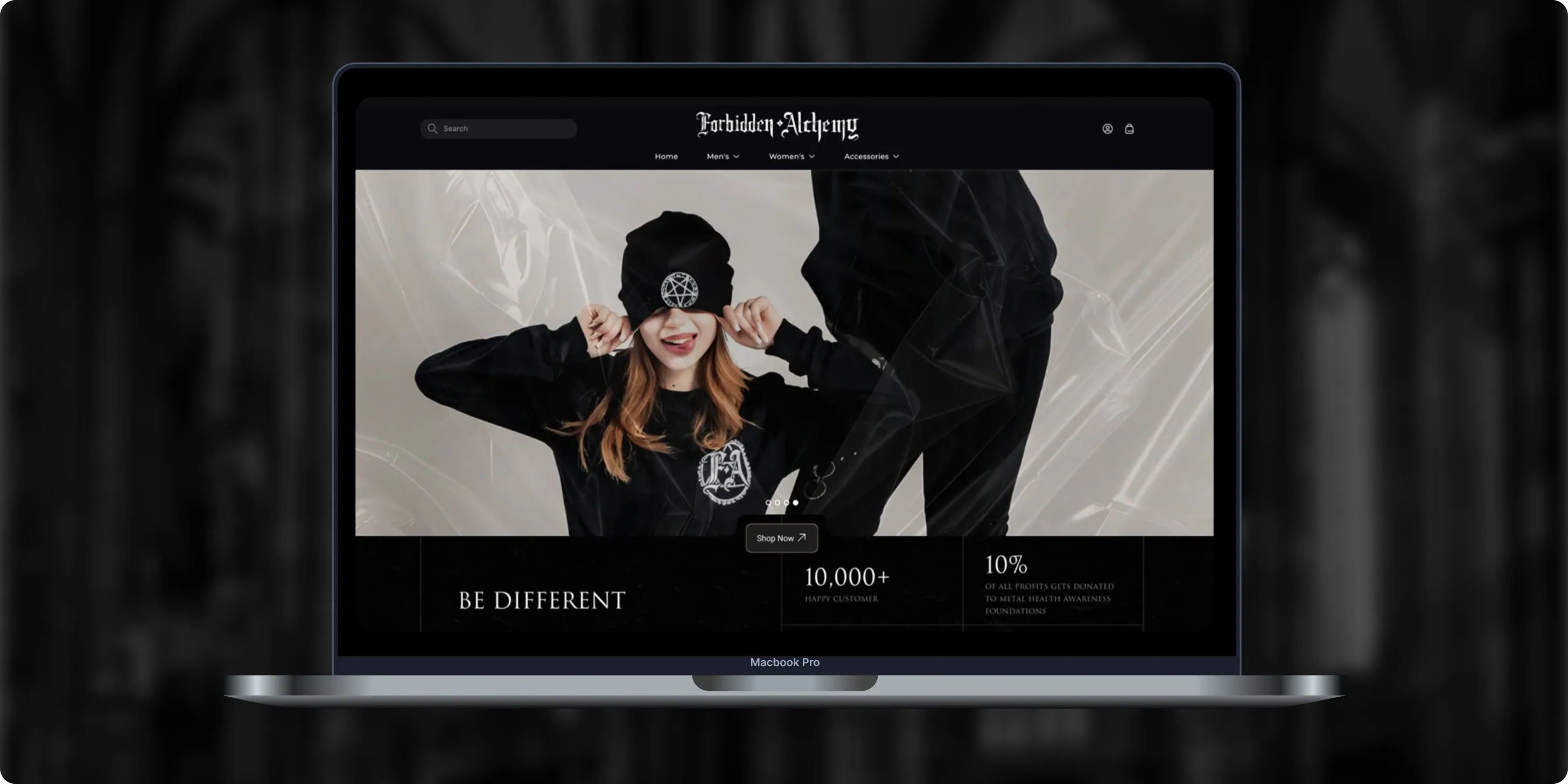
Forbidden Alchemy
Forbidden Alchemy is an alternative fashion brand creating dark, provocative clothing for the metalhead community, with 10% of profits donated to mental health awareness. Its mostly mobile audience struggled with a store that was hard to navigate and weak on functionality.- +44%Revenue Month Over Month
- 86%Design Satisfaction
- 2.8XUser Retention Growth
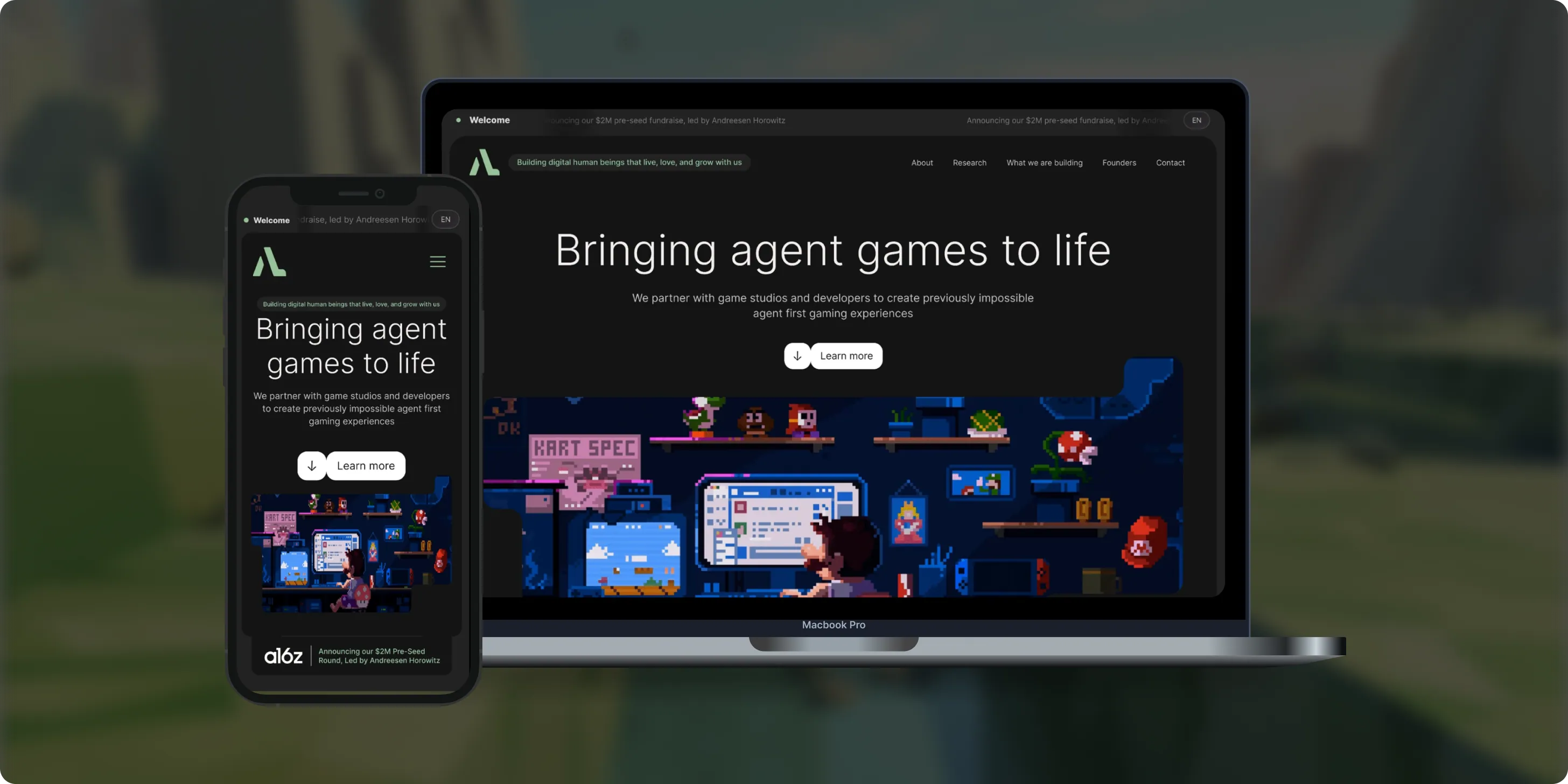
Altera
Altera builds on decades of computational neuroscience research to create digital human beings for gaming. Backed by a $2M pre-seed round led by Andreessen Horowitz, the team needed a landing page that could explain complex agent technology to players, partners, and investors.- 98%Dynamic Customization
- 100%Streamlined Navigation
- $2MPre-Seed Round
- Real Estate
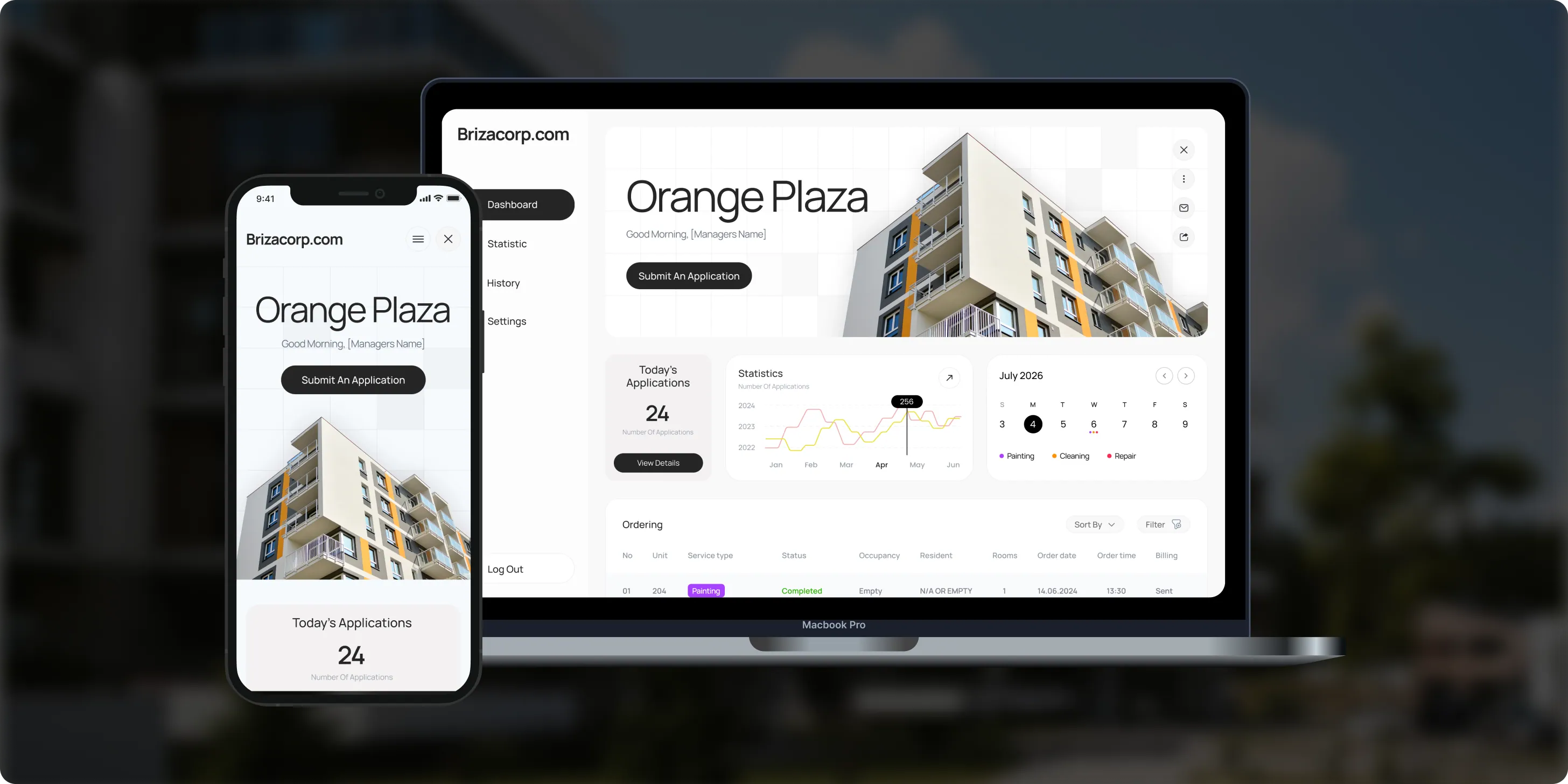
Brizacorp
Brizacorp manages residential properties and coordinates the staff who handle painting, cleaning, and repair requests. Its team tracked work across messengers, phone calls, e-mail, and paper planners, with no single place to manage requests or measure performance.- 98%Application Stability
- 95%Utilization Rate
- 30%Faster Task Completion
Color & Harmony
Color & Harmony is a Kentucky-based color consulting studio led by certified color strategist Diana Cartaya. The studio needed a website that reflects its refined aesthetic, showcases its portfolio, and explains a science-based color process in simple language.- 45%Conversion Rate Increase
- 50%Higher User Engagement
- 2Months to Launch

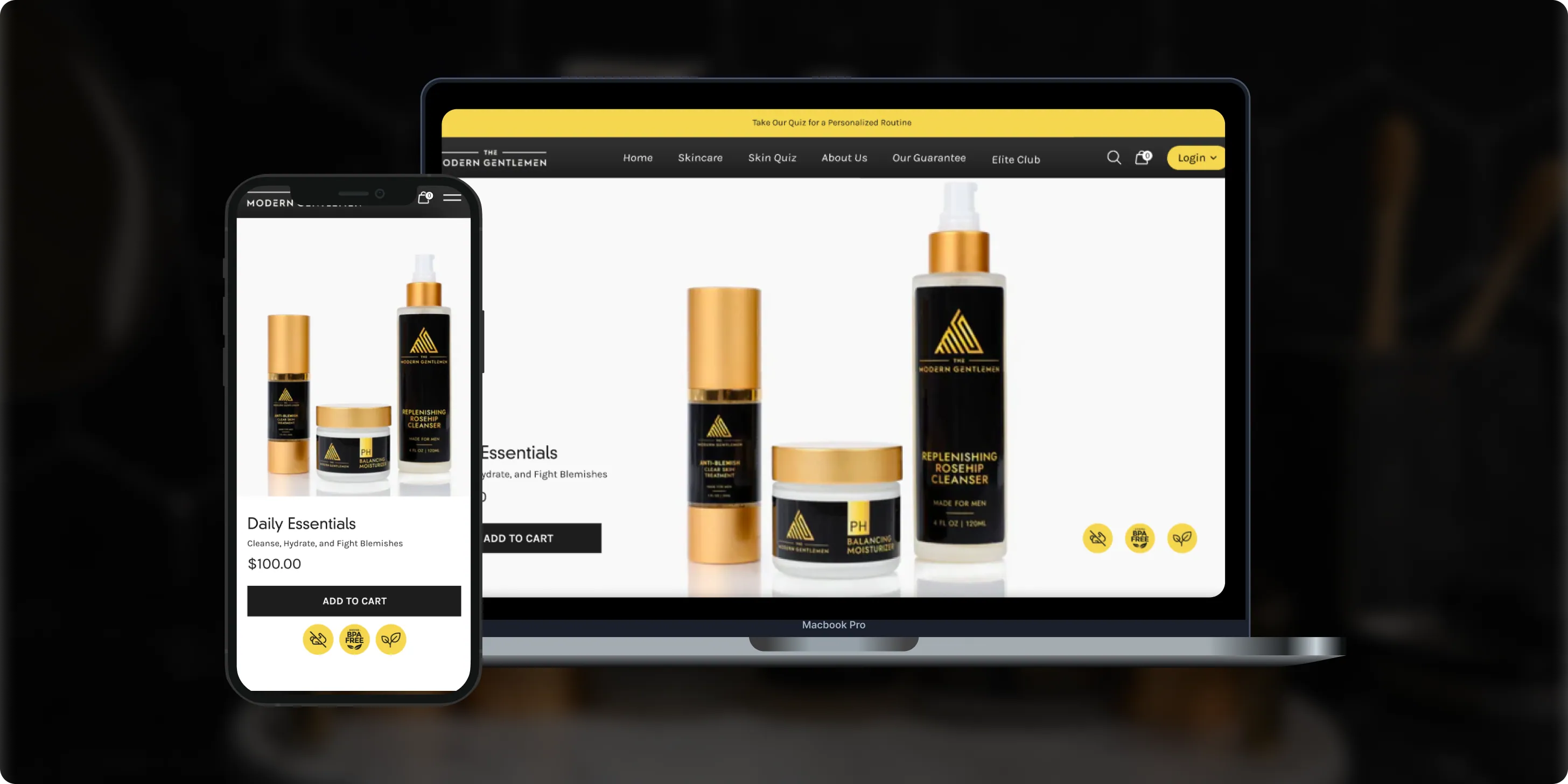
The Modern Gentlemen
The Modern Gentlemen sells premium men's skincare featured in Men's Health, GQ, and Men's Journal. Its customers wanted an efficient routine, but generic product suggestions and limited skincare knowledge made choosing the right products hard.- 30%Increase in Conversions
- 25%Higher Customer Retention
- 92%Mobile Purchases
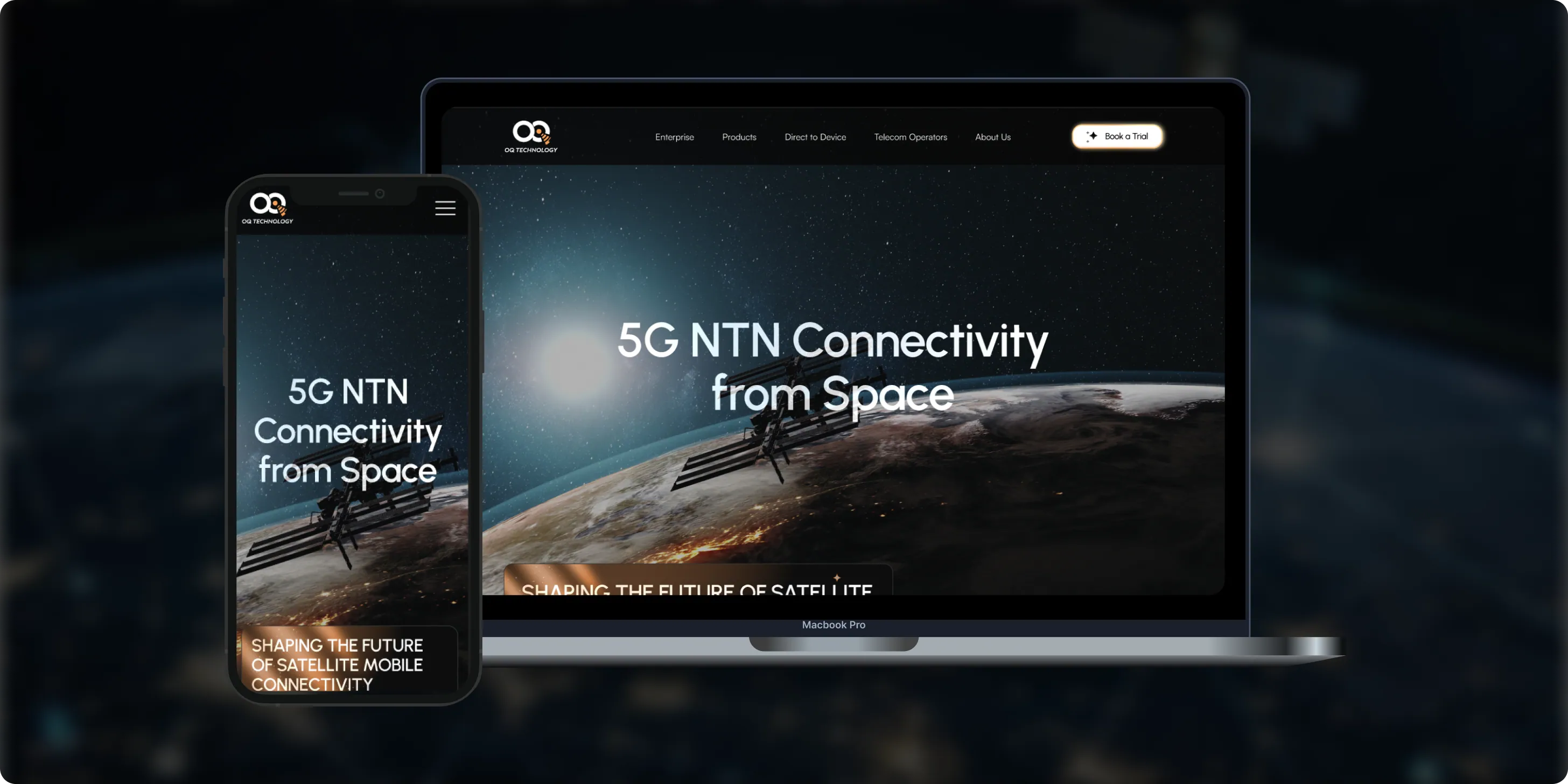
OQ Technology
OQ Technology connects IoT devices, machines, and people anywhere on the planet through its satellite network, serving energy, maritime, logistics, agriculture, and mobile operators. Its website made it hard to explore products and reach pricing plans.- 4Pricing Plans Clarified
- 3Dedicated User Flows
- 1Unified Platform
- Real Estate
- Finance
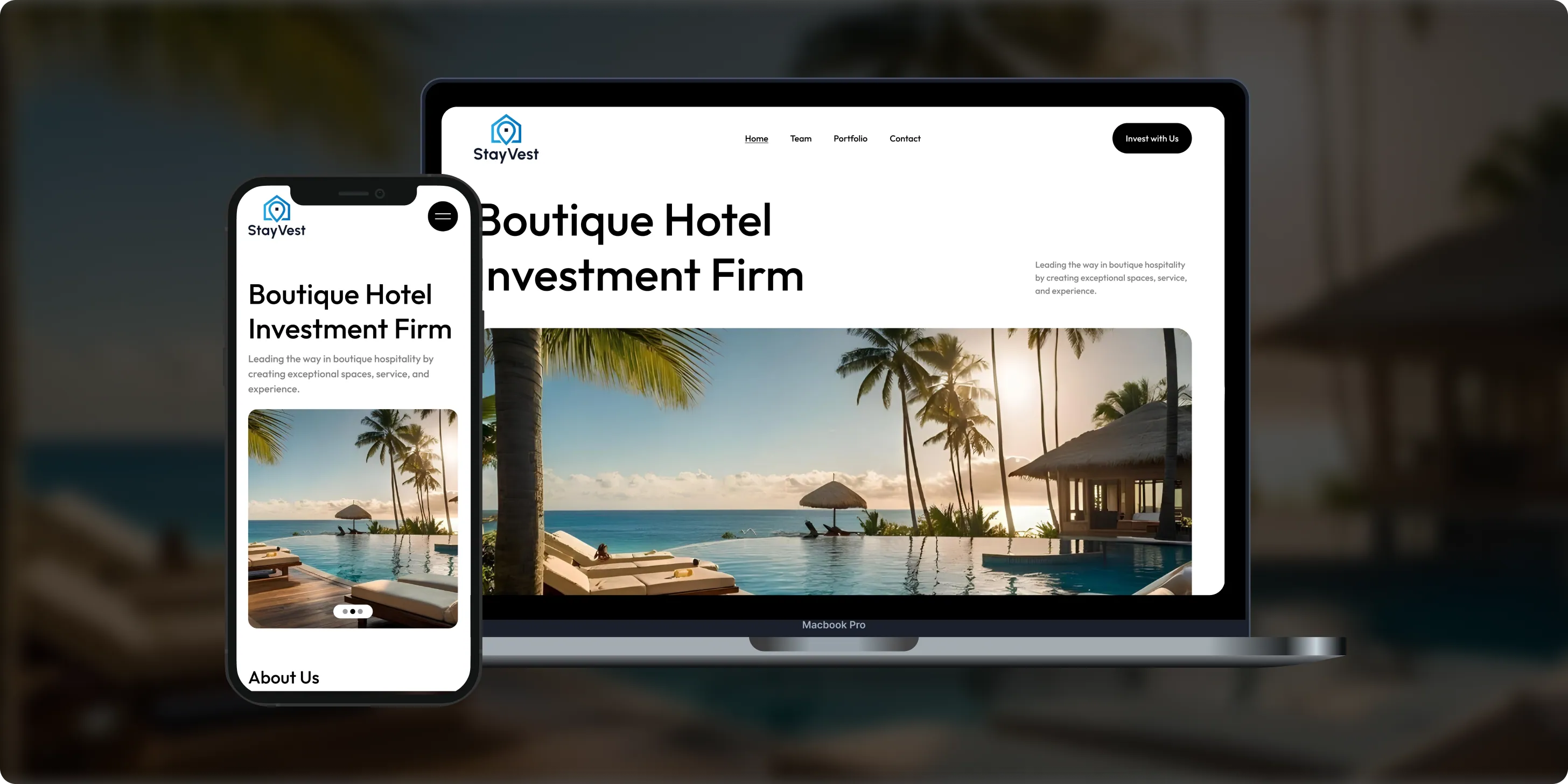
Stay Vest
Stay Vest is a private real estate investment firm that acquires, renovates, and operates boutique hotels for cash flow, tax benefits, and equity gain. It needed a platform that explains its strategy and earns the trust of passive investors.- 1,500+Guest Stays
- 200+Rooms Managed
- 5States Covered
Bokeyno Motorsports
Bokeyno Motorsports is the leading mobile installer of vertical doors for high-performance cars. This Shopify website isn’t just about services—it’s a bold statement of power, style, and expertise. With a sharp layout, strong visuals, and real-world case studies, the site delivers all the information car enthusiasts need to book confidently and instantly.- 54%Booking Requests
- 43%Lead Conversion
- 32%Qualified Inquiries

ai document processing platform
A comprehensive talent solution designed to help companies attract, hire, and retain top talent more effectively. The platform combines AI-powered recruitment technology with employee financial wellbeing programs, enabling smarter hiring decisions while supporting employees’ financial stability and long-term engagement.- 62%Faster Processing Time
- 78%Less Manual Work
- 35%Improved Accuracy

WHAT CLIENTS SAY
Independently verified reviews from real clients on Clutch.co


Client Story
Real feedback from
FMY Orthodontics

“Their perseverance and solution-oriented mindset. SoftDoes consistently found ways to make things work, added features we had not originally envisioned, and never became frustrated. It felt like working with a true partner who cared about the success of our practice.”
Dan Merwin
DDS, MS -- President, FMY Orthodontics

Client Story
Real feedback from
Prior Authorization AI
“Every time I sent a request, if there was anything that didn't work, they were able to turn it around quickly. Even when there were no updates yet, they always reached out to let me know they were working on it.”
Joseph Oluwo
Founder of Prior Authorization AI


Client Story
Real feedback from
WOVEN
“What stood out most was their commitment to understanding our needs before presenting solutions.”
Danna Pastran
Administrative Operations Manager, WOVEN

Client Story
Real feedback from
Grand Central Language Services
“The site performs as intended and provides the foundation for our company's digital presence.”
Joe Goldstein
QA Manager, Grand Central Language Services


Client Story
Real feedback from
DineMate
“They go above and beyond.”
Eric Snead
CEO, DineMate "Dating Connecting Platform"
Why they Choose SoftDoes
- 01SENIOR ENGINEERS, NOT LAYERS
Your team works directly with experienced backend, data, and IoT engineers who understand meter protocols, time series design, and the reliability constraints of energy operations. Our architects have hands on experience with BMS integration, field gateways, and industrial connectivity, so discovery conversations go deep from the first session. They participate in workshops about load profiles, tariff structures, and control strategies - not generic project managers relaying questions. This shortens the path from an idea like "submeter all tenants" to an implementable architecture and data model. Fewer handoffs mean less context loss and sharper design decisions across every layer of your energy management solution.
- 02PREDICTABLE DELIVERY
EMS work is broken into clear phases: discovery, data integration, core monitoring, analytics, then automation. Each phase starts with time boxed proof of concepts - a technical spike for a tricky protocol, a demo environment connected to a subset of meters - so risks surface early. Every milestone ships a usable slice of the platform, not just documentation. We handle dependencies on your teams, utilities, and hardware vendors with explicit risk management and time buffers. You always know what will be ready next month and what assumptions it depends on.
- 03BUILT TO LAST PAST LAUNCH
Energy management software is expected to run for years while tariffs, assets, and regulations change around it. We design modular services, clear APIs, and configurable rules so new energy assets, sites, and reporting schemes can be added without rewrites. Technology choices like time series databases suited for decade long data retention, message queues for ingestion, and test harnesses for device integrations are standard. Operational practices - observability, health checks on data streams, graceful degradation if some meters go offline - are treated as first class requirements. Maintainability and evolution are embedded from the start, not patched in after launch.
- 04NO BABYSITTING REQUIRED
Our goal is for your product, energy, and operations teams to feel confident running and extending the EMS day to day. We document data models, integration contracts, and control logic so internal engineers are not dependent on us for every change. Handover includes joint code reviews, playbooks for incident response, and training sessions for operators and analysts. Support can continue for complex enhancements or new modules, but you are never locked into needing us on every routine call. The result is a self sufficient team with a platform they understand - not a black box that only one vendor can open.
How we work with your team
Every energy management software development engagement follows a clear, repeatable process - adapted to the specific energy landscape and technical constraints of your organization.




Experience Across Manufacturing, Life Sciences, Healthcare, and Other Regulated Industries
We build quality software for organizations where audit readiness, traceability, and consistent processes are non-negotiable.
Oil Gas & Software
Reneweble Energy
Utility Billing
Smart Grid
EV Charging Software
Complex systems, integrations, and internal platforms built to evolve. We step in when off-the-shelf tools stop being enough.
Energy Trading Risk
From first version to real traction without painting yourself into a corner. Built for speed now and hard decisions later.
Asset Management
Systems designed around controls, traceability, and change management. Built so audits don’t become fire drills.
Energy Utilities
Infrastructure software built for long timelines and high stakes. Reliable systems for assets that can’t afford guesswork.


Frequently Asked Questions
Everything you need to know about working with SoftDoes. Can’t find an answer?
How long does custom energy management software development usually take?
A focused monitoring MVP for one site typically takes three to four months. Developing a multi site EMS with advanced features such as analytics, forecasting, and automation usually requires nine to twelve months or more. The timeline depends on several factors including the number and complexity of integrations, the quality and availability of existing data, and the engagement level of your subject matter experts. Starting with an MVP allows your team to validate core functionality and progressively expand to cover additional sites and capabilities in a controlled manner, reducing risk and enabling continuous feedback.
Can you integrate with our existing BMS, SCADA, and utility portals?
Integration with existing systems is critical for effective energy management software, and it is central to every EMS project we take on. We perform a thorough technical assessment of each system to understand protocols, data formats, and update frequencies. We verify data quality and design robust ingestion pipelines using APIs, protocol gateways, file drops, or message queues as appropriate. Energy management systems utilize APIs for integration with existing tools, whether those are building management systems, industrial PLC networks, meter data services, or ERP platforms. This seamless integration ensures continuous data flow and enables consolidated energy tracking and reporting.
How do you handle data security and access control in an EMS?
We apply encryption in transit and at rest, network segregation where required, and full alignment with your organization's security policies and compliance requirements. Role based access control restricts data and feature access to authorized users only, while audit logs track configuration changes for accountability. Least privilege principles govern integrations to minimize exposure. Cloud based energy management systems enable secure remote access and monitoring, and we can work with on premise, private cloud, or public cloud environments depending on regulatory and IT constraints. Regular security assessments and updates are part of our ongoing support.
Who owns the code and data from the energy management platform?
You own your EMS codebase, configuration, and all energy data generated. SoftDoes may reuse internal accelerators and libraries to speed development, but all project specific logic, models, and infrastructure definitions belong to you. This ownership model ensures you can maintain, extend, or migrate your EMS independently in the future without vendor lock in. We provide thorough documentation and knowledge transfer as part of the handover process. This includes detailed architectural diagrams, API specifications, and operational manuals tailored to your environment. Our goal is to empower your internal teams to confidently operate and evolve the platform without relying on external support for routine changes. Additionally, we offer training sessions and workshops during the transition to ensure your staff fully understands the system’s capabilities and maintenance procedures.
What happens if we already use an off the shelf energy management tool?
We can extend your current platform through APIs and custom modules, or design a complementary layer for analytics, forecasting, or automation that your existing tool does not cover. We assess feature gaps, integration capabilities, and licensing constraints before recommending an approach. In some cases a gradual transition is possible, running both the existing and new systems in parallel during cutover. Our goal is to enhance your energy management capabilities while minimizing disruption and protecting your current investments.
How do you test EMS features that interact with real equipment?
We separate monitoring features from control features and use staging environments with simulated or mirrored operational data for testing. Device simulators replicate meter and sensor outputs, while limited scope pilots run on non critical loads to validate automation logic. Strict approval workflows ensure safety and compliance before enabling any automatic control in production. We collaborate closely with facility engineers to define safe operational boundaries, fallbacks, and manual override procedures. This rigorous approach ensures the best energy management software never compromises production or safety.
Can your team support AI and machine learning in our energy management software?
Yes. SoftDoes has AI and ML engineers experienced in load forecasting, anomaly detection, and optimization for energy use cases. AI analyzes large data volumes to optimize energy consumption, and machine learning models forecast energy demand with high accuracy. We start with data readiness checks and baseline statistical models, then move to more advanced methods where the value is clear. Continuous monitoring of model performance and retraining adapts to changes in asset portfolios or operating conditions. These capabilities enable smarter energy decisions and improve operational efficiency.
How do we work day to day with SoftDoes during an EMS project?
You get a weekly cadence of standups, sprint reviews, and a single shared backlog in a tracking tool. Designated counterparts—a SoftDoes tech lead on our side, a product owner and key energy and IT stakeholders on yours—keep communication tight. We run frequent demos with live energy data to gather feedback early and often. Summaries after major decisions and clear assignment of follow up actions ensure nothing falls through the cracks. This transparent, collaborative process keeps the project aligned with your goals and timelines throughout the engagement.


