
U.S.-Based
Oil And Gas Software Development Services
Software engineering for upstream, midstream, and downstream operators. From well pads to pipelines to plants, we match the software to your field workflows.

Let's build together.
Talk with a senior engineer about your product idea, architecture, and what it would take to build it.
90+
Active Client Partnerships
80+ Person
Product & Engineering Team
100%
Your Code & IP Ownership
U.S.-Led
Delivery & Accountability
We understand the challenges you're facing
Why is our production, SCADA, and ERP data all in different systems?
Data silos in oil and gas result from decades of fragmented and isolated systems. SCADA feeds pressures and flow rates in real time. Historians store months of sensor readings. ERP handles joint venture billing and production allocation. Lab systems hold fluid analyses. None of them talk to each other without custom integration layers that map every tag to a canonical asset model. When those layers exist, production volumes reconcile in hours instead of days, partner reporting runs from one source, and engineers stop maintaining parallel spreadsheets that nobody trusts. Integration engines ensure seamless data flow across oil and gas systems, and cloud integration improves operational efficiency across oil and gas operations.
How do we modernize our 1990s production and pipeline systems without stopping flow?
Legacy systems often hinder operational efficiency in oil and gas. Many operators still rely on desktop only dispatch tools, flat file production accounting, or integrity databases written in languages nobody on staff remembers. Ripping those out overnight is not an option when assets produce around the clock. We wrap legacy applications with APIs, run new and old systems in parallel until the data matches, and migrate databases in phases with automated regression testing at every step. Modernization can reduce operational costs by up to 30%. Control room staff and field engineers get training on the new tools before cutover, so the transition does not create confusion at the gathering system or the compressor station.
Why are our pumpers and lease operators still filling out paper run tickets?
Digital first processes replace outdated paper reports in oil and gas. Field teams lose data to illegible handwriting, misplaced forms, and double entry between the well pad and the office. Offline first mobile applications let pumpers capture well tests, tank gauges, downtime events, and truck tickets on a phone or tablet. The app stores everything locally and syncs when connectivity returns. HSE inspections, leak detection walk arounds, and equipment checks follow the same pattern. The result is cleaner data in central systems, faster billing cycles, and a complete audit trail for every field visit.
How do we stay on top of reporting for emissions, spills, and production volumes?
Stringent regulatory compliance is critical in oil and gas software development. Operators report to Texas RRC, BLM, BOEM, EPA, and state environmental agencies, each with different formats and deadlines. Custom compliance modules pull metered volumes, emissions readings, and spill records directly from operational databases, apply region specific rules, and generate the exact file or form each regulator expects. Automated compliance tracking is essential for adhering to changing regulations in oil and gas. Approval workflows, audit trails, and secure document retention make inspections less stressful and reduce the risk of fines from missed or inaccurate filings.
Can AI actually catch failures and losses on our assets, or is it just buzz?
Over 50% of oil and gas companies plan to invest in AI by 2029, but AI models struggle with fragmented and low quality data in oil and gas. The groundwork matters more than the algorithm: clean sensor tag naming, consistent equipment hierarchies, and integration with maintenance records so the model can relate a pressure anomaly to a compressor failure. Where those prerequisites exist, predictive maintenance reduces downtime and maintenance costs, anomaly detection catches slow leaks or production declines before operators notice, and forecast tools improve lift optimization across wells. Fewer nuisance alarms, better work order prioritization, and measurable uptime gains are realistic outcomes. Generic AI add ons miss the context of your physical assets; oil gas software development tailored to each asset type does not.
You run the operations. We engineer the software behind them.

Field Operations Platform
Web and mobile tools for pumpers, field technicians, and production engineers, connected to the systems they already use. Software must integrate with rugged industrial sensors and PLCs in the field, and software needs to support operations in harsh environments with offline capabilities.
Mobile data capture for wells, tanks, and compressors
Real time dashboards for production volumes and exceptions
Direct integrations with SCADA historians and ERP

Pipeline Integrity Systems
Custom applications for integrity engineers, corrosion teams, and control room operators managing large volumes of inspection and anomaly data. Pipeline integrity management systems detect defects and plan maintenance. Advanced analytics can reduce maintenance costs by 25% in pipelines.
Central defect and anomaly database with GIS visualization
Rule based risk models tuned to your standards and HCA zones
Workflows for inspection, repair, and dig documentation

AI Production Analytics
Data platforms for production engineers and asset managers who need answers from real time and historical data across wells, facilities, and gathering systems. Production optimization software analyzes real time data from wells. AI driven solutions enhance data analytics in oil and gas operations.
Anomaly detection on well rates, pressures, and downtime events
Automated loss and deferment tracking with configurable reasons
Forecast tools that blend decline curves and machine learning
Numbers Don’t Lie
Recent projects showcasing how we design, engineer, and deliver production-ready software solutions.

- Startup
- Real Estate
Our Haus AI
A finance professional turned founder built Our Haus AI, an AI-powered collaborative workspace where homeowners and contractors scope, bid, contract, and document renovation projects together. SoftDoes took her prototype and made it production-ready.- 10XMVP scope delivered
- 2+years Ongoing partnership
- 1Fully owned Platform

- Finance
- Energy
Deepwater Insights
Deepwater Insights delivers proprietary alternative data and niche research on the offshore drilling and energy sector to institutional investors, family offices, and high-net-worth individuals who require coverage that larger firms don't provide.- 100%Brand Continuity
- 2Platform Distribution
- 100%Paywall-Ready Content

- Real Estate
The building buyer
The Building Buyer is a Florida-based real estate investment firm co-founded by Dylan Troiano and Charles Hanlin. They acquire single-family, multifamily, and commercial properties across South Florida and beyond, with a focus on motivated seller opportunities.- 18Weekly hours saved
- 2+Years Ongoing partnership
- 1Fully owned Platform

- Education
- Non-Profit
WOVEN & NICE
Woven is a Spring Valley, NY nonprofit running the NICE program (New Training Inclusive Community Environment) in four Rockland County schools. Their team supports students through restorative practices, mediation, and professional development for teachers and administrators.- 4Schools Served
- 4Weeks to Launch
- 1STTime on Upwork

- Healthcare
CareInTouch
CareInTouch is a Bay Area home health agency providing skilled nursing and therapy services to patients referred from hospitals and clinics. With over 100 staff, they operate in one of the most complex and compliance-driven healthcare markets in the country.- 40% Reduction In Billing Errors
- 100+Staff Operations Managed
- 0Missed Compliance Deadlines

- Startup
Sparkle The Cleaning Service
Sparkle The Cleaning Service is a Detroit-area residential cleaning company with 10 years in business, connecting homeowners with vetted, insured independent cleaners through a subscription-based marketplace platform.- 75% Platform Transparency
- 2XPlatform Growth
- 40%Higher User Retention

- Startup
DineMate
DineMate is a Maryland-based dating and connecting platform built around verified profiles, restaurant reservations, and prepaid dining experiences. Founded to bring back authenticity to how people meet and connect.- 60% Time Saved
- 99%System Reliability
- 40%Higher User Retention

- Healthcare
Prior Authorization AI
Prior Authorization AI is a healthcare automation startup building AI-powered tools to streamline prior authorization for Medicare and Medicaid medical transportation providers in New Jersey.- 16Weekly hours saved
- 63%Admin time reduced
- 43%Fewer submission errors

- Education
Grand Central Language Services
Grand Central Language Services provides translation and interpretation for organizations operating in complex, multilingual environments. As demand grew, internal workflows became harder to manage. SoftDoes built a custom platform to streamline coordination, improve visibility, and support scalable operations.- 72%Workflow Reduction
- 48%Coordination Reduction
- 83%Visibility Increase

- Healthcare
FMY Orthodontics
FMY Orthodontics, a multi-location practice in West Tennessee, partnered with SoftDoes to replace a spreadsheet-based financial workflow with a custom web platform. The goal was to simplify how staff present treatment financing while allowing patients and families to review and complete decisions remotely.- 60%Workflow Reduction
- 75%Remote Adoption
- 5Locations Aligned

Forbidden Alchemy
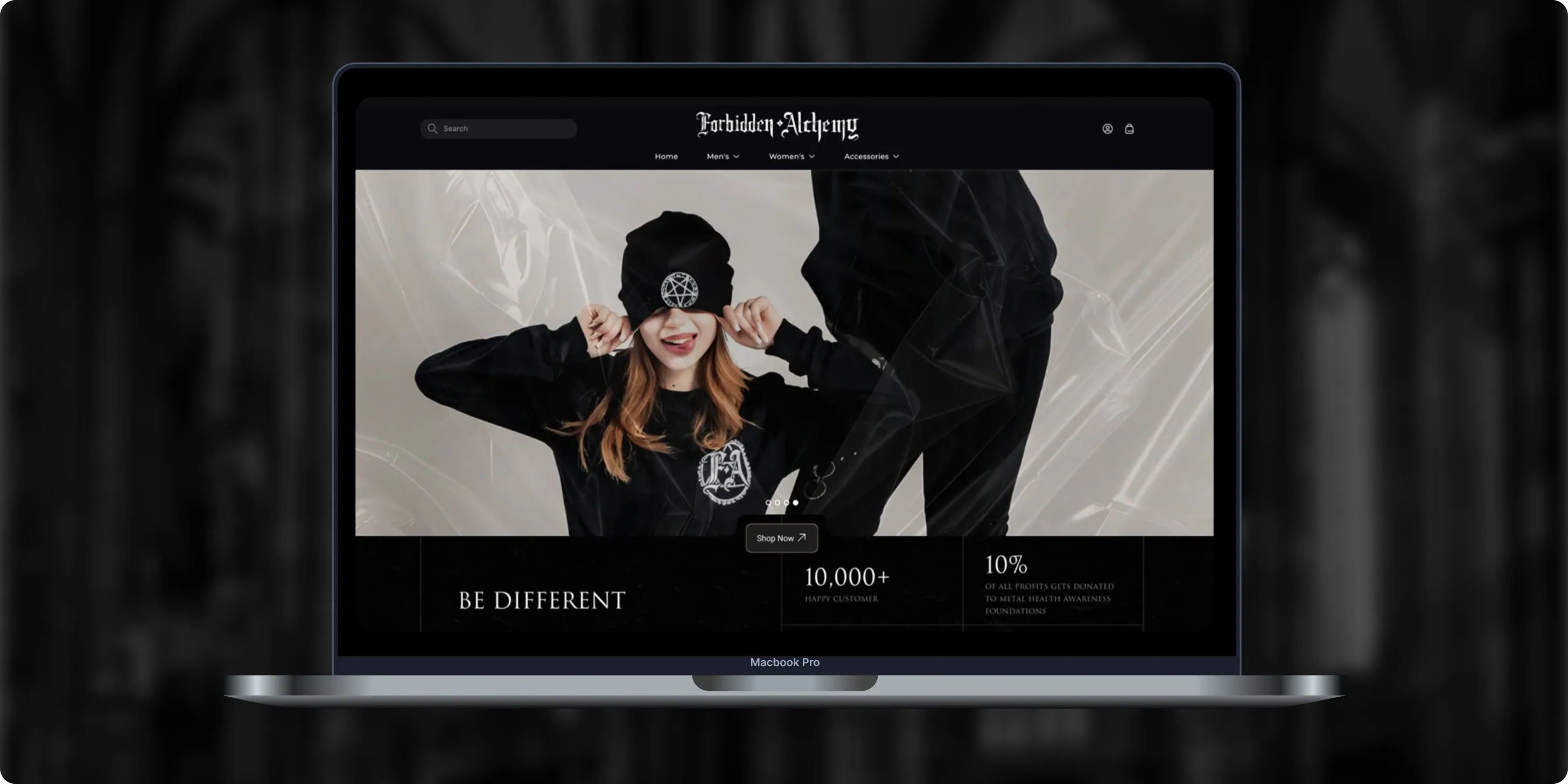
Forbidden Alchemy is an alternative fashion brand creating dark, provocative clothing for the metalhead community, with 10% of profits donated to mental health awareness. Its mostly mobile audience struggled with a store that was hard to navigate and weak on functionality.- +44%Revenue Month Over Month
- 86%Design Satisfaction
- 2.8XUser Retention Growth
Altera
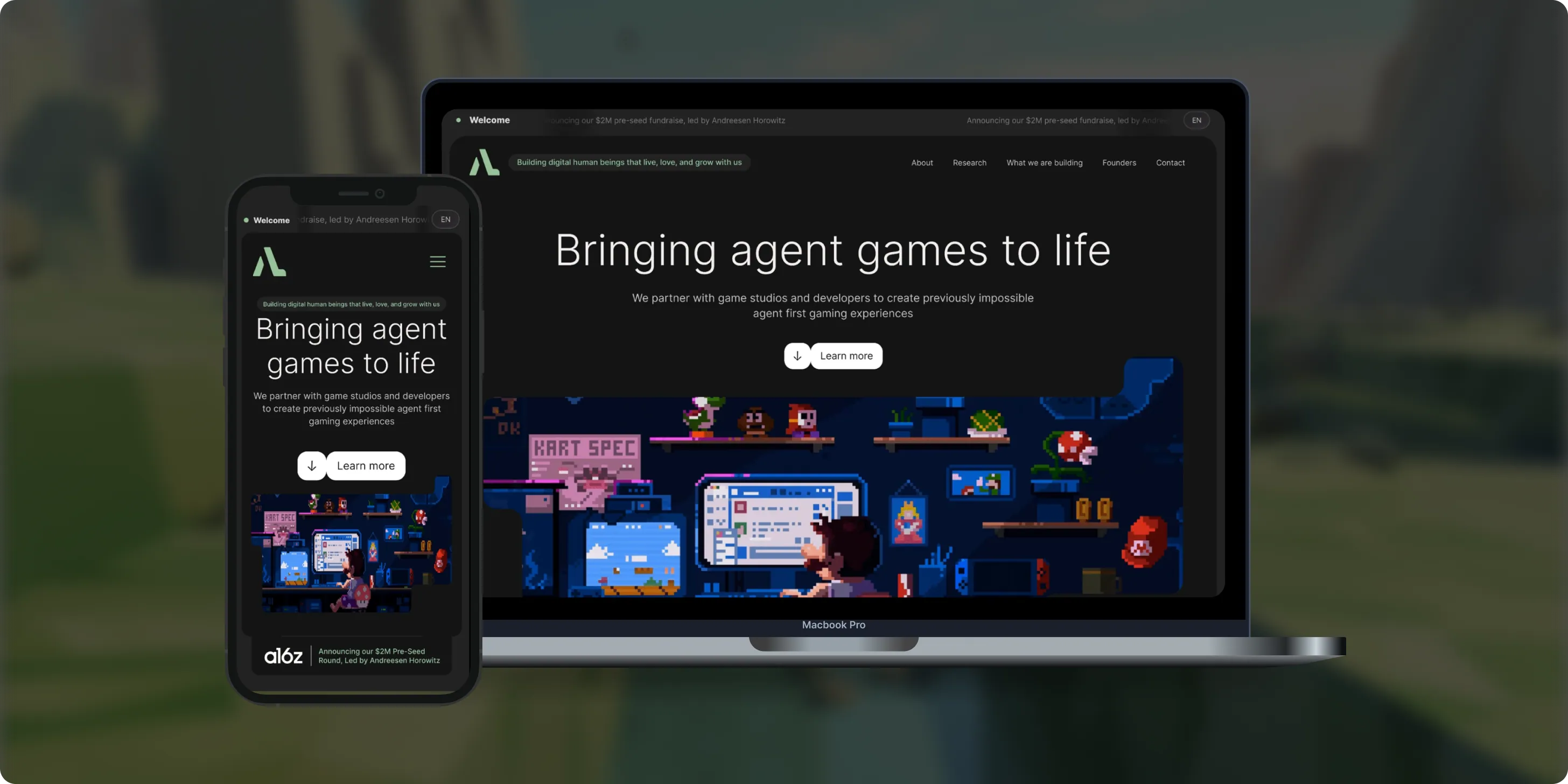
Altera builds on decades of computational neuroscience research to create digital human beings for gaming. Backed by a $2M pre-seed round led by Andreessen Horowitz, the team needed a landing page that could explain complex agent technology to players, partners, and investors.- 98%Dynamic Customization
- 100%Streamlined Navigation
- $2MPre-Seed Round
- Real Estate
Brizacorp
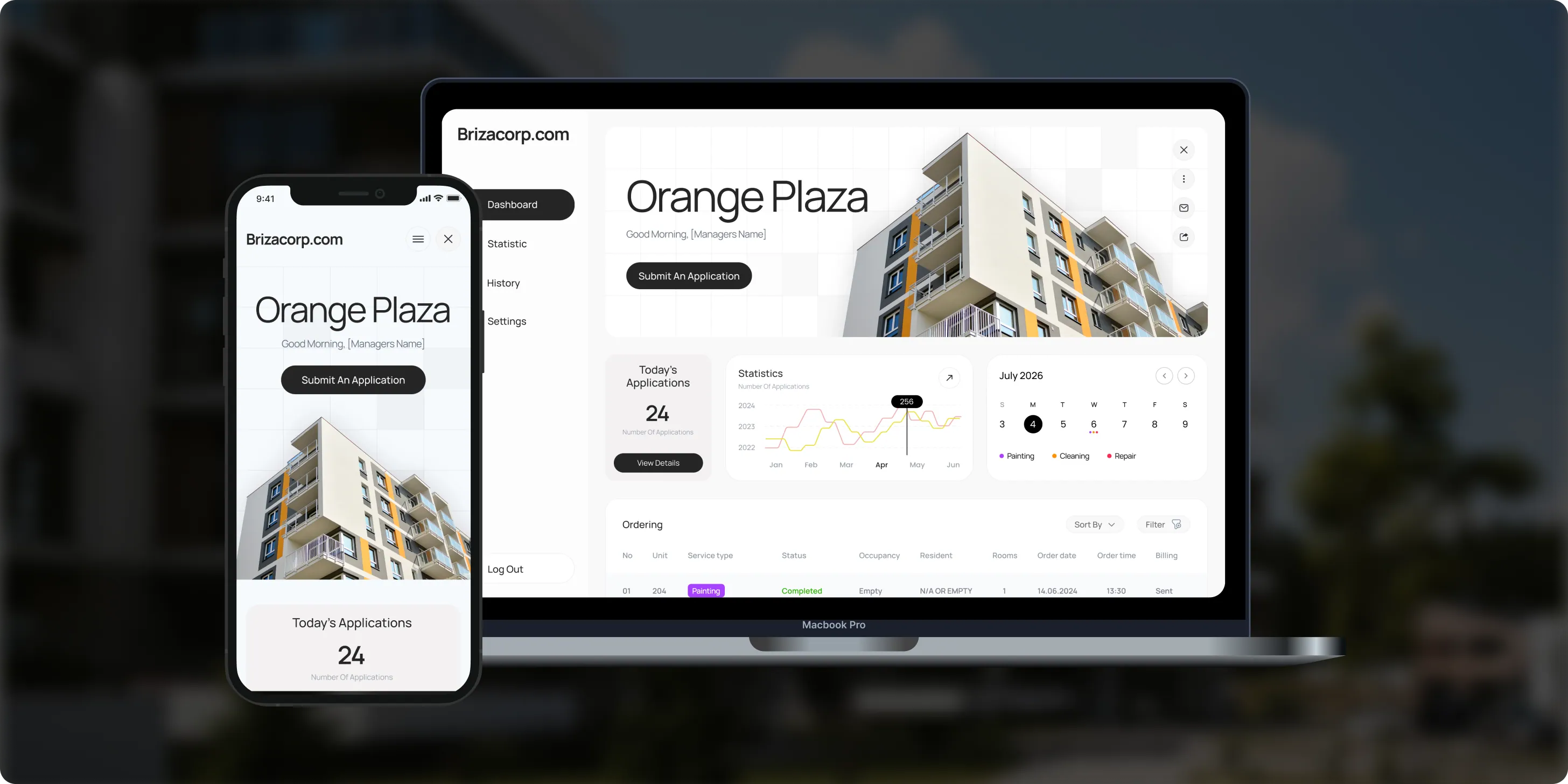
Brizacorp manages residential properties and coordinates the staff who handle painting, cleaning, and repair requests. Its team tracked work across messengers, phone calls, e-mail, and paper planners, with no single place to manage requests or measure performance.- 98%Application Stability
- 95%Utilization Rate
- 30%Faster Task Completion
Color & Harmony
Color & Harmony is a Kentucky-based color consulting studio led by certified color strategist Diana Cartaya. The studio needed a website that reflects its refined aesthetic, showcases its portfolio, and explains a science-based color process in simple language.- 45%Conversion Rate Increase
- 50%Higher User Engagement
- 2Months to Launch

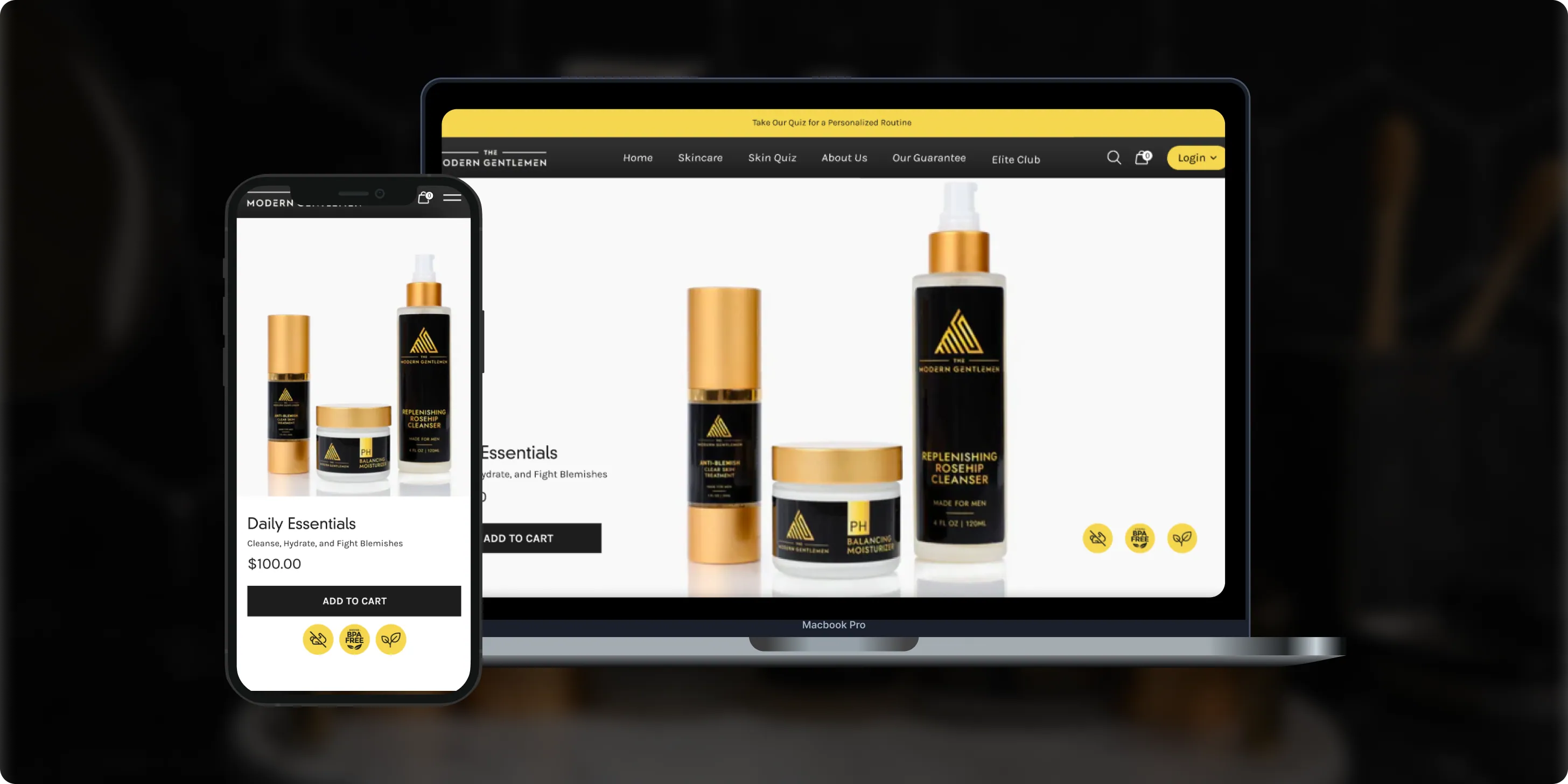
The Modern Gentlemen
The Modern Gentlemen sells premium men's skincare featured in Men's Health, GQ, and Men's Journal. Its customers wanted an efficient routine, but generic product suggestions and limited skincare knowledge made choosing the right products hard.- 30%Increase in Conversions
- 25%Higher Customer Retention
- 92%Mobile Purchases
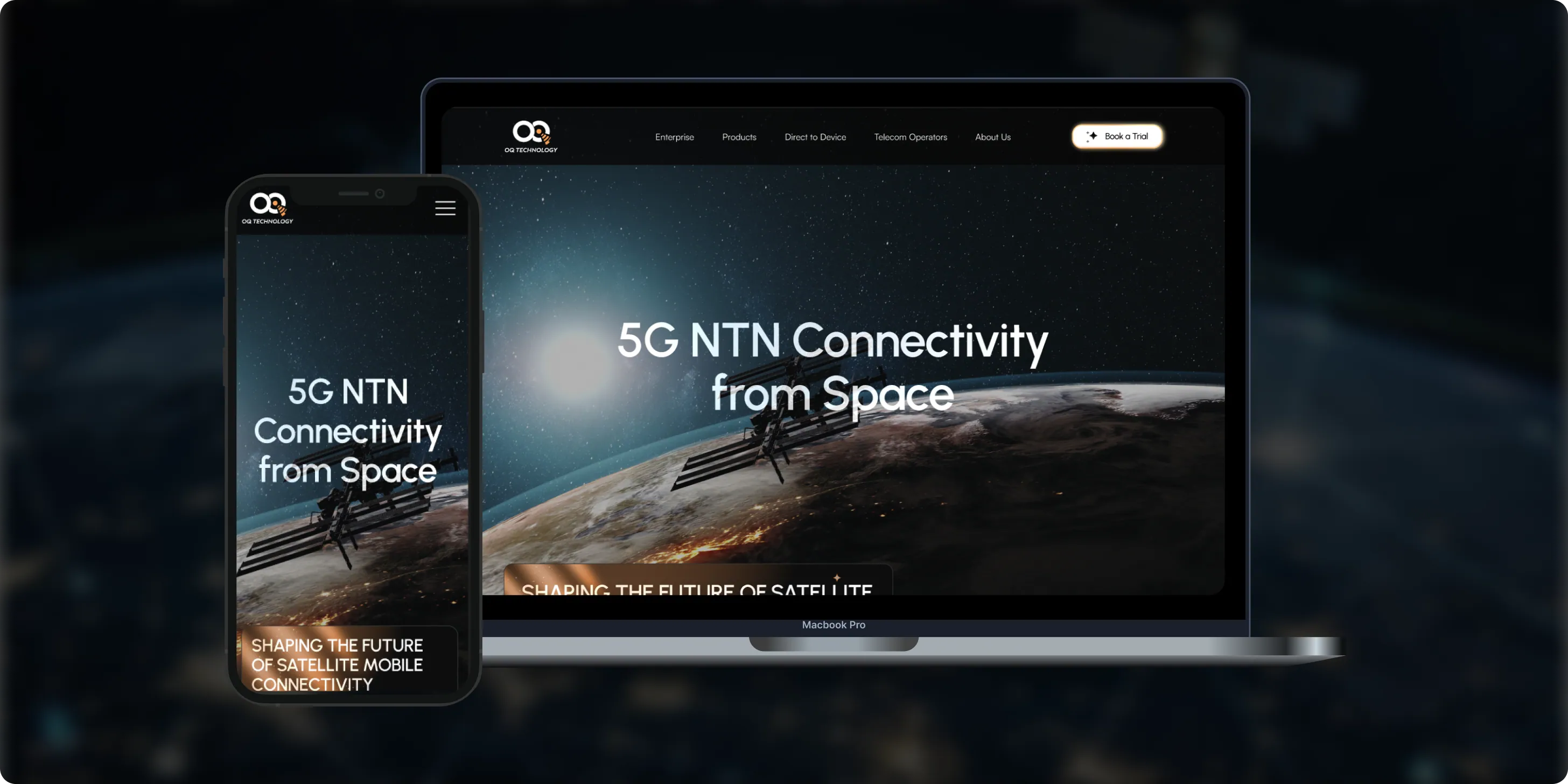
OQ Technology
OQ Technology connects IoT devices, machines, and people anywhere on the planet through its satellite network, serving energy, maritime, logistics, agriculture, and mobile operators. Its website made it hard to explore products and reach pricing plans.- 4Pricing Plans Clarified
- 3Dedicated User Flows
- 1Unified Platform
- Real Estate
- Finance
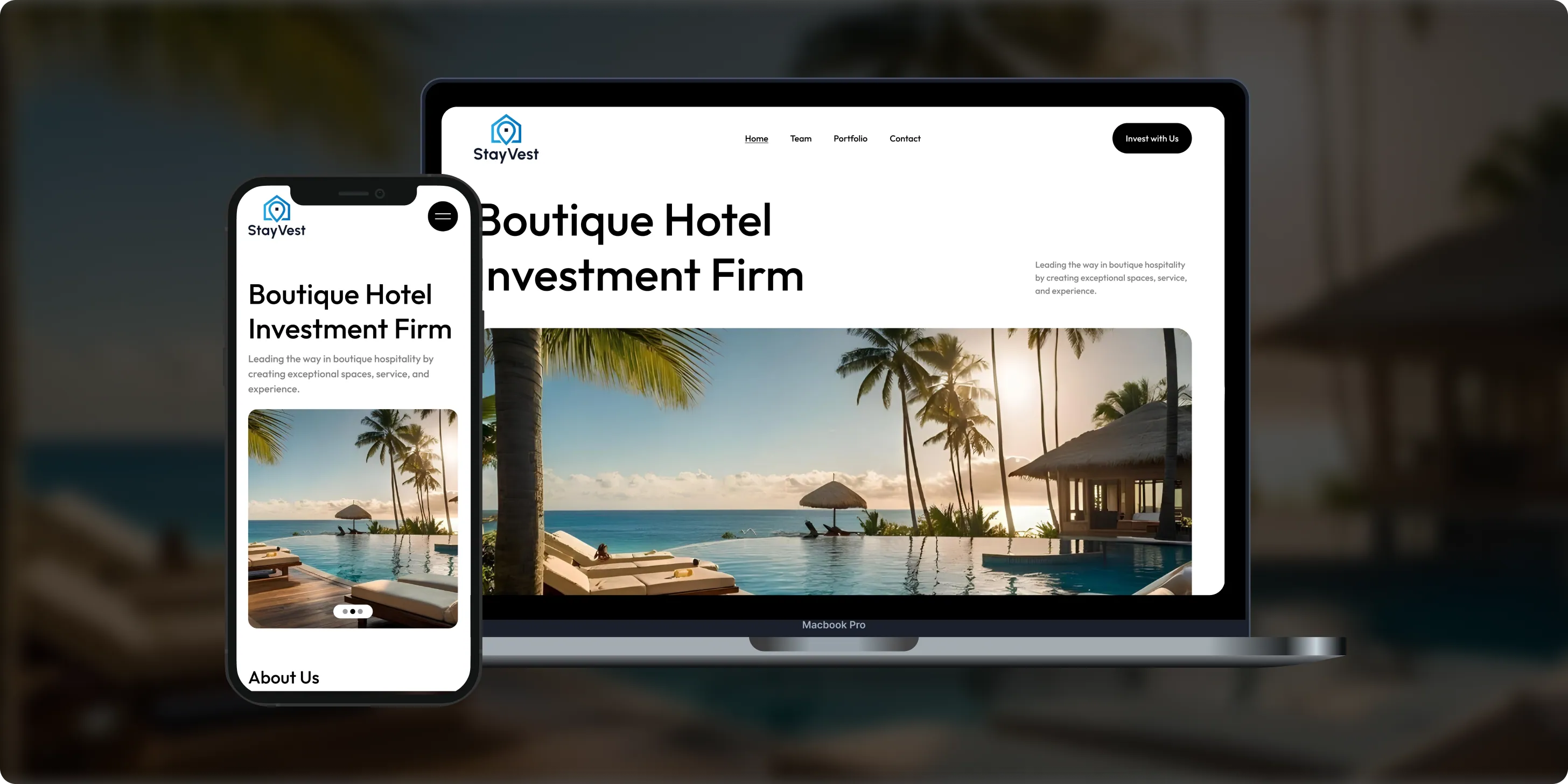
Stay Vest
Stay Vest is a private real estate investment firm that acquires, renovates, and operates boutique hotels for cash flow, tax benefits, and equity gain. It needed a platform that explains its strategy and earns the trust of passive investors.- 1,500+Guest Stays
- 200+Rooms Managed
- 5States Covered
Bokeyno Motorsports
Bokeyno Motorsports is the leading mobile installer of vertical doors for high-performance cars. This Shopify website isn’t just about services—it’s a bold statement of power, style, and expertise. With a sharp layout, strong visuals, and real-world case studies, the site delivers all the information car enthusiasts need to book confidently and instantly.- 54%Booking Requests
- 43%Lead Conversion
- 32%Qualified Inquiries

ai document processing platform
A comprehensive talent solution designed to help companies attract, hire, and retain top talent more effectively. The platform combines AI-powered recruitment technology with employee financial wellbeing programs, enabling smarter hiring decisions while supporting employees’ financial stability and long-term engagement.- 62%Faster Processing Time
- 78%Less Manual Work
- 35%Improved Accuracy

WHAT CLIENTS SAY
Independently verified reviews from real clients on Clutch.co


Client Story
Real feedback from
FMY Orthodontics

“Their perseverance and solution-oriented mindset. SoftDoes consistently found ways to make things work, added features we had not originally envisioned, and never became frustrated. It felt like working with a true partner who cared about the success of our practice.”
Dan Merwin
DDS, MS -- President, FMY Orthodontics

Client Story
Real feedback from
Prior Authorization AI
“Every time I sent a request, if there was anything that didn't work, they were able to turn it around quickly. Even when there were no updates yet, they always reached out to let me know they were working on it.”
Joseph Oluwo
Founder of Prior Authorization AI


Client Story
Real feedback from
WOVEN
“What stood out most was their commitment to understanding our needs before presenting solutions.”
Danna Pastran
Administrative Operations Manager, WOVEN

Client Story
Real feedback from
Grand Central Language Services
“The site performs as intended and provides the foundation for our company's digital presence.”
Joe Goldstein
QA Manager, Grand Central Language Services


Client Story
Real feedback from
DineMate
“They go above and beyond.”
Eric Snead
CEO, DineMate "Dating Connecting Platform"
Why they Choose SoftDoes
- 01SENIOR ENGINEERS, NOT LAYERS
Your production engineers and integrity managers talk directly to the developers writing the code. Our senior team has worked with SCADA protocols, OPC UA interfaces, historian time series data, and production accounting logic. That means fewer translation errors when refining a net oil calculation or mapping a tag hierarchy to physical assets across a field. Questions about well logs, flow rates, or reservoir modeling do not need a middleman to relay. Oil and gas software must bridge Information Technology and Operational Technology, and we treat that as a core requirement, not an afterthought.
- 02PREDICTABLE DELIVERY
Oil and gas operations do not pause for software projects. We plan releases around turnarounds, seasonal drilling schedules, and regulatory deadlines. Sandbox environments mirror real well and pipeline data so testing happens against realistic conditions before anything touches a production system. Regular demos and acceptance checkpoints keep your engineering and IT teams informed without pulling them away from operations. Testing must include failure modes and field conditions for oil and gas software, and we treat that as standard practice, not an optional step.
- 03BUILT TO LAST PAST LAUNCH
Assets in the oil and gas industry run for decades. Software that supports those assets needs the same staying power. We use modular architectures, clear domain models, and automated test suites that let future engineers add new fields, new pipeline segments, or new regulatory requirements without rewriting what already works. Handover documentation and operator training are part of every project. When acquisitions add new basins or regulators change emissions rules, the system adapts without starting over.
- 04NO BABYSITTING REQUIRED
Your reservoir engineers and pipeline controllers have enough to manage. SoftDoes handles day to day project coordination, surfaces risks early, and resolves integration conflicts between historian tags and ERP records without requiring constant client intervention. When a data feed changes format at 2 AM or an API version shifts, we handle it. Proactive communication replaces status chasing. We adapt to your tools, your meeting cadence, and your change management process rather than adding administrative overhead to your team's plate.
How we work with your team
From the first workshop through ongoing support, here is what the working relationship looks like at each stage.




Experience Across Manufacturing, Life Sciences, Healthcare, and Other Regulated Industries
We build quality software for organizations where audit readiness, traceability, and consistent processes are non-negotiable.
Renewable Energy
Utility Billing
Smart Grid
Energy Management
EV Charging Software
Complex systems, integrations, and internal platforms built to evolve. We step in when off-the-shelf tools stop being enough.
Energy Trading Risk
From first version to real traction without painting yourself into a corner. Built for speed now and hard decisions later.
Asset Management
Systems designed around controls, traceability, and change management. Built so audits don’t become fire drills.
Energy Utilities
Infrastructure software built for long timelines and high stakes. Reliable systems for assets that can’t afford guesswork.


Frequently Asked Questions
Everything you need to know about working with SoftDoes. Can’t find an answer?
How long do typical oil and gas software projects take?
A focused mobile field application or a single module pilot project typically takes three to four months from kickoff through deployment. Larger projects, such as full lifecycle production operations platforms or comprehensive pipeline integrity management systems, usually span nine to eighteen months. The duration depends on the number of data sources, asset types, regulatory compliance modules, and integration complexity involved. For example, integrating real time data from SCADA, historian systems, and ERP platforms requires careful mapping and validation to ensure seamless workflows. Drilling and well planning software development projects that support trajectory optimization, torque and drag modeling, and real time rig monitoring typically fall within similar timelines. Throughout all projects, we emphasize phased delivery and iterative testing to manage scope and reduce risk, ensuring that each milestone aligns with operational schedules and regulatory deadlines.
Can you integrate with our existing SCADA, historian, and ERP tools?
Yes. We have extensive experience working with a wide range of industrial communication protocols and data exchange formats including OPC UA, REST APIs, MQTT, Kafka, and flat file imports. Our cloud services facilitate seamless integration of existing oil and gas systems, enabling unified data management and real time analytics across operations. To ensure proper data mapping and synchronization, we require access to vendor documentation or sandbox environments for each tool. Cloud platforms enable real time data analytics for oil and gas when the architecture supports it, providing production engineers and asset managers with actionable insights. We also support legacy system modernization by wrapping older applications with APIs and running new and old systems in parallel during migration phases.
How do you handle data security for oil and gas operations?
Operational technology in oil and gas needs specialized cybersecurity measures. We apply encryption at rest and in transit, role based access control, network isolation between OT and IT zones, and detailed logging for audit purposes. NIST and ISA/IEC frameworks guide our approach to protect against cyber threats. Deployment options include on premises, private cloud, or public cloud depending on your data residency and compliance requirements. Cyberattacks targeting oil and gas infrastructure can halt production or cause environmental damage, so hazard analysis is fundamental in safety critical software systems for oil and gas.
Who owns the code and intellectual property?
You do. Every contract specifies that custom software created for your operations belongs to you. If we use open source libraries or reusable frameworks, those are documented separately with their licenses. There is no ambiguity and no lock in. Regulatory compliance involves documenting changes and maintaining traceability in software, and that applies to ownership records as well. Clear ownership ensures you have full control over your software's future development, deployment, and integration with other systems.
Can you work with our existing in house development team?
Absolutely. We operate as an extension of your internal IT or engineering group with shared code repositories, architecture discussions, and a clear division of responsibilities. This model works well when your team handles ongoing maintenance planning or internal tools and we focus on specialized tools like integrity systems, analytics engines, or mobile field applications. Collaboration includes joint sprint planning, code reviews, and knowledge transfer sessions to ensure seamless teamwork and consistent software quality.
What makes oil gas software development different from other sectors?
Assets in this sector have multi decade lifecycles. Control systems run around the clock with no tolerance for unplanned outages. Software development in the oil and gas industry requires balancing operational reliability with digital needs. The data environment spans sensors in remote locations, legacy historians, and enterprise financial systems. Automated data validation and hygiene processes are vital in data management for oil and gas. Generic software selection rarely works because the domain model, from reservoir simulation to production accounting to pipeline risk scoring, requires engineering depth, not just database design. Data integration is crucial for accurate oil and gas analytics.
How do you minimize downtime during deployment and upgrades?
We use parallel runs, staged rollouts, and mirroring of live data feeds so the new system proves itself thoroughly before any changes affect production environments. Feature flags allow us to enable new capabilities gradually, starting with specific users or fields to monitor performance and gather feedback. Close coordination with your operations teams ensures that no modifications reach control systems during periods of peak activity or without full operator awareness. Asset reliability analysis software plays a crucial role by predicting equipment failure patterns, allowing us to schedule upgrades and maintenance around these insights to minimize disruptions.
What support do we get after launch of our oil gas software development project?
Options range from business hours incident response to around the clock monitoring with defined response times. Enhancement queues let you request new features or reports as operations change. AI powered cloud solutions optimize decision making in oil and gas over time as more data accumulates. We schedule regular check ins to adapt the software when you add new fields, face new regulatory requirements, or complete acquisitions that expand your asset base. Condition monitoring software provides real time tracking of equipment, and we ensure those feeds remain accurate and current post launch.