


U.S.-Based
Telemedicine Software Development
Telemedicine software development by SoftDoes: custom HIPAA-compliant virtual care platforms with reliable video, e-prescribing and EHR integration.

Let's build together.
Talk with a senior engineer about your product idea, architecture, and what it would take to build it.
90+
Active Client Partnerships
80+ Person
Product & Engineering Team
100%
Your Code & IP Ownership
U.S.-Led
Delivery & Accountability
We understand the challenges you're facing
Why do our virtual visits live in a separate tool, so staff copy notes, orders, and charges into the EHR by hand?
This is one of the most common and costly problems in telemedicine today. Custom telemedicine software development eliminates disconnected workflows by building a single flow: appointment scheduling, digital intake and consent, device checks, the video visit itself, structured documentation, e-prescribing, lab orders, and billing - all connected directly to your EHR and practice management software. SoftDoes designs consistent data models for patients, providers (with licenses and state coverage), appointments, visit sessions, structured notes (SOAP and specialty templates), orders, prescriptions, and claims. Real-time, event-driven data capture - events like "visit-started," "prescription-sent," and "claim-created" - keeps every downstream system in sync without polling or manual triggers. We write visit outcomes, diagnoses, orders, and billing codes back into Epic, Oracle Health, athenahealth, and other electronic health records so the chart is complete the moment the visit ends, eliminating double entry and the incomplete records that come with it. In a well-known case, a multi-specialty clinic network cut duplicate charting by approximately 42% once their telemedicine platform was properly integrated with their EHR, and consultation records landed in the patient chart within about one minute.
Our virtual care must protect PHI, respect state licensing, and follow prescribing and billing rules. How do we build that in without slowing visits down?
HIPAA compliance and regulatory adherence should be invisible to the patient but deeply embedded in the telemedicine software. SoftDoes builds licensing logic directly into the platform: it matches patients only to healthcare providers licensed in the patient's location, captures telehealth-specific consents, performs identity checks where required, and enforces whether a visit must use video or whether audio-only is permitted based on payer and state rules. The system encodes billing and visit types - place of service codes (POS 02/10), telehealth modifiers, payer-specific constraints - so correct codes are suggested automatically, not looked up manually. We design for a dense regulatory landscape: HIPAA and HITECH for PHI protection, state telehealth and licensure rules including interstate compacts, DEA rules for controlled substance prescribing (currently extended through December 31, 2026 under telemedicine flexibilities), Medicare and commercial payer telehealth billing policies (CMS has extended many flexibilities through 2027, including audio-only options), 42 CFR Part 2 for substance use disorder data, WCAG accessibility standards, GDPR for EU healthcare organizations, and FDA SaMD guidance where diagnostic features are involved. Licensing laws mandate that telemedicine providers hold valid licenses in the jurisdictions they serve, and GDPR compliance requires explicit consent for data collection and processing. Technical controls include end-to-end encrypted video, secure messaging, detailed audit logs that track every access to Protected Health Information, role-based access, MFA for clinicians, configurable recording policies, and signed Business Associate Agreements aligned with your privacy officers and auditors. Audit trails must log every access to PHI, and encryption must protect electronic Protected Health Information in transit and at rest.
Can a new virtual care platform plug into our EHR, payments, and pharmacy partners without disrupting in-person care?
Yes - but it requires an integration-first architecture, not an afterthought. SoftDoes builds telemedicine platforms on HL7 FHIR and SMART on FHIR, vendor APIs, SSO, and microservices that keep virtual care loosely coupled from the core EHR so in-person workflows remain untouched. Healthcare data must adhere to interoperability standards like HL7 and FHIR, and EHR integration facilitates efficient health data exchange across systems. For video conferencing, we use WebRTC-based infrastructure through providers such as Twilio, Vonage, Agora, or Zoom Video SDK, with fallback strategies - audio-only, dial-in - when networks are weak. We integrate with partner services across the care delivery chain: Surescripts or DoseSpot for e-prescribing, national lab networks, clearinghouses and insurance verification APIs, Stripe or health-specific payment gateways, remote monitoring devices and hubs, and custom in-house tools. Rollout is deliberate and safe: migrating existing patients and providers, configuring scheduling rules, piloting in one specialty or state, feature-flagging telehealth visit types, then expanding once stability is proven. One European clinic network of nine locations achieved full deployment within roughly one year using this phased approach - and discovered that EHR vendor sandbox environments didn't always match production, a risk SoftDoes plans for with dedicated integration testing.
Why do patients struggle to join visits, while clinicians juggle the video app, the EHR, and a chat tool at the same time?
Because most telehealth software was designed around the video call, not around the visit. SoftDoes conducts UX research with older adults, low-digital-literacy patients, caregivers, physicians, nurses, therapists, schedulers, and interpreters to map real behaviors and barriers before writing a line of code. Usability in telemedicine software must include low-literacy and multi-device design considerations, and multi-platform access ensures seamless operation across devices including mobile and web. Patients get one-tap join links via SMS or email - no app download required - with pre-visit device and bandwidth checks and branded virtual waiting rooms showing status updates. Clinicians get a workspace with video and chart side by side, quick note templates, integrated chat with staff, a view of patient intake and vitals, and buttons for ordering labs and meds without leaving the screen. We design for accessibility and inclusivity: large-touch targets, high-contrast modes, multilingual UI, interpreter and family member join, and audio-only fallbacks. Penn Medicine's Switchboard platform demonstrated the impact of reducing friction: they shifted from roughly 75% telephone visits to 75% video visits within 11 months, scaling to approximately 30,000 telemedicine appointments per week across about 8,800 clinicians.
If we add new specialties, states, or remote monitoring next year, are we stuck rebuilding our telemedicine platform again?
Not if the architecture is right from the start. SoftDoes designs modular services - separate components for scheduling, licensing, visit orchestration, documentation, billing, notifications, and analytics - so you avoid monolith lock-in. A modular backend architecture is often simpler for early-stage telemedicine products and scales cleanly as needs grow. Configuration-driven elements - visit types, intake forms, routing rules by state, language, payer, and acuity, pricing tables, clinic working hours - are editable by admins instead of developers. Extension points and versioned APIs allow new services like asynchronous visits, e-consults, tele-ICU, remote patient monitoring systems, digital therapeutics, and employer-branded virtual clinics to plug into the same backbone. SoftDoes invests in thorough documentation and knowledge transfer so internal product and IT teams can safely adjust rules and launch new markets without vendor dependency for every tweak. One virtual-first startup expanded into additional states primarily by updating configuration for coverage, routing, and payer rules - no feature rebuilds needed.
You provide the care. We engineer the virtual clinic behind it.

Custom telemedicine platforms and apps
SoftDoes builds web and native mobile apps for virtual care around each client's care model, branding, and specialties - not by forcing workflows into a generic video tool. Modules include identity verification, patient onboarding, self-scheduling and on-demand queues, digital intake and consent, virtual waiting rooms, HIPAA-compliant video and chat, visit notes, e-prescribing, lab orders, payments, insurance capture, and role-based dashboards.
One-tap browser and mobile video with device and bandwidth checks and low-bandwidth/audio-only fallback
Smart provider matching by license, specialty, location, language, and contractual coverage rules
Automatic write-back of visit notes, diagnoses, orders, and charges into the EHR and billing systems

Interoperability and clinical data analytics
SoftDoes brings together data from telemedicine apps, EHRs, scheduling, billing systems, remote monitoring devices, and patient feedback into a unified analytics layer. We use event streams, ETL pipelines, data warehouses, and BI dashboards so operations and clinical leadership see what's actually happening - not what they guess.
Real-time queue and wait-time dashboards by service line, site, and state
Call quality and drop-rate monitoring with alerts when video or audio success dips below thresholds
Reports on provider utilization, visit mix, outcomes proxies, and patient satisfaction segmented by channel and payer

AI enhanced virtual care workflows
SoftDoes applies advanced technologies to virtual care: symptom intake and triage to the right visit type or nurse line, ambient listening with draft notes, live transcription and translation, follow-up summaries for patients, and demand forecasting to optimize staffing. AI enhances remote patient monitoring capabilities in telemedicine, and AI-driven analytics improve patient care strategies - but every AI feature is designed with HIPAA alignment and clinical safety in mind, with explicit guardrails, clear UX separating AI suggestions from clinician decisions, and human sign-off before anything enters the legal record.
Natural-language draft visit notes, ICD-10/CPT code suggestions, and patient-friendly visit summaries
Predictive no-show and demand models to optimize schedules and staffing for virtual clinics
Smart triage and follow-up suggestions based on symptoms, history, and care pathways you define
Numbers Don’t Lie
Recent projects showcasing how we design, engineer, and deliver production-ready software solutions.

- Startup
- Real Estate
Our Haus AI
A finance professional turned founder built Our Haus AI, an AI-powered collaborative workspace where homeowners and contractors scope, bid, contract, and document renovation projects together. SoftDoes took her prototype and made it production-ready.- 10XMVP scope delivered
- 2+years Ongoing partnership
- 1Fully owned Platform

- Finance
- Energy
Deepwater Insights
Deepwater Insights delivers proprietary alternative data and niche research on the offshore drilling and energy sector to institutional investors, family offices, and high-net-worth individuals who require coverage that larger firms don't provide.- 100%Brand Continuity
- 2Platform Distribution
- 100%Paywall-Ready Content

- Real Estate
The building buyer
The Building Buyer is a Florida-based real estate investment firm co-founded by Dylan Troiano and Charles Hanlin. They acquire single-family, multifamily, and commercial properties across South Florida and beyond, with a focus on motivated seller opportunities.- 18Weekly hours saved
- 2+Years Ongoing partnership
- 1Fully owned Platform

- Education
- Non-Profit
WOVEN & NICE
Woven is a Spring Valley, NY nonprofit running the NICE program (New Training Inclusive Community Environment) in four Rockland County schools. Their team supports students through restorative practices, mediation, and professional development for teachers and administrators.- 4Schools Served
- 4Weeks to Launch
- 1STTime on Upwork

- Healthcare
CareInTouch
CareInTouch is a Bay Area home health agency providing skilled nursing and therapy services to patients referred from hospitals and clinics. With over 100 staff, they operate in one of the most complex and compliance-driven healthcare markets in the country.- 40% Reduction In Billing Errors
- 100+Staff Operations Managed
- 0Missed Compliance Deadlines

- Startup
Sparkle The Cleaning Service
Sparkle The Cleaning Service is a Detroit-area residential cleaning company with 10 years in business, connecting homeowners with vetted, insured independent cleaners through a subscription-based marketplace platform.- 75% Platform Transparency
- 2XPlatform Growth
- 40%Higher User Retention

- Startup
DineMate
DineMate is a Maryland-based dating and connecting platform built around verified profiles, restaurant reservations, and prepaid dining experiences. Founded to bring back authenticity to how people meet and connect.- 60% Time Saved
- 99%System Reliability
- 40%Higher User Retention

- Healthcare
Prior Authorization AI
Prior Authorization AI is a healthcare automation startup building AI-powered tools to streamline prior authorization for Medicare and Medicaid medical transportation providers in New Jersey.- 16Weekly hours saved
- 63%Admin time reduced
- 43%Fewer submission errors

- Education
Grand Central Language Services
Grand Central Language Services provides translation and interpretation for organizations operating in complex, multilingual environments. As demand grew, internal workflows became harder to manage. SoftDoes built a custom platform to streamline coordination, improve visibility, and support scalable operations.- 72%Workflow Reduction
- 48%Coordination Reduction
- 83%Visibility Increase

- Healthcare
FMY Orthodontics
FMY Orthodontics, a multi-location practice in West Tennessee, partnered with SoftDoes to replace a spreadsheet-based financial workflow with a custom web platform. The goal was to simplify how staff present treatment financing while allowing patients and families to review and complete decisions remotely.- 60%Workflow Reduction
- 75%Remote Adoption
- 5Locations Aligned

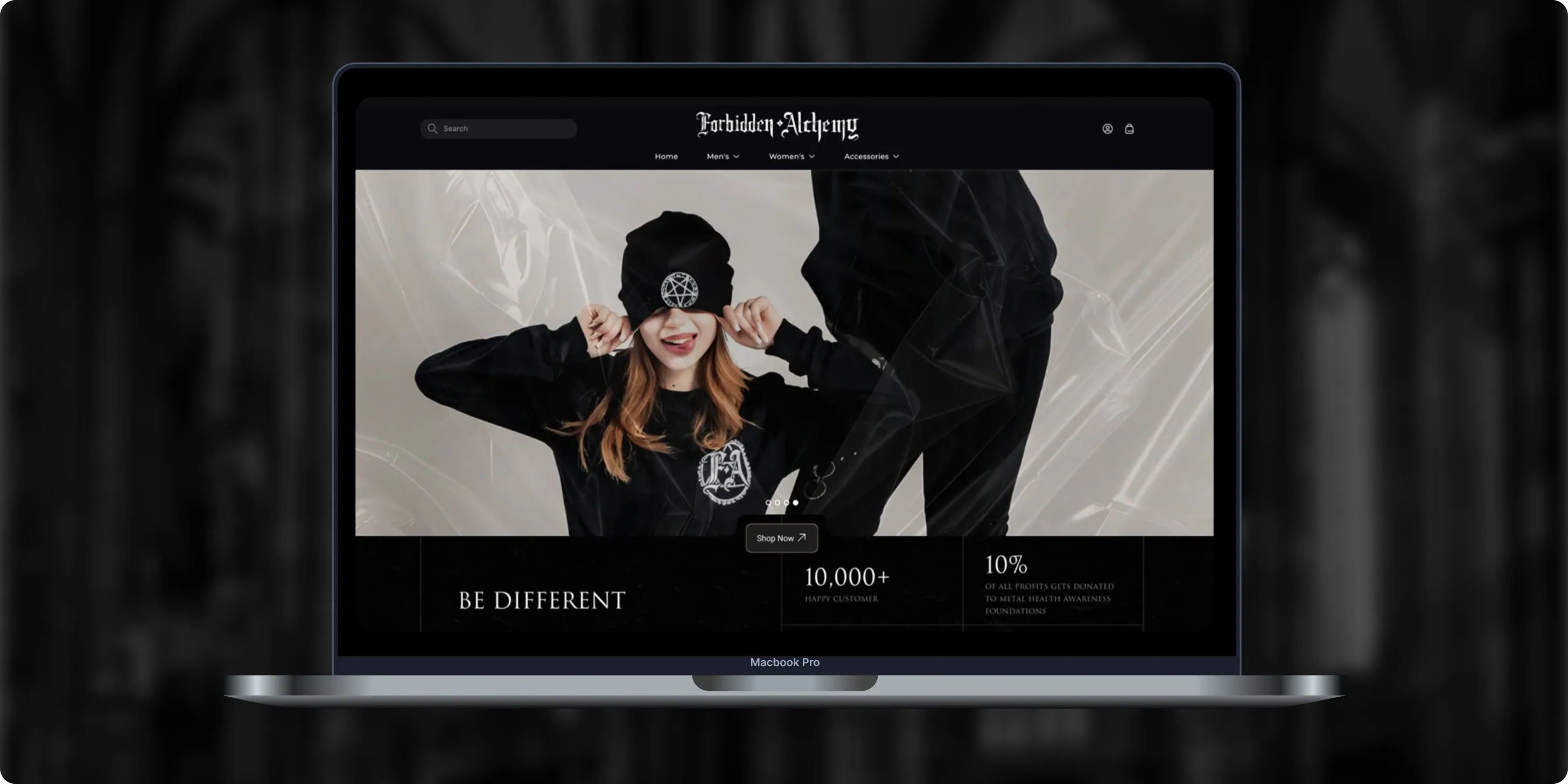
Forbidden Alchemy
Forbidden Alchemy is an alternative fashion brand creating dark, provocative clothing for the metalhead community, with 10% of profits donated to mental health awareness. Its mostly mobile audience struggled with a store that was hard to navigate and weak on functionality.- +44%Revenue Month Over Month
- 86%Design Satisfaction
- 2.8XUser Retention Growth
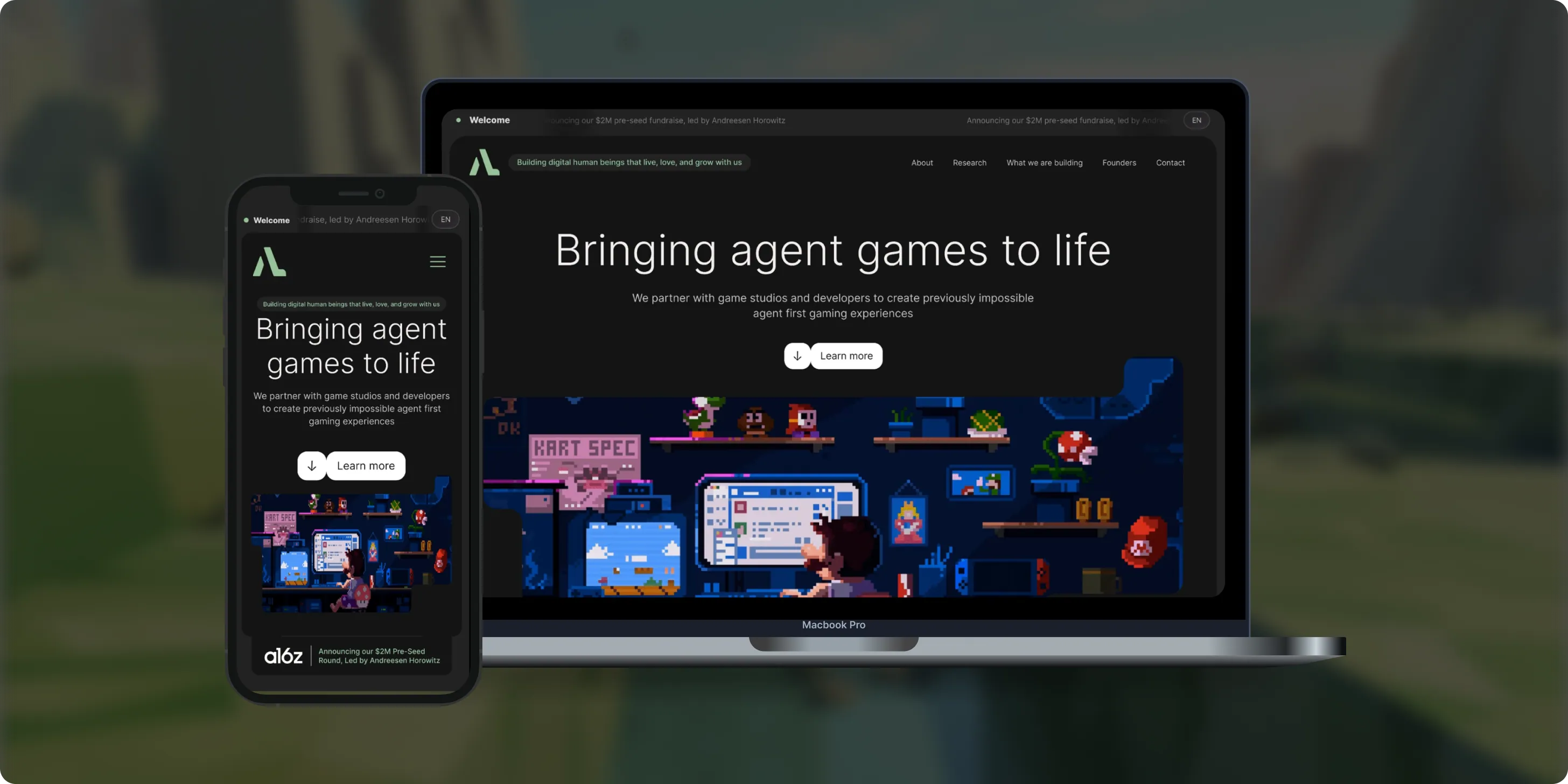
Altera
Altera builds on decades of computational neuroscience research to create digital human beings for gaming. Backed by a $2M pre-seed round led by Andreessen Horowitz, the team needed a landing page that could explain complex agent technology to players, partners, and investors.- 98%Dynamic Customization
- 100%Streamlined Navigation
- $2MPre-Seed Round
- Real Estate
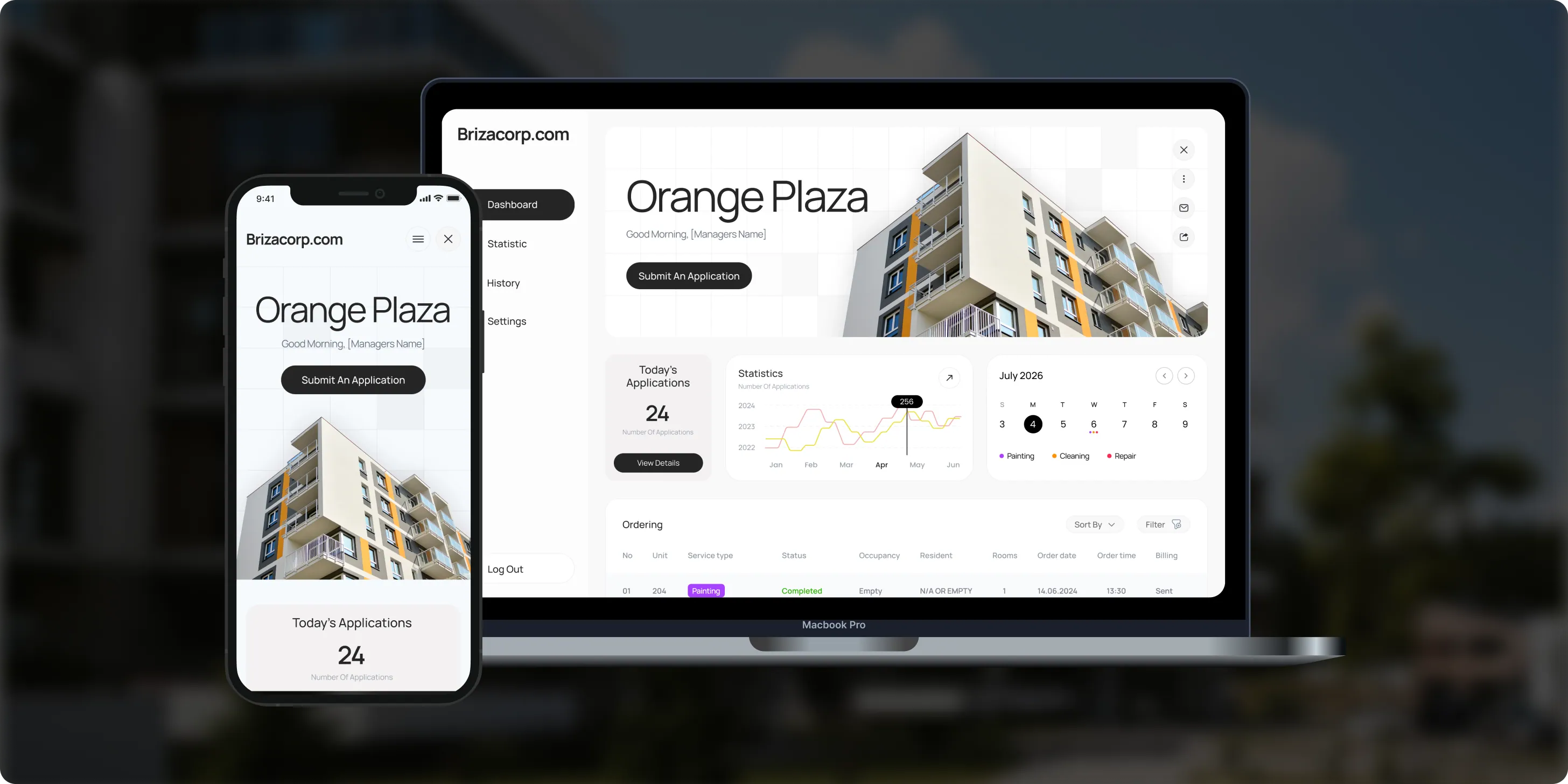
Brizacorp
Brizacorp manages residential properties and coordinates the staff who handle painting, cleaning, and repair requests. Its team tracked work across messengers, phone calls, e-mail, and paper planners, with no single place to manage requests or measure performance.- 98%Application Stability
- 95%Utilization Rate
- 30%Faster Task Completion
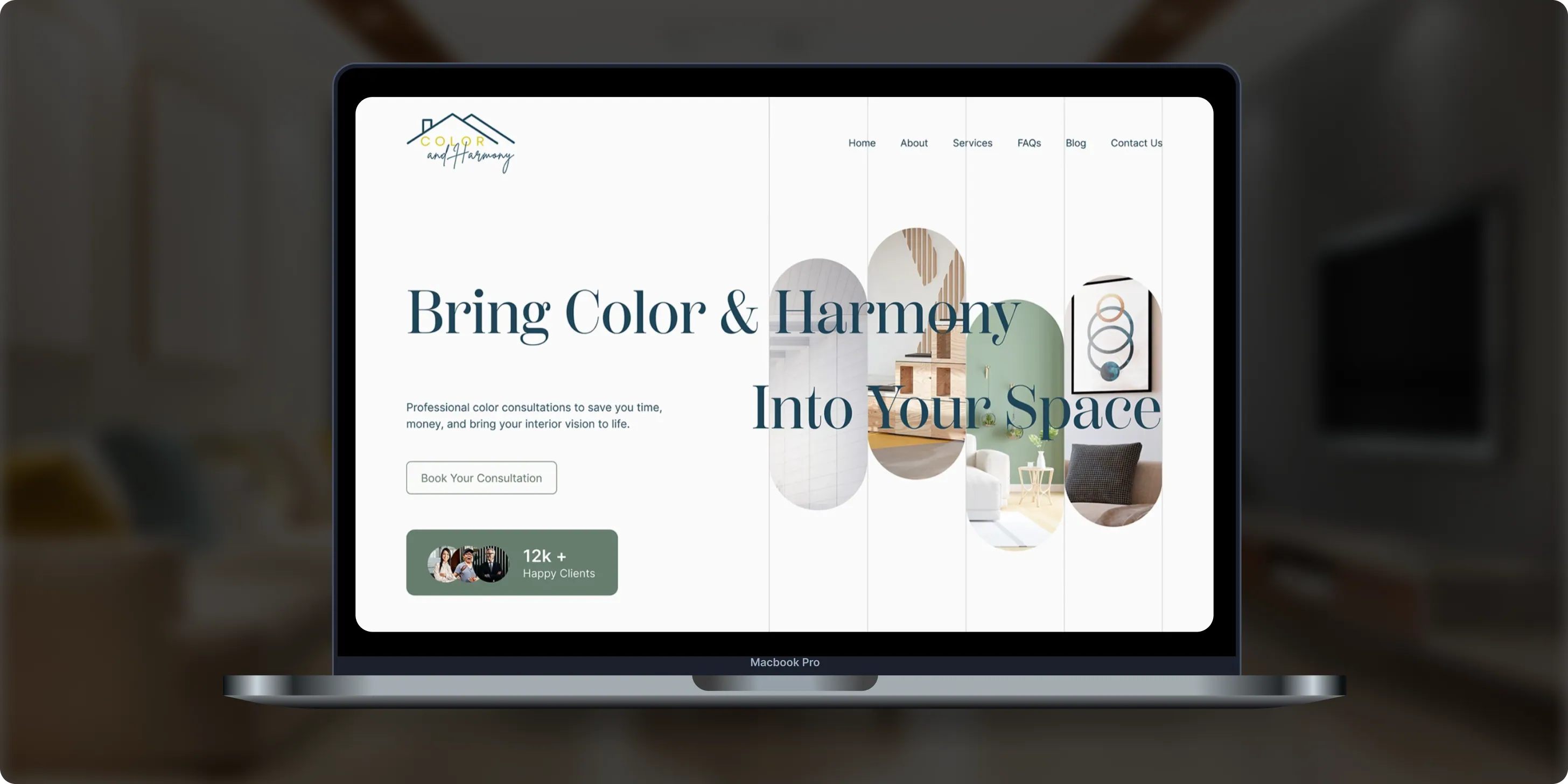
Color & Harmony
Color & Harmony is a Kentucky-based color consulting studio led by certified color strategist Diana Cartaya. The studio needed a website that reflects its refined aesthetic, showcases its portfolio, and explains a science-based color process in simple language.- 45%Conversion Rate Increase
- 50%Higher User Engagement
- 2Months to Launch
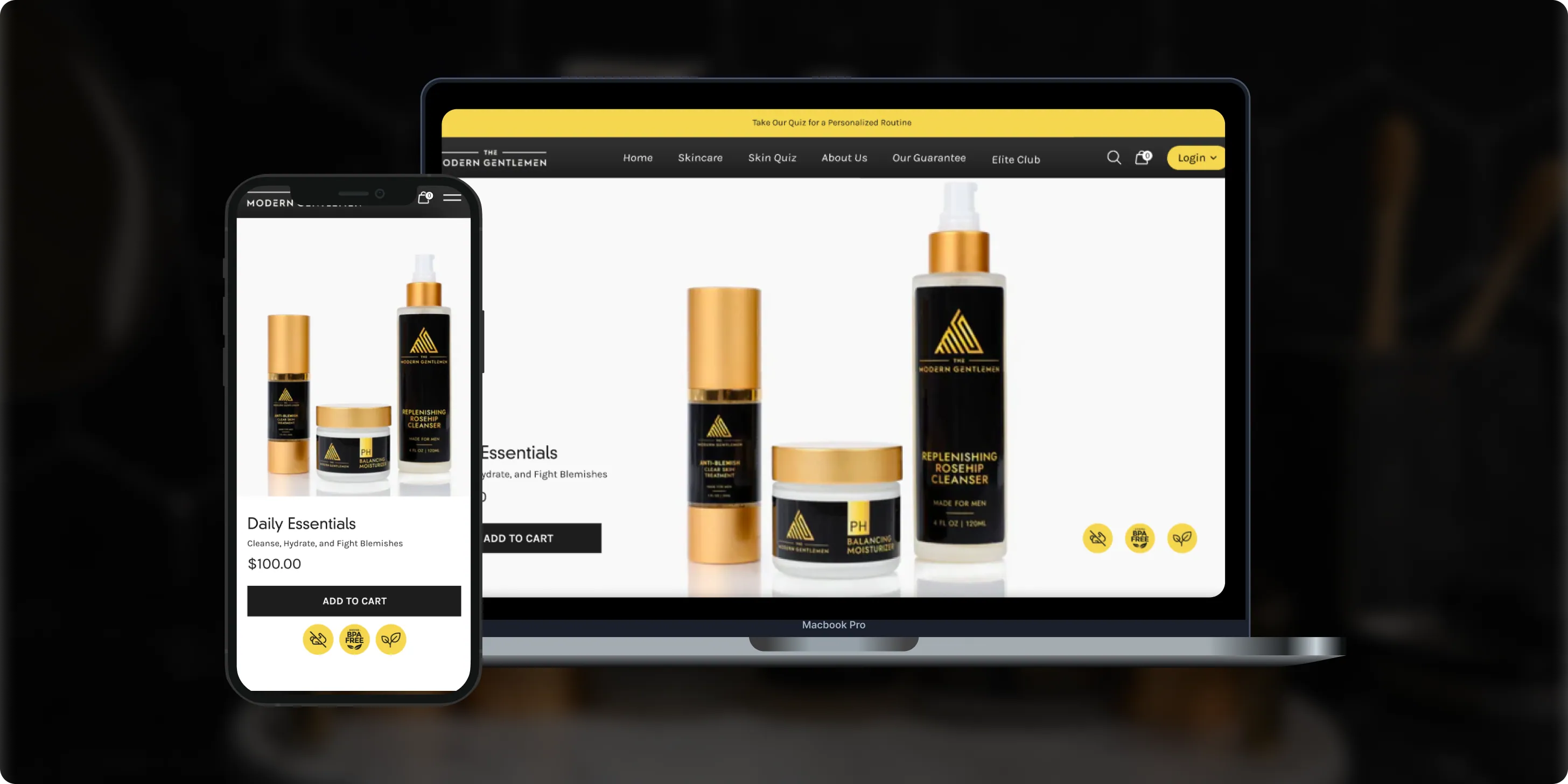
The Modern Gentlemen
The Modern Gentlemen sells premium men's skincare featured in Men's Health, GQ, and Men's Journal. Its customers wanted an efficient routine, but generic product suggestions and limited skincare knowledge made choosing the right products hard.- 30%Increase in Conversions
- 25%Higher Customer Retention
- 92%Mobile Purchases
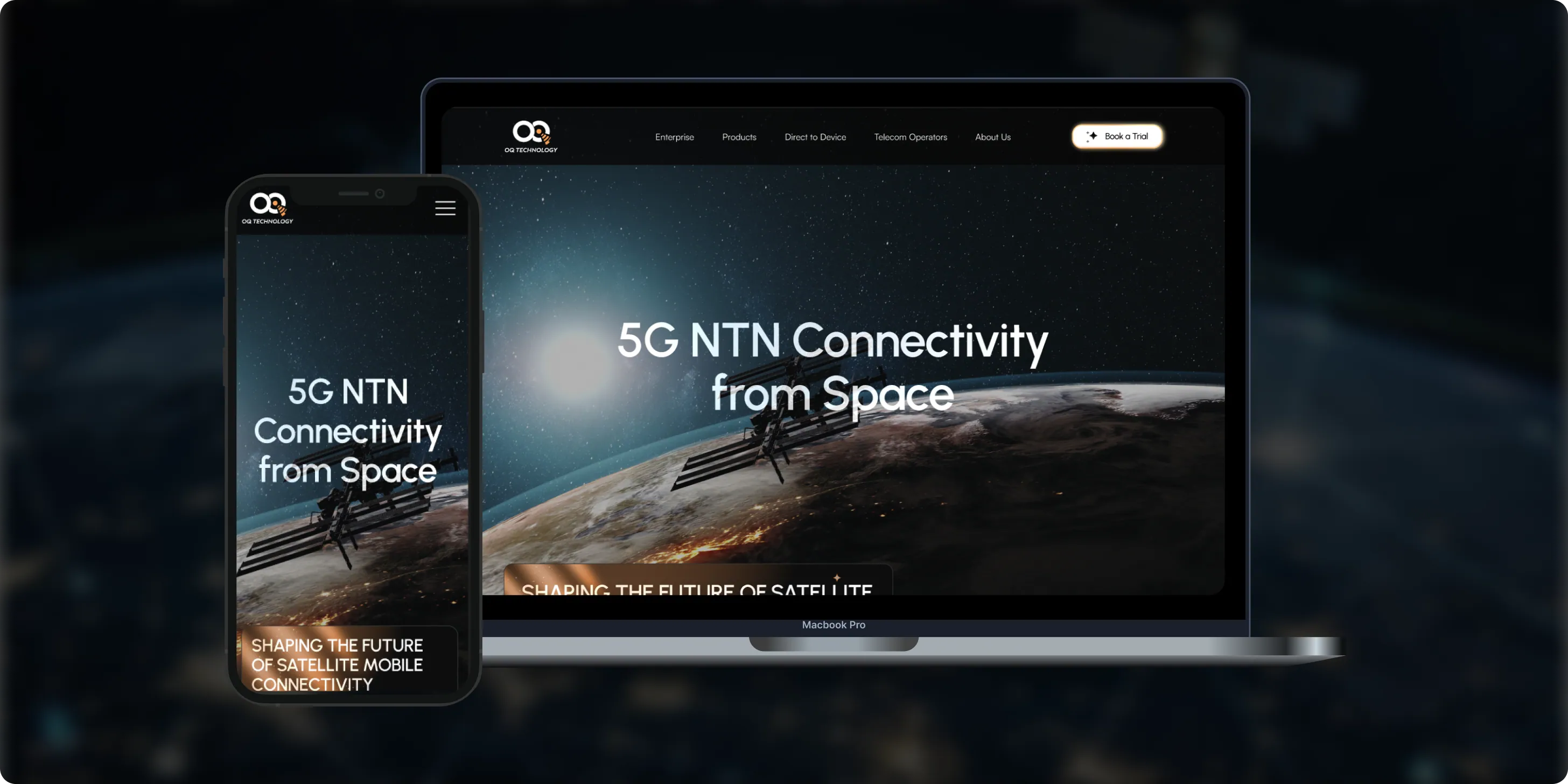
OQ Technology
OQ Technology connects IoT devices, machines, and people anywhere on the planet through its satellite network, serving energy, maritime, logistics, agriculture, and mobile operators. Its website made it hard to explore products and reach pricing plans.- 4Pricing Plans Clarified
- 3Dedicated User Flows
- 1Unified Platform
- Real Estate
- Finance
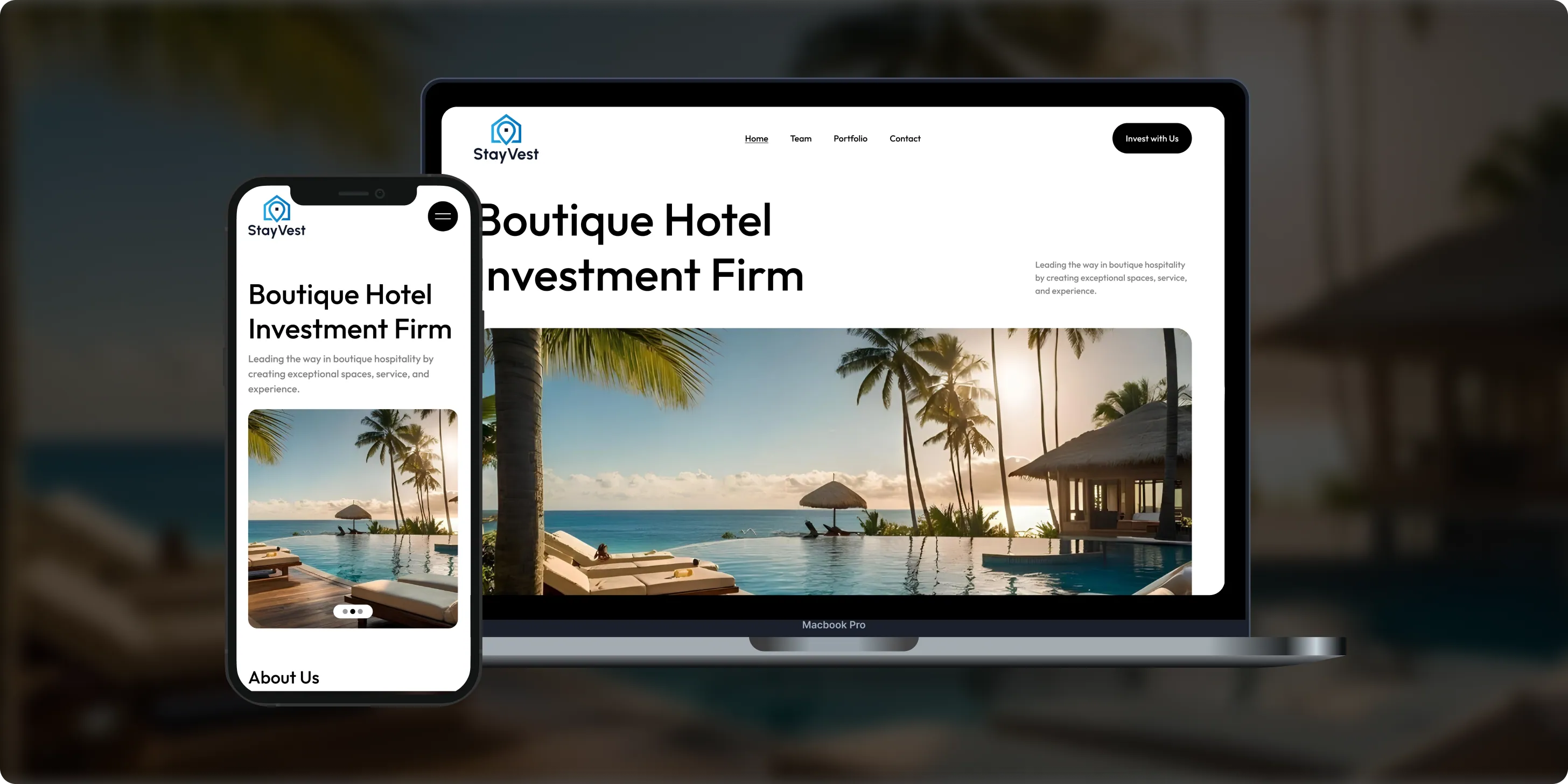
Stay Vest
Stay Vest is a private real estate investment firm that acquires, renovates, and operates boutique hotels for cash flow, tax benefits, and equity gain. It needed a platform that explains its strategy and earns the trust of passive investors.- 1,500+Guest Stays
- 200+Rooms Managed
- 5States Covered
Bokeyno Motorsports
Bokeyno Motorsports is the leading mobile installer of vertical doors for high-performance cars. This Shopify website isn’t just about services—it’s a bold statement of power, style, and expertise. With a sharp layout, strong visuals, and real-world case studies, the site delivers all the information car enthusiasts need to book confidently and instantly.- 54%Booking Requests
- 43%Lead Conversion
- 32%Qualified Inquiries

ai document processing platform
A comprehensive talent solution designed to help companies attract, hire, and retain top talent more effectively. The platform combines AI-powered recruitment technology with employee financial wellbeing programs, enabling smarter hiring decisions while supporting employees’ financial stability and long-term engagement.- 62%Faster Processing Time
- 78%Less Manual Work
- 35%Improved Accuracy

WHAT CLIENTS SAY
Independently verified reviews from real clients on Clutch.co


Client Story
Real feedback from
FMY Orthodontics

“Their perseverance and solution-oriented mindset. SoftDoes consistently found ways to make things work, added features we had not originally envisioned, and never became frustrated. It felt like working with a true partner who cared about the success of our practice.”
Dan Merwin
DDS, MS -- President, FMY Orthodontics

Client Story
Real feedback from
Prior Authorization AI
“Every time I sent a request, if there was anything that didn't work, they were able to turn it around quickly. Even when there were no updates yet, they always reached out to let me know they were working on it.”
Joseph Oluwo
Founder of Prior Authorization AI


Client Story
Real feedback from
WOVEN
“What stood out most was their commitment to understanding our needs before presenting solutions.”
Danna Pastran
Administrative Operations Manager, WOVEN

Client Story
Real feedback from
Grand Central Language Services
“The site performs as intended and provides the foundation for our company's digital presence.”
Joe Goldstein
QA Manager, Grand Central Language Services


Client Story
Real feedback from
DineMate
“They go above and beyond.”
Eric Snead
CEO, DineMate "Dating Connecting Platform"
Why they Choose SoftDoes
- 01SENIOR ENGINEERS, NOT LAYERS
SoftDoes puts senior engineers and architects with prior HIPAA-compliant, real-time healthcare platform experience at the core of every telemedicine project. They work directly with CMIOs, virtual care leaders, operations directors, and security teams to translate clinical workflows, payer telehealth rules, and EHR interface specifications into practical system designs. When stakeholders have detailed questions about WebRTC media servers, TURN/STUN strategies, FHIR resource modeling, provider licensing logic, or e-prescribing limitations, they get answers from the engineers doing the work - not from an account manager relaying messages. Minimal layers mean fewer handoffs, fewer misinterpretations, and faster resolution when visit flows, safety checks, and billing rules must be right on day one. This matters because telemedicine software requires a reliable, user-friendly clinical experience and the engineering discipline to deliver it.
- 02PREDICTABLE DELIVERY
SoftDoes delivers telehealth platforms through phased releases - often starting with one specialty, service line, or state - aligned to provider onboarding, payer enrollment, and app store review timelines. Each scope is captured in written specifications and acceptance criteria tied to real care scenarios: a Medicare video follow-up, a cross-state urgent visit, or a controlled substance refill under current DEA rules. We run regular demos using test patients on real devices and constrained networks, coordinating tightly with client IT, privacy officers, clinical leadership, and partners like EHR, video, and pharmacy vendors. This disciplined telemedicine software development process reduces surprises when patients depend on the platform to reach urgent or time-sensitive care. Telemedicine apps can take 4 to 8 months to develop, and our phased approach fits naturally within that timeline while managing real-world dependencies.
- 03BUILT TO LAST PAST LAUNCH
SoftDoes uses architectural patterns - modular services, defined domain boundaries for patients, providers, scheduling, visits, documentation, billing, and reporting - that support years of evolution, not just a successful demo. We implement monitoring for call quality metrics, error dashboards for EHR and billing integration health, service health checks for video and secure messaging, and alerts when KPIs like join time or drop rate regress. Engineering hygiene is non-negotiable: code reviews, automated tests for core logic (eligibility routing, license checks, access control), cross-browser and device test matrices, and CI/CD pipelines with dependency and security scanning. Privacy controls are embedded throughout the software development lifecycle, not bolted on after the fact. This lets healthcare organizations absorb visit spikes, add new telehealth services, or adapt to regulation and payer changes without repeated rebuilds. One US health network migrated from a monolithic platform serving 1.4 million patients across 11 states to an event-driven microservices architecture, reducing infrastructure costs from $420,000/month to approximately $260,000/month - a 38% reduction - while improving P95 latency from 380ms to under 140ms and maintaining 99.99% uptime.
- 04NO BABYSITTING REQUIRED
SoftDoes plans for handover from the beginning, building admin consoles, configuration tools, and documentation so internal teams can own the platform day to day. Operations staff manage providers, licenses and state coverage, visit types, schedules, routing queues, intake forms, patient communication templates, and pricing through intuitive admin UIs - without writing code. Runbooks, incident playbooks, and targeted training for virtual care champions, clinicians, and help-desk teams are standard deliverables, not afterthoughts. While SoftDoes offers ongoing partnership and enhancements, clients are never forced into dependence for every small configuration or rule update. The telemedicine software maintenance model is designed around your team's autonomy.
How we work with your quality team
This is how SoftDoes partners with you from first conversation through long term support.




Experience Across Virtual-First Care, Specialty, and Behavioral Health
We build virtual care platforms where reliable video, HIPAA compliance, and connected clinical workflows are non-negotiable.
Dental Practices
Patient Portal
EHR/EMR
RPM Software
Prior Authorization
Complex systems, integrations, and internal platforms built to evolve. We step in when off-the-shelf tools stop being enough.
Healthcare
From first version to real traction without painting yourself into a corner. Built for speed now and hard decisions later.
Healthcare CRM
Systems designed around controls, traceability, and change management. Built so audits don’t become fire drills.
Medical Billing
Infrastructure software built for long timelines and high stakes. Reliable systems for assets that can’t afford guesswork.


Frequently Asked Questions
Everything you need to know about working with SoftDoes. Can’t find an answer?
How long does a custom telemedicine software development project take, and what drives the cost?
A focused MVP - for example, scheduled video visits for one specialty with basic EHR integration - typically takes 3–5 months. A full telemedicine platform with mobile apps, on-demand queues, e-prescribing, payments, multi-state rules, and analytics usually takes 6–12+ months.
Can the platform integrate with our EHR, e-prescribing, and billing systems?
Yes. SoftDoes designs telehealth platforms to integrate with major EHRs and revenue systems using HL7 FHIR, SMART on FHIR, vendor APIs, or integration engines like Mirth or Redox. Common patterns include pulling demographics, medications, allergies, and problem lists into the telehealth visit, then writing back structured notes, orders, and charges after the encounter - with real-time sync and error handling. We have experience integrating virtual care with Epic, Oracle Health (Cerner), athenahealth, eClinicalWorks, plus Surescripts/DoseSpot for e-prescribing, lab networks, clearinghouses, and payment providers. The exact approach depends on your IT policies and existing contracts, but the goal is always the same: telemedicine software must integrate with EHR systems for compliance and clinical continuity. E-prescribing integrates with electronic prescription networks to send medications directly from the visit.
How do you make telemedicine HIPAA compliant and secure?
We start with core controls: encrypted video and secure messaging, PHI encryption in transit and at rest, strong authentication (including MFA for clinicians), role-based access with granular permissions, and detailed audit logs for all access and changes. Data security includes strong access controls and role-based permissions throughout the platform. SoftDoes aligns architecture and processes with HIPAA and HITECH, and can support clients working toward frameworks like SOC 2, HITRUST, or ISO 27001 - even if certification itself sits with the client and hosting providers. ISO 27001 certification ensures data security in telemedicine applications, and Quality Management Systems like ISO 13485 are important for medical device quality where applicable. We complete a HIPAA risk analysis, execute BAAs with cloud and video vendors, follow secure development lifecycle practices, and collaborate with your security team on threat modeling and penetration testing before go-live. Strict adherence to technical security and legal boundaries is needed in telemedicine, and Business Associate Agreements are necessary for third-party service providers.
Who owns the source code and intellectual property?
Clients retain ownership of custom source code, mobile apps, and configuration developed for their telemedicine platform with SoftDoes, unless a different commercial model is explicitly agreed. Third-party SDKs (video, e-prescribing, payments), open-source libraries, and any SoftDoes internal accelerators are documented so IP boundaries are transparent from the start. At project end, we hand over repositories, infrastructure as code, deployment scripts, app store accounts, and admin documentation so your team can run and extend the platform independently.
Should we build a custom telemedicine platform or use an off-the-shelf telehealth tool?
Off-the-shelf telehealth tools work well for straightforward single-specialty video visits with limited integration needs. Custom telemedicine software development pays off when you run a multi-state network, have unique clinical workflows, need tight EHR integration, want full control of your UX, data, and brand, or are building a virtual-first care business. Hybrid approaches are also common: adding a branded telehealth app, better scheduling, async visits, or remote monitoring modules on top of existing telehealth software providers and your EHR. Part of SoftDoes' discovery process is helping clients decide when extending current systems is sufficient and when a custom virtual care platform is the more sustainable path. Telemedicine improves patient access to healthcare services and reduces healthcare costs for both providers and patients - the question is whether your current tools let you realize those benefits or limit them.
How does telemedicine software development differ from general video app projects?
Telemedicine platforms must embed PHI protection, provider licensing by patient location, clinical safety checks, prescribing and billing rules, and interoperability with existing healthcare systems - while a generic video app usually only handles calls and chat. Visit flows must align with clinical guidelines, documentation standards, and payer expectations, including consent capture, time tracking, coding, and continuity with in-person charts. Telemedicine involves high-definition video and audio conferencing technology, but that's just one layer. Real-time communication is essential for effective telemedicine platforms, but so is everything around it: data security, compliance, and healthcare delivery workflows. SoftDoes teams design for audits, downtime procedures, edge cases like emergencies, and trust requirements that don't apply to casual video applications. Telemedicine software may be classified as Software as a Medical Device requiring FDA clearance when it performs diagnostic or treatment functions.
What kind of support do we get after launch?
We offer an initial hypercare window with rapid response during go-live, ongoing support SLAs aligned with your care hours, and collaboration with your internal IT team for tiered support. Issues preventing patients from joining visits or clinicians from documenting are treated as highest-severity - because they directly affect healthcare delivery. We monitor call success rates, drop rates, join times, queue lengths, integration errors, and uptime, using these metrics proactively to keep the virtual clinic healthy. Patient engagement, patient satisfaction, and clinician experience are ongoing metrics, not launch-day checkboxes. Memorial Healthcare System achieved a 97% patient satisfaction rate with their telehealth program - that kind of result requires sustained operational attention, not just a good launch.
How do you reduce risk on a complex telemedicine initiative?
SoftDoes de-risks projects by piloting with one service line, location, or employer first, running proofs of concept for critical integrations (EHR, video, e-prescribing), and engaging clinical, compliance, and security leaders early. Technical safeguards include automated tests, device and network test matrices, feature flags, staged rollouts, and graceful fallbacks such as audio-only visits or phone outreach when video fails. We communicate transparently about tradeoffs - speed vs. scope vs. complexity - so leadership can make informed decisions throughout the build. Telemedicine automates routine care management operations and helps reduce care costs and tackle staff shortages, but only if the platform is reliable enough that healthcare professionals and patients trust it daily. Telemedicine software should comply with WCAG standards for accessibility and must handle compliance with multiple regulatory frameworks in different regions - and our development process accounts for this complexity from the first sprint.