
U.S.-Based
Lease Management Software Development for Real Estate
Lease management software development by SoftDoes: AI lease abstraction, critical date tracking, rent and CAM engines, and ASC 842 accounting.

Let's build together.
Talk with a senior engineer about your product idea, architecture, and what it would take to build it.
90+
Active Client Partnerships
80+ Person
Product & Engineering Team
100%
Your Code & IP Ownership
U.S.-Led
Delivery & Accountability
We understand the challenges you're facing
Our leases are hundreds of PDFs with amendments and side letters. How do we find key terms quickly and trust the data?
A custom lease management platform built by SoftDoes stores every lease, amendment, side letter, and related document in a centralized lease repository, then abstracts key terms into structured, queryable lease data with links back to the exact clause in the source document. The data model is designed around the realities of commercial leases: properties and locations, buildings and units, leases, counterparties, base terms, rent schedules, escalation rules, options (renewal, termination, expansion, purchase), critical dates, CAM and operating expense definitions, security deposits, insurance requirements, tenant details, and special clauses. Integrating AI can enhance document extraction and predictive analytics for lease management - our AI-assisted abstraction pipeline reads PDFs, suggests fields, highlights clauses, and assigns confidence scores, while a human reviewer confirms or corrects every data point before it becomes the "golden source." A centralized lease repository helps eliminate version-control issues in lease management, and the platform maintains full version history so users can see both "lease as signed" and "lease as amended today," with the current consolidated view always front and center for business users. The result is accurate information that your lease administrators, real estate managers, and finance team can trust without digging through filing cabinets or email threads.
We forgot a renewal notice and lost a top-performing location. How do we make sure every date and option is tracked?
Custom lease administration software puts every critical date - expirations, renewal and termination options, rent reviews, notice deadlines, insurance certificate expiries, co-tenancy triggers, and kick-out rights - into one calendar visible across the entire portfolio. Automated reminders reduce the risk of missed lease events through configurable lead times, escalation rules, assigned owners (by property manager, regional manager, or attorney), and notification channels including email, in-app alerts, and optional Teams or Slack integrations. Automated tracking minimizes missed lease deadlines by surfacing decisions months in advance. Decision support workflows combine location performance, occupancy data, lease economics, and external market rent data so teams can choose to renew, renegotiate, or exit from a position of strength rather than scrambling after a missed deadline. Portfolio-level dashboards show the next 30, 60, and 90 days of events across all leases, filtered by brand, region, landlord, or asset type, giving executives complete visibility into upcoming obligations and cost saving opportunities.
Lease accounting under ASC 842 is still a spreadsheet exercise for us, and auditors keep finding issues. How do we automate it?
A custom lease accounting engine classifies leases, calculates right-of-use (ROU) assets and lease liabilities, manages discount rates (implicit rate, incremental borrowing rate, or risk-free rate by class for private companies under ASC 842), generates amortization and interest schedules, and handles remeasurements when leases are modified, extended, or partially terminated. Automated calculations improve compliance and audit readiness - the system produces journal entries for ASC 842, IFRS 16, and GASB 87 for public sector organizations, posts them to ERP systems like SAP, Oracle, NetSuite, or Workday, and generates disclosure reports with full audit trails and change history. On the landlord side, the engine handles lessor accounting, revenue recognition for operating and finance leases, and aligns space data with BOMA and IPMS measurement standards and OSCRE data models. SoftDoes works with the client's finance team and auditors to encode accounting policies - including practical expedients, materiality thresholds, and nonlease component elections - so the software documents every assumption and supports SOX-compliant controls. Centralized databases enhance compliance with lease accounting standards by making every schedule, entry, and policy decision traceable from the balance sheet back to the source lease clause.
Escalations, percentage rent, and CAM reconciliations are calculated by hand, and both landlords and tenants dispute them. How do we get them right?
A custom rent and CAM engine models fixed and stepped rent, CPI and index-based escalations, market resets, free rent periods, abatements, and percentage rent with sales reporting from POS or ERP systems. Software tracks rent escalations and lease renewals automatically, handling the full lifecycle of payment schedules from commencement through expiration. For landlords, the platform manages CAM, tax, and insurance recovery pools with caps, floors, exclusions, gross-up rules, and allocation methods, plus automated year-end reconciliations and tenant statements. For occupiers, invoice validation workflows compare landlord invoices against abstracted lease terms and historical charges, flagging overbilling and supporting CAM audits - a process where AI-powered tools provide real-time insights for decision-making. Every billed amount links back to a specific lease clause, calculation rule, and period, so disputes are resolved faster, recurring expenses are verified, and auditors can follow the logic from rent payments to the agreement without manual effort.
Our lease data needs to flow into SAP or Oracle, our property system, and our facility tools. Can custom software connect them without breaking everything?
The lease management platform uses API-first architecture, exposing clean APIs and integrating with ERP and accounting systems (SAP S/4HANA, SAP RE-FX, Oracle, NetSuite, Workday), property management and billing systems (Yardi, MRI), IWMS platforms (IBM TRIRIGA, Planon), document storage, and e-signature tools (SharePoint, DocuSign). Integrating with ERP and payment gateways is crucial for lease management systems, and integration reduces manual data entry and minimizes errors by automating the flow of journal entries, rent payments, and lease changes between systems. SoftDoes plans phased migration from existing tools - whether Visual Lease, FinQuery (LeaseQuery), CoStar Real Estate Manager, Nakisa, Accruent Lucernex, MRI ProLease, or homegrown databases - extracting and normalizing lease data, validating abstracted terms, and reconciling accounting balances before go-live. When a lease changes, rent schedules and accounting schedules update automatically, and postings or invoices flow to downstream systems through event-driven updates that can be monitored, retried, and audited. Seamless integration enhances collaboration between departments, connecting siloed systems into a single platform where real estate, finance, legal, and IT teams work from the same lease information.
You manage the leases. We engineer the software behind them.

Custom lease administration platforms
Platforms built around the client's portfolio, lease types (commercial, office, retail, industrial, equipment leases), and workflows instead of forcing every lease agreement into a one-size-fits-all tool. Core modules include a centralized lease repository, abstraction and review, critical dates and options, rent schedules and escalations, CAM and recoveries, percentage rent and sales reporting, security deposits and insurance tracking, approvals, and portfolio reporting.
One up-to-date view of every lease as amended, with full document history and tenant details accessible to authorized users.
Critical date alerts with clear owners, escalation paths, and portfolio calendars that prevent missed deadlines.
Rent and CAM calculations traced back to the exact lease clause, so every charge is defensible.

Lease accounting and financial integration
Dedicated lease accounting engines that comply with ASC 842, IFRS 16, and GASB 87, connected tightly to ERP, general ledger, AP/AR, and payment systems so lease accounting processes run without spreadsheet workarounds. The architecture uses modular calculation engines, data warehouses, standardized ERP connectors, and BI dashboards for auditors and finance leadership - software supports compliance by automating lease accounting processes end to end.
Automated lease classification, ROU asset and liability schedules, and journal entries for every active lease.
Remeasurement workflows when leases are extended, terminated, or modified mid-term, with full recalculation and posting.
Audit-ready roll-forwards, disclosures, and change history with complete user and data logs supporting SOX testing.

AI-enhanced lease abstraction and insights
AI reads lease PDFs, amendments, and side letters, populates key fields, compares language against company standards, answers natural language questions about the portfolio, and suggests actions - all with guardrails built in. AI features are designed with accuracy and confidentiality as priorities: every extraction links to the source clause, confidence scores are visible, human review is required before data is used in accounting or billing, and role-based access controls protect sensitive lease agreements.
AI lease abstraction that routes every key field through human approval queues before it enters the system of record.
Natural language Q&A across the portfolio - ask "Which leases have co-tenancy clauses?" or "What notice deadlines are due in Q3?" and get answers sourced from documents.
Portfolio insights that surface leases to renew, renegotiate, or exit based on cost, performance, and market data - helping teams uncover opportunities and make informed decisions.
Numbers Don’t Lie
Recent projects showcasing how we design, engineer, and deliver production-ready software solutions.

- Startup
- Real Estate
Our Haus AI
A finance professional turned founder built Our Haus AI, an AI-powered collaborative workspace where homeowners and contractors scope, bid, contract, and document renovation projects together. SoftDoes took her prototype and made it production-ready.- 10XMVP scope delivered
- 2+years Ongoing partnership
- 1Fully owned Platform

- Finance
- Energy
Deepwater Insights
Deepwater Insights delivers proprietary alternative data and niche research on the offshore drilling and energy sector to institutional investors, family offices, and high-net-worth individuals who require coverage that larger firms don't provide.- 100%Brand Continuity
- 2Platform Distribution
- 100%Paywall-Ready Content

- Real Estate
The building buyer
The Building Buyer is a Florida-based real estate investment firm co-founded by Dylan Troiano and Charles Hanlin. They acquire single-family, multifamily, and commercial properties across South Florida and beyond, with a focus on motivated seller opportunities.- 18Weekly hours saved
- 2+Years Ongoing partnership
- 1Fully owned Platform

- Education
- Non-Profit
WOVEN & NICE
Woven is a Spring Valley, NY nonprofit running the NICE program (New Training Inclusive Community Environment) in four Rockland County schools. Their team supports students through restorative practices, mediation, and professional development for teachers and administrators.- 4Schools Served
- 4Weeks to Launch
- 1STTime on Upwork

- Healthcare
CareInTouch
CareInTouch is a Bay Area home health agency providing skilled nursing and therapy services to patients referred from hospitals and clinics. With over 100 staff, they operate in one of the most complex and compliance-driven healthcare markets in the country.- 40% Reduction In Billing Errors
- 100+Staff Operations Managed
- 0Missed Compliance Deadlines

- Startup
Sparkle The Cleaning Service
Sparkle The Cleaning Service is a Detroit-area residential cleaning company with 10 years in business, connecting homeowners with vetted, insured independent cleaners through a subscription-based marketplace platform.- 75% Platform Transparency
- 2XPlatform Growth
- 40%Higher User Retention

- Startup
DineMate
DineMate is a Maryland-based dating and connecting platform built around verified profiles, restaurant reservations, and prepaid dining experiences. Founded to bring back authenticity to how people meet and connect.- 60% Time Saved
- 99%System Reliability
- 40%Higher User Retention

- Healthcare
Prior Authorization AI
Prior Authorization AI is a healthcare automation startup building AI-powered tools to streamline prior authorization for Medicare and Medicaid medical transportation providers in New Jersey.- 16Weekly hours saved
- 63%Admin time reduced
- 43%Fewer submission errors

- Education
Grand Central Language Services
Grand Central Language Services provides translation and interpretation for organizations operating in complex, multilingual environments. As demand grew, internal workflows became harder to manage. SoftDoes built a custom platform to streamline coordination, improve visibility, and support scalable operations.- 72%Workflow Reduction
- 48%Coordination Reduction
- 83%Visibility Increase

- Healthcare
FMY Orthodontics
FMY Orthodontics, a multi-location practice in West Tennessee, partnered with SoftDoes to replace a spreadsheet-based financial workflow with a custom web platform. The goal was to simplify how staff present treatment financing while allowing patients and families to review and complete decisions remotely.- 60%Workflow Reduction
- 75%Remote Adoption
- 5Locations Aligned

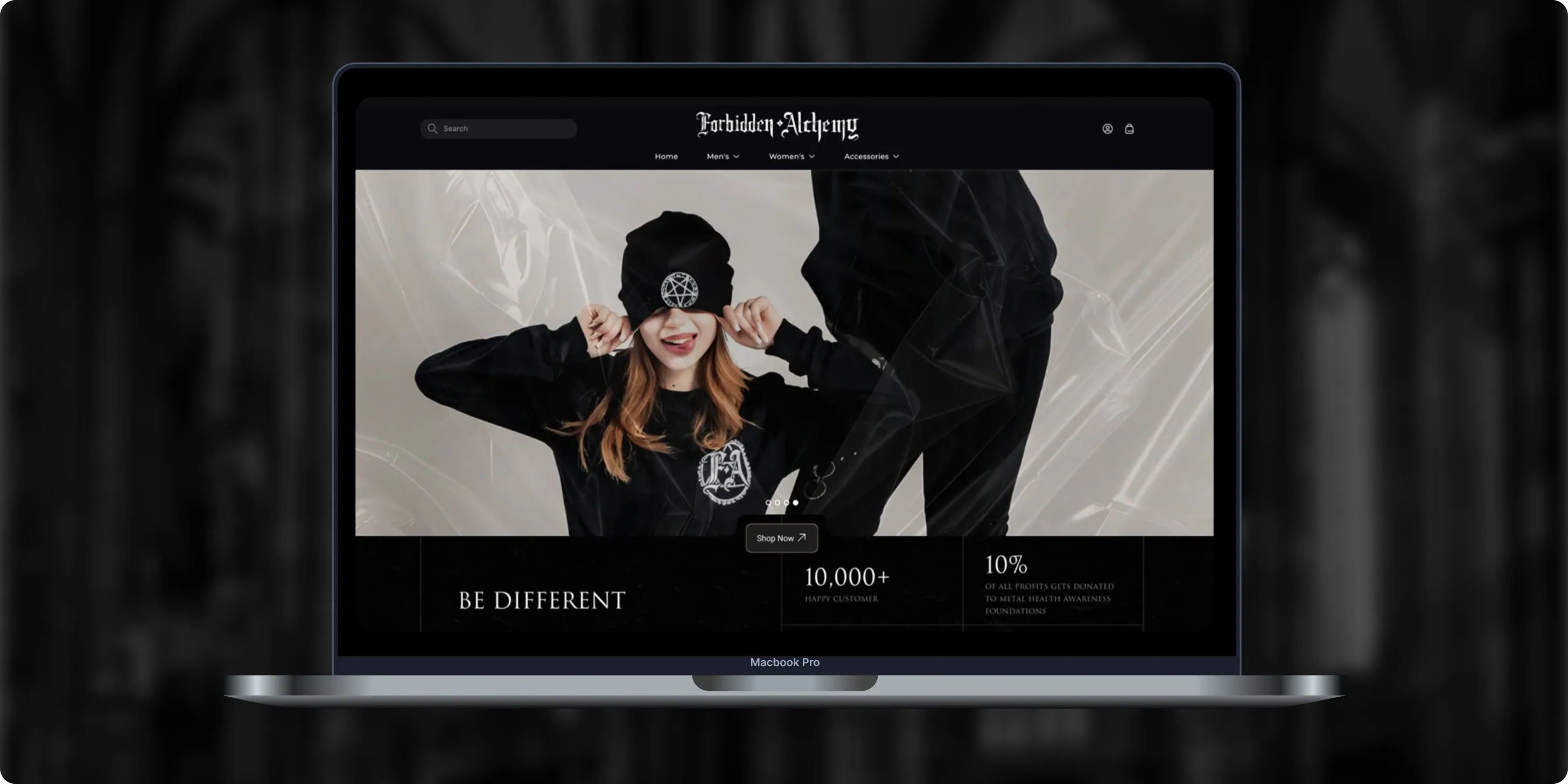
Forbidden Alchemy
Forbidden Alchemy is an alternative fashion brand creating dark, provocative clothing for the metalhead community, with 10% of profits donated to mental health awareness. Its mostly mobile audience struggled with a store that was hard to navigate and weak on functionality.- +44%Revenue Month Over Month
- 86%Design Satisfaction
- 2.8XUser Retention Growth
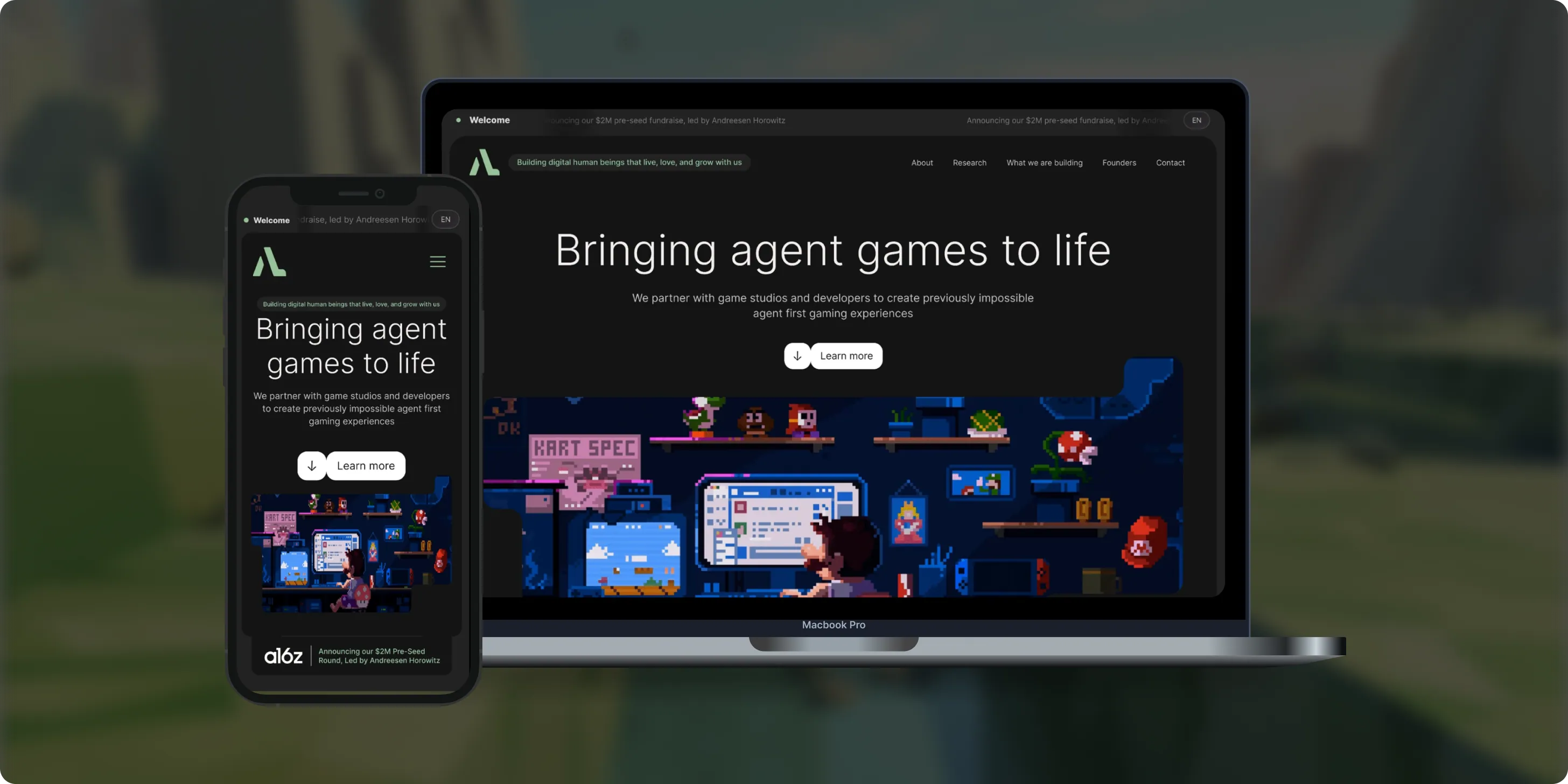
Altera
Altera builds on decades of computational neuroscience research to create digital human beings for gaming. Backed by a $2M pre-seed round led by Andreessen Horowitz, the team needed a landing page that could explain complex agent technology to players, partners, and investors.- 98%Dynamic Customization
- 100%Streamlined Navigation
- $2MPre-Seed Round
- Real Estate
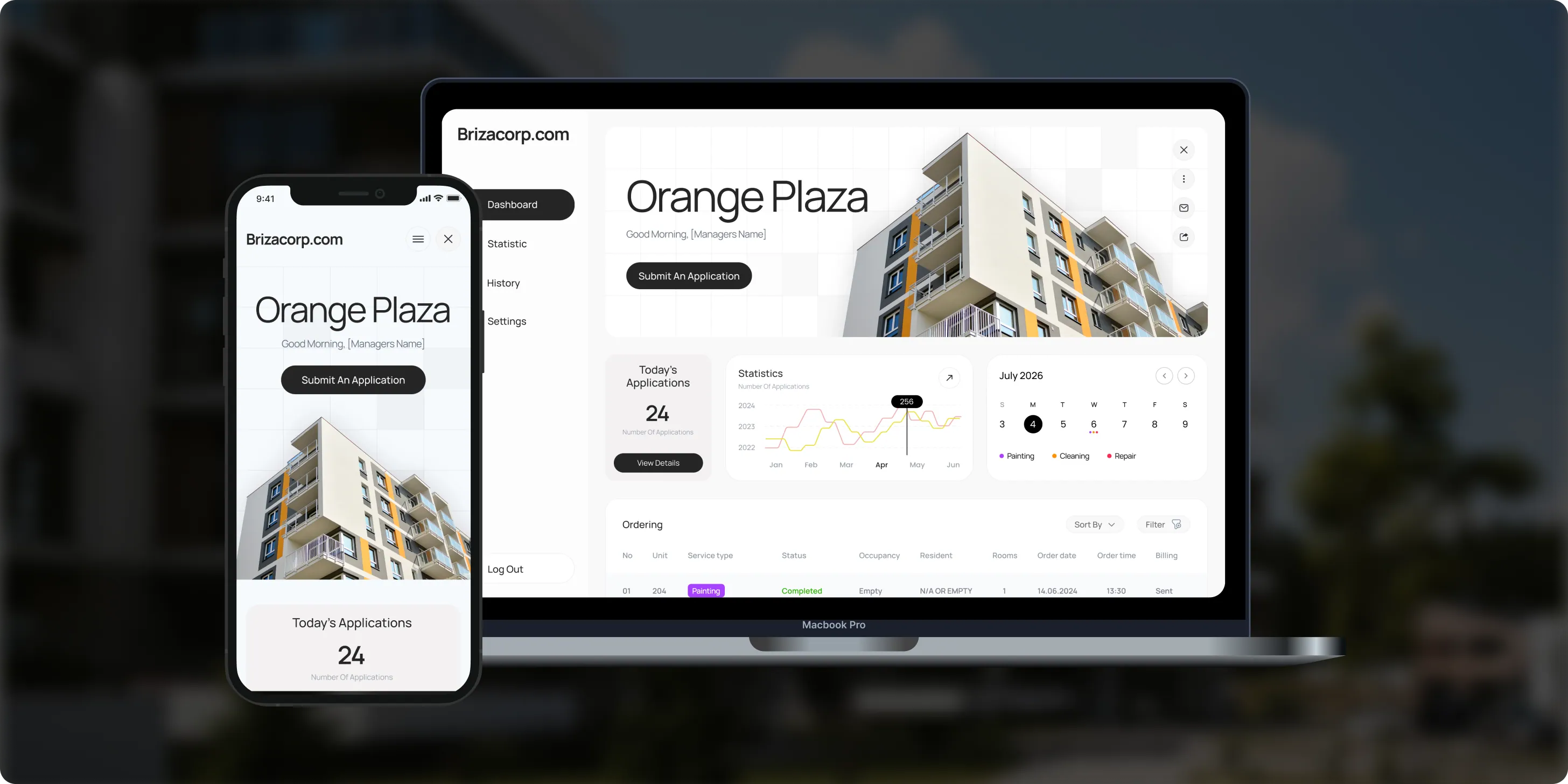
Brizacorp
Brizacorp manages residential properties and coordinates the staff who handle painting, cleaning, and repair requests. Its team tracked work across messengers, phone calls, e-mail, and paper planners, with no single place to manage requests or measure performance.- 98%Application Stability
- 95%Utilization Rate
- 30%Faster Task Completion
Color & Harmony
Color & Harmony is a Kentucky-based color consulting studio led by certified color strategist Diana Cartaya. The studio needed a website that reflects its refined aesthetic, showcases its portfolio, and explains a science-based color process in simple language.- 45%Conversion Rate Increase
- 50%Higher User Engagement
- 2Months to Launch

The Modern Gentlemen
The Modern Gentlemen sells premium men's skincare featured in Men's Health, GQ, and Men's Journal. Its customers wanted an efficient routine, but generic product suggestions and limited skincare knowledge made choosing the right products hard.- 30%Increase in Conversions
- 25%Higher Customer Retention
- 92%Mobile Purchases

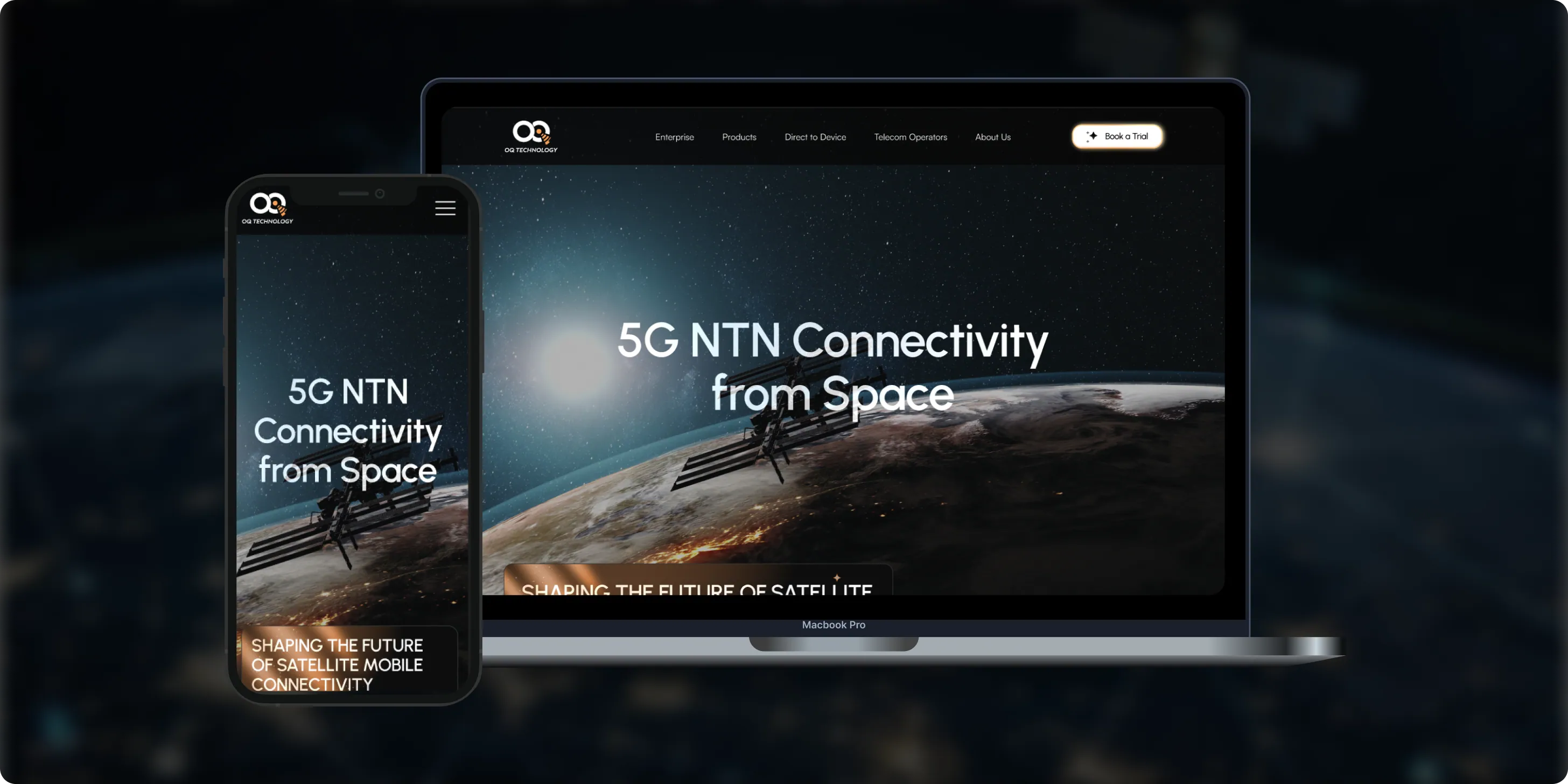
OQ Technology
OQ Technology connects IoT devices, machines, and people anywhere on the planet through its satellite network, serving energy, maritime, logistics, agriculture, and mobile operators. Its website made it hard to explore products and reach pricing plans.- 4Pricing Plans Clarified
- 3Dedicated User Flows
- 1Unified Platform
- Real Estate
- Finance
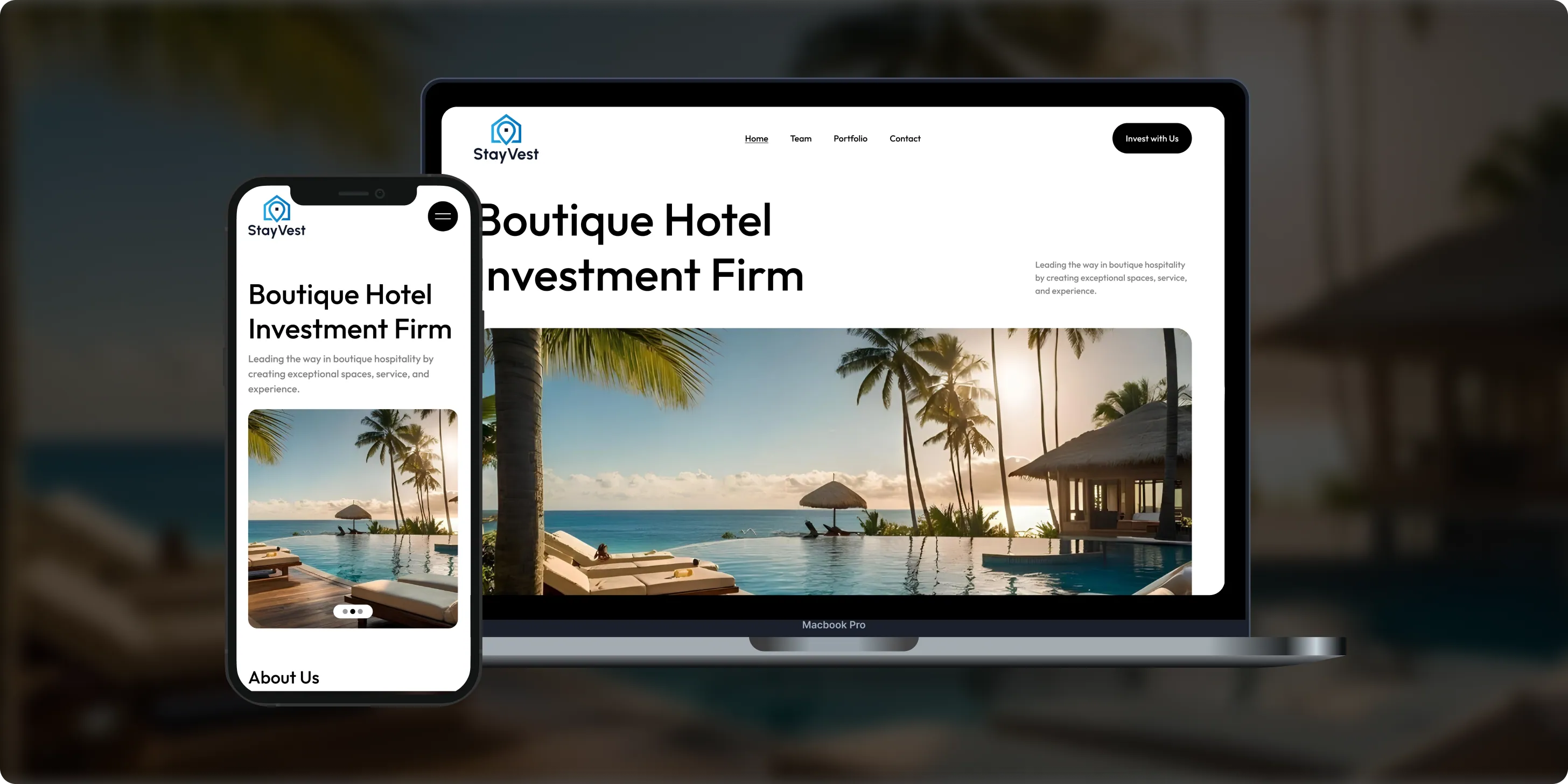
Stay Vest
Stay Vest is a private real estate investment firm that acquires, renovates, and operates boutique hotels for cash flow, tax benefits, and equity gain. It needed a platform that explains its strategy and earns the trust of passive investors.- 1,500+Guest Stays
- 200+Rooms Managed
- 5States Covered
Bokeyno Motorsports
Bokeyno Motorsports is the leading mobile installer of vertical doors for high-performance cars. This Shopify website isn’t just about services—it’s a bold statement of power, style, and expertise. With a sharp layout, strong visuals, and real-world case studies, the site delivers all the information car enthusiasts need to book confidently and instantly.- 54%Booking Requests
- 43%Lead Conversion
- 32%Qualified Inquiries

ai document processing platform
A comprehensive talent solution designed to help companies attract, hire, and retain top talent more effectively. The platform combines AI-powered recruitment technology with employee financial wellbeing programs, enabling smarter hiring decisions while supporting employees’ financial stability and long-term engagement.- 62%Faster Processing Time
- 78%Less Manual Work
- 35%Improved Accuracy

WHAT CLIENTS SAY
Independently verified reviews from real clients on Clutch.co


Client Story
Real feedback from
FMY Orthodontics

“SoftDoes consistently found ways to make things work, added features we had not originally envisioned, and never became frustrated. It felt like working with a true partner who cared about the success of our practice.”
Dan Merwin
DDS, MS, President, FMY Orthodontics

Client Story
Real feedback from
Prior Authorization AI
“Every time I sent a request, if there was anything that didn't work, they were able to turn it around quickly. Even when there were no updates yet, they always reached out to let me know they were working on it.”
Joseph Oluwo
Founder of Prior Authorization AI


Client Story
Real feedback from
WOVEN
“What stood out most was their commitment to understanding our needs before presenting solutions.”
Danna Pastran
Administrative Operations Manager, WOVEN

Client Story
Real feedback from
Grand Central Language Services
“The site performs as intended and provides the foundation for our company's digital presence.”
Joe Goldstein
QA Manager, Grand Central Language Services


Client Story
Real feedback from
DineMate
“They go above and beyond.”
Eric Snead
CEO, DineMate "Dating Connecting Platform"
Why they Choose SoftDoes
- 01SENIOR ENGINEERS, NOT LAYERS
Projects are led by senior engineers and solution architects who have shipped financial calculation engines, document AI pipelines, and enterprise real estate integrations - not project coordinators who relay messages between your team and offshore developers. These engineers understand lease-specific concepts: stepped rent, CPI escalations, percentage rent, CAM recoveries with caps and floors, co-tenancy, kick-out clauses, and the mechanics of ASC 842, IFRS 16, and GASB 87. Client lease administrators, real estate managers, controllers, and auditors speak directly with the people writing the code, so nuances in lease agreements and accounting rules are implemented correctly the first time. This depth means we can walk through sample leases together, test edge cases like mid-term expansions or partial terminations, and refine both data models and calculation algorithms quickly. The result is fewer translation errors, faster consensus with auditors and internal IT, and a lease system that reflects how your business actually operates.
- 02PREDICTABLE DELIVERY
SoftDoes plans delivery around fiscal calendars, lease rollover waves, and audit timelines, so key capabilities - like accounting schedules or critical date dashboards - land before high-risk periods rather than after. Every feature is specified against real leases and real calculations, with acceptance criteria tied to example documents and expected accounting outputs. Regular demos use the client's anonymized leases, and checklists validate rent, CAM, and accounting logic before sign-off. We run reconciliation against existing audited balances and sample invoices to confirm parity or highlight agreed differences, because continuous testing and user feedback are important for improving lease management software functionality. This predictability is essential when financial statements, strategic location decisions, and audit outcomes depend on the new system working as expected.
- 03BUILT TO LAST PAST LAUNCH
The architecture uses configurable calculation rules, modular services for accounting, rent, and abstraction, and documented APIs so individual components can evolve without rewriting the platform. Multi-entity and multi-currency support is built in from the start, along with the ability to run parallel policies for ASC 842, IFRS 16, and GASB 87 where organizations span jurisdictions. Operational practices include robust logging around postings, integrations, and reminders, monitoring dashboards, and alerting when data feeds fail, dates are overdue, or calculations fall outside expected ranges. Engineering discipline - code reviews, automated tests for every calculation engine, continuous integration and deployment pipelines, and regular security testing - keeps the platform reliable as it grows. The result is a lease management platform that can scale from hundreds to tens of thousands of leases and survive portfolio changes, mergers, acquisitions, and new lease types without fragility.
- 04NO BABYSITTING REQUIRED
SoftDoes delivers full technical and functional documentation: detailed accounting calculation specs, data dictionaries, integration diagrams, and admin guides written for real users, not just developers. Admin interfaces let client teams manage lease types, abstraction templates, critical date rules, CAM pool definitions, accounting assumptions, chart of accounts mappings, and user roles and permissions without calling the vendor for every change. Training sessions cover lease admin, real estate, finance, and IT teams so they can onboard new users, create reports, and adjust workflows themselves - good user experience design is critical for tenant and property manager interfaces. Source code, infrastructure scripts, calculation specifications, and deployment pipelines can be handed over to internal IT or a preferred partner, reducing lock-in risk. Ongoing partnership with SoftDoes is optional and focused on enhancements, new capabilities, and strategic improvements rather than basic configuration changes.
How we work with your quality team
This is how SoftDoes partners with you from first conversation through long term support.




Experience Across Commercial Landlords, Retail and Restaurant Chains, Corporate Real Estate, and Public Sector
SoftDoes builds lease management software for environments where accurate lease terms, on-time lease renewals, and audit-ready accounting are non-negotiable.


Frequently Asked Questions
Everything you need to know about working with SoftDoes. Can’t find an answer?
How long does lease management software development take, and what does it cost?
Typical MVPs - such as a centralized repository with critical date tracking or a core ASC 842 lease accounting engine - take around 3–5 months. Full platforms with rent, CAM, accounting, AI abstraction, and multiple integrations may take 6–12 months or more depending on scope. Main cost drivers include the number and complexity of leases to abstract, rent and CAM calculation complexity, number of entities and accounting standards, required integrations (ERP, property systems, IWMS), and AI or analytics features. SoftDoes starts with a discovery phase to define scope and provide a precise estimate rather than quoting generic pricing tiers.
Should we build custom software or use Visual Lease, LeaseQuery, or another tool?
Standard lease administration software works well for many organizations, especially those with straightforward portfolios and limited customization needs. Custom lease management software development makes sense when you have complex lease structures, landlord billing requirements, unique workflows, or when you provide lease services to others and need a differentiating platform. Hybrid approaches are common - for example, keeping Visual Lease or FinQuery as the system of record while building custom abstraction tools, portfolio analytics, or ERP integration layers around them. SoftDoes helps evaluate options based on total cost of ownership, flexibility, compliance needs, and data ownership.
Can you abstract our existing leases?
SoftDoes implements AI-assisted abstraction workflows that read leases, amendments, and side letters, then route extracted data through human review before it becomes authoritative. Each data point - base rent, escalation formula, renewal window, tenant details - links back to the source clause in the document, and reviewers see confidence scores and suggested text snippets. Abstraction is typically done in phases, starting with leases most critical for upcoming accounting closes or renewal and termination dates, then expanding across the portfolio. Predictive analytics forecast future trends based on historical data, so abstraction also feeds into portfolio insight and planning.
Does the software support ASC 842, IFRS 16, and GASB 87?
SoftDoes builds lease accounting engines that support ASC 842 and IFRS 16 for corporate entities and GASB 87 for public sector bodies, covering classification, ROU assets, lease liabilities, remeasurements, journal entries, and disclosures. Lease management software ensures compliance with ASC 842 and IFRS 16, and accounting policies - incremental borrowing rate methodology, materiality thresholds, practical expedients, nonlease component elections - are configured jointly with your finance team and auditors. Every schedule and journal entry is stored with an audit trail, supporting SOX testing and external audits with reports that auditors can follow from the balance sheet back to the source lease.
Who owns the source code, lease data, and intellectual property?
Under standard SoftDoes agreements, the client owns the custom source code, all lease data, and the intellectual property for the solution. Any third-party components or open source libraries used are fully documented, including license terms and version details. SoftDoes hands over repositories, infrastructure scripts, documentation, and calculation specifications so you can run, maintain, and extend the system independently if you choose - reducing vendor dependency and ensuring long-term control over your technology investment.
How accurate is AI lease abstraction?
AI significantly speeds up abstraction but is always paired with human validation for key financial and legal data points to meet accounting and audit standards. The system tracks confidence levels, shows side-by-side clause text, and logs every acceptance or correction to improve models over time - customizable reporting allows tailored insights for specific needs as accuracy improves. Access to lease documents and extracted data is controlled by role-based permissions, encryption, and audit logs to protect confidentiality, because implementing strong data security measures is vital when lease agreements contain sensitive commercial terms.
What kind of support do we get after launch?
SoftDoes offers support through initial go-live, the first close and audit, and optionally longer-term maintenance and enhancement agreements. Support activities include monitoring integrations and scheduled jobs, fixing issues, applying security patches, and updating logic when lease accounting standards or internal policies change. Change requests and new features are prioritized jointly with clear scoping and scheduling, and integrated messaging systems enable direct communication within the platform so issues are resolved quickly without email chains.
How do you reduce risk on a lease management software development project?
SoftDoes reduces risk by starting with an MVP, validating assumptions with working prototypes tested by lease and finance teams, and phasing in abstraction and accounting features instead of a big-bang replacement. Centralized lease management reduces the risk of costly mistakes, and we rely on automated calculation tests, data reconciliations against audited balances, integration health checks, and parallel runs for at least one close period before full cutover. Communication is transparent: visible backlogs, regular status updates, clear risk logs, and explicit trade-offs so executives and project sponsors can make data driven decisions throughout the project.