
U.S.-Based
MLS & IDX Software Development for Real Estate Platforms
MLS and IDX software development by SoftDoes: RESO Web API feeds, multi-MLS data aggregation, and fast IDX websites that follow MLS rules.

Let's build together.
Talk with a senior engineer about your product idea, architecture, and what it would take to build it.
90+
Active Client Partnerships
80+ Person
Product & Engineering Team
100%
Your Code & IP Ownership
U.S.-Led
Delivery & Accountability
We understand the challenges you're facing
We still depend on old RETS feeds and custom fields. How do we move to modern APIs without breaking every vendor who uses our data?
SoftDoes builds RESO Web API services and maps each MLS's local schema to the RESO Data Dictionary, covering properties, listings, media, open houses, rooms, members, offices, teams, historical status, and lookup tables. The RESO Web API Core v2.1.0, ratified in December 2023, is built on OData 4.0/4.01 with OAuth2 security and TLS 1.2+; SoftDoes engineers implement these requirements and support the RESO Universal Property Identifier (UPI) where applicable, enabling cross-MLS deduplication and consistent property identification. During migration, our software development team runs RETS and RESO feeds in parallel for months, executes automated sync and contract tests against both, and provides sandbox environments where downstream IDX vendors, CRMs, and portals validate their integrations before cutover. Change-data-capture design (timestamps, sequence numbers, delta endpoints) replaces heavy full pulls with incremental replication, so vendor feeds stay up to date and listing freshness improves from hours to minutes. SoftDoes builds to the RESO standard and runs pre-certification test suites aligned with RESO Tools (which includes 254 conformance tests); official RESO certification is granted by RESO, not by SoftDoes.
Our brokerage operates in six MLSs, each with different fields and rules. How do we get one clean, accurate feed for our sites and apps?
SoftDoes engineers multi-MLS aggregation pipelines that pull data via RESO Web API, RETS, or distributor APIs; normalize every field and value to a unified schema; and deduplicate listings that appear in more than one MLS using address, geolocation, listing key, and UPI matching. Each record carries its source MLS identifier, license terms, and allowed display use, so downstream products do not need to re-implement complex mapping and dedupe rules. Near-real-time processing uses message queues and streaming ETL, with photo and media download, optimization for responsive formats, and CDN delivery. Health monitoring dashboards track every source feed's latency, error rates, and missing photos. This clean data powers IDX websites, brokerage CRMs, internal analytics, and AI tools without any single vendor becoming a bottleneck.
Every MLS has different IDX and VOW rules, refresh windows, and disclaimers. How do we stay compliant at scale?
SoftDoes builds a configurable rules engine where each local MLS's policies are stored as structured data: which data fields are visible on public IDX vs. VOW vs. back office, required attribution formats, disclaimer text and logos, refresh intervals, sold-data limits, and seller opt-out flags like InternetEntireListingDisplayYN and InternetAddressDisplayYN from the RESO Data Dictionary. NAR's IDX Policy requires that IDX-displayed listing data update at least every 12 hours; many MLSs impose tighter windows, and the engine enforces each one. The rules engine also addresses listing cooperation rules, copyright in listing photos, Fair Housing Act advertising rules, CCPA/CPRA and GDPR for user data on IDX sites, and ADA/WCAG 2.2 accessibility for public real estate websites. Displaying MLS data without IDX compliance can result in heavy fines; the compliance console SoftDoes builds for MLS staff flags missing mandatory fields, misuse of photos, and sites that have fallen out of sync with licensing terms. When MLS rules change, admins update configurations and re-run tests instead of pushing risky code changes.
We need one integration layer that talks to our MLS system, data distributors, showings tools, CRMs, and websites. Is that realistic?
SoftDoes uses an API-first architecture: central listing and membership APIs, event-driven webhooks, and adapters for major MLS platforms and distributors. Integrated systems commonly include FBS Flexmls and Spark API, CoreLogic (Cotality) Matrix and Trestle (which serves nearly 500 technology providers), Paragon, Rapattoni, MLS Grid, Bridge Interactive, ListHub syndication, ShowingTime, WordPress and headless CMS websites, Salesforce, Follow Up Boss and other CRMs, Elasticsearch or OpenSearch for IDX search, and Mapbox and Google Maps for map search. When migrating from legacy IDX vendors, SoftDoes exports saved searches, saved properties, favorites, property alerts, user accounts, and SEO-friendly listing URLs, and deploys 301 redirect strategies to protect organic traffic and rankings. The integration layer simplifies onboarding: new CRMs or portals subscribe to events or APIs instead of negotiating ad hoc CSVs or custom database access each time.
Our IDX search is slow, looks dated, and isn't showing up on Google. How do we compete with big portals?
SoftDoes runs product discovery with brokers, available agents, and buyers to design modern IDX and VOW experiences. Custom IDX solutions include fast map search with spatial indexing, mobile-first filters (76% of homebuyers use mobile devices for property searches), rich property detail pages, and lead capture forms tied to the brokerage's CRM. IDX CRM integration turns websites into lead generation engines: registration walls tuned by market, saved searches, instant and digest alerts, agent and office pages, landing pages for niches like waterfront or new builds, and direct integrations that send additional lead data beyond contact info for lead scoring. Strong IDX implementations generate SEO-friendly listing pages through server-side rendering with static generation, pre-cached search results, fast CDN delivery for images, and schema.org structured data. Design includes WCAG 2.2 accessibility, multi-language options, and admin tooling for content blocks (neighborhood guides, market reports, FAQs) so the IDX platform becomes a full marketing engine, not just an MLS search box.
You own the listing data. We engineer the software that moves it.

Custom MLS platforms and modular upgrades
SoftDoes designs full MLS platforms or targeted modules built around the association's membership models, rules, and market rather than forcing a generic off-the-shelf system. Developing multiple listing service platforms requires balancing strict industry standards with the local governance and listing workflows that make each MLS distinct.
Listing input with real-time rule checks and photo validations against photo rules and media workflows
Compliance dashboards for staff with automated violation flagging, fines tracking, and review workflows
Self-service vendor and data license management, including RESO Web API access keys and usage monitoring

Listing data feeds, aggregation, and RESO APIs
SoftDoes builds the data backbone: RESO Web API servers and clients, streaming replication jobs, cross-MLS normalization, media handling with CDN delivery, and indexed search layers for fast queries. MLS feeds use queues and ETL pipelines, cloud object storage for photos and videos, and monitoring dashboards inspecting feed health and latency across every source.
One normalized listing API from many MLS sources with clear field mappings and source traceability
Updates propagated within minutes using change tracking and incremental syncs instead of full database pulls
Feed health alerts and metrics before real estate agents or consumers notice missing listings

IDX sites and AI-enhanced listing tools
SoftDoes develops custom IDX websites, embeddable search widgets, headless IDX APIs, and AI/ML tools layered on top of MLS data. IDX software must compartmentalize access to protect sensitive information; AI features respect MLS rules and Fair Housing guidelines, with agents and MLS staff reviewing every AI suggestion before publication.
Fast, SEO-optimized IDX and VOW search experiences across devices with responsive property detail pages
AI-generated listing descriptions and photo tags routed to agents for approval before display
AI compliance checks flagging potential rule and Fair Housing issues to MLS staff for review
Numbers Don’t Lie
Recent projects showcasing how we design, engineer, and deliver production-ready software solutions.

- Startup
- Real Estate
Our Haus AI
A finance professional turned founder built Our Haus AI, an AI-powered collaborative workspace where homeowners and contractors scope, bid, contract, and document renovation projects together. SoftDoes took her prototype and made it production-ready.- 10XMVP scope delivered
- 2+years Ongoing partnership
- 1Fully owned Platform

- Finance
- Energy
Deepwater Insights
Deepwater Insights delivers proprietary alternative data and niche research on the offshore drilling and energy sector to institutional investors, family offices, and high-net-worth individuals who require coverage that larger firms don't provide.- 100%Brand Continuity
- 2Platform Distribution
- 100%Paywall-Ready Content

- Real Estate
The building buyer
The Building Buyer is a Florida-based real estate investment firm co-founded by Dylan Troiano and Charles Hanlin. They acquire single-family, multifamily, and commercial properties across South Florida and beyond, with a focus on motivated seller opportunities.- 18Weekly hours saved
- 2+Years Ongoing partnership
- 1Fully owned Platform

- Education
- Non-Profit
WOVEN & NICE
Woven is a Spring Valley, NY nonprofit running the NICE program (New Training Inclusive Community Environment) in four Rockland County schools. Their team supports students through restorative practices, mediation, and professional development for teachers and administrators.- 4Schools Served
- 4Weeks to Launch
- 1STTime on Upwork

- Healthcare
CareInTouch
CareInTouch is a Bay Area home health agency providing skilled nursing and therapy services to patients referred from hospitals and clinics. With over 100 staff, they operate in one of the most complex and compliance-driven healthcare markets in the country.- 40% Reduction In Billing Errors
- 100+Staff Operations Managed
- 0Missed Compliance Deadlines

- Startup
Sparkle The Cleaning Service
Sparkle The Cleaning Service is a Detroit-area residential cleaning company with 10 years in business, connecting homeowners with vetted, insured independent cleaners through a subscription-based marketplace platform.- 75% Platform Transparency
- 2XPlatform Growth
- 40%Higher User Retention

- Startup
DineMate
DineMate is a Maryland-based dating and connecting platform built around verified profiles, restaurant reservations, and prepaid dining experiences. Founded to bring back authenticity to how people meet and connect.- 60% Time Saved
- 99%System Reliability
- 40%Higher User Retention

- Healthcare
Prior Authorization AI
Prior Authorization AI is a healthcare automation startup building AI-powered tools to streamline prior authorization for Medicare and Medicaid medical transportation providers in New Jersey.- 16Weekly hours saved
- 63%Admin time reduced
- 43%Fewer submission errors

- Education
Grand Central Language Services
Grand Central Language Services provides translation and interpretation for organizations operating in complex, multilingual environments. As demand grew, internal workflows became harder to manage. SoftDoes built a custom platform to streamline coordination, improve visibility, and support scalable operations.- 72%Workflow Reduction
- 48%Coordination Reduction
- 83%Visibility Increase

- Healthcare
FMY Orthodontics
FMY Orthodontics, a multi-location practice in West Tennessee, partnered with SoftDoes to replace a spreadsheet-based financial workflow with a custom web platform. The goal was to simplify how staff present treatment financing while allowing patients and families to review and complete decisions remotely.- 60%Workflow Reduction
- 75%Remote Adoption
- 5Locations Aligned

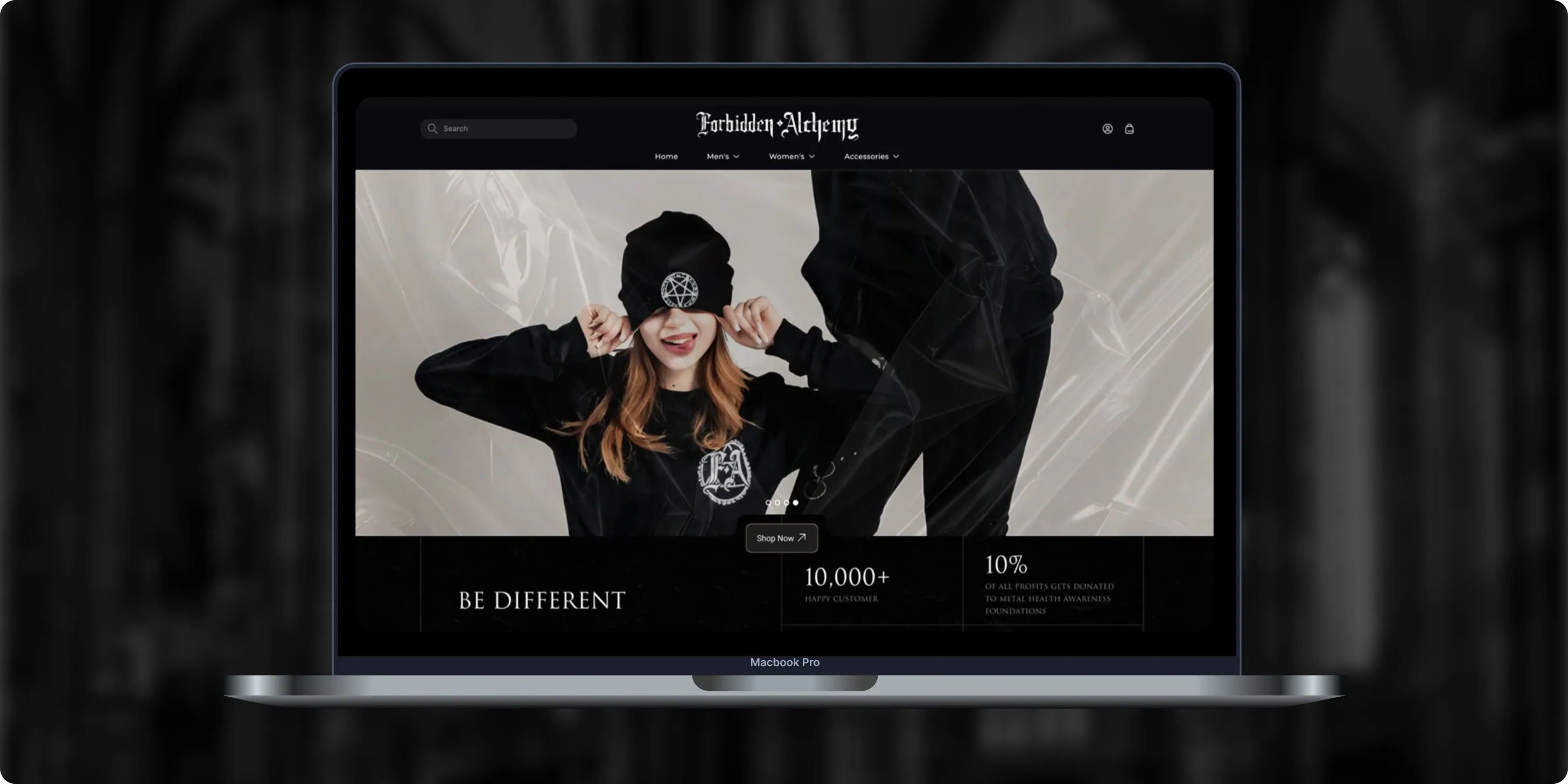
Forbidden Alchemy
Forbidden Alchemy is an alternative fashion brand creating dark, provocative clothing for the metalhead community, with 10% of profits donated to mental health awareness. Its mostly mobile audience struggled with a store that was hard to navigate and weak on functionality.- +44%Revenue Month Over Month
- 86%Design Satisfaction
- 2.8XUser Retention Growth
Altera
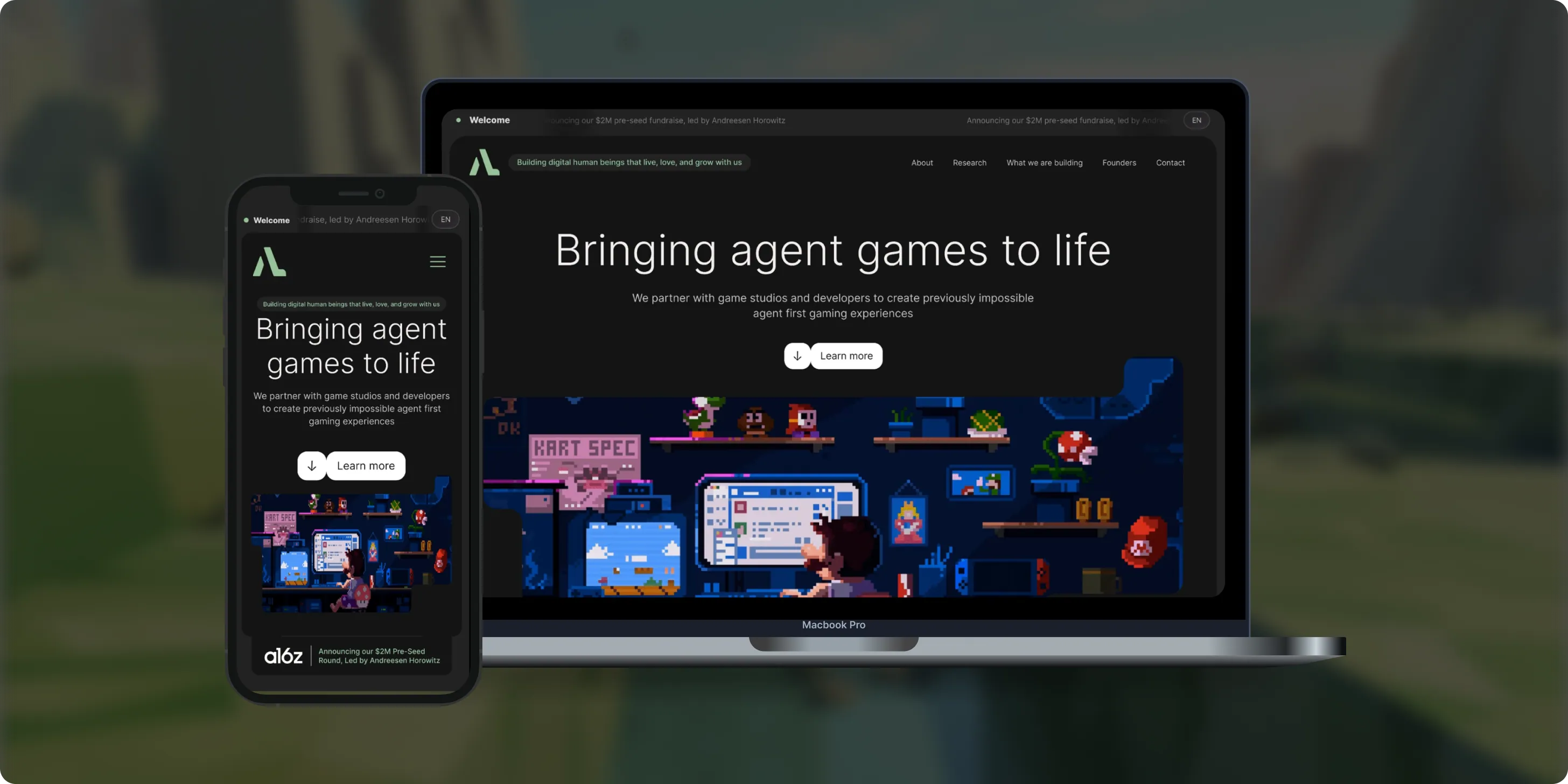
Altera builds on decades of computational neuroscience research to create digital human beings for gaming. Backed by a $2M pre-seed round led by Andreessen Horowitz, the team needed a landing page that could explain complex agent technology to players, partners, and investors.- 98%Dynamic Customization
- 100%Streamlined Navigation
- $2MPre-Seed Round
- Real Estate
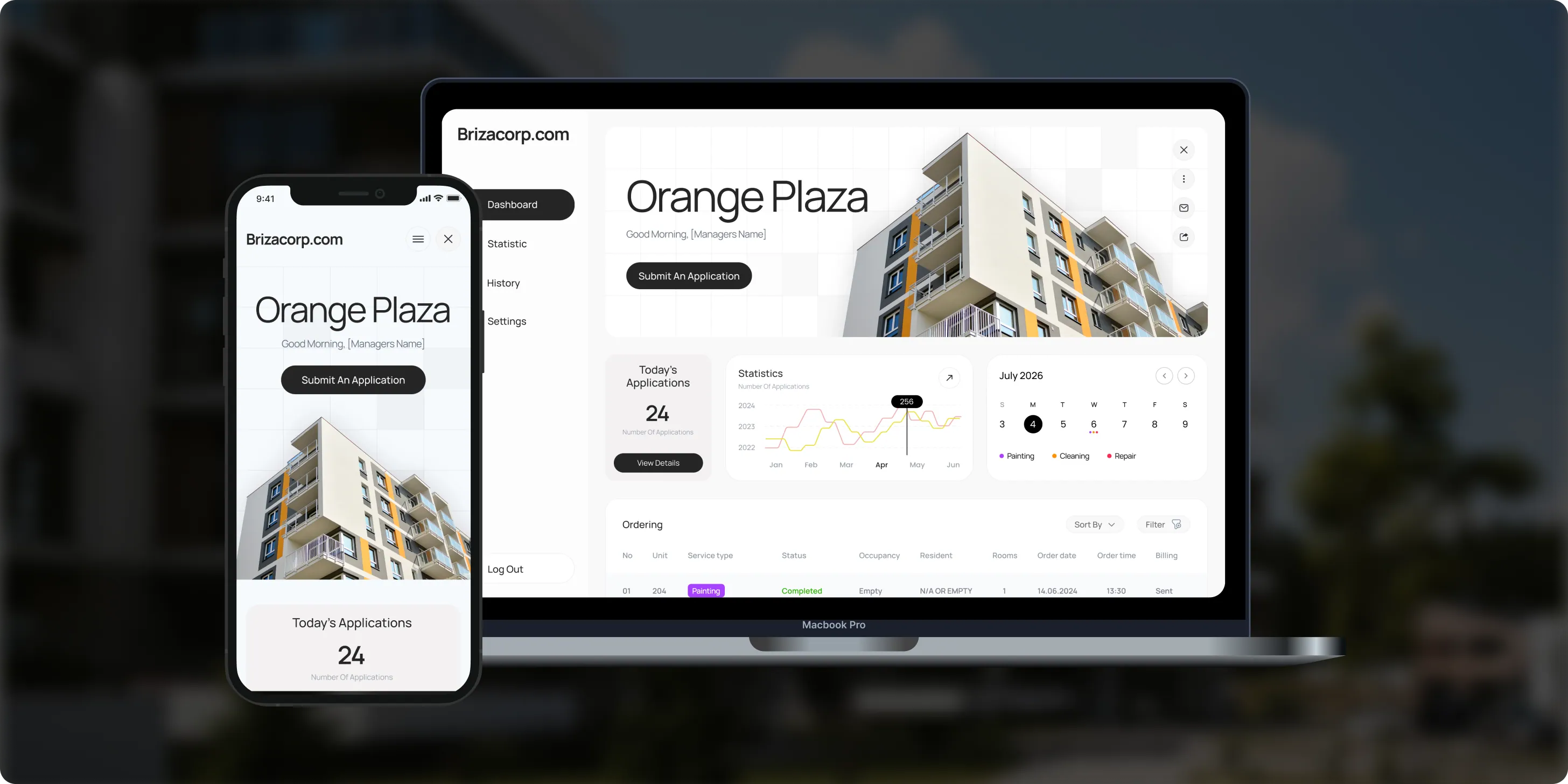
Brizacorp
Brizacorp manages residential properties and coordinates the staff who handle painting, cleaning, and repair requests. Its team tracked work across messengers, phone calls, e-mail, and paper planners, with no single place to manage requests or measure performance.- 98%Application Stability
- 95%Utilization Rate
- 30%Faster Task Completion
Color & Harmony
Color & Harmony is a Kentucky-based color consulting studio led by certified color strategist Diana Cartaya. The studio needed a website that reflects its refined aesthetic, showcases its portfolio, and explains a science-based color process in simple language.- 45%Conversion Rate Increase
- 50%Higher User Engagement
- 2Months to Launch

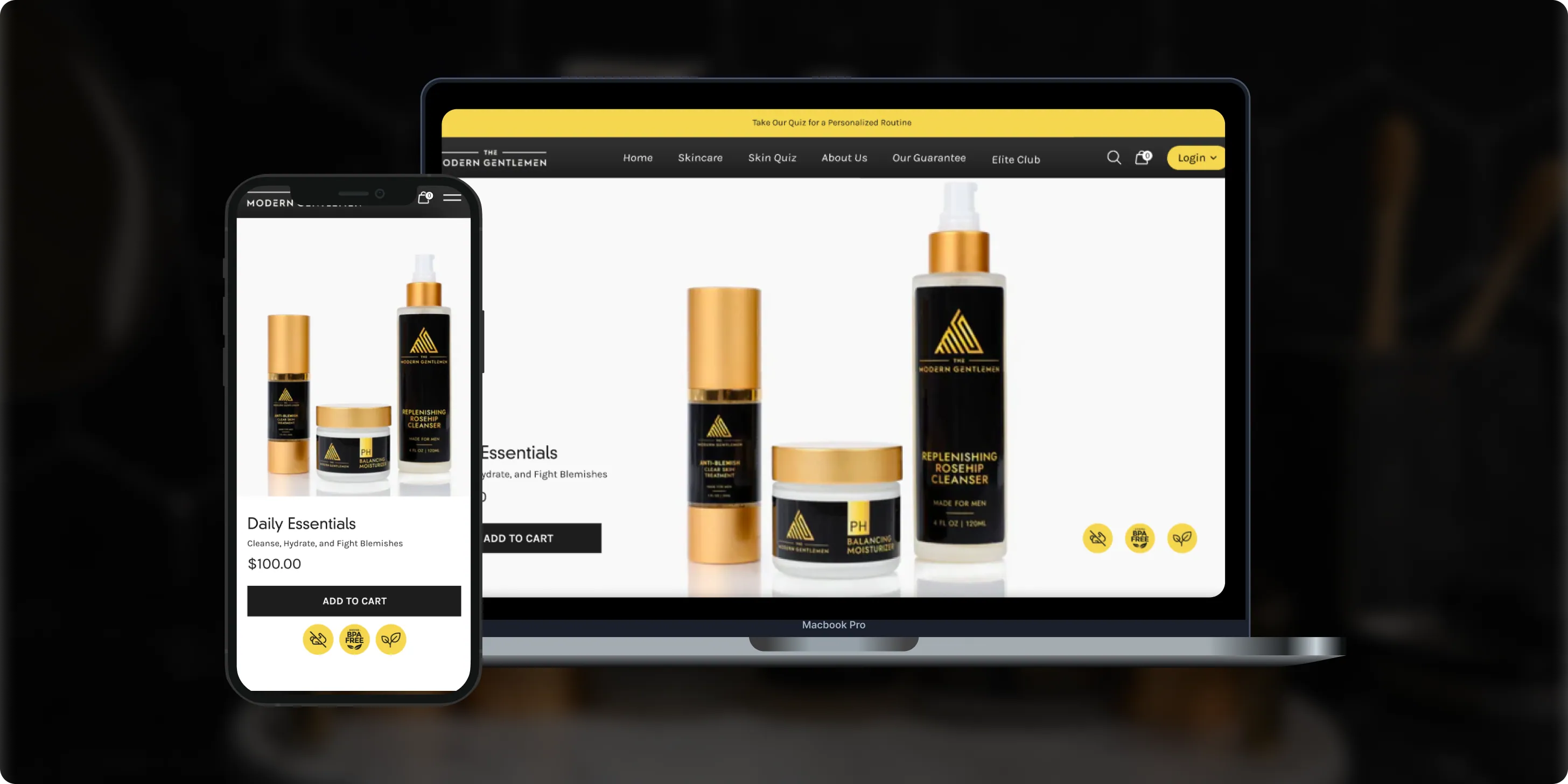
The Modern Gentlemen
The Modern Gentlemen sells premium men's skincare featured in Men's Health, GQ, and Men's Journal. Its customers wanted an efficient routine, but generic product suggestions and limited skincare knowledge made choosing the right products hard.- 30%Increase in Conversions
- 25%Higher Customer Retention
- 92%Mobile Purchases
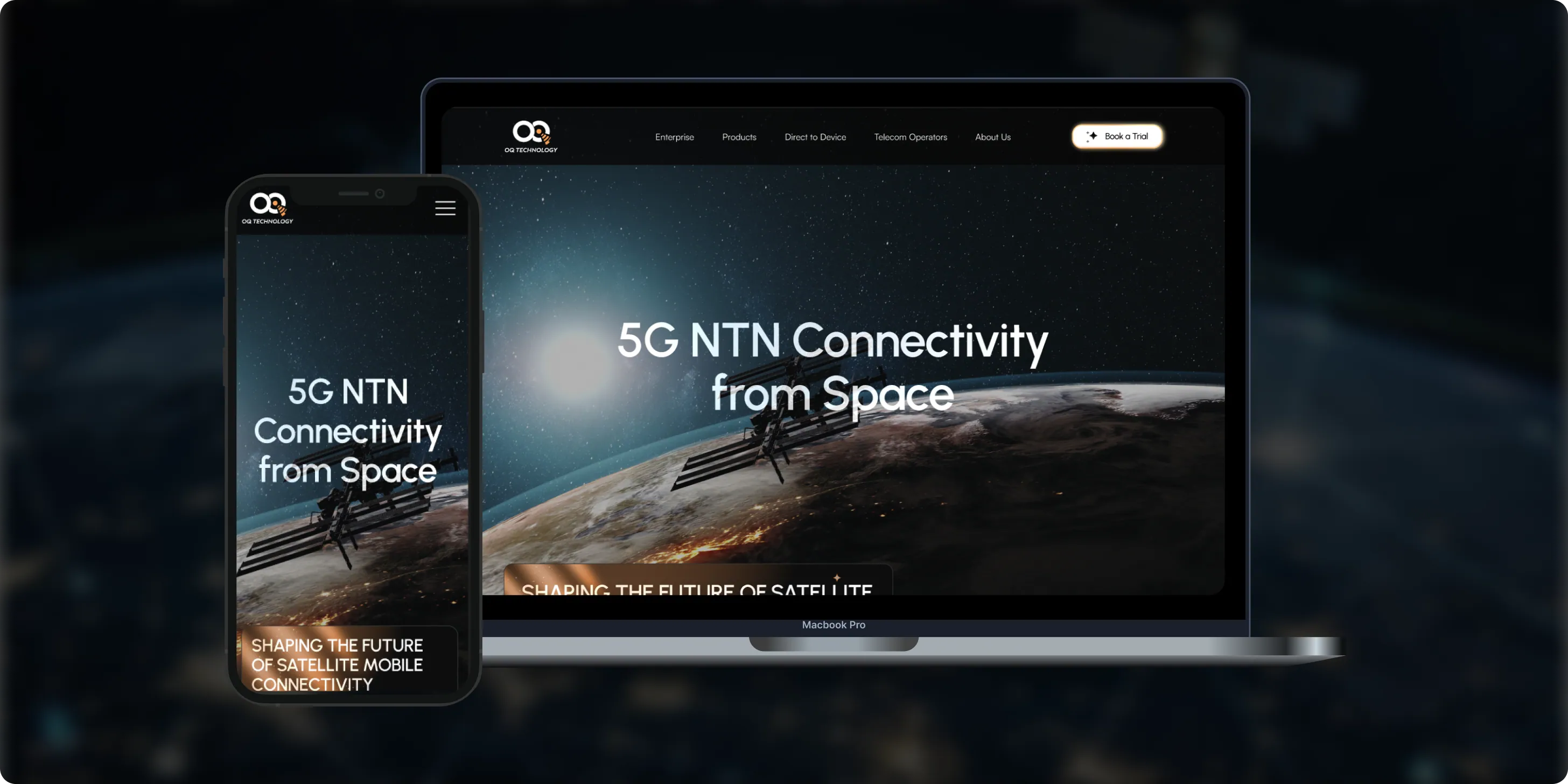
OQ Technology
OQ Technology connects IoT devices, machines, and people anywhere on the planet through its satellite network, serving energy, maritime, logistics, agriculture, and mobile operators. Its website made it hard to explore products and reach pricing plans.- 4Pricing Plans Clarified
- 3Dedicated User Flows
- 1Unified Platform
- Real Estate
- Finance
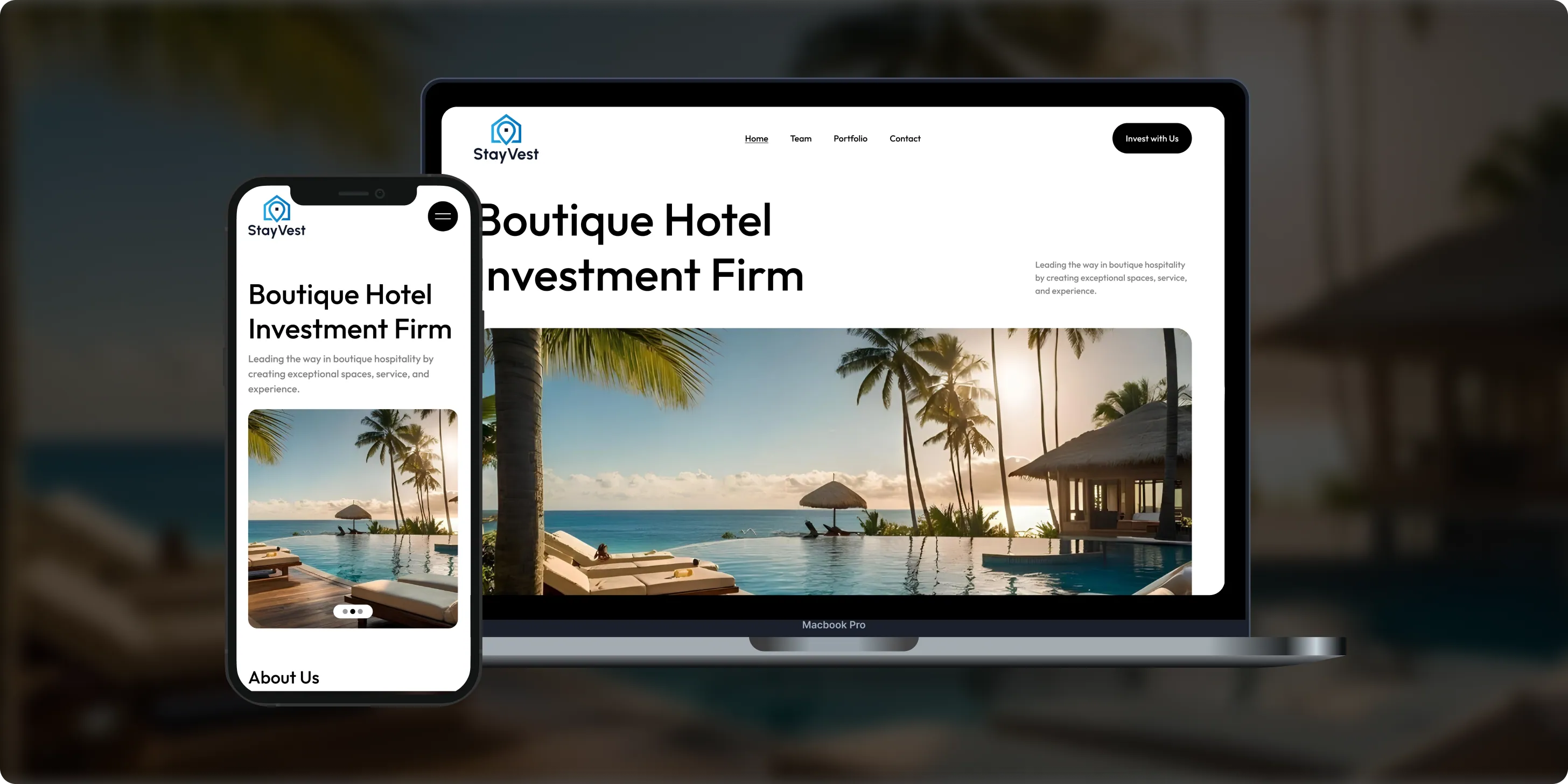
Stay Vest
Stay Vest is a private real estate investment firm that acquires, renovates, and operates boutique hotels for cash flow, tax benefits, and equity gain. It needed a platform that explains its strategy and earns the trust of passive investors.- 1,500+Guest Stays
- 200+Rooms Managed
- 5States Covered
Bokeyno Motorsports
Bokeyno Motorsports is the leading mobile installer of vertical doors for high-performance cars. This Shopify website isn’t just about services—it’s a bold statement of power, style, and expertise. With a sharp layout, strong visuals, and real-world case studies, the site delivers all the information car enthusiasts need to book confidently and instantly.- 54%Booking Requests
- 43%Lead Conversion
- 32%Qualified Inquiries

ai document processing platform
A comprehensive talent solution designed to help companies attract, hire, and retain top talent more effectively. The platform combines AI-powered recruitment technology with employee financial wellbeing programs, enabling smarter hiring decisions while supporting employees’ financial stability and long-term engagement.- 62%Faster Processing Time
- 78%Less Manual Work
- 35%Improved Accuracy

WHAT CLIENTS SAY
Independently verified reviews from real clients on Clutch.co


Client Story
Real feedback from
FMY Orthodontics

“SoftDoes consistently found ways to make things work, added features we had not originally envisioned, and never became frustrated. It felt like working with a true partner who cared about the success of our practice.”
Dan Merwin
DDS, MS, President, FMY Orthodontics

Client Story
Real feedback from
Prior Authorization AI
“Every time I sent a request, if there was anything that didn't work, they were able to turn it around quickly. Even when there were no updates yet, they always reached out to let me know they were working on it.”
Joseph Oluwo
Founder of Prior Authorization AI


Client Story
Real feedback from
WOVEN
“What stood out most was their commitment to understanding our needs before presenting solutions.”
Danna Pastran
Administrative Operations Manager, WOVEN

Client Story
Real feedback from
Grand Central Language Services
“The site performs as intended and provides the foundation for our company's digital presence.”
Joe Goldstein
QA Manager, Grand Central Language Services


Client Story
Real feedback from
DineMate
“They go above and beyond.”
Eric Snead
CEO, DineMate "Dating Connecting Platform"
Why they Choose SoftDoes
- 01SENIOR ENGINEERS, NOT LAYERS
Projects are led by senior engineers and solution architects who have shipped data pipelines, RESO Web API servers, search indices, and high-traffic real estate websites. They know the RESO Data Dictionary field by field, OData query semantics, RETS idiosyncrasies, replication patterns for MLS feeds, and how MLS business rules govern status changes, media workflows, and listing cooperation. Client CTOs, MLS operations leads, and product owners speak directly with engineers who can discuss field-level mapping, deduplication logic, display rules, and SEO for listing pages. There is no translation layer between the people making technical decisions and the people writing the code.
- 02PREDICTABLE DELIVERY
SoftDoes starts with one MLS, one module, or one IDX site, then expands once patterns and pipelines are proven. Written specifications are tied to measurable acceptance criteria: latency thresholds for feed updates, display-rule scenarios tested per MLS, data completeness checks, and search criteria performance targets. Recurring demos use real MLS data, shared test environments let vendors verify their integrations, and coordinated cutover plans with MLS platform vendors and data distributors prevent outages. Predictability and clear communication are non-negotiable when thousands of real estate professionals and their websites depend on uninterrupted listing data.
- 03BUILT TO LAST PAST LAUNCH
Architectures use standards-based RESO APIs, configurable mapping layers per MLS, scalable streaming pipelines, caching tiers, and loosely coupled services. Logging and monitoring cover feed latency, listing counts, media download failures, and rule-engine decisions, so operations teams see issues before agents or consumers do. Engineering discipline includes code reviews, automated regression tests on data quality and display rules, CI/CD pipelines, and regular security reviews addressing real estate applications' requirements for secure API authentication and data privacy. Platforms can onboard new MLSs, absorb rising listing volumes, and adopt future RESO versions or policy changes through configuration updates, not expensive rewrites.
- 04NO BABYSITTING REQUIRED
Handover includes documentation of data models, field mappings, rules configuration, API contracts, and operational runbooks for MLS or brokerage teams. Admin UIs let client staff maintain mappings, manage vendors and API keys, configure IDX display rules per MLS, and adjust content without code changes. Systems are designed to avoid lock-in: the client's team handles ongoing maintenance for routine operational tasks like adding a new IDX broker or updating a disclaimer. SoftDoes offers ongoing partnership and support when strategy or major changes are needed, but the platform runs without daily vendor dependency.
How we work with your quality team
This is how SoftDoes partners with you from first conversation through long term support.




Experience Across MLS Organizations, Brokerages, IDX Providers, and Real Estate Data Companies
SoftDoes works with regional and statewide MLSs, national and boutique brokerages, IDX website providers, and proptech firms that rely on MLS data.


Frequently Asked Questions
Everything you need to know about working with SoftDoes. Can’t find an answer?
How long does MLS and IDX software development take, and what does it cost?
A focused project like a single RESO Web API integration or one IDX website typically takes 2 to 4 months. Full MLS module sets or multi-MLS aggregation platforms run 6 to 12+ months, depending on the number of MLSs and field mappings, display rule complexity, media processing volume, search and UX features, and whether AI tools are included. Board approvals and data-license processes often affect the timeline as much as engineering work; SoftDoes proposes phased scopes with clear milestones tied to each approval gate.
What is the difference between MLS, IDX, VOW, and syndication?
The MLS is a private database where real estate brokers pool property listings; it serves as the operational backend and master database for real estate. IDX (internet data exchange) lets brokers display other brokers' active listings on public real estate websites under each MLS's rules. VOW (Virtual Office Website) gives registered clients more data fields behind a login, under stricter access controls. Syndication sends listings to third-party portals. Each category carries its own licensing, data fields, and display rules, which software must enforce. Real estate professionals must understand the distinction between MLS and IDX, and SoftDoes builds solutions that handle all four correctly.
Can you help us move from RETS to the RESO Web API?
Yes. SoftDoes maps local fields to the RESO Data Dictionary, builds a new API layer with replication and change tracking, and runs the old RETS feed in parallel with the new RESO Web API so vendors can switch on a planned schedule. IDX software launched in the early 2000s, and before IDX, MLS listings were costly for agents to distribute; by 2006, IDX became affordable for most real estate businesses. The underlying data transport has evolved from RETS to RESO Web API, and SoftDoes manages that migration without disrupting the hundreds of IDX feeds, CRMs, and portals that depend on the data. SoftDoes builds to RESO standards and assists with pre-certification testing; official certification is granted by RESO.
How do you make sure our IDX website follows MLS rules?
A rules engine applies each MLS's requirements as configuration: listing broker attribution, required disclaimers and logos, hidden fields (like seller names or private remarks), refresh intervals, sold data limits, and seller opt-out flags. Compliance is critical when integrating IDX to ensure proper data display; using official IDX feeds ensures compliance and data accuracy for real estate websites. Rules are configured from the client's data license agreements and can be updated without code changes. Audit logs record when and how each listing was displayed, so compliance staff can verify adherence to MLS rules at any time.
Who owns the source code and intellectual property?
Under standard SoftDoes contracts, clients own the custom source code and IP. MLS listing data remains under existing MLS license agreements. Third-party libraries, mapping services, and external sources are documented with their licenses and restrictions. Handover includes full source code in client-controlled repositories, infrastructure-as-code, deployment pipelines, and technical documentation.
How can AI help MLSs, brokers, and agents without creating compliance risk?
Practical AI applications include natural language property search, draft listing descriptions, automatic photo tagging and quality scoring, anomaly detection for rule violations, and CMA support. Safeguards are built in: human review workflows route AI suggestions to agents or MLS staff before publication, hard constraints block prohibited content, and checks against Fair Housing guidance and MLS policies run on every AI output. AI features follow the client's governance model and data-license terms; IDX allows real estate professionals to display MLS listings, and AI tools must respect the same rules that govern manual display.
What kind of support do we get after launch?
Options range from launch-period hypercare to ongoing SLAs covering feed monitoring, incident response, bug fixes, security patches, and updates for new RESO versions or MLS rule changes. Proactive monitoring dashboards and alerts track feed delays, data anomalies, and site performance. Support can scale from a light-touch advisory role to fully managed operations, depending on whether the client's team handles ongoing maintenance internally or prefers SoftDoes to manage it.
How do you reduce risk on an MLS software development project?
Phased delivery starts with one MLS or one function. Early data mapping workshops identify schema gaps and rule conflicts before they become engineering problems. New feeds or APIs run in parallel with existing ones before cutover, and automated data-quality tests, change-detection comparisons, monitoring, and rollback plans allow safe reversions if issues surface. Different MLS organizations may have different data structures and API capabilities; SoftDoes reports risks, trade-offs, and decisions transparently to MLS boards, committees, or brokerage leadership so governance is informed at every step. IDX requires MLS membership for real estate agents, and compliance with membership and licensing rules is validated before any data flows.