
U.S.-Based
Custom AdTech Software Development Services
DSPs, SSPs, ad exchanges, and attribution systems engineered for ad networks, agencies, and brands that need transparent spend, low latency, and full data ownership.

Let's build together.
Talk with a senior engineer about your product idea, architecture, and what it would take to build it.
90+
Active Client Partnerships
80+ Person
Product & Engineering Team
100%
Your Code & IP Ownership
U.S.-Led
Delivery & Accountability
We understand the challenges you're facing
We can't see where our ad budget actually goes or why bids win or lose.
Most third party DSPs, SSPs, and walled gardens obscure their auction logic, margin rules, and fee structures. You end up guessing why digital advertising campaigns underperform, with no way to trace a single impression from bid request into ad space and measure how ads perform once placed. Custom adtech software development replaces that opacity with unified event pipelines, log level reporting, and configurable margin tracking, so every cent flowing in and out is visible in real time. SoftDoes engineers systems where trading teams can inspect each bid response, see why it won or lost, and drill into cost breakdowns to understand how inventory reaches the target audience without waiting for a vendor report. That transparency is not a dashboard skin on top of someone else's platform. It is the architecture itself.
Our bids time out at peak traffic and we lose auctions we should win.
Real time bidding requires response times measured in milliseconds. When your bidder cannot keep up, the exchange drops your response before it is even evaluated, silently draining your ad budget. Custom low latency architecture, in memory caching of audience and frequency data, edge routing, and compiled languages like Go or Rust bring response times into single digit millisecond territory for decision logic. SoftDoes treats latency as an engineering discipline: we run realistic peak load tests that mimic actual RTB traffic shapes, where customer behavior shifts and traffic spikes change auction conditions, and plan every millisecond of the response window before code reaches production.
We've outgrown our white label platform and it's holding us back.
White label DSPs and exchanges get you to market quickly, but they impose rigid bidding logic, fixed feature roadmaps, and limited integration with new data sources or formats like CTV, audio, and mobile adtech. When your ad campaigns demand custom bidding strategies, first party data ingestion, or audience segmentation models the vendor does not support, you hit a wall, especially when white-label systems handle channels like mobile apps inflexibly. Custom adtech software development lets you migrate core logic into services you own, at your pace. SoftDoes designs phased migration paths: start by replacing the decision engine or reporting layer, then extend to the full stack, so revenue never drops during the transition. No big bang cutovers, no guessing, and no dependence on another company's product priorities, because successful implementation depends on phased migration, not a full replacement overnight.
Our data lives in six different tools and none of them agree.
Teams routinely juggle logs from demand side platforms, supply side platforms, customer data platforms, attribution tools, data management platform exports, and internal BI systems. The numbers conflict, reconciliation is manual, and reusing audiences across multiple channels is nearly impossible. A centralized ad management platform can reduce management time by 50%, especially when teams are no longer stitching reports together by hand. Creating a unified data layer with streaming data pipelines, identity resolution, and shared IDs solves this at the infrastructure level and supports broader marketing campaigns from one consistent dataset. The result is cross channel frequency capping, cohort based ad targeting, and LTV driven pacing all running from one consistent source of truth. SoftDoes's data engineering practice specializes in high volume, high frequency data ingestion and processing for the advertising sector, connecting every event from impression to conversion in a single pipeline.
Privacy regulations keep changing and our platform wasn't designed for them.
GDPR and CCPA influence data privacy practices in adtech. Cookie deprecation, consent requirements, the decline of third party cookies, and browser restrictions are not temporary disruptions; they are permanent shifts in how digital ads operate. Many legacy adtech platforms bolt on consent management and first party data support as afterthoughts, creating compliance gaps and engineering rework. Privacy concerns drive reliance on first party data, contextual targeting, and clean room style integrations, all of which need to be part of the architecture from day one. AI adtech can enhance targeting precision by analyzing user data in privacy-aware ways instead of leaning on broad cross-site tracking. It can also predict user behavior to optimize ad placements as legacy signals become less reliable. SoftDoes engineers consent state propagation, data minimization, and regional routing of event data into the foundation of every adtech system we work on. That means long term compliance, not one off patches before the next audit.
You run the advertising vision. We engineer the AdTech behind it.

Custom DSP and media buying engines
Demand side platforms connect ad buying strategy with engineering. SoftDoes engineers low latency bidders that follow the OpenRTB standard and connect campaigns to ad exchanges, SSPs, and in house tools.
Real time bidding logic with configurable strategies per campaign
Audience ingestion from CDPs, CRMs, and first party event streams
Dynamic pacing and ad budget allocation from live performance data for a more precise target audience

SSPs, header bidding, and custom exchanges
Supply side platforms help publishers manage inventory and yield. SoftDoes engineers header bidding wrappers, auction engines, and ad exchanges that connect demand sources under clear rules, with controls for brand safety and inventory value.
Header bidding with support for browser and server side setups
Auction engines with configurable floors, deal types, and priority rules
Revenue and fill rate analytics on unified impression level data

Attribution, analytics, and fraud intelligence
Measurement without accuracy is noise. SoftDoes connects event tracking, identity resolution, and fraud scoring at auction speed. Data driven insights can improve campaign results by 20%.
Multi touch attribution using first party data and privacy safe identifiers; multi-touch attribution models can improve ROI by 15-30%
Fraud scoring analyzing behavioral and device patterns in real time; fraud detection systems identify suspicious traffic and bot activity
Self service dashboards exposing log level data to trading and ops teams, with ai driven optimization tied to analytics and testing
Numbers Don’t Lie
Recent projects showcasing how we design, engineer, and deliver production-ready software solutions.

- Startup
- Real Estate
Our Haus AI
A finance professional turned founder built Our Haus AI, an AI-powered collaborative workspace where homeowners and contractors scope, bid, contract, and document renovation projects together. SoftDoes took her prototype and made it production-ready.- 10XMVP scope delivered
- 2+years Ongoing partnership
- 1Fully owned Platform

- Finance
- Energy
Deepwater Insights
Deepwater Insights delivers proprietary alternative data and niche research on the offshore drilling and energy sector to institutional investors, family offices, and high-net-worth individuals who require coverage that larger firms don't provide.- 100%Brand Continuity
- 2Platform Distribution
- 100%Paywall-Ready Content

- Real Estate
The building buyer
The Building Buyer is a Florida-based real estate investment firm co-founded by Dylan Troiano and Charles Hanlin. They acquire single-family, multifamily, and commercial properties across South Florida and beyond, with a focus on motivated seller opportunities.- 18Weekly hours saved
- 2+Years Ongoing partnership
- 1Fully owned Platform

- Education
- Non-Profit
WOVEN & NICE
Woven is a Spring Valley, NY nonprofit running the NICE program (New Training Inclusive Community Environment) in four Rockland County schools. Their team supports students through restorative practices, mediation, and professional development for teachers and administrators.- 4Schools Served
- 4Weeks to Launch
- 1STTime on Upwork

- Healthcare
CareInTouch
CareInTouch is a Bay Area home health agency providing skilled nursing and therapy services to patients referred from hospitals and clinics. With over 100 staff, they operate in one of the most complex and compliance-driven healthcare markets in the country.- 40% Reduction In Billing Errors
- 100+Staff Operations Managed
- 0Missed Compliance Deadlines

- Startup
Sparkle The Cleaning Service
Sparkle The Cleaning Service is a Detroit-area residential cleaning company with 10 years in business, connecting homeowners with vetted, insured independent cleaners through a subscription-based marketplace platform.- 75% Platform Transparency
- 2XPlatform Growth
- 40%Higher User Retention

- Startup
DineMate
DineMate is a Maryland-based dating and connecting platform built around verified profiles, restaurant reservations, and prepaid dining experiences. Founded to bring back authenticity to how people meet and connect.- 60% Time Saved
- 99%System Reliability
- 40%Higher User Retention

- Healthcare
Prior Authorization AI
Prior Authorization AI is a healthcare automation startup building AI-powered tools to streamline prior authorization for Medicare and Medicaid medical transportation providers in New Jersey.- 16Weekly hours saved
- 63%Admin time reduced
- 43%Fewer submission errors

- Education
Grand Central Language Services
Grand Central Language Services provides translation and interpretation for organizations operating in complex, multilingual environments. As demand grew, internal workflows became harder to manage. SoftDoes built a custom platform to streamline coordination, improve visibility, and support scalable operations.- 72%Workflow Reduction
- 48%Coordination Reduction
- 83%Visibility Increase

- Healthcare
FMY Orthodontics
FMY Orthodontics, a multi-location practice in West Tennessee, partnered with SoftDoes to replace a spreadsheet-based financial workflow with a custom web platform. The goal was to simplify how staff present treatment financing while allowing patients and families to review and complete decisions remotely.- 60%Workflow Reduction
- 75%Remote Adoption
- 5Locations Aligned

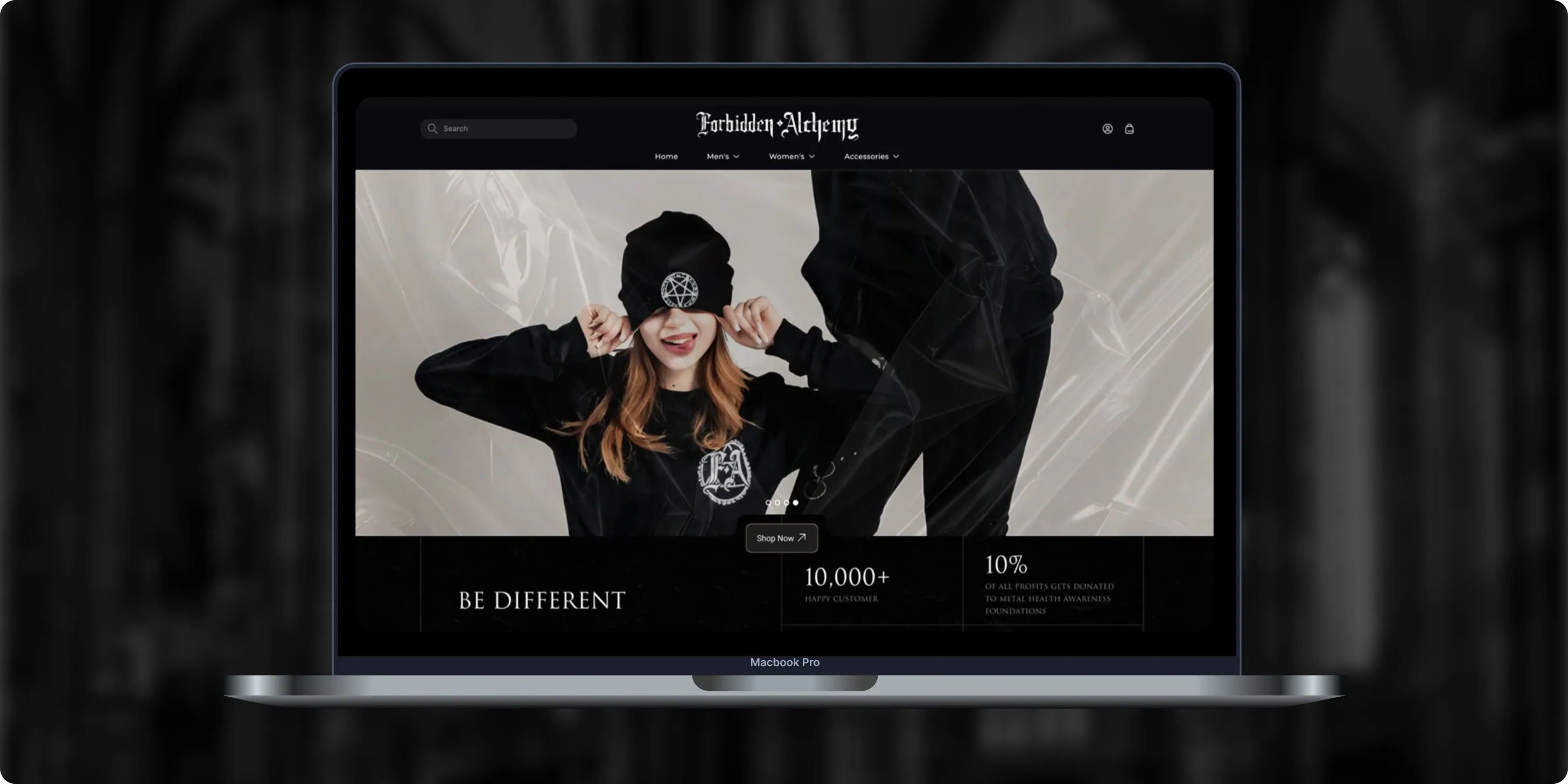
Forbidden Alchemy
Forbidden Alchemy is an alternative fashion brand creating dark, provocative clothing for the metalhead community, with 10% of profits donated to mental health awareness. Its mostly mobile audience struggled with a store that was hard to navigate and weak on functionality.- +44%Revenue Month Over Month
- 86%Design Satisfaction
- 2.8XUser Retention Growth
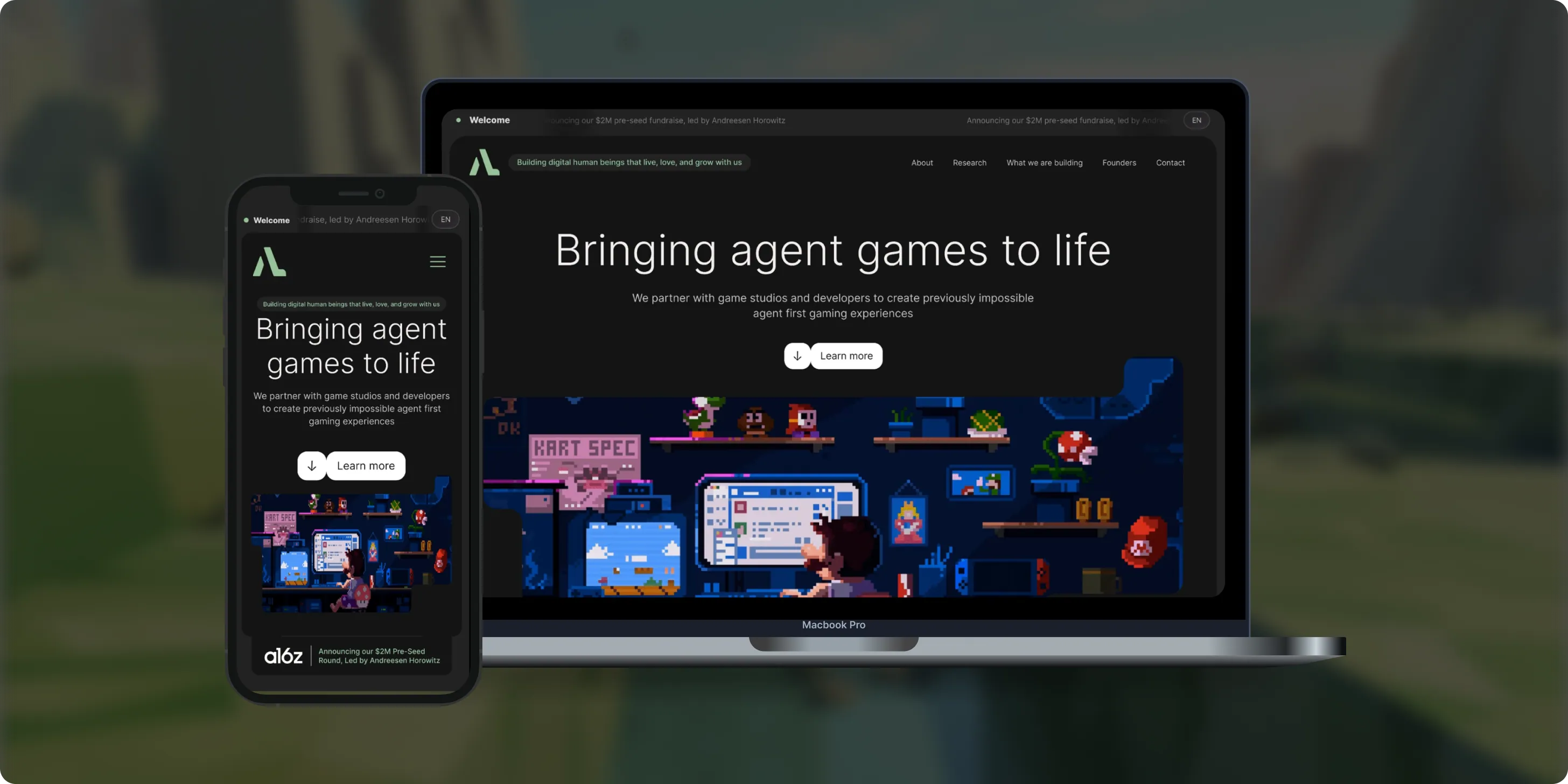
Altera
Altera builds on decades of computational neuroscience research to create digital human beings for gaming. Backed by a $2M pre-seed round led by Andreessen Horowitz, the team needed a landing page that could explain complex agent technology to players, partners, and investors.- 98%Dynamic Customization
- 100%Streamlined Navigation
- $2MPre-Seed Round
- Real Estate
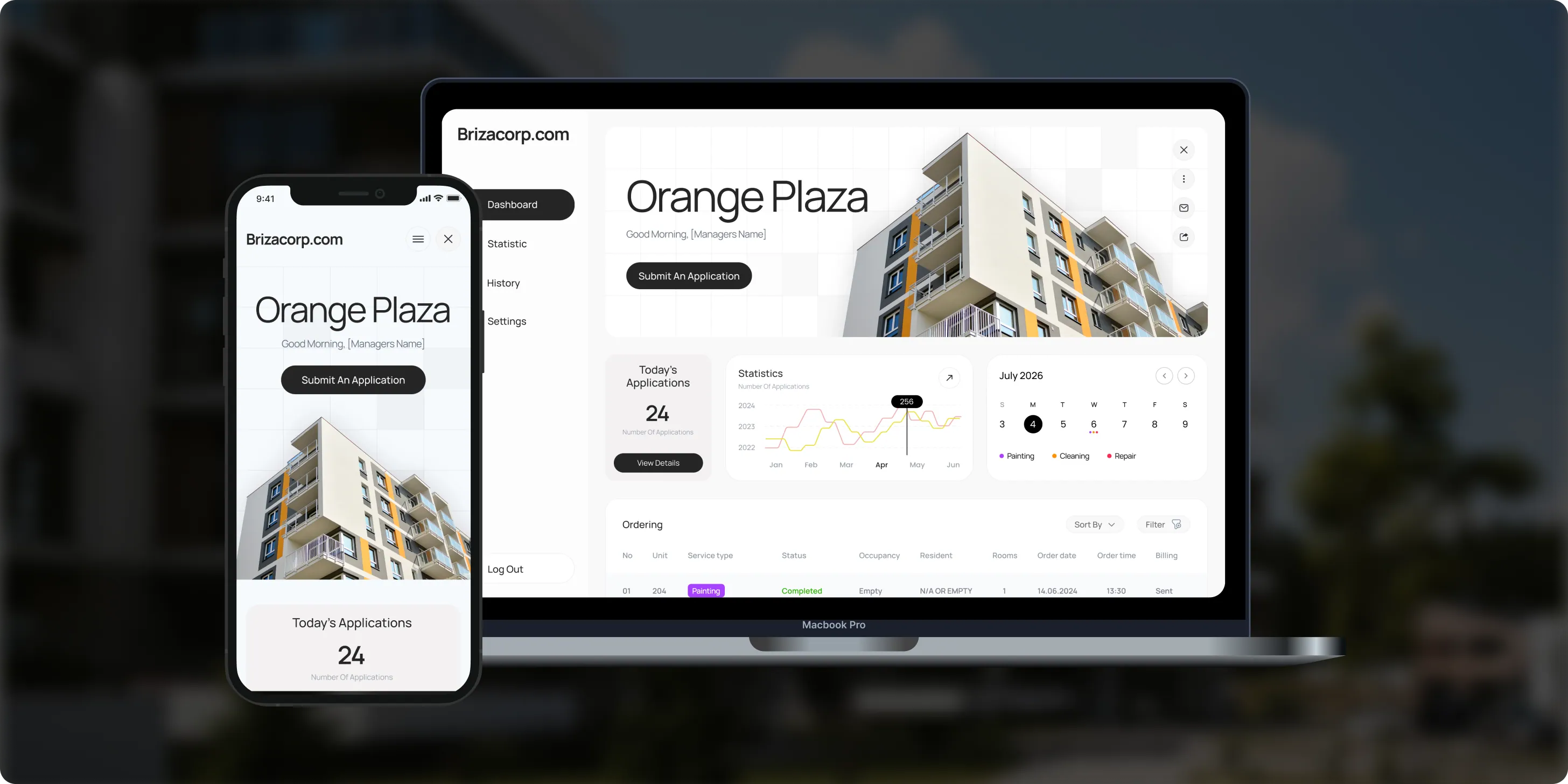
Brizacorp
Brizacorp manages residential properties and coordinates the staff who handle painting, cleaning, and repair requests. Its team tracked work across messengers, phone calls, e-mail, and paper planners, with no single place to manage requests or measure performance.- 98%Application Stability
- 95%Utilization Rate
- 30%Faster Task Completion
Color & Harmony
Color & Harmony is a Kentucky-based color consulting studio led by certified color strategist Diana Cartaya. The studio needed a website that reflects its refined aesthetic, showcases its portfolio, and explains a science-based color process in simple language.- 45%Conversion Rate Increase
- 50%Higher User Engagement
- 2Months to Launch

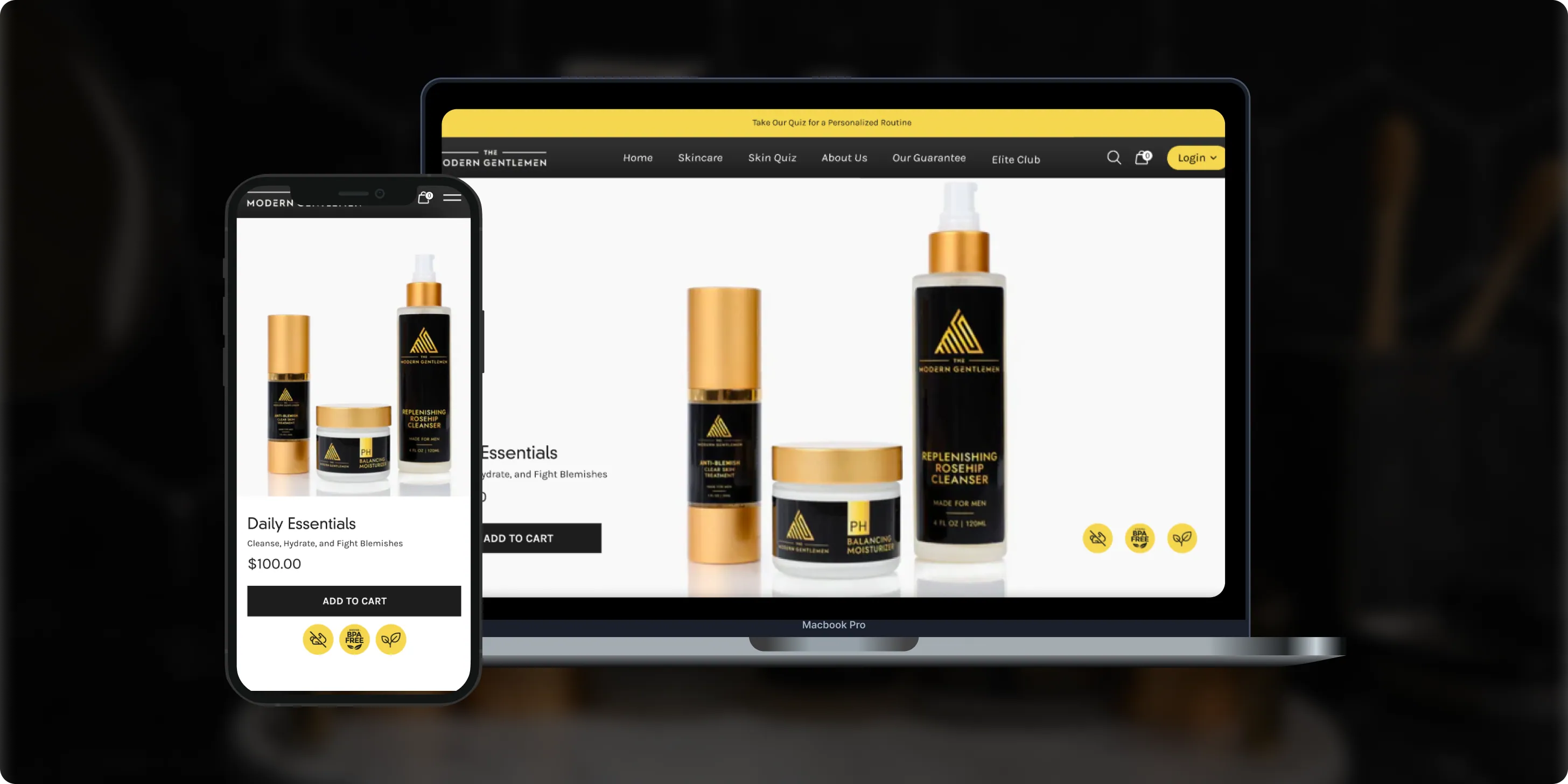
The Modern Gentlemen
The Modern Gentlemen sells premium men's skincare featured in Men's Health, GQ, and Men's Journal. Its customers wanted an efficient routine, but generic product suggestions and limited skincare knowledge made choosing the right products hard.- 30%Increase in Conversions
- 25%Higher Customer Retention
- 92%Mobile Purchases
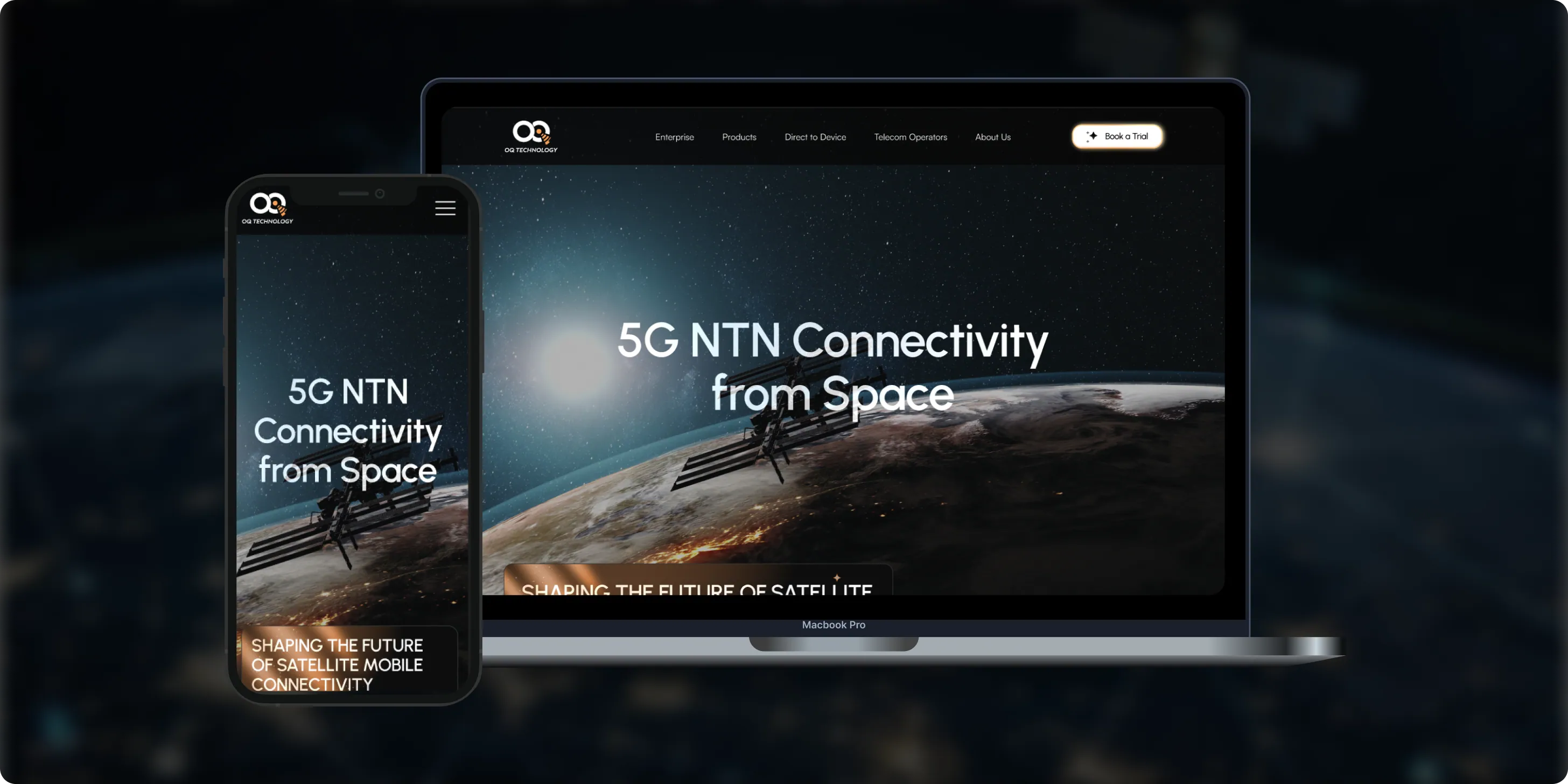
OQ Technology
OQ Technology connects IoT devices, machines, and people anywhere on the planet through its satellite network, serving energy, maritime, logistics, agriculture, and mobile operators. Its website made it hard to explore products and reach pricing plans.- 4Pricing Plans Clarified
- 3Dedicated User Flows
- 1Unified Platform
- Real Estate
- Finance
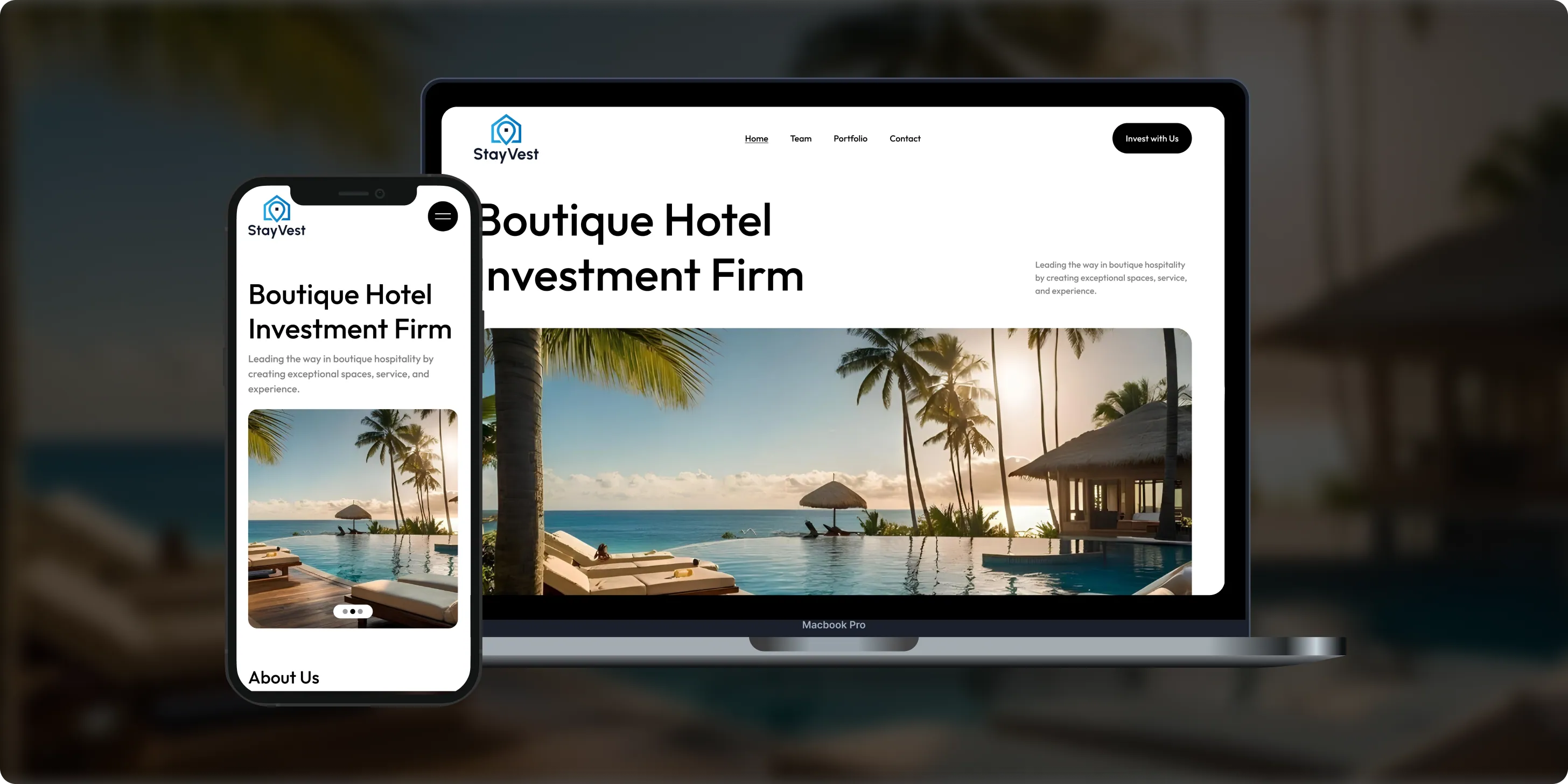
Stay Vest
Stay Vest is a private real estate investment firm that acquires, renovates, and operates boutique hotels for cash flow, tax benefits, and equity gain. It needed a platform that explains its strategy and earns the trust of passive investors.- 1,500+Guest Stays
- 200+Rooms Managed
- 5States Covered
Bokeyno Motorsports
Bokeyno Motorsports is the leading mobile installer of vertical doors for high-performance cars. This Shopify website isn’t just about services—it’s a bold statement of power, style, and expertise. With a sharp layout, strong visuals, and real-world case studies, the site delivers all the information car enthusiasts need to book confidently and instantly.- 54%Booking Requests
- 43%Lead Conversion
- 32%Qualified Inquiries

ai document processing platform
A comprehensive talent solution designed to help companies attract, hire, and retain top talent more effectively. The platform combines AI-powered recruitment technology with employee financial wellbeing programs, enabling smarter hiring decisions while supporting employees’ financial stability and long-term engagement.- 62%Faster Processing Time
- 78%Less Manual Work
- 35%Improved Accuracy

WHAT CLIENTS SAY
Independently verified reviews from real clients on Clutch.co


Client Story
Real feedback from
FMY Orthodontics

“SoftDoes consistently found ways to make things work, added features we had not originally envisioned, and never became frustrated. It felt like working with a true partner who cared about the success of our practice.”
Dan Merwin
DDS, MS, President, FMY Orthodontics

Client Story
Real feedback from
Prior Authorization AI
“Every time I sent a request, if there was anything that didn't work, they were able to turn it around quickly. Even when there were no updates yet, they always reached out to let me know they were working on it.”
Joseph Oluwo
Founder of Prior Authorization AI


Client Story
Real feedback from
WOVEN
“What stood out most was their commitment to understanding our needs before presenting solutions.”
Danna Pastran
Administrative Operations Manager, WOVEN

Client Story
Real feedback from
Grand Central Language Services
“The site performs as intended and provides the foundation for our company's digital presence.”
Joe Goldstein
QA Manager, Grand Central Language Services


Client Story
Real feedback from
DineMate
“They go above and beyond.”
Eric Snead
CEO, DineMate "Dating Connecting Platform"
Why they Choose SoftDoes
- 01SENIOR ENGINEERS, NOT LAYERS
Every SoftDoes project is staffed with engineers who have hands on experience in RTB, OpenRTB protocol integration, high throughput event systems, privacy by design, and cutting edge technologies. You talk directly to the people making architecture and performance decisions, not to account managers relaying messages. That matters when the conversation is about auction logic edge cases, frequency capping across demand side platforms, or tuning JVM garbage collection under intensive auction loads. Complex integrations with ad exchanges, identity vendors, fraud systems, and third party tools require engineers who have done it before, not teams learning on your timeline.
- 02PREDICTABLE DELIVERY
AdTech projects carry integration risk that generic software development does not. Exchange onboarding, identity vendor approvals, and consent framework certification all introduce delays outside your control. SoftDoes accounts for these realities with a clear software development process and by breaking work into clear milestones: discovery, architecture, MVP, hardening, rollout. We run production like load tests with replayed traffic to catch latency issues before they affect live advertising campaigns. Stakeholders see progress in working software at each milestone, not only documents and slide decks.
- 03BUILT TO LAST PAST LAUNCH
The advertising technology landscape shifts constantly. Browser vendors restrict tracking, exchanges update protocols, privacy regulations expand. SoftDoes designs modular services where bidders, decision engines, data pipelines, and UIs can change independently without cascading rework. Every system includes observability from day one: metrics, distributed tracing, and structured logs for ongoing tuning of bids and infrastructure. We also invest in clear documentation and knowledge transfer sessions so your internal engineering team can operate and extend the platform confidently after our engagement ends.
- 04NO BABYSITTING REQUIRED
Once requirements, constraints, and priorities are agreed upon, SoftDoes operates with full autonomy. Communication is asynchronous and concise: short technical updates, proactive risk flags, and no meetings that could have been a message. Trading desks and product teams keep their focus on campaign optimization and adtech strategy while SoftDoes manages implementation details. We integrate smoothly with existing tech leads and SRE teams, taking ownership of our scope without requiring heavy supervision or constant direction, so they can protect ongoing marketing efforts.
What you can count on
AdTech digital marketing adtech software development services from SoftDoes follow a continuous cycle: discovery, product shaping, engineering, and post launch evolution.




Related Industries
Explore the different industries and areas covered by SoftDoes.
Marketplace Software Development
MarTech Development
CyberSecurity Product
IoT Software
Data Platfrom
Complex systems, integrations, and internal platforms built to evolve. We step in when off-the-shelf tools stop being enough.
HrTech Software
From first version to real traction without painting yourself into a corner. Built for speed now and hard decisions later.
Telecom Software Development
tec
Infrastructure software built for long timelines and high stakes. Reliable systems for assets that can’t afford guesswork.


Frequently Asked Questions
Everything you need to know about working with SoftDoes. Can’t find an answer?
How long does custom adtech software development usually take?
It depends on scope. A focused component like a reporting layer, middleware, or analytics dashboard typically takes three to four months from discovery through hardening. A full DSP or SSP platform, including exchange integrations, RTB logic, and performance tuning, usually runs six to twelve months. Real time bidding and latency testing extend timelines because validating that a bidder responds consistently under peak load requires dedicated hardening phases. Phased releases are standard: we launch a narrow feature set running alongside your existing tools, then expand.
Can you integrate with the ad platforms and tools we already use?
Yes. Integration with existing DSPs, SSPs, ad servers, customer data platforms, and analytics tools is a standard part of every adtech project. Common touchpoints include the OpenRTB protocol, proprietary bidder APIs, log export interfaces, and API integration for automated ad buying and campaign management across multiple platforms. SoftDoes maps all current data flows during discovery to avoid breaking live digital advertising campaigns during integration.
How do you handle data security and privacy in adtech systems?
Encryption in transit and at rest, strict identity access management, and data minimization are defaults on every project. We design for GDPR compliance, CCPA obligations, and IAB consent frameworks relevant to tracking and targeted advertising. Where regulations require it, we implement regional data routing and purpose limits for event data. Adtech systems require compliance with privacy regulations and cookie management, and we architect that into the foundation rather than patching it on later.
Who owns the code and IP for the adtech platform?
You own everything: source code, infrastructure accounts, documentation, and all custom code produced during the engagement. SoftDoes does not lock clients into proprietary frameworks or closed source components. Reuse of generic internal libraries does not limit your control of the system in any way.
Can you work with our existing adtech platform instead of starting from scratch?
Absolutely. Many engagements start with extending or refactoring current bidders, wrappers, and reporting systems rather than replacing them. Common patterns include adding middleware between your platform and exchanges, replacing only the decision engine, or reworking data pipelines to create a unified event layer. SoftDoes begins with a code and architecture review to identify what to keep, what to rework, and where custom adtech solutions add the most value.
What tech stack do you use for adtech software development?
The tech stack depends on your existing systems, latency requirements, and team skills. For low latency services like bidders and decision engines, we commonly use Go, Java, Kotlin, or Rust. Streaming and event processing rely on Kafka, Flink, or similar tools. Fast storage and caching use Redis or Aerospike, while real time analytics often run on ClickHouse or Druid. We support major cloud platforms including AWS, GCP, and Azure, choosing infrastructure based on what your adtech workloads actually need rather than vendor preference.
How do you test performance for real time bidding and auctions?
We run synthetic load tests that replicate peak QPS and traffic shapes observed on real ad exchanges. When clients can share historical logs, we replay actual bid requests and responses through the system to measure end to end latency, timeout rates, and win rates under realistic conditions. Testing and monitoring criteria are different in adtech compared to traditional software development: we measure p99 latency, not just averages, and validate that every component stays within its millisecond budget before anything reaches production. Real time bidding must complete within milliseconds to win auctions, so we treat performance validation as a gating requirement for launch.
Is custom adtech software development only for very large ad spenders?
Not necessarily. Custom systems make the most sense when you have significant monthly spend where vendor fees erode margins, unique customer data or first party data assets that vendor tools cannot fully leverage, strict compliance requirements, or when you need an adtech software development company with deep specialization in latency, fraud, and post-cookie architecture rather than a generalist vendor. For smaller teams, SoftDoes can engineer focused components like a middleware layer, a fraud detection pipeline, or a real time analytics dashboard rather than a full stack replacement. The opportunity for owning your own infrastructure is only increasing. We help evaluate ROI against current vendor fees and constraints before any commitment.