


U.S.-Based
Custom Cybersecurity Product Development Services
Engineering security platforms - EDR, SIEM, IAM, SOAR, and cloud detection tools - from concept to compliant, market ready product.

Let's build together.
Talk with a senior engineer about your product idea, architecture, and what it would take to build it.
90+
Active Client Partnerships
80+ Person
Product & Engineering Team
100%
Your Code & IP Ownership
U.S.-Led
Delivery & Accountability
We understand the challenges you're facing
How do we keep up with fast evolving cyber threats while shipping features?
Fixed roadmaps and emerging threats pull in opposite directions. A quarterly release cycle means your threat detection logic can lag weeks behind new adversary tactics, leaving security gaps your customers cannot afford. Modular architecture solves this by decoupling detection components - rules, ML models, signature packs - from the core platform so each can update independently. Feature flags let your development team roll out urgent defensive improvements without waiting for a full release train. Continuous hardening means security researchers and engineers collaborate on release cadence, feeding threat intelligence pipelines and the MITRE ATT&CK framework directly into your software development process so the product evolves as fast as the threats it fights.
How can we prove our security product is actually effective and reliable?
Enterprise buyers and MSSPs providing managed security services expect hard evidence before they trust a new security product with their environments. Independent lab validation, third party penetration testing, and certifications like Common Criteria or FIPS give prospects the confidence they need. Repeatable lab environments with simulated attack libraries and red teaming exercises let you demonstrate measurable performance metrics for cybersecurity products, including detection rate and mean time to respond. Observability and telemetry instrumented from the ground up - tracking true positive rates, false positive rates, MTTD, and MTTR - turn your product's effectiveness into transparent, auditable numbers. Publishing versioned benchmarks and reproducible test results separates serious cybersecurity solutions from vendors who rely on marketing claims.
How do we meet regional regulations and frameworks without slowing development?
Compliance with regulations like GDPR and HIPAA is necessary for cybersecurity products, and the regulatory landscape keeps expanding - NIS2 in the EU, new AI governance laws, evolving U.S. requirements for government agencies. Treating compliance as an afterthought creates expensive rework and delays. The fix is embedding security requirements into your backlog, threat models, and architecture decisions from day one. Reusable control components - audit logging, data retention, encryption at rest using strong encryption standards like AES 256, and granular access controls - can satisfy multiple frameworks simultaneously. When you map product features to specific control families in standards like NIST SP 800 53 or ISO 27001, audits become straightforward and sales conversations with regulated buyers move faster.
How can we integrate with complex customer environments reliably?
Your customers run heterogeneous stacks: multiple SIEM solutions that manage security information and event data, SOAR platforms, ticketing systems, cloud infrastructure across AWS, Azure, and GCP, identity providers from on premises Active Directory to modern SSO with multi factor authentication, and legacy firewalls. Data arrives in inconsistent formats. Integrations that break under real conditions destroy trust. API first design, a well documented connector framework, and clear SDKs make integrations a product strength rather than a support burden. Prebuilt connector packs for tools like Splunk, ServiceNow, Okta, and Slack - paired with robust error handling and monitoring of integration failures - set your cybersecurity product apart. Testing across representative environments before release prevents the integration surprises that kill adoption.
How do we avoid performance impact and false positives that kill adoption?
Heavy endpoint agents and noisy alerts are adoption killers. If your agent consumes too much CPU or memory, customers disable it. If your product floods security teams with false positives, analysts lose trust and churn. Studies show that between 46% and 83% of SOC alerts are false positives depending on maturity, and 66% of those stem from vendor supplied rules. Performance profiling, footprint optimization, and thoughtful selection of what runs on the endpoint versus in the cloud are essential engineering decisions. Reducing false positives requires behavior baselines, analyst feedback loops, layered detection logic that aggregates signals before firing, and tuning workflows that let security professionals adjust thresholds. UX matters too: alert triage dashboards with rich context, entity timelines, and transparent rules give analysts confidence and reduce cognitive load during incident response.
You define the threat vision. We engineer it.

Cloud Native Threat Detection Platforms
Cloud native security protects APIs and distributed applications. We engineer platforms that close detection gaps with real time telemetry, advanced threat detection, and workflows for cloud SOC teams.
Data ingestion from AWS, Azure, and GCP logs, network flows, and control plane events
Rule based and ML based correlation engines for anomalies and known tactics
Investigation workbench with entity timelines, evidence trails, and contextual enrichment

Endpoint and Identity Security Products
EDR systems strengthen endpoint detection and response, often using identity signals to support zero trust protection. Because zero trust continuously verifies users and devices, we engineer lightweight agents and real time policy controls that handle privileged access without slowing work.
Cross platform agents for Windows, Mac, and Linux with low resource usage across operating systems
Identity telemetry from SSO, MFA, and directory services tied to user accounts and device posture
Real time policy engines for access control, device compliance, and least privilege enforcement

Security Operations and Automation Platforms
Automated security response reduces manual effort in threat management. SIEM, SOAR, and case management should work as one platform. We connect them with normalized event pipelines, automated playbooks, and reporting for CISOs and compliance teams.
Normalized event management pipelines with enrichment from threat intelligence feeds
Playbook orchestration across email, endpoints, firewalls, and ticketing tools
Case management with collaboration features and audit friendly evidence trails
Numbers Don’t Lie
Recent projects showcasing how we design, engineer, and deliver production-ready software solutions.

- Startup
- Real Estate
Our Haus AI
A finance professional turned founder built Our Haus AI, an AI-powered collaborative workspace where homeowners and contractors scope, bid, contract, and document renovation projects together. SoftDoes took her prototype and made it production-ready.- 10XMVP scope delivered
- 2+years Ongoing partnership
- 1Fully owned Platform

- Finance
- Energy
Deepwater Insights
Deepwater Insights delivers proprietary alternative data and niche research on the offshore drilling and energy sector to institutional investors, family offices, and high-net-worth individuals who require coverage that larger firms don't provide.- 100%Brand Continuity
- 2Platform Distribution
- 100%Paywall-Ready Content

- Real Estate
The building buyer
The Building Buyer is a Florida-based real estate investment firm co-founded by Dylan Troiano and Charles Hanlin. They acquire single-family, multifamily, and commercial properties across South Florida and beyond, with a focus on motivated seller opportunities.- 18Weekly hours saved
- 2+Years Ongoing partnership
- 1Fully owned Platform

- Education
- Non-Profit
WOVEN & NICE
Woven is a Spring Valley, NY nonprofit running the NICE program (New Training Inclusive Community Environment) in four Rockland County schools. Their team supports students through restorative practices, mediation, and professional development for teachers and administrators.- 4Schools Served
- 4Weeks to Launch
- 1STTime on Upwork

- Healthcare
CareInTouch
CareInTouch is a Bay Area home health agency providing skilled nursing and therapy services to patients referred from hospitals and clinics. With over 100 staff, they operate in one of the most complex and compliance-driven healthcare markets in the country.- 40% Reduction In Billing Errors
- 100+Staff Operations Managed
- 0Missed Compliance Deadlines

- Startup
Sparkle The Cleaning Service
Sparkle The Cleaning Service is a Detroit-area residential cleaning company with 10 years in business, connecting homeowners with vetted, insured independent cleaners through a subscription-based marketplace platform.- 75% Platform Transparency
- 2XPlatform Growth
- 40%Higher User Retention

- Startup
DineMate
DineMate is a Maryland-based dating and connecting platform built around verified profiles, restaurant reservations, and prepaid dining experiences. Founded to bring back authenticity to how people meet and connect.- 60% Time Saved
- 99%System Reliability
- 40%Higher User Retention

- Healthcare
Prior Authorization AI
Prior Authorization AI is a healthcare automation startup building AI-powered tools to streamline prior authorization for Medicare and Medicaid medical transportation providers in New Jersey.- 16Weekly hours saved
- 63%Admin time reduced
- 43%Fewer submission errors

- Education
Grand Central Language Services
Grand Central Language Services provides translation and interpretation for organizations operating in complex, multilingual environments. As demand grew, internal workflows became harder to manage. SoftDoes built a custom platform to streamline coordination, improve visibility, and support scalable operations.- 72%Workflow Reduction
- 48%Coordination Reduction
- 83%Visibility Increase

- Healthcare
FMY Orthodontics
FMY Orthodontics, a multi-location practice in West Tennessee, partnered with SoftDoes to replace a spreadsheet-based financial workflow with a custom web platform. The goal was to simplify how staff present treatment financing while allowing patients and families to review and complete decisions remotely.- 60%Workflow Reduction
- 75%Remote Adoption
- 5Locations Aligned

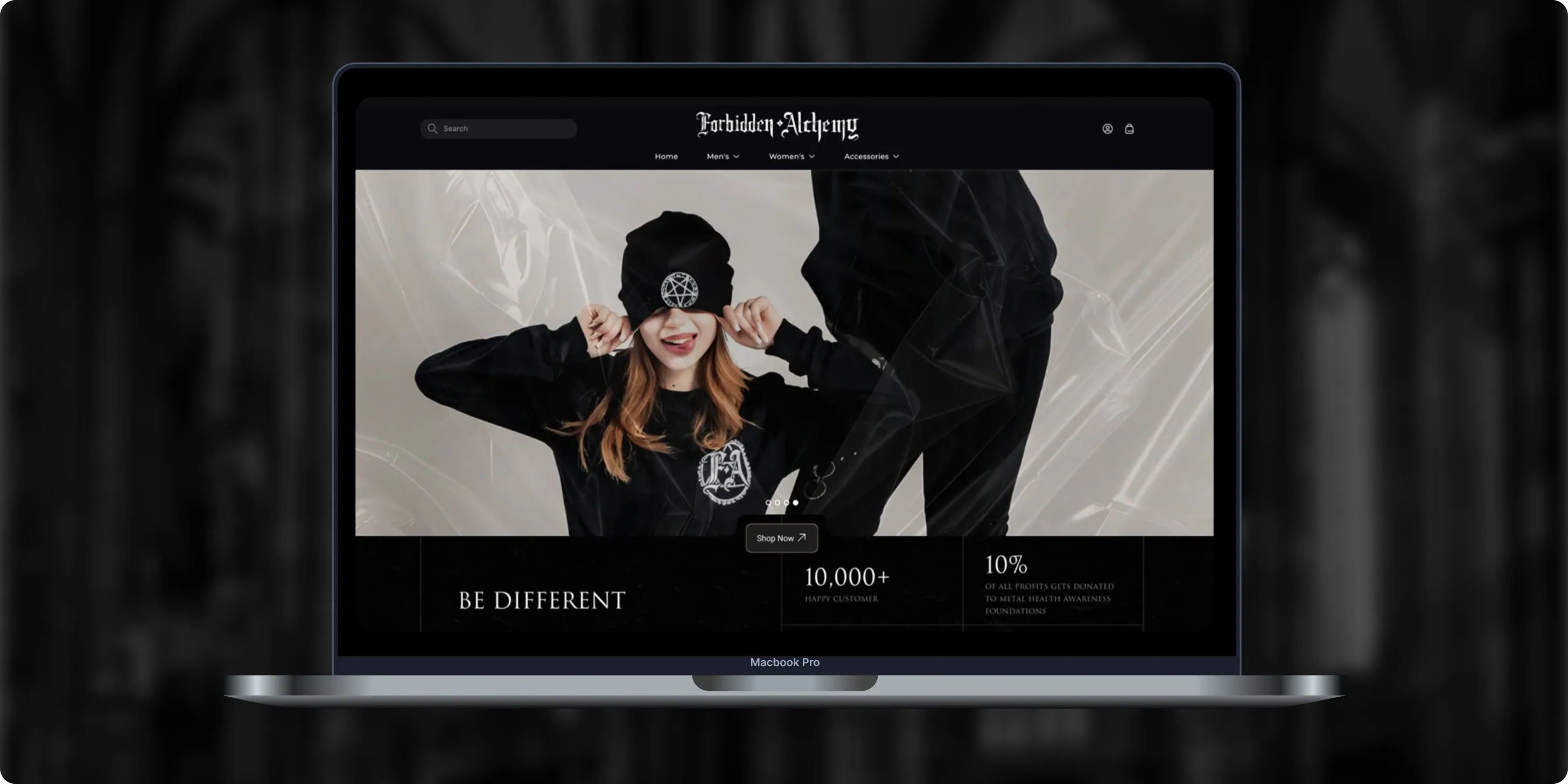
Forbidden Alchemy
Forbidden Alchemy is an alternative fashion brand creating dark, provocative clothing for the metalhead community, with 10% of profits donated to mental health awareness. Its mostly mobile audience struggled with a store that was hard to navigate and weak on functionality.- +44%Revenue Month Over Month
- 86%Design Satisfaction
- 2.8XUser Retention Growth
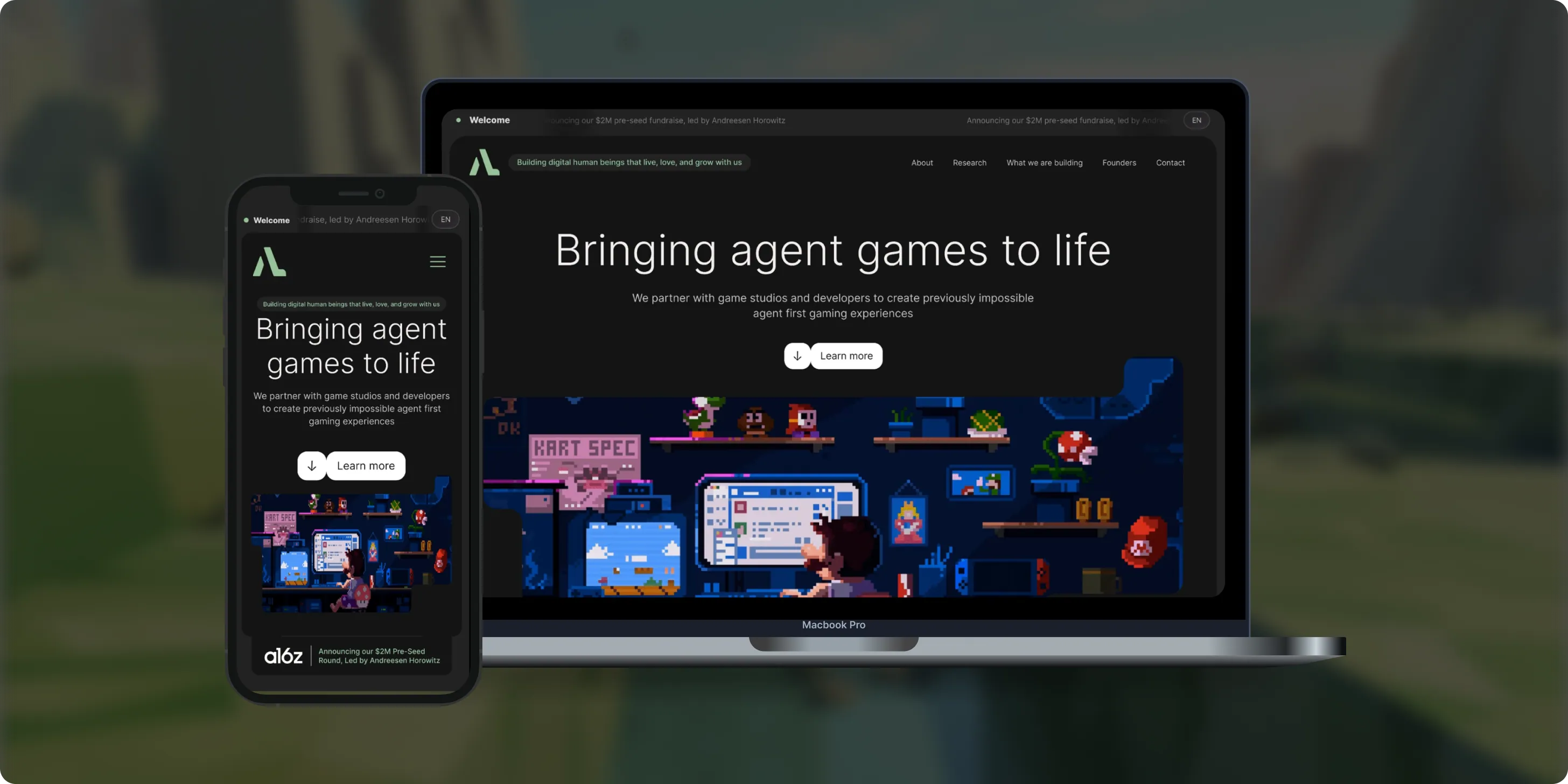
Altera
Altera builds on decades of computational neuroscience research to create digital human beings for gaming. Backed by a $2M pre-seed round led by Andreessen Horowitz, the team needed a landing page that could explain complex agent technology to players, partners, and investors.- 98%Dynamic Customization
- 100%Streamlined Navigation
- $2MPre-Seed Round
- Real Estate
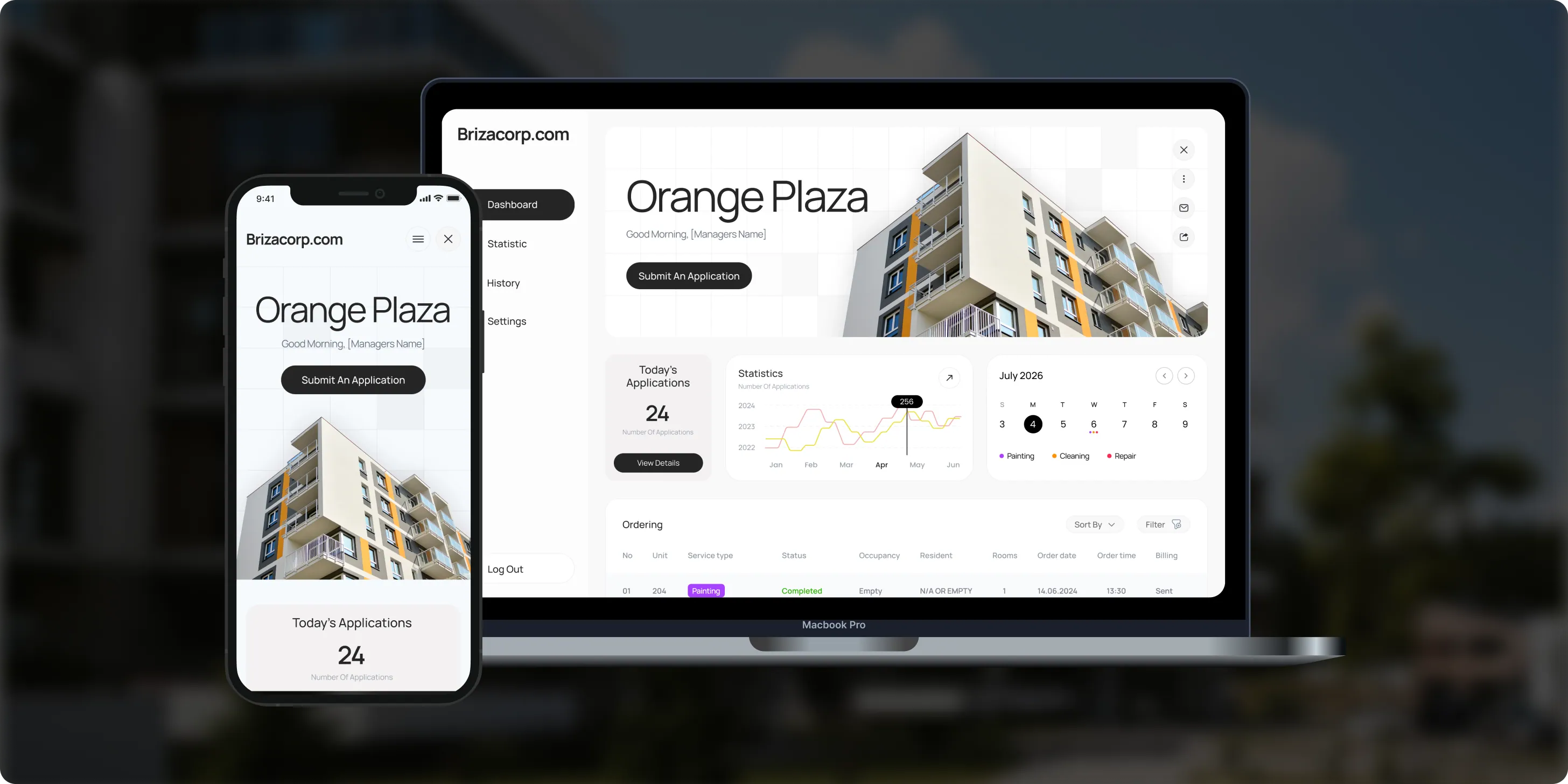
Brizacorp
Brizacorp manages residential properties and coordinates the staff who handle painting, cleaning, and repair requests. Its team tracked work across messengers, phone calls, e-mail, and paper planners, with no single place to manage requests or measure performance.- 98%Application Stability
- 95%Utilization Rate
- 30%Faster Task Completion
Color & Harmony
Color & Harmony is a Kentucky-based color consulting studio led by certified color strategist Diana Cartaya. The studio needed a website that reflects its refined aesthetic, showcases its portfolio, and explains a science-based color process in simple language.- 45%Conversion Rate Increase
- 50%Higher User Engagement
- 2Months to Launch

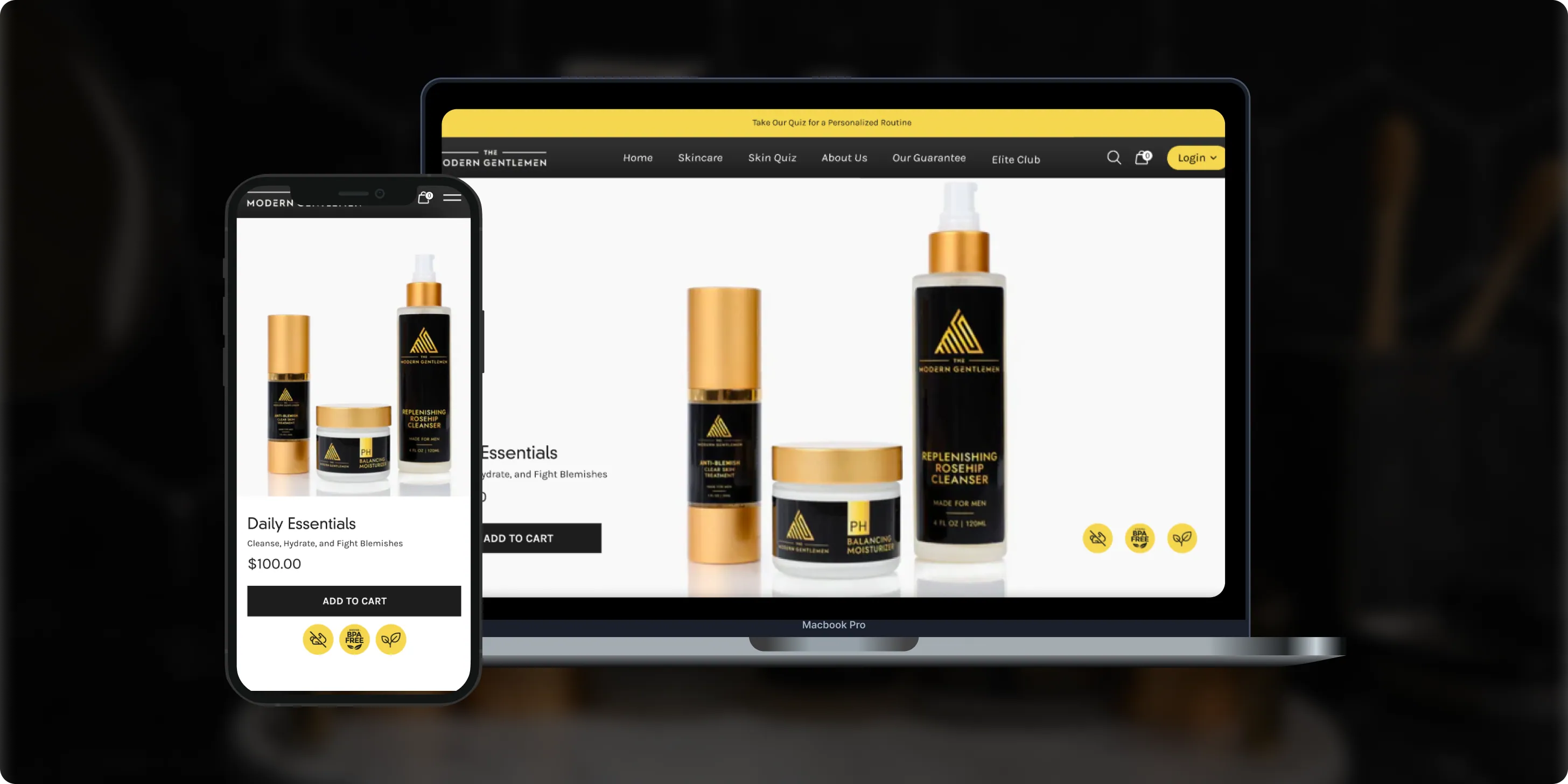
The Modern Gentlemen
The Modern Gentlemen sells premium men's skincare featured in Men's Health, GQ, and Men's Journal. Its customers wanted an efficient routine, but generic product suggestions and limited skincare knowledge made choosing the right products hard.- 30%Increase in Conversions
- 25%Higher Customer Retention
- 92%Mobile Purchases
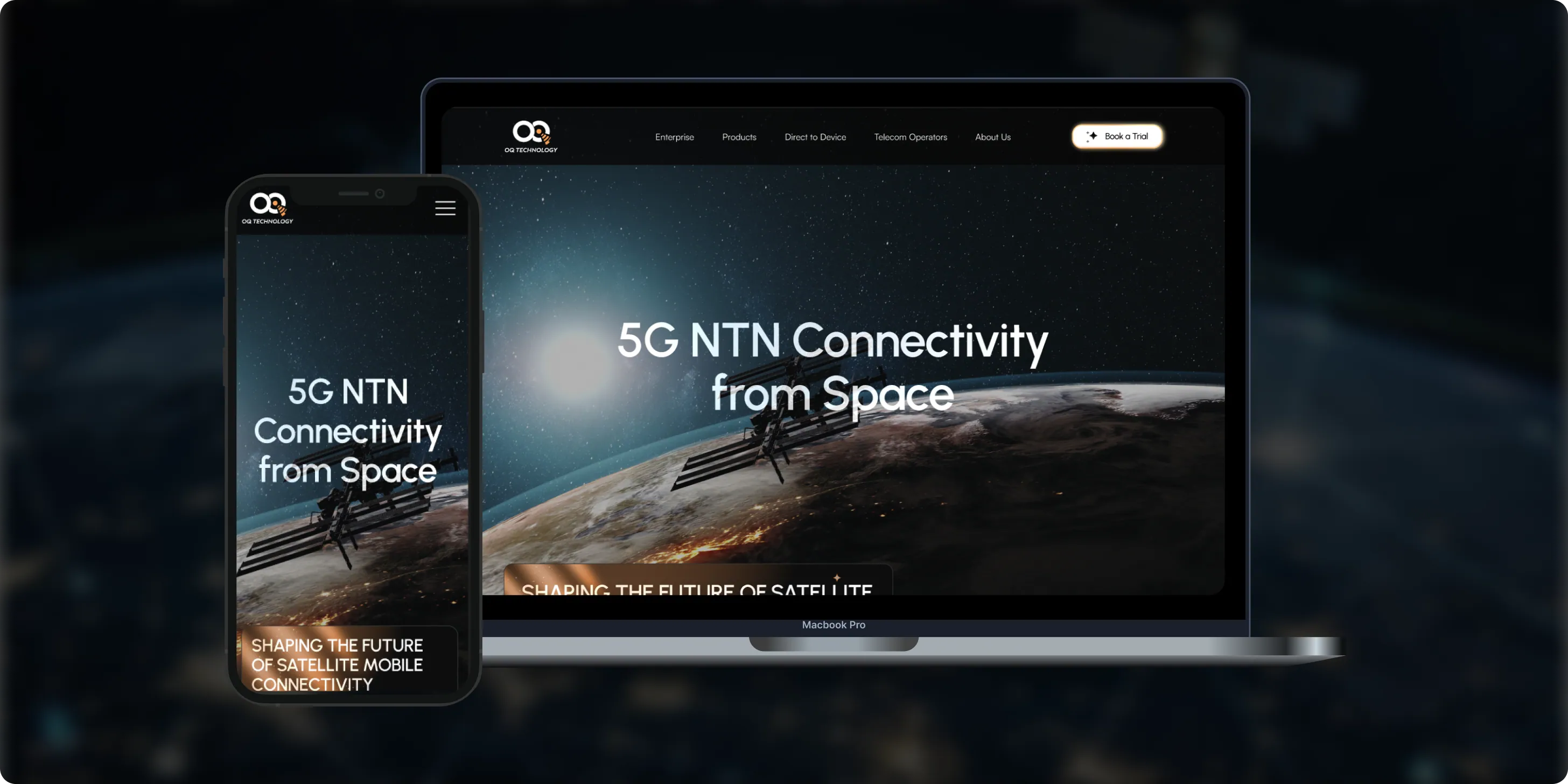
OQ Technology
OQ Technology connects IoT devices, machines, and people anywhere on the planet through its satellite network, serving energy, maritime, logistics, agriculture, and mobile operators. Its website made it hard to explore products and reach pricing plans.- 4Pricing Plans Clarified
- 3Dedicated User Flows
- 1Unified Platform
- Real Estate
- Finance
Stay Vest
Stay Vest is a private real estate investment firm that acquires, renovates, and operates boutique hotels for cash flow, tax benefits, and equity gain. It needed a platform that explains its strategy and earns the trust of passive investors.- 1,500+Guest Stays
- 200+Rooms Managed
- 5States Covered

Bokeyno Motorsports
Bokeyno Motorsports is the leading mobile installer of vertical doors for high-performance cars. This Shopify website isn’t just about services—it’s a bold statement of power, style, and expertise. With a sharp layout, strong visuals, and real-world case studies, the site delivers all the information car enthusiasts need to book confidently and instantly.- 54%Booking Requests
- 43%Lead Conversion
- 32%Qualified Inquiries

ai document processing platform
A comprehensive talent solution designed to help companies attract, hire, and retain top talent more effectively. The platform combines AI-powered recruitment technology with employee financial wellbeing programs, enabling smarter hiring decisions while supporting employees’ financial stability and long-term engagement.- 62%Faster Processing Time
- 78%Less Manual Work
- 35%Improved Accuracy

WHAT CLIENTS SAY
Independently verified reviews from real clients on Clutch.co


Client Story
Real feedback from
FMY Orthodontics

“SoftDoes consistently found ways to make things work, added features we had not originally envisioned, and never became frustrated. It felt like working with a true partner who cared about the success of our practice.”
Dan Merwin
DDS, MS, President, FMY Orthodontics

Client Story
Real feedback from
Prior Authorization AI
“Every time I sent a request, if there was anything that didn't work, they were able to turn it around quickly. Even when there were no updates yet, they always reached out to let me know they were working on it.”
Joseph Oluwo
Founder of Prior Authorization AI


Client Story
Real feedback from
WOVEN
“What stood out most was their commitment to understanding our needs before presenting solutions.”
Danna Pastran
Administrative Operations Manager, WOVEN

Client Story
Real feedback from
Grand Central Language Services
“The site performs as intended and provides the foundation for our company's digital presence.”
Joe Goldstein
QA Manager, Grand Central Language Services


Client Story
Real feedback from
DineMate
“They go above and beyond.”
Eric Snead
CEO, DineMate "Dating Connecting Platform"
Why they Choose SoftDoes
- 01SENIOR ENGINEERS, NOT LAYERS
Your calls are with the engineers writing your detection logic and telemetry pipelines, not with project coordinators relaying messages. Our teams include security professionals with direct experience in security software - people who understand SOC workflows, red and blue team tooling, and security data pipelines. They can discuss threat modeling, data models, secure coding practices, and integration architecture at technical depth with your CTO or research team. No translation layer. No telephone game between your domain experts and ours.
- 02PREDICTABLE DELIVERY
Security vendors sell roadmaps to their customers. When a compliance date or conference demo is on the calendar, a missed milestone is not just an internal issue - it is a market credibility problem. We work in thin vertical slices, shipping incremental features early so risk surfaces fast. Joint planning sessions with your product managers align our work to your compliance deadlines, partner integrations, and launch targets. Weekly progress summaries, explicit risk flags, and decision logs keep everyone on the same page without surprises.
- 03BUILT TO LAST PAST LAUNCH
Cybersecurity products face conditions that amplify technical debt faster than typical SaaS: rising data volumes, new threat vectors, additional regulatory requirements, new integration demands. We design architectures with modular domains - ingestion, detection, automation, UI - so each can evolve independently as your product matures. Automated testing suites cover detection logic, parsers, and integration connectors so changes do not introduce regressions. Documentation and knowledge transfer mean your internal team can extend the product safely long after initial engineering work concludes.
- 04NO BABYSITTING REQUIRED
Our engineers understand the cybersecurity industry well enough that you do not need to explain what a SIGMA rule is, why MTTD matters, or how MSSP tenants expect data isolation. We identify potential vulnerabilities, performance bottlenecks, and UX friction proactively - before they become support tickets from your customers. When needed, our team members join your customer calls, pre sales sessions, or security reviews. We manage our own backlog hygiene, automated testing, and release readiness so your product leaders focus on strategy, not babysitting.
What you can count on
Collaboration with SoftDoes covers the full software development lifecycle of a cybersecurity product, from first workshop through ongoing evolution.




Related Industries
Explore the different industries and areas covered by SoftDoes.


Frequently Asked Questions
Everything you need to know about working with SoftDoes. Can’t find an answer?
What is cybersecurity product development and how is it different from standard SaaS?
Cybersecurity product development means engineering tools whose primary purpose is threat detection, data protection, or incident response - products like EDR, SIEM, SOAR, identity security platforms, and cloud security tools. It differs from standard SaaS in several critical ways: security products must withstand adversarial conditions by design, they integrate deeply into customer environments where disrupting business operations is unacceptable, and they face strict security posture and compliance expectations. The software development security bar is fundamentally higher because the product itself becomes a target.
How long does it take to create a cybersecurity MVP with a partner like SoftDoes?
Most cybersecurity MVPs take several months of focused work, not weeks. The main time blocks are discovery and architecture, core feature implementation including detection logic and integrations, security hardening, and a limited pilot with early customers. Detection quality, the number of integrations, and compliance requirements for regulated sectors often extend timelines compared to a typical business application. We scope honestly during discovery so you know the timeline before committing resources.
How do you handle secure coding and data protection during product development?
We follow a secure software development lifecycle that integrates security at every phase - threat modeling during design, input validation and coding guidelines during implementation, automated testing and static analysis during review, and penetration testing before release. Encryption of sensitive data at rest and in transit, secrets management, strict access controls in development environments, and audit logging with privacy in mind are standard. Automate patch management for operating systems and third party libraries to keep dependencies current. Products must go through rigorous testing, including penetration testing and red teaming, before they reach customers.
Can you work with our existing prototype or legacy cybersecurity product?
Yes. SoftDoes regularly assesses and evolves existing codebases for security tools. Our assessment covers code review, architecture review, performance evaluation, and a security audit to identify security gaps and software vulnerabilities. From there, potential paths include targeted refactoring, re platforming to modern cloud infrastructure, or gradual replacement of legacy components while keeping your current customers running without interruption.
Who owns the intellectual property for a cybersecurity product you engineer?
You retain full ownership of all product source code and IP. Contracts and repositories are structured to make ownership unambiguous from the start. We can help document architecture and IP assets for fundraising, acquisition, or compliance purposes. The only exception is generic internal accelerators and open source components, which are clearly identified and separated.
How do you integrate a new cybersecurity product with tools our customers already use?
We take an API first approach with connector libraries and adherence to common standards - syslog, webhooks, REST APIs. During discovery, we prioritize integrations based on your target market: which SIEM platforms, SOAR tools, identity providers, ticketing systems, and cloud providers your customers actually run. Each integration is tested across representative customer environments to verify data normalization, error handling, and reliability before release. DLP tools that prevent unauthorized data loss and leakage, SIEM platforms, and SOAR orchestrators all require different connector patterns, and we handle each accordingly.
What about compliance for cybersecurity products that serve regulated customers?
Cybersecurity solutions must meet regulatory compliance requirements, and we engineer your product to support your customers' compliance needs - not just your own. Features like audit logs, retention controls, access reports, version control for security policies, and data residency options map to frameworks like ISO 27001, SOC 2, PCI DSS, and NIST guidelines. While certifications sit with your organization, the product we engineer eases the audit process significantly.
How does ongoing support work after initial product launch?
After launch, we continue with a dedicated team or shared squad focused on your product. This covers bug fixes, security patches, performance tuning, and new feature work as your roadmap evolves. AI is crucial for improving threat detection in cybersecurity, and as you expand capabilities into automated detection and ML driven analytics, we support those additions alongside your research team. Regular planning sessions and release reviews keep both sides aligned. Cybersecurity product development is shifting towards automation and AI, and ongoing partnership ensures your product keeps pace with where the cybersecurity industry is heading. Establishing a Vulnerability Disclosure Program helps manage product security risks as your user base grows, and we can help implement that alongside continuous vulnerability management workflows.


