








Modern automated inventory systems combine barcode scanning, RFID, IoT sensors, and AI powered inventory analytics on cloud based inventory platforms. These tools provide real time visibility across plants and warehouses, giving teams the data they need to act before problems hit the production line.
Success requires more than buying software. Standardized processes, clean master data, and a phased roadmap from basic scanning to predictive inventory control separate the manufacturers who see ROI from those who stall at pilot stage. SoftDoes partners with manufacturers to design and implement custom automated inventory management software, integrated with existing ERP systems, MES, and shop floor hardware.
Why Automate Manufacturing Inventory Now
Manual managing inventory through spreadsheets and periodic counts cannot keep up with 2026 realities: labor shortages, volatile customer demand, and rising customer expectations for fast delivery. Automated systems reduce manual data entry errors and save considerable time in inventory management tasks, which is why 76% of North American manufacturers have already begun digital strategies.
The scope of manufacturing inventory is broad: raw materials, inflow inventory, work in progress, spare parts, and finished goods spread across manufacturing plants and warehouses. Real time data access enhances decision making, and automated inventory management improves accuracy and prevents costly mistakes that manual processes inevitably create.
This article walks U.S. and Canadian manufacturers through practical steps to build or upgrade automated inventory management by 2026, covering technologies, roadmap phases, key features, and pitfalls to avoid.
What Is an Automated Inventory System for Manufacturing?
An automated inventory system in manufacturing is a combination of inventory management software, connected devices, and standardized inventory management processes that track and control materials with minimal manual input. Automated inventory management uses technology to streamline stock control across every stage of production.
Unlike traditional inventory control, which relies on periodic manual updates, automated systems provide real time visibility into inventory levels. RFID tags and barcode scanners track inventory movement automatically, while manufacturing inventory software tracks raw materials and finished goods from receiving dock to shipping bay.
In 2026, these inventory management systems are typically cloud based for multi site operations and integrate with MES, WMS, and existing ERP systems to cover the full manufacturing inventory lifecycle. The result is fewer manual steps and more reliable data, which translates directly to customer satisfaction through fewer stockouts, more reliable lead times, and better on time delivery.
From Manual to Automated: Assessing Your Current Inventory Maturity
Before investing in tools, evaluate where you stand. Here are the typical symptoms of manual systems and immature inventory processes:
- Spreadsheet based inventory tracking with no centralized system
- Cycle counts done monthly or quarterly, often revealing surprises
- No real time visibility, meaning missing parts are discovered when the production line stops
- Frequent rush orders and expedited freight caused by stockouts
A simple maturity framework helps you benchmark your current state:
Level | Description | Typical Accuracy |
|---|---|---|
Level 1 | Manual counts, basic inflow inventory logging, paper records | 50 to 65% |
Level 2 | Barcode scanning with nightly batch updates to ERP | 70 to 85% |
Level 3 | Real time automated inventory management across sites with IoT and AI | 95 to 99%+ |
Quantify the pain: track current inventory accuracy, overtime spent on counts, line stoppages from missing materials, and expedited freight costs. One manufacturer, Mann Lake, discovered their accuracy was below 50% before automation. Automated cycle counting reduces reliance on annual physical inventory checks, which means you can replace spreadsheets with purpose built software and start seeing results within months.
This assessment guides scope. Start where risk and value are highest: raw materials for bottleneck lines, critical spare parts, or finished goods for top customers, and align these priorities with a clear technology and IT strategy roadmap.
Core Technologies Behind Automated Manufacturing Inventory in 2026
Understanding the technology building blocks helps you make smart investment decisions. Here are the layers that matter most.
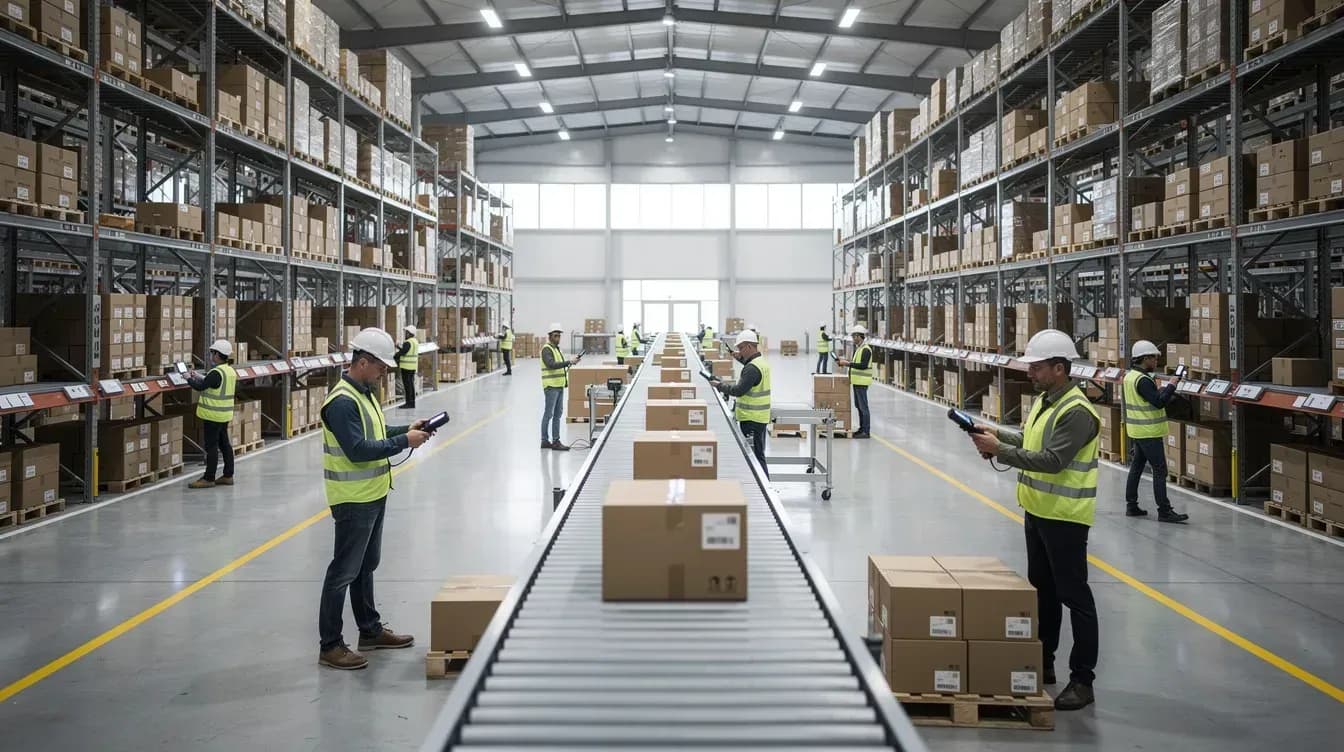
Barcode and QR code scanning is the entry point for most manufacturers. Handheld barcode scanners, mobile apps, and label printers update inventory software in real time when items move. It is low cost, proven, and works with existing systems.
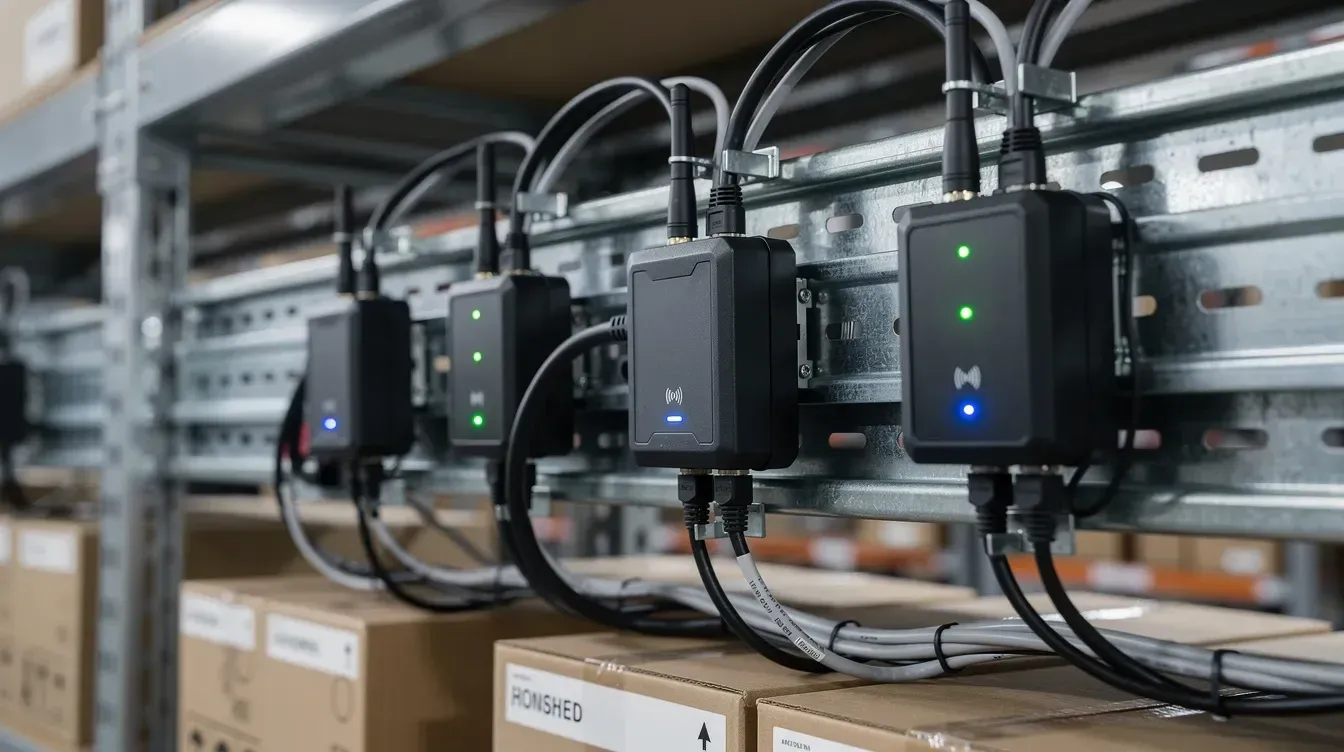
RFID and IoT sensors push automation further. Passive RFID on pallets and bins, fixed readers at dock doors, and IoT sensors that monitor inventory conditions and trigger replenishment requests automatically eliminate the need for manual scans entirely. Real time tracking with RFID and IIoT improves reliability of inventory data. Edge computing enables real time inventory processing at the equipment level, reducing latency for time sensitive decisions.
Inventory management systems and ERP platforms centralize inventory control. Cloud based solutions improve inventory data accessibility and provide role based dashboards with APIs connecting shop floor systems to planning tools. AI powered analytics add demand forecasting, anomaly detection in inventory tracking, and dynamic safety stock recommendations.
Emerging technologies are also gaining traction: digital twins create virtual replicas of physical inventory for scenario testing, robotics and autonomous systems streamline internal material handling and movement, and blockchain provides end to end traceability for critical components in supply chains, especially when embedded into a broader digital transformation program for manufacturers.
Designing Your Automated Inventory Roadmap (2024–2026)
A phased approach prevents overengineering and builds momentum. Here is a practical roadmap that mirrors how custom software platforms for construction and manufacturing are typically designed and rolled out:
Phase 1 (0 to 6 months): Standardize item master data, units of measure, storage locations, and bill of materials definitions so automated inventory systems have clean data to work with. Data intelligence will enhance inventory management decisions from this point forward, but only if the foundation is solid.
Phase 2 (6 to 12 months): Roll out barcode driven inventory tracking for receiving, put away, picking, and production issues on a pilot line or single facility. Connect scanning to your ERP or inventory management software for seamless data flow.
Phase 3 (12 to 18 months): Extend automation to WIP tracking, Kanban replenishment, and automated purchase order triggers when stock hits defined reorder points. This phase ensures timely replenishment and ties inventory movements to production schedules.
Phase 4 (18 to 24 months): Integrate advanced features like AI based forecasting, cross site inventory optimization, and predictive spare parts stocking based on machine usage data. Predictive planning becomes essential for inventory control at this stage.
Change management tip: Involve supervisors and operators from day one. Simplify user interfaces, run hands on training sessions, and iterate based on floor feedback. The best technology fails if people work around it.

Let’s Turn Your Idea into Scalable Software
Book a call with the representative to get answers to all the questions you may have.
Key Features to Implement in an Automated Inventory Management System
Think of this as your checklist for evaluating or building manufacturing inventory software:
- Bill of materials driven inventory control: Automatic reservation of components for work orders and real time material availability against production schedules
- Real time inventory tracking: Perpetual inventory counts updated by every scan or sensor event, covering inflow inventory, WIP, and finished goods
- Automated order management: System generated purchase orders when inventory falls below thresholds, factoring in vendor lead times and minimum order quantities. It automates purchase orders and ensures timely replenishment without human intervention
- Lot, batch, and serial tracking: End to end traceability from suppliers through production to customers, supporting fast response to quality control issues and recalls
- Multi location management: Ability to view and manage stock across manufacturing plants and 3PLs, rebalancing automatically based on customer demand and capacity
- Alerts and workflows: Configurable notifications for low stock levels, delayed receipts, unusual scrap rates, and inventory discrepancies
AI models analyze past data to optimize inventory safety stock and reorder points, while manufacturing inventory software integrates with ERP and WMS systems to provide visibility into inventory levels and stock movements across the entire supply chain.
How Automation Improves Operational Performance and Customer Satisfaction
The numbers tell the story. Newman Technology achieved 98% inventory accuracy, reduced inventory on hand costs by 25%, and cut inventory count time by 62% after implementing integrated automation. A custom AI system across three facilities reduced stockouts by 71% and freed up roughly $480,000 in excess inventory.
Automated systems reduce human error in inventory tracking and help avoid over purchasing, which directly reduces holding costs and improves cash flow. Real time inventory tracking reduces manual tracking errors, and automation can trigger reorders when stock levels fall below thresholds, keeping production lines running without the fire drills.
Smart inventory systems facilitate visibility and control over inventory across multiple sites, which enhances customer satisfaction through more reliable lead times, fewer backorders, and accurate order status. Exception based management focuses on significant inventory fluctuations rather than forcing teams to review all SKUs, which improves operational efficiency significantly.
Better inventory data also supports continuous improvement: teams can analyze scrap, excess inventory, and obsolescence using inventory analytics, then use sales trends and sales channels data to tune manufacturing processes over time.
Real-World Automation Scenarios on the Shop Floor
Scenario 1: Automated receiving. A truck arrives with raw materials. Workers scan barcodes or RFID tags once at the dock. The automated inventory system updates stock records, triggers quality holds where needed, and routes materials to the correct racks. No clipboards, no re-keying into the system.
Scenario 2: Line side replenishment. Assembly lines use Kanban bins with barcodes. When a bin is scanned empty, the system creates a pick task and, if stock is low, generates an upstream purchase order. Assembly Industrial doubled throughput over six months using this approach, eliminating stockouts entirely.
Scenario 3: Spare parts management. Critical components for bottleneck machines are tracked by location and usage, auto reordered based on consumption rates, and linked to maintenance work orders. This approach to tracking inventory prevents unplanned downtime.
Scenario 4: Finished goods across sales channels. Inventory feeding distributors, direct customers, and ecommerce portals stays in sync through real time visibility, preventing overselling and improving promise dates. Cloud based inventory platforms keep stock levels accurate across every channel.
Building the Right Tech Stack: Integration with ERP, MES, WMS, and Beyond
Automation fails when inventory systems are siloed. Integrated ERP and WMS systems ensure real time updates to inventory information, while real time data integration improves manufacturing inventory management across the entire supply chain.
A typical 2026 architecture looks like this:
- ERP as the financial and planning hub (accounting platform, cost tracking)
- MES for production execution, tying work orders to inventory movements
- WMS for detailed warehouse management and stock control
- Inventory software or modules handling real time inventory tracking
Key integration points include purchase orders flowing from ERP to inventory systems, receipt and consumption data flowing back to finance, and shipping updates reaching customer systems. API based integration and event driven designs allow systems to share inventory events in near real time, reducing latency and data mismatches.
For regulated manufacturers (medical devices, food, defense), security matters: role based access, audit trails for every transaction, and compliance ready electronic records. Lessons from medical inventory management in highly regulated healthcare environments apply here as well. Connecting ERP, MES, IoT, and legacy systems into a unified architecture is where most complexity lives.
Common Pitfalls When Automating Inventory and How to Avoid Them
- Automating broken processes. If your receiving or put away workflows are inconsistent, layering inventory software on top will only cement the problems. Simplify and standardize manual processes first.
- Poor data quality. Duplicate SKUs, inconsistent units of measure, and inaccurate inventory data will pollute every automated system. Invest in master data cleanup before going live.
- Underestimating training. Operators need intuitive interfaces, clear SOPs, and support during rollout. Clunky tools get ignored, and generic inventory tools that don't match actual workflows create workarounds.
- Overengineering Phase 1. Start with a well defined pilot (one product family, one facility). Prove value, refine the approach, then scale.
- Ignoring total cost of ownership. Factor hardware, connectivity, software subscriptions, maintenance, and internal resources into your plans. Cost savings only materialize when the full picture is budgeted.
Benefits of Working with SoftDoes on Inventory Automation
SoftDoes is a software engineering partner for manufacturers in the U.S. and Canada that need robust, integrated automated inventory management systems. Here is what SoftDoes brings to the table:
- Custom software development: Tailored inventory management systems, connectors to existing ERP systems, and shop floor apps for barcode scanners, tablets, and kiosks that fit your complex operations
- AI and machine learning: Predictive inventory analytics, demand forecasting models, and automated decision engines for reorder points and inventory allocation. Artificial intelligence automates demand forecasting and stock management, while AI integration optimizes inventory levels and reduces waste
- Cloud and data engineering: Secure, scalable cloud solutions that provide real time visibility across plants and warehouses, with reliable data pipelines from IoT and RFID devices. Adopting cloud based software solutions enhances scalability for inventory management
- Regulated industry experience: Compliance, traceability, and audit ready inventory control for medical, energy, and financial clients, including data driven oil and gas software platforms
- Flexible engagement models: Discovery and roadmap, pilot implementation in one facility, phased rollout across locations, and ongoing optimization. Comprehensive solutions without vendor lock in



Comments (0)
No comments yet.