


U.S.-Based
Digital Wallet Software Development
Digital wallet software development by SoftDoes: custom e-wallets with accurate ledgers, cards, P2P transfers and built-in KYC and PCI DSS security.

Let's build together.
Talk with a senior engineer about your product idea, architecture, and what it would take to build it.
90+
Active Client Partnerships
80+ Person
Product & Engineering Team
100%
Your Code & IP Ownership
U.S.-Led
Delivery & Accountability
We understand the challenges you're facing
Why do our wallet balances sometimes differ from what our bank, card issuer, and payment providers report?
Accurate balance management starts with a double-entry ledger core that records every top-up, card authorization, capture, P2P transfer, merchant payment, refund, fee, reversal, chargeback, payout, and FX move. Digital wallets should implement a double-entry ledger system for accuracy - every operation produces at least two entries (debit and credit), so total liabilities always match underlying custodial or bank assets. A reliable backlog integrates all financial operations to prevent discrepancies. SoftDoes implements idempotent transaction processing with unique operation IDs to prevent duplicate postings, even when network failures trigger retries. Real-time balance updates distinguish between available balance, current (ledger) balance, holds for authorized-but-not-captured card transactions, and safeguarding reserves. Consistent data models for users, wallets, sub-accounts, currencies, transactions, holds, limits, and fees form the backbone of every wallet we build. Automated reconciliation jobs run against bank statements, card issuer settlement files, and PSP reports - detecting mismatches, aging items, and exceptions before they become disputes. We design ledgers and reconciliation pipelines that trace every cent from the mobile app screen to the bank statement and general ledger. In industry examples, wallet platforms that invest in this level of ledger rigor have achieved zero settlement disputes and ledger uptime near 99.95%.
Our wallet must follow e-money, AML, and card security rules. How do we build compliance in without killing the user experience?
Regulatory compliance is necessary in digital wallet development - and it doesn't have to mean painful user flows. SoftDoes translates licensing and compliance requirements into product features: tiered KYC levels with per-tier transaction limits and balance caps, strong customer authentication, ongoing sanctions and PEP screening, and clear user consent and privacy flows. KYC and AML compliance is mandatory for digital wallets, and privacy laws govern the collection of personal data, so these controls are first-class citizens in every module. Transaction monitoring scenarios include velocity checks, unusual patterns, and high-risk jurisdiction flags. We build safeguarding of client funds into the ledger, with exportable audit trails aligned to regulator and auditor expectations. Compliance requirements vary significantly by region - PCI-DSS compliance is required for handling card data, PSD2 and strong customer authentication apply across the EU, GDPR applies to digital wallets serving users in Europe, US money transmitter and FinCEN rules cover stored-value wallets stateside, and MiCA and the Travel Rule govern crypto wallets and stablecoin operations. SoftDoes implements maker-checker approvals for manual adjustments, role-based permissions for back office users, and detailed audit logs. Developing digital wallet software requires robust cybersecurity frameworks - we ensure that all data in transit is encrypted using AES-256 or higher, and that sensitive data is handled according to PCI DSS, OWASP mobile security guidance, and relevant information security frameworks.
Can we add new top-up methods, cards, or providers without rebuilding the wallet or risking downtime?
Integration with third-party APIs is essential for wallet functionality, and digital wallet applications often connect to dozens of external partners. SoftDoes builds an API-first, provider-agnostic architecture with pluggable adapters for every payment rail and partner. Payment orchestration includes routing rules, failover logic, and webhook handlers for asynchronous status updates - so adding a new PSP, bank transfers rail, or card issuer is an adapter change, not a platform rewrite. Over 650 APIs can enhance digital wallet functionalities, and our architecture is designed to absorb them cleanly. We support safe migration paths from legacy wallets or providers: parallel running of old and new systems, reconciliation of migrated balances and transaction history to the cent, and phased go-live by country, user segment, or card BIN. SoftDoes has experience working with common wallet stacks - banking-as-a-service and e-money partners, card issuing platforms such as Marqeta or Thredd, payment providers such as Stripe, Adyen, or Checkout.com, Apple Pay and Google Pay provisioning, open banking APIs, SEPA Instant, ACH, RTP and FedNow, KYC providers such as Onfido or Sumsub, blockchain nodes and custody providers, and custom in-house cores. Tokenization protects primary account numbers during transactions, and real card data never travels to the merchant - payment credentials are stored in a secure chip on the device, following EMVCo tokenization and network token best practices.
Why do users drop off during sign-up, while our support team digs through five tools to answer one payment question?
User-friendly design minimizes drop-off rates during transactions, and user interfaces in digital wallets must provide clear transaction details. SoftDoes begins with user research across segments - consumers, merchants, call-center agents, compliance analysts, and finance teams - to shape flows and interfaces for every role. The result is a set of role-specific UIs: fast mobile onboarding with document scan and selfie KYC (industry benchmarks show median eKYC under 90 seconds drives 62% activation within seven days), a merchant dashboard with QR code payments and payment links, a back office console with full transaction history and case queues for compliance, and reconciliation views for finance teams. Our UX practices include short sign-up, biometric authentication, clear pending-versus-available balance displays, contacts-based peer to peer transfers so users can send money easily, and accessible, mobile-first layouts. Digital wallets now serve as holistic identity and lifestyle hubs - users expect to store digital IDs and licenses alongside payment methods. The measurable outcomes: fewer abandoned onboardings, faster first successful top-up, and reduced handle time per user support ticket thanks to unified wallet views. When your operations team can answer questions from one screen instead of five tools, cost per ticket drops and resolution time shrinks.
If we add new currencies, countries, cards, or crypto next year, are we stuck rebuilding our wallet again?
Scalable architecture means building for the next market and the next product from day one. SoftDoes designs modular services and configuration-driven rules for currencies, FX markups, transaction limits, transaction fees, KYC tiers, loyalty programs, and fee schedules - so launching in a new country or adding a new wallet type is a configuration change backed by controlled rollout, not a six-month rebuild. Extension points and versioned APIs let teams plug in new modules: virtual and physical debit cards, bill payments for utility bills and services, savings pockets, BNPL, rewards and user loyalty schemes, or stablecoin and crypto rails. Wallets are becoming super apps that bundle various services in a single interface - digital wallets can store multiple asset types including cryptocurrencies, support programmable payments, and enable new revenue streams like subscription plans for premium features, merchant commissions, and value-added financial services. Feature flags, environment-specific settings, and staged rollouts give product teams safe control over launches. SoftDoes creates technical documentation and operational playbooks so internal teams can adjust parameters, fees, and partner configurations without depending on the vendor for every small change. Digital wallets support bill payments for various services, and modern wallets support various payment methods including cryptocurrencies - so the architecture must be ready for whatever the roadmap holds.
You build the wallet business. We engineer the software behind it.

Custom digital wallet platforms and apps
SoftDoes builds fully custom wallet backends and mobile or web apps shaped around your licenses, partners, and UX vision - not constrained by a white-label product's limits. Modules include user onboarding and KYC, wallet ledger and balances, top-ups and withdrawals, P2P transfers, QR and NFC in store payments, bill payments, virtual and physical cards, loyalty and rewards, merchant tools, and an admin back office.
Double-entry ledger with real-time balances and holds for every e wallet account
Tokenized card storage with Apple Pay and Google Pay provisioning support
Configurable fees, FX margins, transaction limits, and KYC tiers managed via admin UI

Wallet data integration and analytics
SoftDoes connects wallet data from the ledger, banking partners, card processors, payment providers, KYC tools, CRM, and user support systems into a unified data layer. Event streaming, a data warehouse or lakehouse, and BI dashboards surface user growth, payment volumes, failure reasons, fees, and fraud trends - giving product, finance, and compliance teams the visibility they need for informed decisions.
Automated daily reconciliation and safeguarding reports for finance and regulatory compliance
Real-time alerts on failed top-ups, declined authorizations, and suspicious activity
User cohort, unit economics, and revenue dashboards for product and leadership teams

AI enhanced wallet workflows
AI and ML applied to wallets means real-time fraud detection and account takeover prevention, AML transaction monitoring, automated KYC document and identity verification, personalized offers based on spending insights, and AI agents that handle routine user support queries. AI models can analyze user behavior to detect fraud in real time - and we design models to work with client data under regulatory constraints, producing explainable outputs with careful management of false positives that block good users.
Natural-language summaries for fraud and compliance cases in back office tools
Predictive risk scoring for users, devices, and transactions at authorization time
Smart spending insights and savings nudges embedded in the digital wallet app
Numbers Don’t Lie
Recent projects showcasing how we design, engineer, and deliver production-ready software solutions.

- Startup
- Real Estate
Our Haus AI
A finance professional turned founder built Our Haus AI, an AI-powered collaborative workspace where homeowners and contractors scope, bid, contract, and document renovation projects together. SoftDoes took her prototype and made it production-ready.- 10XMVP scope delivered
- 2+years Ongoing partnership
- 1Fully owned Platform

- Finance
- Energy
Deepwater Insights
Deepwater Insights delivers proprietary alternative data and niche research on the offshore drilling and energy sector to institutional investors, family offices, and high-net-worth individuals who require coverage that larger firms don't provide.- 100%Brand Continuity
- 2Platform Distribution
- 100%Paywall-Ready Content

- Real Estate
The building buyer
The Building Buyer is a Florida-based real estate investment firm co-founded by Dylan Troiano and Charles Hanlin. They acquire single-family, multifamily, and commercial properties across South Florida and beyond, with a focus on motivated seller opportunities.- 18Weekly hours saved
- 2+Years Ongoing partnership
- 1Fully owned Platform

- Education
- Non-Profit
WOVEN & NICE
Woven is a Spring Valley, NY nonprofit running the NICE program (New Training Inclusive Community Environment) in four Rockland County schools. Their team supports students through restorative practices, mediation, and professional development for teachers and administrators.- 4Schools Served
- 4Weeks to Launch
- 1STTime on Upwork

- Healthcare
CareInTouch
CareInTouch is a Bay Area home health agency providing skilled nursing and therapy services to patients referred from hospitals and clinics. With over 100 staff, they operate in one of the most complex and compliance-driven healthcare markets in the country.- 40% Reduction In Billing Errors
- 100+Staff Operations Managed
- 0Missed Compliance Deadlines

- Startup
Sparkle The Cleaning Service
Sparkle The Cleaning Service is a Detroit-area residential cleaning company with 10 years in business, connecting homeowners with vetted, insured independent cleaners through a subscription-based marketplace platform.- 75% Platform Transparency
- 2XPlatform Growth
- 40%Higher User Retention

- Startup
DineMate
DineMate is a Maryland-based dating and connecting platform built around verified profiles, restaurant reservations, and prepaid dining experiences. Founded to bring back authenticity to how people meet and connect.- 60% Time Saved
- 99%System Reliability
- 40%Higher User Retention

- Healthcare
Prior Authorization AI
Prior Authorization AI is a healthcare automation startup building AI-powered tools to streamline prior authorization for Medicare and Medicaid medical transportation providers in New Jersey.- 16Weekly hours saved
- 63%Admin time reduced
- 43%Fewer submission errors

- Education
Grand Central Language Services
Grand Central Language Services provides translation and interpretation for organizations operating in complex, multilingual environments. As demand grew, internal workflows became harder to manage. SoftDoes built a custom platform to streamline coordination, improve visibility, and support scalable operations.- 72%Workflow Reduction
- 48%Coordination Reduction
- 83%Visibility Increase

- Healthcare
FMY Orthodontics
FMY Orthodontics, a multi-location practice in West Tennessee, partnered with SoftDoes to replace a spreadsheet-based financial workflow with a custom web platform. The goal was to simplify how staff present treatment financing while allowing patients and families to review and complete decisions remotely.- 60%Workflow Reduction
- 75%Remote Adoption
- 5Locations Aligned

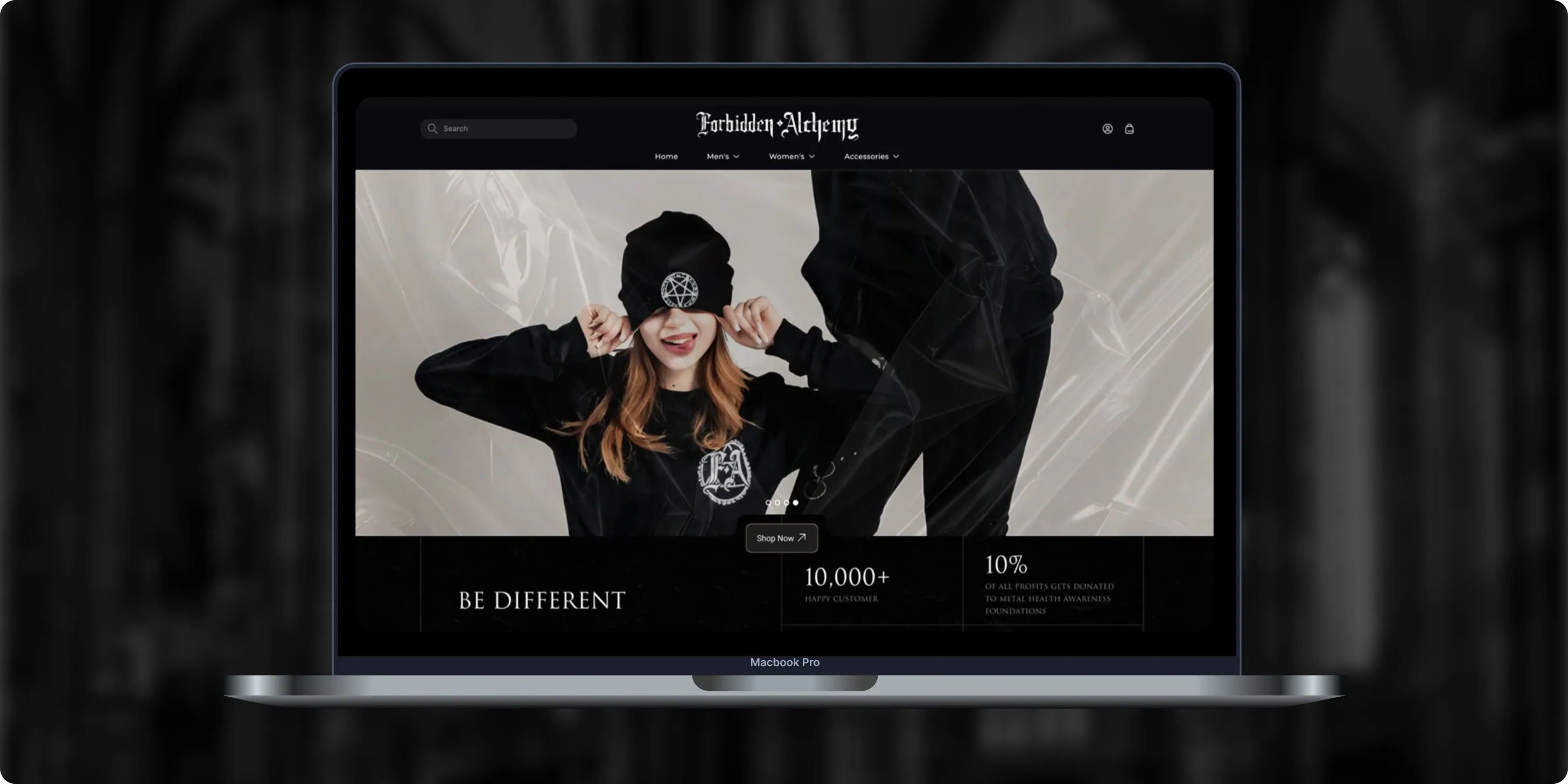
Forbidden Alchemy
Forbidden Alchemy is an alternative fashion brand creating dark, provocative clothing for the metalhead community, with 10% of profits donated to mental health awareness. Its mostly mobile audience struggled with a store that was hard to navigate and weak on functionality.- +44%Revenue Month Over Month
- 86%Design Satisfaction
- 2.8XUser Retention Growth
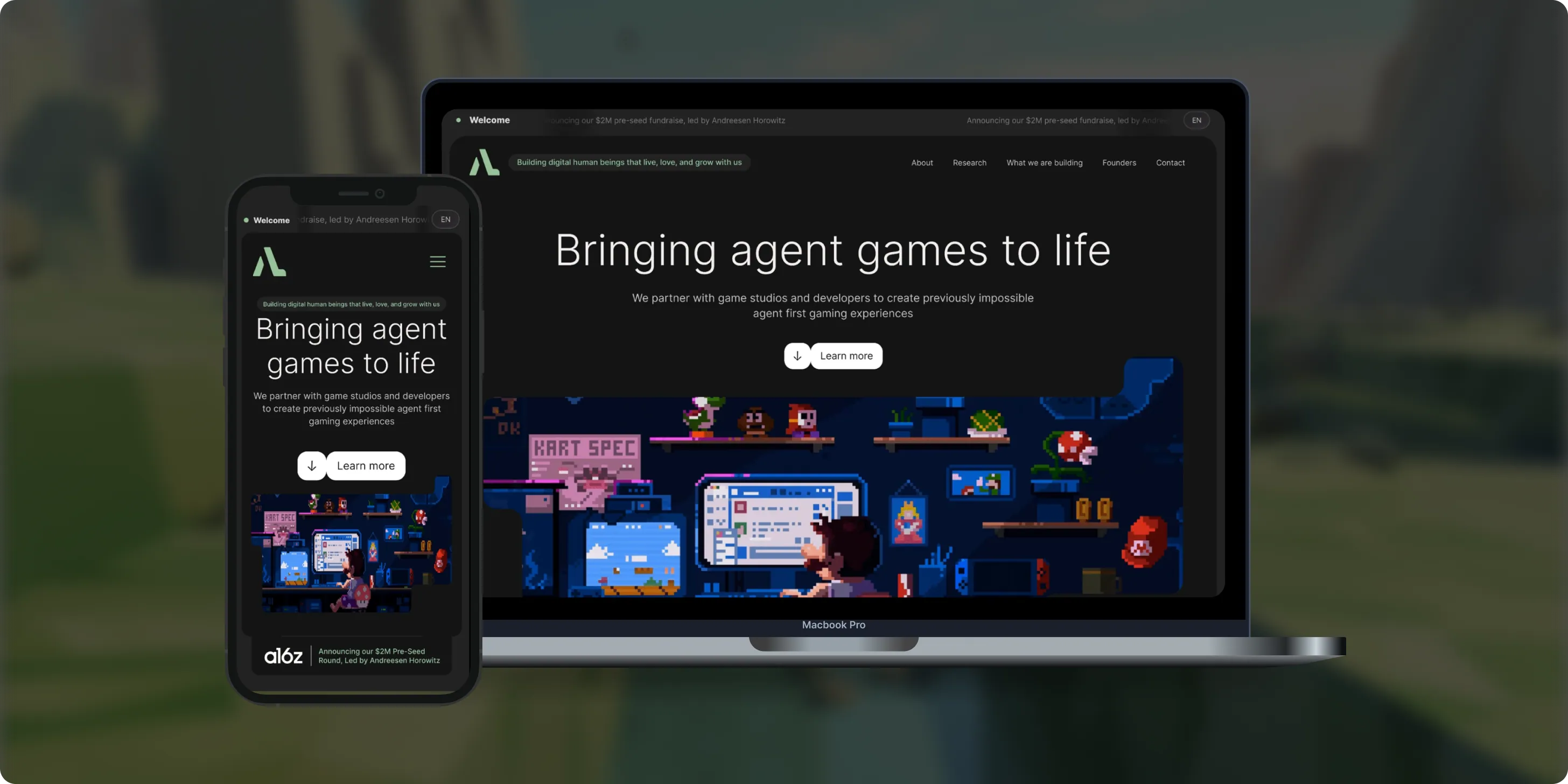
Altera
Altera builds on decades of computational neuroscience research to create digital human beings for gaming. Backed by a $2M pre-seed round led by Andreessen Horowitz, the team needed a landing page that could explain complex agent technology to players, partners, and investors.- 98%Dynamic Customization
- 100%Streamlined Navigation
- $2MPre-Seed Round
- Real Estate
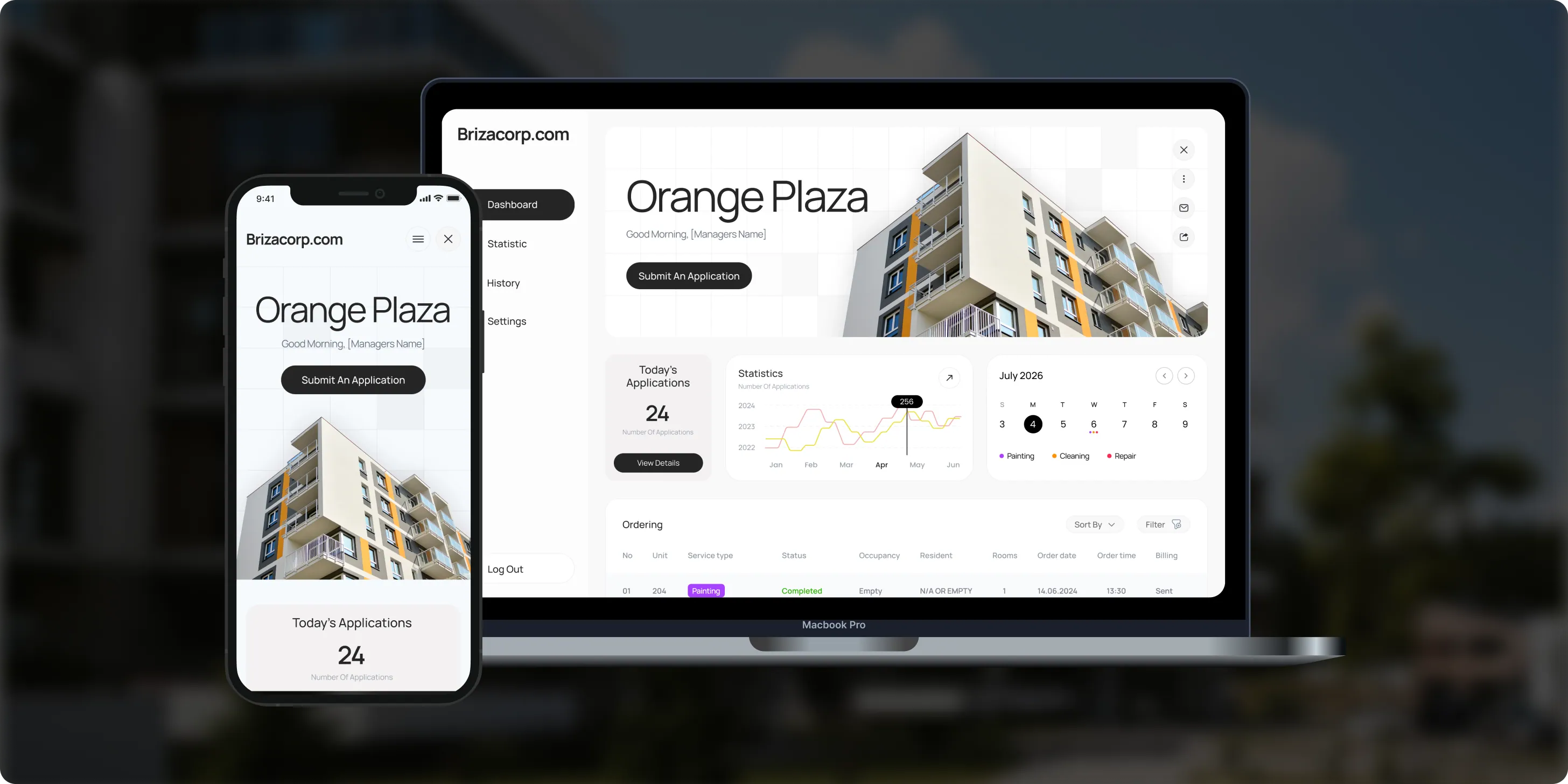
Brizacorp
Brizacorp manages residential properties and coordinates the staff who handle painting, cleaning, and repair requests. Its team tracked work across messengers, phone calls, e-mail, and paper planners, with no single place to manage requests or measure performance.- 98%Application Stability
- 95%Utilization Rate
- 30%Faster Task Completion
Color & Harmony
Color & Harmony is a Kentucky-based color consulting studio led by certified color strategist Diana Cartaya. The studio needed a website that reflects its refined aesthetic, showcases its portfolio, and explains a science-based color process in simple language.- 45%Conversion Rate Increase
- 50%Higher User Engagement
- 2Months to Launch

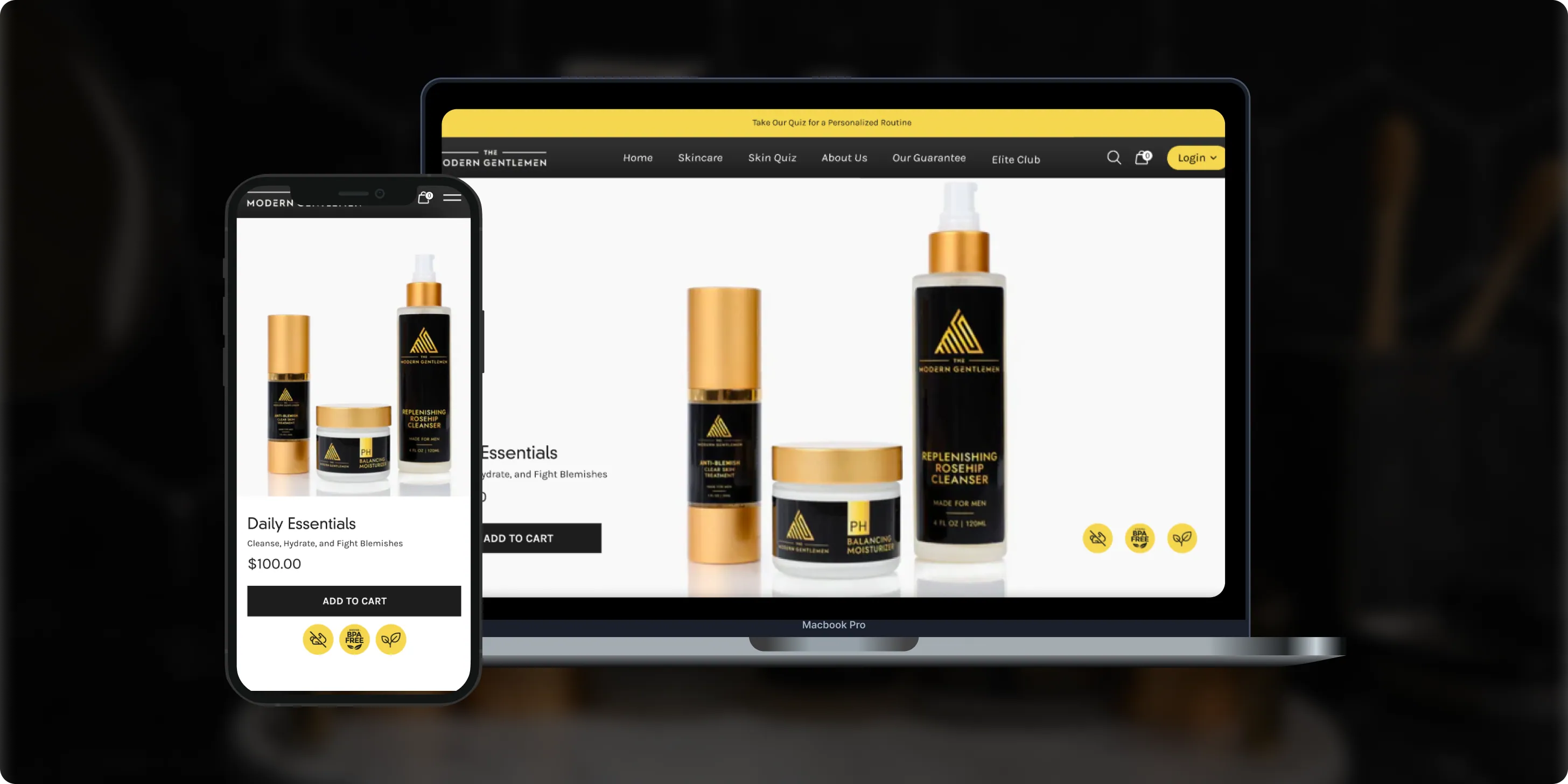
The Modern Gentlemen
The Modern Gentlemen sells premium men's skincare featured in Men's Health, GQ, and Men's Journal. Its customers wanted an efficient routine, but generic product suggestions and limited skincare knowledge made choosing the right products hard.- 30%Increase in Conversions
- 25%Higher Customer Retention
- 92%Mobile Purchases
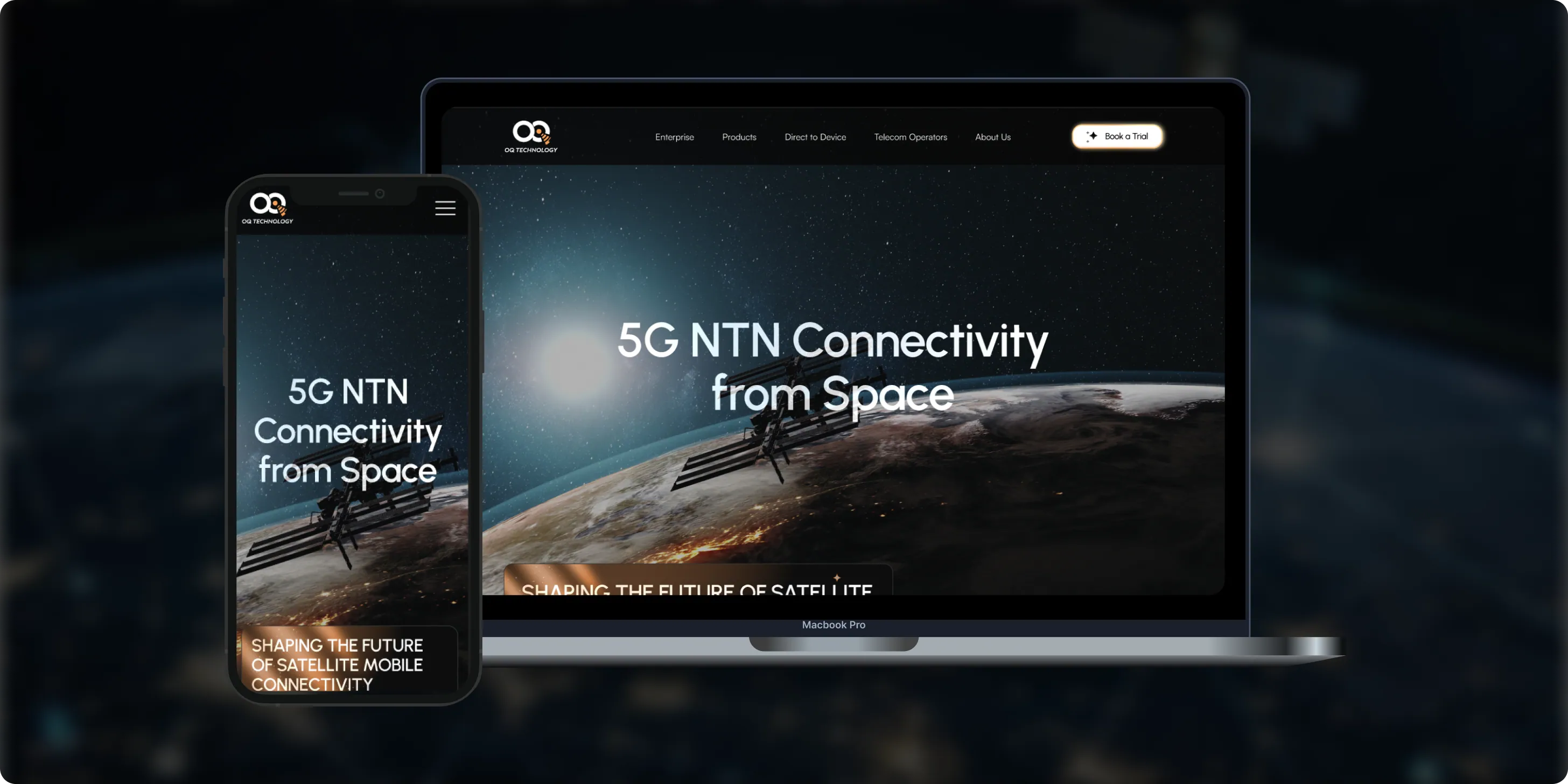
OQ Technology
OQ Technology connects IoT devices, machines, and people anywhere on the planet through its satellite network, serving energy, maritime, logistics, agriculture, and mobile operators. Its website made it hard to explore products and reach pricing plans.- 4Pricing Plans Clarified
- 3Dedicated User Flows
- 1Unified Platform
- Real Estate
- Finance
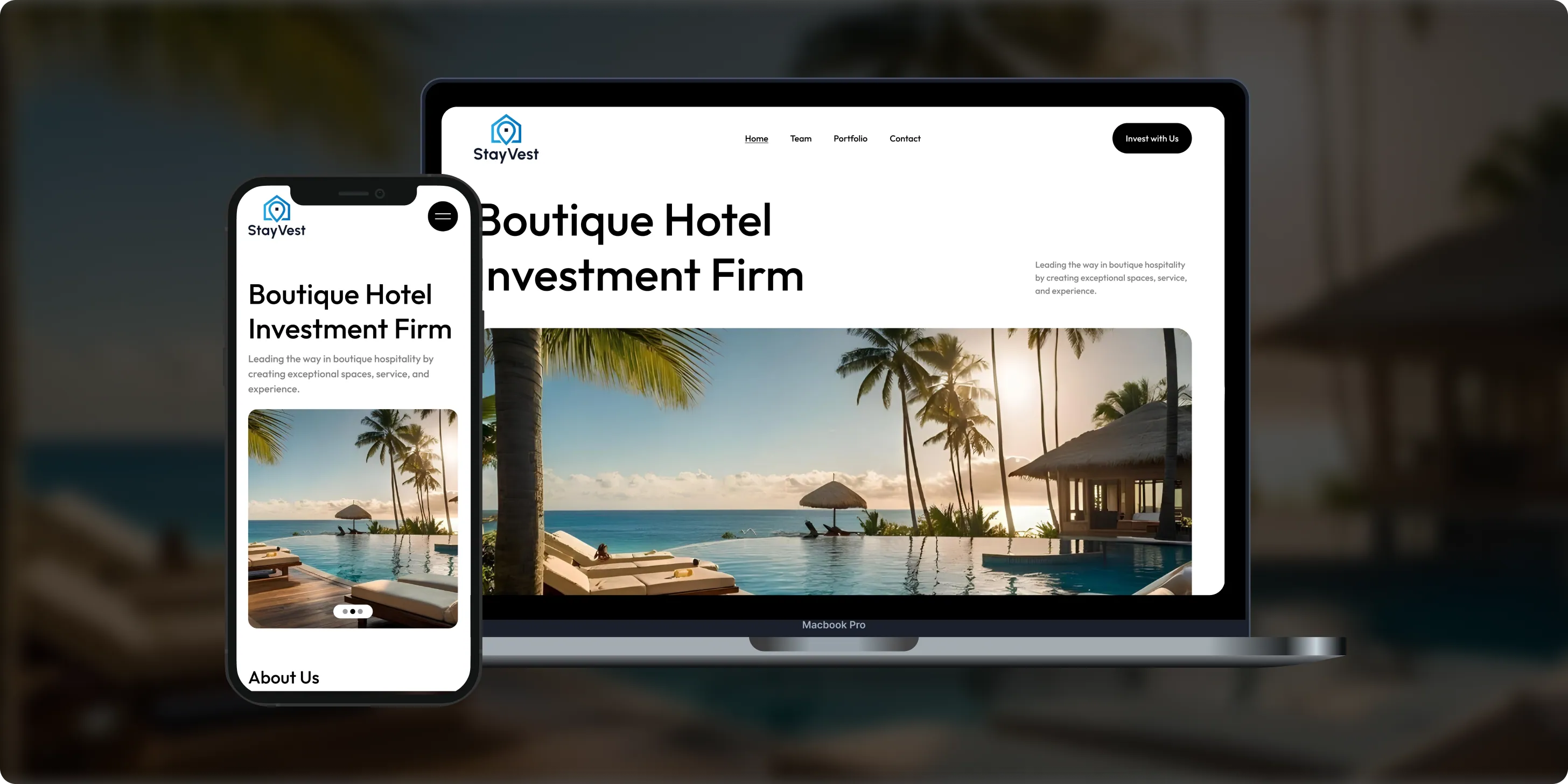
Stay Vest
Stay Vest is a private real estate investment firm that acquires, renovates, and operates boutique hotels for cash flow, tax benefits, and equity gain. It needed a platform that explains its strategy and earns the trust of passive investors.- 1,500+Guest Stays
- 200+Rooms Managed
- 5States Covered
Bokeyno Motorsports
Bokeyno Motorsports is the leading mobile installer of vertical doors for high-performance cars. This Shopify website isn’t just about services—it’s a bold statement of power, style, and expertise. With a sharp layout, strong visuals, and real-world case studies, the site delivers all the information car enthusiasts need to book confidently and instantly.- 54%Booking Requests
- 43%Lead Conversion
- 32%Qualified Inquiries

ai document processing platform
A comprehensive talent solution designed to help companies attract, hire, and retain top talent more effectively. The platform combines AI-powered recruitment technology with employee financial wellbeing programs, enabling smarter hiring decisions while supporting employees’ financial stability and long-term engagement.- 62%Faster Processing Time
- 78%Less Manual Work
- 35%Improved Accuracy

WHAT CLIENTS SAY
Independently verified reviews from real clients on Clutch.co


Client Story
Real feedback from
FMY Orthodontics

“SoftDoes consistently found ways to make things work, added features we had not originally envisioned, and never became frustrated. It felt like working with a true partner who cared about the success of our practice.”
Dan Merwin
DDS, MS, President, FMY Orthodontics

Client Story
Real feedback from
Prior Authorization AI
“Every time I sent a request, if there was anything that didn't work, they were able to turn it around quickly. Even when there were no updates yet, they always reached out to let me know they were working on it.”
Joseph Oluwo
Founder of Prior Authorization AI


Client Story
Real feedback from
WOVEN
“What stood out most was their commitment to understanding our needs before presenting solutions.”
Danna Pastran
Administrative Operations Manager, WOVEN

Client Story
Real feedback from
Grand Central Language Services
“The site performs as intended and provides the foundation for our company's digital presence.”
Joe Goldstein
QA Manager, Grand Central Language Services


Client Story
Real feedback from
DineMate
“They go above and beyond.”
Eric Snead
CEO, DineMate "Dating Connecting Platform"
Why they Choose SoftDoes
- 01SENIOR ENGINEERS, NOT LAYERS
Projects are led by senior engineers and architects who have shipped payment gateways, e-money wallets, and high-load transaction systems. They read licensing requirements, card scheme rules, processor and bank API documentation, and security standards - then translate them into ledger structures, workflow diagrams, API contracts, and data models. Client product, payments, and compliance leads talk directly to the engineers doing the work, reducing misinterpretation that happens when communication passes through excessive account layers. Our engineers are comfortable discussing idempotency keys, card tokenization flows, safeguarding mechanisms, data retention policies, magnetic secure transmission, and key management setups. This senior involvement de-risks core decisions early, when changes are still cheap - because by the time a wallet is live and holding customer money, fixing a ledger design flaw is orders of magnitude more expensive.
- 02PREDICTABLE DELIVERY
SoftDoes structures wallet delivery into phased releases aligned with licensing milestones, partner onboarding, security reviews, and app store approvals. Written specifications are centered on real money flows - "card top-up refund," "merchant dispute win/loss," "KYC tier upgrade" - with acceptance criteria grounded in ledger and reconciliation outcomes. Demos run against partner sandboxes using test cards, bank accounts, and KYC scenarios so stakeholders see and test real wallet behavior, not mockups. We manage dependencies on banks, card issuers, PSPs, and internal security and compliance sign-offs through explicit timelines and risk registers. When software holds customer money, predictable delivery protects brand trust and regulator relationships as much as it delivers features.
- 03BUILT TO LAST PAST LAUNCH
Architectural choices include segregated services for users, wallets, ledger, payments, cards, rewards, and reporting - each with well-documented APIs and domain models. End-to-end transaction tracing follows every user action through gateway responses to ledger postings, backed by idempotent processing, safe retries, and monitoring to prevent double spending. Engineering practices include code reviews focused on financial correctness, automated tests for balances, fees, FX, rounding, refunds, and chargebacks, plus CI/CD pipelines with static analysis and security scans. Mobile wallet apps are supported with automated build pipelines, staged rollouts, and crash and UX analytics. The architecture of a digital wallet must support secure and scalable operations - this approach lets wallets absorb growth, partner changes, and regulatory updates without full rewrites every 18 to 24 months.
- 04NO BABYSITTING REQUIRED
Before go-live, SoftDoes creates runbooks, admin manuals, and training sessions for operations, support, finance, and compliance teams. Intuitive admin consoles let staff manage user management tasks, KYC tiers, limits, fees, card controls, merchant accounts, promotions, and reference data without filing engineering tickets. System boundaries and responsibilities are clearly defined so internal IT and DevOps teams can monitor, deploy, and troubleshoot with confidence. SoftDoes offers ongoing partnership and enhancement work, but designs platforms so clients are never locked in for every rules change or new fee. This independence is especially important for regulated institutions that must demonstrate operational control to auditors and regulators.
How we work with your quality team
This is how SoftDoes partners with you from first conversation through long term support.




Experience Across E-Money, Fintech, Retail, and Crypto Wallets
We build wallets where accurate balances, secure money movement, and a smooth user experience are non-negotiable.
Banking Software
Lending Software
Payment Software
Wealth Management
Trading Software
Complex systems, integrations, and internal platforms built to evolve. We step in when off-the-shelf tools stop being enough.
RegTech Software
From first version to real traction without painting yourself into a corner. Built for speed now and hard decisions later.
Finance
Systems designed around controls, traceability, and change management. Built so audits don’t become fire drills.
Data Analytics
Infrastructure software built for long timelines and high stakes. Reliable systems for assets that can’t afford guesswork.


Frequently Asked Questions
Everything you need to know about working with SoftDoes. Can’t find an answer?
How long does a custom digital wallet software development project take, and what drives the cost?
A focused closed-loop or single-market MVP typically takes four to six months to reach an initial release, while a multi-country e-money wallet with cards, P2P, merchant tools, and crypto features may run closer to a year or more. The main cost factors include scope, number of payment methods and partner integrations, KYC and AML setup, security certifications, cross platform development for mobile devices, and whether AI-powered fraud detection or analytics are included. A detailed cost estimate depends on the app development process and technology stack chosen, but know that partner onboarding and licensing timelines often influence calendar duration as much as engineering work. The development cost and schedule are directly shaped by how many users you plan to serve and the complexity of your payment infrastructure from day one.
Do we need our own license, and how does the software support it?
Whether you need your own e-money, payment institution, or money transmitter license depends on your model and market. Open wallets require a banking license or partnership, while Banking-as-a-Service models enable non-fintech brands to embed digital wallets without holding a license directly. SoftDoes designs the software to support either path - safeguarding flows, configurable limits, KYC tiers, reporting, and audit trails for regulators or partner banks are built into the platform. We are not legal advisors and work alongside your legal and compliance teams when shaping licensing and regulatory strategies.
How do you keep wallet users and their money secure?
Security is layered: end-to-end encryption of data at rest and in transit, card tokenization so card details are never exposed, secure key management via HSMs, biometric authentication and multi-factor authentication (the expected standard for wallet apps), device binding, real-time fraud detection, and detailed audit logs. Strong authentication is essential to protect against unauthorized access, and payment credentials are stored in secure hardware on mobile devices. We align with PCI DSS, PSD2 strong customer authentication, OWASP mobile security guidance, GDPR, and frameworks like SOC 2 or ISO 27001 where relevant. SoftDoes collaborates with client security teams on threat modeling, penetration testing, and compiling evidence for partner and regulator reviews.
Who owns the source code and intellectual property?
Clients retain ownership of the custom wallet source code, mobile apps, and configurations developed for them, unless a different commercial agreement is negotiated. Third-party SDKs, open-source components, and any SoftDoes internal accelerators are clearly documented and licensed so there are no surprises. At project close, we hand over repositories, CI/CD pipelines, infrastructure-as-code scripts, documentation, and app store accounts - so your team can operate and extend the ewallet app independently.
Should we build a custom wallet or start with a white-label solution?
A white-label wallet works well for a fast pilot with a standard feature set in a single market. Custom wallet app development pays off when you have a unique business model, operate across multiple markets, hold your own license, need deep integrations with existing financial platforms, or want to control long-term development cost and avoid per-transaction fees that grow with scale. Examples include embedding wallet functionality into an established banking app or moving beyond a constrained white-label ewallet software platform to support digital wallet apps with loyalty, crypto wallets, or cross-border money transfers. Part of SoftDoes' discovery is evaluating whether evolving your current digital wallet solution is viable or whether a new custom build is more sustainable.
How does digital wallet software development differ from general app projects?
The non-negotiables set it apart: financial correctness of the ledger, safeguarding and licensing rules, KYC and AML compliance, chargeback and dispute flows, transaction security, and high availability around the clock. High availability is mandatory for infrastructures supporting digital wallets - the global digital payments market was valued at over $111 billion in 2023, and mobile wallet transactions are predicted to hit $12 trillion globally by 2027, so downtime directly translates to lost revenue and eroded trust. The digital wallet market is expected to grow at a CAGR of 23.58% by 2025, with Asia-Pacific leading by transaction volume and developing markets driving mobile-money ecosystems. Design must reconcile user-friendly UX with obligations from regulators, card schemes, banks, and payment providers. SoftDoes brings a history of working on payment processing, regulatory audits, and security reviews that typical consumer apps rarely face.
What kind of support do we get after launch?
Options range from a short hypercare period to longer-term support SLAs with defined response times and collaboration models for roadmap features. Payment-blocking or access-to-funds issues are treated as highest urgency incidents - because when an ewallet app handles real money, every minute matters. We monitor key metrics: payment success rate, onboarding completion, latency, reconciliation breaks, fraud alerts, and mobile app crash rates. Verifiable credentials allow users to share personal data securely, and as digital wallets evolve to support programmable payments and digital identity, post-launch support adapts to keep the platform current.
How do you reduce risk on a complex wallet initiative?
We start with small proofs of concept for difficult integrations, an MVP or pilot phase with limited user segments, and early involvement of compliance and security stakeholders. Fraud prevention mechanisms should be integrated during payment functionality design, not after launch. Automated tests, partner sandbox environments, balance migration rehearsals, feature flags, staged app rollouts, and rollback plans are standard practice. SoftDoes maintains transparent risk communication and tradeoff discussions so sponsors can make informed decisions at every stage of digital wallet software development - because in this domain, an informed decision today prevents a significant cost tomorrow.


