


U.S.-Based
Lending Software Development
Lending software development by SoftDoes: custom loan origination, underwriting and servicing platforms with built-in compliance.

Let's build together.
Talk with a senior engineer about your product idea, architecture, and what it would take to build it.
90+
Active Client Partnerships
80+ Person
Product & Engineering Team
100%
Your Code & IP Ownership
U.S.-Led
Delivery & Accountability
We understand the challenges you're facing
Why do our underwriters and servicing teams still chase borrower data across spreadsheets, inboxes, and three different systems?
A custom lending platform centralizes every data point that matters for a credit decision and for managing the entire loan lifecycle: application details, credit bureau reports, open banking feeds, KYC/AML results, collateral records, covenants, and full repayment histories-all inside one data model. Event-driven data capture means every milestone (application submitted, KYC passed, decision made, disbursement, installment paid, delinquency event, restructuring, charge-off) is stored as a traceable, timestamped event tied to the borrower and loan entities. Real-time dashboards give underwriters, servicing agents, collections staff, and risk teams a shared, consistent view built on the same entities: borrowers, applications, credit decisions, facilities, tranches, payment schedules, and collection cases. SoftDoes designs schemas and data pipelines that maintain traceability from the first application through final repayment or write-off, including immutable decision snapshots and audit logs that regulators and internal auditors can follow without chasing anyone down. Integration capabilities improve data accessibility across systems, eliminating the fragmented sources that slow lending operations and increase risk.
Our credit policy and compliance rules are specific. How do we map them into software without losing control over every decision?
SoftDoes translates your credit policies, underwriting guidelines, pricing matrices, LTV/LTI limits, exposure caps, and approval authorities into configurable rules engines, scorecards, and workflow definitions-so your lending system enforces exactly what your credit committee has approved, not a vendor's generic template. For financial institutions operating across different jurisdictions, the platform can encode support for regulations and standards including TILA, ECOA, FCRA, FDCPA, CECL and IFRS 9 provisioning, GDPR and GLBA data rules, AML and KYC obligations, and consumer credit regulations in the EU and UK, depending on client markets. Built-in compliance tools help avoid auditing issues: each credit decision is recorded with adverse action reasons, model factors, rule hits and misses, and documented overrides, all aligned with model risk management expectations in the spirit of SR 11-7. The platform preserves role-based permissions, e-signature capture, timestamped approvals, versioned credit policies, and exportable regulator-ready reports. Regulatory compliance tools ensure adherence to laws and update rules according to regulatory modifications, reducing the compliance burden on your team and reinforcing customer trust.
Can a new loan platform work with our core banking system and existing data providers without stopping new loans or repayments?
Yes. SoftDoes builds on an API-first architecture with integration adapters for core banking systems such as Temenos, Finastra, and FIS, as well as connectors for credit bureaus (Experian, Equifax, TransUnion), open banking aggregators like Plaid and Tink, identity verification providers such as Onfido and Jumio, eSignature tools like DocuSign, and payment processors. API-first architecture facilitates integration with third-party systems, and seamless integration reduces the need for costly system changes. Migration strategies are carefully designed: read-only shadow mode on existing loan books, dual posting during the transition window, and batch migration with validation down to each installment, fee, and balance. Phased go-live-starting with a single product or channel-runs in parallel for a defined period with automatic reconciliation checks to prevent misapplied payments or missed accruals. SoftDoes has deep experience handling edge cases such as partial payments, restructurings, charge-offs, and backdated adjustments during integration and migration, so lending operations continue uninterrupted.
Why do our loan screens feel built for auditors, while borrowers abandon applications halfway and underwriters juggle tabs all day?
Good lending software improves application completion rates by providing intuitive interfaces, so user experience is critical in lending software design. SoftDoes starts with research and interviews with borrowers, loan officers, underwriters, servicing agents, collectors, and risk teams to map real tasks and pain points before a single screen is designed. Role-specific UIs follow: short, mobile-first borrower applications with progressive forms and data prefill from bank APIs and credit bureaus; single-screen 360° views for underwriters displaying income, documents, scores, bank data, and policy verdicts in one place; structured work queues for servicing and collections agents; and portfolio dashboards for executives. A user friendly interface improves customer satisfaction by making it easier to review loan terms and the repayment schedule, while also building stronger customer loyalty and reducing support tickets. SoftDoes adds self-service borrower portals for statements, payment changes, hardship requests, and secure messaging, which cut inbound call volume and enhance customer experience for both your customers and your internal teams.
If we launch a new loan product or regulators change the rules next year, are we stuck in a rigid system again?
Modular architecture allows for easier updates and maintenance of lending software-and it's central to how SoftDoes builds. Origination, decisioning, servicing, collections, and reporting are clearly separated services, with a configurable product catalog covering rates, fees, terms, grace periods, amortization models, and repayment schedules. Where it makes sense, SoftDoes applies a configuration-over-code approach: rule editors for credit policy, workflow builders for approval chains, and reference tables for eligibility criteria, so business teams can update loan terms and the repayment schedule through admin tools rather than waiting on vendor change requests, which also helps support customer satisfaction. Extension points and versioned APIs mean new products-consumer, mortgage, auto loans, SME, BNPL, embedded lending-and new partners or markets can be added without core rewrites. SoftDoes documentation and training practices ensure internal teams own adjustments to rules and product parameters, giving your lending business the competitive advantage of speed without the brittleness of legacy systems.
You set the credit strategy. We engineer the software behind it.

Custom Loan Origination and Loan Management Platforms
SoftDoes engineers end-to-end loan origination systems and loan management software tailored to your products, risk appetite, and channels-not built from generic templates. A loan origination system manages digital applications and mobile-friendly forms, and automated loan origination simplifies the approval process; the full platform supports lending automation across the lending lifecycle with underwriting and decisioning engines, document management, loan servicing and repayment scheduling, collections workflows, and borrower and broker portals as part of broader lending solutions.
Configurable rules and scorecards that mirror your credit policy and approval tiers.
Product catalog for rates, fees, repayment plans, collateral, and eligibility criteria.
Full audit trail from first application to closure, including all decisions and changes.

Credit Data Integration and Portfolio Analytics
SoftDoes connects scattered credit signals-from credit bureaus, open banking data, KYC/AML providers, core banking, payment processors, CRM, and internal data-into a coherent risk and performance view for the financial industry. Event streams, data lakes, and BI dashboards surface portfolio health, concentration risks, early delinquency signs, and recurring causes of defaults so risk and finance teams can act before problems compound, and with 90% of finance-related analytics expected to be automated by 2027, stronger portfolio analytics becomes a practical priority.
Real-time monitoring of approvals, delinquencies, roll rates, and recoveries.
Automated alerts for risk concentration, policy breaches, and anomaly patterns.
Drill-down reports that feed credit committees, CECL/IFRS 9 models, and regulators.

AI Enhanced Lending Workflows
AI can enhance lending operations through automated decision-making and risk assessment-but only when models are designed for lending-specific constraints. SoftDoes applies AI and ML to credit risk scoring with alternative data, income and bank statement parsing, application fraud and synthetic identity detection, and smart routing of applications to the right underwriter. Every model is built with explainable outputs, documented adverse action reasons, bias testing, and continuous monitoring to satisfy regulators, internal model risk teams, and fair lending obligations. AI improves credit scoring accuracy in lending software, and AI tools reduce default rates by enhancing risk assessment.
Natural-language summaries of borrower files for faster underwriter review.
Predictive delinquency and loss scoring to prioritize outreach and collection efforts.
AI-driven suggestions for restructuring offers and collections strategies based on borrower history.
Numbers Don’t Lie
Recent projects showcasing how we design, engineer, and deliver production-ready software solutions.

- Startup
- Real Estate
Our Haus AI
A finance professional turned founder built Our Haus AI, an AI-powered collaborative workspace where homeowners and contractors scope, bid, contract, and document renovation projects together. SoftDoes took her prototype and made it production-ready.- 10XMVP scope delivered
- 2+years Ongoing partnership
- 1Fully owned Platform

- Finance
- Energy
Deepwater Insights
Deepwater Insights delivers proprietary alternative data and niche research on the offshore drilling and energy sector to institutional investors, family offices, and high-net-worth individuals who require coverage that larger firms don't provide.- 100%Brand Continuity
- 2Platform Distribution
- 100%Paywall-Ready Content

- Real Estate
The building buyer
The Building Buyer is a Florida-based real estate investment firm co-founded by Dylan Troiano and Charles Hanlin. They acquire single-family, multifamily, and commercial properties across South Florida and beyond, with a focus on motivated seller opportunities.- 18Weekly hours saved
- 2+Years Ongoing partnership
- 1Fully owned Platform

- Education
- Non-Profit
WOVEN & NICE
Woven is a Spring Valley, NY nonprofit running the NICE program (New Training Inclusive Community Environment) in four Rockland County schools. Their team supports students through restorative practices, mediation, and professional development for teachers and administrators.- 4Schools Served
- 4Weeks to Launch
- 1STTime on Upwork

- Healthcare
CareInTouch
CareInTouch is a Bay Area home health agency providing skilled nursing and therapy services to patients referred from hospitals and clinics. With over 100 staff, they operate in one of the most complex and compliance-driven healthcare markets in the country.- 40% Reduction In Billing Errors
- 100+Staff Operations Managed
- 0Missed Compliance Deadlines

- Startup
Sparkle The Cleaning Service
Sparkle The Cleaning Service is a Detroit-area residential cleaning company with 10 years in business, connecting homeowners with vetted, insured independent cleaners through a subscription-based marketplace platform.- 75% Platform Transparency
- 2XPlatform Growth
- 40%Higher User Retention

- Startup
DineMate
DineMate is a Maryland-based dating and connecting platform built around verified profiles, restaurant reservations, and prepaid dining experiences. Founded to bring back authenticity to how people meet and connect.- 60% Time Saved
- 99%System Reliability
- 40%Higher User Retention

- Healthcare
Prior Authorization AI
Prior Authorization AI is a healthcare automation startup building AI-powered tools to streamline prior authorization for Medicare and Medicaid medical transportation providers in New Jersey.- 16Weekly hours saved
- 63%Admin time reduced
- 43%Fewer submission errors

- Education
Grand Central Language Services
Grand Central Language Services provides translation and interpretation for organizations operating in complex, multilingual environments. As demand grew, internal workflows became harder to manage. SoftDoes built a custom platform to streamline coordination, improve visibility, and support scalable operations.- 72%Workflow Reduction
- 48%Coordination Reduction
- 83%Visibility Increase

- Healthcare
FMY Orthodontics
FMY Orthodontics, a multi-location practice in West Tennessee, partnered with SoftDoes to replace a spreadsheet-based financial workflow with a custom web platform. The goal was to simplify how staff present treatment financing while allowing patients and families to review and complete decisions remotely.- 60%Workflow Reduction
- 75%Remote Adoption
- 5Locations Aligned

Forbidden Alchemy
Forbidden Alchemy is an alternative fashion brand creating dark, provocative clothing for the metalhead community, with 10% of profits donated to mental health awareness. Its mostly mobile audience struggled with a store that was hard to navigate and weak on functionality.- +44%Revenue Month Over Month
- 86%Design Satisfaction
- 2.8XUser Retention Growth

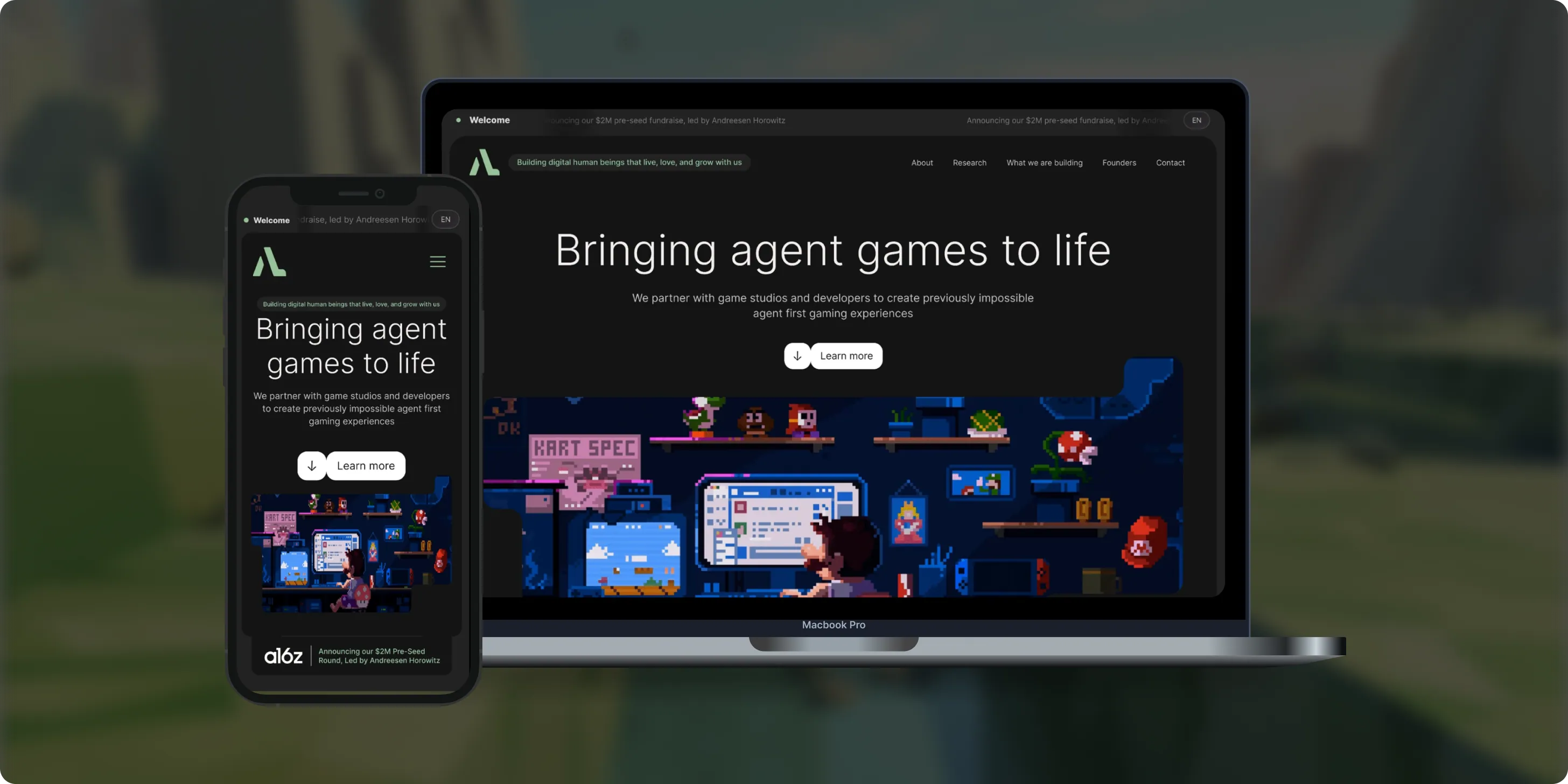
Altera
Altera builds on decades of computational neuroscience research to create digital human beings for gaming. Backed by a $2M pre-seed round led by Andreessen Horowitz, the team needed a landing page that could explain complex agent technology to players, partners, and investors.- 98%Dynamic Customization
- 100%Streamlined Navigation
- $2MPre-Seed Round
- Real Estate
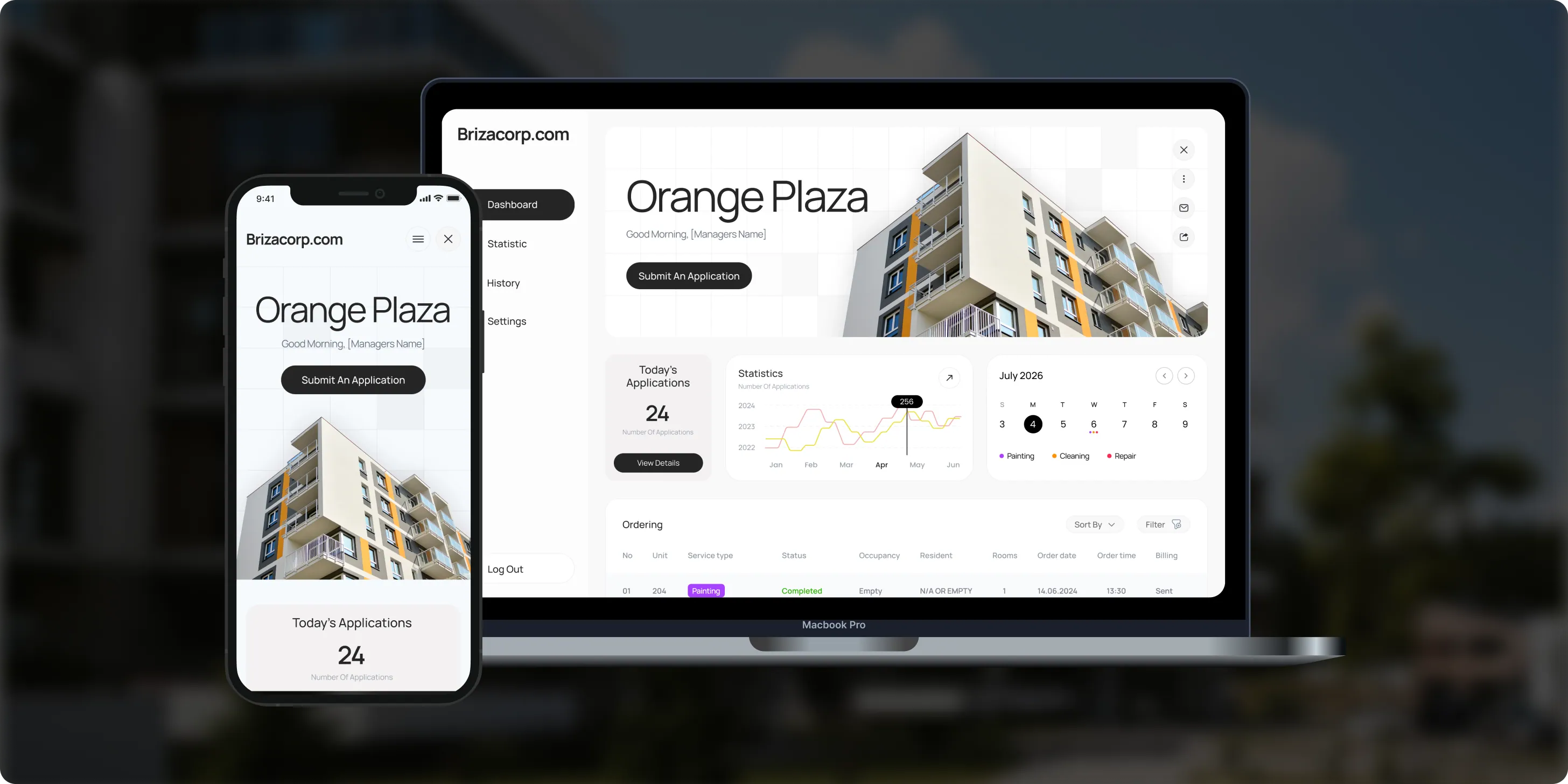
Brizacorp
Brizacorp manages residential properties and coordinates the staff who handle painting, cleaning, and repair requests. Its team tracked work across messengers, phone calls, e-mail, and paper planners, with no single place to manage requests or measure performance.- 98%Application Stability
- 95%Utilization Rate
- 30%Faster Task Completion
Color & Harmony
Color & Harmony is a Kentucky-based color consulting studio led by certified color strategist Diana Cartaya. The studio needed a website that reflects its refined aesthetic, showcases its portfolio, and explains a science-based color process in simple language.- 45%Conversion Rate Increase
- 50%Higher User Engagement
- 2Months to Launch

The Modern Gentlemen
The Modern Gentlemen sells premium men's skincare featured in Men's Health, GQ, and Men's Journal. Its customers wanted an efficient routine, but generic product suggestions and limited skincare knowledge made choosing the right products hard.- 30%Increase in Conversions
- 25%Higher Customer Retention
- 92%Mobile Purchases

OQ Technology
OQ Technology connects IoT devices, machines, and people anywhere on the planet through its satellite network, serving energy, maritime, logistics, agriculture, and mobile operators. Its website made it hard to explore products and reach pricing plans.- 4Pricing Plans Clarified
- 3Dedicated User Flows
- 1Unified Platform

- Real Estate
- Finance
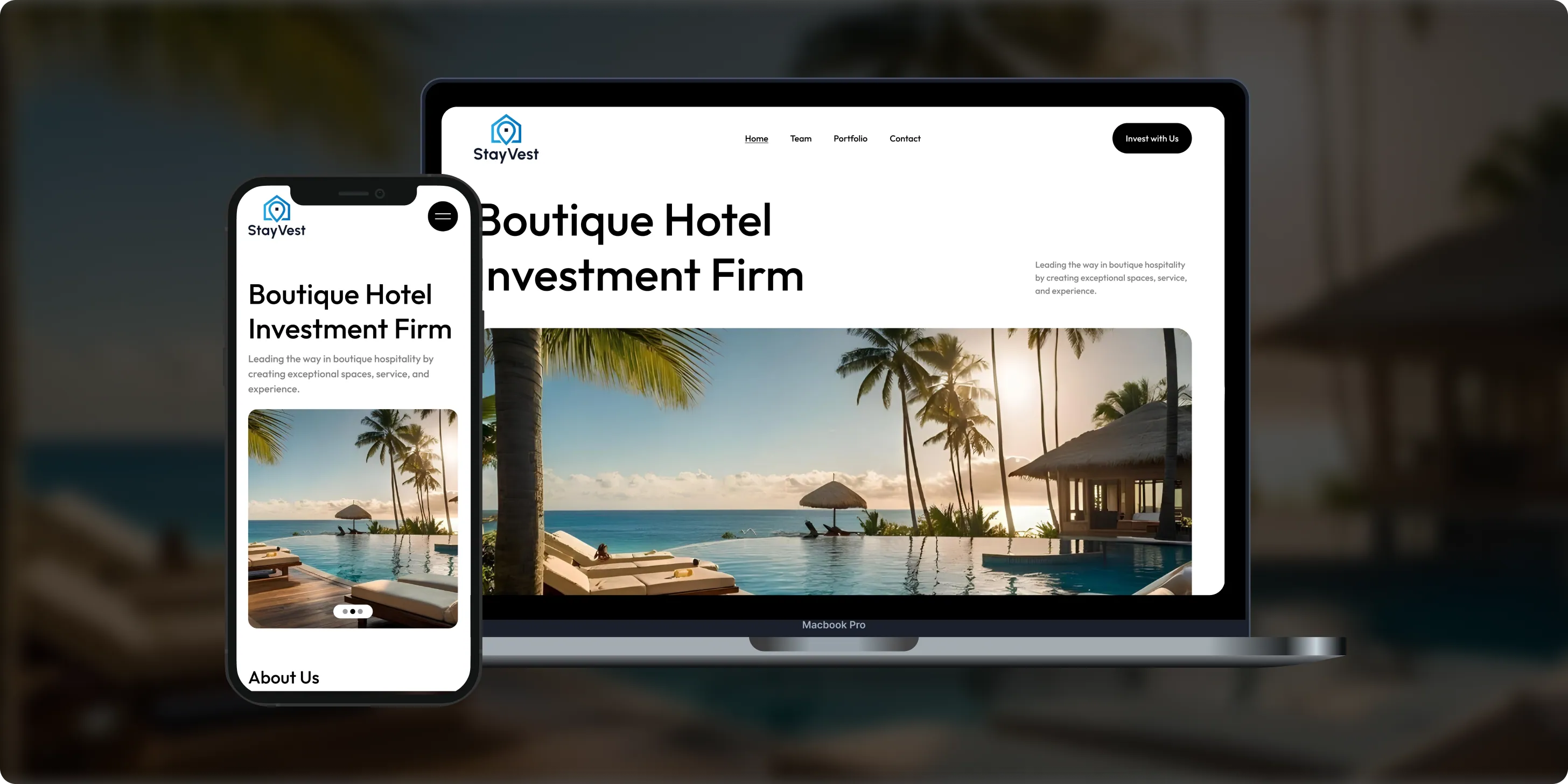
Stay Vest
Stay Vest is a private real estate investment firm that acquires, renovates, and operates boutique hotels for cash flow, tax benefits, and equity gain. It needed a platform that explains its strategy and earns the trust of passive investors.- 1,500+Guest Stays
- 200+Rooms Managed
- 5States Covered
Bokeyno Motorsports
Bokeyno Motorsports is the leading mobile installer of vertical doors for high-performance cars. This Shopify website isn’t just about services—it’s a bold statement of power, style, and expertise. With a sharp layout, strong visuals, and real-world case studies, the site delivers all the information car enthusiasts need to book confidently and instantly.- 54%Booking Requests
- 43%Lead Conversion
- 32%Qualified Inquiries

ai document processing platform
A comprehensive talent solution designed to help companies attract, hire, and retain top talent more effectively. The platform combines AI-powered recruitment technology with employee financial wellbeing programs, enabling smarter hiring decisions while supporting employees’ financial stability and long-term engagement.- 62%Faster Processing Time
- 78%Less Manual Work
- 35%Improved Accuracy

WHAT CLIENTS SAY
Independently verified reviews from real clients on Clutch.co


Client Story
Real feedback from
FMY Orthodontics

“SoftDoes consistently found ways to make things work, added features we had not originally envisioned, and never became frustrated. It felt like working with a true partner who cared about the success of our practice.”
Dan Merwin
DDS, MS, President, FMY Orthodontics

Client Story
Real feedback from
Prior Authorization AI
“Every time I sent a request, if there was anything that didn't work, they were able to turn it around quickly. Even when there were no updates yet, they always reached out to let me know they were working on it.”
Joseph Oluwo
Founder of Prior Authorization AI


Client Story
Real feedback from
WOVEN
“What stood out most was their commitment to understanding our needs before presenting solutions.”
Danna Pastran
Administrative Operations Manager, WOVEN

Client Story
Real feedback from
Grand Central Language Services
“The site performs as intended and provides the foundation for our company's digital presence.”
Joe Goldstein
QA Manager, Grand Central Language Services


Client Story
Real feedback from
DineMate
“They go above and beyond.”
Eric Snead
CEO, DineMate "Dating Connecting Platform"
Why they Choose SoftDoes
- 01SENIOR ENGINEERS, NOT LAYERS
SoftDoes projects are led by senior engineers and solution architects who have shipped complex lending, payments, and core banking integrations before. They read and interpret credit policies, underwriting guidelines, audit findings, and regulatory texts, identify critical success factors early, then translate them directly into domain models, workflows, and rules-no telephone-game through project managers. Risk, credit, and operations leaders talk directly to SoftDoes engineers about decision engine design, exposure calculations, collateral management, amortization logic, and data retention rules. Our engineers are comfortable discussing bureau file layouts, charge-off flows, and reconciliation requirements at the level of detail your teams need. The result is reduced miscommunication, fewer rework cycles, and lending systems that align closely with how your teams actually operate.
- 02PREDICTABLE DELIVERY
SoftDoes delivers lending modules in phased releases: typically starting with core origination and decisioning, then extending to servicing, collections, portals, and analytics in subsequent iterations-aligned with compliance reviews and staff training cycles. Written user stories and acceptance criteria are anchored in real lending workflows, such as end-to-end scenarios for a mortgage application or an SME credit line. Regular demos use realistic sample applications, test loan books, and configured policies so stakeholders can validate behavior early. SoftDoes coordinates with client IT, security, risk, compliance teams, and third-party vendors to manage dependencies and keep schedules honest. Predictability matters most when software touches credit decisions, money movement, and regulatory scrutiny.
- 03BUILT TO LAST PAST LAUNCH
SoftDoes architects lending platforms with clear domain boundaries between applications, decisions, customers, loans, payment schedules, and collection cases-each with documented APIs. Logging and monitoring extend down to decision rules and model versions, enabling reconstruction of any historical decision for audits or disputes. Automated regression tests cover critical lending logic: interest accrual, penalty fees, repayment allocation order, balloon payments, restructurings, and write-offs. CI/CD pipelines ship changes safely without breaking existing portfolios or integrations. This approach supports future growth into new products, geographies, origination channels, and higher loan volume without full rewrites-platforms built to last, not just to launch.
- 04NO BABYSITTING REQUIRED
SoftDoes plans handover from day one: admin documentation, knowledge transfer workshops, runbooks for operations, and training for "lending champions" inside the client organization. Admin consoles let teams manage users, roles, loan products, pricing, credit rules, document checklists, queues, and reference data through controlled interfaces-no engineering tickets for routine changes. Clear boundaries between platform components mean internal IT can own monitoring, deployments, and minor enhancements confidently. SoftDoes offers ongoing support and feature development, but systems are designed so clients are never locked in for every small configuration change. That also helps control operational costs and, compared with manual-heavy operations, the right platform approach can reduce processing costs by up to 70% in some cases. This reduces operational risk and supports lenders' governance expectations about vendor dependence.
How we work with your quality team
This is how SoftDoes partners with you from first conversation through long term support.




Experience Across Consumer, Mortgage, and Commercial Lending
We build lending software where fast credit decisions, explainable underwriting, and strict compliance have to work together.
Banking Software
Payment Software
Wealth Management
Trading Software
RegTech Software
Complex systems, integrations, and internal platforms built to evolve. We step in when off-the-shelf tools stop being enough.
Data Analytics
From first version to real traction without painting yourself into a corner. Built for speed now and hard decisions later.
Finance
Systems designed around controls, traceability, and change management. Built so audits don’t become fire drills.
Digital Wallet
Infrastructure software built for long timelines and high stakes. Reliable systems for assets that can’t afford guesswork.


Frequently Asked Questions
Everything you need to know about working with SoftDoes. Can’t find an answer?
How long does a custom lending software development project take, and what drives the cost?
Typical initial releases range from a few months for a focused module (such as digital loan origination and decisioning) to 9–12 months for a full platform covering origination, servicing, collections, and borrower portals. Lending software development cost is driven by the number of loan products and channels, the complexity and number of integrations, data migration needs, AI features, and compliance or model risk review cycles. Pre-built solutions can be implemented in weeks or months, but custom software development can take longer when the goal is a platform precisely fitted to your lending operations and aligned with digital finance. Internal decision speed, policy finalization, and access to stakeholders often influence the schedule as much as pure engineering throughput. That tradeoff is why many lenders still invest: digital lending is expected to reach $507.27 billion by 2025.
Can a lending platform integrate with our core banking system, credit bureaus, and other providers?
Yes. SoftDoes commonly integrates lending platforms with core banking systems, credit bureaus, open banking aggregators, KYC/AML tools, eSignature providers, and payment processors. Technical approaches include REST/GraphQL APIs, webhooks, message queues, and secure file exchanges depending on legacy constraints and security policies. Data ownership, synchronization frequency, consent handling, and error recovery paths are designed explicitly for credit-critical and payment flows. APIs connect lending platforms to credit bureaus and regulatory systems, and SoftDoes manages staged cutovers and parallel runs so integration work does not disrupt ongoing lending.
How do you handle data security and regulatory compliance in lending software?
Core practices include encryption of data in transit and at rest, strong authentication, fine-grained role-based access control, and comprehensive audit logs for all data access and credit decisions. Lending software must comply with GDPR, AML, and KYC standards, and the platform aligns with regulatory expectations around TILA, ECOA, FCRA, GLBA, and frameworks such as ISO 27001 or SOC 2 where relevant to the client's region. SoftDoes collaborates with client security and compliance teams on threat modeling, secure coding reviews, and optional penetration testing. Compliance features-consent tracking, adverse action letters, and data retention rules-are designed into the platform from the start, not bolted on afterward.
Who owns the source code, credit models, and intellectual property?
Clients retain ownership of custom lending software source code, configuration, credit rules, and models created specifically for them, with details agreed in the contract. SoftDoes separates and documents third-party components, licensed data sources, and open-source libraries used within the solution. Any generic utilities or accelerators from SoftDoes are used under agreed licensing terms, while client-specific components remain theirs. Building software offers full control over features and security, and handover includes repositories, documentation, and deployment scripts so clients can maintain and evolve the system independently.
Can you modernize or extend our existing loan system instead of replacing it?
SoftDoes often begins by wrapping or extending current LOS/LMS solutions with new modules instead of immediate replacement. Banks and fintech companies often choose that gradual path instead of a full replacement. Examples include adding a digital application layer for borrower onboarding, an automated underwriting engine, AI-based document checks, or a borrower self-service portal on top of an existing core. Discovery assesses technical debt, vendor constraints, and regulatory risk to decide when gradual modernization of existing systems makes sense versus a full rebuild. Hybrid approaches are common: new functions in a modern technology stack while the legacy system continues to handle stable back-office processes and traditional loan processes.
How does lending software development differ from general app projects?
Lending software must support explainable credit decisions, exact interest and fee calculations, strict audit trails, adverse action notices, and regulatory reporting-requirements most general apps never face. Changes to credit rules, scorecards, or models require governance, testing, and documentation to satisfy internal model risk teams and external regulators. Fair lending obligations, data retention schedules, and consumer protection laws shape data models, UX, and logs as much as user convenience. SoftDoes has deep experience balancing borrower experience, regulatory compliance, and technical complexity in financial software development-where every calculation and every decision carries legal and financial weight.
What kind of support do we get after launch?
SoftDoes typically provides a high-touch hypercare period, followed by optional ongoing support and enhancement agreements. Buying software provides ongoing support and updates from vendors, and SoftDoes applies the same principle to custom platforms. Incidents are triaged with priority for issues that block applications, disbursements, repayments, or regulatory reporting. Monitoring dashboards track critical KPIs: decision latency, application drop-off points, approval rates, delinquency transitions, and integration error rates. Roadmap features and configuration changes are planned collaboratively with the client's business and IT teams to streamline operations over time.
How do you reduce risk on a complex lending platform initiative?
Phased rollouts, proofs of concept for risky integrations or AI scoring models, and early involvement of credit risk and compliance leads are standard practice. SoftDoes uses sandbox environments, anonymized but realistic data sets, and shadow mode-where new decision engines run in parallel with existing processes before cutover-to validate behavior without touching live lending. Automated test suites, backup and rollback plans, and rehearsal runs for loan book migrations or major rule changes minimize operational risk. Transparent communication on assumptions, risks, and tradeoffs throughout the project ensures leadership can make informed decisions at every critical success factor along the way.


