



Let's build together.
Talk with a senior engineer about your product idea, architecture, and what it would take to build it.
90+
Active Client Partnerships
80+ Person
Product & Engineering Team
100%
Your Code & IP Ownership
U.S.-Led
Delivery & Accountability
Services we offer
- 01Artificial Intelligence Development
> END-TO-END ARTIFICIAL INTELLIGENCE DEVELOPMENT <
We move from use-case discovery to data pipelines, model training, evaluation, and deployment as one integrated process. This approach solves fragmented data problems, slow decision making, manual analysis bottlenecks, and the challenge of scaling domain knowledge across an organization. California companies need this because competition from AI-first firms is intense, privacy rules add complexity, and product cycles keep accelerating. Building AI as an afterthought no longer works when competitors ship intelligent features every quarter.
- Roadmap from idea to production
- Models tuned to local data
- End-to-end pipeline ownership
- Integration with existing workflows
- Compliance-ready architecture
> AI DEVELOPMENT RESULTS THAT LAST <
How do you turn a successful prototype into a reliable system that serves millions of California users? SoftDoes focuses on maintainability, observability, and compliance so AI investments deliver value for years, not just through the demo phase.
- Versioned models with full audit trails
- Monitoring for drift and quality degradation
- Documentation for future teams
- Governance aligned with state requirements
- 02Machine Learning Model Development
> ML MODELS BUILT FOR REAL USE <
We build supervised, unsupervised, and deep learning models for prediction, ranking, and generation tasks. Our teams handle neural networks, gradient-based optimization, and the experimentation cycles needed to find models that actually work with your training data. This solves problems with noisy raw data, poor forecasting accuracy, slow experimentation, and weak personalization. California companies face high user expectations, dense competition, and real-time decision needs in sectors like finance, healthcare, and energy.
- Forecasting for California demand patterns
- Fraud scoring for West Coast payments
- Personalization for Bay Area users
- Recommendation engines for high-volume platforms
- Classification models for compliance automation
- 03AI-Driven Process Automation
> AUTOMATION THAT RESPECTS YOUR RULES <
We build AI-driven automation for workflows like document processing, support triage, KYC verification, claims handling, and back-office tasks. These systems combine machine learning with rule-based logic to handle complexity that simple RPA cannot touch. The business problems are clear: manual work creates bottlenecks, rework errors cost money, cycle times frustrate customers, and scaling teams in high-cost California labor markets gets expensive fast. Automation that works means redirecting human effort to tasks that actually require human oversight.
- Claims and ticket routing
- Document review with compliance checks
- Intelligent data extraction from forms
- Automation tuned to California regulations
- Workflow orchestration across systems
- 04AI Operationalization
> FROM LAB TO PRODUCTION SAFELY <
Operationalization means packaging models, deploying to cloud or on premises environments, setting up CI/CD pipelines, and establishing performance monitoring and rollback procedures. This is where many AI projects fail, the model works in a notebook but never reaches users. Stalled pilots, unmonitored models, untracked changes, and outages in live ai systems create real business risk. California’s strict uptime expectations, data privacy requirements, and regulated industries like healthcare and finance demand operationalization done right.
- Blue/green AI releases
- Observability for drift and bias
- Deployments aligned with SB 53 safety focus
- Automated retraining pipelines
- Incident response playbooks
- 05Custom AI Solutions
> AI THAT FITS YOUR BUSINESS <
We build custom solutions when standard tools don’t match your workflows: agentic AI for operations teams, recommendation engines tuned to your context, natural language processing for legal and healthcare documents, and computer vision for industrial applications. Off-the-shelf tools create compliance gaps, force awkward workarounds, and limit what’s possible. California firms need custom builds because of unique scale requirements, local regulation, and the need to integrate with existing legacy systems without ripping everything out.
- Custom NLP for California regulations
- Agentic AI for autonomous operations
- Vision systems for construction and energy
- Domain-specific fine-tuning
- Integration with enterprise platforms
> END-TO-END ARTIFICIAL INTELLIGENCE DEVELOPMENT <
We move from use-case discovery to data pipelines, model training, evaluation, and deployment as one integrated process. This approach solves fragmented data problems, slow decision making, manual analysis bottlenecks, and the challenge of scaling domain knowledge across an organization. California companies need this because competition from AI-first firms is intense, privacy rules add complexity, and product cycles keep accelerating. Building AI as an afterthought no longer works when competitors ship intelligent features every quarter.
- Roadmap from idea to production
- Models tuned to local data
- End-to-end pipeline ownership
- Integration with existing workflows
- Compliance-ready architecture
> AI DEVELOPMENT RESULTS THAT LAST <
How do you turn a successful prototype into a reliable system that serves millions of California users? SoftDoes focuses on maintainability, observability, and compliance so AI investments deliver value for years, not just through the demo phase.
- Versioned models with full audit trails
- Monitoring for drift and quality degradation
- Documentation for future teams
- Governance aligned with state requirements

PRODUCTS BUILT ACROSS INDUSTRIES
Finance
We build AI for financial services, fraud detection, risk scoring, and compliance automation, for California banks and fintechs. Our machine learning models deliver accurate, auditable decisions on large real-time data.
Healthcare
Our healthcare AI supports triage, scheduling, clinical data extraction, and analytics. We design HIPAA-compliant systems respecting patient privacy and integrating with California EHR/EMR platforms.
Education
AI helps universities and edtech scale content, assessments, and analytics with adaptive learning systems ensuring reliable performance.
Construction
AI supports bidding, scheduling, reports, and safety documents. We design computer vision and graphics systems integrated with project management tools to fit California workflows.
Technology
We develop custom AI products for California tech companies, including platforms, APIs, and internal tools. Our ML-powered SaaS platforms are built to evolve quickly and integrate with multiple cloud and data providers.
Startups
We support AI engineering for startups from MVPs to scaling, balancing speed to market with scalable codebases to avoid technical debt and enable rapid iteration.
Compliance
We build governed AI systems for finance, insurance, and public sector clients requiring controls, traceability, and audit support, making audits planned activities rather than disruptions.
Energy
AI for energy management serves utilities, renewables, and energy tech firms across California. We build predictive maintenance systems that handle long timelines and critical uptime, monitoring distributed assets and edge devices.


Transparency at each stage
Discovery & Alignment
Defined goals and a precise roadmap ensure your vision is realized without unexpected pivots or hidden costs.
Technical Strategy
Senior engineers select the optimal tech stack with clear architectural reasoning for long-term scalability.
Iterative Development
Gain real-time access to code and staging environments with regular demos to track every milestone as it happens.
Careful Testing
Receive transparent QA, security, and performance audits to ensure a flawless and stable launch every time.
Deployment & Support
Stay in total control with full documentation and proactive monitoring to keep your systems running at peak performance.

Numbers Don’t Lie
Recent projects showcasing how we design, engineer, and deliver production-ready software solutions.

- Startup
- Real Estate
Our Haus AI
A finance professional turned founder built Our Haus AI, an AI-powered collaborative workspace where homeowners and contractors scope, bid, contract, and document renovation projects together. SoftDoes took her prototype and made it production-ready.- 10XMVP scope delivered
- 2+years Ongoing partnership
- 1Fully owned Platform

- Finance
- Energy
Deepwater Insights
Deepwater Insights delivers proprietary alternative data and niche research on the offshore drilling and energy sector to institutional investors, family offices, and high-net-worth individuals who require coverage that larger firms don't provide.- 100%Brand Continuity
- 2Platform Distribution
- 100%Paywall-Ready Content

- Real Estate
The building buyer
The Building Buyer is a Florida-based real estate investment firm co-founded by Dylan Troiano and Charles Hanlin. They acquire single-family, multifamily, and commercial properties across South Florida and beyond, with a focus on motivated seller opportunities.- 18Weekly hours saved
- 2+Years Ongoing partnership
- 1Fully owned Platform

- Education
- Non-Profit
WOVEN & NICE
Woven is a Spring Valley, NY nonprofit running the NICE program (New Training Inclusive Community Environment) in four Rockland County schools. Their team supports students through restorative practices, mediation, and professional development for teachers and administrators.- 4Schools Served
- 4Weeks to Launch
- 1STTime on Upwork

- Healthcare
CareInTouch
CareInTouch is a Bay Area home health agency providing skilled nursing and therapy services to patients referred from hospitals and clinics. With over 100 staff, they operate in one of the most complex and compliance-driven healthcare markets in the country.- 40% Reduction In Billing Errors
- 100+Staff Operations Managed
- 0Missed Compliance Deadlines

- Startup
Sparkle The Cleaning Service
Sparkle The Cleaning Service is a Detroit-area residential cleaning company with 10 years in business, connecting homeowners with vetted, insured independent cleaners through a subscription-based marketplace platform.- 75% Platform Transparency
- 2XPlatform Growth
- 40%Higher User Retention

- Startup
DineMate
DineMate is a Maryland-based dating and connecting platform built around verified profiles, restaurant reservations, and prepaid dining experiences. Founded to bring back authenticity to how people meet and connect.- 60% Time Saved
- 99%System Reliability
- 40%Higher User Retention

- Healthcare
Prior Authorization AI
Prior Authorization AI is a healthcare automation startup building AI-powered tools to streamline prior authorization for Medicare and Medicaid medical transportation providers in New Jersey.- 16Weekly hours saved
- 63%Admin time reduced
- 43%Fewer submission errors

- Education
Grand Central Language Services
Grand Central Language Services provides translation and interpretation for organizations operating in complex, multilingual environments. As demand grew, internal workflows became harder to manage. SoftDoes built a custom platform to streamline coordination, improve visibility, and support scalable operations.- 72%Workflow Reduction
- 48%Coordination Reduction
- 83%Visibility Increase

- Healthcare
FMY Orthodontics
FMY Orthodontics, a multi-location practice in West Tennessee, partnered with SoftDoes to replace a spreadsheet-based financial workflow with a custom web platform. The goal was to simplify how staff present treatment financing while allowing patients and families to review and complete decisions remotely.- 60%Workflow Reduction
- 75%Remote Adoption
- 5Locations Aligned

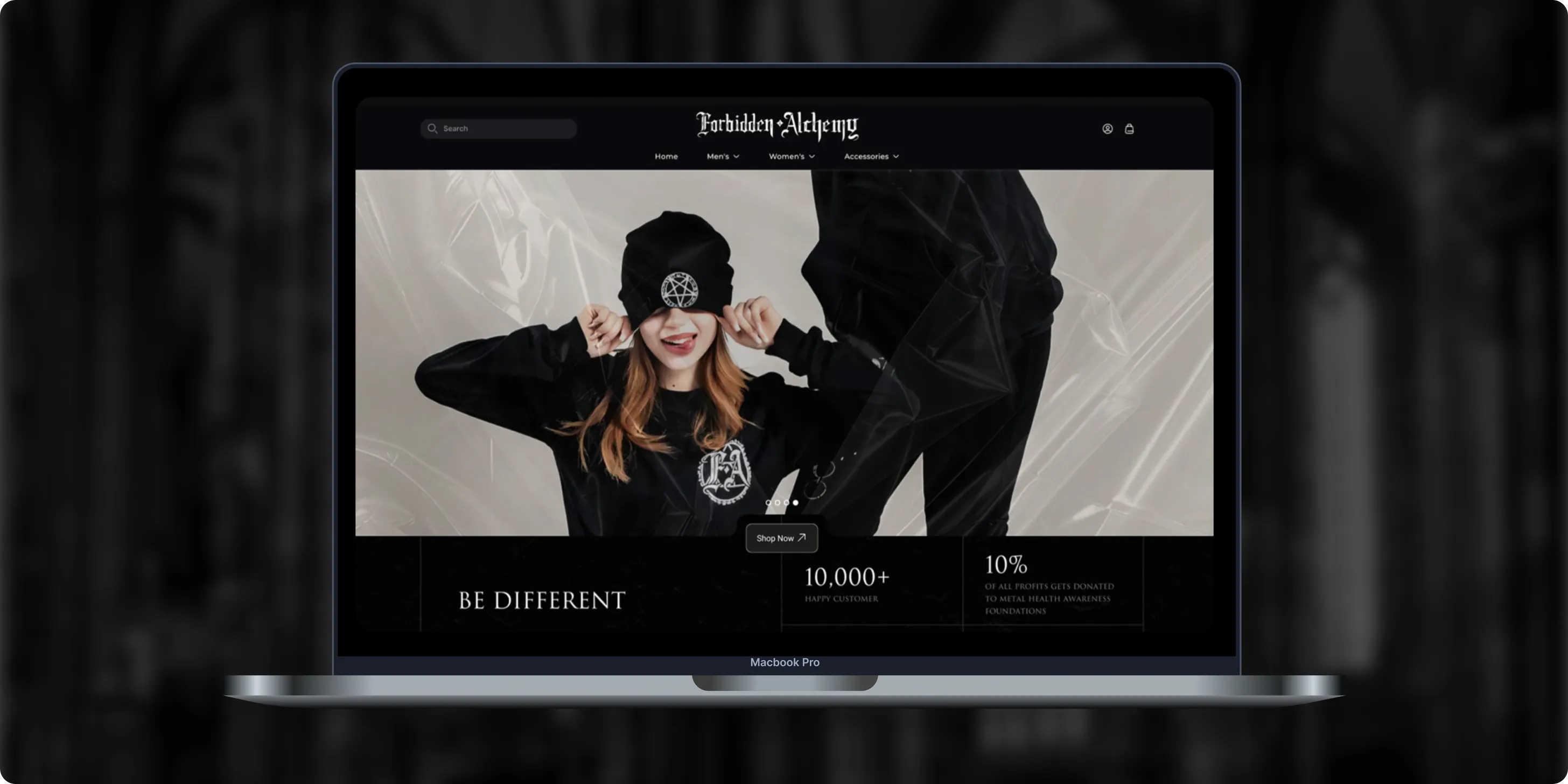
Forbidden Alchemy
Forbidden Alchemy is an alternative fashion brand creating dark, provocative clothing for the metalhead community, with 10% of profits donated to mental health awareness. Its mostly mobile audience struggled with a store that was hard to navigate and weak on functionality.- +44%Revenue Month Over Month
- 86%Design Satisfaction
- 2.8XUser Retention Growth
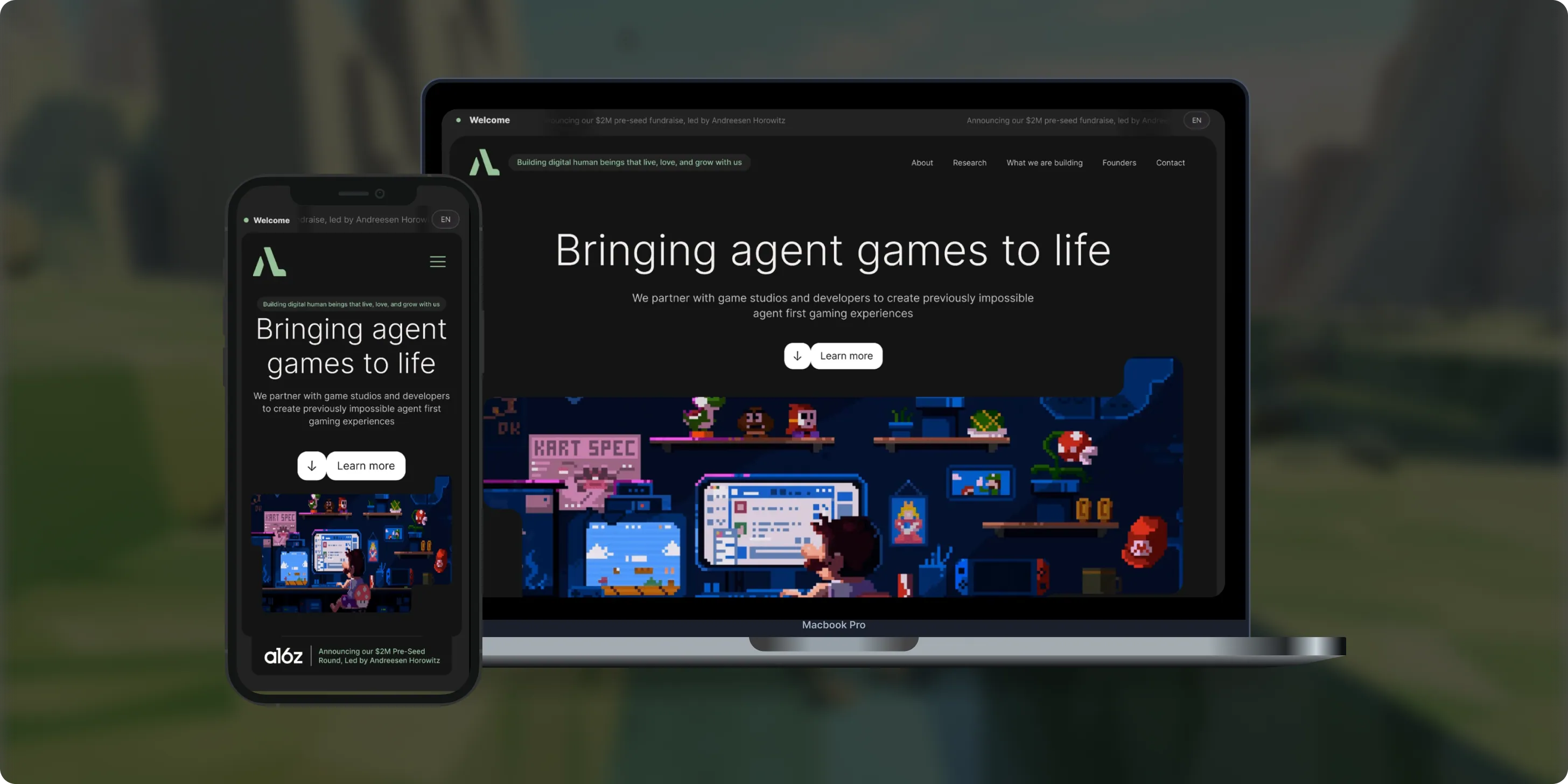
Altera
Altera builds on decades of computational neuroscience research to create digital human beings for gaming. Backed by a $2M pre-seed round led by Andreessen Horowitz, the team needed a landing page that could explain complex agent technology to players, partners, and investors.- 98%Dynamic Customization
- 100%Streamlined Navigation
- $2MPre-Seed Round
- Real Estate
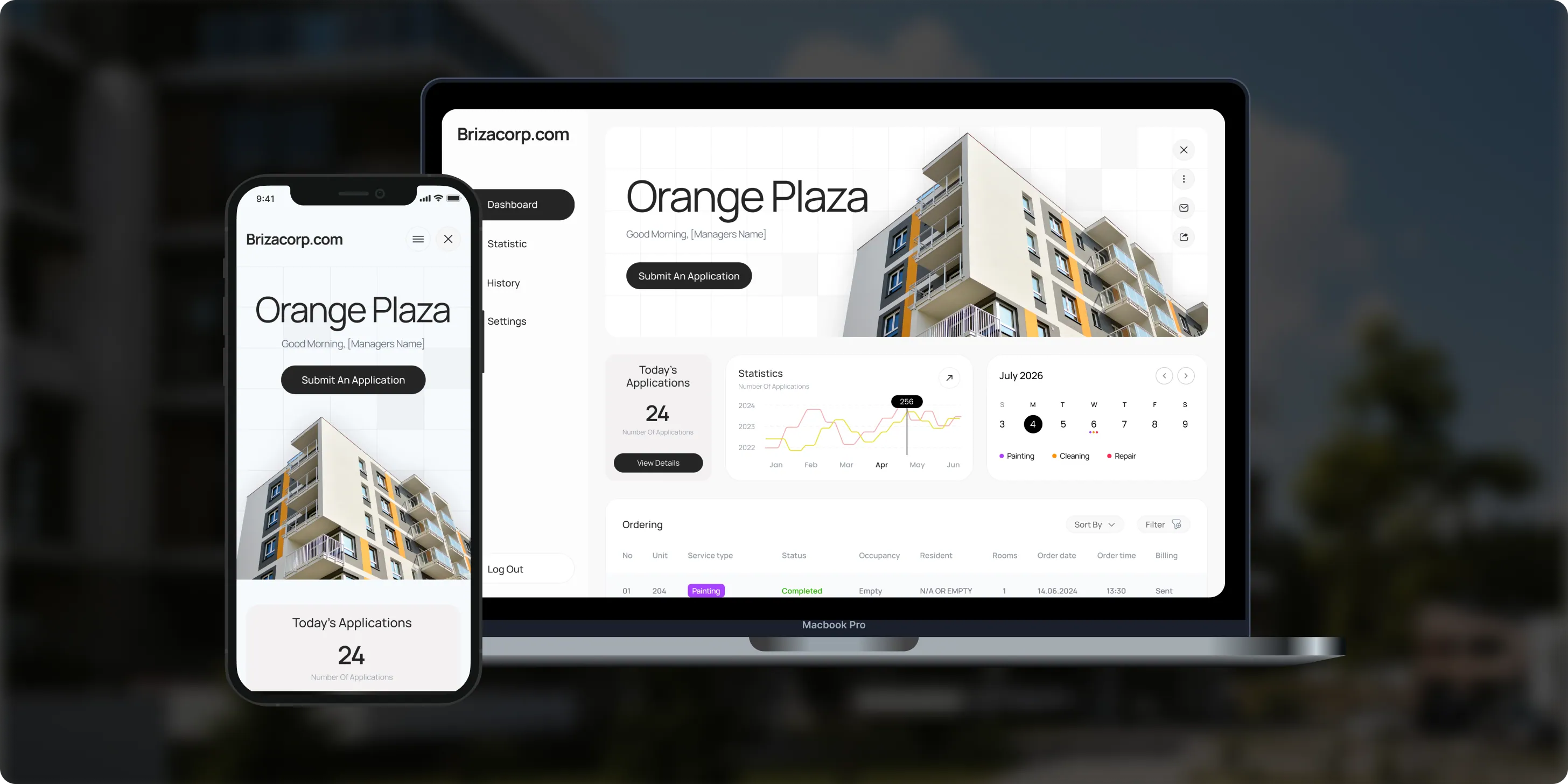
Brizacorp
Brizacorp manages residential properties and coordinates the staff who handle painting, cleaning, and repair requests. Its team tracked work across messengers, phone calls, e-mail, and paper planners, with no single place to manage requests or measure performance.- 98%Application Stability
- 95%Utilization Rate
- 30%Faster Task Completion
Color & Harmony
Color & Harmony is a Kentucky-based color consulting studio led by certified color strategist Diana Cartaya. The studio needed a website that reflects its refined aesthetic, showcases its portfolio, and explains a science-based color process in simple language.- 45%Conversion Rate Increase
- 50%Higher User Engagement
- 2Months to Launch

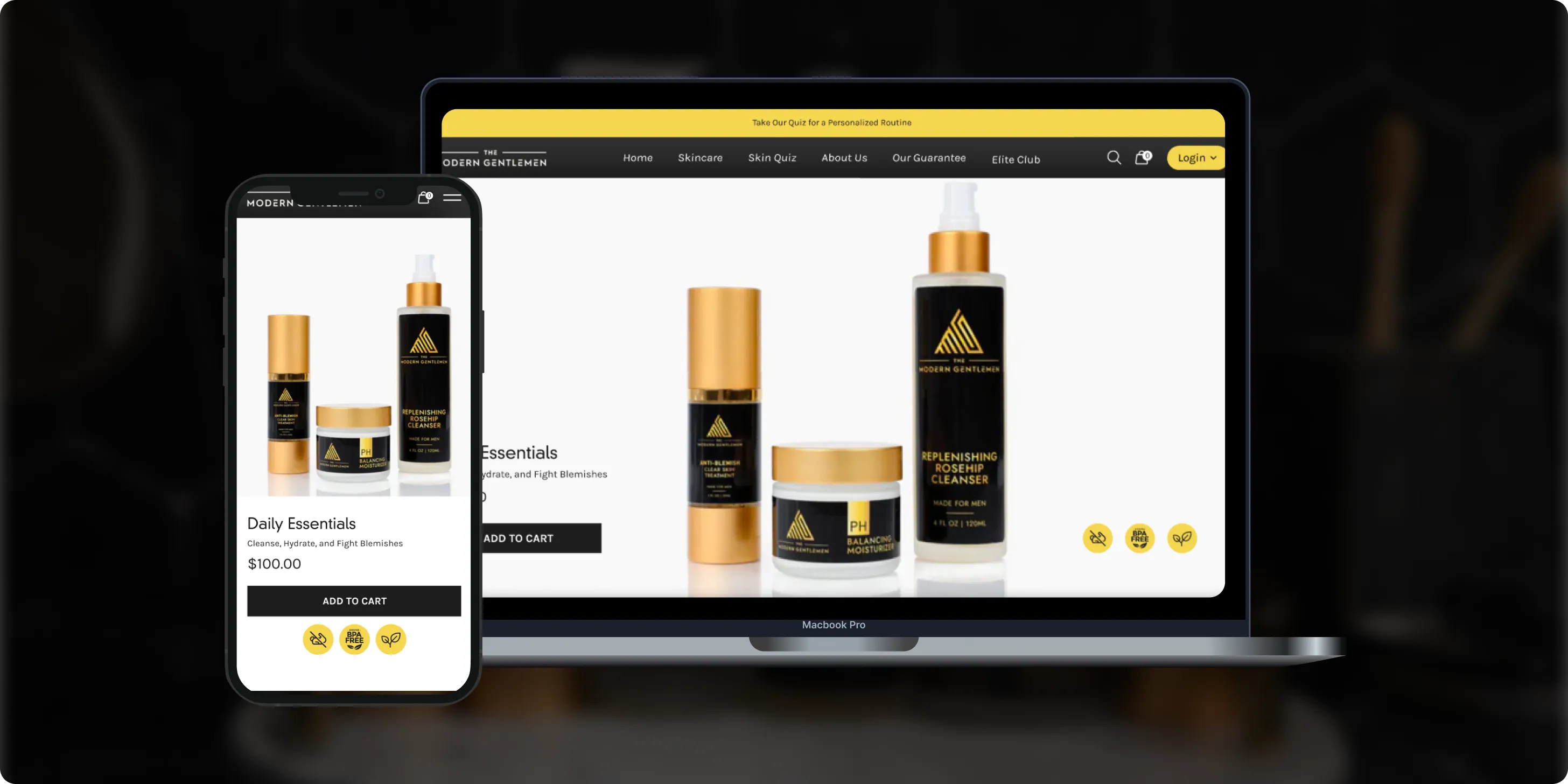
The Modern Gentlemen
The Modern Gentlemen sells premium men's skincare featured in Men's Health, GQ, and Men's Journal. Its customers wanted an efficient routine, but generic product suggestions and limited skincare knowledge made choosing the right products hard.- 30%Increase in Conversions
- 25%Higher Customer Retention
- 92%Mobile Purchases
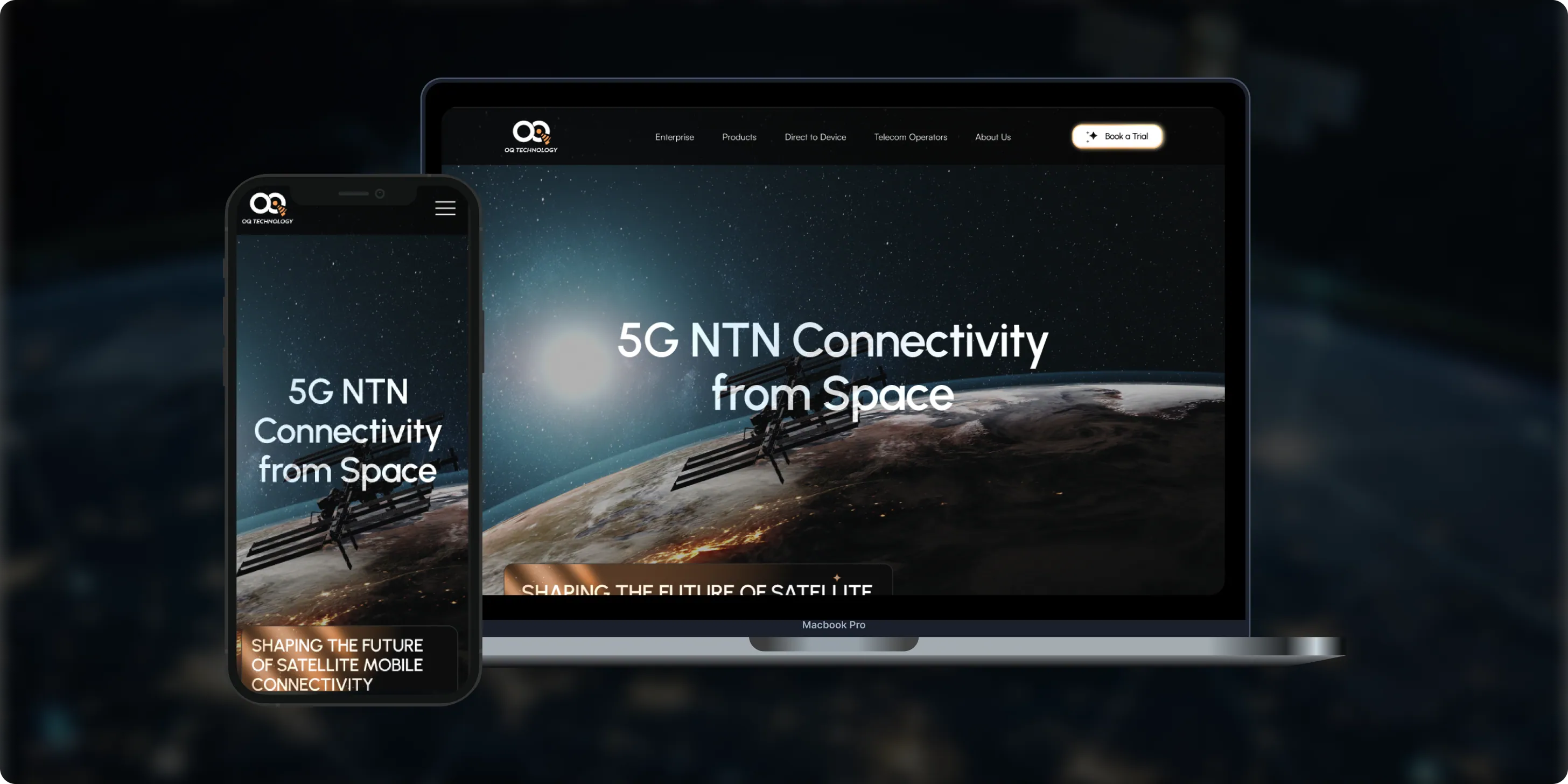
OQ Technology
OQ Technology connects IoT devices, machines, and people anywhere on the planet through its satellite network, serving energy, maritime, logistics, agriculture, and mobile operators. Its website made it hard to explore products and reach pricing plans.- 4Pricing Plans Clarified
- 3Dedicated User Flows
- 1Unified Platform
- Real Estate
- Finance
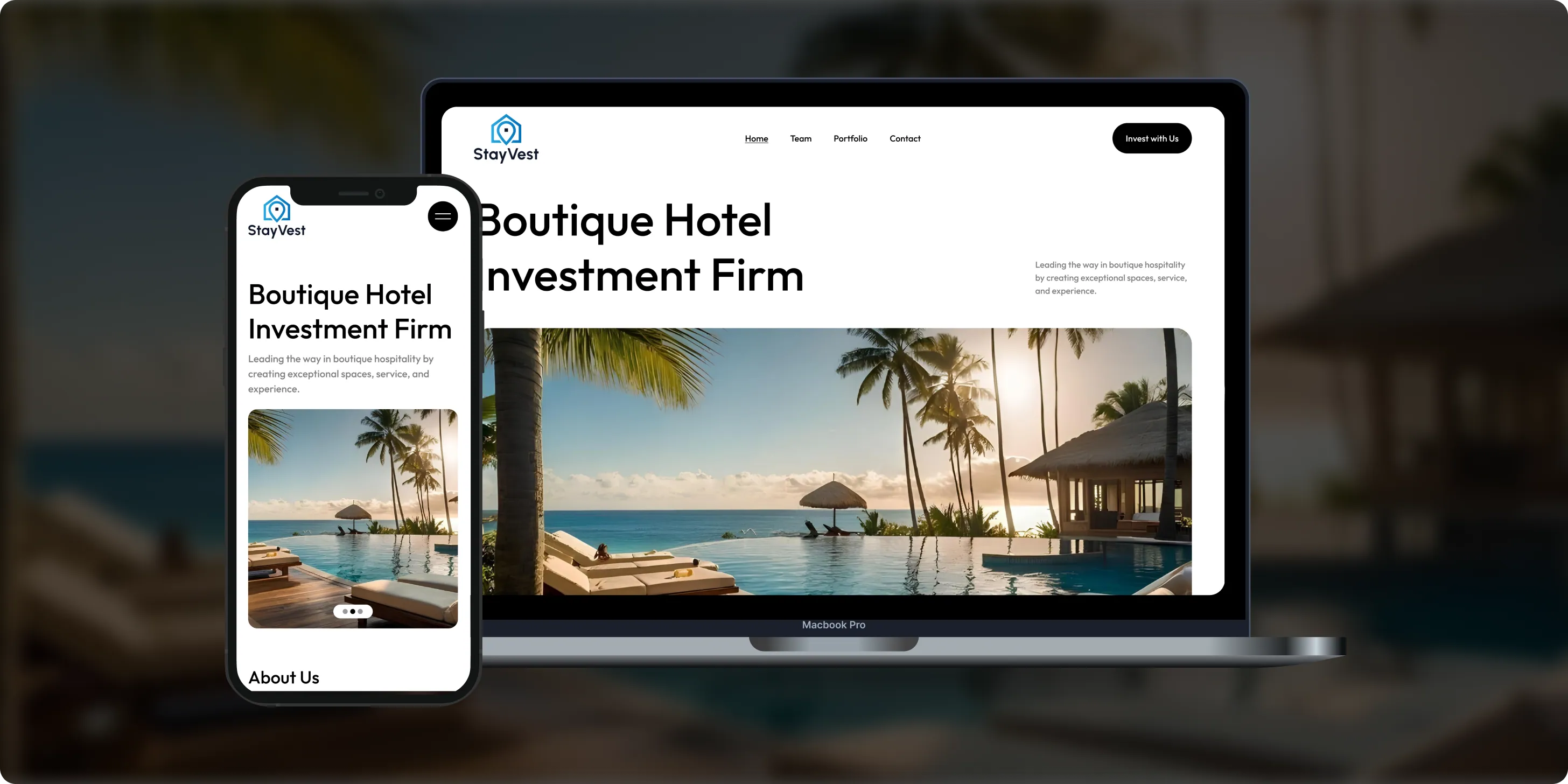
Stay Vest
Stay Vest is a private real estate investment firm that acquires, renovates, and operates boutique hotels for cash flow, tax benefits, and equity gain. It needed a platform that explains its strategy and earns the trust of passive investors.- 1,500+Guest Stays
- 200+Rooms Managed
- 5States Covered
Bokeyno Motorsports
Bokeyno Motorsports is the leading mobile installer of vertical doors for high-performance cars. This Shopify website isn’t just about services—it’s a bold statement of power, style, and expertise. With a sharp layout, strong visuals, and real-world case studies, the site delivers all the information car enthusiasts need to book confidently and instantly.- 54%Booking Requests
- 43%Lead Conversion
- 32%Qualified Inquiries

ai document processing platform
A comprehensive talent solution designed to help companies attract, hire, and retain top talent more effectively. The platform combines AI-powered recruitment technology with employee financial wellbeing programs, enabling smarter hiring decisions while supporting employees’ financial stability and long-term engagement.- 62%Faster Processing Time
- 78%Less Manual Work
- 35%Improved Accuracy

WHAT CLIENTS SAY
Independently verified reviews from real clients on Clutch.co


Client Story
Real feedback from
FMY Orthodontics

“Their perseverance and solution-oriented mindset. SoftDoes consistently found ways to make things work, added features we had not originally envisioned, and never became frustrated. It felt like working with a true partner who cared about the success of our practice.”
Dan Merwin
DDS, MS -- President, FMY Orthodontics

Client Story
Real feedback from
Prior Authorization AI
“Every time I sent a request, if there was anything that didn't work, they were able to turn it around quickly. Even when there were no updates yet, they always reached out to let me know they were working on it.”
Joseph Oluwo
Founder of Prior Authorization AI


Client Story
Real feedback from
WOVEN
“What stood out most was their commitment to understanding our needs before presenting solutions.”
Danna Pastran
Administrative Operations Manager, WOVEN

Client Story
Real feedback from
Grand Central Language Services
“The site performs as intended and provides the foundation for our company's digital presence.”
Joe Goldstein
QA Manager, Grand Central Language Services


Client Story
Real feedback from
DineMate
“They go above and beyond.”
Eric Snead
CEO, DineMate "Dating Connecting Platform"
WHAT CHANGED IN PRACTICE
Clients didn’t stay because of promises. They stayed because delivery became predictable, ownership was clear, and the product kept moving forward after launch.
- 01Direct Access to Senior Engineers
You work directly with the engineers building your AI system in California. Without account managers in between, decisions translate into implementation without distortion. This shortens feedback loops and reduces misunderstandings that happen when business context passes through multiple layers. Enterprise AI development demands technical depth from the start, our senior engineers bring that depth to every conversation. When you explain a business constraint, the same person hears it and writes the code.
- 02Predictable Delivery
Work is scoped, sequenced, and delivered in clear increments. Each phase of your AI implementation roadmap has defined outcomes, whether that’s trained models, deployed APIs, dashboards, or automation flows. This structure avoids surprise rework, missed deadlines, and the rushed releases that create technical debt. You know what’s coming, when it’s coming, and what it will accomplish. Predictability matters especially in California’s competitive environment where delays mean lost market position.
- 03Built to Last Past Launch
We design production-grade AI systems for long-term use, maintenance, and change. Launch is the starting point, not the finish line. Version control, observability, documentation, and architectural clarity make it possible for your teams, or ours, to maintain and extend the system for years. This approach makes it easier for California companies to adapt when new regulations occur, when market conditions shift, or when users demand new features. Systems built for evolution avoid the costly rewrites that trap organizations running outdated technology.
- 04No Babysitting Required
Our managed AI development team handles its own progress, communication, and quality. You don’t need to push work forward or track every task to see movement. We provide proactive status updates, communicate risks early, and flag tradeoffs before they become problems. Your operations leaders can focus on strategy while knowing the technical work is advancing. Execution doesn’t depend on reminders, it depends on our process.
Technologies We Use
Front end


Other / Frameworks


DevOps & tools















Frequently Asked Questions
Everything you need to know about working with SoftDoes. Can’t find an answer?
How is communication handled in AI development projects?
A PM coordinates updates, scope, and timelines while engineers join sessions when AI project communication requires deeper technical discussion. This structure keeps decisions from getting lost in translation between business stakeholders and technical teams. We run regular check-ins with written summaries so nothing falls through gaps. Clear channels, whether Slack, email, or video calls, ensure questions get answered quickly. The goal is alignment without bureaucracy.
What types of artificial intelligence development projects are a good fit for SoftDoes?
Enterprise AI platform development fits our model best: long-term products, business-critical systems, and AI that needs to be maintained and evolved after launch. Examples include risk engines, healthcare workflows, agentic assistants, and internal data platforms. We work best when software is central to the business rather than a side experiment. If the system touches revenue, compliance, or operations, that’s where our various applications of engineering discipline deliver the most value.
Do you build MVPs or only large AI systems?
We build scalable AI MVPs designed to grow into production systems. Early versions use clean architecture so they can handle new technologies and user growth without rewrites. We don’t build throwaway demos that look good in a pitch but can’t be extended safely. Even first versions get proper database design, API structure, and security patterns. Speed now shouldn’t create blockers later.
How do you handle scope and changes in AI projects?
AI project scoping starts from a defined baseline. Changes are discussed, estimated, and prioritized explicitly, not absorbed silently into the background where they cause delays and budget overruns. New ideas get added to the roadmap transparently. This keeps budgets and timelines predictable for California stakeholders who need to plan against firm commitments. We identify what changed, why it matters, and what it costs.
What happens after launch in AI system development?
Post-launch AI support includes bug fixes, enhancements, monitoring, and feature expansions driven by real usage. We continue supporting, maintaining, and evolving the system as the process of learning from production data reveals opportunities. Launch begins the lifecycle, not ends it. Models need retraining as distributions shift. Integrations need updates as partner APIs change. We plan for this from day one.
Will we own the code and intellectual property for AI solutions?
Yes. AI IP ownership transfers to you completely, you own 100% of the code, repositories, documentation, and intellectual property from day one. We work in client-controlled repositories when possible and avoid proprietary lock-in. If your internal teams grow and want to take over development, handover is straightforward. We document methods and tools thoroughly so transitions don’t require reverse engineering our work.
What makes SoftDoes different from a typical AI development agency?
We function as a specialized AI development partner rather than a volume-based outsourcing firm. Senior engineers, direct communication, predictable delivery, and durable systems distinguish our approach from agencies that rotate junior developers through client projects. We focus on fewer, deeper engagements instead of maximizing billable headcount. Our goal is to leave clients with systems they fully understand and can extend, not dependencies they can’t escape.
How do you price AI development projects?
AI project pricing structures around scope, complexity, and expected outcomes rather than only hours logged. We work with phased budgets aligned to milestones, which helps California-based initiatives achieve predictable spending. We focus on long-term value and total cost of ownership, not lowest upfront cost. Cheap projects that require rebuilding cost more in the end. Our pricing reflects the investment in doing it right the first time.
Custom Construction Management Software: Build vs Buy, Costs, and Competitive Advantage in 2026
Web development
How to Build an AI Contract Review System (For Law Firms and In-House Teams)
AI
LMS Development Cost in 2026: Complete Guide for U.S. & Canadian Businesses
Web development, Fintech
If you are planning to build a learning management system for your organization, the first question on your mind is probably: how much will it actually cost? The answer depends on dozens of variables, from your user base to your compliance requirements, and the range can be wider than you expect.