
U.S.-Based
Command & Control (C2/C4ISR) Software Development
Command and control software development by SoftDoes: secure, interoperable C2 and C4ISR systems with a shared operating picture and offline resilience.

Let's build together.
Talk with a senior engineer about your product idea, architecture, and what it would take to build it.
90+
Active Client Partnerships
80+ Person
Product & Engineering Team
100%
Your Code & IP Ownership
U.S.-Led
Delivery & Accountability
We understand the challenges you're facing
Why do our teams still piece together the situation from separate radios, map tools, spreadsheets, and legacy consoles?
C4ISR software supports decision-making by synthesizing multiple sources of operational data into a single, time-aligned common operating picture. Custom C2 software ingests data from sensors, blue force tracking devices, unit reports, logistics databases, weather feeds, and partner networks, then fuses it into one filterable view. Each role sees what it needs: an operator sees tracks and alerts on a map; a staff officer sees task status and readiness; a commander sees key indicators and escalations. The picture uses standard symbology (MIL-STD-2525 and NATO APP-6), consistent data models for units, tracks, tasks, orders, reports, assets, and areas, and time-stamped event logs so everyone works from the same version of events. SoftDoes designs the data pipelines behind this: message brokers, ETL jobs, and schemas that keep the picture current while recording provenance for every data element. A concrete example: border surveillance fusing coastal radar, UAV feeds, AIS, and patrol reports into a single maritime picture replaces four separate consoles with one shared view across regional centers.
Our software has to pass security accreditation and handle sensitive data. How do we build that in without slowing delivery to a crawl?
C4ISR software must incorporate cybersecurity measures because these systems are prime targets for cyber threats that increasingly target military networks. Developing C4ISR software requires balancing high-speed data processing with stringent security and reliability, so SoftDoes embeds security from the architecture phase: role and clearance-based access, data labeling by classification, enclave separation, audit logging of every operator action, and hardened container builds. We structure documentation, automated evidence collection, and continuous compliance checks to support accreditation packages aligned with the US DoD Risk Management Framework (RMF) and Authority to Operate (ATO) process, NIST SP 800-53 and NIST SP 800-171, CMMC 2.0, DISA STIGs, DoD Zero Trust guidance, DoD Cloud Computing SRG impact levels, and NATO or national accreditation regimes. Automated STIG mapping and evidence generation, sometimes called "ATO-in-a-Box," reduces the manual labor that usually delays fielding. SoftDoes works within the client's security and contracting framework and does not claim clearances or certifications it does not hold. When export-controlled work under ITAR or EAR is involved, we scope and structure delivery with the client to meet legal obligations.
Can new C2 software work with our existing systems and allied networks without replacing everything at once?
The integration of C4ISR systems often faces challenges related to legacy system compatibility and data standardization. Effective C4ISR systems require interoperability across legacy and modern equipment, which is why SoftDoes applies a modular open systems approach (MOSA) mandated by Title 10 U.S.C. § 2446a(b), Sec 805 for many DoD acquisition programs. API-first architecture and purpose-built adapters bridge standard tactical and coalition data formats while old and new platforms run side by side. We map between legacy data models and new C4ISR schemas, validate every shared data element, and run interoperability testing in lab and exercise environments. The integration toolkit draws on NATO Federated Mission Networking principles, selected NATO STANAGs, Link 16 and JREAP gateways via certified partners, Cursor on Target and the TAK ecosystem, OGC geospatial standards, Esri ArcGIS, Kafka or DDS-based message buses, and custom in-house systems. Phased rollout, one unit, site, or function at a time, reduces risk and lets stakeholders see quick wins before committing to the next increment.
Why do operators need weeks of training for our current system, and still miss important updates?
User-centered design is critical for reducing cognitive load in human-machine interfaces of C4ISR software. SoftDoes conducts user research with operators, staff officers, analysts, and maintainers (with the client's approval and within security rules) to shape screen layouts, workflows, and notification patterns before writing production code. Role-specific interfaces make the difference: map-centric views for operators tracking the picture, planning and reporting tools for staff, dashboards with key status indicators and escalation alerts for military commanders, and simplified mobile or rugged-tablet UIs for teams deployed in the field. Design features include clear alert prioritization so operators are not buried in noise, quick access to high-frequency actions, night and low-light display modes, offline-first behavior with sync queues, and multi-language support for coalition environments. Usability testing under simulated high-stress scenarios confirms that operators can still detect what matters when cognitive load peaks, because under real operational tempo, an overloaded interface is worse than no interface at all.
If requirements, partners, or threats change next year, are we stuck with another rigid, vendor-locked system?
C4ISR software architecture must prioritize modularity and scalability to adapt to evolving military needs. SoftDoes builds on containerized services, configuration-driven map layers, report templates, and workflows, and DevSecOps pipelines approved for the target environment. The architecture separates concerns into clear domain boundaries: picture, tasking, reporting, integration, and analytics. Extension points and versioned APIs let teams plug in new sensors, ISR feeds, analytics engines, AI decision-support modules, or coalition data adapters without rewriting the core C2 platform. We deliver full technical documentation, source code, deployment scripts, and admin tools so the client and its government customer can sustain and extend the system on their own timelines, eliminating the vendor lock-in that makes legacy platforms so expensive to change.
You lead the mission. We engineer the C2 software behind it.

Custom C2 and situational awareness common operating picture platforms
SoftDoes builds tailored C2 platforms around each organization's command structures, tactics, techniques and procedures, and partner systems rather than forcing a generic product onto a unique mission. Core modules include a map-based common operating picture, unit and asset status panels, tasking and orders management, reporting and messaging, event logging, resource and readiness tracking, and role-based dashboards for each echelon. The platform supports effective control by keeping orders, task status, and escalation paths aligned with mission intent as conditions change.
Layered common operating picture with standard symbology spanning land, air, maritime, and cyber views.
Orders, tasking, and reporting workflows with full traceability from plan to execution to after-action review.
Offline-capable clients and deployable kits that sync via store-and-forward when connectivity returns.

Interoperability, data integration, and analytics
SoftDoes connects C2 platforms with sensors, ISR feeds, communication networks, logistics systems, and partner networks using open interfaces and data fusion pipelines that support operations in electronic warfare environments. Message brokers, geospatial servers, ETL processes, and analytics dashboards support data analysis across inputs from multiple systems, give leadership visibility into readiness, operational tempo, and mission outcomes, help enhance situational awareness, and help identify potential threats from fused operational data.
Adapters for defense and coalition formats (Cursor on Target, TAK, NATO STANAG messages, Link 16 gateways via certified partners).
Data replay and timeline tools for training, after-action review, and test event reconstruction.
Leadership dashboards showing force posture, asset readiness, and C4ISR system health indicators.

AI enabled decision support for C4ISR
AI supports intelligence gathering and data analysis in C4ISR systems by summarizing incoming reports, flagging anomalies in the operating picture, and forecasting logistics and resource constraints, while humans retain every operational decision. AI assists human operators in intelligence processing, and machine learning improves detection of anomalies and patterns that operators may miss in vast amounts of incoming data. All AI features align with responsible AI principles, including the DoD AI Ethical Principles and NATO Principles of Responsible Use of AI, with explainability, bias mitigation, and rigorous testing before operational use, reflecting recent technological advancements driving these capabilities.
Natural-language summaries of incoming situation reports and intelligence digests for busy commanders.
Smart alerts when the operating picture changes (new tracks, lost communications, shifting risk areas).
Staff planning tools that compare logistics and resource allocation options for human review and approval.
Numbers Don’t Lie
Recent projects showcasing how we design, engineer, and deliver production-ready software solutions.

- Startup
- Real Estate
Our Haus AI
A finance professional turned founder built Our Haus AI, an AI-powered collaborative workspace where homeowners and contractors scope, bid, contract, and document renovation projects together. SoftDoes took her prototype and made it production-ready.- 10XMVP scope delivered
- 2+years Ongoing partnership
- 1Fully owned Platform

- Finance
- Energy
Deepwater Insights
Deepwater Insights delivers proprietary alternative data and niche research on the offshore drilling and energy sector to institutional investors, family offices, and high-net-worth individuals who require coverage that larger firms don't provide.- 100%Brand Continuity
- 2Platform Distribution
- 100%Paywall-Ready Content

- Real Estate
The building buyer
The Building Buyer is a Florida-based real estate investment firm co-founded by Dylan Troiano and Charles Hanlin. They acquire single-family, multifamily, and commercial properties across South Florida and beyond, with a focus on motivated seller opportunities.- 18Weekly hours saved
- 2+Years Ongoing partnership
- 1Fully owned Platform

- Education
- Non-Profit
WOVEN & NICE
Woven is a Spring Valley, NY nonprofit running the NICE program (New Training Inclusive Community Environment) in four Rockland County schools. Their team supports students through restorative practices, mediation, and professional development for teachers and administrators.- 4Schools Served
- 4Weeks to Launch
- 1STTime on Upwork

- Healthcare
CareInTouch
CareInTouch is a Bay Area home health agency providing skilled nursing and therapy services to patients referred from hospitals and clinics. With over 100 staff, they operate in one of the most complex and compliance-driven healthcare markets in the country.- 40% Reduction In Billing Errors
- 100+Staff Operations Managed
- 0Missed Compliance Deadlines

- Startup
Sparkle The Cleaning Service
Sparkle The Cleaning Service is a Detroit-area residential cleaning company with 10 years in business, connecting homeowners with vetted, insured independent cleaners through a subscription-based marketplace platform.- 75% Platform Transparency
- 2XPlatform Growth
- 40%Higher User Retention

- Startup
DineMate
DineMate is a Maryland-based dating and connecting platform built around verified profiles, restaurant reservations, and prepaid dining experiences. Founded to bring back authenticity to how people meet and connect.- 60% Time Saved
- 99%System Reliability
- 40%Higher User Retention

- Healthcare
Prior Authorization AI
Prior Authorization AI is a healthcare automation startup building AI-powered tools to streamline prior authorization for Medicare and Medicaid medical transportation providers in New Jersey.- 16Weekly hours saved
- 63%Admin time reduced
- 43%Fewer submission errors

- Education
Grand Central Language Services
Grand Central Language Services provides translation and interpretation for organizations operating in complex, multilingual environments. As demand grew, internal workflows became harder to manage. SoftDoes built a custom platform to streamline coordination, improve visibility, and support scalable operations.- 72%Workflow Reduction
- 48%Coordination Reduction
- 83%Visibility Increase

- Healthcare
FMY Orthodontics
FMY Orthodontics, a multi-location practice in West Tennessee, partnered with SoftDoes to replace a spreadsheet-based financial workflow with a custom web platform. The goal was to simplify how staff present treatment financing while allowing patients and families to review and complete decisions remotely.- 60%Workflow Reduction
- 75%Remote Adoption
- 5Locations Aligned

Forbidden Alchemy
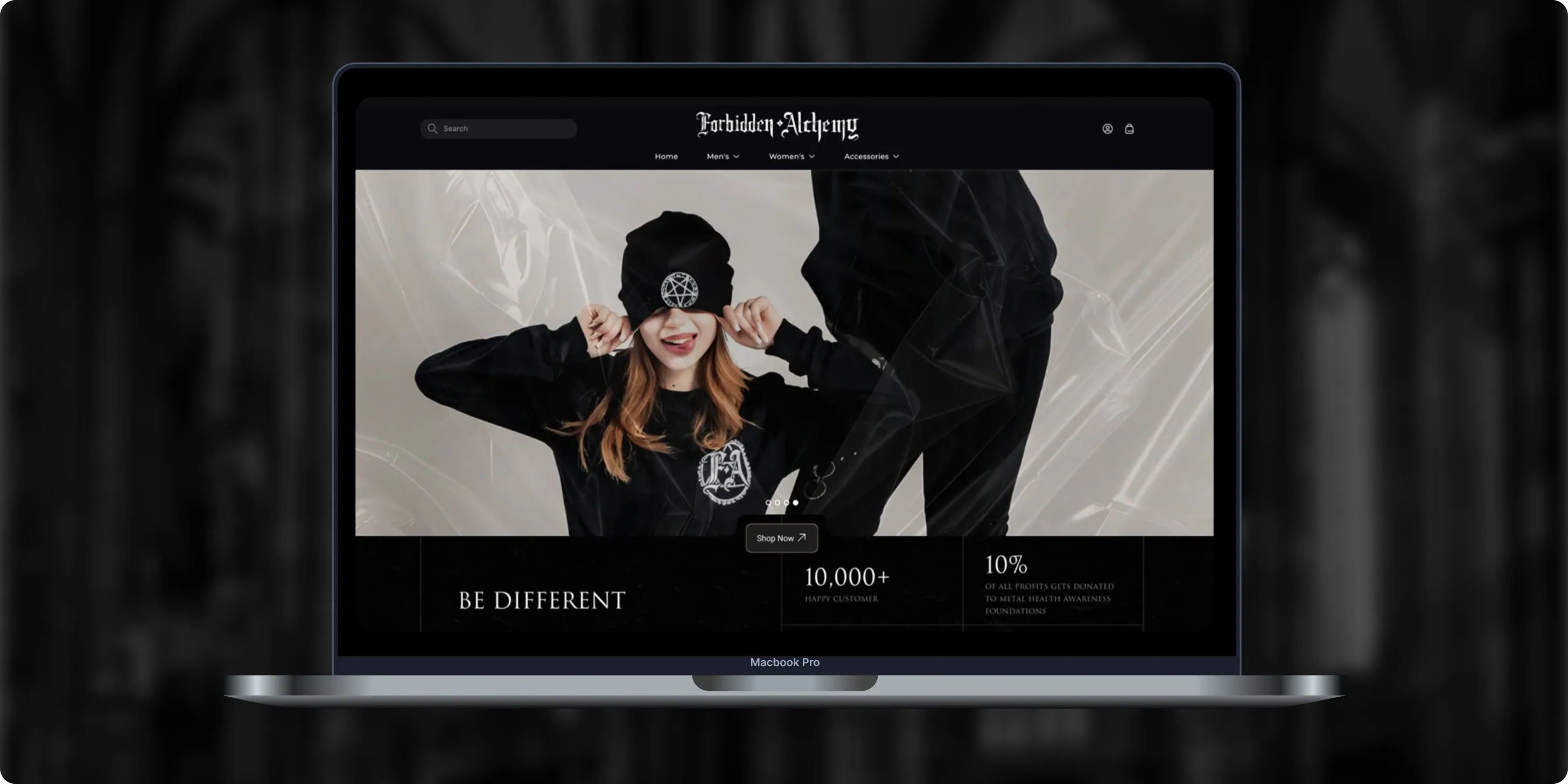
Forbidden Alchemy is an alternative fashion brand creating dark, provocative clothing for the metalhead community, with 10% of profits donated to mental health awareness. Its mostly mobile audience struggled with a store that was hard to navigate and weak on functionality.- +44%Revenue Month Over Month
- 86%Design Satisfaction
- 2.8XUser Retention Growth
Altera
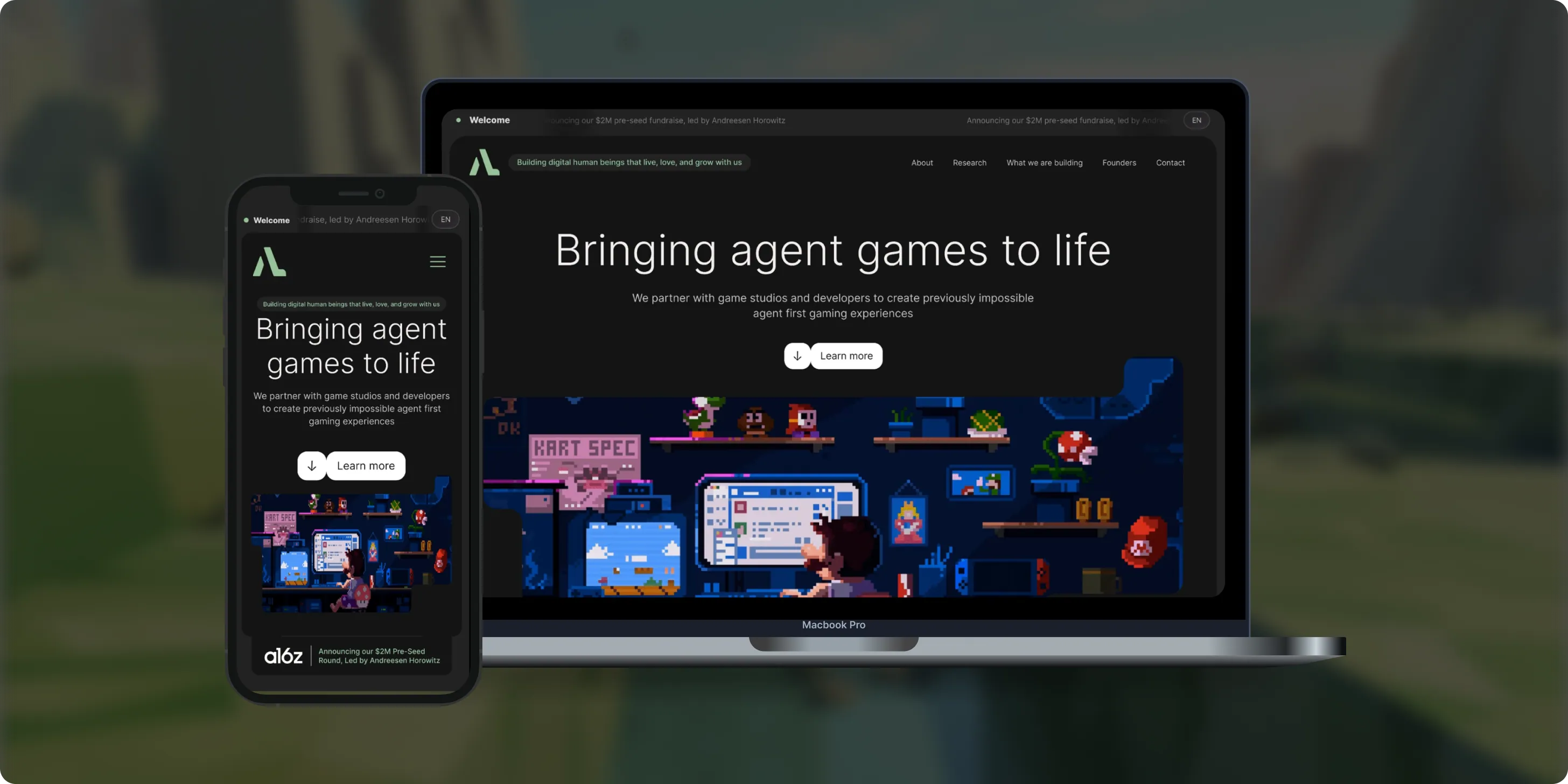
Altera builds on decades of computational neuroscience research to create digital human beings for gaming. Backed by a $2M pre-seed round led by Andreessen Horowitz, the team needed a landing page that could explain complex agent technology to players, partners, and investors.- 98%Dynamic Customization
- 100%Streamlined Navigation
- $2MPre-Seed Round
- Real Estate
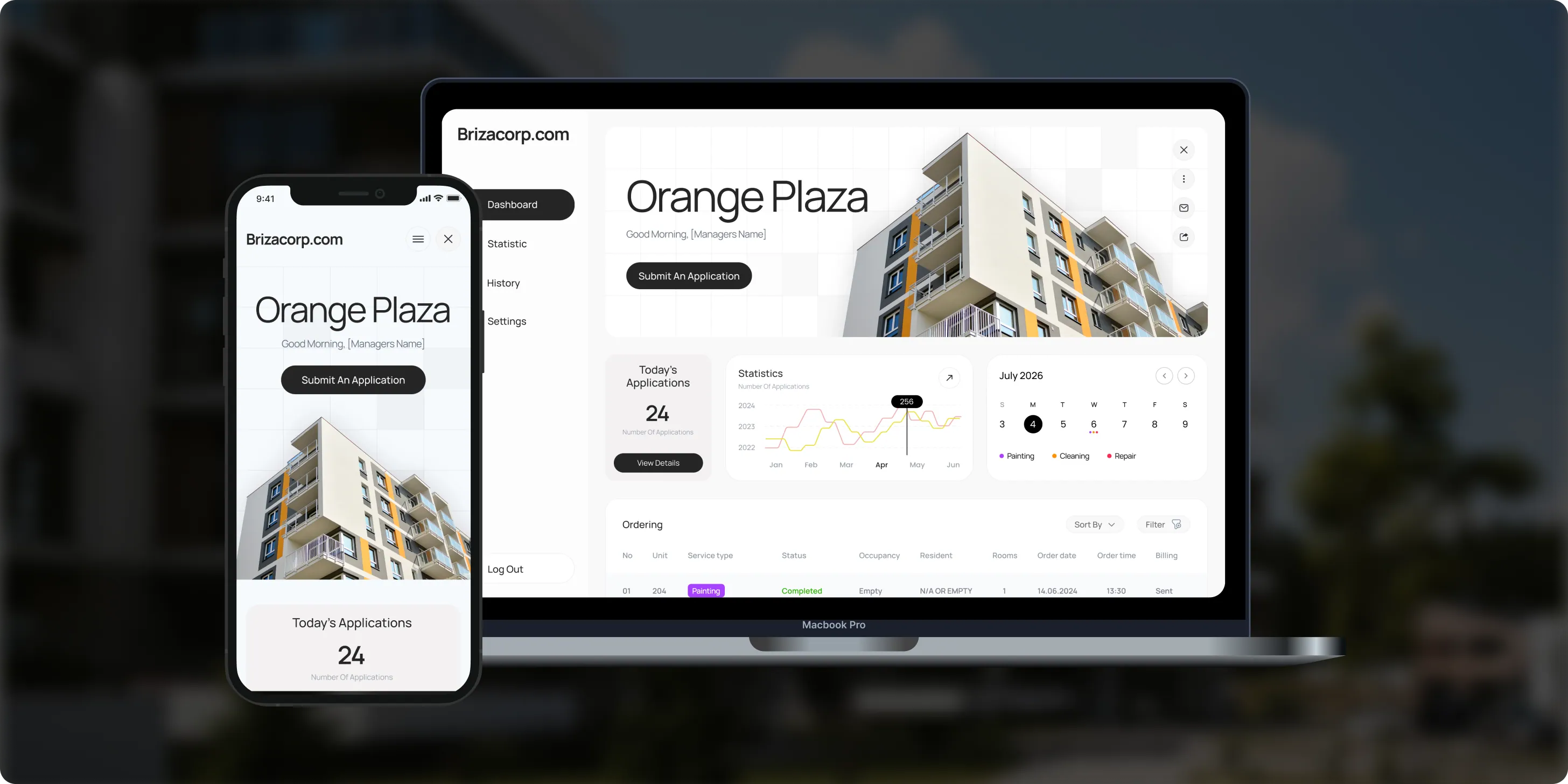
Brizacorp
Brizacorp manages residential properties and coordinates the staff who handle painting, cleaning, and repair requests. Its team tracked work across messengers, phone calls, e-mail, and paper planners, with no single place to manage requests or measure performance.- 98%Application Stability
- 95%Utilization Rate
- 30%Faster Task Completion
Color & Harmony
Color & Harmony is a Kentucky-based color consulting studio led by certified color strategist Diana Cartaya. The studio needed a website that reflects its refined aesthetic, showcases its portfolio, and explains a science-based color process in simple language.- 45%Conversion Rate Increase
- 50%Higher User Engagement
- 2Months to Launch

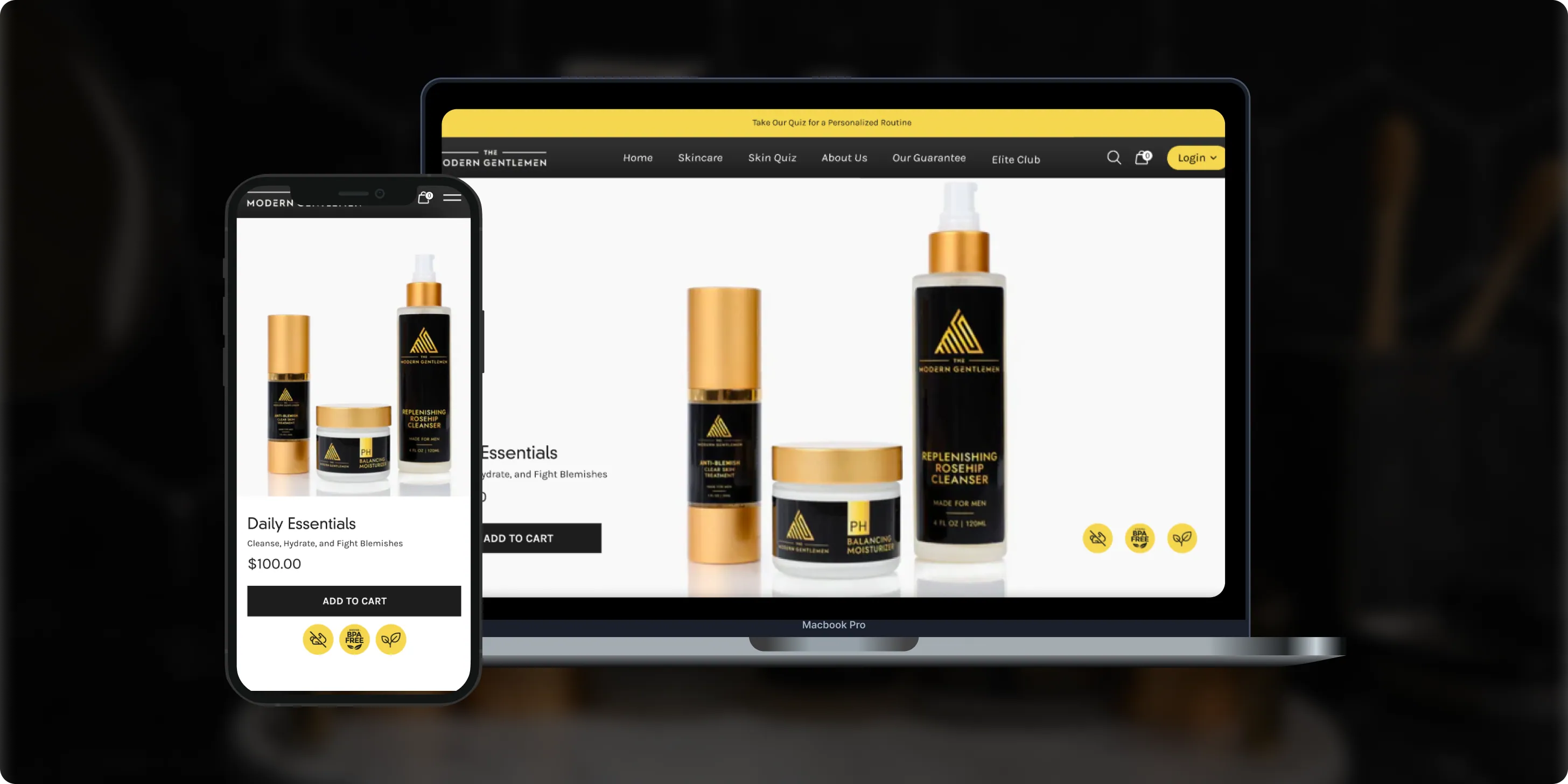
The Modern Gentlemen
The Modern Gentlemen sells premium men's skincare featured in Men's Health, GQ, and Men's Journal. Its customers wanted an efficient routine, but generic product suggestions and limited skincare knowledge made choosing the right products hard.- 30%Increase in Conversions
- 25%Higher Customer Retention
- 92%Mobile Purchases
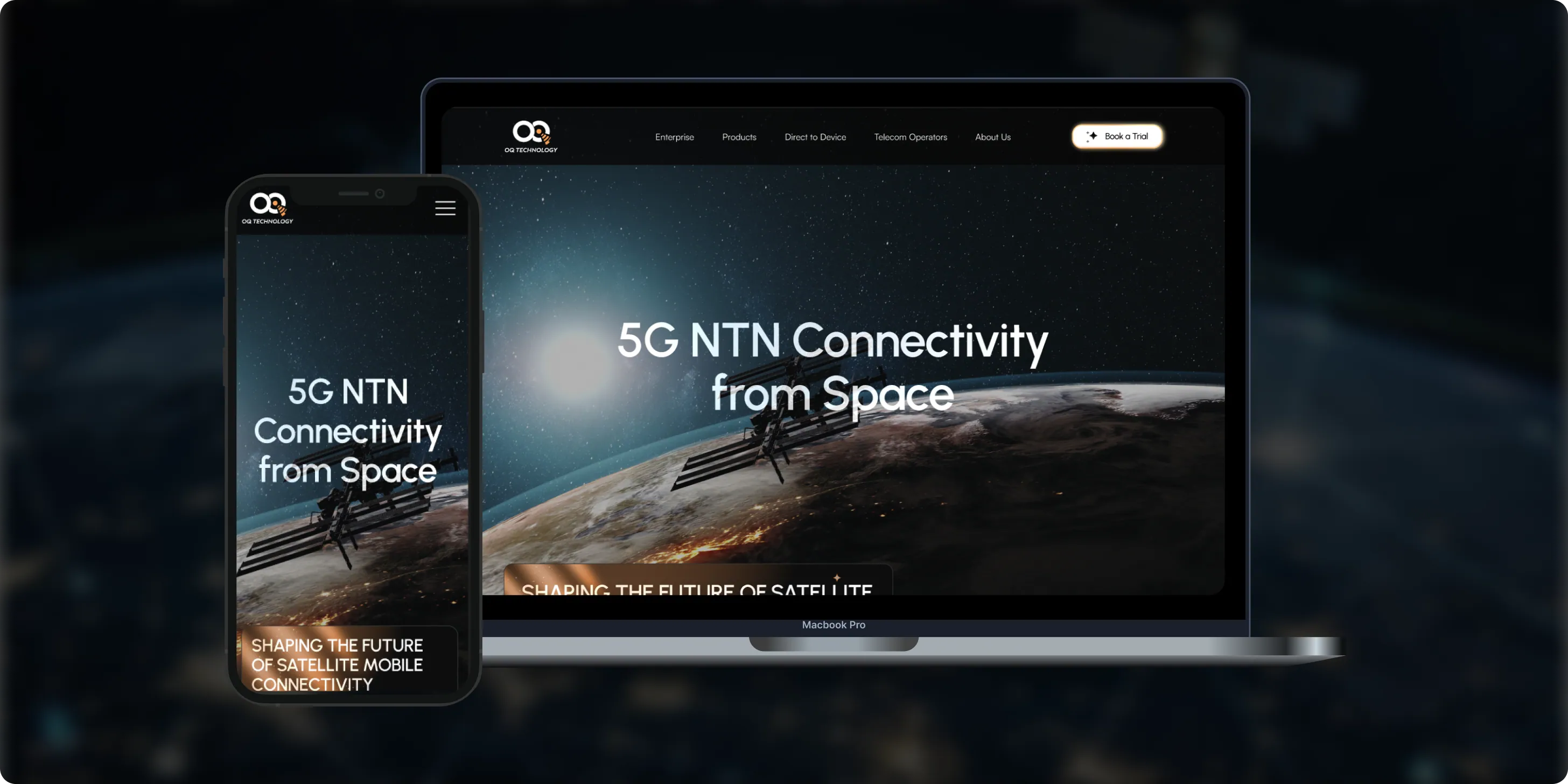
OQ Technology
OQ Technology connects IoT devices, machines, and people anywhere on the planet through its satellite network, serving energy, maritime, logistics, agriculture, and mobile operators. Its website made it hard to explore products and reach pricing plans.- 4Pricing Plans Clarified
- 3Dedicated User Flows
- 1Unified Platform
- Real Estate
- Finance
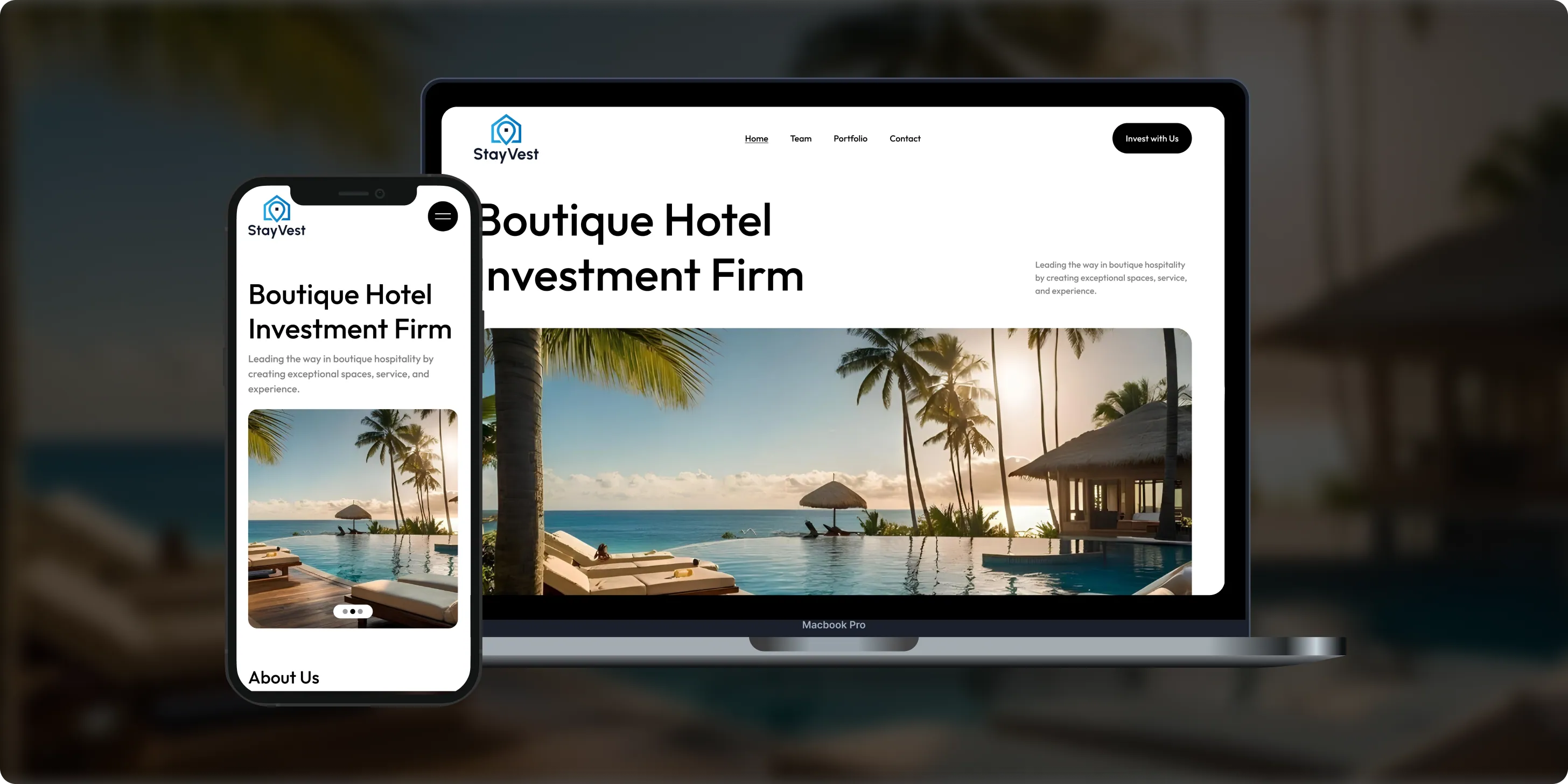
Stay Vest
Stay Vest is a private real estate investment firm that acquires, renovates, and operates boutique hotels for cash flow, tax benefits, and equity gain. It needed a platform that explains its strategy and earns the trust of passive investors.- 1,500+Guest Stays
- 200+Rooms Managed
- 5States Covered
Bokeyno Motorsports
Bokeyno Motorsports is the leading mobile installer of vertical doors for high-performance cars. This Shopify website isn’t just about services—it’s a bold statement of power, style, and expertise. With a sharp layout, strong visuals, and real-world case studies, the site delivers all the information car enthusiasts need to book confidently and instantly.- 54%Booking Requests
- 43%Lead Conversion
- 32%Qualified Inquiries

ai document processing platform
A comprehensive talent solution designed to help companies attract, hire, and retain top talent more effectively. The platform combines AI-powered recruitment technology with employee financial wellbeing programs, enabling smarter hiring decisions while supporting employees’ financial stability and long-term engagement.- 62%Faster Processing Time
- 78%Less Manual Work
- 35%Improved Accuracy

WHAT CLIENTS SAY
Independently verified reviews from real clients on Clutch.co


Client Story
Real feedback from
FMY Orthodontics

“Their perseverance and solution-oriented mindset. SoftDoes consistently found ways to make things work, added features we had not originally envisioned, and never became frustrated. It felt like working with a true partner who cared about the success of our practice.”
Dan Merwin
DDS, MS -- President, FMY Orthodontics

Client Story
Real feedback from
Prior Authorization AI
“Every time I sent a request, if there was anything that didn't work, they were able to turn it around quickly. Even when there were no updates yet, they always reached out to let me know they were working on it.”
Joseph Oluwo
Founder of Prior Authorization AI


Client Story
Real feedback from
WOVEN
“What stood out most was their commitment to understanding our needs before presenting solutions.”
Danna Pastran
Administrative Operations Manager, WOVEN

Client Story
Real feedback from
Grand Central Language Services
“The site performs as intended and provides the foundation for our company's digital presence.”
Joe Goldstein
QA Manager, Grand Central Language Services


Client Story
Real feedback from
DineMate
“They go above and beyond.”
Eric Snead
CEO, DineMate "Dating Connecting Platform"
Why they Choose SoftDoes
- 01SENIOR ENGINEERS, NOT LAYERS
SoftDoes puts senior engineers and architects with real-time, high-reliability system experience directly in front of the client's systems engineering and security teams. These engineers read and interpret system requirements documents, interface control documents, STANAGs, and security control baselines, then translate them into practical C2 architectures. C4ISR software development is interdisciplinary, involving specialists in software, networking, and cybersecurity; our team covers that range without intermediary project layers that dilute technical accuracy. Direct communication between program leads and engineers reduces miscommunication and accelerates design decisions on topics like data fusion, geospatial services, messaging middleware, offline synchronization, and telemetry needed for accreditation evidence.
- 02PREDICTABLE DELIVERY
Releases align with program milestones, trials, and accreditation events through phased delivery, written specifications tied to operational scenarios in modern military operations (command post exercise, joint maritime drill), and regular demos in representative test or staging environments. Acceptance criteria trace back to specific requirements so there is no ambiguity about what "done" means for each increment. SoftDoes coordinates with client system-of-systems engineers, cyber teams, test and evaluation organizations, and other subcontractors to manage dependencies that would otherwise cause schedule slips. Predictability matters because C2 software must be ready for named exercises, capability drops, or fielding dates; missing a multinational exercise window can delay validation by six to twelve months and directly affect military effectiveness.
- 03BUILT TO LAST PAST LAUNCH
Maintaining high reliability in C4ISR systems is crucial due to high-stakes operational environments, including electronic warfare. SoftDoes uses modular open systems architecture, containerized services, and clear domain boundaries (picture, tasking, reporting, integration) so the system can absorb new partners, data sources, and mission types without a full rebuild. Logging, monitoring, failover, store-and-forward, and graceful degradation patterns keep the platform running during partial outages. C4ISR systems ensure operational continuity even under heavy cyber assaults by rerouting communication traffic; our resilience design supports that principle at the software layer and helps maintain vital command functions during disruption. Automated tests (unit, integration, interface, performance), code review culture, SBOMs, dependency scanning, and secure pipelines are standard practice on every engagement.
- 04NO BABYSITTING REQUIRED
Handover includes full documentation, runbooks, admin and operator guides, and knowledge transfer sessions with the client's engineers and support staff. Admin tools let client teams manage users, roles, clearances, data labels, map layers, report templates, workflows, and integration endpoints without calling the vendor. Systems are designed for the client and its government customer to sustain and extend on their own timelines and budgets. SoftDoes offers ongoing partnership and enhancements as an option, not a dependency that keeps the system hostage.
How we work with your quality team
This is how SoftDoes partners with you from first conversation through long term support.




Experience Across Defense Contractors, Defense Tech, Border Security, and Civil Protection
We build command and control and C4ISR software where a shared picture, secure data handling, and resilience on degraded networks are mandatory.
Edge AI Software
ISR Software
Miltech Logistics
Mission Planning
CyberSecurity
Complex systems, integrations, and internal platforms built to evolve. We step in when off-the-shelf tools stop being enough.
Training Simulation
From first version to real traction without painting yourself into a corner. Built for speed now and hard decisions later.
Mission Critical
Systems designed around controls, traceability, and change management. Built so audits don’t become fire drills.
Defense Software
Infrastructure software built for long timelines and high stakes. Reliable systems for assets that can’t afford guesswork.


Frequently Asked Questions
Everything you need to know about working with SoftDoes. Can’t find an answer?
How long does command and control software development take, and what drives the cost?
A focused module (a common operating picture for one command center, or an interface adapter) typically takes four to eight months to reach initial operational capability. A full C2 system with tasking, reporting, offline sync, and coalition interfaces usually requires twelve to twenty-four months for a first operational increment, with programs evolving through additional increments over subsequent years. Main cost drivers are the number and complexity of integrations, classification and accreditation requirements, deployment targets (headquarters, tactical edge, cloud, hybrid), test environment availability, and required documentation depth. Access to representative networks, test ranges, and approval cycles frequently impacts schedule as much as engineering effort. Modern warfare relies on software to enable multi-service and coalition coordination, so scope often grows as new partners or domains are added.
How do you work with prime contractors and government programs?
SoftDoes typically operates as a subcontractor or specialist engineering workshare within a prime contractor's C2 or C4ISR program, or directly with agencies where procurement rules permit. We follow the client's processes for requirements management, configuration control, quality assurance, and security, including contract flow-down clauses. Participation in joint architecture boards, technical interchange meetings, and test events alongside other vendors is standard. Eligibility for specific programs depends on contract structure, nationality, and security requirements, all confirmed before any engagement begins.
Can new C2 software integrate with our legacy and allied systems?
Integration is a core focus. SoftDoes applies a modular open systems approach with adapters for standard defense and coalition data formats, GIS standards, and the client's proprietary interfaces. Phased integration runs new and legacy systems side by side, with extensive interface testing and validation against real or recorded operational data. Some military data links and cryptographic components (Link 16 terminals, national crypto hardware) are integrated through certified partners and approved devices rather than built in-house.
How do you handle security, accreditation, and export controls?
Secure-by-design practices start in architecture: threat modeling, zero-trust-aligned access control, hardening to DISA STIGs or national equivalents, continuous vulnerability management, and SBOMs for every build. We align with NIST SP 800-171, CMMC 2.0 objectives, and RMF/ATO or comparable national accreditation processes without overstating certifications or clearances. Handling of classified data follows the client's facility, personnel, and contract security rules. Export-controlled work (ITAR, EAR) is scoped and structured jointly to meet legal obligations.
Who owns the source code and intellectual property?
IP terms are defined in the contract. SoftDoes supports models where the client, and where required the government customer, receives full rights to all C2 and C4ISR deliverables. Third-party and open-source components are documented with license transparency and SBOM delivery. Source code repositories, build pipelines, deployment scripts, configuration templates, and technical data packages are handed over at agreed milestones.
How does AI fit into C4ISR software development responsibly?
AI improves situational awareness in military operations by summarizing reports, ranking alerts, comparing resource allocation options, supporting predictive analytics for logistics, and providing aid for analysts and commanders working through large ISR inputs. AI and machine learning applications in C4ISR can support faster data analysis and threat detection, but must include rigorous evaluation and human oversight mechanisms; operators and commanders always make the operational decisions. Testing, explainability documentation, and monitoring practices align with the DoD AI Ethical Principles (reaffirmed in the 2024 Responsible AI Strategy & Implementation Pathway), NATO Principles of Responsible Use of AI, and applicable national guidance, including attention to bias mitigation. AI features are enabled only where the client's policy, legal frameworks, and accreditation paths allow, and can be toggled by configuration.
What kind of support do we get after delivery?
Options range from short-term support during integration events and fielding, through longer-term sustainment agreements covering monitoring, security patching, training, and capability enhancements. Incidents, defects, and security advisories are triaged and resolved under agreed service levels, with the client setting priorities. Health indicators such as message throughput, data latency, sync status, and system availability provide ongoing visibility into live C2 system performance.
Can you work with our existing C2 system instead of replacing it?
SoftDoes frequently extends existing C2 systems with new modules, integrations, or UX layers instead of replacing them outright. Common patterns include adding a modern web client over legacy backend services, building a new common operating picture fed by older data sources, or creating gateways to coalition networks. Successful C4ISR systems rely on clear communication and understanding of operational needs across different military branches; extending an existing system preserves institutional knowledge and protects prior investment while moving toward a more open, modular architecture.