
U.S.-Based
ISR & Intelligence Software Development
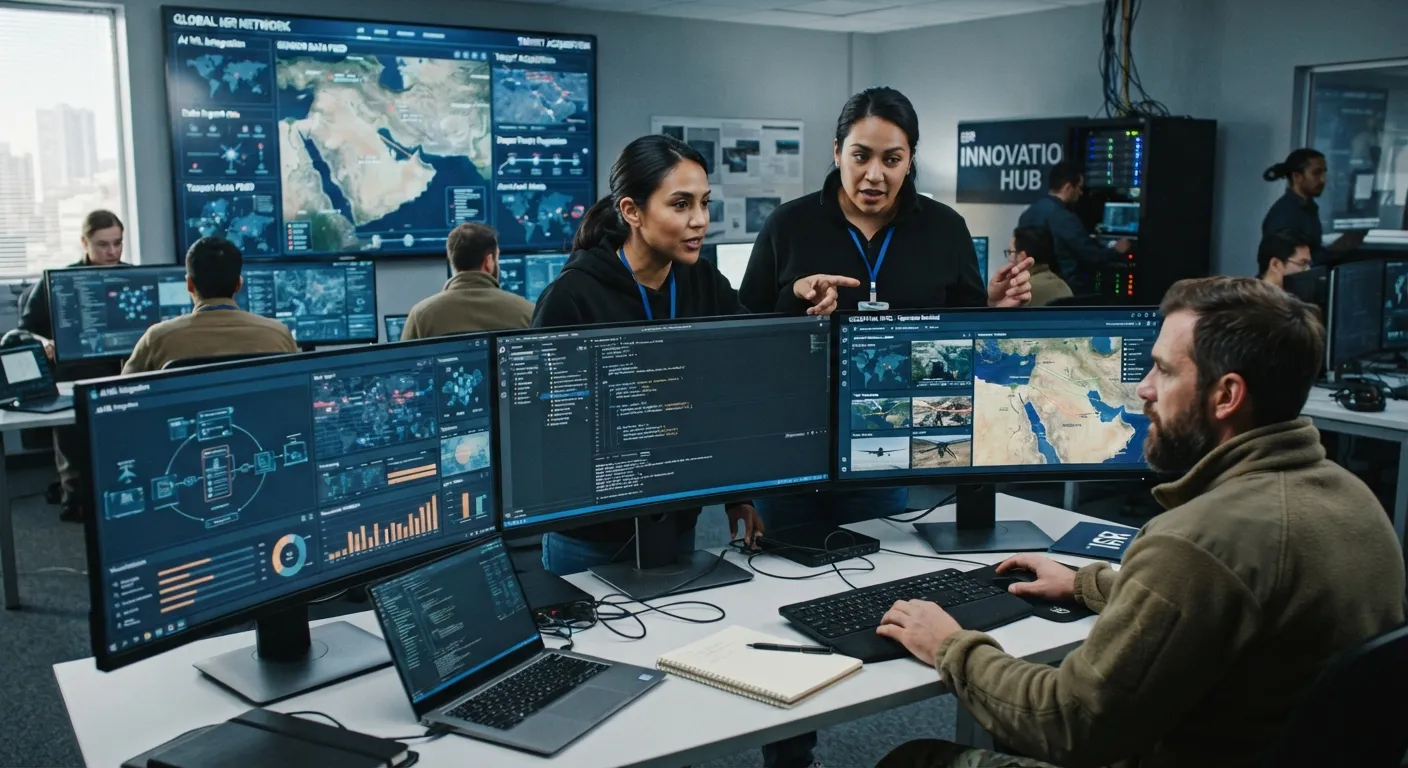
ISR & intelligence software development: secure platforms for sensor data, analysis, and controlled sharing, built by SoftDoes senior engineers.

Let's build together.
Talk with a senior engineer about your product idea, architecture, and what it would take to build it.
90+
Active Client Partnerships
80+ Person
Product & Engineering Team
100%
Your Code & IP Ownership
U.S.-Led
Delivery & Accountability
We understand the challenges you're facing
Our data is sensitive and heavily regulated. How do we give analysts powerful tools without breaking need-to-know or privacy rules?
ISR software development faces unique operational and security challenges, and protecting sensitive information is among the most critical. SoftDoes builds attribute-based access control (ABAC) and fine-grained security labels on each record directly into the platform, with strict logical or physical separation between classification levels. Every search, view, export, and sharing action is audit-logged; configurable data retention and deletion rules enforce data minimization; and privacy features such as masking, purpose tagging, and authority tagging protect personally identifiable information and sensitive sources. The platform aligns with frameworks including the US DoD Risk Management Framework and ATO processes, NIST SP 800-53 and SP 800-171, CMMC 2.0, Intelligence Community Directive 503 for IC systems accreditation, NATO security policy, GDPR and national data protection laws for civil agencies, and export controls such as ITAR and EAR where applicable. SoftDoes works within the client's existing security architecture and legal framework and does not claim clearances, certifications, or registrations it does not hold - the software is designed to enforce and evidence the rules the organization's legal and oversight teams define.
Can a new intelligence analysis platform work with our current sensors, ground stations, and partner exchanges without forcing a rip-and-replace?
Interoperability is crucial for ISR systems to integrate with existing platforms, and SoftDoes designs every solution API-first with connectors for standard ISR, SIGINT, and GEOINT formats. Integration with existing ground stations, archives, and C2 systems uses REST/GraphQL APIs, message buses, and approved gateways for partner data exchange, while phased migration patterns allow the new platform to run alongside existing tools - onboarding data feeds incrementally and staging the indexing of historical imagery, FMV, and document archives. SoftDoes has experience integrating with common defense and geospatial ecosystems: Esri ArcGIS, open-source GIS such as QGIS and GeoServer, TAK ecosystem tools, imagery and video exploitation systems, Elasticsearch/OpenSearch, graph databases, and commercial satellite imagery providers. Validation steps - sampling, checksum comparisons, and analyst spot checks - confirm that migrated data is searchable and trustworthy before cutover, so operations are never disrupted by a forced replacement of working tools.
Why are analysts still spending more time collecting, reformatting, and copy-pasting than actually analyzing?
Human-machine interface design should prioritize operator workload and situational awareness, and SoftDoes starts every intelligence analysis software development engagement with user research - interviewing analysts, collection managers, reporting officers, and decision makers (with client approval) to map real ISR and intelligence workflows. From that research, we design role-specific interfaces: analyst workbenches combining synchronized map, timeline, and link analysis views; imagery and video review tools with annotation and clip export; collection management dashboards for tasking requests; and structured reporting templates aligned with doctrine. UX details matter - fast cross-source search, saved queries and alerts, collaboration with visible security markings, keyboard shortcuts for heavy users, and multi-language interfaces for coalition environments all contribute to operational efficiency. When intelligence analysis software development is focused on how people actually work, the shift from data wrangling to higher-value assessment and briefing is immediate and measurable.
Data volumes keep exploding and new sensors arrive every year. Are we going to rebuild this platform every few years?
Software must manage high-speed data acquisition and multi-source sensor fusion, and data volumes will only grow as emerging technologies add hyperspectral, RF, and new commercial sensors. SoftDoes engineers scalable, modular architectures - a modular architecture can improve maintainability and software evolution in ISR systems - deployable on-premises, in approved classified clouds, or in hybrid configurations with edge nodes. Edge computing is necessary for ISR applications, especially in constrained environments, so we design edge-deployed processing to analyze data locally before streaming results to central repositories. Configuration-over-code for onboarding new data types, schemas, and workflows, plus versioned APIs and plug-in analytics modules, means teams can add new sources, AI models, and partner connections without rebuilding the core. DevSecOps practices - infrastructure as code, CI/CD, automated security scanning, and performance testing at realistic ISR data volumes - keep the platform current, and full documentation with knowledge transfer prevents vendor lock-in so internal teams can extend the system for years to come.
You deliver the insight. We engineer the platform behind it.

Custom intelligence data and analysis platforms
We build platforms that unify ingestion, indexing, analysis, and reporting around the client's ISR and intelligence workflows instead of forcing many disjoint tools onto a single problem. Core modules include data ingestion and cataloging, cross-source search, entity and event management, map and timeline views, link analysis, imagery and video review with annotation, collection requirements tracking, reporting and dissemination with oversight controls, and audit tools that enhance situational awareness across the organization.
One search across imagery, FMV, sensor reports, documents, and OSINT with security-aware filtering so analysts can discover relevant data from multiple sources in seconds.
Analyst workbenches that combine map, timeline, and network views in a single configurable UI, giving each role the tools to support mission planning and intelligence production.
Structured reporting templates that automatically feed C2 systems and partner formats while preserving provenance, supporting the full intelligence cycle from collection to dissemination.

Data fusion, geospatial services, and secure sharing
SoftDoes builds the data backbone for ISR software: ingestion pipelines, metadata models, entity resolution services, and geospatial layers that connect locations, tracks, and observations into a coherent picture. We use scalable object storage, search engines (Elasticsearch/OpenSearch), graph databases, map services, and cross-domain solutions supplied by the client for moving data between security domains - never ad-hoc workarounds.
End-to-end provenance tracking so every map layer, report view, or analytical conclusion links back to the original sensor data, versions, and transformations applied.
Fine-grained release controls to share selected ISR data with coalition or interagency partners under defined rules, supporting informed decision making across organizations.
Efficient archive and retrieval workflows for long-term imagery and video collections spanning many years, ensuring historical intelligence remains accessible and searchable.

AI-assisted analysis
Defense software development focuses on machine learning and AI-driven data fusion, and our AI capabilities support - but never replace - analysts. Machine learning can enhance ISR applications through object detection and information triage: triaging large imagery and video volumes, extracting entities and events from multilingual text, detecting changes in satellite imagery over time, and auto-drafting report summaries. The ISR Analytics AI market was valued at USD 5.2 billion in 2024 and is projected to reach USD 16.1 billion by 2033, growing at a CAGR of 13.6%, reflecting the rapid adoption of AI-driven analytics that improve data processing speed and accuracy. All AI features are designed under responsible AI and legal oversight principles, with explainable outputs, explicit confidence scores, links to underlying data, and human analysts making the final judgments.
Natural language summaries and translations of foreign-language reports, social media platforms content, and documents tied back to sources - helping analysts who work with open source intelligence in multilingual environments.
Highlighting of potential changes, anomalies, and patterns in imagery and time-series data for analyst review, supporting predictive analysis and threat detection across evolving threats.
Smart suggestions for related entities, historical reports, and relevant sources to speed up complex assessments and help analysts detect suspicious activities or emerging threats.
Numbers Don’t Lie
Recent projects showcasing how we design, engineer, and deliver production-ready software solutions.

- Startup
- Real Estate
Our Haus AI
A finance professional turned founder built Our Haus AI, an AI-powered collaborative workspace where homeowners and contractors scope, bid, contract, and document renovation projects together. SoftDoes took her prototype and made it production-ready.- 10XMVP scope delivered
- 2+years Ongoing partnership
- 1Fully owned Platform

- Finance
- Energy
Deepwater Insights
Deepwater Insights delivers proprietary alternative data and niche research on the offshore drilling and energy sector to institutional investors, family offices, and high-net-worth individuals who require coverage that larger firms don't provide.- 100%Brand Continuity
- 2Platform Distribution
- 100%Paywall-Ready Content

- Real Estate
The building buyer
The Building Buyer is a Florida-based real estate investment firm co-founded by Dylan Troiano and Charles Hanlin. They acquire single-family, multifamily, and commercial properties across South Florida and beyond, with a focus on motivated seller opportunities.- 18Weekly hours saved
- 2+Years Ongoing partnership
- 1Fully owned Platform

- Education
- Non-Profit
WOVEN & NICE
Woven is a Spring Valley, NY nonprofit running the NICE program (New Training Inclusive Community Environment) in four Rockland County schools. Their team supports students through restorative practices, mediation, and professional development for teachers and administrators.- 4Schools Served
- 4Weeks to Launch
- 1STTime on Upwork

- Healthcare
CareInTouch
CareInTouch is a Bay Area home health agency providing skilled nursing and therapy services to patients referred from hospitals and clinics. With over 100 staff, they operate in one of the most complex and compliance-driven healthcare markets in the country.- 40% Reduction In Billing Errors
- 100+Staff Operations Managed
- 0Missed Compliance Deadlines

- Startup
Sparkle The Cleaning Service
Sparkle The Cleaning Service is a Detroit-area residential cleaning company with 10 years in business, connecting homeowners with vetted, insured independent cleaners through a subscription-based marketplace platform.- 75% Platform Transparency
- 2XPlatform Growth
- 40%Higher User Retention

- Startup
DineMate
DineMate is a Maryland-based dating and connecting platform built around verified profiles, restaurant reservations, and prepaid dining experiences. Founded to bring back authenticity to how people meet and connect.- 60% Time Saved
- 99%System Reliability
- 40%Higher User Retention

- Healthcare
Prior Authorization AI
Prior Authorization AI is a healthcare automation startup building AI-powered tools to streamline prior authorization for Medicare and Medicaid medical transportation providers in New Jersey.- 16Weekly hours saved
- 63%Admin time reduced
- 43%Fewer submission errors

- Education
Grand Central Language Services
Grand Central Language Services provides translation and interpretation for organizations operating in complex, multilingual environments. As demand grew, internal workflows became harder to manage. SoftDoes built a custom platform to streamline coordination, improve visibility, and support scalable operations.- 72%Workflow Reduction
- 48%Coordination Reduction
- 83%Visibility Increase

- Healthcare
FMY Orthodontics
FMY Orthodontics, a multi-location practice in West Tennessee, partnered with SoftDoes to replace a spreadsheet-based financial workflow with a custom web platform. The goal was to simplify how staff present treatment financing while allowing patients and families to review and complete decisions remotely.- 60%Workflow Reduction
- 75%Remote Adoption
- 5Locations Aligned

Forbidden Alchemy
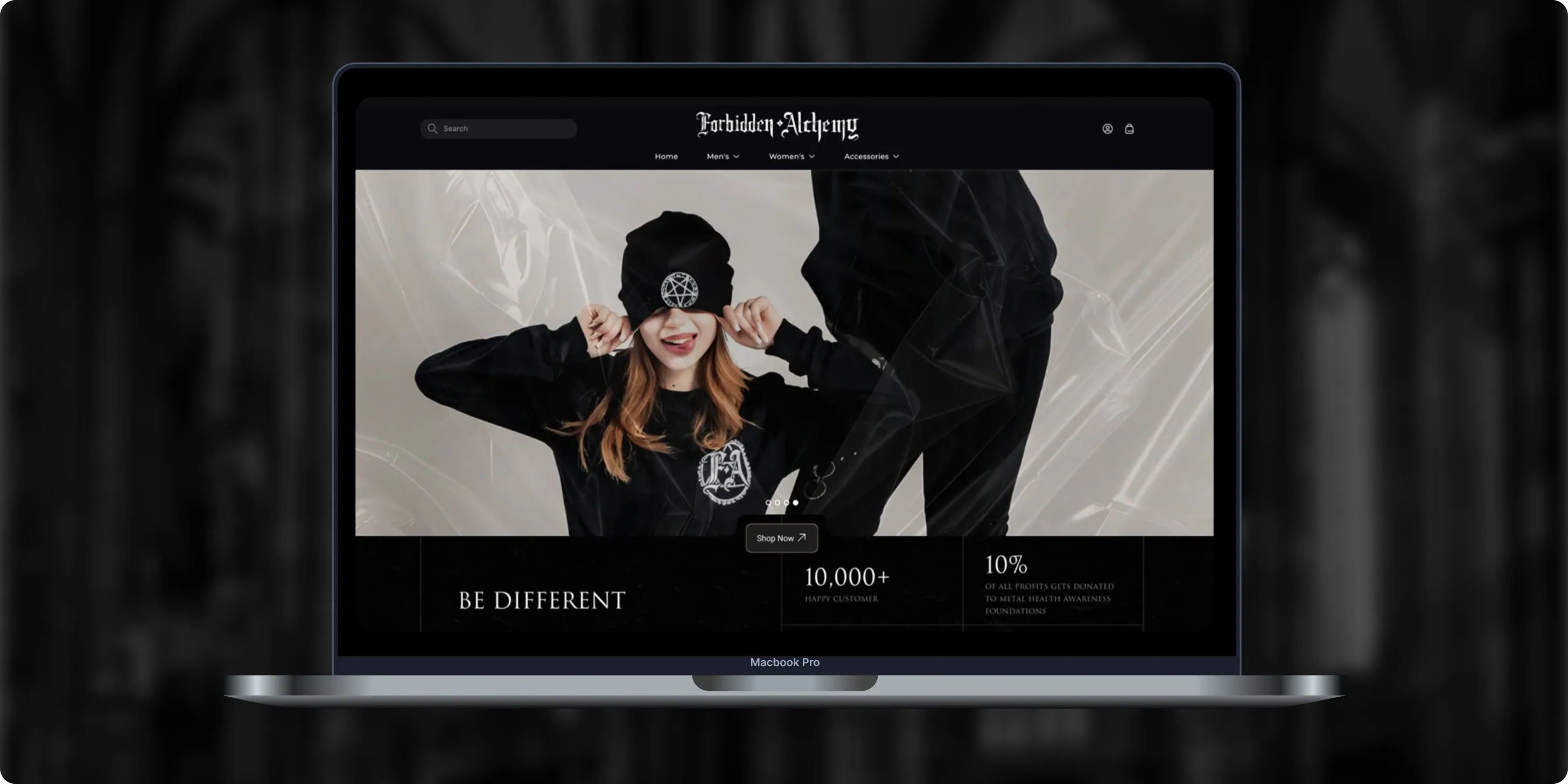
Forbidden Alchemy is an alternative fashion brand creating dark, provocative clothing for the metalhead community, with 10% of profits donated to mental health awareness. Its mostly mobile audience struggled with a store that was hard to navigate and weak on functionality.- +44%Revenue Month Over Month
- 86%Design Satisfaction
- 2.8XUser Retention Growth
Altera
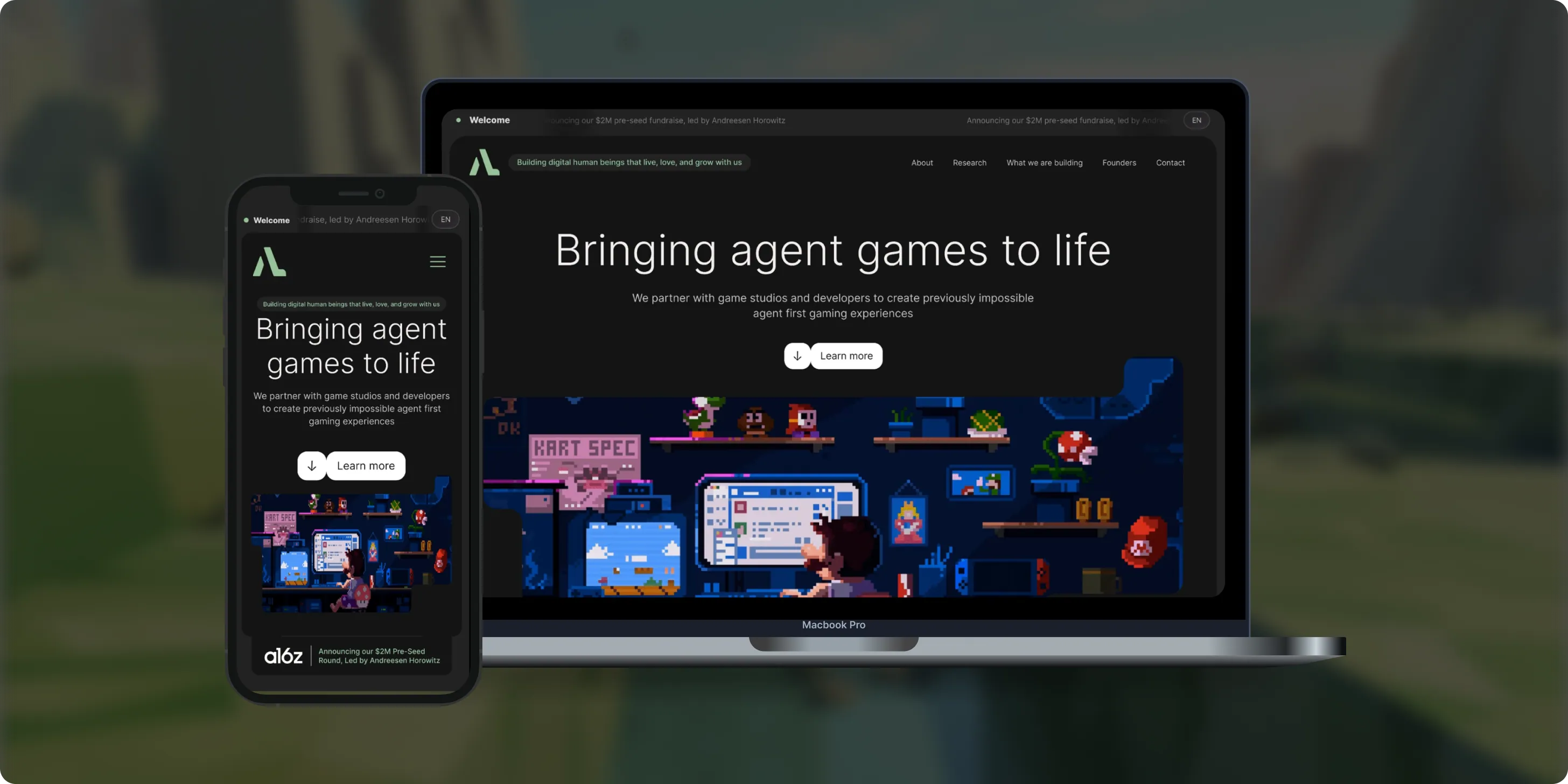
Altera builds on decades of computational neuroscience research to create digital human beings for gaming. Backed by a $2M pre-seed round led by Andreessen Horowitz, the team needed a landing page that could explain complex agent technology to players, partners, and investors.- 98%Dynamic Customization
- 100%Streamlined Navigation
- $2MPre-Seed Round
- Real Estate
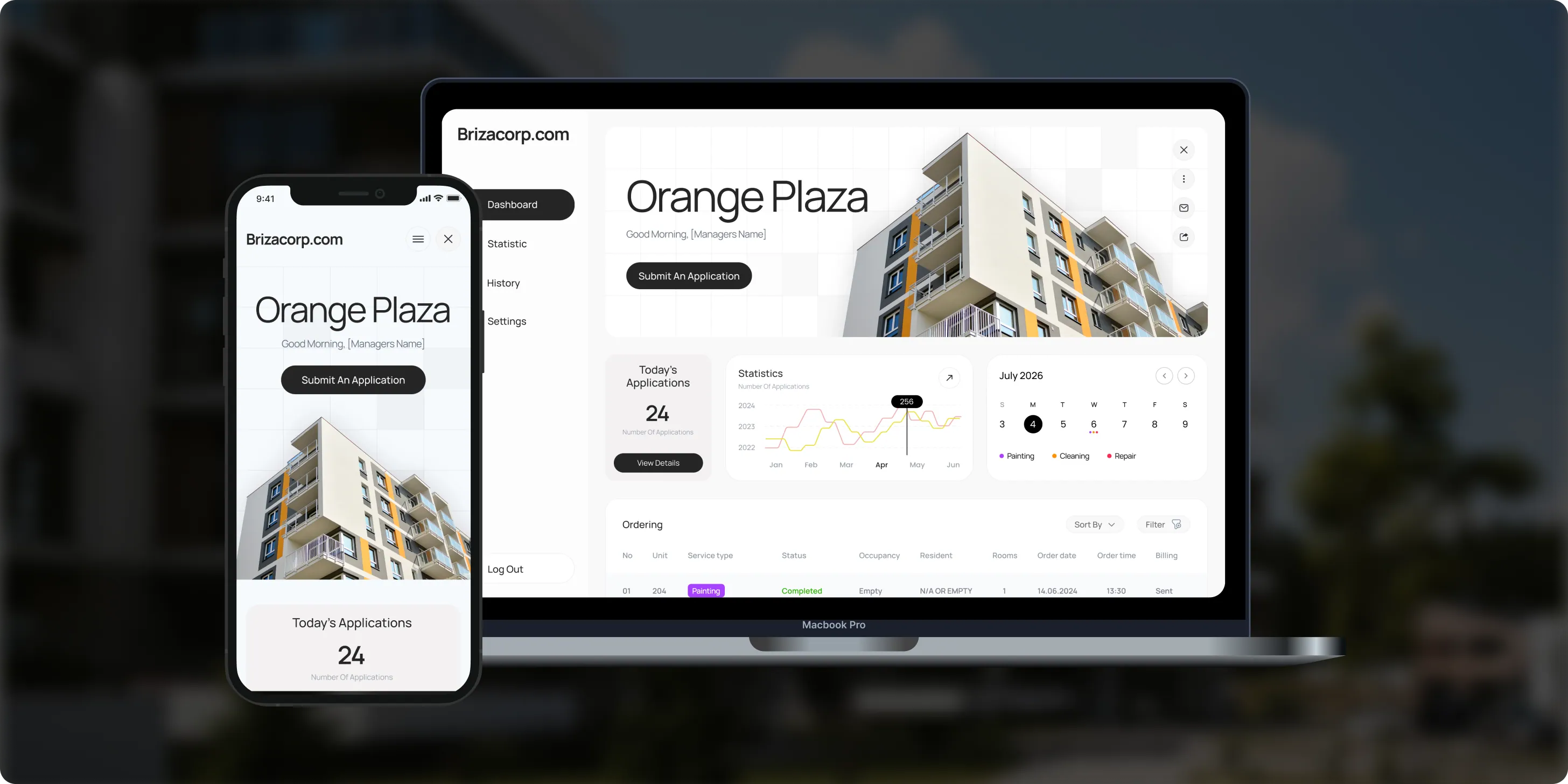
Brizacorp
Brizacorp manages residential properties and coordinates the staff who handle painting, cleaning, and repair requests. Its team tracked work across messengers, phone calls, e-mail, and paper planners, with no single place to manage requests or measure performance.- 98%Application Stability
- 95%Utilization Rate
- 30%Faster Task Completion
Color & Harmony
Color & Harmony is a Kentucky-based color consulting studio led by certified color strategist Diana Cartaya. The studio needed a website that reflects its refined aesthetic, showcases its portfolio, and explains a science-based color process in simple language.- 45%Conversion Rate Increase
- 50%Higher User Engagement
- 2Months to Launch

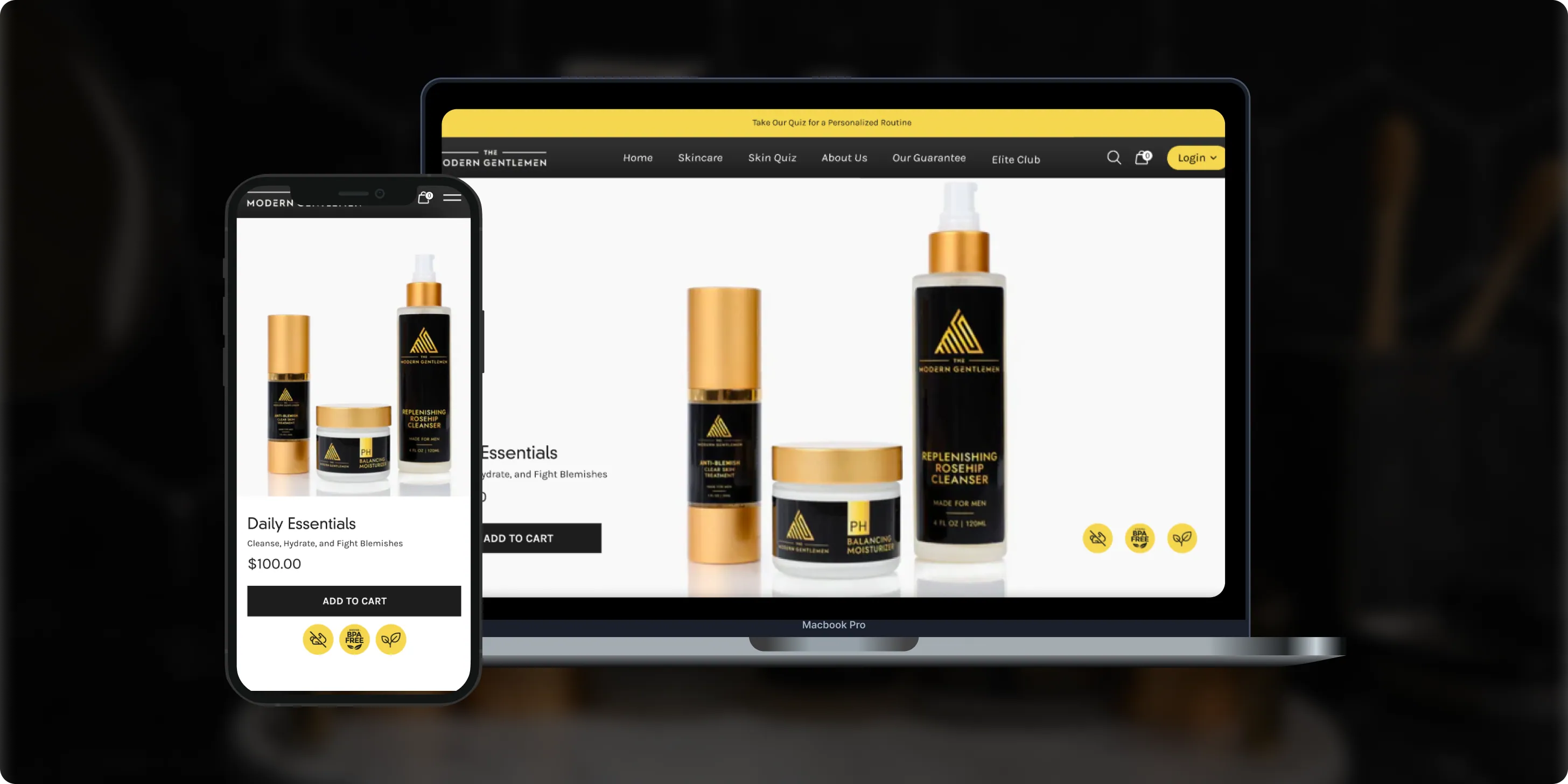
The Modern Gentlemen
The Modern Gentlemen sells premium men's skincare featured in Men's Health, GQ, and Men's Journal. Its customers wanted an efficient routine, but generic product suggestions and limited skincare knowledge made choosing the right products hard.- 30%Increase in Conversions
- 25%Higher Customer Retention
- 92%Mobile Purchases
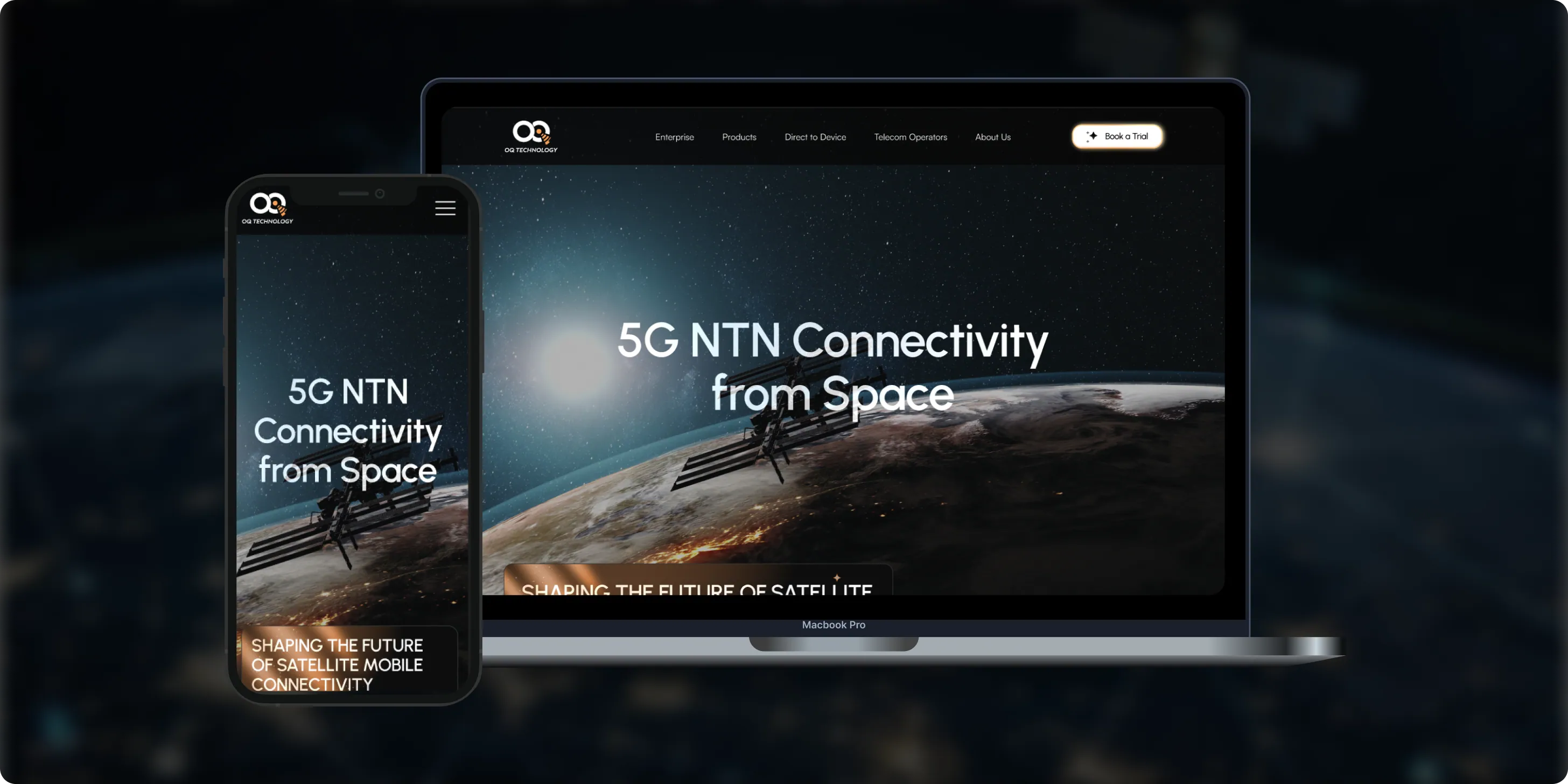
OQ Technology
OQ Technology connects IoT devices, machines, and people anywhere on the planet through its satellite network, serving energy, maritime, logistics, agriculture, and mobile operators. Its website made it hard to explore products and reach pricing plans.- 4Pricing Plans Clarified
- 3Dedicated User Flows
- 1Unified Platform
- Real Estate
- Finance
Stay Vest
Stay Vest is a private real estate investment firm that acquires, renovates, and operates boutique hotels for cash flow, tax benefits, and equity gain. It needed a platform that explains its strategy and earns the trust of passive investors.- 1,500+Guest Stays
- 200+Rooms Managed
- 5States Covered

Bokeyno Motorsports
Bokeyno Motorsports is the leading mobile installer of vertical doors for high-performance cars. This Shopify website isn’t just about services—it’s a bold statement of power, style, and expertise. With a sharp layout, strong visuals, and real-world case studies, the site delivers all the information car enthusiasts need to book confidently and instantly.- 54%Booking Requests
- 43%Lead Conversion
- 32%Qualified Inquiries

ai document processing platform
A comprehensive talent solution designed to help companies attract, hire, and retain top talent more effectively. The platform combines AI-powered recruitment technology with employee financial wellbeing programs, enabling smarter hiring decisions while supporting employees’ financial stability and long-term engagement.- 62%Faster Processing Time
- 78%Less Manual Work
- 35%Improved Accuracy

WHAT CLIENTS SAY
Independently verified reviews from real clients on Clutch.co


Client Story
Real feedback from
FMY Orthodontics

“Their perseverance and solution-oriented mindset. SoftDoes consistently found ways to make things work, added features we had not originally envisioned, and never became frustrated. It felt like working with a true partner who cared about the success of our practice.”
Dan Merwin
DDS, MS -- President, FMY Orthodontics

Client Story
Real feedback from
Prior Authorization AI
“Every time I sent a request, if there was anything that didn't work, they were able to turn it around quickly. Even when there were no updates yet, they always reached out to let me know they were working on it.”
Joseph Oluwo
Founder of Prior Authorization AI


Client Story
Real feedback from
WOVEN
“What stood out most was their commitment to understanding our needs before presenting solutions.”
Danna Pastran
Administrative Operations Manager, WOVEN

Client Story
Real feedback from
Grand Central Language Services
“The site performs as intended and provides the foundation for our company's digital presence.”
Joe Goldstein
QA Manager, Grand Central Language Services


Client Story
Real feedback from
DineMate
“They go above and beyond.”
Eric Snead
CEO, DineMate "Dating Connecting Platform"
Why they Choose SoftDoes
- 01SENIOR ENGINEERS, NOT LAYERS
ISR and intelligence software projects at SoftDoes are led by senior engineers and architects who have shipped large-scale data, search, geospatial, and video systems across defense and security environments. They work directly from standards - NITF, MISB, STANAGs, OGC - and from interface control documents and security requirements to design pragmatic, buildable architectures. Communication is direct: client systems engineers, analysis leads, cyber and accreditation teams talk to SoftDoes engineers, reducing misinterpretation of technical and oversight needs. Our team can deep-dive into metadata schemas, indexing strategies, entity resolution patterns, and ABAC models in design workshops - capabilities that matter when software-defined systems dictate operational capabilities and processing parameters. This senior involvement accelerates decisions on trade-offs between performance, security, and usability in ISR environments.
- 02PREDICTABLE DELIVERY
SoftDoes structures ISR platform delivery in increments aligned with program milestones, data availability windows, and security accreditation steps. We produce written specifications, requirements traceability matrices tied to analyst workflows, and acceptance criteria centered on concrete user journeys - for example, "build a report from three data sources in under five steps." Regular demos against representative or sanitized data give stakeholders and oversight teams early visibility into ingestion, search, and access control behaviors. Dependencies with client security teams, data owners, test ranges, and other contractors are mapped and tracked so they do not derail schedules unnoticed. This predictability is critical when analysts depend on the system for operational decisions and mission support every day.
- 03BUILT TO LAST PAST LAUNCH
Design choices like modular open architectures, separation of ingestion, processing, analysis, and dissemination layers, and stable, well-documented APIs ensure platforms remain serviceable long after initial fielding. Scalable storage and indexing technologies, schema versioning, and migration strategies let data and models evolve without breaking analytic tools - modern ISR techniques utilize continuous integration and rapid updates rather than monolithic release cycles. Observability practices - structured logging, metrics dashboards, alerting on ingestion failures or indexing lags, and data quality checks for missing metadata or schema drift - catch issues before analysts notice them. Maintainability practices including peer code reviews, automated testing across ingestion formats and search scenarios, software bills of materials (SBOMs), and hardened DevSecOps pipelines mean robust testing and validation are essential for ISR software development and are never treated as optional. The result is ISR software that handles more sources, more users, and more partners years after initial fielding.
- 04NO BABYSITTING REQUIRED
SoftDoes plans for handover from the start, producing admin and operator documentation, runbooks, and architecture diagrams that internal teams can rely on. Admin interfaces let client staff manage users and roles, update access policies, onboard new data feeds, tune search, configure report templates, and set retention rules without vendor intervention. Training sessions and shadowing of deployment and operations build confidence in client engineers and administrators so daily platform operation does not require constant external assistance. We avoid proprietary lock-ins, choosing open standards and transparent configuration - software needs to handle multi-modal data integration and normalization without tying organizations to a single vendor for every minor change. Ongoing partnerships and support are available as an option, but the design principle is independence.
How we work with your quality team
This is how SoftDoes partners with you from first conversation through long term support.




Experience Across Defense Contractors, Security Agencies, Border Protection, and Earth Observation
SoftDoes builds ISR and intelligence platforms where secure data handling, traceable analysis, and controlled sharing are essential - not optional features added at the end.
Command Control
Edge AI Software
Miltech Logistics
Mission Planning
CyberSecurity
Complex systems, integrations, and internal platforms built to evolve. We step in when off-the-shelf tools stop being enough.
Training Simulation
From first version to real traction without painting yourself into a corner. Built for speed now and hard decisions later.
Mission Critical
Systems designed around controls, traceability, and change management. Built so audits don’t become fire drills.
Defense Software
Infrastructure software built for long timelines and high stakes. Reliable systems for assets that can’t afford guesswork.


Frequently Asked Questions
Everything you need to know about working with SoftDoes. Can’t find an answer?
How long does ISR software development take, and what drives the cost?
A focused tool - such as a video review and annotation application or a data connector - typically takes four to six months for a first usable increment. A full multi-source analysis platform with ingestion, search, analyst workbenches, reporting, and secure sharing usually takes nine to eighteen months for an initial increment, with the platform growing through successive increments. Cost is driven by the number and complexity of data formats, data volume and retention requirements, security and access control rules, integrations with existing systems, and optional AI features. Access to representative data, availability of security and oversight reviewers, and accreditation processes often influence schedule as much as the engineering work itself.
Can the platform work with our existing data formats and systems?
Yes. SoftDoes designs connectors for standard imagery, video, geospatial, and document formats - NITF, MISB, STANAG, OGC - as well as bespoke formats used by the client. Integration with GIS tools, C2 and common operational picture systems, sensor ground stations, and partner exchanges is handled through APIs and approved gateways. Historical archives can be ingested and indexed gradually, prioritizing recent or high-value data first so analysts gain benefits immediately while legacy collections are brought online.
How do you handle classified data and multiple security levels?
The platform supports per-item security labeling, attribute-based access control, and logical or physical separation for different classification levels, with audit logs of every access and action. Movement between security domains uses accredited cross-domain solutions and gateways provided or approved by the client - never custom ad-hoc mechanisms. Deployment, personnel access, and data handling follow the client's facility and contract security rules, with alignment to RMF, NIST SP 800-53, CMMC 2.0, and comparable national frameworks. We do not claim clearances, certifications, or registrations unless actually held.
How do you support legal oversight and privacy rules?
The platform includes purpose and authority tagging for collections, configurable retention and deletion policies, periodic access reviews, and detailed audit logs of queries, views, and exports. The organization's legal and oversight teams define what is allowed; the software is designed to enforce and evidence those rules. For civil, border, and critical infrastructure monitoring use cases, the platform supports GDPR and national data protection regulations, with minimization and masking features to protect personally identifiable information.
Who owns the source code, data, and intellectual property?
Ownership is governed by the contract, and SoftDoes supports models where the client - and their government customer, where applicable - receives full rights to the source code and all deliverables. Third-party and open source components are documented in detail, including SBOMs and license terms, so there are no surprises about dependencies or obligations. Handover includes code repositories, documentation, and CI/CD configurations so clients can build, deploy, and extend the platform independently.
Who owns the models, data, and intellectual property?
Ownership is defined in the contract, and SoftDoes supports arrangements where clients own trained models, datasets, code, and pipelines developed for them. Pre-trained open models, commercial libraries, and their licenses are tracked and documented so clients know exactly what third-party components are included and where any restrictions apply. Comprehensive handover includes code repositories, model weights and configurations, training and evaluation pipelines, data schemas, and documentation sufficient for the client to continue development independently.
How is AI used responsibly in intelligence analysis?
AI assists analysts with triage, translation, summarization, and pattern detection - analysts remain the decision makers on every judgment. AI-driven analytics improve data processing speed and accuracy, but every AI feature includes explainable outputs, confidence levels, links to source data, testing on representative datasets, and monitoring for bias and errors. AI features in ISR and intelligence software are aligned with the responsible AI policies of the client's government and alliances, and are enabled only where policy and law permit. AI enhances threat detection and situational awareness in ISR systems, but the tools are designed so no automated output reaches a report or briefing without human review.
What kind of support do we get after delivery?
Options range from limited go-live support during evaluations and initial rollout to full sustainment arrangements covering continuous monitoring, incident response, scaling, and security patching. Training for client engineers, administrators, and power users ensures they can operate and extend the platform day to day. Joint processes for triaging defects, addressing security advisories, and prioritizing enhancements keep the system current - with monitoring of ingestion rates, search performance, storage, and availability ensuring resources are allocated before issues affect analysts.