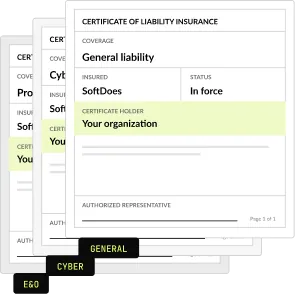

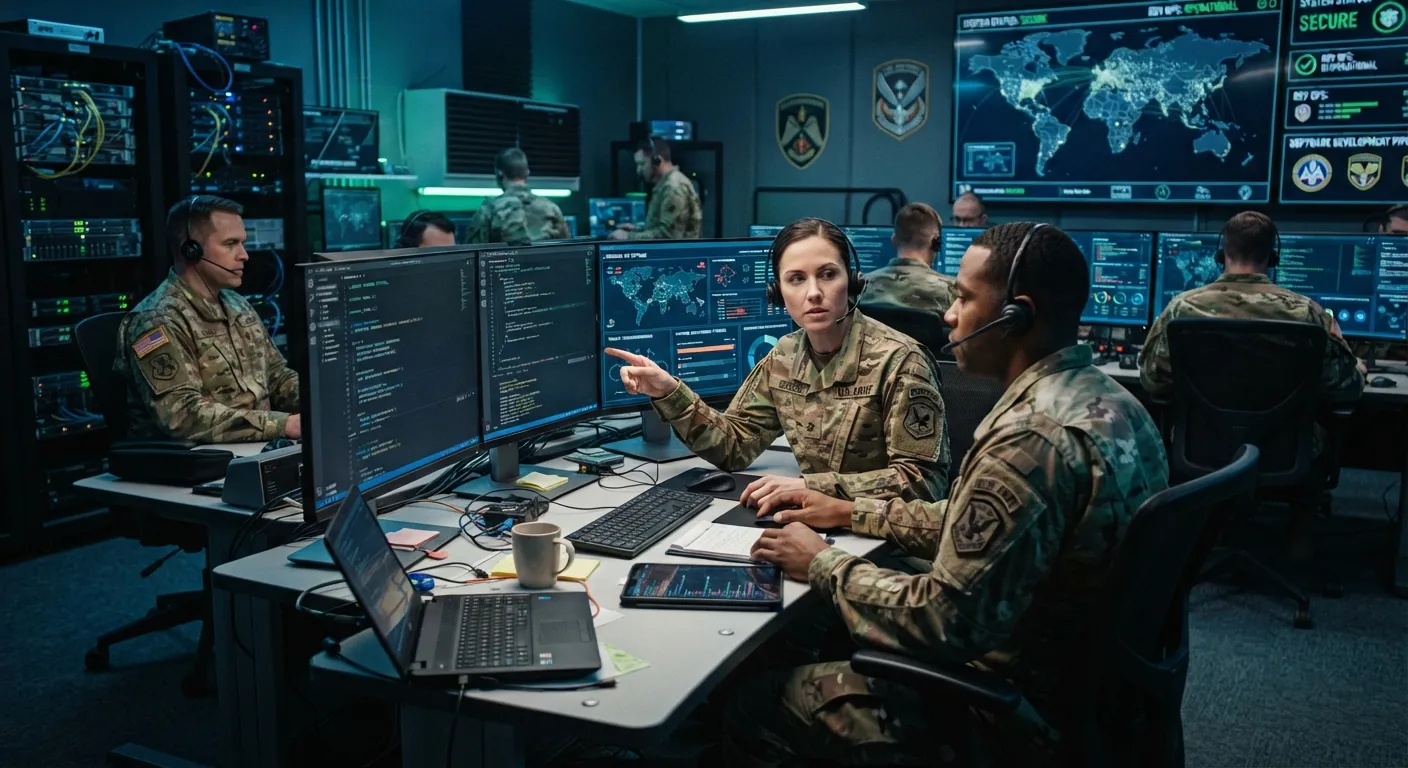

U.S.-Based
Military Cybersecurity Software Development
Military cybersecurity software development by SoftDoes: defensive platforms for threat detection, zero trust, and automated CMMC and RMF compliance.

Let's build together.
Talk with a senior engineer about your product idea, architecture, and what it would take to build it.
90+
Active Client Partnerships
80+ Person
Product & Engineering Team
100%
Your Code & IP Ownership
U.S.-Led
Delivery & Accountability
We understand the challenges you're facing
Why do our teams spend weeks collecting screenshots and spreadsheets to prove compliance, and why does every new system take so long to get authorized?
Cybersecurity development involves compliance with frameworks such as NIST RMF, CMMC 2.0, NIST SP 800-171/172, and DFARS 252.204-7012 incident reporting requirements. The problem is not the frameworks; it is that most organizations track controls, evidence, and findings across disconnected tools, email threads, and shared drives. Custom military cybersecurity software development replaces this with a compliance automation platform that maps CMMC 2.0, NIST SP 800-171, NIST SP 800-172, and NIST SP 800-53 controls (with CNSSI 1253 baselines) to specific systems, contracts, and security boundaries. The platform defines a consistent data model for systems, assets, boundaries, controls, evidence, findings, risks, POA&M items, and approvals. Evidence collection happens automatically via APIs from vulnerability scanners, SIEM platforms, cloud providers, and identity systems, so SSPs and POA&Ms stay current rather than reflecting a snapshot from months ago. NIST compliance involves inventorying all IT assets, and the NIST model includes hardening assets against attacks. Documentation of security requirements should be detailed and verifiable, and our platforms enforce that by linking every control to its evidence artifacts, scan results, and configuration states. Integration with eMASS (through tools like MITRE's eMASSer) supports pushing scan data, updating control status, and synchronizing with DevSecOps pipelines. The platform supports DISA STIG and SCAP scan imports, continuous ATO (cATO) status tracking, and DFARS 252.204-7012 incident reporting workflows with 72-hour timelines. For European and allied clients, it accommodates NIS2 and national defense cyber requirements. Military systems require continuous authorization to operate instead of static approvals, and these platforms make continuous authorization practical. SoftDoes software supports but does not replace the client's assessors and authorizing officials, and we do not claim certifications, clearances, or registrations we do not hold.
Our analysts jump between a dozen consoles and still miss things. How do we get one view and respond faster?
Effective logging and monitoring are critical for incident detection and response. When analysts toggle between SIEM dashboards, EDR consoles, identity logs, and ticketing systems, context fragments across screens, and response slows. SoftDoes builds custom security monitoring and response platforms that ingest logs and events from networks, endpoints, cloud services, identity systems, and OT/mission systems into scalable data pipelines. The platform normalizes events to a common schema, correlates related activity, maps detections to the MITRE ATT&CK framework for defensive coverage analysis, and reduces duplicate and noisy alerts. Case management is built in: every incident gets a structured timeline, task assignments, evidence attachments, and a full audit trail of every analyst action from detection through closure. Automated response playbooks (SOAR-style) handle containment steps and ticketing with explicit human approval checkpoints before response actions execute. Threat intelligence sharing uses STIX/TAXII and MISP standards. Real-time monitoring is essential for NIST compliance, and dashboards give CISOs and program leadership visibility into detection coverage, response times, and open risks. SoftDoes has experience building data pipelines that handle high event volumes across defense ecosystems including Splunk, Elastic, Microsoft Sentinel, CrowdStrike, Palo Alto Networks, and Tenable.
We have to move to zero trust. How do we add strong identity and access control without breaking how our people work?
Zero trust architectures emphasize continuous verification of identities, and the DoD Zero Trust Strategy sets FY 2027 as the target for implementing zero trust capabilities department-wide. Implementing strong identity and access management controls is essential for cybersecurity, but a forced overnight switch to zero trust disrupts field operations, engineering teams, and tactical operations. SoftDoes engineers zero trust components in phases: ICAM integrations using CAC/PKI, PIV, and multi-factor authentication; attribute-based access control (ABAC) mapped to roles, missions, and data sensitivity; device posture checks; micro-segmentation policies; and continuous authorization decisions. These implementations align with the DoD Zero Trust Strategy and Reference Architecture v2.0, NIST SP 800-207, and FIPS 140-3 validated cryptographic modules. For cloud workloads, we follow the DoD Cloud Computing SRG requirements for IL4 through IL6 environments. Data-centric security protects data wherever it resides, including in the cloud, and our zero trust layers enforce that principle at the application and integration level. Rollout happens by application, unit, or user group, so the security posture improves without disrupting how forces and defense workers operate. Admin interfaces let security teams define policies, exceptions, and logging rules, with full traceability back to controls.
Our standard IT security tools cannot see our platforms, test equipment, and industrial systems. How do we monitor and protect them?
Defense systems often integrate with complex sensor arrays and weapons systems that standard IT security tools were never designed to monitor. Military software must function reliably under extreme conditions, and so must the monitoring that watches over it. The F-35's ALIS system is critical for aircraft operations and illustrates the complexity: military hardware and its supporting software create vast, specialized attack surfaces. Firmware vulnerabilities in tactical devices can create undetectable risks. SoftDoes develops lightweight, mission-aware monitoring and integrity tools that discover and inventory mission systems, OT assets, and support equipment, even in segmented or air-gapped networks. These tools use passive network monitoring, configuration baselines, and checksum/integrity checks to avoid interfering with real-time or safety-critical operations. Anomaly alerts flag unusual communication patterns, configuration drift, or firmware changes in line with NIST SP 800-82 Rev 3 and IEC 62443 guidance. Summary data and indicators aggregate to central SOC platforms through approved cross-domain solutions or data diodes. SoftDoes has experience with embedded/edge software, constrained bandwidth, and disconnected or tactical environments where standard security agents cannot operate.
How do we prove that the software we build and buy is secure, and keep it that way after release?
Supply chain integrity is crucial for military software security. A software bill of materials (SBOM) is important for tracking components in military software, yet SBOM adoption across the defense industrial base remains uneven. Among surveyed defense contractors, 58% identified vendor/third-party risk as their largest unresolved weakness. SoftDoes engineers DevSecOps pipelines and supply chain security tooling that automate SAST/DAST, dependency and container scanning, SBOM generation, and signed builds consistent with the DoD Enterprise DevSecOps Reference Design and NIST SP 800-218 (SSDF). Automated security testing should be integrated into the software development lifecycle, and our pipelines enforce that at every commit and build. Automated CI/CD pipelines can expedite deployment while ensuring security compliance, while processes based on NIST SP 800-218 include secure coding practices, code review enforcement, and release approvals. The platform maintains a consolidated view of vulnerabilities across products, with ownership, remediation SLAs, and linkage to POA&Ms. Container hardening, deployment manifest security, and integration with platforms like Kubernetes and OpenShift ensure secure update and patch delivery. We work with tools including Black Duck-type SCA, Tenable, OpenSCAP, Wazuh, Zeek, Suricata, and bespoke in-house scanners.
You defend the mission. We engineer the security software behind it.

Custom security and compliance platforms
Platforms that centralize compliance, risk, and security operations around the client's systems, programs, and contracts, replacing scattered spreadsheets, email-based approvals, and disconnected tools. These combine system inventories, control mapping, evidence automation, SSP/POA&M management, risk registers, incident case management, vulnerability tracking, and reporting for leadership and government customers.
Live compliance status per system, contract, and framework with drill-down to evidence artifacts.
Automatic evidence collection from scanners, cloud services, identity providers, and log sources.
Incident and vulnerability cases linked to controls, risks, and required DFARS reporting.

Security data integration and analytics
SoftDoes builds the data backbone for cyber defense: high-volume log pipelines, normalized schemas, and analytics layers that sit beneath SIEM/SOC operations. We design for cross-domain constraints, scalable storage and compute, and integration of event data from IT infrastructure, cloud, OT, and mission systems into a unified model.
One normalized view of events across networks, endpoints, cloud, and mission systems.
Threat intelligence sharing using STIX/TAXII, MISP, and custom feeds.
Metrics and dashboards on detection coverage, response times, and open risks across programs.

AI enhanced cyber defense
AI features serve defensive workflows: grouping and prioritizing alerts, detecting unusual behavior on communications networks and systems, summarizing incidents, mapping evidence to controls, and drafting compliance documentation for human review. AI applications can be rapidly deployed in military software systems, but our designs follow the NIST AI Risk Management Framework and responsible AI principles, with explainable outputs, confidence indicators, and analyst approval for any response action.
Alert triage that groups related events and reduces analyst noise across tools.
Behavior-based anomaly detection on logs and telemetry flagged for analyst review.
AI assistants that draft incident reports and control/evidence summaries for human validation.
Numbers Don’t Lie
Recent projects showcasing how we design, engineer, and deliver production-ready software solutions.

- Startup
- Real Estate
Our Haus AI
A finance professional turned founder built Our Haus AI, an AI-powered collaborative workspace where homeowners and contractors scope, bid, contract, and document renovation projects together. SoftDoes took her prototype and made it production-ready.- 10XMVP scope delivered
- 2+years Ongoing partnership
- 1Fully owned Platform

- Finance
- Energy
Deepwater Insights
Deepwater Insights delivers proprietary alternative data and niche research on the offshore drilling and energy sector to institutional investors, family offices, and high-net-worth individuals who require coverage that larger firms don't provide.- 100%Brand Continuity
- 2Platform Distribution
- 100%Paywall-Ready Content

- Real Estate
The building buyer
The Building Buyer is a Florida-based real estate investment firm co-founded by Dylan Troiano and Charles Hanlin. They acquire single-family, multifamily, and commercial properties across South Florida and beyond, with a focus on motivated seller opportunities.- 18Weekly hours saved
- 2+Years Ongoing partnership
- 1Fully owned Platform

- Education
- Non-Profit
WOVEN & NICE
Woven is a Spring Valley, NY nonprofit running the NICE program (New Training Inclusive Community Environment) in four Rockland County schools. Their team supports students through restorative practices, mediation, and professional development for teachers and administrators.- 4Schools Served
- 4Weeks to Launch
- 1STTime on Upwork

- Healthcare
CareInTouch
CareInTouch is a Bay Area home health agency providing skilled nursing and therapy services to patients referred from hospitals and clinics. With over 100 staff, they operate in one of the most complex and compliance-driven healthcare markets in the country.- 40% Reduction In Billing Errors
- 100+Staff Operations Managed
- 0Missed Compliance Deadlines

- Startup
Sparkle The Cleaning Service
Sparkle The Cleaning Service is a Detroit-area residential cleaning company with 10 years in business, connecting homeowners with vetted, insured independent cleaners through a subscription-based marketplace platform.- 75% Platform Transparency
- 2XPlatform Growth
- 40%Higher User Retention

- Startup
DineMate
DineMate is a Maryland-based dating and connecting platform built around verified profiles, restaurant reservations, and prepaid dining experiences. Founded to bring back authenticity to how people meet and connect.- 60% Time Saved
- 99%System Reliability
- 40%Higher User Retention

- Healthcare
Prior Authorization AI
Prior Authorization AI is a healthcare automation startup building AI-powered tools to streamline prior authorization for Medicare and Medicaid medical transportation providers in New Jersey.- 16Weekly hours saved
- 63%Admin time reduced
- 43%Fewer submission errors

- Education
Grand Central Language Services
Grand Central Language Services provides translation and interpretation for organizations operating in complex, multilingual environments. As demand grew, internal workflows became harder to manage. SoftDoes built a custom platform to streamline coordination, improve visibility, and support scalable operations.- 72%Workflow Reduction
- 48%Coordination Reduction
- 83%Visibility Increase

- Healthcare
FMY Orthodontics
FMY Orthodontics, a multi-location practice in West Tennessee, partnered with SoftDoes to replace a spreadsheet-based financial workflow with a custom web platform. The goal was to simplify how staff present treatment financing while allowing patients and families to review and complete decisions remotely.- 60%Workflow Reduction
- 75%Remote Adoption
- 5Locations Aligned

Forbidden Alchemy
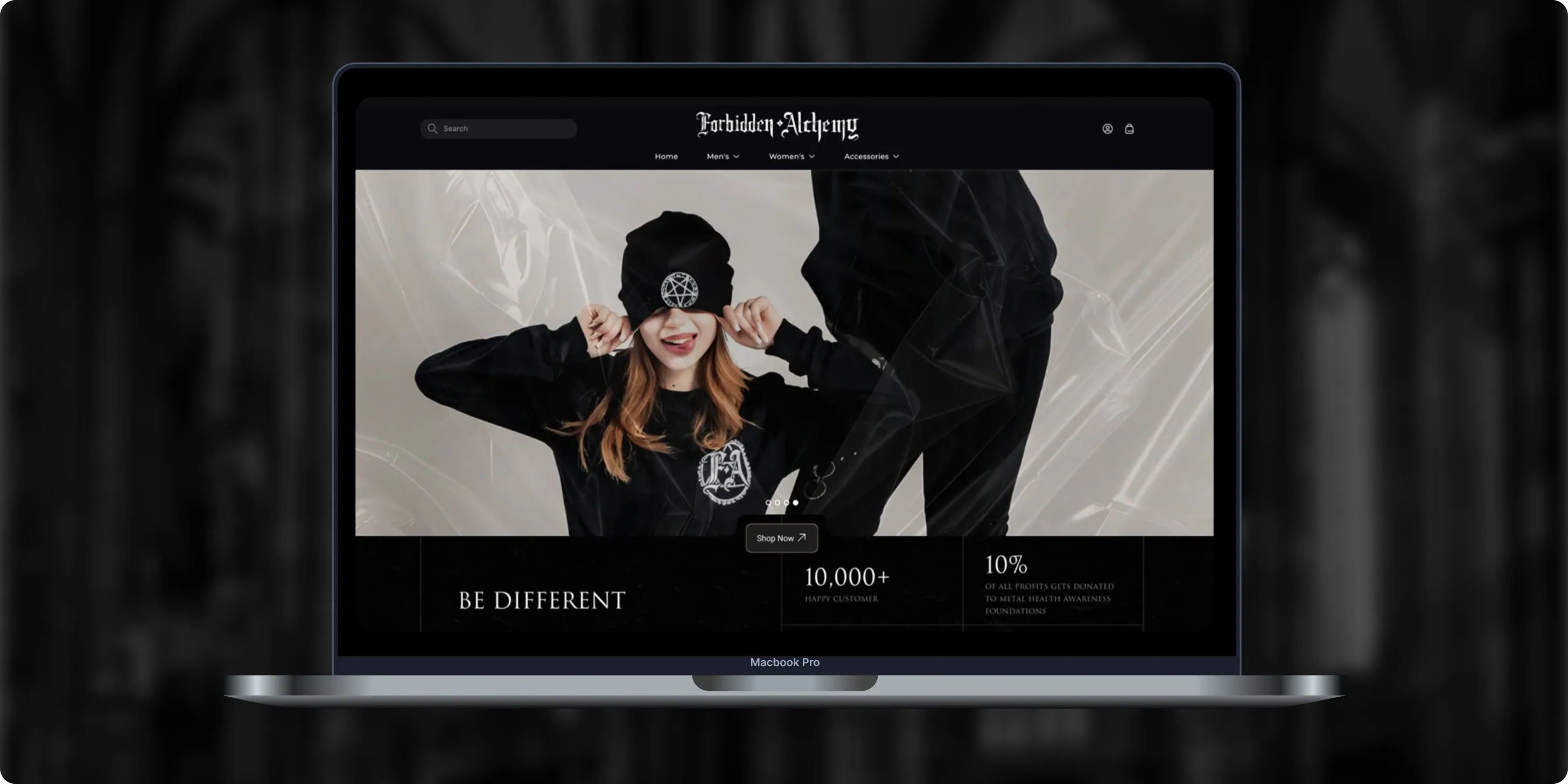
Forbidden Alchemy is an alternative fashion brand creating dark, provocative clothing for the metalhead community, with 10% of profits donated to mental health awareness. Its mostly mobile audience struggled with a store that was hard to navigate and weak on functionality.- +44%Revenue Month Over Month
- 86%Design Satisfaction
- 2.8XUser Retention Growth
Altera
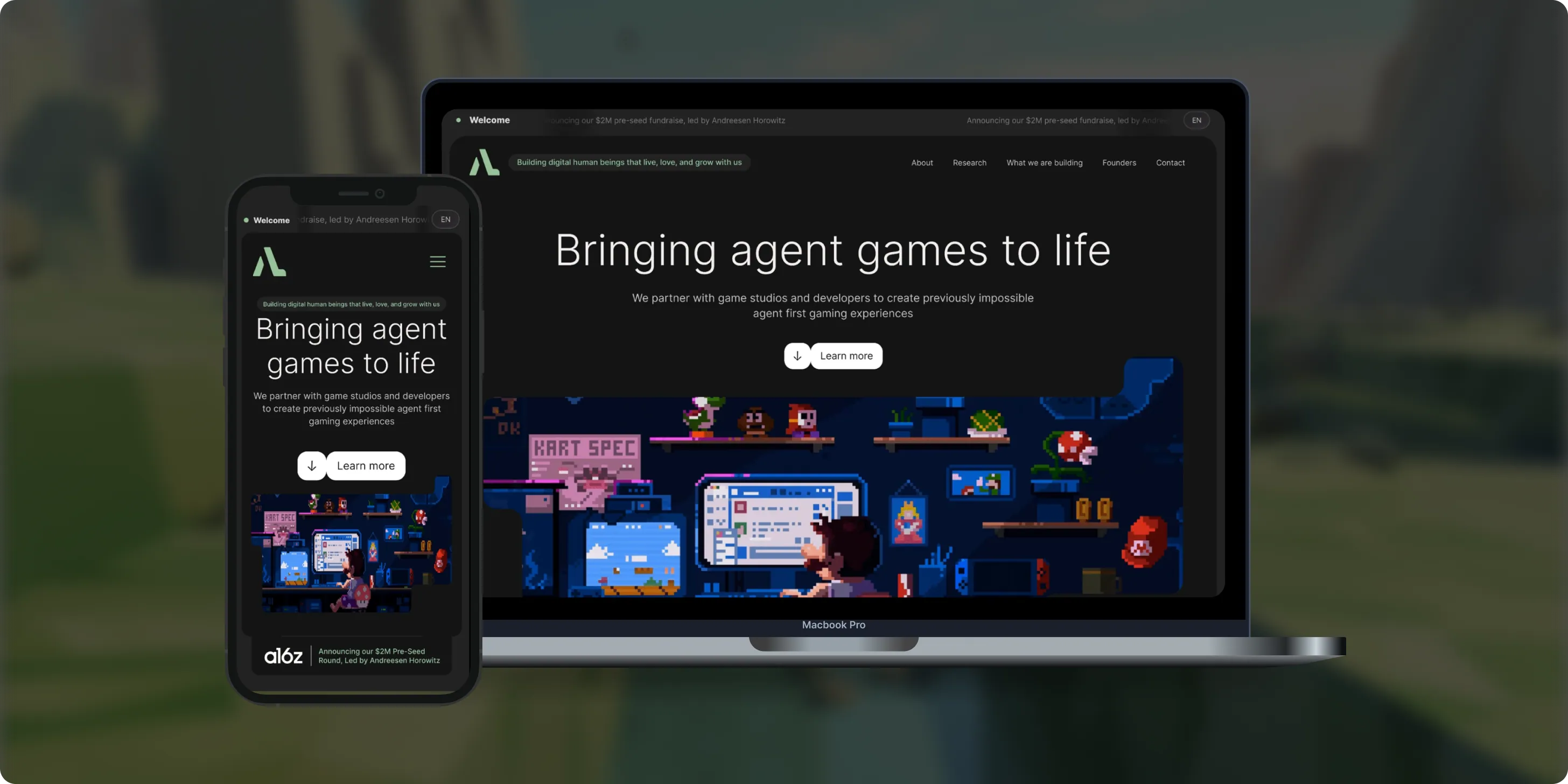
Altera builds on decades of computational neuroscience research to create digital human beings for gaming. Backed by a $2M pre-seed round led by Andreessen Horowitz, the team needed a landing page that could explain complex agent technology to players, partners, and investors.- 98%Dynamic Customization
- 100%Streamlined Navigation
- $2MPre-Seed Round
- Real Estate
Brizacorp
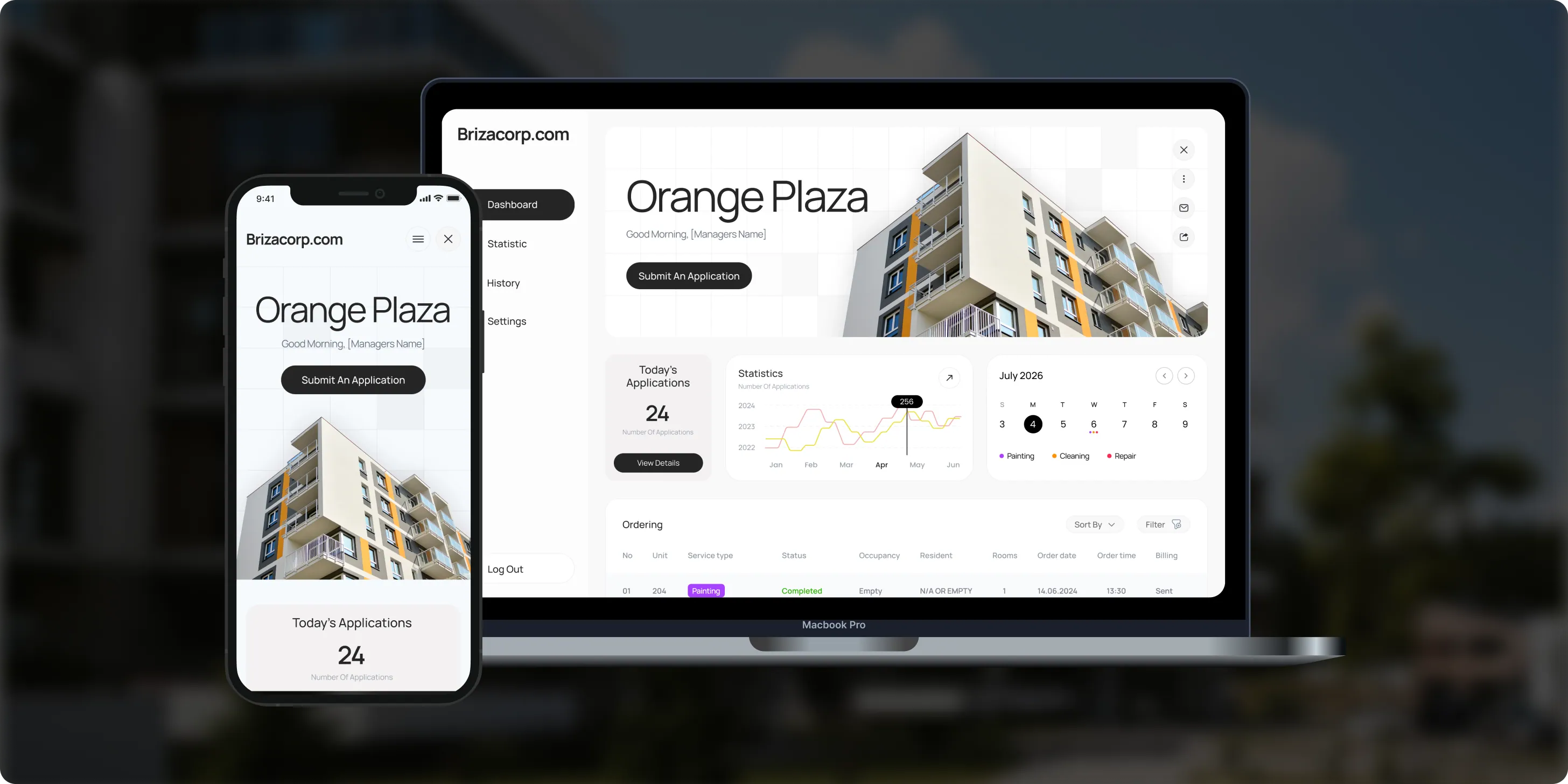
Brizacorp manages residential properties and coordinates the staff who handle painting, cleaning, and repair requests. Its team tracked work across messengers, phone calls, e-mail, and paper planners, with no single place to manage requests or measure performance.- 98%Application Stability
- 95%Utilization Rate
- 30%Faster Task Completion
Color & Harmony
Color & Harmony is a Kentucky-based color consulting studio led by certified color strategist Diana Cartaya. The studio needed a website that reflects its refined aesthetic, showcases its portfolio, and explains a science-based color process in simple language.- 45%Conversion Rate Increase
- 50%Higher User Engagement
- 2Months to Launch

The Modern Gentlemen
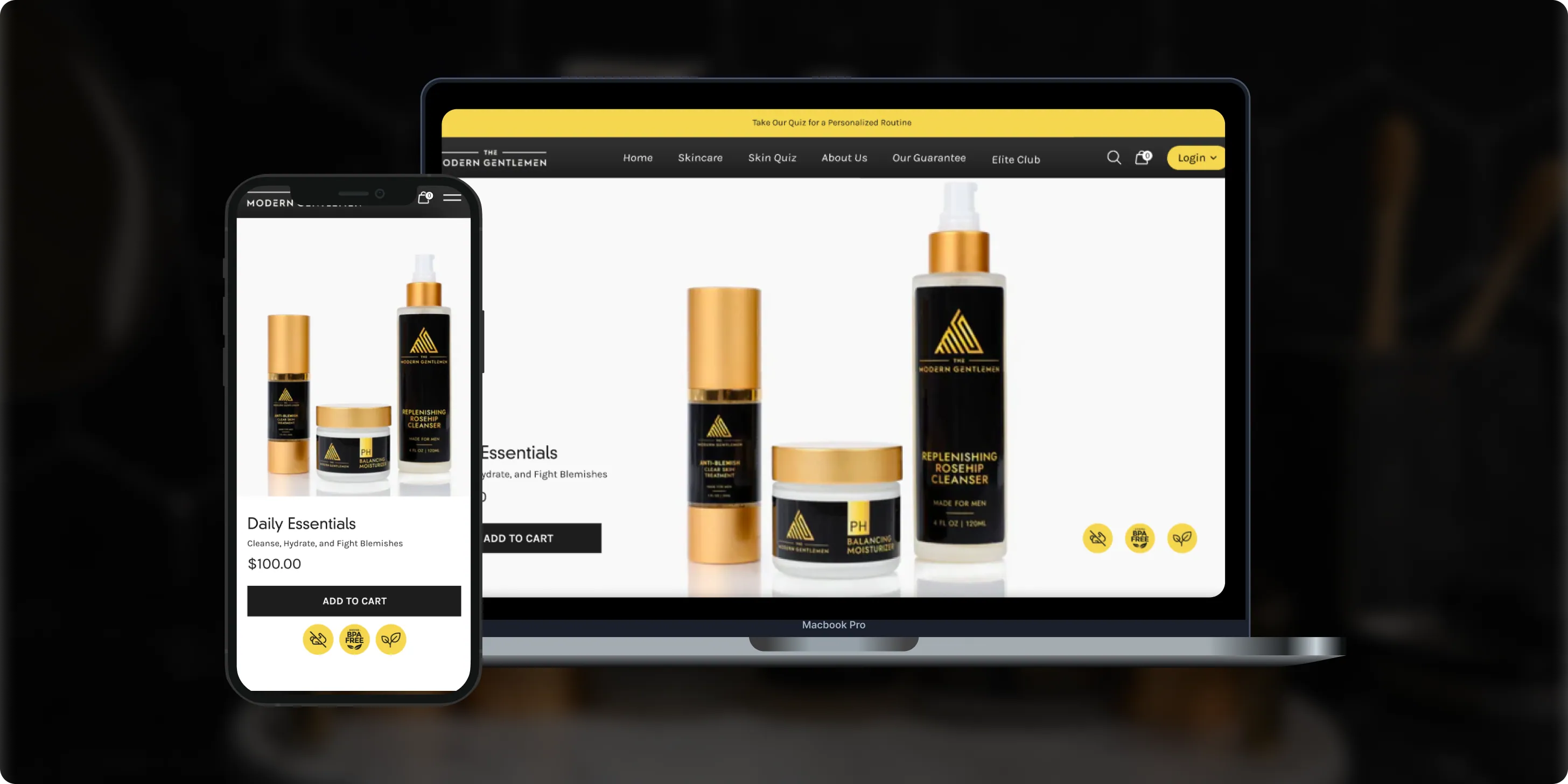
The Modern Gentlemen sells premium men's skincare featured in Men's Health, GQ, and Men's Journal. Its customers wanted an efficient routine, but generic product suggestions and limited skincare knowledge made choosing the right products hard.- 30%Increase in Conversions
- 25%Higher Customer Retention
- 92%Mobile Purchases
OQ Technology
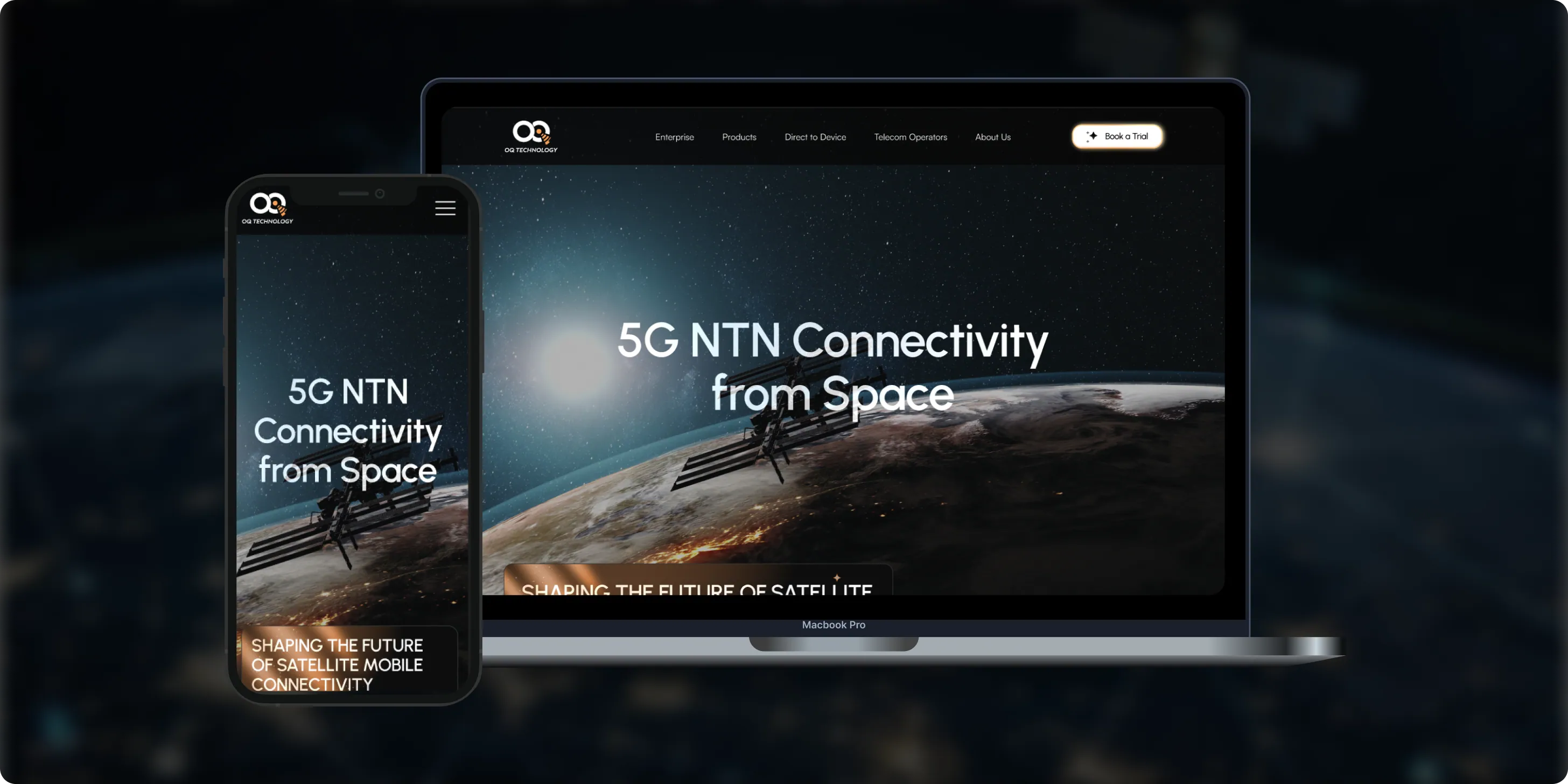
OQ Technology connects IoT devices, machines, and people anywhere on the planet through its satellite network, serving energy, maritime, logistics, agriculture, and mobile operators. Its website made it hard to explore products and reach pricing plans.- 4Pricing Plans Clarified
- 3Dedicated User Flows
- 1Unified Platform
- Real Estate
- Finance
Stay Vest
Stay Vest is a private real estate investment firm that acquires, renovates, and operates boutique hotels for cash flow, tax benefits, and equity gain. It needed a platform that explains its strategy and earns the trust of passive investors.- 1,500+Guest Stays
- 200+Rooms Managed
- 5States Covered

Bokeyno Motorsports
Bokeyno Motorsports is the leading mobile installer of vertical doors for high-performance cars. This Shopify website isn’t just about services—it’s a bold statement of power, style, and expertise. With a sharp layout, strong visuals, and real-world case studies, the site delivers all the information car enthusiasts need to book confidently and instantly.- 54%Booking Requests
- 43%Lead Conversion
- 32%Qualified Inquiries

ai document processing platform
A comprehensive talent solution designed to help companies attract, hire, and retain top talent more effectively. The platform combines AI-powered recruitment technology with employee financial wellbeing programs, enabling smarter hiring decisions while supporting employees’ financial stability and long-term engagement.- 62%Faster Processing Time
- 78%Less Manual Work
- 35%Improved Accuracy

WHAT CLIENTS SAY
Independently verified reviews from real clients on Clutch.co


Client Story
Real feedback from
FMY Orthodontics

“Their perseverance and solution-oriented mindset. SoftDoes consistently found ways to make things work, added features we had not originally envisioned, and never became frustrated. It felt like working with a true partner who cared about the success of our practice.”
Dan Merwin
DDS, MS -- President, FMY Orthodontics

Client Story
Real feedback from
Prior Authorization AI
“Every time I sent a request, if there was anything that didn't work, they were able to turn it around quickly. Even when there were no updates yet, they always reached out to let me know they were working on it.”
Joseph Oluwo
Founder of Prior Authorization AI


Client Story
Real feedback from
WOVEN
“What stood out most was their commitment to understanding our needs before presenting solutions.”
Danna Pastran
Administrative Operations Manager, WOVEN

Client Story
Real feedback from
Grand Central Language Services
“The site performs as intended and provides the foundation for our company's digital presence.”
Joe Goldstein
QA Manager, Grand Central Language Services


Client Story
Real feedback from
DineMate
“They go above and beyond.”
Eric Snead
CEO, DineMate "Dating Connecting Platform"
Why they Choose SoftDoes
- 01SENIOR ENGINEERS, NOT LAYERS
Projects are led by senior engineers and architects who have shipped security monitoring platforms, identity/PKI integrations, compliance automation tools, and high-volume data pipelines. They read NIST SP 800-171/172/53, DISA STIGs, CNSSI 1253, and DoD Zero Trust Strategy documents, then translate requirements into technical backlog items and data models. Client CISOs, cyber operators, and compliance teams speak directly with SoftDoes engineers, reducing translation errors when aligning on log requirements, detection strategies, control mappings, and integration details. Our engineers discuss RMF inheritance, cross-domain constraints, secure supply chain for code, and identity federation in depth, because that expertise is not something you can layer on top of general web development.
- 02PREDICTABLE DELIVERY
We deliver in increments aligned with the client's assessment dates, ATO milestones, and program schedules. A requirements traceability matrix links controls and contract clauses to user stories and tests, with acceptance criteria tied to security workflows. Regular demos use representative or sanitized data, validating that evidence collection, dashboards, and workflows behave as expected before production rollout. We coordinate with SOC teams, IT, assessors, authorizing officials, and vendor contacts to manage dependencies. When contract eligibility and system authorization depend on the delivery, schedule discipline is not optional.
- 03BUILT TO LAST PAST LAUNCH
Architectural choices include modular services, open APIs, connector frameworks, and clear separation between data collection, analytics, compliance, and response modules. Defense-in-depth is a principle of using multiple security controls for protection, and our platforms apply that principle to themselves: health monitoring, logging, and feed-status dashboards detect gaps in telemetry or evidence collection quickly. Engineering practices for the platform itself include code reviews, automated tests, infrastructure-as-code, SBOMs, and DevSecOps pipelines. The systems are built to onboard new frameworks (CMMC revisions, NIS2 updates), new security tools, and new mission environments without rewriting the core. Military software must include fault tolerance and anti-tampering measures, and we apply those same standards to the platforms we build.
- 04NO BABYSITTING REQUIRED
Handover includes full documentation, runbooks, admin guides, and structured training sessions for SOC, compliance, and platform engineering teams. Admin interfaces let client teams independently manage users and roles, control sets, evidence rules, detection content, response playbooks, and reporting templates. SoftDoes designs systems so the client can extend rules, connectors, and dashboards without calling us for every change. Ongoing partnership and sustainment are available, but daily operation does not depend on SoftDoes engineers. Operational continuity is critical during cyber incidents for military systems; our platforms are built to run without us in the room.
How we work with your quality team
This is how SoftDoes partners with you from first conversation through long term support.




Experience Across Defense Contractors, Defense Suppliers, Security Providers, and Critical Infrastructure
SoftDoes builds cybersecurity and compliance software for organizations where protected defense data, provable compliance, and fast threat response are non-negotiable.
Command Control
Edge AI Software
ISR Software
Logistic Software
Mission Planning
Complex systems, integrations, and internal platforms built to evolve. We step in when off-the-shelf tools stop being enough.
Training Simulation
From first version to real traction without painting yourself into a corner. Built for speed now and hard decisions later.
Mission Critical
Systems designed around controls, traceability, and change management. Built so audits don’t become fire drills.
Defense Software
Infrastructure software built for long timelines and high stakes. Reliable systems for assets that can’t afford guesswork.


Frequently Asked Questions
Everything you need to know about working with SoftDoes. Can’t find an answer?
How long does military cybersecurity software development take, and what drives the cost?
A first useful increment (for example, an evidence collection connector, a compliance dashboard, or a set of SOAR playbooks) often ships in 3 to 6 months. Full security and compliance platforms spanning multiple systems and frameworks grow over several increments. Main cost drivers include the number and complexity of integrations, event volumes, the count of frameworks and contracts covered (CMMC, RMF, NIS2), deployment in disconnected or classified environments, and inclusion of AI features. Access to tools, environments, and approvals (change windows, security reviews) often impacts schedule as much as engineering work.
Can your software make us CMMC certified or get our system an ATO?
No. Certification and authorization decisions are made by accredited assessors (such as CMMC C3PAOs) and authorizing officials, not by software vendors. SoftDoes platforms reduce manual work by collecting evidence automatically, keeping SSPs and POA&Ms current, and providing clear status against CMMC, NIST SP 800-171/172, and RMF control sets. This makes assessment preparation faster and more repeatable. We do not claim certifications, clearances, or registrations we do not hold.
Will it work with the security tools we already use?
Yes. SoftDoes designs platforms to integrate with existing SIEM, EDR, NDR, vulnerability scanners, identity providers, cloud platforms, ticketing systems, and GRC tools via APIs and connectors. Events and objects normalize to a common schema so specific tools can be replaced or added without reworking every workflow. Phased rollouts run alongside existing consoles and reports, letting analysts validate output before the new platform becomes the primary interface.
Can the platform run on classified or disconnected networks?
We design for on-premises deployments, approved government clouds, and fully disconnected or air-gapped environments, subject to client security rules. Updates to rules, detection content, and threat intelligence can be staged offline and transferred via client-approved methods, using accredited cross-domain solutions where network separation exists. Hardening follows DISA STIG guidance, uses FIPS 140-3 validated crypto libraries where required, and includes documentation for the platform's own authorization package. The F-35 collects electronic intelligence during flight operations, and the AN/BYG-1 virtualized combat control system reduces hardware requirements by 75%; the platforms securing such defense systems need to operate reliably in the same constrained environments.
Who owns the source code, data, and intellectual property?
Ownership is defined in the contract, and SoftDoes supports models where the client (and, if required, its government customer) holds full rights to source code and deliverables. We document all third-party and open-source components, provide SBOMs, and clarify license terms. Handover includes source repositories, build and deployment pipelines, configuration, detection content, playbooks, and runbooks so the client can sustain and extend the platform independently.
How is AI used safely in cyber defense?
AI groups and prioritizes alerts, spots anomalies, and drafts incident summaries and compliance text. Analysts make all response decisions. Safeguards include explainable outputs, confidence scores, testing on representative data, monitoring for drift and errors, and controls preventing sensitive data exposure or misuse of AI features. AI features align with the NIST AI Risk Management Framework and each client's AI and data policies. Machine learning models are enabled and tuned only where client policy allows, with proactive measures like vulnerability assessments applied to the AI pipeline itself.
What kind of support do we get after delivery?
Support options include assistance during pilots and rollouts, help preparing for assessments, sustained support contracts for patching and enhancements, and training for client teams. Issues and new requirements are triaged with the client using agreed SLAs and change processes. We monitor data feeds, health metrics, performance, and coverage so gaps in telemetry or evidence collection are addressed quickly.
How do you reduce risk on a defense cybersecurity software development program?
Incremental delivery, early prototypes with sanitized data, phased onboarding of systems, and early involvement of SOC, compliance, and authorizing stakeholders reduce risk at each stage. The F-35's ALIS system faced significant development challenges, and the U.S. Navy's AN/BYG-1 system was installed on a submarine in 2020; large defense software programs carry inherent complexity, and our approach addresses that with automated tests, independent security reviews of the platform, configuration management, and documented rollback plans for every change. We report risks, technical trade-offs, and schedule impacts transparently so program leadership can make informed decisions.