
U.S.-Based
Defense Edge AI Software Development
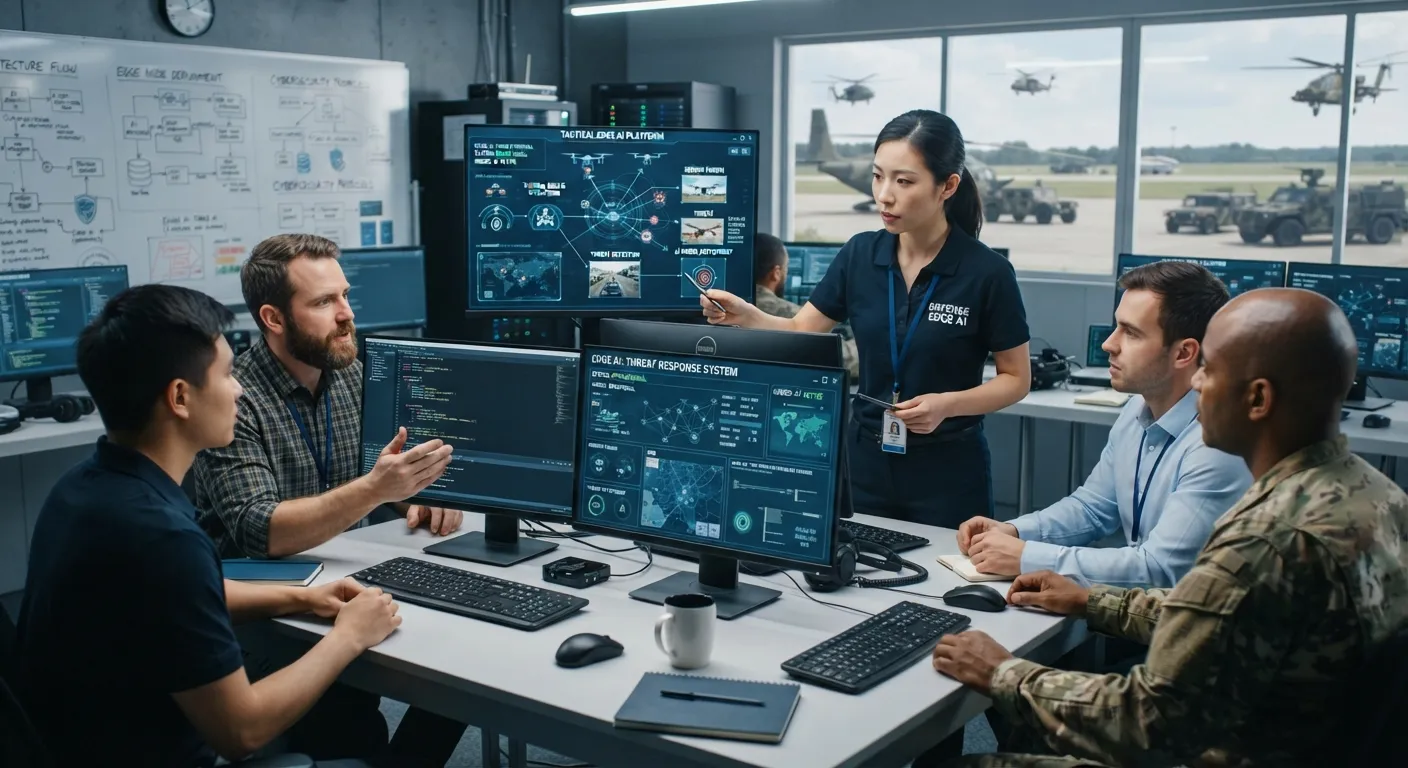
Defense edge AI software development by SoftDoes: on-device AI for sensors and platforms that works offline, fits rugged hardware and keeps humans in control.

Let's build together.
Talk with a senior engineer about your product idea, architecture, and what it would take to build it.
90+
Active Client Partnerships
80+ Person
Product & Engineering Team
100%
Your Code & IP Ownership
U.S.-Led
Delivery & Accountability
We understand the challenges you're facing
How do we prove our AI behaves reliably and meets responsible AI requirements before it goes anywhere near the field?
AI deployment requires clear policies for effective application, and rigorous testing and validation processes are required for defense edge AI systems. SoftDoes bakes TEVV-test, evaluation, verification, and validation-into every phase of development: curating test datasets across different terrains, weather, and lighting conditions; designing robustness and edge-case scenarios; and running automated performance monitoring against agreed metrics. We create model cards documenting training data sources, intended use, limitations, and risk factors, and design human-in-the-loop workflows with audit logs that record when and how AI outputs influenced operator decisions. Our work aligns with key frameworks and rules: DoD AI Ethical Principles and Responsible AI guidance, DoD Directive 3000.09 on autonomy in weapon systems where the client's system falls under it, NATO Principles of Responsible Use of AI, the NIST AI Risk Management Framework, secure development practices from NIST SP 800-218, CMMC 2.0 requirements, and export controls such as ITAR and EAR. SoftDoes builds perception and decision-support modules within each client's own legal and policy reviews-we do not claim certifications or approvals we do not hold, and AI deployment in defense faces ethical accountability challenges that we take seriously rather than paper over.
Can we add AI to platforms already in service without redesigning the hardware or breaking existing software?
Edge devices are constrained by size, weight, and power limitations, but that does not mean adding on-device AI requires tearing up years of certified hardware and software. SoftDoes applies model optimization techniques like quantization (INT8, FP16), pruning, and knowledge distillation to shrink models so they fit within SWaP budgets. We use hardware acceleration through NVIDIA TensorRT on Jetson modules, Intel OpenVINO, Qualcomm SDKs, ONNX Runtime, FPGAs, and custom boards to hit latency targets-benchmarking inference time, power draw, and thermal behavior on the actual target hardware before committing to final architectures. Deployment patterns include containerized services on rugged edge computers, embedded runtimes cross-compiled for custom boards, and ROS 2 nodes integrated into existing autonomy or payload stacks, all exposed through stable APIs to mission software. Where programs mandate open architecture standards like SOSA or FACE, SoftDoes designs to those specifications and supports safe update and rollback procedures for model packages in the field, so that edge AI applications integrate without disrupting what already works.
Why do operators either ignore AI alerts altogether or trust them too much?
The gap between generating AI detections and making them useful to users in high-pressure environments is a design problem, not just an algorithm problem. SoftDoes conducts UX research and ride-along or simulation sessions-with the client's approval-alongside operators, analysts, and maintainers to understand workflows, terminology, and cognitive load before designing any interface. We build UIs that present AI suggestions with confidence scores, timestamps, and supporting imagery such as thumbnails or key frames, offering ranked lists rather than constant pop-ups and single-action controls to confirm, correct, or dismiss alerts. Operator feedback is captured with structured labels that feed retraining pipelines, and the interface clearly communicates when the AI is uncertain, degraded (low light, heavy clutter), or running on fallback models. Alert thresholds are tuned to mission context, symbology and color schemes remain consistent, and training modes help operators understand what the AI can and cannot do-reducing both blind trust and alert fatigue so human judgment stays central to decision making.
Conditions change quickly. How do we retrain and update models across many devices when connectivity is limited?
Edge AI must integrate resilient functionality even when network connectivity is compromised-and that includes model sustainment, not just inference. SoftDoes engineers edge MLOps pipelines that systematically capture data on platforms (including operator feedback), run labeling workflows in secure environments, execute retraining and evaluation cycles, and generate signed, versioned model bundles ready for controlled deployment. Updates reach devices through staged rollouts over constrained tactical links, synchronization via forward operating bases or maintenance hubs, or physical media for fully air-gapped systems. Our modular design philosophy uses versioned APIs, plug-in model architectures, and sensor/hardware abstraction layers so new AI models, sensors, or platforms can be added without rebuilding the entire stack. Every engagement includes thorough documentation and handover-build scripts, data schemas, evaluation suites, and runbooks-so the client's teams can retrain, validate, and deploy new models independently of SoftDoes if they choose.
You lead the mission. We engineer the C2 software behind it.

On-device perception and situational awareness
SoftDoes develops edge AI that interprets imagery and sensor data directly on unmanned systems, ground vehicles, surveillance towers, and portable kits-giving operators faster understanding of what their sensors are seeing. Key capabilities include computer vision analytics for day and night cameras, multi-sensor fusion (EO/IR combined with radar), motion and change detection, anomaly detection, scene description, and metadata tagging that feeds C2 and analysis tools.
Detection and classification of objects and events for operator review-not automatic action.
Change and anomaly alerts that reduce hours of screen-watching to prioritized clips.
Compact metadata and key-frame streams instead of continuous raw video over tactical links.

Edge AI for platforms, maintenance, and logistics
AI in defense edge systems can assist in predictive maintenance and logistics, and SoftDoes builds edge AI that monitors the health of vehicles, engines, payloads, batteries, and sensors while managing bandwidth and power more intelligently on each platform. These solutions rely on time-series models, on-board diagnostics data, vibration analysis, and local event logs that synchronize with maintenance and logistics systems when a connection becomes available.
Early indication of component wear or sensor drift so maintainers can intervene before failures.
Smart prioritization of which telemetry, logs, and imagery are sent first over constrained links.
Fleet readiness dashboards driven by edge-collected data instead of manual reporting alone.

Edge MLOps, testing, and model optimization
SoftDoes builds the underlying data, training, optimization, and deployment pipelines required to keep AI models small, fast, and trustworthy across many devices deployed at scale. Every model version goes through hardware-specific benchmarking, robustness tests, and responsible AI checks before signed release and controlled rollout across the fleet.
Model compression and acceleration tuned for SWaP-constrained embedded and rugged hardware.
Automated evaluation reports per model version with agreed metrics and edge-case scenarios.
Signed, versioned model update mechanism with staged rollout and safe rollback on platforms.
Numbers Don’t Lie
Recent projects showcasing how we design, engineer, and deliver production-ready software solutions.

- Startup
- Real Estate
Our Haus AI
A finance professional turned founder built Our Haus AI, an AI-powered collaborative workspace where homeowners and contractors scope, bid, contract, and document renovation projects together. SoftDoes took her prototype and made it production-ready.- 10XMVP scope delivered
- 2+years Ongoing partnership
- 1Fully owned Platform

- Finance
- Energy
Deepwater Insights
Deepwater Insights delivers proprietary alternative data and niche research on the offshore drilling and energy sector to institutional investors, family offices, and high-net-worth individuals who require coverage that larger firms don't provide.- 100%Brand Continuity
- 2Platform Distribution
- 100%Paywall-Ready Content

- Real Estate
The building buyer
The Building Buyer is a Florida-based real estate investment firm co-founded by Dylan Troiano and Charles Hanlin. They acquire single-family, multifamily, and commercial properties across South Florida and beyond, with a focus on motivated seller opportunities.- 18Weekly hours saved
- 2+Years Ongoing partnership
- 1Fully owned Platform

- Education
- Non-Profit
WOVEN & NICE
Woven is a Spring Valley, NY nonprofit running the NICE program (New Training Inclusive Community Environment) in four Rockland County schools. Their team supports students through restorative practices, mediation, and professional development for teachers and administrators.- 4Schools Served
- 4Weeks to Launch
- 1STTime on Upwork

- Healthcare
CareInTouch
CareInTouch is a Bay Area home health agency providing skilled nursing and therapy services to patients referred from hospitals and clinics. With over 100 staff, they operate in one of the most complex and compliance-driven healthcare markets in the country.- 40% Reduction In Billing Errors
- 100+Staff Operations Managed
- 0Missed Compliance Deadlines

- Startup
Sparkle The Cleaning Service
Sparkle The Cleaning Service is a Detroit-area residential cleaning company with 10 years in business, connecting homeowners with vetted, insured independent cleaners through a subscription-based marketplace platform.- 75% Platform Transparency
- 2XPlatform Growth
- 40%Higher User Retention

- Startup
DineMate
DineMate is a Maryland-based dating and connecting platform built around verified profiles, restaurant reservations, and prepaid dining experiences. Founded to bring back authenticity to how people meet and connect.- 60% Time Saved
- 99%System Reliability
- 40%Higher User Retention

- Healthcare
Prior Authorization AI
Prior Authorization AI is a healthcare automation startup building AI-powered tools to streamline prior authorization for Medicare and Medicaid medical transportation providers in New Jersey.- 16Weekly hours saved
- 63%Admin time reduced
- 43%Fewer submission errors

- Education
Grand Central Language Services
Grand Central Language Services provides translation and interpretation for organizations operating in complex, multilingual environments. As demand grew, internal workflows became harder to manage. SoftDoes built a custom platform to streamline coordination, improve visibility, and support scalable operations.- 72%Workflow Reduction
- 48%Coordination Reduction
- 83%Visibility Increase

- Healthcare
FMY Orthodontics
FMY Orthodontics, a multi-location practice in West Tennessee, partnered with SoftDoes to replace a spreadsheet-based financial workflow with a custom web platform. The goal was to simplify how staff present treatment financing while allowing patients and families to review and complete decisions remotely.- 60%Workflow Reduction
- 75%Remote Adoption
- 5Locations Aligned

Forbidden Alchemy
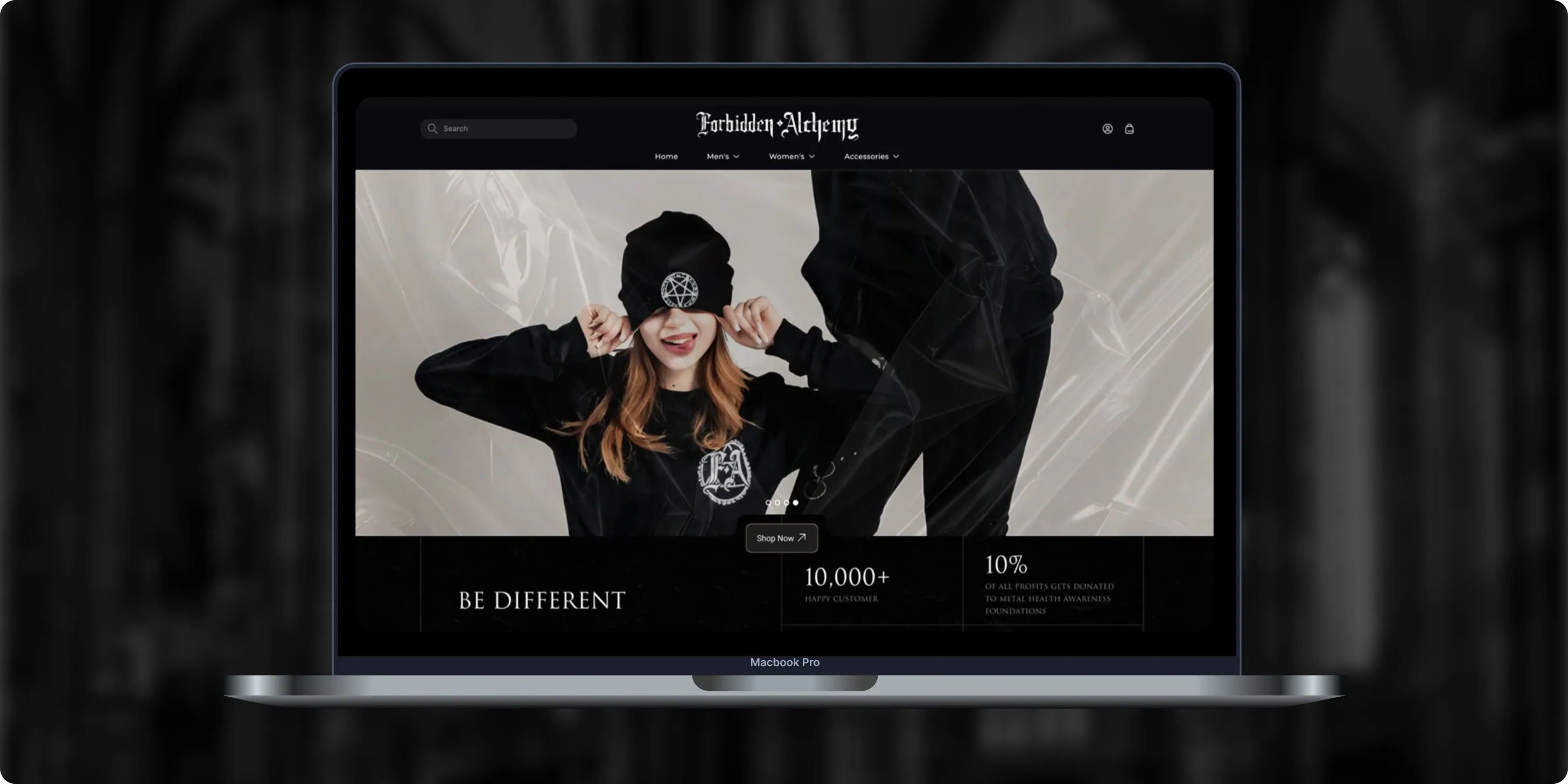
Forbidden Alchemy is an alternative fashion brand creating dark, provocative clothing for the metalhead community, with 10% of profits donated to mental health awareness. Its mostly mobile audience struggled with a store that was hard to navigate and weak on functionality.- +44%Revenue Month Over Month
- 86%Design Satisfaction
- 2.8XUser Retention Growth
Altera
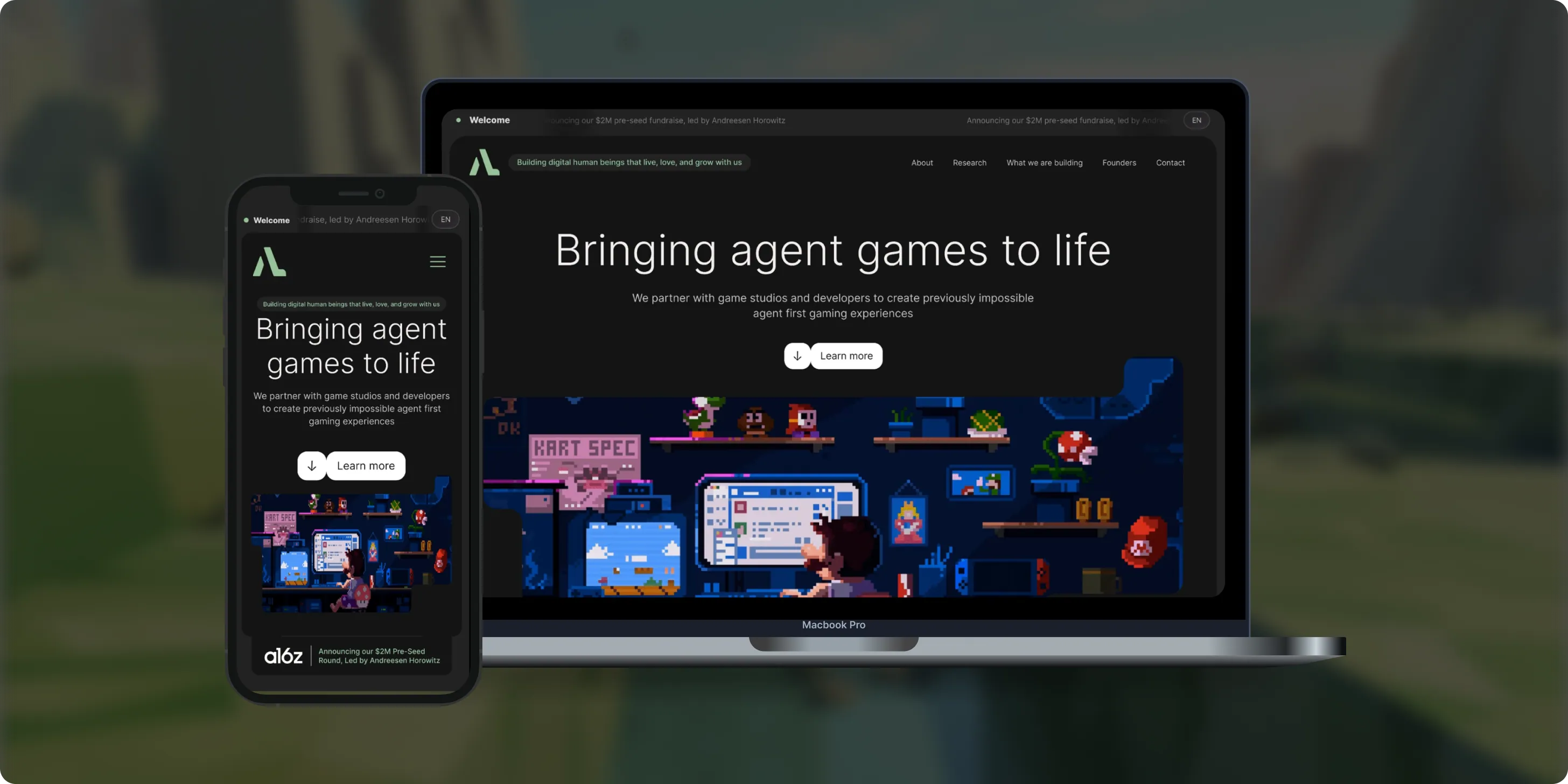
Altera builds on decades of computational neuroscience research to create digital human beings for gaming. Backed by a $2M pre-seed round led by Andreessen Horowitz, the team needed a landing page that could explain complex agent technology to players, partners, and investors.- 98%Dynamic Customization
- 100%Streamlined Navigation
- $2MPre-Seed Round
- Real Estate
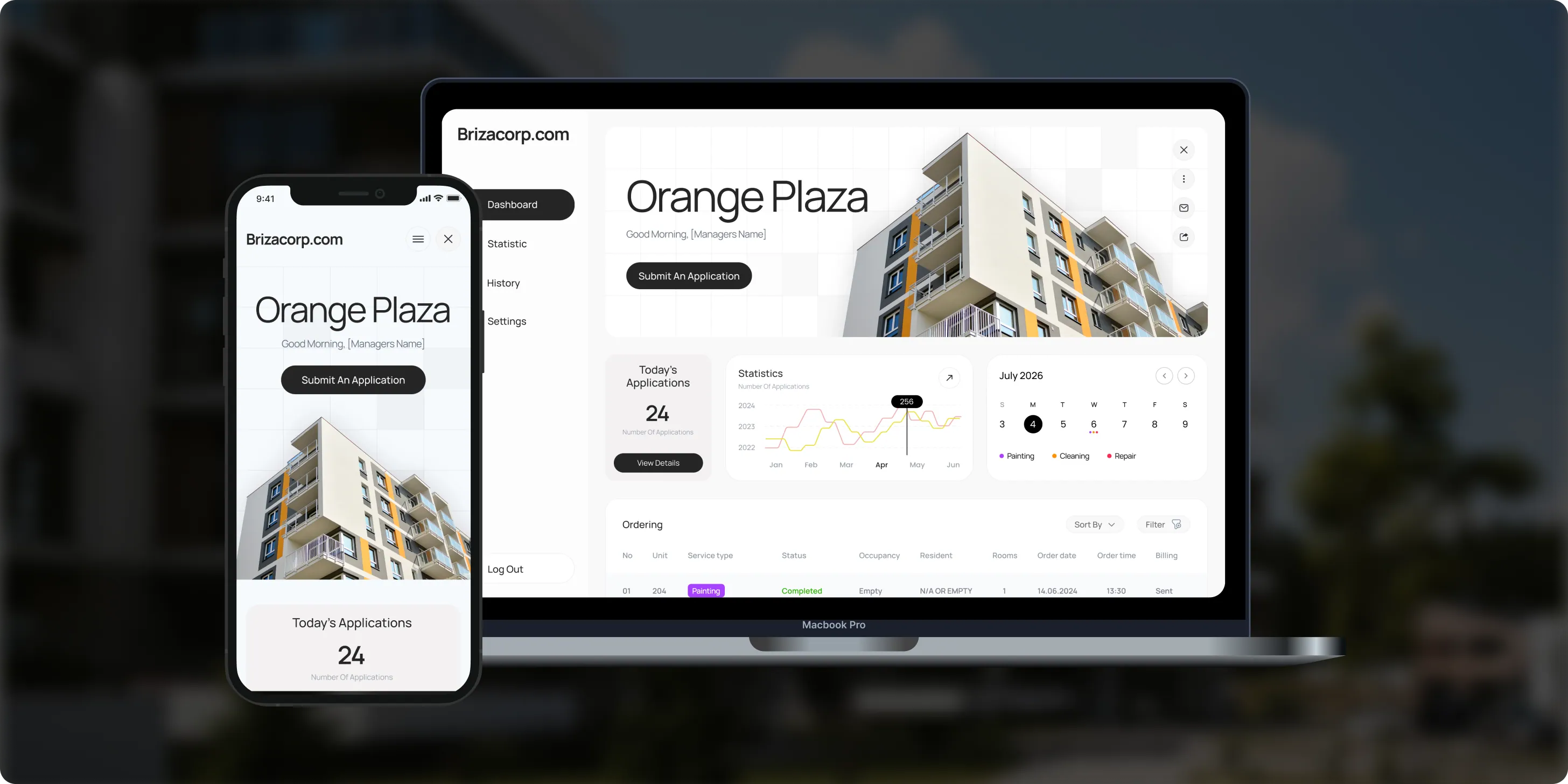
Brizacorp
Brizacorp manages residential properties and coordinates the staff who handle painting, cleaning, and repair requests. Its team tracked work across messengers, phone calls, e-mail, and paper planners, with no single place to manage requests or measure performance.- 98%Application Stability
- 95%Utilization Rate
- 30%Faster Task Completion
Color & Harmony
Color & Harmony is a Kentucky-based color consulting studio led by certified color strategist Diana Cartaya. The studio needed a website that reflects its refined aesthetic, showcases its portfolio, and explains a science-based color process in simple language.- 45%Conversion Rate Increase
- 50%Higher User Engagement
- 2Months to Launch

The Modern Gentlemen
The Modern Gentlemen sells premium men's skincare featured in Men's Health, GQ, and Men's Journal. Its customers wanted an efficient routine, but generic product suggestions and limited skincare knowledge made choosing the right products hard.- 30%Increase in Conversions
- 25%Higher Customer Retention
- 92%Mobile Purchases

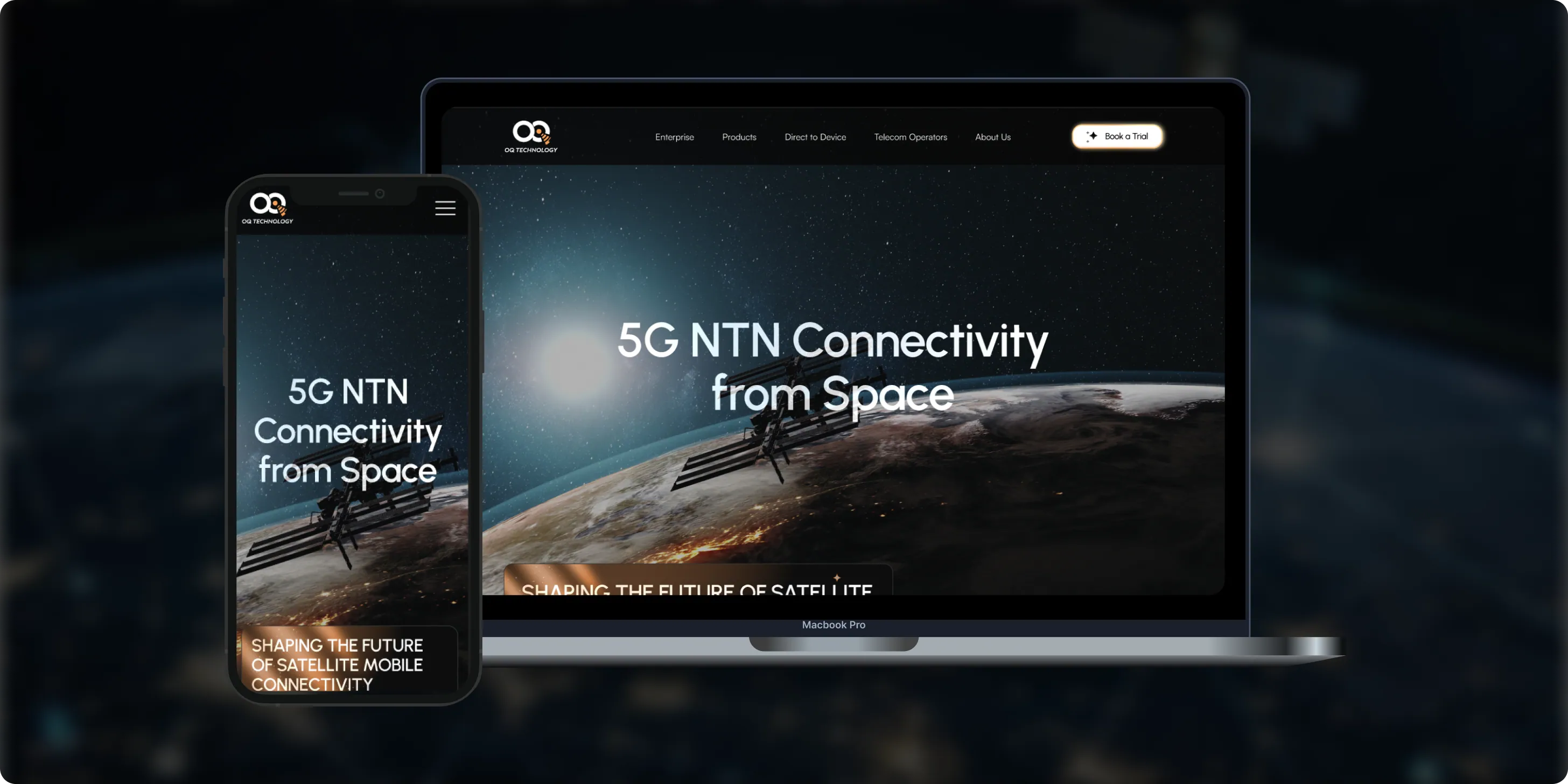
OQ Technology
OQ Technology connects IoT devices, machines, and people anywhere on the planet through its satellite network, serving energy, maritime, logistics, agriculture, and mobile operators. Its website made it hard to explore products and reach pricing plans.- 4Pricing Plans Clarified
- 3Dedicated User Flows
- 1Unified Platform
- Real Estate
- Finance
Stay Vest
Stay Vest is a private real estate investment firm that acquires, renovates, and operates boutique hotels for cash flow, tax benefits, and equity gain. It needed a platform that explains its strategy and earns the trust of passive investors.- 1,500+Guest Stays
- 200+Rooms Managed
- 5States Covered

Bokeyno Motorsports
Bokeyno Motorsports is the leading mobile installer of vertical doors for high-performance cars. This Shopify website isn’t just about services—it’s a bold statement of power, style, and expertise. With a sharp layout, strong visuals, and real-world case studies, the site delivers all the information car enthusiasts need to book confidently and instantly.- 54%Booking Requests
- 43%Lead Conversion
- 32%Qualified Inquiries

ai document processing platform
A comprehensive talent solution designed to help companies attract, hire, and retain top talent more effectively. The platform combines AI-powered recruitment technology with employee financial wellbeing programs, enabling smarter hiring decisions while supporting employees’ financial stability and long-term engagement.- 62%Faster Processing Time
- 78%Less Manual Work
- 35%Improved Accuracy

WHAT CLIENTS SAY
Independently verified reviews from real clients on Clutch.co


Client Story
Real feedback from
FMY Orthodontics

“Their perseverance and solution-oriented mindset. SoftDoes consistently found ways to make things work, added features we had not originally envisioned, and never became frustrated. It felt like working with a true partner who cared about the success of our practice.”
Dan Merwin
DDS, MS -- President, FMY Orthodontics

Client Story
Real feedback from
Prior Authorization AI
“Every time I sent a request, if there was anything that didn't work, they were able to turn it around quickly. Even when there were no updates yet, they always reached out to let me know they were working on it.”
Joseph Oluwo
Founder of Prior Authorization AI


Client Story
Real feedback from
WOVEN
“What stood out most was their commitment to understanding our needs before presenting solutions.”
Danna Pastran
Administrative Operations Manager, WOVEN

Client Story
Real feedback from
Grand Central Language Services
“The site performs as intended and provides the foundation for our company's digital presence.”
Joe Goldstein
QA Manager, Grand Central Language Services


Client Story
Real feedback from
DineMate
“They go above and beyond.”
Eric Snead
CEO, DineMate "Dating Connecting Platform"
Why they Choose SoftDoes
- 01SENIOR ENGINEERS, NOT LAYERS
SoftDoes puts senior ML and embedded software developers-who have actually shipped models on Jetsons, FPGAs, custom ARM boards, and rugged servers-directly in front of client system and payload teams. They read system specifications, interface control documents, responsible AI policies, and test plans and translate them into concrete architectures, data schemas, and deployment designs for edge AI. Clients talk directly with the engineers making decisions about quantization, memory layouts, sensor time-sync, and streaming protocols, with no layers of account management creating translation errors. These same engineers can discuss TEVV strategies, fusion with existing C2 stacks, hardware trade-offs, and performance analysis in the same level of detail as the client's own architects. That depth lets SoftDoes spot integration and performance risks early-before they become schedule problems during trials.
- 02PREDICTABLE DELIVERY
SoftDoes structures delivery into phases that align with defense program milestones: lab prototypes, hardware-in-the-loop integration, test range events, and limited field evaluations. Every phase uses written specifications and acceptance criteria covering accuracy on agreed test sets, latency budgets, power envelopes, and interoperability with mission systems and data links. Regular demos on representative or actual hardware let program managers and test teams see tangible progress and adjust priorities before major trials. SoftDoes actively coordinates with client hardware suppliers, data owners, security teams, and evaluators to surface and track dependencies-not discover them at the last minute. This predictable cadence is mission critical in defense contexts where exercises, demonstrations, and accreditation reviews have fixed dates and limited second chances.
- 03BUILT TO LAST PAST LAUNCH
SoftDoes designs architectures where models, inference services, UI components, and data pipelines are modular, documented, and versioned-capable of evolving without rewriting everything. Edge services expose clear interfaces, often via lightweight APIs or message buses, and support multiple hardware targets, making migrations (for example, from one accelerator to an ITAR-friendlier platform) less painful. On-device monitoring tracks model confidence, processing latency, resource usage, and hardware health, with logs that can be replayed for debugging, accreditation evidence, or further training. Maintainability practices include code reviews, reproducible training pipelines, dataset and model registries, automated evaluation, SBOMs, and integration into DevSecOps pipelines where the client has them. The result is edge AI that can accommodate new sensors, models, and mission requirements over years-not just survive a single demonstration.
- 04NO BABYSITTING REQUIRED
SoftDoes hands over full control: source code (as per contract), model artifacts, pipeline definitions, and documentation in a structured package. We run training sessions and create playbooks for the client's ML and software teams on how to collect data, retrain models, run evaluations, and package and deploy updates using the established MLOps stack. Where appropriate, we provide or recommend open-source tools that enable client teams to manage labeling, dataset curation, and model experimentation without constant vendor intervention. SoftDoes is available for long-term partnership and new capability increments, but systems are deliberately designed to avoid lock-in for routine sustainment. This independence matters for defense organizations that must preserve sovereign control over their AI capabilities and supply chains.
How we work with your quality team
This is how SoftDoes partners with you from first conversation through long term support.




Experience Across Defense Tech, Unmanned Systems, Security Agencies, and Humanitarian Demining
We build edge AI where reliable results offline, efficient hardware use, and human oversight are non-negotiable.
Command Control
ISR Software
Miltech Logistics
Mission Planning
CyberSecurity
Complex systems, integrations, and internal platforms built to evolve. We step in when off-the-shelf tools stop being enough.
Training Simulation
From first version to real traction without painting yourself into a corner. Built for speed now and hard decisions later.
Mission Critical
Systems designed around controls, traceability, and change management. Built so audits don’t become fire drills.
Defense Software
Infrastructure software built for long timelines and high stakes. Reliable systems for assets that can’t afford guesswork.


Frequently Asked Questions
Everything you need to know about working with SoftDoes. Can’t find an answer?
How long does defense edge AI software development take, and what drives the cost?
A focused lab prototype with a single perception model on one platform typically takes 2–4 months if data and hardware are ready; a field-trial-ready system with integration usually runs 6–12 months; and a full production stack with multiple models, fusion, edge MLOps, and operator interfaces may take longer depending on scope. Complexity scales with the number of sensor types, hardware targets, and integration depth with existing mission software. Main cost drivers include data collection and labeling, optimization for multiple hardware platforms, integration with operational systems, TEVV and range trials, security hardening, and documentation for accreditation. Access to representative data, test ranges, and clearances often influences the schedule as much as pure engineering effort.
What hardware can your edge AI run on?
SoftDoes optimizes AI models for a wide range of edge platforms including NVIDIA Jetson modules, Intel CPUs and integrated GPUs using OpenVINO, Qualcomm-based low-power devices, dedicated AI accelerators, FPGAs, and client-designed boards. Designs are always benchmarked on the actual or representative target hardware to confirm latency, power consumption, and thermal behavior before committing to final architectures. We support open architecture standards like SOSA and FACE where the client's program requires them, and can adjust hardware choices for ITAR compliance or supply-chain constraints. Edge AI reduces latency in military decision-making processes, and hardware selection is a central factor in achieving that speed.
How do you make sure the AI is reliable in real conditions?
AI model evaluation involves assessing accuracy, performance, and environmental adaptability across the conditions the system will actually face-not just clean lab data. We train and test on datasets spanning diverse environments and run targeted edge-case and robustness tests, combined with continuous monitoring of performance metrics during trials. Documented model cards, versioned datasets, and clear acceptance criteria are agreed up front (latency bounds, minimum detection performance on defined test sets) so reliability is measurable and not subjective. Results are presented with confidence scores and supporting context, and operator interfaces are designed so humans can confirm or reject AI suggestions easily.
How do you handle responsible AI and human oversight?
SoftDoes builds perception, situational awareness, and decision-support software designed for human-supervised use, aligning with DoD AI Ethical Principles, NATO Principles of Responsible Use of AI, and each client's national and organizational policies. For systems potentially governed by DoD Directive 3000.09 or equivalent national rules, we work within the client's legal and policy frameworks to ensure the AI's role is appropriately bounded and auditable. Features include audit logs, clear indication of AI-generated content, configurable thresholds, and UI designs that make human review and override straightforward. The client defines how AI outputs are used; SoftDoes engineers the interfaces and controls that make responsible use practical, embedding accountability into every layer of the system.
How do you protect data, models, and export-controlled information?
Security measures must cover device integrity, data protection, and secure updates in edge AI-and SoftDoes implements these through access control, encrypted storage and transmission, signed model and software artifacts, SBOMs, and integrity checks to detect tampering. Our practices align with frameworks such as NIST SP 800-171, CMMC 2.0 expectations, and ITAR/EAR export control rules where applicable, without asserting certifications that are not actually held. Sensitive training and operational data remain in client-approved environments, and we work within on-premises or sovereign cloud setups if required. In 2024, U.S. critical infrastructure faced cyber threats from Volt Typhoon, underscoring why edge AI security cannot be an afterthought-limiting the attack surface by minimizing data in transit is a core design principle, and cybersecurity experts advocate for digital twins to protect infrastructure as part of a broader defense-in-depth strategy.
Who owns the models, data, and intellectual property?
Ownership is defined in the contract, and SoftDoes supports arrangements where clients own trained models, datasets, code, and pipelines developed for them. Pre-trained open models, commercial libraries, and their licenses are tracked and documented so clients know exactly what third-party components are included and where any restrictions apply. Comprehensive handover includes code repositories, model weights and configurations, training and evaluation pipelines, data schemas, and documentation sufficient for the client to continue development independently.
What kind of support do we get after delivery?
Options range from support during lab and field trials, to ongoing sustainment including retraining, re-optimizing models, updating dependencies, security patching, and coaching or training sessions for internal teams. SoftDoes and the client agree on monitoring mechanisms-regular reports on model confidence, drift indicators, latency, and hardware health-to spot issues early and maintain operational performance. New requirements or data are prioritized jointly, and updates go through the same controlled evaluation and rollout pipeline to avoid regressions. Edge AI enhances resilience in contested military environments, and sustained support ensures that resilience does not erode as conditions evolve.
How do you reduce risk on an edge AI program?
Early feasibility assessments, small prototypes on target or near-target hardware, and incremental scope prevent "big bang" failures that plague programs where edge AI solutions are bolted on late. Reproducible pipelines, automated tests and evaluations, and staged rollouts with the ability to revert to previous model versions ensure that issues found during trials do not cascade into full-program setbacks. Edge AI reduces decision-making latency to milliseconds, but only if the models deployed are trustworthy-which is why transparent documentation of model limitations, assumptions, and known failure modes gives program leadership the information they need to make informed go/no-go decisions at each gate. By 2030, an estimated 55–80% of technologically advanced militaries will adapt private-sector edge AI innovations, and programs that manage risk methodically from the start will be the ones that field reliable capabilities at the speed the future demands.