
U.S.-Based
AI receptionist for law firms that runs your intake
Potential clients call at night, on weekends and in Spanish. Our AI receptionist screens each caller, checks conflicts and opens the matter in your case system.
$7,500
Bilingual intake build, from
$500
Support a month, from
5.0
Clutch rating from 40 reviews
























How an intake call runs
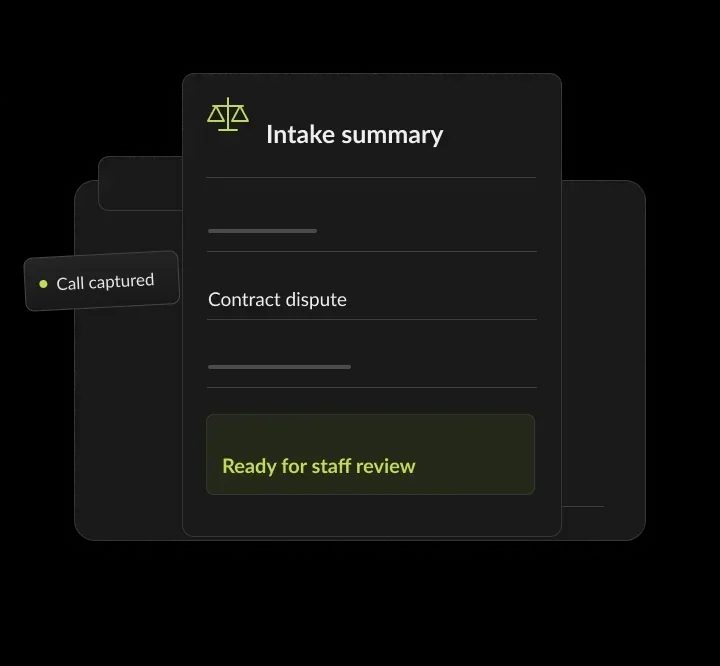
One new caller at night: the agent runs your intake, an attorney reviews and the matter opens in Clio.
A new caller at 9:30 pm
A potential client calls about a crash.
The agent runs your intake
Your questions, in English or Spanish.
An attorney reviews the matter
They accept or decline the case.
The matter opens in Clio
Facts, conflicts and the consult are filled in.
AI legal intake, in short
- Kansas City metro software and AI company
- An AI receptionist for law firms that lose new clients to voicemail, slow callbacks or language barriers
- Each build screens callers in English or Spanish and writes the matter into your case system
- Builds from $7,500; see <a href='/pricing/ai-voice-agent-cost'>voice agent cost</a>

Every caller screened. Every matter opened.
- 01Build priceFrom $7,500. Bilingual intake that writes into the case system. Support from $500 a month; calls at cost
- 02Web intake and CRMForms, CRM and e-signature: see our legal CRM and client intake software page
- 03Conflict checksRun on party names before any consult is booked
- 04Attorney reviewAn attorney approves every new matter
What your firm approves before AI intake goes live
Before launch, your managing partner approves the intake script, the disclaimers, the conflict-check order and where recordings live. The agent then follows the same rules as your intake staff. Our legal intake workflows are built to align with the ABA Model Rules on prospective clients, conflicts, confidentiality and lawyer advertising. They also follow your state bar's marketing rules.
The details your firm signs off:
- Party names come first, so the conflict check runs before deeper confidential facts are collected.
- Consent for texts and emails is asked on the call, and each opt-in is tracked.
- Declined matters get a standard non-engagement letter that an attorney approves.
- Medical and financial details sit behind field-level permissions, for injury and other sensitive matters.
- Every field change and every call leaves an entry in the audit trail.
- Recordings and transcripts follow the retention period your firm sets.
Higher-risk intake
For higher-risk intake, AI red teaming tests the agent for prompt injection and data leaks. AI governance and compliance covers firm-wide rules for AI use.
Injury matters and health data
Injury matters often carry medical records. Our HIPAA-compliant AI guide explains how health data is handled.
Confidentiality and ethics rules, built into intake
Rules your managing partner signs off
Intake calls carry sensitive facts, so the agent follows rules your managing partner signs off before launch. For firm-wide rules and testing, see AI governance and compliance, AI red teaming and legal AI software.
Your firm's accounts
Calls, recordings and transcripts stay in your firm's accounts, with access by role and an audit log.
No legal advice
The agent never gives legal advice or says whether a caller has a case.
Clear disclosures
Each caller hears that the call is recorded and that no attorney-client relationship exists yet.
Attorney approval
An attorney approves every new matter before an engagement letter goes out.
What AI legal intake does for a law firm
AI legal intake answers every call to your firm, screens potential clients with your questions and checks conflicts. It books the consultation and opens the matter in your case system for an attorney to review. Calls to a firm come in a few kinds, and each one needs its own path. The agent sorts each call in the first seconds and follows the rules your firm sets for it.
How it handles each kind of call
New potential clients
Screening questions by practice area, a conflict check and a consult on the right attorney's calendar.
Existing clients
The message is logged on the matter, and urgent ones go to the responsible attorney or paralegal.
Courts, opposing counsel and vendors
Routed to the right person, or taken as a message with a summary.
Urgent calls
Such as an arrest or a filing deadline tomorrow: transferred to the attorney on call, by your rules.




Where it fits next to your intake team
The agent takes the first call and the data entry. Your intake specialists review complete records, and attorneys decide which matters to accept.
Products vs custom: AI answering service for law firms
Answering products take messages for $99 to $349 a month. A custom build opens the matter for you.


Sample call: a truck accident, in Spanish
A caller picks Spanish after a truck accident on I-35. The agent says it can't give legal advice and books a video consult with an attorney for Thursday at 10:00. Clio gets a new matter: the contact with Spanish preferred, the accident and the neck injury, a clear conflict check on ABC Trucking and the consult, pending attorney review.
AI intake for law firms, by workflow
Each step writes to the case system your intake team already uses.
New client screening
Asks your screening questions by practice area and writes the answers into a new matter in Clio, MyCase or Filevine. For example, a caller hurt in a fall at a store answers your premises questions. Each answer fills an intake field on the new matter in Clio.
Conflict checks before booking
Searches your case system for the other party's name and books a consult only when no conflict appears. For example, the caller names the store's owner. The agent searches your case system, finds no match and offers consult times.
Consult booking
Books consultations on the right attorney's Outlook or Google calendar and texts the caller a confirmation. For example, a family law caller gets Thursday at 3:00 with the attorney who takes new custody matters, plus a text confirmation.
Bilingual AI receptionist
Holds the whole call in English or Spanish and saves an English summary on the matter for your team. For example, a caller switches to Spanish after the greeting. The attorney reads the English summary, and the full transcript stays on the matter.
AI legal intake ROI: a worked example
AI intake pays back when the new matters it saves from voicemail are worth more than its build, support and call minutes. The example below uses assumed numbers, so swap in your own. Example math with assumed numbers, not a client result. At these numbers, the build pays back in under two months. Fees vary widely by practice area, so that line moves the result most. Run your own numbers in the AI ROI calculator.
Intake and language work we've built
Two builds from our case studies, and the record behind them.

- Healthcare
Prior Authorization AI
Prior Authorization AI is a healthcare automation startup building AI-powered tools to streamline prior authorization for Medicare and Medicaid medical transportation providers in New Jersey.- 16Weekly hours saved
- 63%Admin time reduced
- 43%Fewer submission errors

- Startup
- Real Estate
Our Haus AI
A finance professional turned founder built Our Haus AI, an AI-powered collaborative workspace where homeowners and contractors scope, bid, contract, and document renovation projects together. SoftDoes took her prototype and made it production-ready.- 10XMVP scope delivered
- 2+years Ongoing partnership
- 1Fully owned Platform

- Real Estate
The building buyer
The Building Buyer is a Florida-based real estate investment firm co-founded by Dylan Troiano and Charles Hanlin. They acquire single-family, multifamily, and commercial properties across South Florida and beyond, with a focus on motivated seller opportunities.- 18Weekly hours saved
- 2+Years Ongoing partnership
- 1Fully owned Platform

- Healthcare
CareInTouch
CareInTouch is a Bay Area home health agency providing skilled nursing and therapy services to patients referred from hospitals and clinics. With over 100 staff, they operate in one of the most complex and compliance-driven healthcare markets in the country.- 40% Reduction In Billing Errors
- 100+Staff Operations Managed
- 0Missed Compliance Deadlines

- Startup
Sparkle The Cleaning Service
Sparkle The Cleaning Service is a Detroit-area residential cleaning company with 10 years in business, connecting homeowners with vetted, insured independent cleaners through a subscription-based marketplace platform.- 75% Platform Transparency
- 2XPlatform Growth
- 40%Higher User Retention

- Healthcare
FMY Orthodontics
FMY Orthodontics, a multi-location practice in West Tennessee, partnered with SoftDoes to replace a spreadsheet-based financial workflow with a custom web platform. The goal was to simplify how staff present treatment financing while allowing patients and families to review and complete decisions remotely.- 60%Workflow Reduction
- 75%Remote Adoption
- 5Locations Aligned

- Real Estate
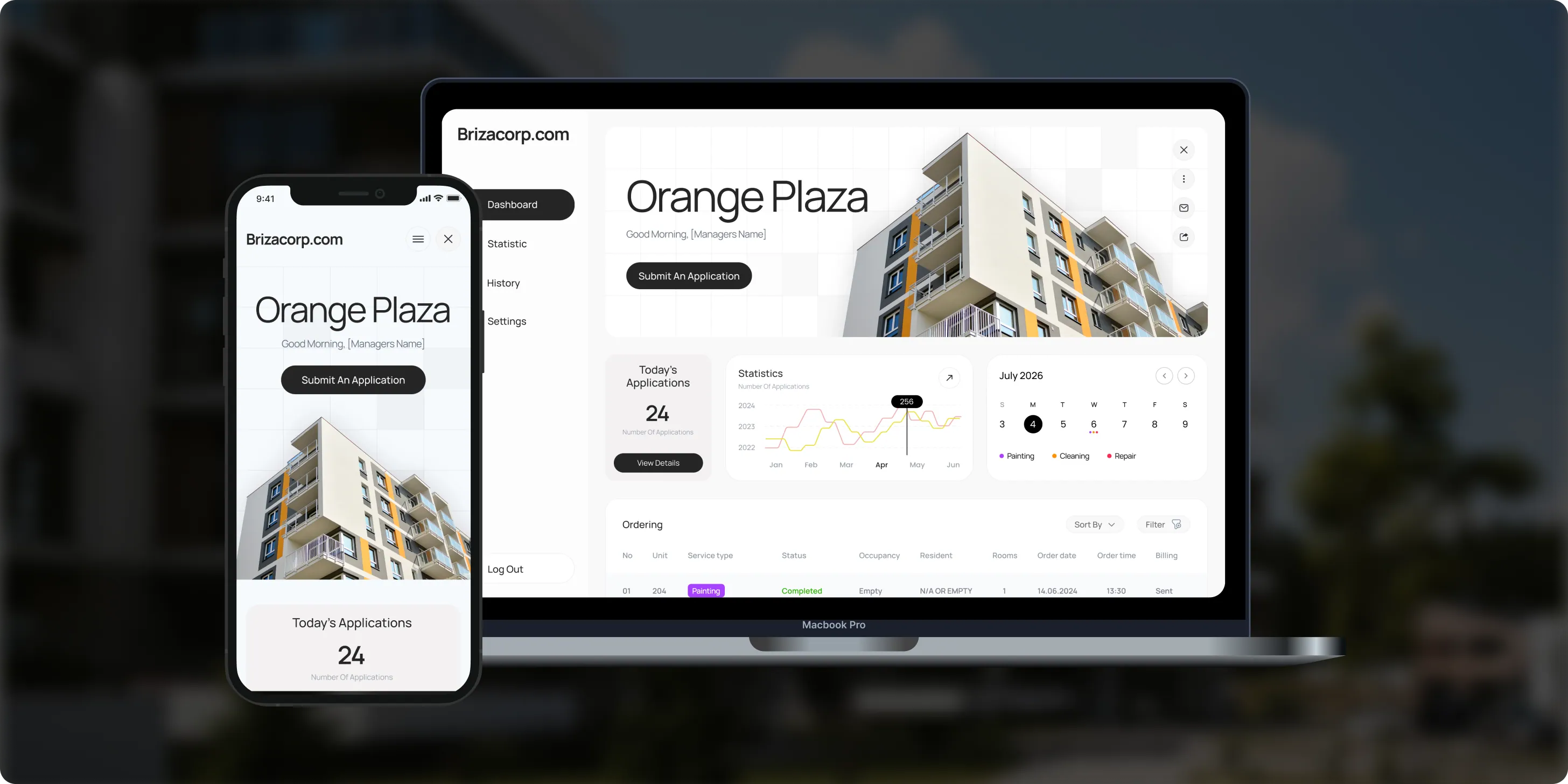
Brizacorp
Brizacorp manages residential properties and coordinates the staff who handle painting, cleaning, and repair requests. Its team tracked work across messengers, phone calls, e-mail, and paper planners, with no single place to manage requests or measure performance.- 98%Application Stability
- 95%Utilization Rate
- 30%Faster Task Completion
Risks in AI legal intake, and how we handle them
The main risks are legal advice, missed conflicts, exposed facts, delayed urgent calls, translation errors and undisclosed AI. Each gets a written rule tested on scripted calls.

Case systems and tools it connects to
We write to the systems your intake team already uses.
How to choose an AI receptionist for law firms
Choose intake that opens the matter in your case system, checks conflicts before booking and runs on your firm's accounts. Ask these questions before you sign.
Questions to ask, and what a good answer includes
- Where does a new caller end up? A new matter in your case system, field by field, not an email.
- When does the conflict check run? Before booking, on party names, before deeper facts are taken.
- Can it hold the whole call in Spanish? Yes, with an English summary and the original transcript saved.
- Who approves the script and disclaimers? Your managing partner, before launch.
- Where do recordings and transcripts live? In your firm's accounts, with access by role and an audit log.
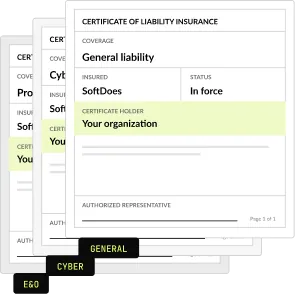
- What paperwork comes first? An NDA and a certificate of insurance before the first call.
Questions about AI intake for law firms
Spanish callers, legal advice, cost and attorney review.
What does an AI receptionist for law firms do?
It answers every call, screens potential clients with your intake questions, runs a conflict check and books consultations. Existing clients get their messages logged on the matter. Ours writes everything into Clio, MyCase, Filevine or Litify, so your intake team reviews complete records instead of returning voicemails.
Can an AI receptionist handle Spanish-speaking callers?
Yes. A bilingual AI receptionist holds the full call in English or Spanish, chosen by the caller in the first seconds. It writes an English summary on the matter and keeps the original transcript. Spanish-speaking callers can be booked with attorneys or staff who speak Spanish.
Will the AI give legal advice?
No. The agent is scoped to intake: it collects facts, checks conflicts and books consultations. It tells callers that it cannot give legal advice and that no attorney-client relationship exists yet. Any question about case value or strategy becomes a note for the reviewing attorney.
Is AI taking over legal intake?
AI is taking over the first call, not the decision. Intake agents answer at night and on weekends, ask screening questions and fill the record. Attorneys still decide which matters to accept, what to charge and what to tell the client, so every judgment call stays with the firm.
How much does AI legal intake cost?
Answering products cost about $99 to $349 a month. Our bilingual intake build that writes into your case system starts at $7,500. Support starts at $500 a month, and call minutes are billed at cost, about $0.10 to $0.20 a minute. See voice agent pricing for example budgets.
Can the AI receptionist run conflict checks?
Yes. It asks for the names of the other parties early in the call and searches your case system before it books anything. If a possible conflict appears, it books no consult and creates a task for your intake team. Deeper facts are collected only after the check comes back clear.
Which case management systems does it work with?
We write intake into Clio, MyCase, Filevine, Litify, Lawmatics and Clio Grow, and we connect Outlook or Google calendars. Phone systems such as RingCentral and call tracking such as CallRail connect too. If your firm runs another system with an API, we map its fields in the written plan before the build.
How does it handle calls from existing clients?
It identifies the caller and the matter, then logs the message on that matter in your case system. Urgent messages, such as a changed hearing date, go to the responsible attorney or paralegal by your rules. The client hears what happens next, so nobody has to call twice to ask.
What happens with urgent calls after hours?
Your firm writes the urgent rules, such as an arrest, a protective order or a filing deadline. Calls that match go straight to the attorney on call, with a written summary first. Everything else is booked or logged for the morning, so your team starts the day with complete records.
Will callers know they are speaking with AI?
Yes. The agent introduces itself as the firm's virtual receptionist and says the call is recorded, as in the sample call above. Callers can ask for a person at any time, and the transfer includes a written summary, so they never repeat their story.
Is an AI answering service for law firms worth it?
It is when missed or slow calls cost you signed matters. The worked example above shows how two saved matters a month can cover the build. If your intake team already answers every call quickly, an answering product or your current setup may be enough. Compare options on matters opened, not on price per minute.
Can we use the AI receptionist only after hours?
Yes. You choose which calls it takes: nights and weekends, overflow when your intake team is busy, or every call. We usually start with after-hours and overflow calls, then widen the scope once your team trusts the records it sees. Your main number stays the same in every setup.
Does it work with web forms and text messages too?
The phone agent focuses on calls. For online forms, chat and texts, we build legal CRM and client intake software that feeds the same case system. Both can share one script, so a lead who calls and then fills a form appears once.
Updated · Reviewed by Orest Andrusyshyn, Founder and CEO