







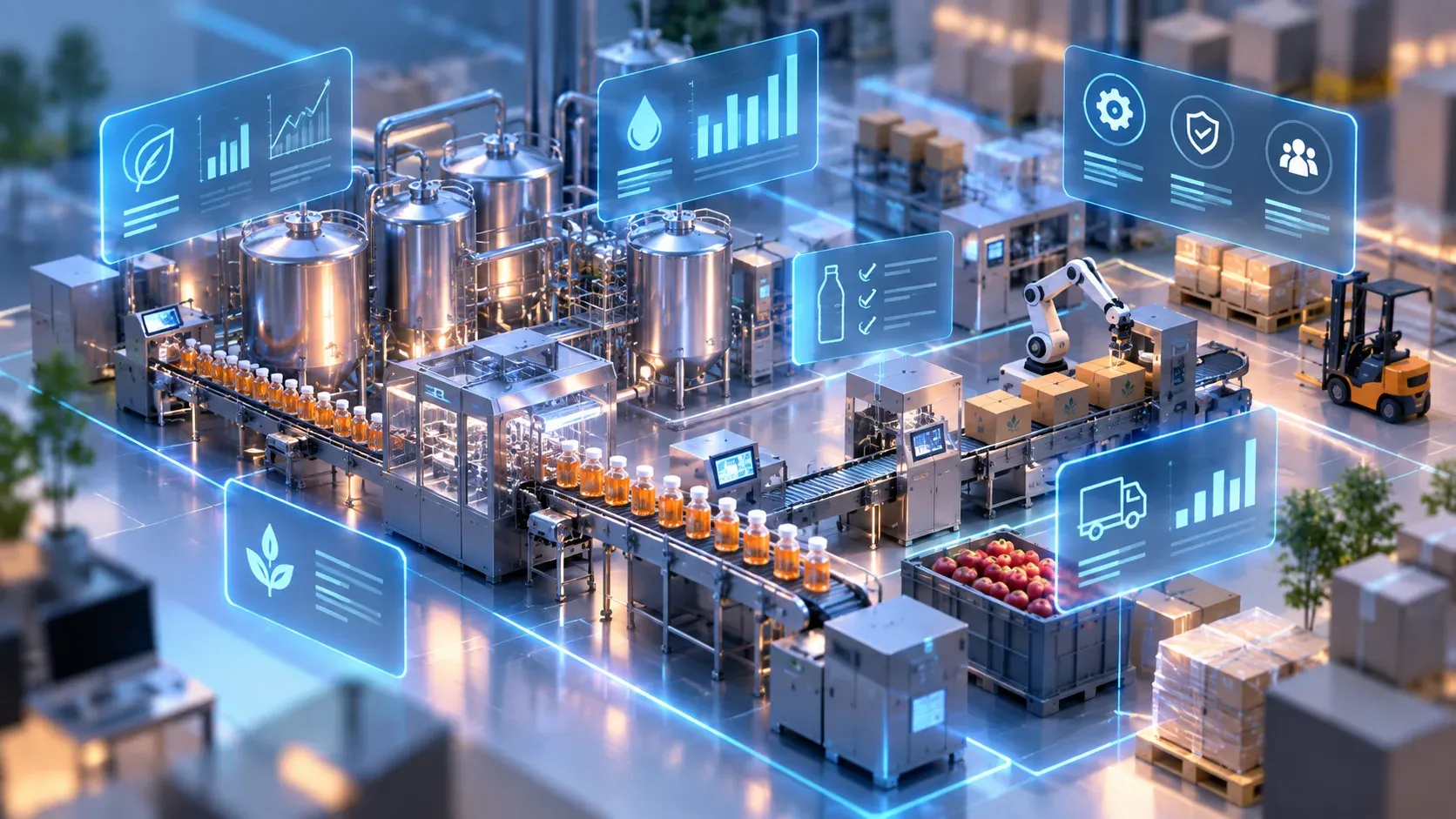
This guide breaks down the leading food ERP platforms for 2026, the features that separate food manufacturing software from generic tools, and where custom development fills the gaps.
Key Takeaways
- The best ERP software for food and beverage manufacturing must handle batch production, lot traceability, food safety compliance, and real time supply chain visibility from day one.
- Current industry evaluations often highlight Infor, Aptean, and BatchMaster for food ERP needs. Other strong options for North American food manufacturers include SAP Business One industry packages, Wherefour, and NutraSoft.
- Generic ERP tools may not manage perishability and complex recipes effectively. They typically lack allergen control, end to end traceability, FEFO inventory logic, and recall management required for FDA, FSMA, and CFIA compliance.
- Many mid-market food manufacturers now blend off-the-shelf food ERP software with custom modules built by partners like SoftDoes to cover unique workflows, AI forecasting, and integrations.
- The "best" system depends on company size, product mix, regulatory burden, and implementation capacity. Match software capabilities to your specific food production model before signing anything.
What "Food and Beverage Manufacturing Software" Actually Means
Food and beverage manufacturing software is a category of integrated systems combining food ERP software, manufacturing execution (MES), quality control, and compliance tools built for process manufacturers. Unlike enterprise resource planning platforms designed for discrete manufacturing or generic accounting, these systems connect recipe management, batch production, inventory and warehouse management, quality assurance, financial management, and the supply chain into a single source of truth.
Software for food and beverage must facilitate lot traceability and recipe management at their core. These platforms support allergen management, expiration and shelf life control, nutritional data tracking, and end to end traceability. Generic ERP tools often lack baked in handling of expiry and FEFO logic, catch weight for variable weight items, or formula version control. Food manufacturers must comply with FDA and FSMA regulations, and the right software makes that compliance operational rather than aspirational.
Key regulatory frameworks these platforms address in North America:
- FDA FSMA (including Traceability Rule / FSMA 204)
- USDA (meat, poultry)
- CFIA and Health Canada (bilingual labeling, allergen rules)
- GFSI aligned schemes: SQF, BRCGS, FSSC 22000
- HACCP plans and CCP monitoring
This article covers both leading off-the-shelf ERPs and the role of custom solutions for food and beverage companies.
Top ERP Platforms for Food & Beverage Manufacturing in 2026
Below are several of the best ERP software choices used by food and beverage manufacturers in the U.S. and Canada. Each platform offers industry specific features that generic ERP systems do not.
Aptean Food & Beverage ERP
- Built on Microsoft Dynamics Business Central; includes built in traceability, complex formula and recipe scaling, allergen and nutritional labeling, SQF and BRCGS compliance workflows. Cloud native on Azure. Best fit: mid-sized to large, multi-site operations with high SKU counts.
BatchMaster ERP
- Purpose built food ERP software with nutritional labeling, allergen tracking, shelf life control, and full bidirectional lot traceability. BatchMaster ERP supports FDA, FSMA, and HACCP compliance, and also supports compliance with HACCP and SQF standards. BatchMaster ERP enables recipe and formulation management and enables real-time inventory tracking to minimize spoilage. BatchMaster ERP integrates with QuickBooks and Microsoft Dynamics GP. Best fit: small to mid-sized food producers and scale-ups. Cloud and on-premise options. Morehouse Foods used BatchMaster to gain real time visibility into costing and traceability.
Infor CloudSuite Food & Beverage
- Manages tanks, bulk and pack synchronization, potency, multi-plant operations, and cleaning scheduling. Infor CloudSuite improves bi-directional food traceability and uses embedded AI for anomaly detection and supply chain alerts. Over 1,000 food companies use Infor for ERP solutions. Implementation timelines often run 9 to 18 months. Best fit: enterprise and upper mid-market beverage manufacturers and food producers.
SAP Business One (Food & Beverage variant)
- Offers batch and lot tracking, recipe and formula management, catch weight, shelf life handling, and FDA FSMA/HACCP compliance features. Large add-on ecosystem with many partners building food industry extensions. SAP Business core deployments can go live in 2 to 8 weeks for basic features. Best fit: small and mid-sized food and beverage businesses migrating from basic accounting software.
Sage X3 Food & Beverage
- Recipe management, lot tracking, quality control, compliance, and supply chain visibility. Handles recalls, allergen reporting, and cross-border features relevant to Canadian beverage companies and food manufacturers selling into both U.S. and Canadian markets. Best fit: mid to enterprise scale, multilingual operations.
Wherefour
- Designed for growing food and beverage brands. Real time lot tracking, COA on every lot, FSMA 204 built in. Wherefour provides built in compliance tools for FSMA and SQF. Wherefour integrates with popular accounting tools like QuickBooks and Sage. Go-live in weeks. Best fit: small to mid-sized food and beverage businesses seeking fast ROI.
NutraSoft
- Nutrition labeling in both U.S. and Canadian formats, regulatory toggles for FDA and CFIA bilingual layouts, expiry and allergen management. Go-live reported in as few as 5 to 14 days for some modules, with three-year costs up to 75% less than legacy food ERP systems. Best fit: small to mid-sized firms selling in both countries.
Essential Features of Food & Beverage ERP Software
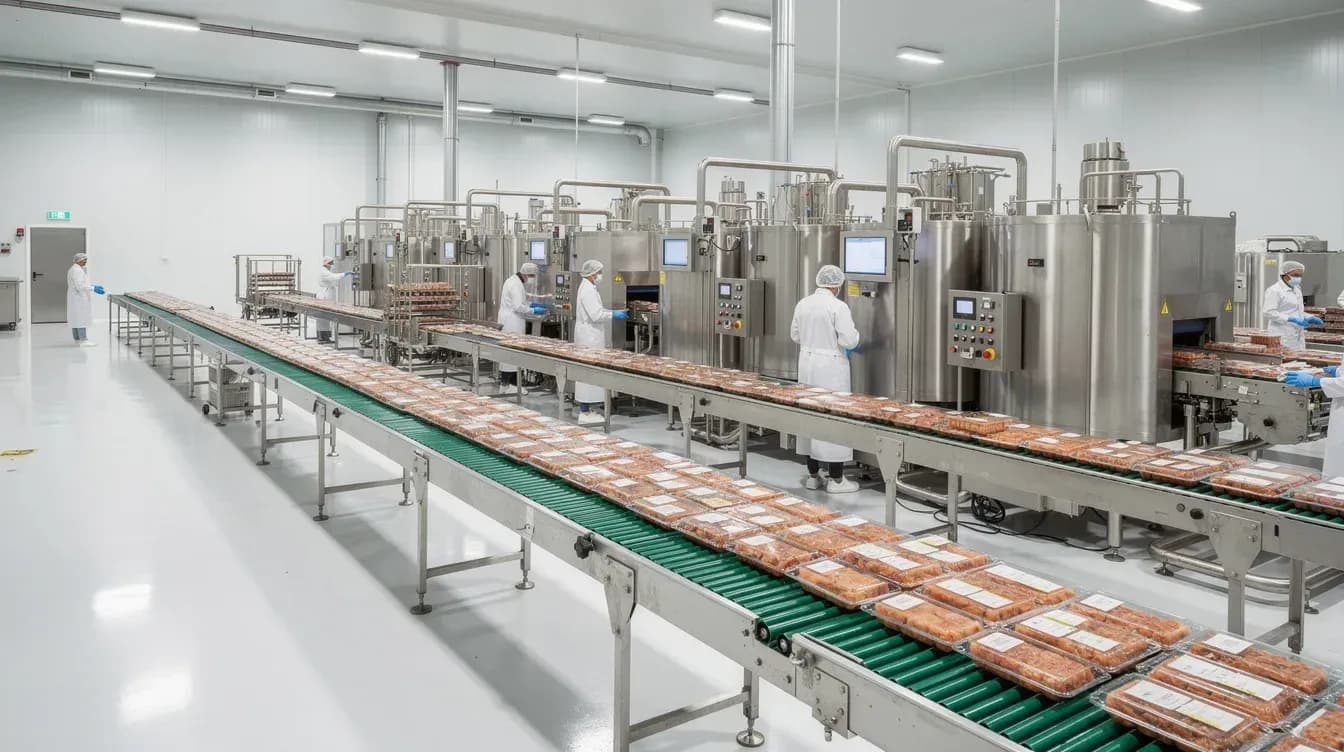
The best ERP software for food and beverage manufacturing must support process manufacturing and batch production from day one. Food ERP software includes tools for recipe management and compliance, and these features separate purpose built systems from generic alternatives.
Recipe and formula management, BOMs, and batch scaling
Recipe management systems must handle scaling, allergen information, and nutritional analysis. Recipe management helps ensure consistent product quality in food production. Food ERP systems support batch processing and recipe scaling, including multi-level BOMs with sub-recipes, losses from trimming or evaporation, and version control across ingredient changes. Recipe costing includes labor and overhead in food ERP systems, and the software should calculate the true cost of products by factoring in all associated expenses. Food ERP software includes recipe management tools for compliance, letting producers manage recipes across sauces, bakery, dairy, meat, and beverages.
Inventory and warehouse management
Inventory management systems should include FEFO and catch-weight features. First-Expired, First-Out (FEFO) logic is necessary for managing perishable inventory, since generic tools typically only support FIFO. Catch-weight management is essential for items sold by variable weight like meat and cheese. Cold storage management, temperature zone tracking, automated lot traceability across multiple lines and warehouses, and mobile warehousing tools for stock tracking are standard in purpose built food ERP.
Quality and food safety compliance
Automated quality control features are critical for meeting food safety standards. Connecting ERP to shop floor systems, MES, and IoT sensors ensures CCP monitoring data flows directly into quality records. COA capture for raw materials and finished goods, HACCP plan management, QA holds, and non-conformance workflows integrated into production orders keep food safety compliance audit ready.
Supply chain planning and integrations
Supply chain planning tools include MRP, finite scheduling for production planning around line changeovers and allergen cleaning, and demand forecasting based on seasonal patterns. Integration with accounting, e-commerce, and inventory systems is vital for ERP solutions. FlexiBake integrates with QuickBooks, Xero, and Sage accounting software. Food ERP software centralizes purchasing, production, and finance operations into a connected system.
Traceability, Recall Readiness, and Food Safety Compliance
Lot traceability is essential for managing food recalls effectively. Under FSMA 204, U.S. food manufacturers must maintain Key Data Elements and Critical Tracking Events for every lot, from raw material receipt through production to final shipment. Retailers now require proof of trace back in 24 hours or less; failing that test can mean losing shelf space. Regulatory compliance in food manufacturing often involves FDA, HACCP, or FSMA guidelines, and food ERP systems support compliance with FSMA and HACCP standards.
Food ERP systems provide lot and batch traceability for recalls, tracking ingredients from supplier lot through production batch to finished goods and customer shipments. BatchMaster ERP enables end-to-end traceability in food production. Wherefour provides two-minute recall reports for food manufacturers.
Recall management capabilities should allow quick identification of affected product lots. Leading platforms generate instant lot genealogy reports, produce affected customer lists, compile regulatory documentation, and log all communications. Food ERP systems ensure traceability for recalls and allergen control, so that when a contaminant is found, the recall can be limited to specific lots rather than entire SKUs.
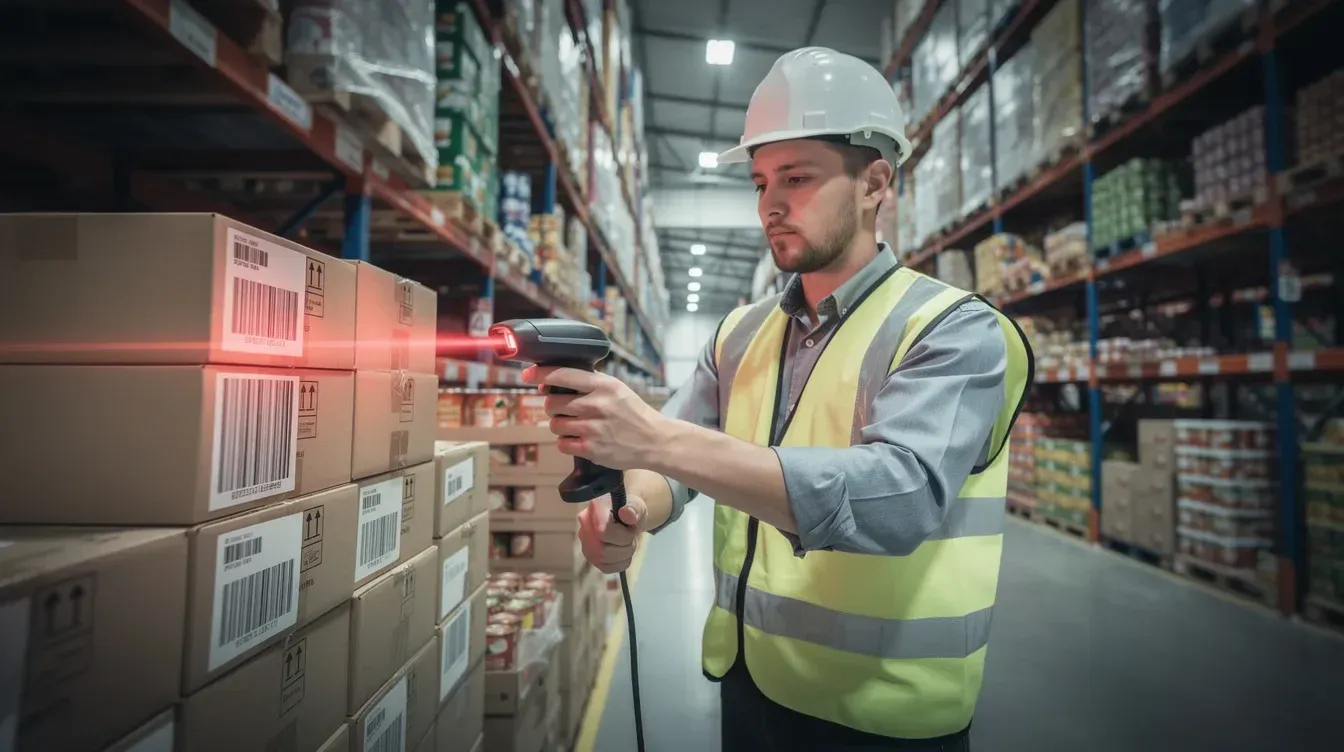
Food safety software should automate audit trails and quality checks for compliance. Digital HACCP records, temperature logs, allergen segregation documentation, SOPs, and training records stay accessible for auditors. Strong traceability tools reduce both the risk and scope of recalls, which directly lowers costs and protects customer relationships.

Let’s Turn Your Idea into Scalable Software
Book a call with the representative to get answers to all the questions you may have.
How Food ERP Software Streamlines Supply Chain and Production
The food and beverage supply chain runs from farm gate to consumer shelf, and the best platforms connect purchasing, production floor scheduling, warehousing, and logistics into one production cycle. Automated workflows in food ERP streamline production processes by replacing manual scheduling, phone-based purchasing, and spreadsheet inventory counts.
- Demand forecasting tools pull from historical sales, promotions, and seasonality to calculate ingredient needs. MRP generates purchase orders for raw materials automatically, adjusting for shelf life and supplier lead times.
- Batch production planning includes finite capacity scheduling across multiple lines, changeover optimization for allergen and flavor changes, and real time re-planning when orders or yields shift. A frozen food plant, for example, can reschedule production runs within minutes if a shipment of a key ingredient arrives late.
- Integration with 3PLs, carriers, and EDI systems keeps customer orders, shipments, and inventory control in sync. A ready-to-drink beverage manufacturer selling through distributors can automate order acknowledgment, pick and pack, and carrier assignment from a single dashboard.
These connected planning capabilities reduce waste, avoid stockouts, and cut write-offs on expired inventory.
Key Benefits of Modern Food & Beverage Manufacturing Software
The key benefits of food ERP go beyond features. Here are the business outcomes food and beverage companies report after implementation:
- Margin visibility: Accurate food costing by SKU and customer, including yield loss, spoilage, labor, and over-fills. Manufacturers price products based on real numbers, not estimates.
- Waste reduction: Food ERP software reduces waste and improves production efficiency. Wherefour customers report up to 25% reduction in labor and inventory costs. Infor CloudSuite helps increase yield by 500,000 euros annually for some operations.
- Faster launches: New packaged food SKU introduction through formula management, label approvals, and regulatory templates cuts weeks from the production cycle.
- Operational gains: Food ERP software helps reduce waste and improve operational efficiency through higher yields, reduced rework, and improved on-time delivery for food manufacturers across the beverage industry and food manufacturing industry.
- Compliance and audit readiness: Compliance features help maintain audit readiness in food manufacturing. Automatic alignment with FDA, FSMA, HACCP, and CFIA requirements reduces the scramble before audits.
- Plant floor usability: Simpler mobile data capture on the shop floor, reduced manual spreadsheets, and clearer KPIs for operations and quality leaders. Consistent product quality becomes measurable, not anecdotal.
Off-the-Shelf ERP vs. Custom Food Manufacturing Software
Many North American food and beverage manufacturers now combine best-of-breed food ERP with custom modules rather than relying on a single monolithic platform.
Off-the-shelf food ERP strengths:
- Prebuilt food manufacturing logic covering formulation management, lot tracking, and compliance documentation
- Proven compliance workflows tested across hundreds of food and beverage businesses
- Vendor support, regular updates, and ecosystem integrations
- All the functionality needed for core processes arrives out of the box
When custom software becomes necessary:
- Unique production steps such as private label co-packing, by-product reuse, or batch combining and splitting
- Proprietary QA workflows or complex allergen segregation logic
- AI forecasting models for demand, yield, or waste prediction built on your own production data
- Customer portals for B2B buyers needing access to orders, COAs, and compliance documentation
A hybrid strategy uses a stable ERP core with custom web apps, APIs, or mobile tools layered on top. This avoids heavy customization of the base system while addressing gaps that off-the-shelf platforms cannot fill. SoftDoes helps food and beverage companies design and implement this hybrid model without locking them into a single vendor.
How to Choose the Best ERP for Your Food & Beverage Plant
Choosing a food ERP requires functional capability evaluation specific to industry tasks. Start by aligning system capabilities with your specific food manufacturing model and growth plans.
- Map your production type: make-to-stock, make-to-order, batch, private label, co-packing. Each model puts different demands on scheduling, inventory, and sales processes.
- Identify certifications you need: SQF, BRC, GFSI, organic, kosher, halal. Your ERP must manage compliance documentation for each.
- Build an evaluation matrix covering lot traceability depth, recall readiness and recall reports speed, allergen and nutritional data handling, FEFO support, and integration to existing accounting or WMS tools.
- Demo with real data: Bring your own recipes and labels. Simulate a mock recall scenario. Test allergen control workflows. If a vendor cannot run your actual formulas, that is a red flag.
- Check references from similar North American food producers in your sub-segment and at a similar scale. Ask for before-and-after metrics on production efficiency and audit preparation time.
- Plan the implementation realistically: Assign internal project owners, set timeline expectations, budget for training and data migration, and define long-term upgrade strategies.
Where Custom Development Fits: SoftDoes and Food ERP Modernization
SoftDoes is a software engineering partner for construction and manufacturing companies, not an ERP vendor. The focus is on extending or modernizing existing food ERP stacks for food and beverage manufacturers in the U.S. and Canada.
- Custom portals and integrations: Building B2B buyer portals, integrating ERPs with ecommerce or logistics platforms, and creating API layers between legacy systems and new cloud tools.
- Data and AI work: Building demand forecasting models, yield and waste optimization dashboards, and predictive maintenance analytics on top of production data from systems like SAP Business or Infor.
- Modernization: Re-platforming old on-premise food manufacturing applications to the cloud, improving UI/UX for production floor users, strengthening security and compliance controls, and replacing fragile spreadsheet-based processes with modern software. SoftDoes ranks among the top custom ERP development companies in the U.S. for this kind of work.
- Long term partnership: SoftDoes helps food producers get more value from whichever best ERP software they select for food and beverage manufacturing.
Benefits of Working With SoftDoes on Food & Beverage Software
- Regulated systems experience: SoftDoes has built and modernized systems for regulated industries including food safety compliance, auditability, and data integrity requirements.
- Flexible engagement models: Project-based builds, dedicated engineering teams, and ongoing support for mission critical food production and supply chain applications.
- Concrete capabilities: Custom food ERP extensions, AI and machine learning for demand forecasting and quality assurance, data engineering for traceability analytics, and cloud migrations for SAP Business, Microsoft Dynamics, and similar stacks, alongside custom healthcare and dental practice software where regulated workflows and compliance are critical.
- Security and compliance: Role-based access, encryption, backup and disaster recovery, and SOC 2 aligned practices.
Ready to modernize your food manufacturing software stack? Schedule a short discovery call with SoftDoes to review your current systems and design a step-by-step modernization roadmap.


Comments (0)
No comments yet.