
U.S.-Based
AI receptionist for medical office and dental teams
Your front desk is on the phone while patients wait at the window. Our AI receptionist verifies callers, books visits and writes it all into your EHR.
$9,000
HIPAA-ready build, from
$500
Support a month, from
5.0
Clutch rating from 40 reviews
























How a patient call runs
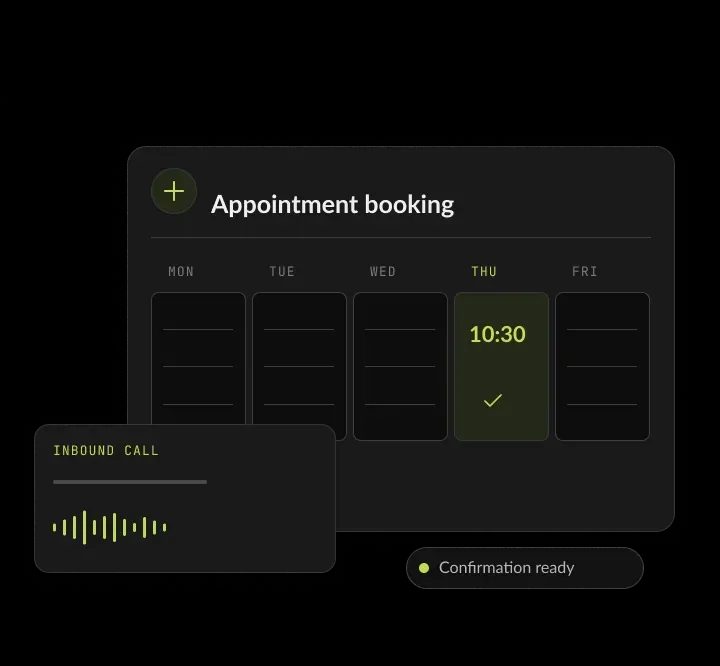
One early-morning call: the agent verifies the patient and books, staff take the clinical request and the EHR updates.
A patient calls at 7:55 am
They need to move a follow-up.
The agent verifies and books
It checks name and birth date, then books.
Staff take clinical requests
Refills go to the nurse queue.
The EHR updates
The patient gets a text.
AI medical receptionist, in short
- Kansas City metro software and AI company
- HIPAA-ready AI receptionists for medical and dental practices that lose calls during busy hours
- Each one verifies callers, books visits and writes intake into your EHR
- Builds from $9,000; see <a href='/pricing/ai-voice-agent-cost'>voice agent cost</a>

Every patient verified. Every visit in the EHR.
- 01Build priceFrom $9,000. HIPAA-ready build. Support from $500 a month; call minutes billed at cost
- 02Practice softwareWe also build patient portals and dental practice software
- 03Clinical requestsAlways go to your staff, as tasks in the right queue
- 04RecordingsStay in your cloud account, with retention you set
What your compliance officer reviews before go-live
Before the first patient call, your compliance officer reviews the full data flow. That covers where call audio goes, what the agent reads and writes in the EHR, and who can open each recording. HIPAA compliance is built into the architecture from the start. The review confirms how each part works on your own systems.
What the review covers:
- A data flow map: phone line, speech processing, model calls, EHR fields and storage
- The minimum EHR fields the agent can read for each call type, and the fields it can write
- Which roles on your staff can open recordings and transcripts
- Retention periods for recordings and transcripts, set by your practice
- Phone, model and storage accounts held by your practice, under your contracts with each vendor
- Scripts for clinical requests, urgent symptoms and callers who are not the patient
Why the review happens with your team
Software alone does not make a practice compliant, because compliance also depends on your policies and procedures. That is why the review happens with your team, before go-live.
More on HIPAA and testing
Our HIPAA-compliant AI guide covers the rules in more depth. AI red teaming can test the agent for data leaks before launch.
HIPAA rules, built into every call
Reviewed before go-live
HIPAA compliance is built into the architecture from the start, and your compliance officer reviews the data flow before go-live. Our HIPAA-compliant AI guide covers the rules; see also AI governance and compliance and AI red teaming.
Verified callers
Callers are verified by name and birth date before the agent opens a record.
Access controls, audit logging, encryption
Access controls, audit logging and encryption cover every recording and EHR write.
No medical advice
The agent never gives medical advice; clinical requests go to your staff.
Your cloud account
Recordings stay in your cloud account, with retention you set.
What does an AI receptionist for medical practice teams do?
An AI receptionist for medical office teams answers patient calls, verifies each caller and books or moves visits by your rules. It writes intake into your EHR and sends anything clinical or urgent to your staff. It takes routine calls so your staff can serve the patients in front of them. Each call ends as a booking, an intake record or a task in the right queue.
How each call ends
A booking
A visit booked, moved or cancelled in your EHR or practice management system.
An intake record
Intake answers written into the matching fields of your EHR.
A task in the right queue
Clinical, urgent and billing requests go to your staff as tasks.


AI patient intake, field by field
Intake answers go into the matching fields of your EHR or practice management system, not into a voicemail. Staff review a complete record instead of retyping notes from a call.
What stays with your staff
Clinical decisions, urgent symptoms and sensitive conversations always go to a person. The agent follows the script your clinical lead approves for each of them.
Products vs custom for a medical or dental office
Off-the-shelf AI receptionists cost $99 to $349 a month. A custom build costs more because it writes into your systems.


Sample call: a moved visit and a refill request
A patient calls to move Thursday's visit and gives her name and birth date. The agent books Tuesday at 2:15 with Dr. Patel and, as it can't approve refills, sends the blood pressure refill request to the nurse team. The EHR gets the verified patient, the moved visit with a text confirmation and a nurse task for the refill.
AI patient intake and front desk calls, by workflow
Each call type writes to the system your staff already work in.
Booking and rescheduling
Books, moves and cancels visits in your EHR or practice management system, using your visit types and provider rules. For example, a patient cancels Friday's physical. The agent offers Monday at 9:40 with the same provider and books it.
New patient intake
Collects demographics, insurance and reason for visit, and writes each answer into the intake form in your EHR. For example, a new patient gives insurance details and the reason for the visit, and both land in the EHR intake form.
Refills and clinical questions
Takes the request and creates a task in the nurse queue. Clinical decisions always stay with your staff. For example, a caller asks whether a rash needs a visit. The agent creates a nurse task and tells the caller the nurse team will call back.
Dental recall and hygiene visits
As an AI receptionist for dental office calls, it books cleanings and recall visits in Open Dental, Dentrix or Eaglesoft, with the right chair time. For example, a patient due for a cleaning books a hygiene visit in Dentrix with the right chair time, then gets a text confirmation.
AI medical receptionist ROI: a worked example
An AI receptionist pays back when the front desk hours it frees cost more than its build, support and call minutes. The example below uses assumed numbers for a practice taking 2,000 patient calls a month, so swap in your own. Example math with assumed numbers, not a client result. At these numbers, the build pays back in about five to seven months. The math leaves out after-hours calls, so new patients kept from voicemail would add to it. Enter your own call volume and front desk costs in the AI ROI calculator.
Healthcare software we've built
Two healthcare builds from our case studies, and the record behind them.

- Healthcare
Prior Authorization AI
Prior Authorization AI is a healthcare automation startup building AI-powered tools to streamline prior authorization for Medicare and Medicaid medical transportation providers in New Jersey.- 16Weekly hours saved
- 63%Admin time reduced
- 43%Fewer submission errors

- Startup
- Real Estate
Our Haus AI
A finance professional turned founder built Our Haus AI, an AI-powered collaborative workspace where homeowners and contractors scope, bid, contract, and document renovation projects together. SoftDoes took her prototype and made it production-ready.- 10XMVP scope delivered
- 2+years Ongoing partnership
- 1Fully owned Platform

- Real Estate
The building buyer
The Building Buyer is a Florida-based real estate investment firm co-founded by Dylan Troiano and Charles Hanlin. They acquire single-family, multifamily, and commercial properties across South Florida and beyond, with a focus on motivated seller opportunities.- 18Weekly hours saved
- 2+Years Ongoing partnership
- 1Fully owned Platform

- Healthcare
CareInTouch
CareInTouch is a Bay Area home health agency providing skilled nursing and therapy services to patients referred from hospitals and clinics. With over 100 staff, they operate in one of the most complex and compliance-driven healthcare markets in the country.- 40% Reduction In Billing Errors
- 100+Staff Operations Managed
- 0Missed Compliance Deadlines

- Startup
Sparkle The Cleaning Service
Sparkle The Cleaning Service is a Detroit-area residential cleaning company with 10 years in business, connecting homeowners with vetted, insured independent cleaners through a subscription-based marketplace platform.- 75% Platform Transparency
- 2XPlatform Growth
- 40%Higher User Retention

- Healthcare
FMY Orthodontics
FMY Orthodontics, a multi-location practice in West Tennessee, partnered with SoftDoes to replace a spreadsheet-based financial workflow with a custom web platform. The goal was to simplify how staff present treatment financing while allowing patients and families to review and complete decisions remotely.- 60%Workflow Reduction
- 75%Remote Adoption
- 5Locations Aligned

- Real Estate
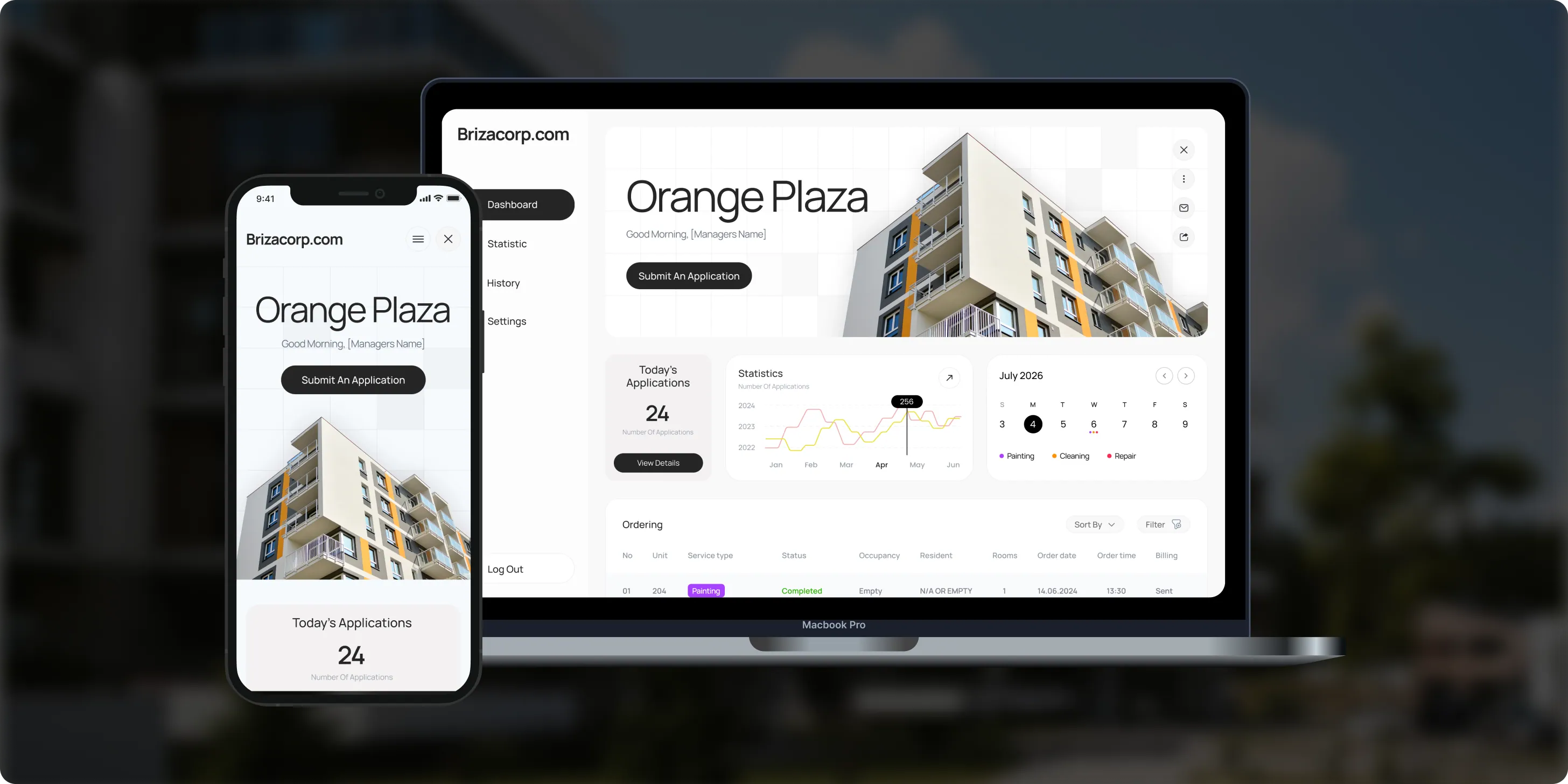
Brizacorp
Brizacorp manages residential properties and coordinates the staff who handle painting, cleaning, and repair requests. Its team tracked work across messengers, phone calls, e-mail, and paper planners, with no single place to manage requests or measure performance.- 98%Application Stability
- 95%Utilization Rate
- 30%Faster Task Completion
Risks in an AI medical receptionist, and how we handle them
The main risks are the wrong patient record, clinical advice, missed urgent symptoms, booking errors, patient data exposure and model changes. Each gets a control before go-live.

Dental and medical systems it writes to
We connect to your EHR or practice management system and your phone line.
How to choose an AI receptionist for medical office or dental teams
Choose a receptionist that writes into your EHR field by field, verifies callers first and keeps recordings in your cloud account. Ask these questions before you sign.
Questions to ask, and what a good answer includes
- Where does each patient call end up? In your EHR or practice management system, field by field.
- How does it verify callers? Identity checks before any record opens, with rules for family members and caregivers.
- What happens with clinical requests? A task in your nurse queue, never an answer from the agent.
- Does it follow our booking rules? Your visit types, providers, chair time and new patient rules.
- Where do recordings live, and for how long? In your cloud account, with the retention your practice sets.
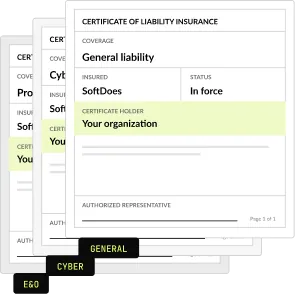
- What paperwork comes first? An NDA and a certificate of insurance before the first call.
Questions about an AI receptionist for dental office and clinic calls
HIPAA, cost, intake and what stays with your staff.
Will a medical receptionist be replaced by AI?
No. An AI receptionist takes the routine calls, such as booking, rescheduling, directions and intake, which frees your front desk for patients at the window. Anything clinical, urgent or sensitive goes to a person. We usually start with overflow and after-hours calls, then add the morning rush once your staff trust the bookings.
How much does an AI receptionist for medical office calls cost?
Our HIPAA-ready build starts at $9,000. Off-the-shelf receptionist products cost about $99 to $349 a month and mostly take messages. After launch, support starts at $500 a month, and call minutes run about $0.10 to $0.20 a minute, billed at cost. Our voice agent pricing page lays out example budgets.
Is an AI receptionist HIPAA compliant?
It can be, when the whole call path is built for it. We build HIPAA compliance into the architecture from the start: verified callers, access controls, audit logging, encryption and records kept in your own accounts. Your compliance officer reviews the data flow before launch. Our HIPAA-compliant AI guide covers the rules.
Can an AI dental receptionist book hygiene and recall visits?
Yes. It reads your schedule in Open Dental, Dentrix or Eaglesoft, books cleanings and recall visits with the right chair time and sends a confirmation text. It can also call patients who are overdue for recall, when they have agreed to calls and texts from your office.
Should a practice buy an AI receptionist product or build one?
Buy a product if you only need messages taken and visits booked on a simple calendar. Build when calls must write into your EHR, follow provider and visit-type rules or meet your own HIPAA controls. Our guide on AI receptionists vs answering services compares the options.
Which EHR and practice management systems does it work with?
We build custom integrations with Open Dental, and we connect to Dentrix, Eaglesoft, Epic, athenahealth and eClinicalWorks where their interfaces allow it. The route depends on each platform's APIs, access permissions and data exchange options, such as HL7 or FHIR. We confirm the route in the written plan before any build starts.
Can patients still reach a person?
Yes, always. Patients can ask for a person at any time, and the agent transfers the call with a short written summary. Clinical, urgent and sensitive calls go to staff by rule, without the patient having to ask. Your team decides which calls the agent takes and which it routes.
Can it answer calls after hours?
Yes. After hours, it books and moves visits, takes intake and creates tasks for the morning. Urgent calls follow the after-hours script your clinical lead approves, such as a transfer to the on-call provider's service. Every after-hours call appears in the EHR or a staff queue before the office opens.
Can it send appointment reminders and fill cancellations?
It can call or text patients who agreed to calls and texts from your office. Reminders confirm, cancel or move a visit and write the answer back to your schedule. When a visit opens, the agent can offer it to patients on your waitlist by the same rules.
Does it work for practices with several providers or locations?
Yes. Booking rules follow each provider's schedule, visit types and location, and the agent asks which office the patient prefers. Calls route to the right location's staff for anything it cannot finish. Each location's hours, directions and policies come from one approved answer list.
What does the agent say when a patient describes an emergency?
It follows the emergency script your clinical lead approves, such as telling the caller to hang up and dial 911. The agent never gives medical advice. The call is flagged for staff, and the full transcript is saved for review.
Can the AI receptionist collect insurance information?
Yes. During new patient intake, it collects the insurance carrier, member ID and subscriber details. They go into the intake fields of your EHR. Staff verify coverage as they do today. The agent never promises coverage or prices, and billing questions go to your billing team as tasks.
Updated · Reviewed by Orest Andrusyshyn, Founder and CEO