
U.S.-Based
AI in logistics for the emails and paperwork behind every load
Rate requests, load tenders, check calls and delivery paperwork fill every broker's and dispatcher's day. We build AI that reads them, updates your TMS and leaves the decisions to your team.
$7,000
Logistics AI build, from
40
AI projects delivered since 2020
5.0
Clutch rating from 40 reviews
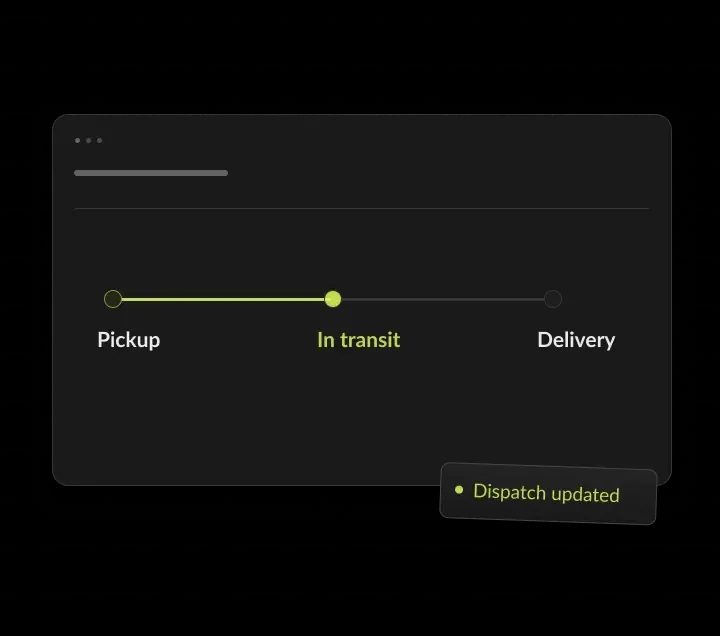
























How a load tender moves through the build
One tender: the AI builds the load, a broker confirms and the TMS updates.
A tender email arrives
A shipper emails a load with pickup, drop and rate details.
AI builds the load
It fills the load fields and suggests carriers from your lane history.
A broker confirms
They check the rate, pick the carrier and send the confirmation.
The TMS updates
The load, carrier and documents land in your TMS, with a log.
AI for logistics, in short
- Kansas City metro software and AI company
- AI for freight brokers, carriers and logistics teams
- The AI reads tenders, rate requests and freight documents, drafts carrier updates and keeps your TMS current
- Builds start at $7,000, and you own all the code

AI does the typing. Your team makes the calls.
- 01Build priceFrom $7,000. Document extraction starts at $5,000. AI agents across 3 or more systems start at $13,000. AI development cost
- 02Who it's forBrokers, carriers and 3PLs: operations leaders whose teams live in email, phone calls and the TMS. Logistics software development
What AI in logistics does today
AI in logistics reads the emails, documents and status messages around each load, updates your TMS and drafts the next message. Brokers, dispatchers and billing staff confirm anything that commits a truck or money. Freight runs on messages: tenders, rate requests, check calls, proofs of delivery and invoices. Each one is a small task, and together they fill a desk's day.
Where to start
Pick the desk
Pick the desk with the most email per load, such as carrier sales or track and trace.
Count it
Loads a week, messages per load and minutes per message.
Export 50 past loads
Export 50 past loads with their emails and documents, so tests run on your lanes.
Pilot, then widen
Pilot on one customer or lane with staff approving each message, then widen it. For a first check of your data and systems, take our AI readiness quiz.




Two kinds of AI in logistics
Language models read and write: emails, documents and notes. Prediction and optimization models plan: routes, forecasts and pricing. This page covers the first kind, which plugs into the TMS and inboxes you already run. Planning models need clean history to learn from. Our predictive analytics services cover forecasting when your data is ready.
EDI and AI work side by side
Partners with EDI send structured messages. In the X12 standard, the 204 is a motor carrier load tender. The 214 is a shipment status message, and the 210 a freight invoice. AI covers the rest: the loads and updates that still arrive by email, PDF and phone, written into the same TMS fields.
What stays with your team
Rates, carrier choice, claims and customer promises stay with people. The AI drafts and logs, and a named person approves anything that commits a truck or money.
AI dispatch software, connected to your TMS and ELDs
The AI reads where loads, trucks and documents already live and writes back where your team works.
Controls for rates, carriers and customer data
A person confirms every commitment
Logistics AI touches rates, carrier payments and customer data. Every build ships with these controls. See AI governance and compliance, AI agent evaluation and AI red teaming.
People confirm
AI suggests rates and carriers, and a person confirms every tender, rate and payment.
Logged on the load
Every AI email, update and document match is logged with the load and the reviewer.
Your cloud account
Carrier and customer data stays in your own cloud account, behind role-based access.
ELD data for dispatch
Dispatch suggestions use hours-of-service data from your ELDs, and a dispatcher makes the final call.
Tested on your lanes
Models are tested on your own lanes and documents before launch, and after each change.
Rules and records logistics AI has to respect
Logistics AI works inside rules your team already follows: driver hours, electronic logs, customs filings and the contracts behind each load. The AI reads those records and drafts the next step, and accountable people make the calls.
AI agent evaluation checks the drafts against your rules. AI governance and compliance covers company-wide rules for AI use. This summary points to official FMCSA and CBP pages for planning. Your safety and compliance leads decide how each rule applies.
AI for freight brokers, dispatch and the back office
Five jobs where AI does the typing and chasing, and your team makes the calls.
Load tenders and rate requests
AI reads tender and quote emails, fills the load fields and drafts a rate reply from your lane history. Writes to: your TMS, such as McLeod or Turvo. For example, a shipper emails a dry van tender from Kansas City to Dallas. The AI builds the load and drafts a rate from your lane history for the broker to confirm.
Carrier updates and check calls
AI emails and texts carriers for status, logs each answer and flags loads that are running late. Writes to: the load record and the customer's tracking view. For example, mid-afternoon, the AI texts the driver for an ETA and logs the reply on the load. A likely late delivery goes straight to the rep.
Dispatch planning
AI suggests driver and truck assignments from location, hours of service and load needs for a dispatcher to approve. Writes to: your dispatch board. For example, a new load opens in Joplin. The AI suggests two drivers with enough hours and the right trailer, and the dispatcher picks one.
Freight documents and billing
AI reads bills of lading, proofs of delivery and carrier invoices, matches them to the load and flags mismatches. Writes to: your TMS and accounting system. For example, a proof of delivery shows 22 pallets against 24 on the bill of lading. The AI flags the shortage before the invoice goes out. See intelligent document processing.
Customer updates and exceptions
AI drafts shipment updates and delay notices for each customer and routes exceptions to the right rep. Writes to: email and the customer record in your CRM. For example, a storm delays three loads for one customer. The AI drafts one update with the new ETAs, and the rep sends it.
AI builds running in production
Two AI builds from our case studies: one for a medical transportation provider, one a daily data pipeline.

- Healthcare
Prior Authorization AI
Prior Authorization AI is a healthcare automation startup building AI-powered tools to streamline prior authorization for Medicare and Medicaid medical transportation providers in New Jersey.- 16Weekly hours saved
- 63%Admin time reduced
- 43%Fewer submission errors

- Startup
- Real Estate
Our Haus AI
A finance professional turned founder built Our Haus AI, an AI-powered collaborative workspace where homeowners and contractors scope, bid, contract, and document renovation projects together. SoftDoes took her prototype and made it production-ready.- 10XMVP scope delivered
- 2+years Ongoing partnership
- 1Fully owned Platform

- Real Estate
The building buyer
The Building Buyer is a Florida-based real estate investment firm co-founded by Dylan Troiano and Charles Hanlin. They acquire single-family, multifamily, and commercial properties across South Florida and beyond, with a focus on motivated seller opportunities.- 18Weekly hours saved
- 2+Years Ongoing partnership
- 1Fully owned Platform

- Healthcare
CareInTouch
CareInTouch is a Bay Area home health agency providing skilled nursing and therapy services to patients referred from hospitals and clinics. With over 100 staff, they operate in one of the most complex and compliance-driven healthcare markets in the country.- 40% Reduction In Billing Errors
- 100+Staff Operations Managed
- 0Missed Compliance Deadlines

- Startup
Sparkle The Cleaning Service
Sparkle The Cleaning Service is a Detroit-area residential cleaning company with 10 years in business, connecting homeowners with vetted, insured independent cleaners through a subscription-based marketplace platform.- 75% Platform Transparency
- 2XPlatform Growth
- 40%Higher User Retention

- Healthcare
FMY Orthodontics
FMY Orthodontics, a multi-location practice in West Tennessee, partnered with SoftDoes to replace a spreadsheet-based financial workflow with a custom web platform. The goal was to simplify how staff present treatment financing while allowing patients and families to review and complete decisions remotely.- 60%Workflow Reduction
- 75%Remote Adoption
- 5Locations Aligned

- Real Estate
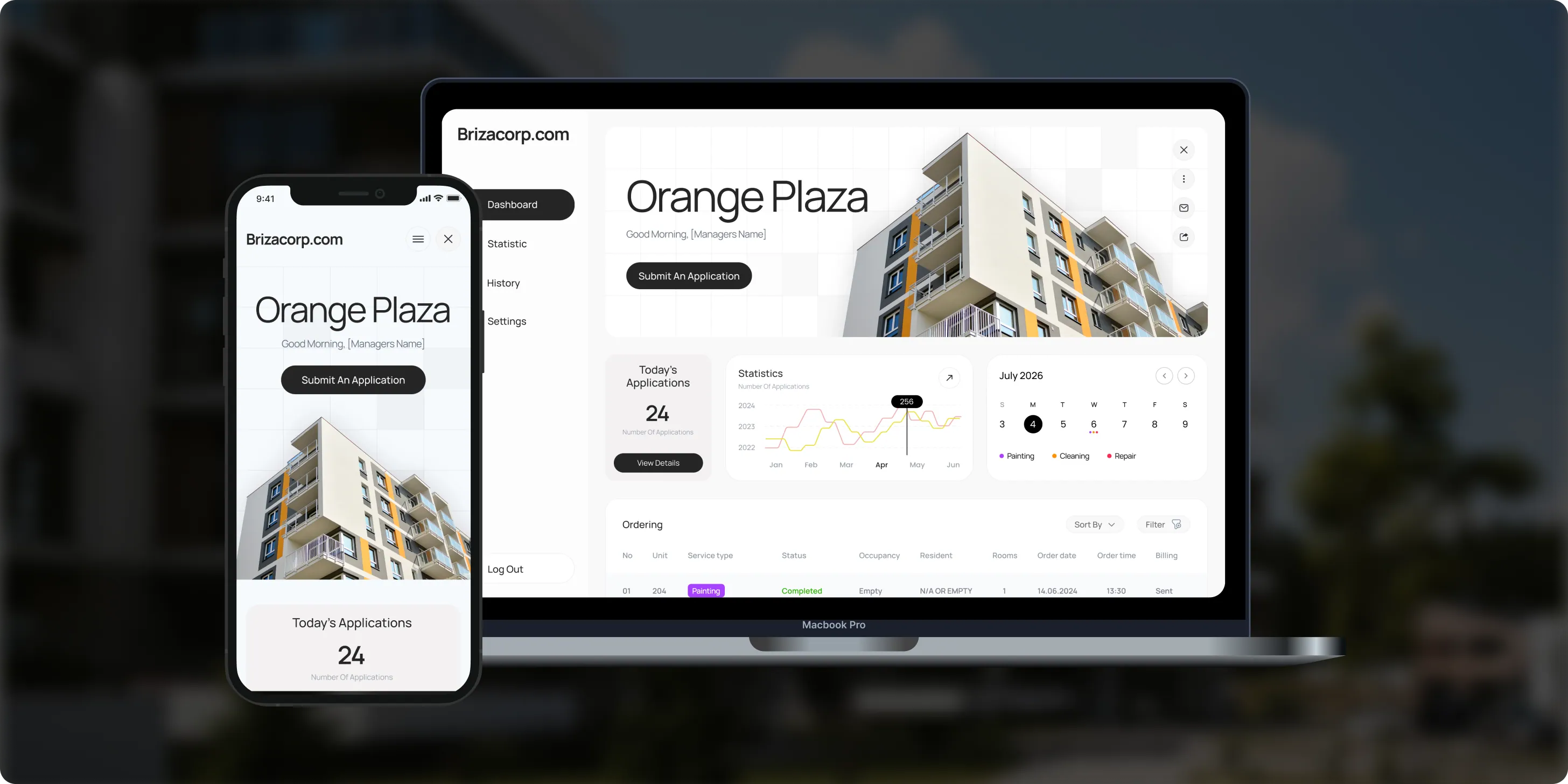
Brizacorp
Brizacorp manages residential properties and coordinates the staff who handle painting, cleaning, and repair requests. Its team tracked work across messengers, phone calls, e-mail, and paper planners, with no single place to manage requests or measure performance.- 98%Application Stability
- 95%Utilization Rate
- 30%Faster Task Completion
Risks of AI in logistics, and how we handle them
The main risks are wrong load details, poor carrier picks, hours-of-service conflicts, hidden email instructions, exposed rate data and model changes. Each gets a control before launch.

How to choose a logistics AI partner
Choose a partner that writes into your TMS, leaves rates and tenders with your team and logs every AI step. Ask these questions before you sign.
Questions to ask, and what a good answer includes
- Does it write into our TMS? Yes, through the TMS API, EDI, database access or email parsing, with every change logged.
- Who approves rates and tenders? Your brokers, every time. The AI suggests and drafts.
- Does dispatch use our ELD data? Yes. Hours-of-service data from your ELDs feeds each suggestion, and the dispatcher decides.
- How is it tested? On your own lanes and documents before launch, and after each change.
- Where does our rate data live? In your own cloud account, behind role-based access.
- Who owns the code? You do, including every connector we write.
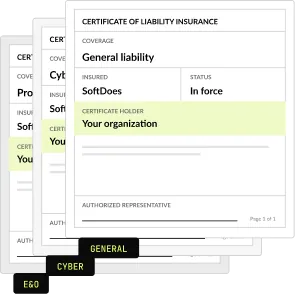
- What paperwork comes first? An NDA and a certificate of insurance before the first call.
AI in logistics ROI: a worked example
AI pays back in logistics when the desk hours it frees cost more than the build and upkeep. The example below uses track and trace with assumed numbers, so swap in your own. Example math with assumed numbers, not a client result. At these numbers, the build pays back in under two months. Model usage is billed at cost on your accounts, and it depends on message volume. The math counts desk time only. Fewer surprise delays for customers are a second gain it leaves out. Run your own numbers in the AI ROI calculator, and estimate model usage with the LLM cost calculator. Build prices come from our AI agent development cost page.
Questions about AI in logistics
Uses, dispatch, cost and your TMS. Can't find your answer?
How is AI used in logistics?
The most common uses handle the messages and paperwork around each load: tenders, rate requests, check calls, bills of lading and customer updates. Planning uses come next, such as dispatch suggestions and lane pricing. In each case, the AI prepares the work and a person confirms it before anything commits a truck or money.
What is AI dispatch software?
AI dispatch software suggests which driver and truck should take each load, using location, hours of service, equipment and delivery windows. A dispatcher reviews the suggestion and makes the assignment. We build it as a layer on your existing TMS and ELD data, so dispatchers keep the board they already know.
Can AI help freight brokers?
Yes. Brokers get the most from AI on email-heavy work. It builds loads from tender emails, drafts rate replies from lane history, chases carriers for updates and checks documents before billing. Your brokers still set rates and choose carriers. The AI keeps the TMS current, so they spend less time typing and more time with customers.
How much does AI for logistics cost?
Industry AI builds start at $7,000. Document extraction for bills of lading and invoices starts at $5,000, and an AI agent that works across three or more systems starts at $13,000. Maintenance starts at $500 a month, and model usage is billed at cost. Project Discovery costs $490, credited to the build.
Does it work with our TMS?
Yes. We connect through your TMS API where it has one, and through EDI, database access or email parsing where it does not. The AI writes loads, notes and status updates the same way your team would, and every change is logged. You own the connectors and the code we write.
Will AI replace dispatchers and brokers?
No. AI takes the typing, searching and status chasing, and people keep the relationships, rates and judgment calls. In our builds, the AI drafts and a named person approves anything that commits money or a truck. The hours saved can go to more loads per person or to better service on the loads you have.
Can AI help freight forwarders?
Yes. Forwarders handle commercial invoices, packing lists and shipping instructions in many formats. AI reads each document, fills the shipment and customs entry fields for review, and flags missing or inconsistent data. A licensed customs broker still reviews every filing, and the AI logs each field with its source document.
Can AI do dispatching?
AI can prepare dispatch decisions, and a dispatcher makes them. It suggests drivers and trucks from location, hours of service, equipment and delivery windows, then drafts the dispatch message. The dispatcher reviews it and makes the assignment. They know the drivers, customers and exceptions that never show up in the data.
What is the best software for dispatching?
The best fit depends on your fleet, your TMS and how your dispatchers work. If your TMS already has a dispatch board that fits your rules, start there. If dispatchers juggle several screens, a custom AI layer can help. It reads your TMS and ELD data and suggests assignments on the board they know. Builds start at $7,000.
What are the benefits of AI in logistics?
The main benefits are fewer hours of typing and chasing, faster replies to shippers, fewer billing errors and a current TMS. The hours saved can go to more loads per person or better service. We measure each benefit on your own desks during the pilot, against today's numbers.
What are the challenges of AI in logistics?
The hard parts are messy data, many document formats and the cost of mistakes. Tenders arrive in every layout, TMS records can be incomplete, and a wrong rate or pickup costs real money. So our builds test on your own loads and log every change. A person approves anything that commits money or a truck.
Can AI help with warehouse work?
Yes, on the paperwork side. AI can read receiving documents, packing lists and order emails and enter them in your WMS for review. Robotics and slotting are a different kind of project. Our logistics software team builds custom TMS, WMS, fleet and tracking systems and connects them to your ERP.
Updated · Reviewed by Orest Andrusyshyn, Founder and CEO