User Experience Design in Cambridge, MA
User Experience Design in Cambridge, MA
We focuses on user experience design, product strategy and experience optimization for complex web and mobile products. Our UX team works with founders, CTOs and product managers who want pragmatic support rather than generic advice.
Let's build together.
Talk with a senior engineer about your product idea, architecture, and what it would take to build it.
90+
Active Client Partnerships
80+ Person
Product & Engineering Team
100%
Your Code & IP Ownership
U.S.-Led
Delivery & Accountability
Services we offer
- 01User Experience Design
> USER EXPERIENCE DESIGN FOR COMPLEX PRODUCTS <
User experience design is the discipline that shapes how users navigate, understand and succeed with digital products. At SoftDoes, we focus on flows, information architecture, content hierarchy and interaction patterns. This service suits Cambridge teams dealing with complex data, multi step workflows or regulated environments. UX work reduces friction, errors and time to value for target users. User experience design must be meaningful and intuitive for users. Complex data must be distilled into intuitive interfaces for Cambridge users. UX design must adhere to established design patterns for easy navigation, and information architecture must be logical and enable quick data retrieval. Users expect sophisticated and efficient digital tools in UX design. Institution backed standards, such as those from the CoMLUX process developed at Cambridge, offer evidence based principles for UX design, especially for ML enhanced products.
- Clearer flows through every critical journey
- Faster onboarding for new users
- Fewer support tickets from confused customers
- Higher task completion across key workflows
- Stronger user confidence in data and decisions
> UX DESIGN IN PRACTICE <
Does your current UX slow releases or confuse customers before they ever discover what your product can do? SoftDoes maps user journeys, drafts wireframes and tests interactive prototypes directly with end users. UX design involves research, prototyping, and testing to refine products. We align every decision with product strategy so UX supports roadmap priorities, and we collaborate with engineering to ensure designed journeys are feasible under existing constraints. Projects often require hybrid user interfaces that blend physical and digital environments, particularly for Cambridge companies working at the boundary of hardware and software.
- User journey maps tied to research findings
- Clickable prototypes for early validation
- UX specifications ready for developer handoff
- Prioritised opportunity lists based on user feedback
- 02User Interface Design
> USER INTERFACE DESIGN AND DESIGN SYSTEMS <
User interface design is the visual and interactive layer that turns UX flows into real screens and components. SoftDoes creates interfaces that match brand identity, meet accessibility expectations and remain clean under heavy data loads. Accessibility guidelines such as WCAG are essential in UX design compliance. Accessibility is crucial for UX design, especially for diverse populations. Design systems are reusable component libraries that keep multiple squads aligned without constant designer oversight. Cambridge companies with several teams and products benefit from shared UI patterns and tokens. Our User Experience Design Services cover everything from initial screen concepts to fully documented component sets.
- Consistent layouts across product areas
- Responsive components for every viewport
- Clear typography hierarchies for dense information
- Assets ready for engineer handoff
- 03Product Design Services
> PRODUCT DESIGN SERVICES FOR CAMBRIDGE TEAMS <
Product design services combine UX design, UI work and product thinking aimed at new or evolving offerings. SoftDoes partners with founders and product managers to clarify proposition, prioritise features and define MVP behaviour. This work includes discovery, concept testing, feature scoping and alignment with analytics plans. Digital transformation is essential for staying competitive in most industries, and our Product Design Services help Cambridge companies move from research prototypes to usable products without losing technical depth.
- Clear MVP scope grounded in user evidence
- Evidence backed feature set
- Aligned stakeholders with shared priorities
- Pragmatic release phases
- Measurable UX goals tied to business needs
> USER EXPERIENCE DESIGN FOR COMPLEX PRODUCTS <
User experience design is the discipline that shapes how users navigate, understand and succeed with digital products. At SoftDoes, we focus on flows, information architecture, content hierarchy and interaction patterns. This service suits Cambridge teams dealing with complex data, multi step workflows or regulated environments. UX work reduces friction, errors and time to value for target users. User experience design must be meaningful and intuitive for users. Complex data must be distilled into intuitive interfaces for Cambridge users. UX design must adhere to established design patterns for easy navigation, and information architecture must be logical and enable quick data retrieval. Users expect sophisticated and efficient digital tools in UX design. Institution backed standards, such as those from the CoMLUX process developed at Cambridge, offer evidence based principles for UX design, especially for ML enhanced products.
- Clearer flows through every critical journey
- Faster onboarding for new users
- Fewer support tickets from confused customers
- Higher task completion across key workflows
- Stronger user confidence in data and decisions
> UX DESIGN IN PRACTICE <
Does your current UX slow releases or confuse customers before they ever discover what your product can do? SoftDoes maps user journeys, drafts wireframes and tests interactive prototypes directly with end users. UX design involves research, prototyping, and testing to refine products. We align every decision with product strategy so UX supports roadmap priorities, and we collaborate with engineering to ensure designed journeys are feasible under existing constraints. Projects often require hybrid user interfaces that blend physical and digital environments, particularly for Cambridge companies working at the boundary of hardware and software.
- User journey maps tied to research findings
- Clickable prototypes for early validation
- UX specifications ready for developer handoff
- Prioritised opportunity lists based on user feedback

PRODUCTS BUILT ACROSS INDUSTRIES
Finance
Financial firms need UX design that clarifies complex data, reduces errors and supports audit trails. We use user research and usability testing to simplify trading, reporting and approval flows without hiding essential details.
Healthcare
Healthcare organisations rely on UX design to reduce cognitive load for clinicians and patients using digital tools. User interviews, field observation and task analysis help understand how interfaces perform in clinical settings.
Education
Educational platforms require UX design that serves students, instructors and administrative staff with distinct goals. Organizing content, assessments and feedback loops ensures users understand their next steps.
Construction
Construction and field services need UX design that operates reliably on site, often with constrained connectivity. We design simple mobile interfaces with clear actions for inspections, checklists, photos and approvals.
Technology
Technology companies with complex products often combine data platforms, APIs and advanced configuration. SoftDoes focuses on UX design for admin consoles, self service onboarding and monitoring tools.
Startups
Early stage startups in Cambridge move fast from concept to product. SoftDoes uses lean user interviews, rapid prototyping and UX workshops to define key features for initial releases.
Compliance
Regulated environments require UX that guides users through correct steps and records decisions clearly. We use user research to understand how staff interpret rules and where they make mistakes in usual tools.
Energy
Energy organisations rely on UX design for monitoring, forecasting and operational decision interfaces. Visualising complex time series data, alerts and control actions in ways operators can interpret fast is essential.


Transparency at each stage
Discovery & Research
We audit audiences and competitors to define pain points, ensuring design solves your specific business challenges.
Design Strategy
Creating concepts and user flows to build an intuitive product structure and seamless interaction logic.
Iterative Prototyping
Real-time progress you can see, from wireframes to high-fidelity mockups that bring your digital vision to life.
Usability Testing
We validate every button and transition through real-world scenarios to eliminate friction before development.
Handoff & Support
Complete design systems and asset delivery with ongoing expert support to ensure pixel-perfect implementation.
What is the biggest user experience issue slowing your product?
SoftDoes can review your current UX, analytics and roadmap, then suggest precise next steps grounded in real user evidence. Whether you are refining a research prototype or rethinking a live product, reach out and let us show you what pragmatic user experience design in Cambridge looks like.

Numbers Don’t Lie
Recent projects showcasing how we design, engineer, and deliver production-ready software solutions.

- Startup
- Real Estate
Our Haus AI
A finance professional turned founder built Our Haus AI, an AI-powered collaborative workspace where homeowners and contractors scope, bid, contract, and document renovation projects together. SoftDoes took her prototype and made it production-ready.- 10XMVP scope delivered
- 2+years Ongoing partnership
- 1Fully owned Platform

- Finance
- Energy
Deepwater Insights
Deepwater Insights delivers proprietary alternative data and niche research on the offshore drilling and energy sector to institutional investors, family offices, and high-net-worth individuals who require coverage that larger firms don't provide.- 100%Brand Continuity
- 2Platform Distribution
- 100%Paywall-Ready Content

- Real Estate
The building buyer
The Building Buyer is a Florida-based real estate investment firm co-founded by Dylan Troiano and Charles Hanlin. They acquire single-family, multifamily, and commercial properties across South Florida and beyond, with a focus on motivated seller opportunities.- 18Weekly hours saved
- 2+Years Ongoing partnership
- 1Fully owned Platform

- Education
- Non-Profit
WOVEN & NICE
Woven is a Spring Valley, NY nonprofit running the NICE program (New Training Inclusive Community Environment) in four Rockland County schools. Their team supports students through restorative practices, mediation, and professional development for teachers and administrators.- 4Schools Served
- 4Weeks to Launch
- 1STTime on Upwork

- Healthcare
CareInTouch
CareInTouch is a Bay Area home health agency providing skilled nursing and therapy services to patients referred from hospitals and clinics. With over 100 staff, they operate in one of the most complex and compliance-driven healthcare markets in the country.- 40% Reduction In Billing Errors
- 100+Staff Operations Managed
- 0Missed Compliance Deadlines

- Startup
Sparkle The Cleaning Service
Sparkle The Cleaning Service is a Detroit-area residential cleaning company with 10 years in business, connecting homeowners with vetted, insured independent cleaners through a subscription-based marketplace platform.- 75% Platform Transparency
- 2XPlatform Growth
- 40%Higher User Retention

- Startup
DineMate
DineMate is a Maryland-based dating and connecting platform built around verified profiles, restaurant reservations, and prepaid dining experiences. Founded to bring back authenticity to how people meet and connect.- 60% Time Saved
- 99%System Reliability
- 40%Higher User Retention

- Healthcare
Prior Authorization AI
Prior Authorization AI is a healthcare automation startup building AI-powered tools to streamline prior authorization for Medicare and Medicaid medical transportation providers in New Jersey.- 16Weekly hours saved
- 63%Admin time reduced
- 43%Fewer submission errors

- Education
Grand Central Language Services
Grand Central Language Services provides translation and interpretation for organizations operating in complex, multilingual environments. As demand grew, internal workflows became harder to manage. SoftDoes built a custom platform to streamline coordination, improve visibility, and support scalable operations.- 72%Workflow Reduction
- 48%Coordination Reduction
- 83%Visibility Increase

- Healthcare
FMY Orthodontics
FMY Orthodontics, a multi-location practice in West Tennessee, partnered with SoftDoes to replace a spreadsheet-based financial workflow with a custom web platform. The goal was to simplify how staff present treatment financing while allowing patients and families to review and complete decisions remotely.- 60%Workflow Reduction
- 75%Remote Adoption
- 5Locations Aligned

Forbidden Alchemy
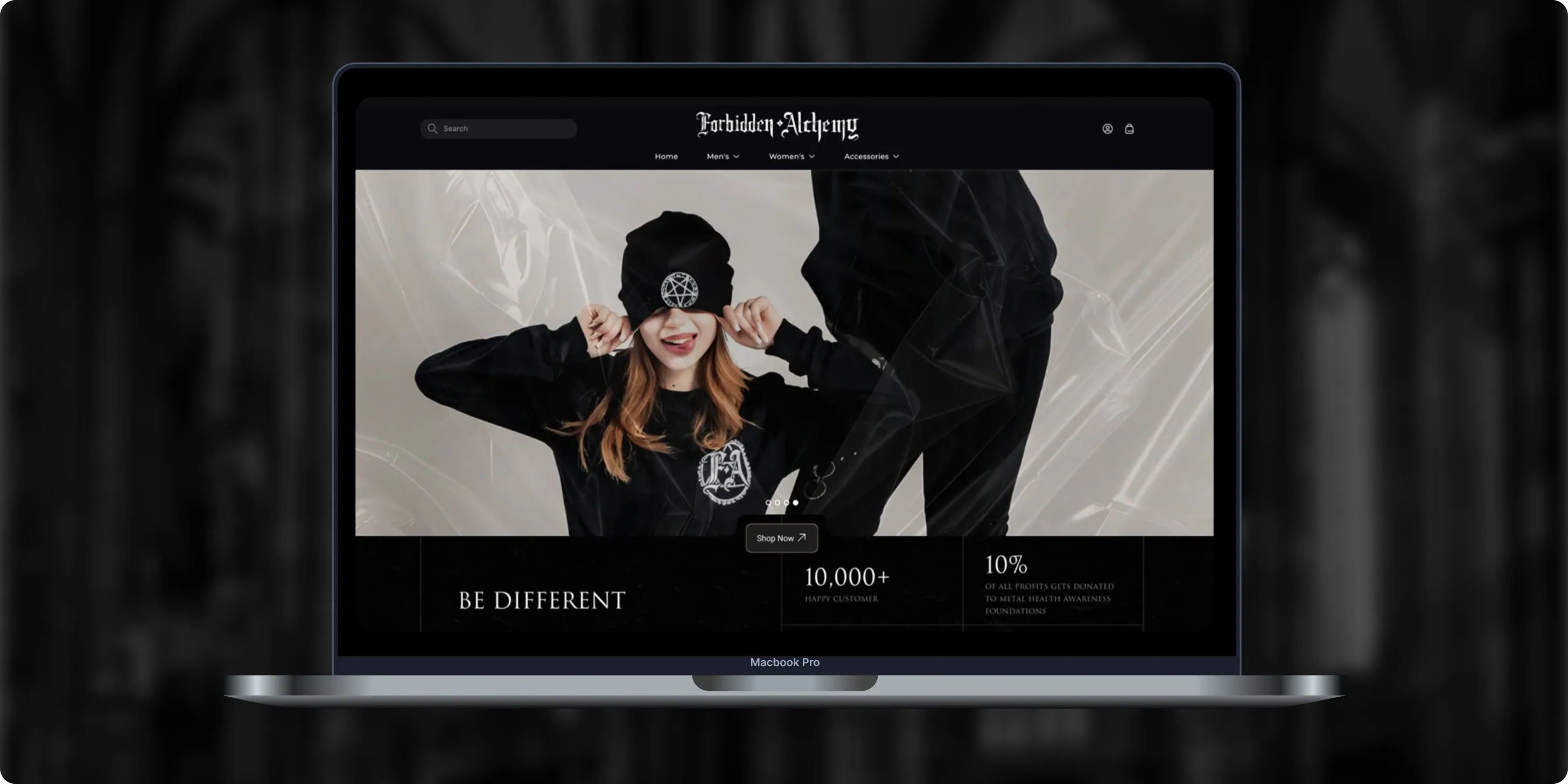
Forbidden Alchemy is an alternative fashion brand creating dark, provocative clothing for the metalhead community, with 10% of profits donated to mental health awareness. Its mostly mobile audience struggled with a store that was hard to navigate and weak on functionality.- +44%Revenue Month Over Month
- 86%Design Satisfaction
- 2.8XUser Retention Growth
Altera
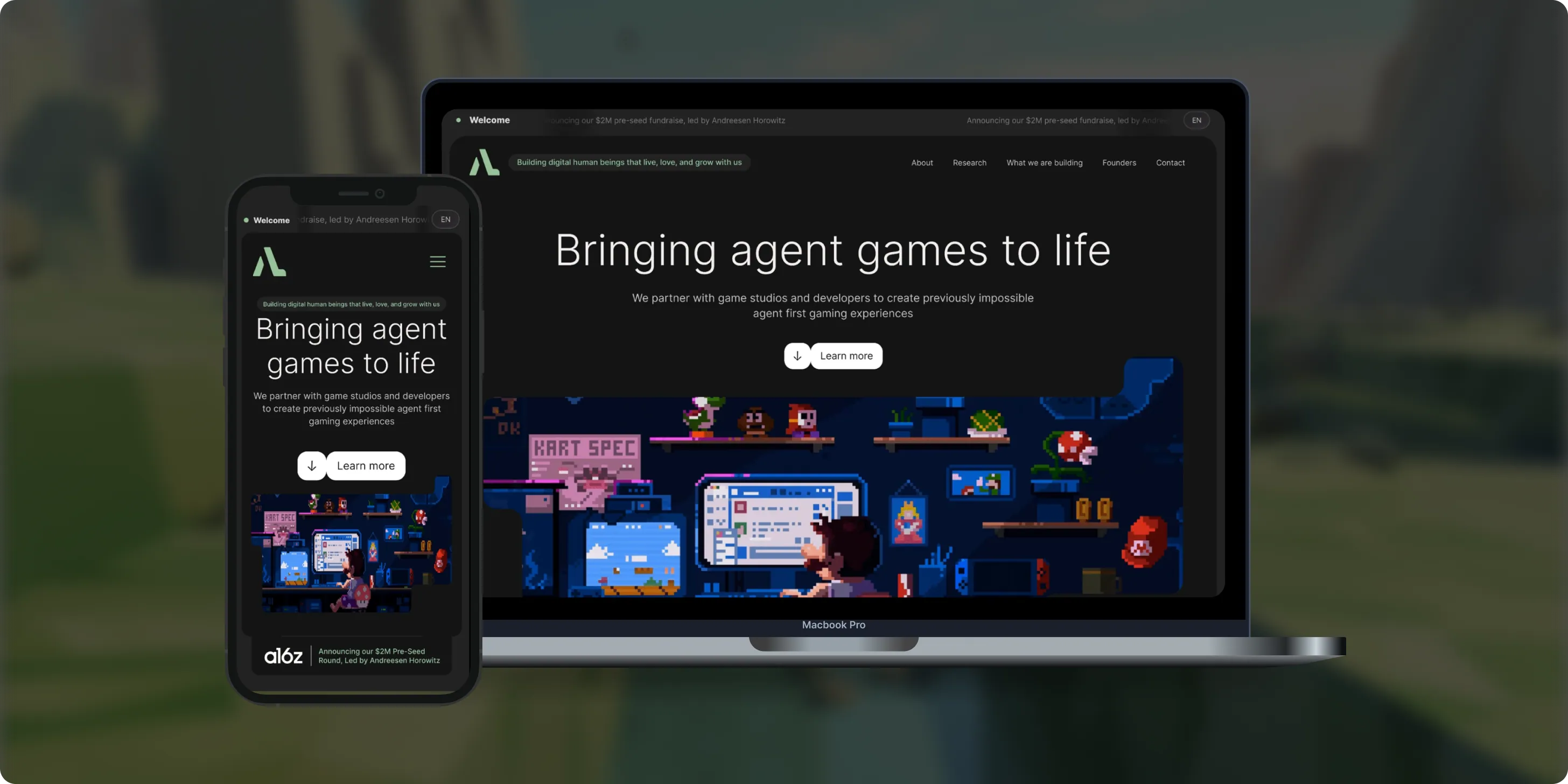
Altera builds on decades of computational neuroscience research to create digital human beings for gaming. Backed by a $2M pre-seed round led by Andreessen Horowitz, the team needed a landing page that could explain complex agent technology to players, partners, and investors.- 98%Dynamic Customization
- 100%Streamlined Navigation
- $2MPre-Seed Round
- Real Estate
Brizacorp
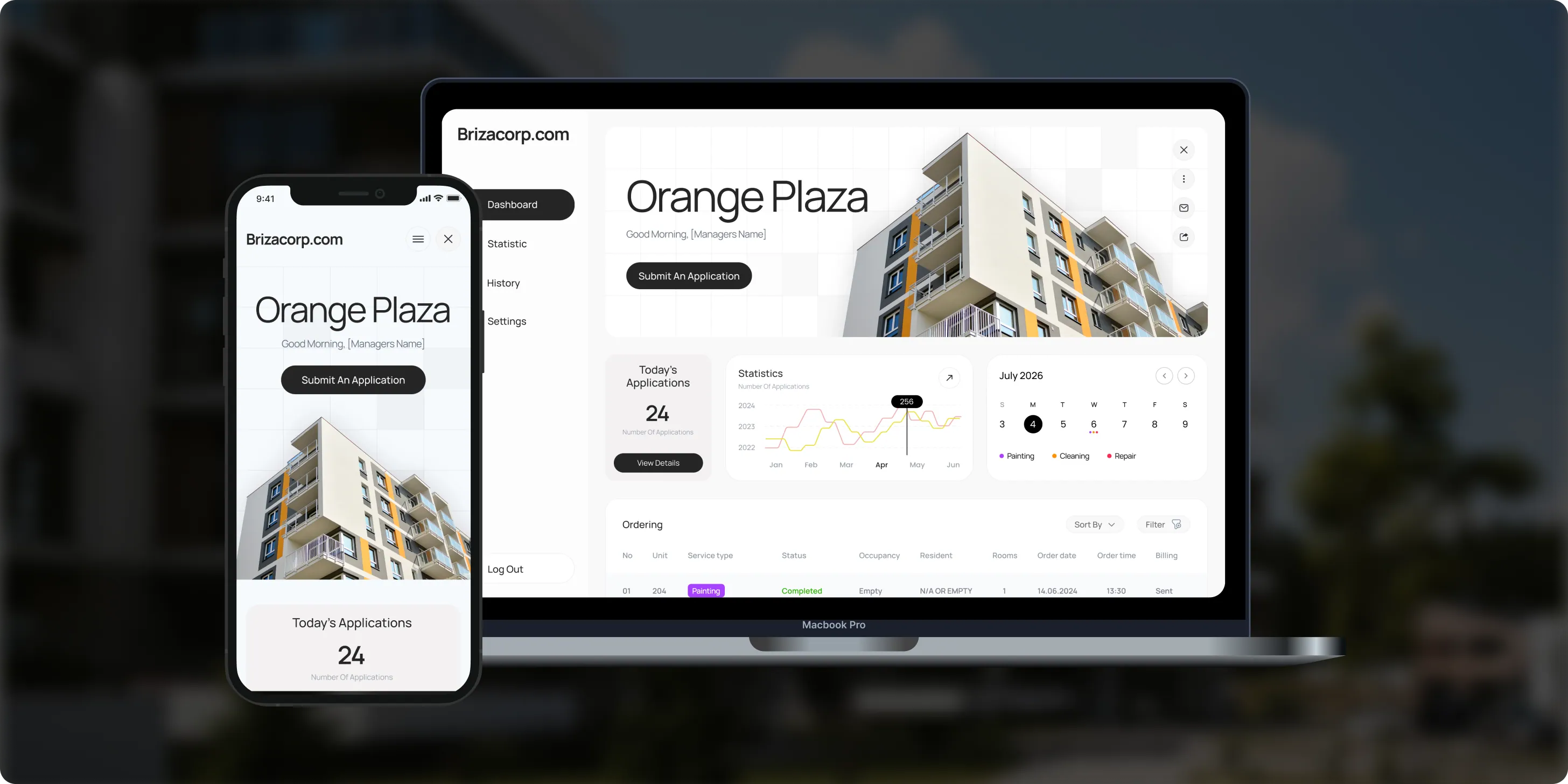
Brizacorp manages residential properties and coordinates the staff who handle painting, cleaning, and repair requests. Its team tracked work across messengers, phone calls, e-mail, and paper planners, with no single place to manage requests or measure performance.- 98%Application Stability
- 95%Utilization Rate
- 30%Faster Task Completion
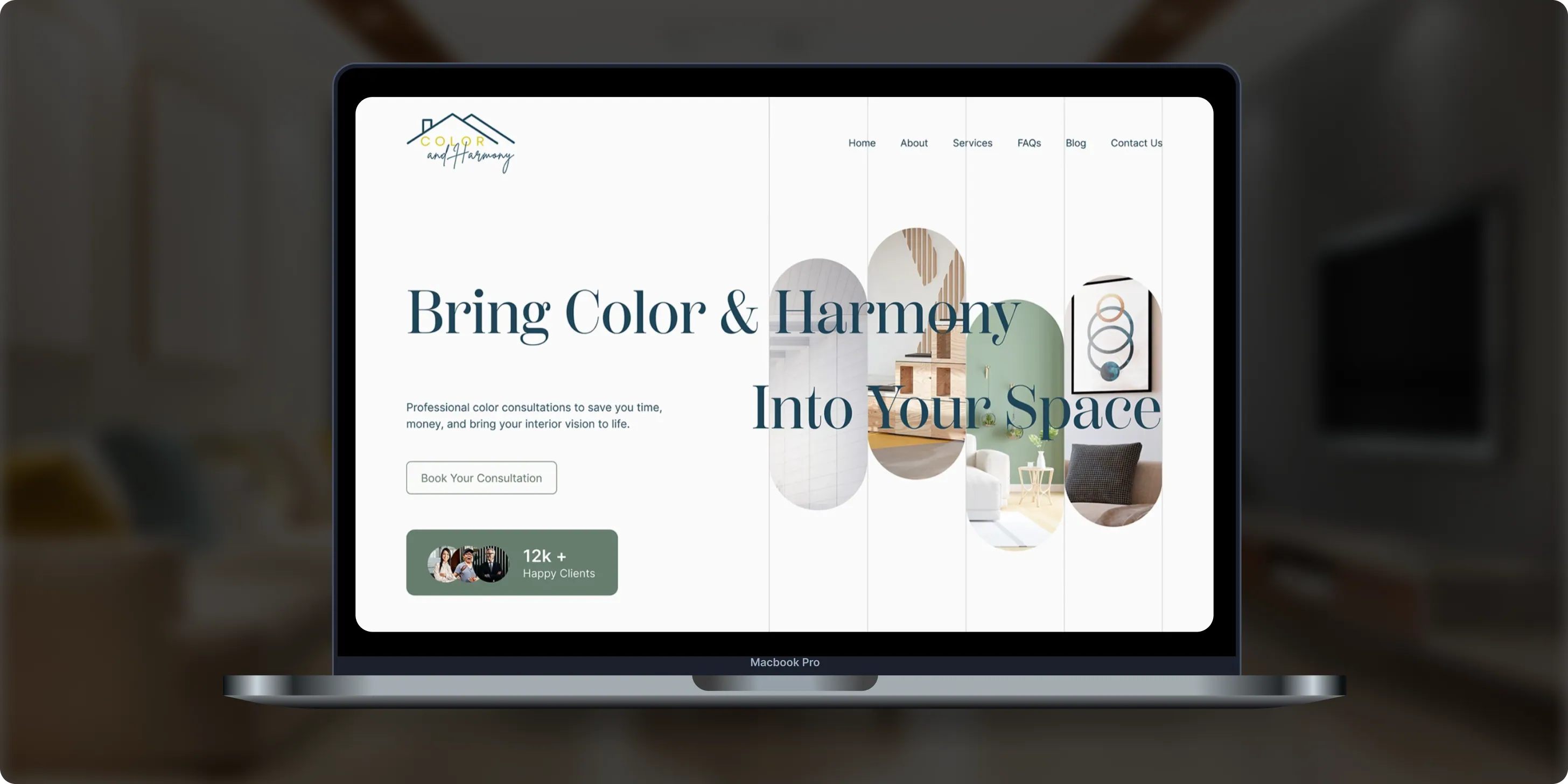
Color & Harmony
Color & Harmony is a Kentucky-based color consulting studio led by certified color strategist Diana Cartaya. The studio needed a website that reflects its refined aesthetic, showcases its portfolio, and explains a science-based color process in simple language.- 45%Conversion Rate Increase
- 50%Higher User Engagement
- 2Months to Launch
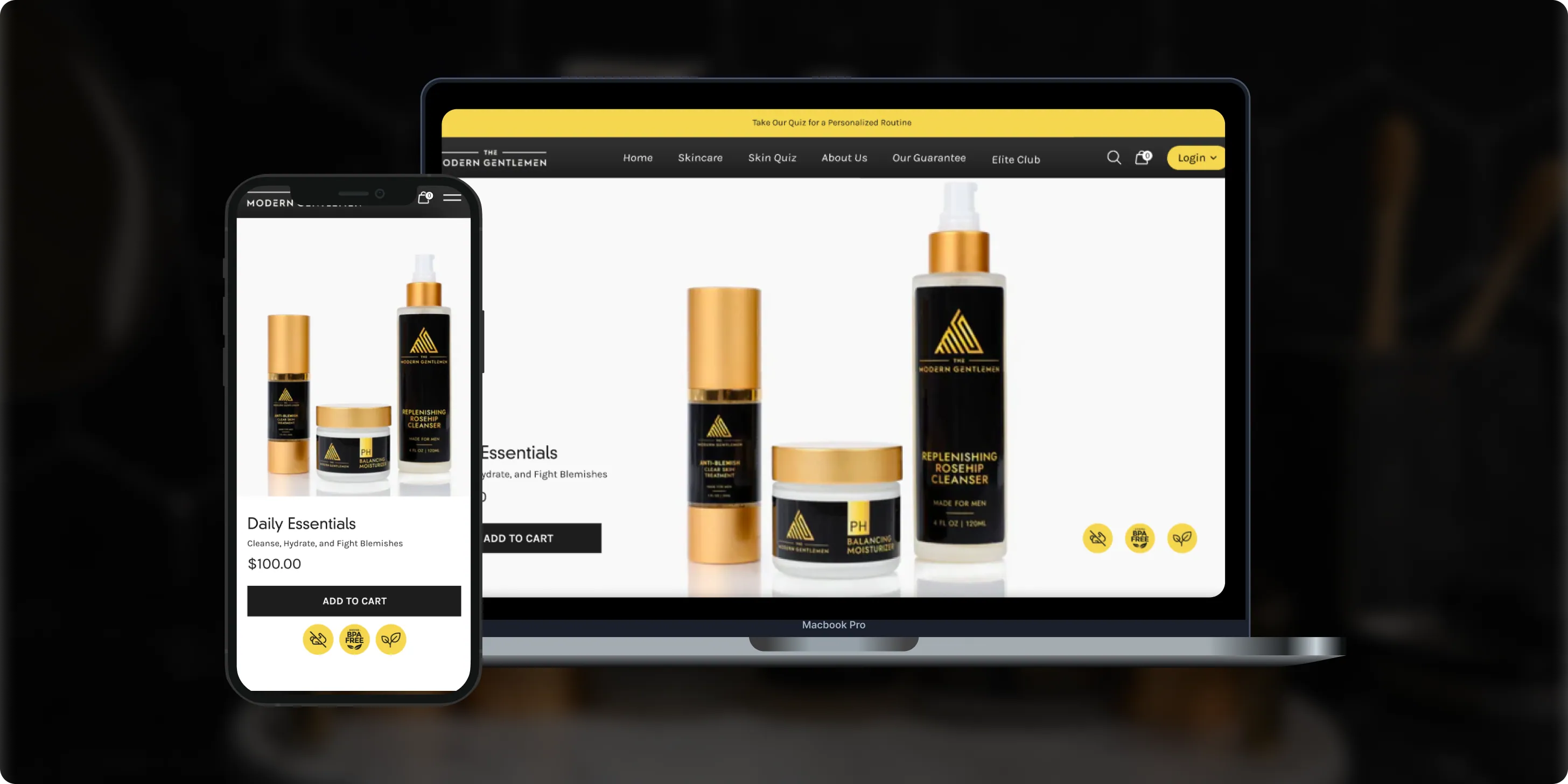
The Modern Gentlemen
The Modern Gentlemen sells premium men's skincare featured in Men's Health, GQ, and Men's Journal. Its customers wanted an efficient routine, but generic product suggestions and limited skincare knowledge made choosing the right products hard.- 30%Increase in Conversions
- 25%Higher Customer Retention
- 92%Mobile Purchases
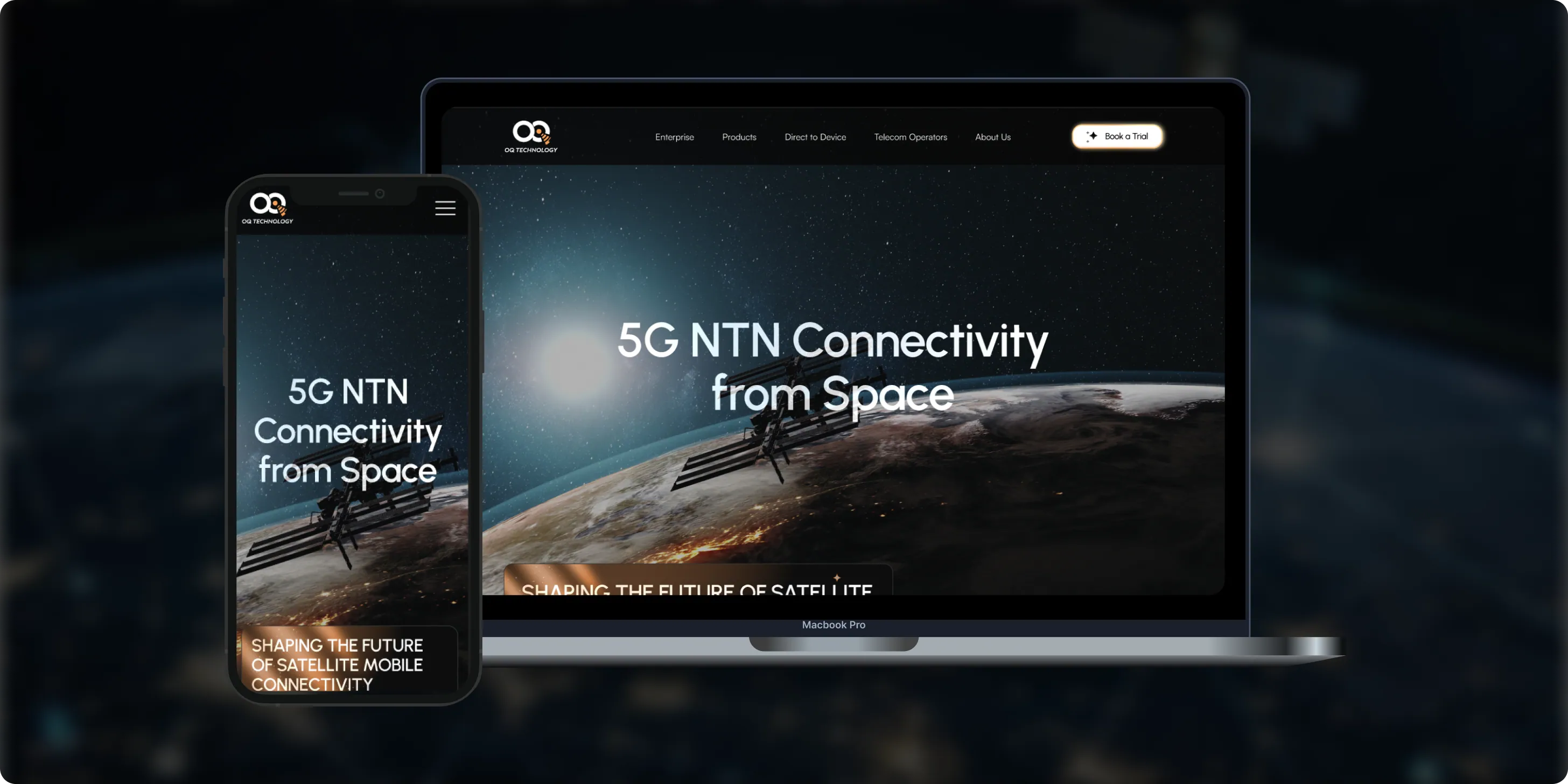
OQ Technology
OQ Technology connects IoT devices, machines, and people anywhere on the planet through its satellite network, serving energy, maritime, logistics, agriculture, and mobile operators. Its website made it hard to explore products and reach pricing plans.- 4Pricing Plans Clarified
- 3Dedicated User Flows
- 1Unified Platform
- Real Estate
- Finance
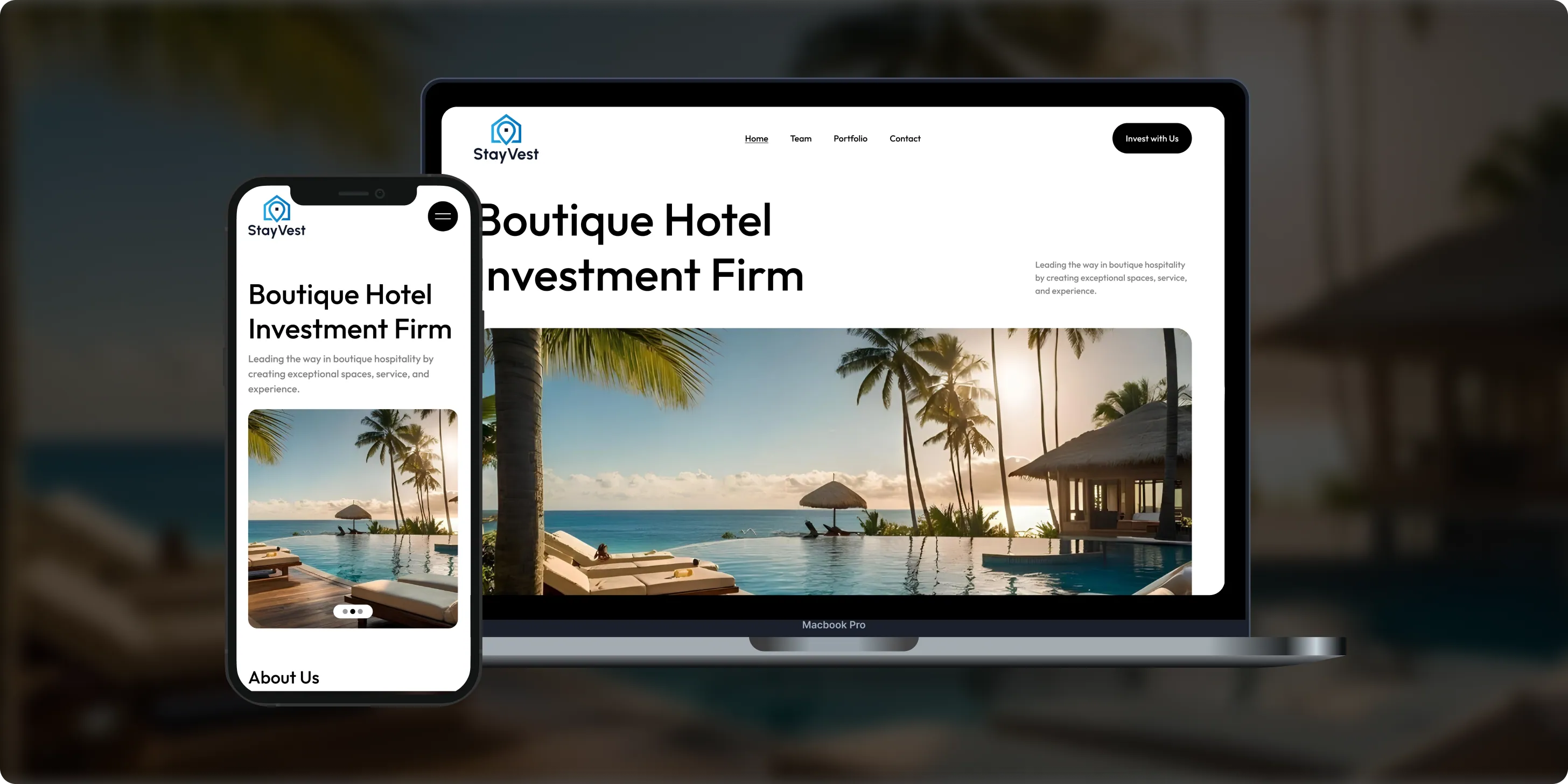
Stay Vest
Stay Vest is a private real estate investment firm that acquires, renovates, and operates boutique hotels for cash flow, tax benefits, and equity gain. It needed a platform that explains its strategy and earns the trust of passive investors.- 1,500+Guest Stays
- 200+Rooms Managed
- 5States Covered
Bokeyno Motorsports
Bokeyno Motorsports is the leading mobile installer of vertical doors for high-performance cars. This Shopify website isn’t just about services—it’s a bold statement of power, style, and expertise. With a sharp layout, strong visuals, and real-world case studies, the site delivers all the information car enthusiasts need to book confidently and instantly.- 54%Booking Requests
- 43%Lead Conversion
- 32%Qualified Inquiries

ai document processing platform
A comprehensive talent solution designed to help companies attract, hire, and retain top talent more effectively. The platform combines AI-powered recruitment technology with employee financial wellbeing programs, enabling smarter hiring decisions while supporting employees’ financial stability and long-term engagement.- 62%Faster Processing Time
- 78%Less Manual Work
- 35%Improved Accuracy

WHAT CLIENTS SAY
Independently verified reviews from real clients on Clutch.co


Client Story
Real feedback from
FMY Orthodontics

“SoftDoes consistently found ways to make things work, added features we had not originally envisioned, and never became frustrated. It felt like working with a true partner who cared about the success of our practice.”
Dan Merwin
DDS, MS, President, FMY Orthodontics

Client Story
Real feedback from
Prior Authorization AI
“Every time I sent a request, if there was anything that didn't work, they were able to turn it around quickly. Even when there were no updates yet, they always reached out to let me know they were working on it.”
Joseph Oluwo
Founder of Prior Authorization AI


Client Story
Real feedback from
WOVEN
“What stood out most was their commitment to understanding our needs before presenting solutions.”
Danna Pastran
Administrative Operations Manager, WOVEN

Client Story
Real feedback from
Grand Central Language Services
“The site performs as intended and provides the foundation for our company's digital presence.”
Joe Goldstein
QA Manager, Grand Central Language Services


Client Story
Real feedback from
DineMate
“They go above and beyond.”
Eric Snead
CEO, DineMate "Dating Connecting Platform"
WHAT CHANGED IN PRACTICE
Clients didn’t stay because of promises. They stayed because delivery became predictable, ownership was clear, and the product kept moving forward after launch.
- 01Direct Access to Senior Engineers
SoftDoes assigns senior designers and engineers directly to Cambridge client teams rather than stacking management roles between you and the work. Experienced staff contribute to UX design, information architecture and technical feasibility decisions from the start. This shortens feedback loops between product managers, design and engineering. Senior contributors handle discovery calls, user research planning and usability testing interpretation themselves. No repeated context. No telephone game between layers. This leads to more reliable customer experience outcomes and faster refinement of user journeys.
- 02Predictable Delivery
SoftDoes runs UX and product design engagements with clear stages, artefacts and decision points. We align upfront on research scope, design milestones and coordination with development sprints. Progress is communicated through regular check ins, shared boards and concise written updates. Usability testing and design reviews are scheduled early, so issues surface before late changes become expensive. This predictability helps Cambridge and US based teams plan releases, hiring and marketing with fewer surprises. Each phase ties to measurable user and business outcomes.
- 03Built to Last Past Launch
SoftDoes designs UX, UI and product structures that remain maintainable after the first release. We create design systems, documentation and UX guidelines that internal teams can extend without constant external support. User research findings and decisions are recorded so new team members can understand the rationale later. Analytics hooks and usability testing plans are part of the handoff, ensuring ongoing improvement remains possible. This focus on long term clarity reduces the risk of UX fragmentation as the product evolves. Future initiatives can rely on a coherent base experience rooted in sound product strategy.
- 04No Babysitting Required
SoftDoes operates as a self managing partner that does not need constant direction from busy founders or product leads. We prepare research plans, interview guides and prototype options proactively for review. Questions are grouped and raised at sensible points so leadership can make decisions quickly. Documentation, tickets and design files are organised for easy discovery by distributed teams. This frees Cambridge and US based leaders to focus on overall strategy while trusting day to day UX work to our team. The result is smoother collaboration with engineering and reduced project management overhead.
Technologies We Use
 Figma
 Sketch
 Adobe XD
 Photoshop
 Framer
























Frequently Asked Questions
Everything you need to know about working with SoftDoes. Can’t find an answer?
Why is UX design important?
UX design is important because it makes software easier to use, which cuts support requests, training time and user drop-off. Good UX starts from research into real tasks, not guesses. For Cambridge companies, clearer flows often raise sign-ups and daily use without adding features. Read about our user experience design.
How do you conduct a UX audit?
You conduct a UX audit by reviewing analytics, walking through key tasks against usability heuristics and watching real users try the product. Findings are ranked by impact and effort. Accessibility checks against WCAG belong in the same pass. Cambridge teams get a prioritized fix list they can act on in the next release. See our user experience design services.
Who can you hire for help with UX research?
You can hire UX researchers as freelancers, through a research firm or from a design and development company that runs research alongside the build. Look for experience with interviews, usability testing and turning findings into design changes. Cambridge companies often pair research with a design sprint before development starts. See our user experience design work.
Is product design the same as UX design?
Product design and UX design overlap but are not the same. UX design focuses on how users move through a product, while product design also covers business goals, visuals and the roadmap. A product designer often does UX work as part of the role. Cambridge startups usually need both early on. Learn about our user experience design.
Can an accessibility overlay pass a WCAG audit?
No, an accessibility overlay cannot reliably pass a WCAG audit, because it adds a script on top of the page without fixing the underlying code. Problems with structure, labels, focus order and contrast remain for screen reader users. Cambridge sites need accessibility fixed in the design and markup itself. Read about our user experience design.
What should a healthcare company in Cambridge budget for UX design?
A healthcare company in Cambridge should budget UX design based on the number of user types, screens and research rounds, plus accessibility and HIPAA needs. Patient-facing tools need more usability testing than internal ones. As a reference, a HIPAA patient portal built by SoftDoes starts from $38,500, with design included in the build. See our healthcare software development.
Which UX design projects pay off fastest for schools and universities in Cambridge?
For schools and universities in Cambridge, the UX projects that pay off fastest are usually admissions and enrollment forms, course registration flows and student portal navigation. Fixing these cuts help desk tickets and abandoned applications. Accessibility fixes also lower legal risk and serve more students. Explore our education software development.
How to Build Legal Case Management Software: A Practical Guide for Modern Law Firms
EdTech, Web development
If you're planning to build legal case management software for the U.S. or Canadian market, the opportunity is real and the demand is growing. A 13% increase in case management software usage from 2021 to 2022 shows that more firms are moving away from disconnected tools and toward centralized platforms. But building something that law firms will actually adopt means getting the details right, from workflows and compliance to billing and AI. This guide walks you through every major decision, module, and technical consideration involved in building a legal case management platform that works.
Custom Legal Software Development Cost in 2026: Complete Buyer's Guide
EdTech, Web development
If you manage or lead a law firm or corporate legal department in the U.S. or Canada, you have probably started asking a pointed question: how much does custom software actually cost to build for legal operations? The answer depends on what you are building, who is building it, and how disciplined your planning is. This guide breaks down real 2026 benchmarks, cost drivers, pricing models, and budgeting strategies so you can walk into vendor conversations with clear expectations and avoid the budget overruns that plague so many legal software projects.
Build vs Buy Cybersecurity Software: How to Decide in 2026
Web development
Every security leader faces the same question at some point: should your organization build its own cybersecurity tools or buy software from a vendor? The stakes are high, and the wrong call can drain budgets, slow down your security team, or leave dangerous gaps in your defenses. This guide walks through the real tradeoffs, costs, and decision criteria for U.S. and Canadian organizations weighing the build vs buy cybersecurity software question in 2026.