DevOps and Cloud Infrastructure in Anchorage, AK
DevOps and Cloud Infrastructure in Anchorage, AK
SoftDoes sets up DevOps and cloud infrastructure in Anchorage that keeps releases calm and cloud costs visible. We automate the routine work, so your engineers can focus on the product.
Let's build together.
Talk with a senior engineer about your product idea, architecture, and what it would take to build it.
90+
Active Client Partnerships
80+ Person
Product & Engineering Team
100%
Your Code & IP Ownership
U.S.-Led
Delivery & Accountability
Services We Offer
- 01DevOps & Cloud Infrastructure
> RELEASES WITHOUT THE GUESSWORK <
When releases depend on one person and a checklist, every deploy feels risky, and that is where DevOps and cloud infrastructure in Anchorage makes a real difference. DevOps is the practice of joining development and operations into one automated workflow. Code moves from commit to production through tested, repeatable steps. Cloud infrastructure is the set of servers, networks, and storage your product runs on. SoftDoes designs both parts together, so they fit your team and your budget. For an Anchorage business with a small engineering staff, this removes manual work that quietly eats engineering time. We also bring in DevOps consulting early, so decisions about tools and architecture are made once and made well.
- Automated testing on every commit
- Repeatable deployments to production
- Monitoring and alerts that make sense
- Clear access control for your team
- Documented setup your engineers can read
> INFRASTRUCTURE YOU CAN READ AND REPEAT <
Release speed often slows long before the codebase gets large, so our CI/CD pipeline setup in Anchorage focuses on fast feedback and safe rollbacks. Developers see test results in minutes, not at the end of the day. Broken changes stop before they reach your users. How do you keep servers consistent across environments? We describe them in code, review them like any other change, and apply them the same way every time. Your staging setup then matches production, which removes the classic surprise after a deploy. For teams moving toward microservices architecture, the same approach keeps many small services under control.
- Pipelines linked to pull requests
- One click rollback to a known version
- Matching staging and production
- Secrets kept out of source code
- 02Cloud Computing Solutions
> CLOUD RESOURCES MATCHED TO REAL DEMAND <
Picking cloud resources by guesswork usually ends with slow apps or unused capacity, and our cloud infrastructure services in Anchorage replace that guesswork with a clear plan. Cloud computing means renting compute, storage, and databases from platforms like AWS, Azure, or Google Cloud instead of owning hardware. The hard part is choosing what to use and how to connect it. We review your application, traffic patterns, and security needs before suggesting anything. Then we design networks, databases, and compute that match how your product actually behaves. An Anchorage company gets an environment that expands when demand rises and shrinks when it drops. These cloud infrastructure solutions come with diagrams and notes your team can maintain on its own.
- Architecture matched to real usage
- Managed databases and storage
- Network and security design
- Automatic resizing when demand changes
- Clear diagrams and documentation
- 03Cloud Migration Services
> MOVE WITHOUT BREAKING WHAT WORKS <
Aging servers get harder to patch and more expensive to keep, so we plan the move with infrastructure as code in Anchorage from the first step. Cloud migration is the process of moving applications, data, and settings from your current setup to a cloud platform. Done carelessly, it causes outages, lost data, and bills nobody expected. We start with an inventory of what you run and how the pieces depend on each other. Workloads then move in planned stages, with testing and a fallback option at every stage. Some applications are a good fit for containerization during the move, which makes them easier to run and update later. Your Anchorage team keeps working while the switch happens.
- Full inventory of current systems
- Staged moves with rollback plans
- Data transfer with integrity checks
- Container packaging where it helps
- Cost review after the switch
- 04Managed Cloud Services
> ONGOING CARE FOR LIVE SYSTEMS <
Infrastructure needs regular attention after it goes live, and managed DevOps in Anchorage from SoftDoes covers that ongoing work. Managed cloud services mean an outside team monitors, patches, and tunes your environment on a set schedule. Without it, small issues pile up. Sooner or later, one of them turns into an outage. We track performance, apply security updates, and review spending every month. Alerts go to engineers who know your setup, not to a generic help desk. For an Anchorage company without a full operations team, this keeps systems healthy without new hires. We also handle Kubernetes deployment updates and cluster upgrades when your stack depends on containers.
- Monitoring with clear alert rules
- Regular patching and upgrades
- Monthly cost and usage reviews
- Backup checks and restore tests
- Direct contact with your engineers
> RELEASES WITHOUT THE GUESSWORK <
When releases depend on one person and a checklist, every deploy feels risky, and that is where DevOps and cloud infrastructure in Anchorage makes a real difference. DevOps is the practice of joining development and operations into one automated workflow. Code moves from commit to production through tested, repeatable steps. Cloud infrastructure is the set of servers, networks, and storage your product runs on. SoftDoes designs both parts together, so they fit your team and your budget. For an Anchorage business with a small engineering staff, this removes manual work that quietly eats engineering time. We also bring in DevOps consulting early, so decisions about tools and architecture are made once and made well.
- Automated testing on every commit
- Repeatable deployments to production
- Monitoring and alerts that make sense
- Clear access control for your team
- Documented setup your engineers can read
> INFRASTRUCTURE YOU CAN READ AND REPEAT <
Release speed often slows long before the codebase gets large, so our CI/CD pipeline setup in Anchorage focuses on fast feedback and safe rollbacks. Developers see test results in minutes, not at the end of the day. Broken changes stop before they reach your users. How do you keep servers consistent across environments? We describe them in code, review them like any other change, and apply them the same way every time. Your staging setup then matches production, which removes the classic surprise after a deploy. For teams moving toward microservices architecture, the same approach keeps many small services under control.
- Pipelines linked to pull requests
- One click rollback to a known version
- Matching staging and production
- Secrets kept out of source code

PRODUCTS BUILT ACROSS INDUSTRIES
Finance
We set up audited release processes and locked down environments for payment and banking software, with CI/CD pipelines that log every change.
Healthcare
Patient data needs strict access rules. We design cloud infrastructure solutions with encryption, audit logs, and backups that support HIPAA requirements.
Education
Learning platforms see sharp traffic spikes during enrollment and exams. Our Kubernetes deployment work lets them add capacity fast and release it afterward.
Construction
Project teams rely on field apps and document systems. We move these tools to the cloud and apply containerization, so updates reach crews without disruption.
Technology
Software companies come to us for microservices architecture, cleaner release flows, and environments that keep pace as product teams add new features.
Startups
For young companies, our DevOps consulting focuses on lean cloud setups that keep costs low today and leave room for many more users later.
Compliance
Audits go faster when every change is recorded. We add CI/CD pipelines with approval steps, access logs, and policy checks written as code.
Energy
Energy operators collect large volumes of sensor and meter data. We design cloud infrastructure solutions that process it reliably and keep dashboards responsive.


Transparency at each stage
Discovery & Alignment
Defined goals and a precise roadmap ensure your vision is realized without unexpected pivots or hidden costs.
Technical Strategy
Senior engineers select the optimal tech stack with clear architectural reasoning for long-term scalability.
Iterative Development
Gain real-time access to code and staging environments with regular demos to track every milestone as it happens.
Careful Testing
Receive transparent QA, security, and performance audits to ensure a flawless and stable launch every time.
Deployment & Support
Stay in total control with full documentation and proactive monitoring to keep your systems running at peak performance.
Ready to Fix Your Release Process?
Tell us how your team ships code today and where it gets stuck. SoftDoes engineers will review your setup, point out the biggest risks, and suggest a practical next step. Anchorage companies get a clear plan they can act on, whether they work with us further or not. Send a short note to start the conversation.

Numbers Don’t Lie
Recent projects showcasing how we design, engineer, and deliver production-ready software solutions.

- Startup
- Real Estate
Our Haus AI
A finance professional turned founder built Our Haus AI, an AI-powered collaborative workspace where homeowners and contractors scope, bid, contract, and document renovation projects together. SoftDoes took her prototype and made it production-ready.- 10XMVP scope delivered
- 2+years Ongoing partnership
- 1Fully owned Platform

- Finance
- Energy
Deepwater Insights
Deepwater Insights delivers proprietary alternative data and niche research on the offshore drilling and energy sector to institutional investors, family offices, and high-net-worth individuals who require coverage that larger firms don't provide.- 100%Brand Continuity
- 2Platform Distribution
- 100%Paywall-Ready Content

- Real Estate
The building buyer
The Building Buyer is a Florida-based real estate investment firm co-founded by Dylan Troiano and Charles Hanlin. They acquire single-family, multifamily, and commercial properties across South Florida and beyond, with a focus on motivated seller opportunities.- 18Weekly hours saved
- 2+Years Ongoing partnership
- 1Fully owned Platform

- Education
- Non-Profit
WOVEN & NICE
Woven is a Spring Valley, NY nonprofit running the NICE program (New Training Inclusive Community Environment) in four Rockland County schools. Their team supports students through restorative practices, mediation, and professional development for teachers and administrators.- 4Schools Served
- 4Weeks to Launch
- 1STTime on Upwork

- Healthcare
CareInTouch
CareInTouch is a Bay Area home health agency providing skilled nursing and therapy services to patients referred from hospitals and clinics. With over 100 staff, they operate in one of the most complex and compliance-driven healthcare markets in the country.- 40% Reduction In Billing Errors
- 100+Staff Operations Managed
- 0Missed Compliance Deadlines

- Startup
Sparkle The Cleaning Service
Sparkle The Cleaning Service is a Detroit-area residential cleaning company with 10 years in business, connecting homeowners with vetted, insured independent cleaners through a subscription-based marketplace platform.- 75% Platform Transparency
- 2XPlatform Growth
- 40%Higher User Retention

- Startup
DineMate
DineMate is a Maryland-based dating and connecting platform built around verified profiles, restaurant reservations, and prepaid dining experiences. Founded to bring back authenticity to how people meet and connect.- 60% Time Saved
- 99%System Reliability
- 40%Higher User Retention

- Healthcare
Prior Authorization AI
Prior Authorization AI is a healthcare automation startup building AI-powered tools to streamline prior authorization for Medicare and Medicaid medical transportation providers in New Jersey.- 16Weekly hours saved
- 63%Admin time reduced
- 43%Fewer submission errors

- Education
Grand Central Language Services
Grand Central Language Services provides translation and interpretation for organizations operating in complex, multilingual environments. As demand grew, internal workflows became harder to manage. SoftDoes built a custom platform to streamline coordination, improve visibility, and support scalable operations.- 72%Workflow Reduction
- 48%Coordination Reduction
- 83%Visibility Increase

- Healthcare
FMY Orthodontics
FMY Orthodontics, a multi-location practice in West Tennessee, partnered with SoftDoes to replace a spreadsheet-based financial workflow with a custom web platform. The goal was to simplify how staff present treatment financing while allowing patients and families to review and complete decisions remotely.- 60%Workflow Reduction
- 75%Remote Adoption
- 5Locations Aligned

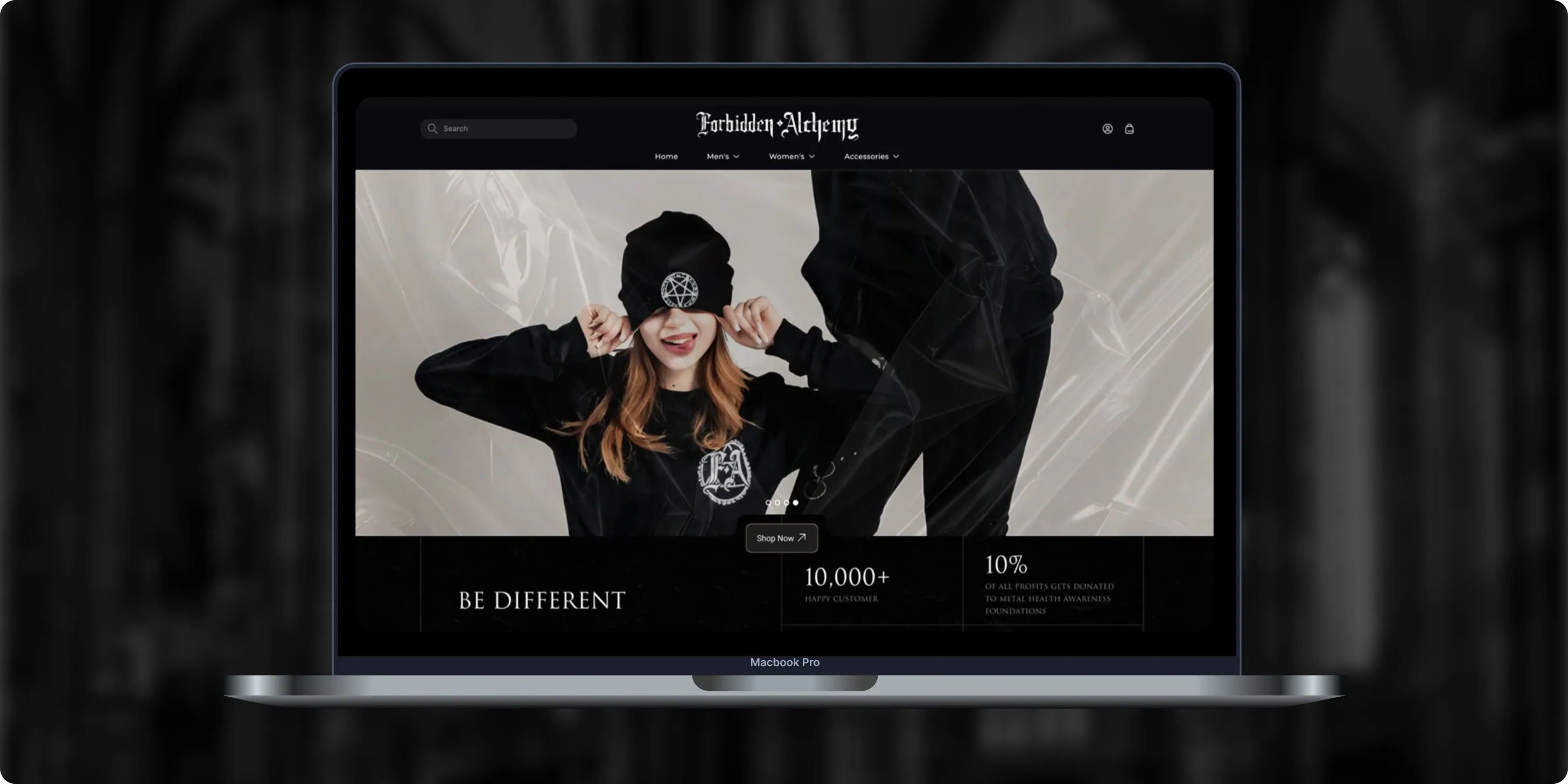
Forbidden Alchemy
Forbidden Alchemy is an alternative fashion brand creating dark, provocative clothing for the metalhead community, with 10% of profits donated to mental health awareness. Its mostly mobile audience struggled with a store that was hard to navigate and weak on functionality.- +44%Revenue Month Over Month
- 86%Design Satisfaction
- 2.8XUser Retention Growth
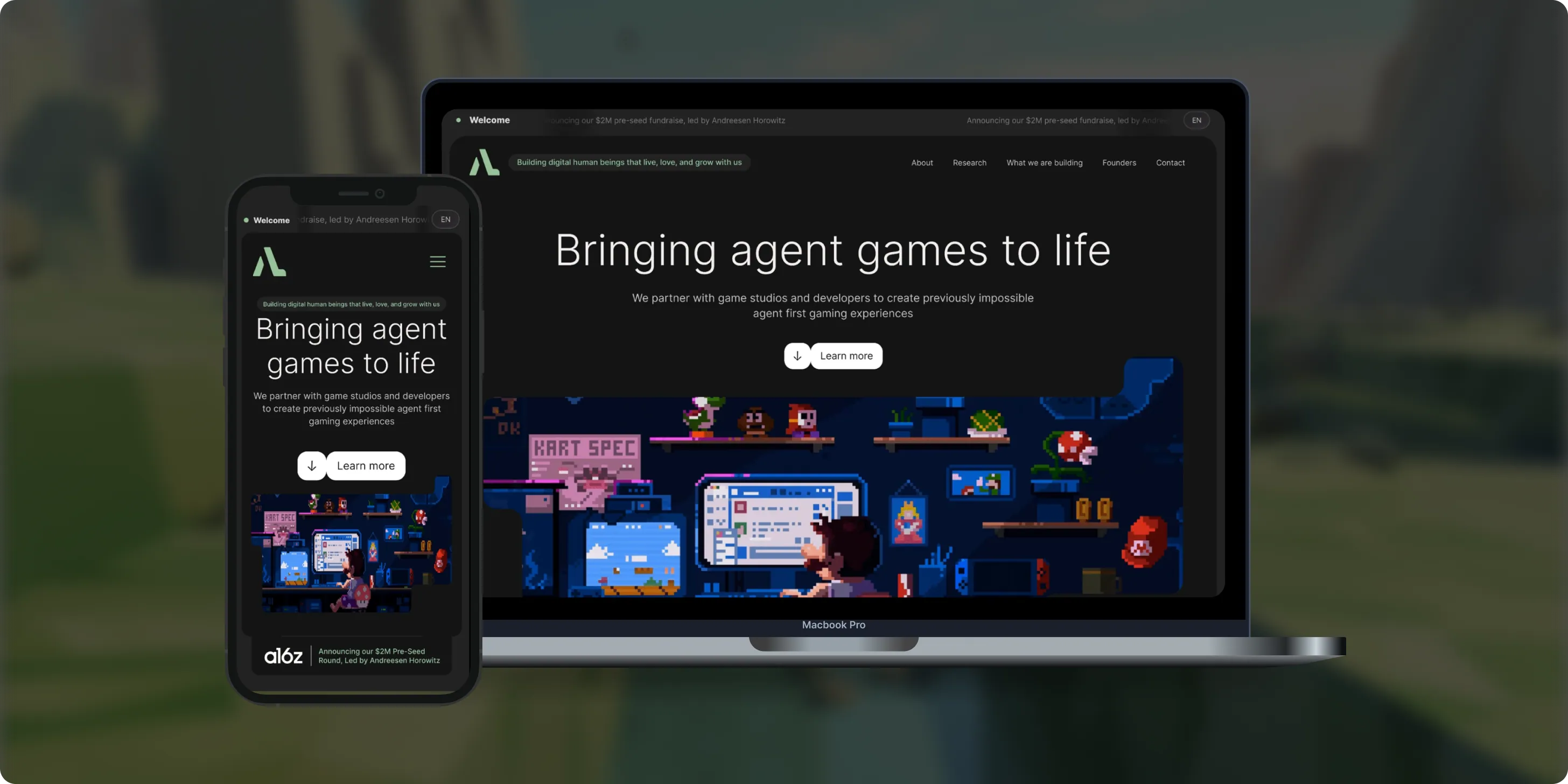
Altera
Altera builds on decades of computational neuroscience research to create digital human beings for gaming. Backed by a $2M pre-seed round led by Andreessen Horowitz, the team needed a landing page that could explain complex agent technology to players, partners, and investors.- 98%Dynamic Customization
- 100%Streamlined Navigation
- $2MPre-Seed Round
- Real Estate
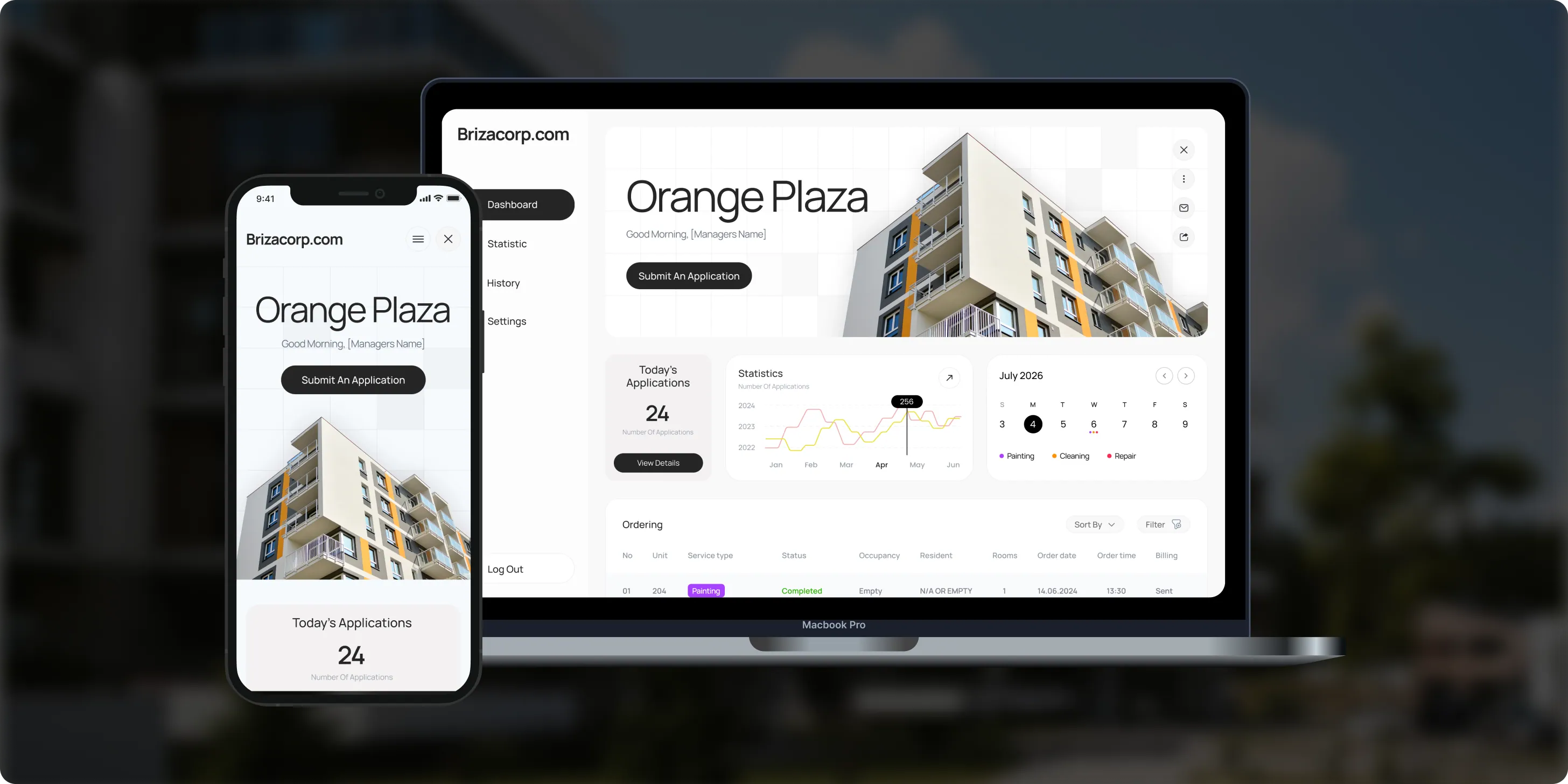
Brizacorp
Brizacorp manages residential properties and coordinates the staff who handle painting, cleaning, and repair requests. Its team tracked work across messengers, phone calls, e-mail, and paper planners, with no single place to manage requests or measure performance.- 98%Application Stability
- 95%Utilization Rate
- 30%Faster Task Completion
Color & Harmony
Color & Harmony is a Kentucky-based color consulting studio led by certified color strategist Diana Cartaya. The studio needed a website that reflects its refined aesthetic, showcases its portfolio, and explains a science-based color process in simple language.- 45%Conversion Rate Increase
- 50%Higher User Engagement
- 2Months to Launch

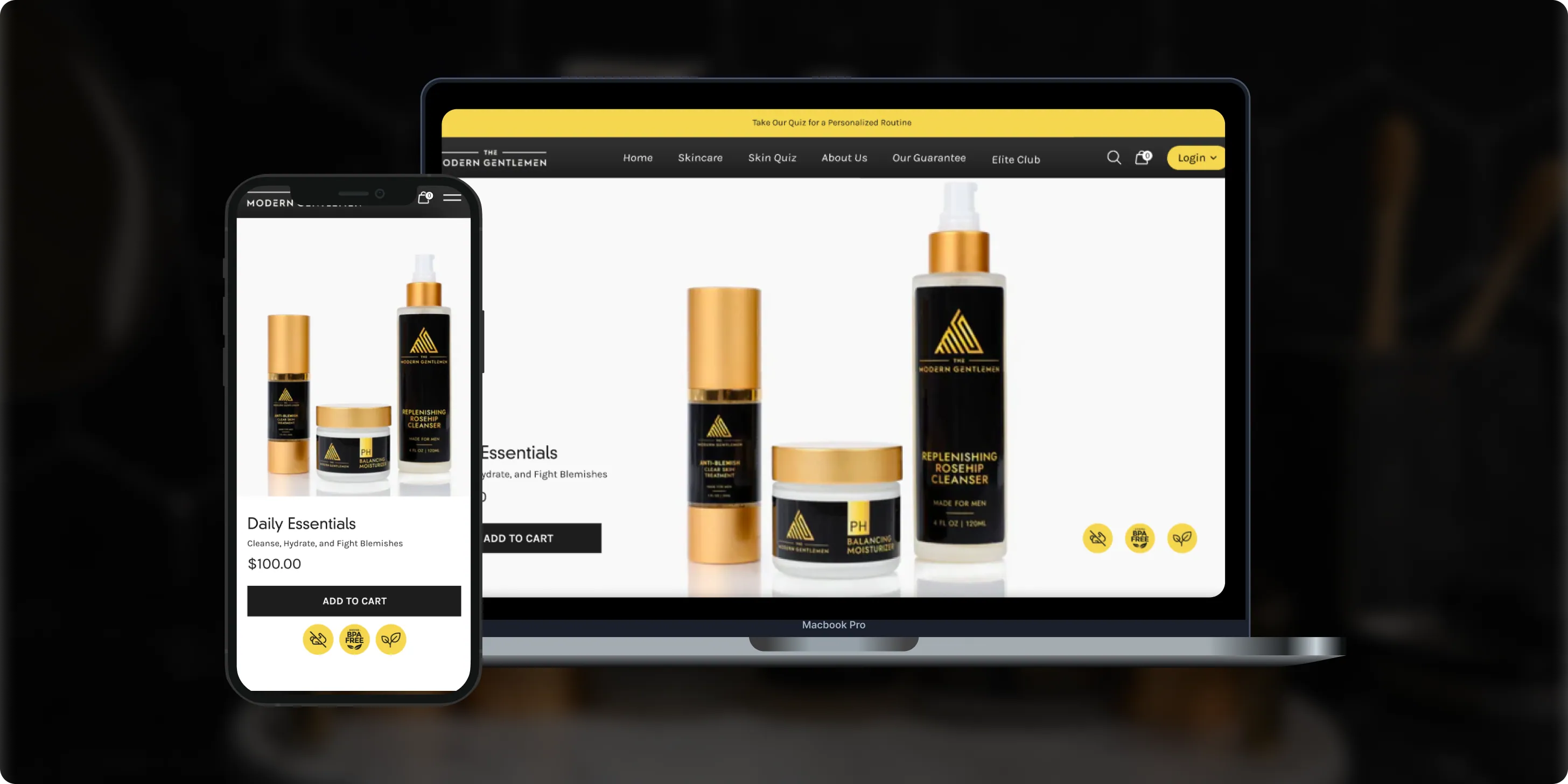
The Modern Gentlemen
The Modern Gentlemen sells premium men's skincare featured in Men's Health, GQ, and Men's Journal. Its customers wanted an efficient routine, but generic product suggestions and limited skincare knowledge made choosing the right products hard.- 30%Increase in Conversions
- 25%Higher Customer Retention
- 92%Mobile Purchases
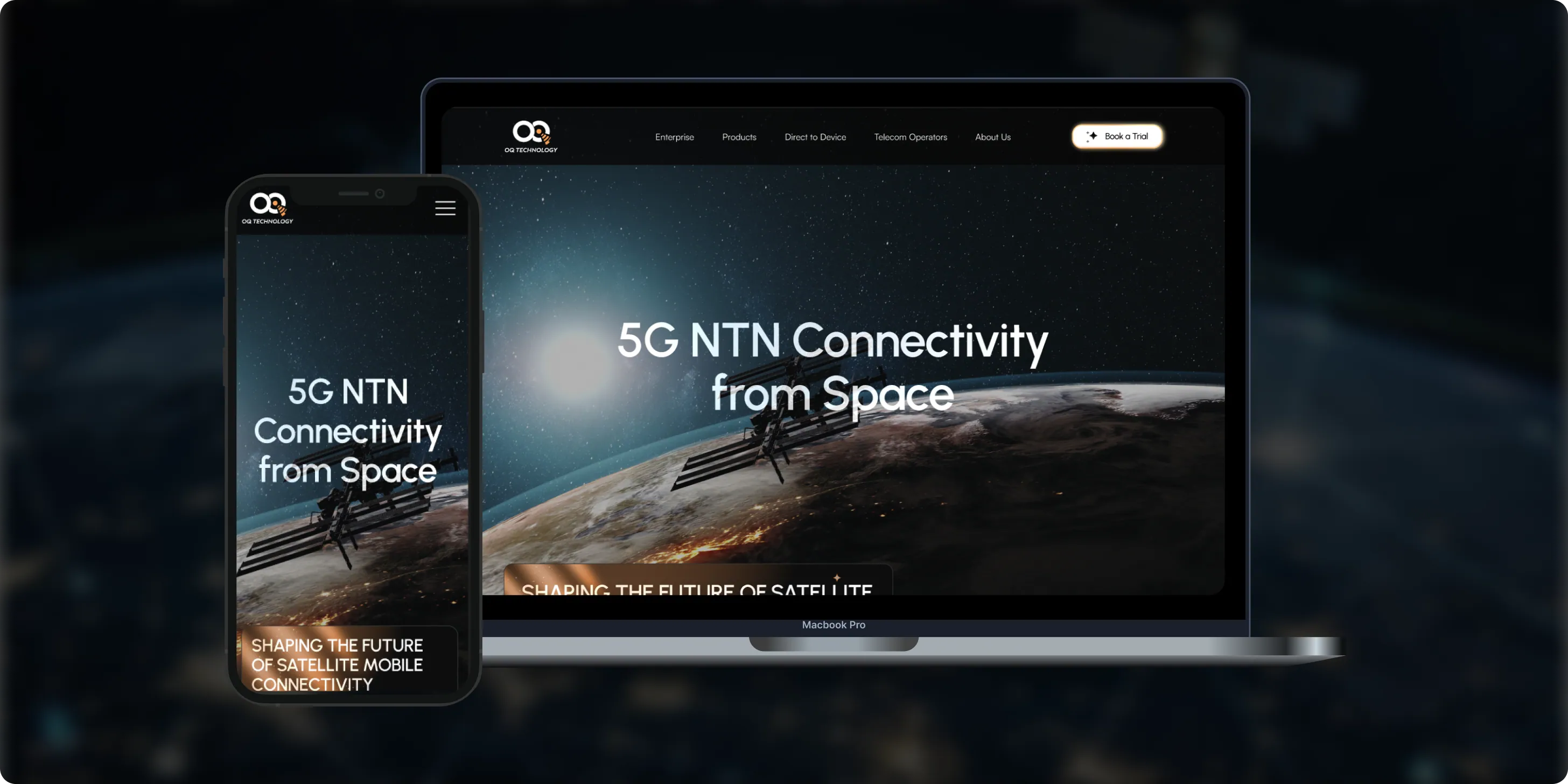
OQ Technology
OQ Technology connects IoT devices, machines, and people anywhere on the planet through its satellite network, serving energy, maritime, logistics, agriculture, and mobile operators. Its website made it hard to explore products and reach pricing plans.- 4Pricing Plans Clarified
- 3Dedicated User Flows
- 1Unified Platform
- Real Estate
- Finance
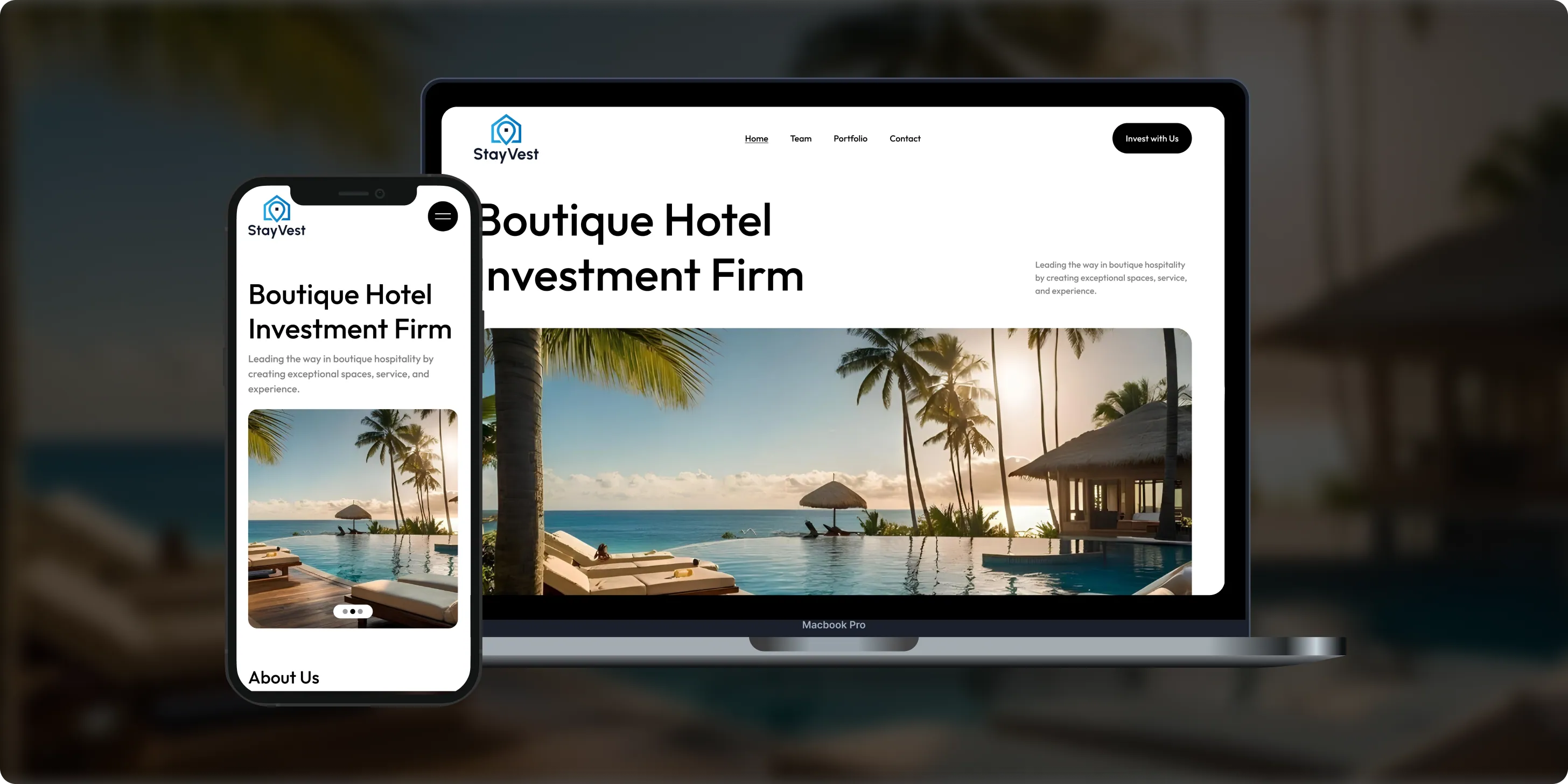
Stay Vest
Stay Vest is a private real estate investment firm that acquires, renovates, and operates boutique hotels for cash flow, tax benefits, and equity gain. It needed a platform that explains its strategy and earns the trust of passive investors.- 1,500+Guest Stays
- 200+Rooms Managed
- 5States Covered
Bokeyno Motorsports
Bokeyno Motorsports is the leading mobile installer of vertical doors for high-performance cars. This Shopify website isn’t just about services—it’s a bold statement of power, style, and expertise. With a sharp layout, strong visuals, and real-world case studies, the site delivers all the information car enthusiasts need to book confidently and instantly.- 54%Booking Requests
- 43%Lead Conversion
- 32%Qualified Inquiries

ai document processing platform
A comprehensive talent solution designed to help companies attract, hire, and retain top talent more effectively. The platform combines AI-powered recruitment technology with employee financial wellbeing programs, enabling smarter hiring decisions while supporting employees’ financial stability and long-term engagement.- 62%Faster Processing Time
- 78%Less Manual Work
- 35%Improved Accuracy

WHAT CLIENTS SAY
Independently verified reviews from real clients on Clutch.co


Client Story
Real feedback from
FMY Orthodontics

“SoftDoes consistently found ways to make things work, added features we had not originally envisioned, and never became frustrated. It felt like working with a true partner who cared about the success of our practice.”
Dan Merwin
DDS, MS, President, FMY Orthodontics

Client Story
Real feedback from
Prior Authorization AI
“Every time I sent a request, if there was anything that didn't work, they were able to turn it around quickly. Even when there were no updates yet, they always reached out to let me know they were working on it.”
Joseph Oluwo
Founder of Prior Authorization AI


Client Story
Real feedback from
WOVEN
“What stood out most was their commitment to understanding our needs before presenting solutions.”
Danna Pastran
Administrative Operations Manager, WOVEN

Client Story
Real feedback from
Grand Central Language Services
“The site performs as intended and provides the foundation for our company's digital presence.”
Joe Goldstein
QA Manager, Grand Central Language Services


Client Story
Real feedback from
DineMate
“They go above and beyond.”
Eric Snead
CEO, DineMate "Dating Connecting Platform"
WHAT CHANGED IN PRACTICE
Clients didn’t stay because of promises. They stayed because delivery became predictable, ownership was clear, and the product kept moving forward after launch.
- 01SENIOR ENGINEERS, NOT LAYERS
Your project is handled by experienced engineers from the first call to the final handoff. There are no account managers passing messages between you and the people doing the work. The engineer who reviews your setup is the same one who writes the code and answers your questions. This cuts down on misunderstandings and saves time on both sides. Decisions are made by people who have solved similar problems many times before. You always know who is responsible for what.
- 02PREDICTABLE DELIVERY
You get a clear plan before any work begins, with milestones and expected outcomes for every stage. We break large tasks into short cycles, so progress is easy to see. Weekly updates show what was finished, what comes next, and any risks we spotted. If something takes longer than expected, you hear about it early, not on the deadline. Our estimates come from real experience with similar setups. This makes it easier to plan budgets and releases on your side.
- 03BUILT TO LAST PAST LAUNCH
We design infrastructure with the next few years in mind, not just the release date. Configurations are written as code, so they can be reviewed, versioned, and restored. Monitoring and backups are part of the first version, not an afterthought. We pick widely used tools, which makes hiring and support easier later. Documentation explains why a choice was made, not only how it works. Your systems keep running well after the project wraps up.
- 04NO BABYSITTING REQUIRED
You do not need to chase us for updates or check every small decision. We ask the right questions at the start and then take ownership of the work. When we need your input, we bring clear options and a recommendation. Problems are flagged with a proposed fix, not just a report. Your team stays focused on the product while we handle the infrastructure. You stay informed without being pulled into the details.
Technologies We Use























Frequently Asked Questions
Everything you need to know about working with SoftDoes. Can’t find an answer?
What is DevSecOps?
DevSecOps is DevOps with security built into every step, from code review and dependency scanning to infrastructure checks and runtime monitoring. Instead of one security review at the end, automated tests catch issues on every commit. For Anchorage companies handling health, financial or energy data, it reduces risk without slowing releases. SoftDoes sets it up through its DevOps and cloud infrastructure services.
How do you implement DevOps in an organization?
To implement DevOps, start with version control and automated builds, add automated tests and deployment pipelines, then define infrastructure as code and monitor production. Change habits too: developers and operations share ownership of releases. Anchorage teams can begin with one product and expand once the pipeline works. SoftDoes helps through its DevOps and cloud infrastructure services.
What is rightsizing in cloud cost optimization?
Rightsizing in cloud cost optimization means matching each server, database or container to the CPU, memory and storage it actually uses. Teams review usage data, downsize or switch instance types, and turn off idle resources. It is often the quickest way to cut a cloud bill without changing code. SoftDoes rightsizes AWS and Google Cloud setups for Anchorage companies through its DevOps and cloud infrastructure services.
How do you choose a FinOps consulting firm?
Choose a FinOps consulting firm by checking its experience with your cloud provider, how it finds savings, whether it fixes the infrastructure, and how it reports results. Ask for a short assessment before a long contract, and avoid firms that only sell a tool. SoftDoes is an official AWS and Google Cloud partner and reviews spend for Anchorage companies through its DevOps and cloud infrastructure services.
What are DevOps services?
DevOps services are outside help to automate how software is built, tested, deployed and run, including CI/CD pipelines, infrastructure as code, monitoring and cloud setup. They shorten release cycles and reduce failed deployments. For Anchorage businesses without a full-time platform team, SoftDoes provides these through its DevOps and cloud infrastructure services, with maintenance from $500 a month.
What can DevOps and cloud infrastructure do for a healthcare company in Anchorage?
DevOps and cloud infrastructure let an Anchorage healthcare company release updates to patient portals and internal tools faster, with fewer outages and automatic backups. Infrastructure as code keeps HIPAA controls like encryption, access rules and audit logging the same in every environment. That matters for providers serving patients across Alaska. See our healthcare software.
How do energy and utility companies in Anchorage use DevOps?
Anchorage energy and utility companies can use DevOps to ship updates to billing, outage maps, field apps and reporting tools safely and often. Automated tests and staged rollouts limit risk, while infrastructure as code documents every change for audits. Grid control systems stay separated from these pipelines. See how SoftDoes supports energy and utilities software.
Oil and Gas Software Development Cost: Complete 2026 Guide
Energy
Development costs for oil and gas software can range from $30,000 to several million dollars, depending on scope, integrations, and regulatory burden. This guide breaks down every major cost factor so U.S. and Canadian operators can budget accurately, compare vendor proposals, and avoid the overruns that plague projects built without clear data.
Energy Software Development for Modern Utilities and Clean Power
Energy
Custom energy software development helps U.S. and Canadian utilities, IPPs, ESCOs, and retail energy providers cut operating costs, improve grid reliability, and accelerate the shift to clean power. Whether you run a regional electric cooperative or a national renewable energy portfolio, the right software turns fragmented data into operational clarity and gives your teams the tools to act in real time.
How to Build Legal Case Management Software: A Practical Guide for Modern Law Firms
EdTech, Web development
If you're planning to build legal case management software for the U.S. or Canadian market, the opportunity is real and the demand is growing. A 13% increase in case management software usage from 2021 to 2022 shows that more firms are moving away from disconnected tools and toward centralized platforms. But building something that law firms will actually adopt means getting the details right, from workflows and compliance to billing and AI. This guide walks you through every major decision, module, and technical consideration involved in building a legal case management platform that works.