User Experience Design in Albany, NY
User Experience Design in Albany, NY
We work as a partner with Albany companies on user experience design, turning confusing workflows and low conversions into intuitive, accessible digital products that actually perform.
Let's build together.
Talk with a senior engineer about your product idea, architecture, and what it would take to build it.
90+
Active Client Partnerships
80+ Person
Product & Engineering Team
100%
Your Code & IP Ownership
U.S.-Led
Delivery & Accountability
Services we offer
- 01User Experience Design
> WHEN USERS STRUGGLE, REVENUE DISAPPEARS <
A user centered design process starts with understanding how real users think, act, and fail inside your product. UX design applies research methods, information architecture, wireframing, and usability testing to eliminate pain points and reduce abandonment. Albany companies face unique pressure: many operate within regulated environments that demand accessibility, compliance, and clarity across diverse user populations. When users interact with confusing workflows, they leave. SoftDoes approaches every UX engagement by identifying user behavior, mapping mental models, and removing friction before a single pixel gets placed.
--
Our design teams involve users from the very first discovery session. UCD involves four phases: research, design, evaluation, and improvement, and the UCD process is iterative, repeating until user goals are met. We conduct user interviews, run focus groups, and gather feedback from the same users who will rely on the final product. Each decision ties back to user requirements and business goals, not guesswork.
- Workflow analysis and task mapping
- Information architecture restructuring
- Wireframing for complex systems
- Accessibility audits against WCAG standards
- Iterative usability testing with real users
> EVIDENCE OVER ASSUMPTIONS <
How do we know designs match what your target audience actually needs? Research in UCD identifies user needs and behaviors through various methods, and we apply every relevant one.
- Usability testing with representative user groups
- Prototype validation through iterative design process cycles
- Quantitative data collection via analytics and heuristic evaluation
- User persona creation from real user interviews and observation
- 02User Interface Design
> CLARITY FIRST, AESTHETICS SECOND <
UI design shapes the visual and interactive surface where users engage with your product. Poor contrast, inconsistent iconography, or ambiguous button states erode trust instantly. Albany organizations, from state agencies to regional enterprises, need interfaces that feel approachable and function without confusion across every device. Clarity and consistency are key for intuitive designs in UCD. Our UI work at SoftDoes connects visual identity to functional precision, ensuring every element communicates purpose. We create responsive, accessible interfaces with modular design systems that maintain coherence as products evolve. Micro interactions, purposeful typography, and structured layout grids make complex information digestible. Our designers focus on reducing cognitive load while reinforcing your brand through every screen, modal, and transition.
- Responsive layout systems for all devices
- Accessible color and contrast compliance
- Component libraries for visual consistency
- Micro interaction and feedback design
- Cross platform visual identity alignment
- 03Product Design Services
> FROM CONCEPT TO FUNCTIONING SYSTEM <
Product design services combine UX, UI, engineering constraints, and strategic direction into a single cohesive effort. This is where legacy modernization, AI integration, and cloud interface planning happen. Albany enterprises and regional institutions often carry technical debt that makes feature releases slow and expensive. SoftDoes takes product design from initial research through prototyping, MVP validation, and long term roadmap planning, all connected to real engineering feasibility.
--
Our approach eliminates the gap between what gets designed and what gets implemented. User experience design emphasizes developing user centered and accessible digital products, and we treat that principle as foundational. We handle discovery, define product features, validate with interactive prototypes, and coordinate with data and cloud engineering teams. Enterprise modernization UX projects aim to redesign complex state administrative portals into user friendly experiences. Every product design engagement at SoftDoes produces something a development team can execute without reinterpretation.
- End to end product strategy and roadmapping
- Legacy system redesign and modernization
- MVP definition and prototype validation
- AI and data integration planning
- Technical constraint alignment with design solutions
> WHEN USERS STRUGGLE, REVENUE DISAPPEARS <
A user centered design process starts with understanding how real users think, act, and fail inside your product. UX design applies research methods, information architecture, wireframing, and usability testing to eliminate pain points and reduce abandonment. Albany companies face unique pressure: many operate within regulated environments that demand accessibility, compliance, and clarity across diverse user populations. When users interact with confusing workflows, they leave. SoftDoes approaches every UX engagement by identifying user behavior, mapping mental models, and removing friction before a single pixel gets placed.
--
Our design teams involve users from the very first discovery session. UCD involves four phases: research, design, evaluation, and improvement, and the UCD process is iterative, repeating until user goals are met. We conduct user interviews, run focus groups, and gather feedback from the same users who will rely on the final product. Each decision ties back to user requirements and business goals, not guesswork.
- Workflow analysis and task mapping
- Information architecture restructuring
- Wireframing for complex systems
- Accessibility audits against WCAG standards
- Iterative usability testing with real users
> EVIDENCE OVER ASSUMPTIONS <
How do we know designs match what your target audience actually needs? Research in UCD identifies user needs and behaviors through various methods, and we apply every relevant one.
- Usability testing with representative user groups
- Prototype validation through iterative design process cycles
- Quantitative data collection via analytics and heuristic evaluation
- User persona creation from real user interviews and observation

PRODUCTS BUILT ACROSS INDUSTRIES
Finance
Regulatory portals and client facing platforms need clear user flows to reduce errors and ensure compliance. User centered design guarantees transaction screens, dashboards, and notifications meet strict usability standards.
Healthcare
Patient portals, scheduling, and clinical dashboards need clear design to support diverse users. A human centered design approach ensures accessibility for all ages, abilities, and digital skills.
Education
Learning management systems and student portals need clear interfaces supporting diverse user goals. User feedback ensures products fit real learning and work needs.
Construction
Project management tools, permit tracking, and field apps must function across different devices and connectivity. User centered design ensures usability on tablets and desktops alike.
Technology
SaaS platforms and developer tools require sophisticated UX that accommodates power users and newcomers alike. Design systems ensure visual and functional consistency across rapidly evolving product features.
Startups
Early stage products need to validate assumptions fast without wasting limited resources on unnecessary features. User involvement from day one prevents costly pivots later.
Compliance
Regulated environments require traceable actions, visible disclosures, and user flows that meet legal standards. Compliance design must include accessibility, consent management, and audit readiness from the start.
Energy
Grid management dashboards, billing portals, and field service apps need UX that manages dense data without overwhelming users. Interfaces must adapt to varied preferences of technicians, engineers, and customers.


Transparency at each stage
Discovery & Research
We audit audiences and competitors to define pain points, ensuring design solves your specific business challenges.
Design Strategy
Creating concepts and user flows to build an intuitive product structure and seamless interaction logic.
Iterative Prototyping
Real-time progress you can see, from wireframes to high-fidelity mockups that bring your digital vision to life.
Usability Testing
We validate every button and transition through real-world scenarios to eliminate friction before development.
Handoff & Support
Complete design systems and asset delivery with ongoing expert support to ensure pixel-perfect implementation.

Numbers Don’t Lie
Recent projects showcasing how we design, engineer, and deliver production-ready software solutions.

- Startup
- Real Estate
Our Haus AI
A finance professional turned founder built Our Haus AI, an AI-powered collaborative workspace where homeowners and contractors scope, bid, contract, and document renovation projects together. SoftDoes took her prototype and made it production-ready.- 10XMVP scope delivered
- 2+years Ongoing partnership
- 1Fully owned Platform

- Finance
- Energy
Deepwater Insights
Deepwater Insights delivers proprietary alternative data and niche research on the offshore drilling and energy sector to institutional investors, family offices, and high-net-worth individuals who require coverage that larger firms don't provide.- 100%Brand Continuity
- 2Platform Distribution
- 100%Paywall-Ready Content

- Real Estate
The building buyer
The Building Buyer is a Florida-based real estate investment firm co-founded by Dylan Troiano and Charles Hanlin. They acquire single-family, multifamily, and commercial properties across South Florida and beyond, with a focus on motivated seller opportunities.- 18Weekly hours saved
- 2+Years Ongoing partnership
- 1Fully owned Platform

- Education
- Non-Profit
WOVEN & NICE
Woven is a Spring Valley, NY nonprofit running the NICE program (New Training Inclusive Community Environment) in four Rockland County schools. Their team supports students through restorative practices, mediation, and professional development for teachers and administrators.- 4Schools Served
- 4Weeks to Launch
- 1STTime on Upwork

- Healthcare
CareInTouch
CareInTouch is a Bay Area home health agency providing skilled nursing and therapy services to patients referred from hospitals and clinics. With over 100 staff, they operate in one of the most complex and compliance-driven healthcare markets in the country.- 40% Reduction In Billing Errors
- 100+Staff Operations Managed
- 0Missed Compliance Deadlines

- Startup
Sparkle The Cleaning Service
Sparkle The Cleaning Service is a Detroit-area residential cleaning company with 10 years in business, connecting homeowners with vetted, insured independent cleaners through a subscription-based marketplace platform.- 75% Platform Transparency
- 2XPlatform Growth
- 40%Higher User Retention

- Startup
DineMate
DineMate is a Maryland-based dating and connecting platform built around verified profiles, restaurant reservations, and prepaid dining experiences. Founded to bring back authenticity to how people meet and connect.- 60% Time Saved
- 99%System Reliability
- 40%Higher User Retention

- Healthcare
Prior Authorization AI
Prior Authorization AI is a healthcare automation startup building AI-powered tools to streamline prior authorization for Medicare and Medicaid medical transportation providers in New Jersey.- 16Weekly hours saved
- 63%Admin time reduced
- 43%Fewer submission errors

- Education
Grand Central Language Services
Grand Central Language Services provides translation and interpretation for organizations operating in complex, multilingual environments. As demand grew, internal workflows became harder to manage. SoftDoes built a custom platform to streamline coordination, improve visibility, and support scalable operations.- 72%Workflow Reduction
- 48%Coordination Reduction
- 83%Visibility Increase

- Healthcare
FMY Orthodontics
FMY Orthodontics, a multi-location practice in West Tennessee, partnered with SoftDoes to replace a spreadsheet-based financial workflow with a custom web platform. The goal was to simplify how staff present treatment financing while allowing patients and families to review and complete decisions remotely.- 60%Workflow Reduction
- 75%Remote Adoption
- 5Locations Aligned

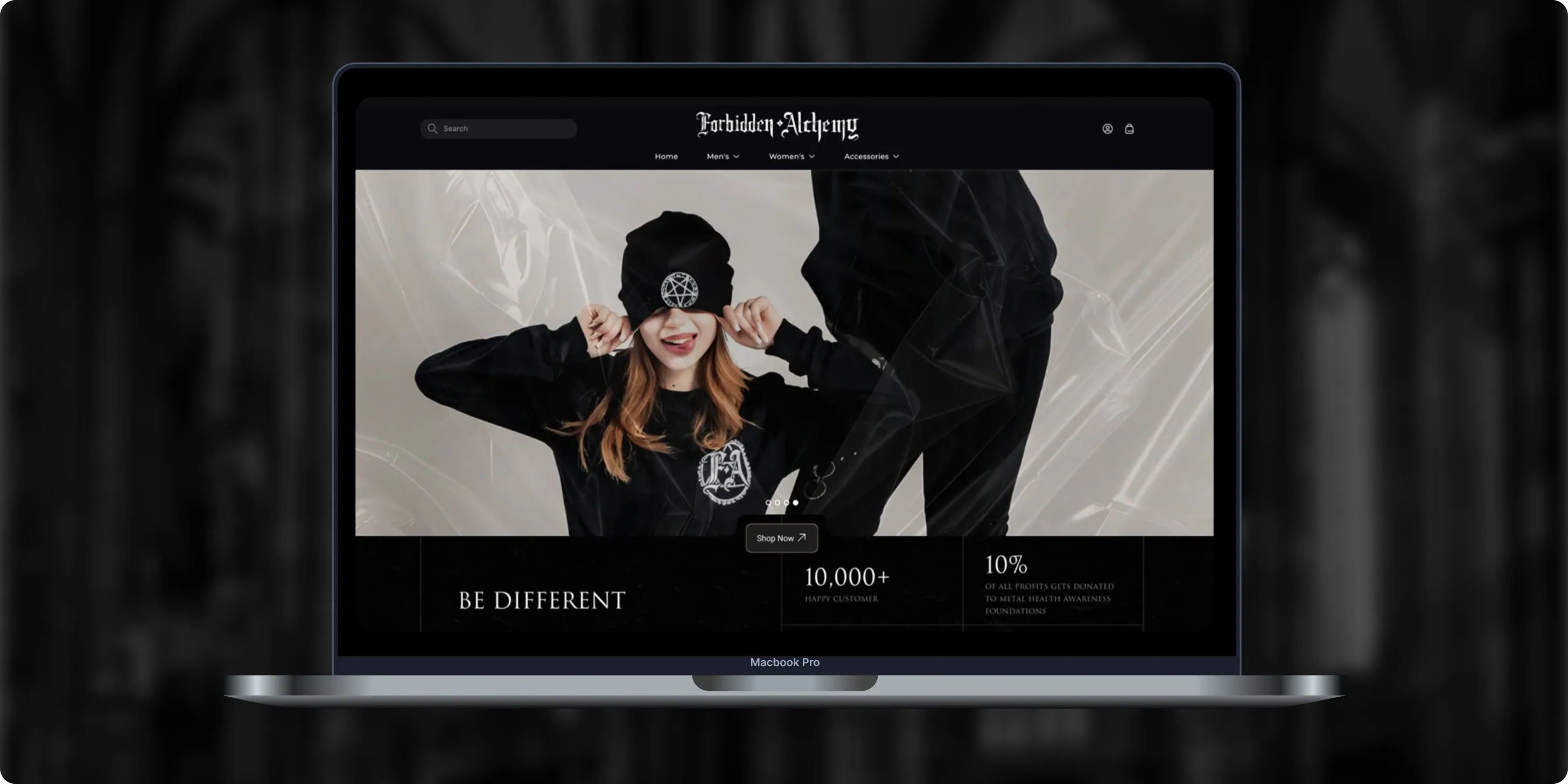
Forbidden Alchemy
Forbidden Alchemy is an alternative fashion brand creating dark, provocative clothing for the metalhead community, with 10% of profits donated to mental health awareness. Its mostly mobile audience struggled with a store that was hard to navigate and weak on functionality.- +44%Revenue Month Over Month
- 86%Design Satisfaction
- 2.8XUser Retention Growth
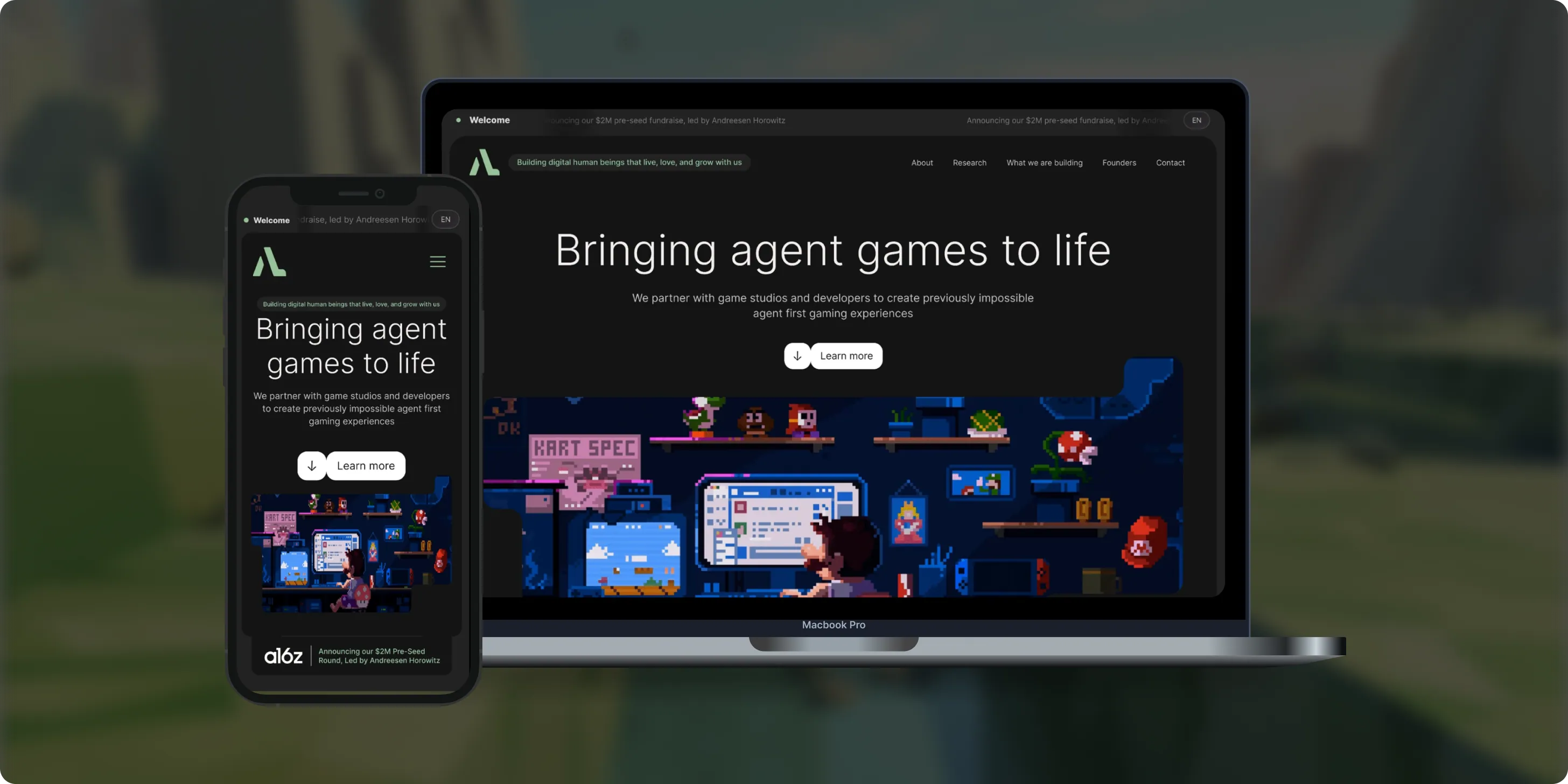
Altera
Altera builds on decades of computational neuroscience research to create digital human beings for gaming. Backed by a $2M pre-seed round led by Andreessen Horowitz, the team needed a landing page that could explain complex agent technology to players, partners, and investors.- 98%Dynamic Customization
- 100%Streamlined Navigation
- $2MPre-Seed Round
- Real Estate
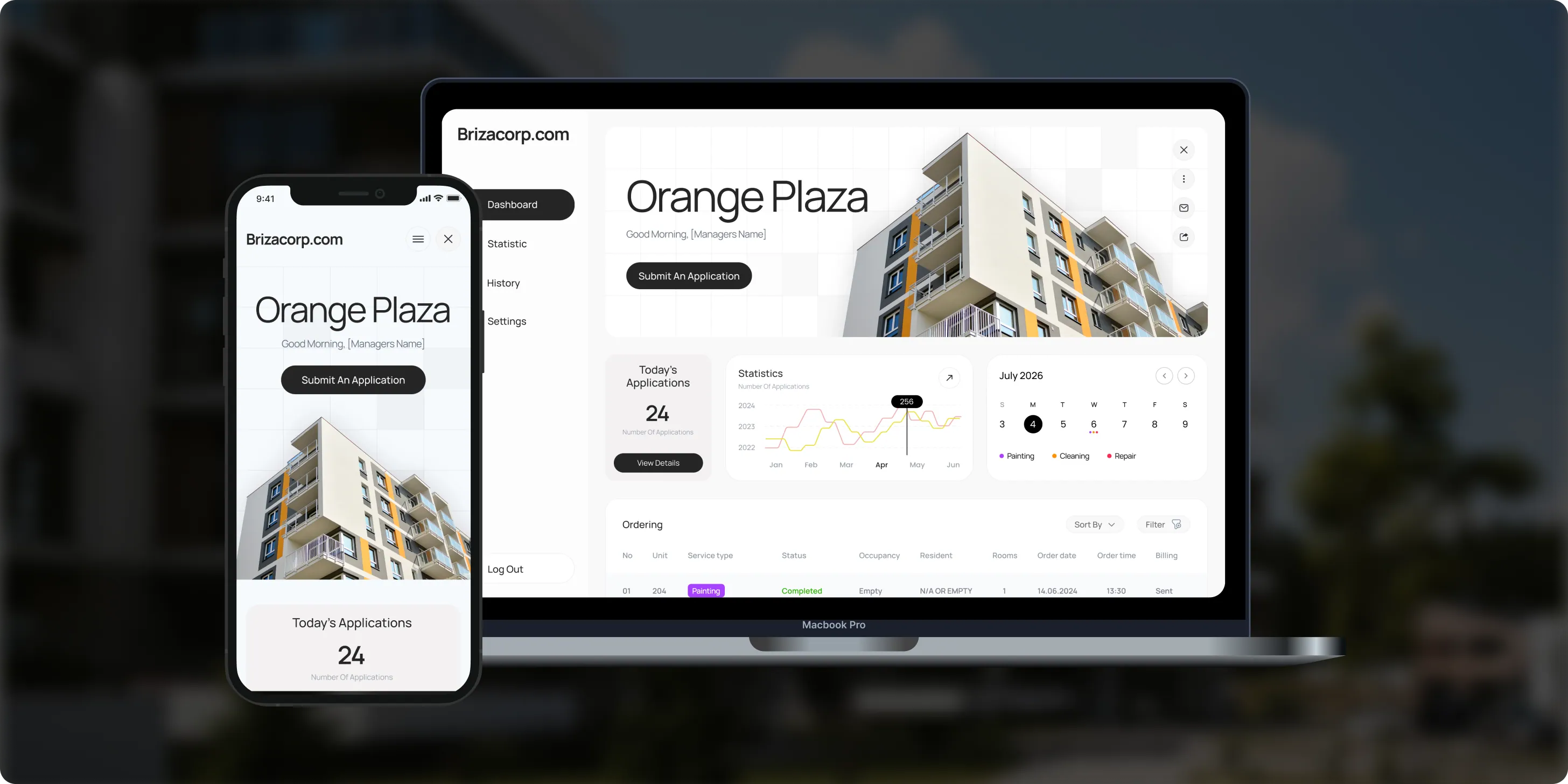
Brizacorp
Brizacorp manages residential properties and coordinates the staff who handle painting, cleaning, and repair requests. Its team tracked work across messengers, phone calls, e-mail, and paper planners, with no single place to manage requests or measure performance.- 98%Application Stability
- 95%Utilization Rate
- 30%Faster Task Completion
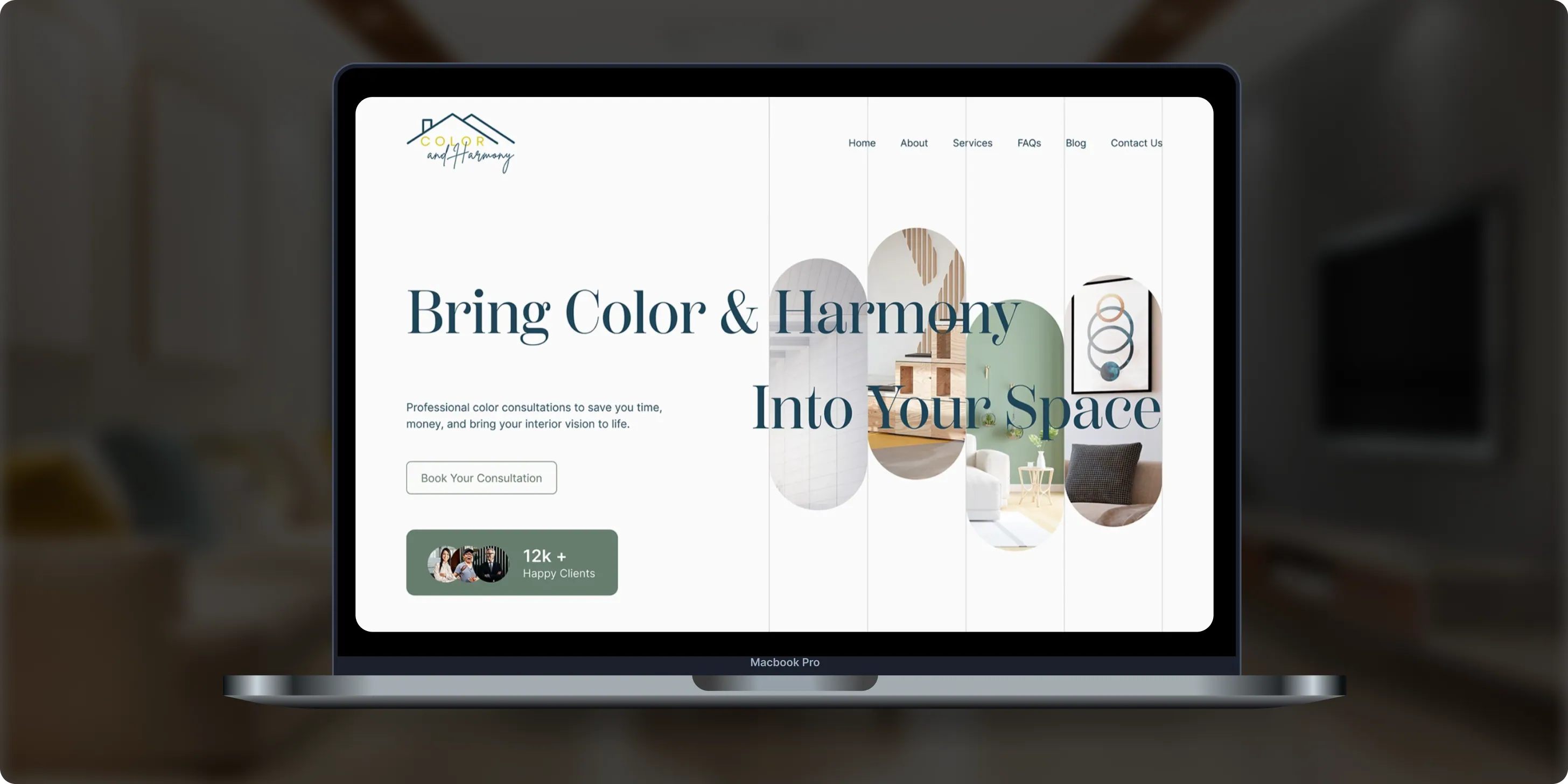
Color & Harmony
Color & Harmony is a Kentucky-based color consulting studio led by certified color strategist Diana Cartaya. The studio needed a website that reflects its refined aesthetic, showcases its portfolio, and explains a science-based color process in simple language.- 45%Conversion Rate Increase
- 50%Higher User Engagement
- 2Months to Launch
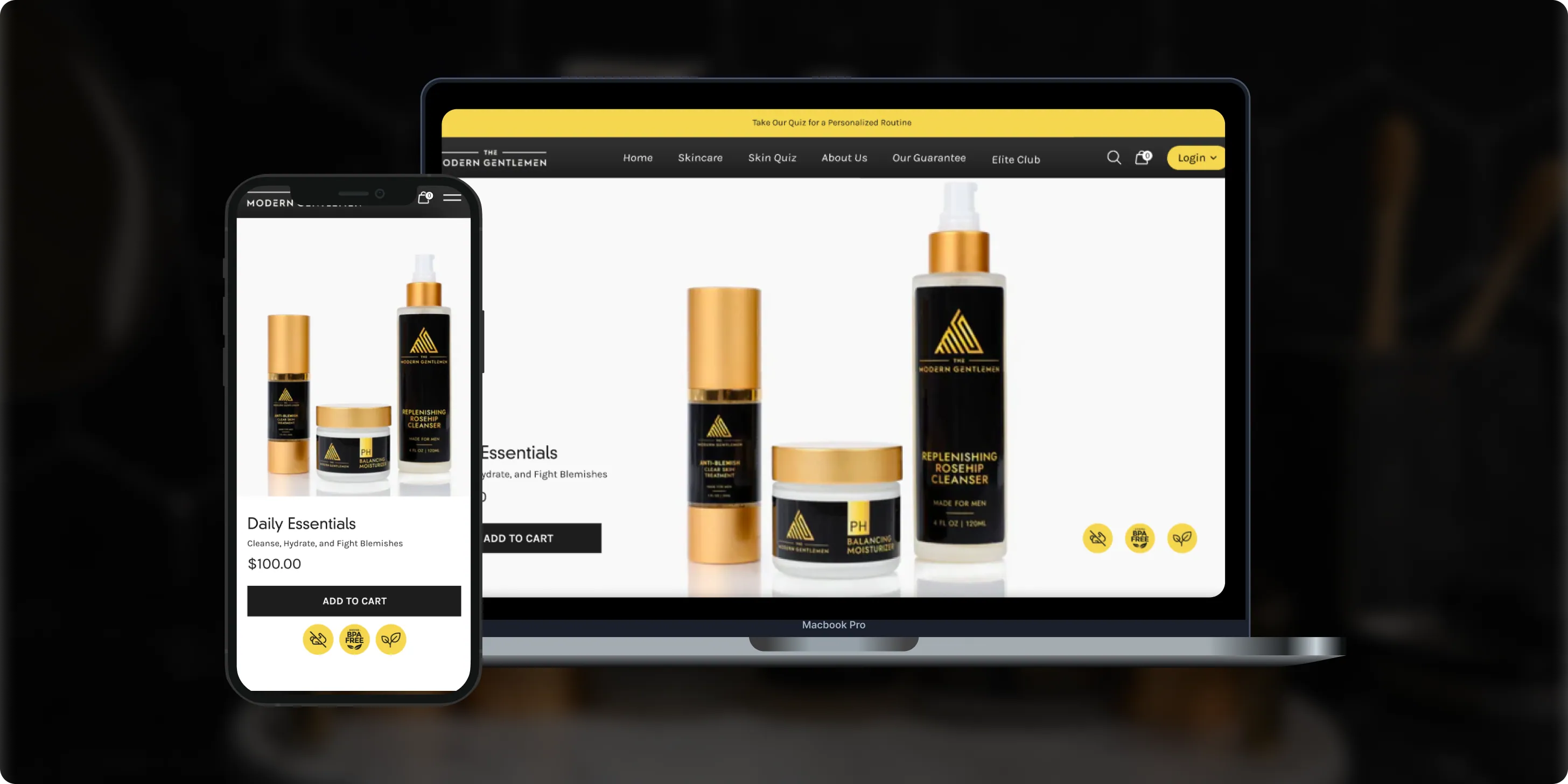
The Modern Gentlemen
The Modern Gentlemen sells premium men's skincare featured in Men's Health, GQ, and Men's Journal. Its customers wanted an efficient routine, but generic product suggestions and limited skincare knowledge made choosing the right products hard.- 30%Increase in Conversions
- 25%Higher Customer Retention
- 92%Mobile Purchases
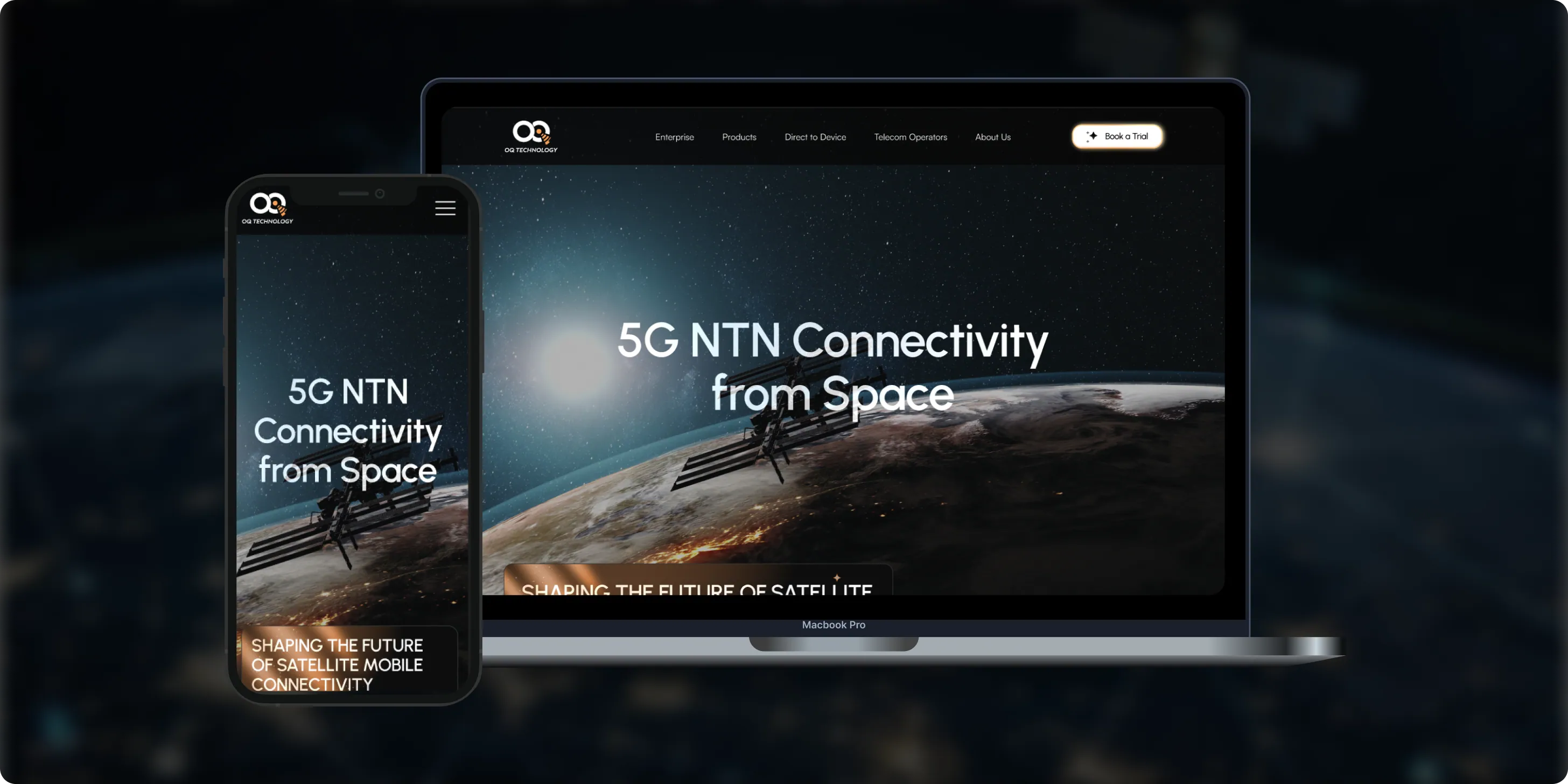
OQ Technology
OQ Technology connects IoT devices, machines, and people anywhere on the planet through its satellite network, serving energy, maritime, logistics, agriculture, and mobile operators. Its website made it hard to explore products and reach pricing plans.- 4Pricing Plans Clarified
- 3Dedicated User Flows
- 1Unified Platform
- Real Estate
- Finance
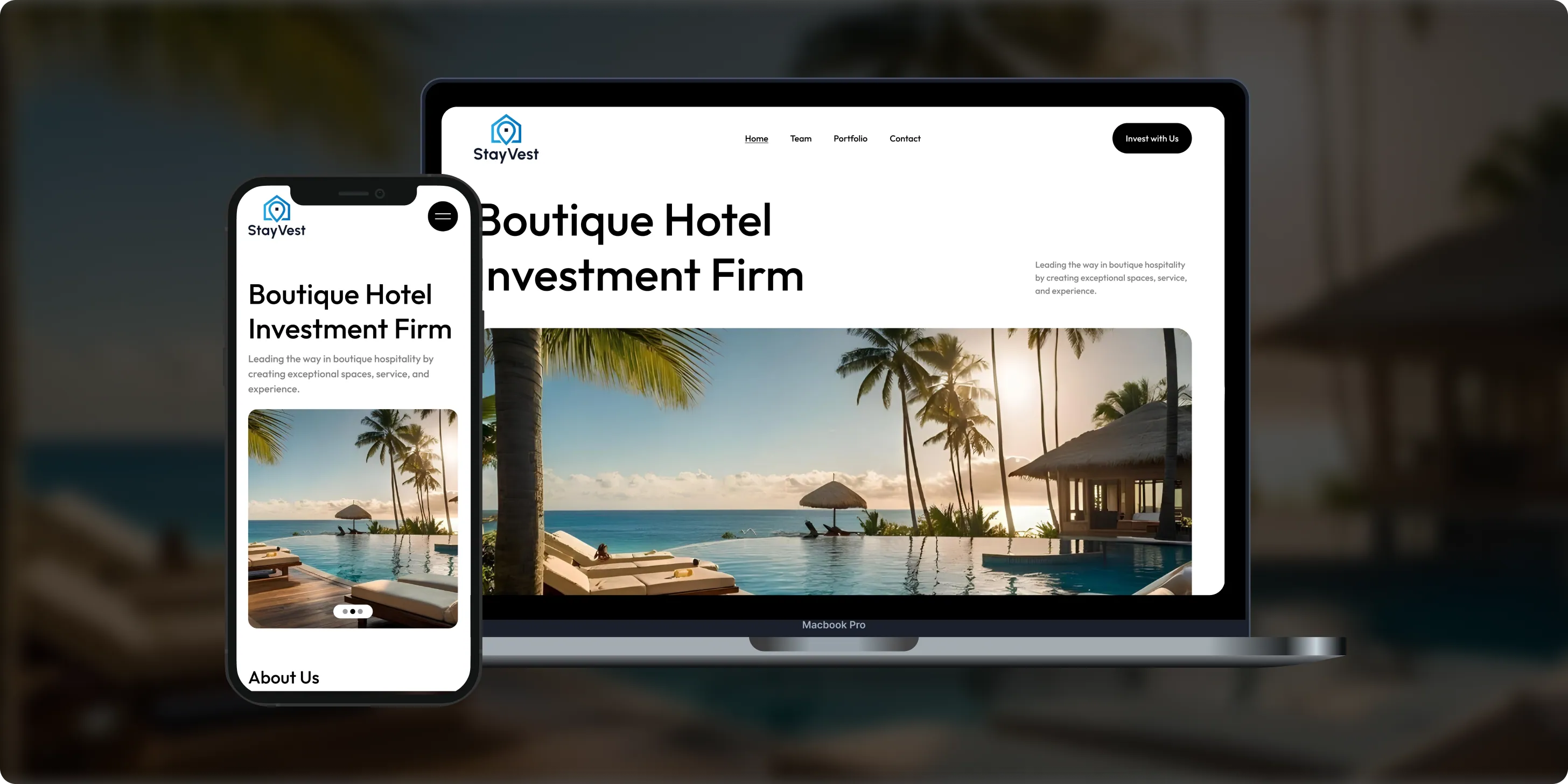
Stay Vest
Stay Vest is a private real estate investment firm that acquires, renovates, and operates boutique hotels for cash flow, tax benefits, and equity gain. It needed a platform that explains its strategy and earns the trust of passive investors.- 1,500+Guest Stays
- 200+Rooms Managed
- 5States Covered
Bokeyno Motorsports
Bokeyno Motorsports is the leading mobile installer of vertical doors for high-performance cars. This Shopify website isn’t just about services—it’s a bold statement of power, style, and expertise. With a sharp layout, strong visuals, and real-world case studies, the site delivers all the information car enthusiasts need to book confidently and instantly.- 54%Booking Requests
- 43%Lead Conversion
- 32%Qualified Inquiries

ai document processing platform
A comprehensive talent solution designed to help companies attract, hire, and retain top talent more effectively. The platform combines AI-powered recruitment technology with employee financial wellbeing programs, enabling smarter hiring decisions while supporting employees’ financial stability and long-term engagement.- 62%Faster Processing Time
- 78%Less Manual Work
- 35%Improved Accuracy

WHAT CLIENTS SAY
Independently verified reviews from real clients on Clutch.co


Client Story
Real feedback from
FMY Orthodontics

“SoftDoes consistently found ways to make things work, added features we had not originally envisioned, and never became frustrated. It felt like working with a true partner who cared about the success of our practice.”
Dan Merwin
DDS, MS, President, FMY Orthodontics

Client Story
Real feedback from
Prior Authorization AI
“Every time I sent a request, if there was anything that didn't work, they were able to turn it around quickly. Even when there were no updates yet, they always reached out to let me know they were working on it.”
Joseph Oluwo
Founder of Prior Authorization AI


Client Story
Real feedback from
WOVEN
“What stood out most was their commitment to understanding our needs before presenting solutions.”
Danna Pastran
Administrative Operations Manager, WOVEN

Client Story
Real feedback from
Grand Central Language Services
“The site performs as intended and provides the foundation for our company's digital presence.”
Joe Goldstein
QA Manager, Grand Central Language Services


Client Story
Real feedback from
DineMate
“They go above and beyond.”
Eric Snead
CEO, DineMate "Dating Connecting Platform"
WHAT CHANGED IN PRACTICE
Clients didn’t stay because of promises. They stayed because delivery became predictable, ownership was clear, and the product kept moving forward after launch.
- 01Direct Access to Senior Engineers
You communicate directly with the senior designers doing the work. There is no account manager translating your feedback through three levels of hierarchy. Our UX designers bring an in depth understanding of user research, interaction patterns, and accessibility that comes from years of practice on complex systems. This direct access means faster decisions and fewer misinterpretations. When your design teams have questions about user behavior or technical constraints, they get answers from the person with the expertise. That structure eliminates the overhead that makes most agency engagements frustrating and slow.
- 02Predictable Delivery
Every engagement begins with defined milestones, realistic timelines, and a transparent development process. We scope each phase, from initial research through interactive prototypes and final handoff, so you know exactly what arrives and when. User centered design involves users in every design phase, and our schedule reflects that commitment with planned testing and review cycles. Surprises are engineering failures, not project management features. We track task success metrics and user satisfaction indicators at each stage. You receive regular progress updates with measurable outcomes, not vague status reports.
- 03Built to Last Past Launch
Designs that look good on launch day but collapse under real usage are worthless. We create modular design systems with documented components, patterns, and guidelines that your internal team can extend without calling us back. Every UI element is engineered for long term maintainability, performance, and cross platform consistency. UCD emphasizes understanding user needs and behaviors through research, and that understanding gets embedded into a system that evolves with your product. We avoid trend chasing that creates visual debt within six months. Your product features remain coherent and usable as your user base and functionality expand.
- 04No Babysitting Required
Our team operates independently once objectives and user requirements are clear. You do not need to micromanage design reviews or chase down deliverables. We run our own quality checks, accessibility audits, and internal critiques before presenting anything. UCD principles include early user involvement to minimize mistakes, and we handle that coordination ourselves. This means your leadership spends time on strategic priorities instead of monitoring design output. When we surface a question, it is specific, informed, and paired with a recommended path forward.
Technologies We Use
 Figma
 Sketch
 Adobe XD
 Photoshop
 Framer


















Frequently Asked Questions
Everything you need to know about working with SoftDoes. Can’t find an answer?
What is usability testing?
Usability testing is watching real users try to complete tasks in a product to see where they get stuck. A tester might ask five people to book an appointment while noting every hesitation. It can run on a clickable prototype before any code exists. Albany teams use it to catch confusing screens early. Learn about our user experience design services.
What is the UX design process?
The UX design process moves from research to structure to testing: learn who the users are, map their tasks, sketch wireframes, build a clickable prototype, test it and refine. Visual design and developer handoff come next. For an Albany company, the research step might include interviews with front desk staff. See our user experience design services.
How can UX design improve cybersecurity?
UX design improves cybersecurity by making the safe choice the easy one: clear multi-factor sign-in, plain warnings about risky actions and simple permission settings. When security is confusing, people share passwords or click past alerts. Albany organizations handling public records benefit from these patterns. Learn more about our user experience design work.
What is mobile UX design?
Mobile UX design is planning how an app works on a small touchscreen, with thumb-friendly buttons, short forms, offline states and fast loading. It also covers notifications and gestures that desktop designs ignore. A field inspector in Albany filling a form on a phone needs very different screens than an office user. See our user experience design services.
How long does UX design take?
UX design for a focused product can take a few weeks, while a large platform with many user roles takes longer and is often designed in phases. Research depth, the number of screens and feedback rounds set the pace. Discovery takes 2–4 days and sets the exact timeline for Albany projects. Learn about our user experience design services.
Does SoftDoes do UX design for schools and universities in Albany?
Yes, SoftDoes does UX design for schools and universities in Albany, including student portals, course platforms and admin tools for staff. Good design here means accessible screens, simple enrollment flows and clear views for parents. Testing prototypes with real students and staff catches problems before development. See our education software work.
How should UX design for Albany companies handle consent under the New York SHIELD Act?
The New York SHIELD Act focuses on protecting private information and breach notification rather than consent, so UX for Albany companies should support security. That means clear privacy notices, strong sign-in, limited data collection and easy account deletion. Consent flows may still be needed under other laws. Read the New York SHIELD Act guidance.
How to Build Legal Case Management Software: A Practical Guide for Modern Law Firms
EdTech, Web development
If you're planning to build legal case management software for the U.S. or Canadian market, the opportunity is real and the demand is growing. A 13% increase in case management software usage from 2021 to 2022 shows that more firms are moving away from disconnected tools and toward centralized platforms. But building something that law firms will actually adopt means getting the details right, from workflows and compliance to billing and AI. This guide walks you through every major decision, module, and technical consideration involved in building a legal case management platform that works.
Custom Legal Software Development Cost in 2026: Complete Buyer's Guide
EdTech, Web development
If you manage or lead a law firm or corporate legal department in the U.S. or Canada, you have probably started asking a pointed question: how much does custom software actually cost to build for legal operations? The answer depends on what you are building, who is building it, and how disciplined your planning is. This guide breaks down real 2026 benchmarks, cost drivers, pricing models, and budgeting strategies so you can walk into vendor conversations with clear expectations and avoid the budget overruns that plague so many legal software projects.
Build vs Buy Cybersecurity Software: How to Decide in 2026
Web development
Every security leader faces the same question at some point: should your organization build its own cybersecurity tools or buy software from a vendor? The stakes are high, and the wrong call can drain budgets, slow down your security team, or leave dangerous gaps in your defenses. This guide walks through the real tradeoffs, costs, and decision criteria for U.S. and Canadian organizations weighing the build vs buy cybersecurity software question in 2026.