Web Application Development in Raleigh, NC
Web Application Development in Raleigh, NC
We support web application development in Raleigh with cloud native application development, continuous delivery, tighter release control, and fewer production incidents for teams modernizing critical systems.
Let's build together.
Talk with a senior engineer about your product idea, architecture, and what it would take to build it.
90+
Active Client Partnerships
80+ Person
Product & Engineering Team
100%
Your Code & IP Ownership
U.S.-Led
Delivery & Accountability
Services we offer
- 01Web Application Development
> WEB APPLICATION DEVELOPMENT CORE OFFER <
Secure, high performing web interfaces are our core service. We design responsive screens, robust backends, and data models that match real processes. Our web application development in Raleigh projects often include role based access, audit logs, and reporting modules. Early choices around caching, database indexing, and API boundaries prevent later bottlenecks. Agencies frequently utilize headless content management systems to completely separate front end user experiences from back end logic.
- Domain driven modeling
- Secure authentication
- High traffic tuning
- Accessible interface choices
- Day one monitoring
> WEB APPLICATION GROWTH AND ITERATION <
A useful web platform keeps evolving after first release. How can a Raleigh team keep shipping features without risking production health? SoftDoes uses continuous integration, feature flags, progressive release methods, and clear success metrics. Each release is treated as a small experiment. Local feedback informs backlog priorities more than long speculative roadmaps.
- Small safe release trains
- Gradual feature flags
- Telemetry guided choices
- Capacity and cost awareness
- 02Mobile App Development
> MOBILE AND CROSS PLATFORM APPLICATIONS <
Mobile app development works best when the phone experience is tightly connected to the core web platform. We create native and cross platform clients that talk to the same cloud native application backend. Common features include offline routines, background sync, secure biometric login, and push alerts. Raleigh organizations often need one experience across browser and phone for staff and customers. Shared APIs keep mobile and web interfaces consistent without duplicating business logic.
- Shared API contracts
- Offline data sync
- Critical push alerts
- Store release workflows
- Usage telemetry
- 03Custom Software Development
> CUSTOM SOFTWARE SYSTEMS <
Custom software development replaces or extends off the shelf tools when daily work no longer fits generic software. Typical projects include internal dashboards, complex workflow engines, data orchestration layers, and tailored solutions for specific operating needs. Custom software development allows businesses to create tailored solutions that meet their specific operational needs, enhancing efficiency and user experience. Scalable custom software solutions can reduce future development costs by up to 40%, as they are designed to grow alongside the business and adapt to changing requirements. Cloud native solutions and modular design help avoid the usual problems of large monolithic applications, and clear documentation helps future teams evolve the system.
- Process discovery workshops
- Modular architecture for change
- Security and access control
- Existing tool integration
- Automated tests in code
- 04MVP Development
> PRODUCT READY MVP DEVELOPMENT <
MVP development is for teams testing a new idea without committing to a full product yet. We treat an MVP as a thin but production capable slice, not a throwaway prototype. Cloud native development and modern deployment pipelines allow quick response to early user feedback. Deliverables may include a working web interface, essential workflows, basic analytics, and simple authentication. Raleigh founders and product leaders use this to validate assumptions before expanding the feature set.
- Focused first feature set
- Extension ready choices
- Fast user feedback
- Clear validation metrics
- Simple secure login
- 05Product Development
> END TO END PRODUCT ENGINEERING <
Product development fits teams with a long running roadmap, not only a single project. SoftDoes works as an integrated product engineering partner from discovery through iteration and maintenance. Activities may include backlog curation, UX experiments, A B style tests, performance reviews, and operational tuning. Continuous delivery pipelines make regular experiments easier. Documentation, diagrams, and ADR style decisions stay current so new team members can join quickly.
- Shared roadmap ownership
- Regular demos
- Data informed priorities
- Design and engineering work
- Operational tuning sessions
- 06API Integration Services
> API INTEGRATION AND PLATFORM CONNECTIVITY <
API integration services connect multiple web systems. APIs facilitate communication between different software programs by defining the methods and data formats that applications can use to request and exchange information. Well optimized APIs can improve application performance by reducing data retrieval time, which enhances overall responsiveness and user satisfaction. APIs enable loosely coupled systems, allowing individual components to communicate without being tightly integrated, which enhances flexibility and scalability in software development. We design contracts, versioning, authentication, and failure handling so integrations become long term assets, not fragile scripts.
- API design standards
- Data mapping logic
- Secure system authentication
- Dependency monitoring
- Graceful partner failures
> WEB APPLICATION DEVELOPMENT CORE OFFER <
Secure, high performing web interfaces are our core service. We design responsive screens, robust backends, and data models that match real processes. Our web application development in Raleigh projects often include role based access, audit logs, and reporting modules. Early choices around caching, database indexing, and API boundaries prevent later bottlenecks. Agencies frequently utilize headless content management systems to completely separate front end user experiences from back end logic.
- Domain driven modeling
- Secure authentication
- High traffic tuning
- Accessible interface choices
- Day one monitoring
> WEB APPLICATION GROWTH AND ITERATION <
A useful web platform keeps evolving after first release. How can a Raleigh team keep shipping features without risking production health? SoftDoes uses continuous integration, feature flags, progressive release methods, and clear success metrics. Each release is treated as a small experiment. Local feedback informs backlog priorities more than long speculative roadmaps.
- Small safe release trains
- Gradual feature flags
- Telemetry guided choices
- Capacity and cost awareness

PRODUCTS BUILT ACROSS INDUSTRIES
Finance
Secure portals, approval flows, and dashboards rely on cloud native solutions with audit trails and encryption. Teams follow PCI DSS and SOC 2 controls, ensuring strong API authentication and data encryption.
Healthcare
Records access, scheduling, and secure communication require careful development, privacy controls, and clean APIs. Applications prioritize HIPAA compliance, electronic health record integrations, and patient data security.
Education
Enrollment portals, learning content, attendance, assignments, and assessments benefit from cloud native applications that handle many users simultaneously. Continuous delivery updates features between terms smoothly.
Construction
Project dashboards, document flows, field updates, safety checklists, and change logs need applications that work across offices and devices. A central cloud native backend keeps schedules and files aligned.
Technology
Custom portals and internal tools need cloud native development, microservices, CI pipelines, and feature flags. Raleigh technology firms focus on Agile delivery, cloud first architectures, and OWASP security.
Startups
Early products need focused web application development, MVP development, continuous integration, and delivery. Cloud native approaches avoid early infrastructure lock in while teams measure adoption and adjust features.
Compliance
Strict platforms need cloud native design, policy driven configuration, immutable audit data, automated tests, and review checklists. Role based permissions, encryption, traceability, and evidence reports are planned early.
Energy
Asset tracking, monitoring dashboards, control room views, and field reporting use cloud computing for time series and sensor data. Cloud native solutions can run ingestion, processing, and alerting pipelines with resilient interfaces.


Transparency at each stage
Discovery & Alignment
Defined goals and a precise roadmap ensure your vision is realized without unexpected pivots or hidden costs.
Technical Strategy
Senior engineers select the optimal tech stack with clear architectural reasoning for long-term scalability.
Iterative Development
Gain real-time access to code and staging environments with regular demos to track every milestone as it happens.
Careful Testing
Receive transparent QA, security, and performance audits to ensure a flawless and stable launch every time.
Deployment & Support
Stay in total control with full documentation and proactive monitoring to keep your systems running at peak performance.

Numbers Don’t Lie
Recent projects showcasing how we design, engineer, and deliver production-ready software solutions.

- Startup
- Real Estate
Our Haus AI
A finance professional turned founder built Our Haus AI, an AI-powered collaborative workspace where homeowners and contractors scope, bid, contract, and document renovation projects together. SoftDoes took her prototype and made it production-ready.- 10XMVP scope delivered
- 2+years Ongoing partnership
- 1Fully owned Platform

- Finance
- Energy
Deepwater Insights
Deepwater Insights delivers proprietary alternative data and niche research on the offshore drilling and energy sector to institutional investors, family offices, and high-net-worth individuals who require coverage that larger firms don't provide.- 100%Brand Continuity
- 2Platform Distribution
- 100%Paywall-Ready Content

- Real Estate
The building buyer
The Building Buyer is a Florida-based real estate investment firm co-founded by Dylan Troiano and Charles Hanlin. They acquire single-family, multifamily, and commercial properties across South Florida and beyond, with a focus on motivated seller opportunities.- 18Weekly hours saved
- 2+Years Ongoing partnership
- 1Fully owned Platform

- Education
- Non-Profit
WOVEN & NICE
Woven is a Spring Valley, NY nonprofit running the NICE program (New Training Inclusive Community Environment) in four Rockland County schools. Their team supports students through restorative practices, mediation, and professional development for teachers and administrators.- 4Schools Served
- 4Weeks to Launch
- 1STTime on Upwork

- Healthcare
CareInTouch
CareInTouch is a Bay Area home health agency providing skilled nursing and therapy services to patients referred from hospitals and clinics. With over 100 staff, they operate in one of the most complex and compliance-driven healthcare markets in the country.- 40% Reduction In Billing Errors
- 100+Staff Operations Managed
- 0Missed Compliance Deadlines

- Startup
Sparkle The Cleaning Service
Sparkle The Cleaning Service is a Detroit-area residential cleaning company with 10 years in business, connecting homeowners with vetted, insured independent cleaners through a subscription-based marketplace platform.- 75% Platform Transparency
- 2XPlatform Growth
- 40%Higher User Retention

- Startup
DineMate
DineMate is a Maryland-based dating and connecting platform built around verified profiles, restaurant reservations, and prepaid dining experiences. Founded to bring back authenticity to how people meet and connect.- 60% Time Saved
- 99%System Reliability
- 40%Higher User Retention

- Healthcare
Prior Authorization AI
Prior Authorization AI is a healthcare automation startup building AI-powered tools to streamline prior authorization for Medicare and Medicaid medical transportation providers in New Jersey.- 16Weekly hours saved
- 63%Admin time reduced
- 43%Fewer submission errors

- Education
Grand Central Language Services
Grand Central Language Services provides translation and interpretation for organizations operating in complex, multilingual environments. As demand grew, internal workflows became harder to manage. SoftDoes built a custom platform to streamline coordination, improve visibility, and support scalable operations.- 72%Workflow Reduction
- 48%Coordination Reduction
- 83%Visibility Increase

- Healthcare
FMY Orthodontics
FMY Orthodontics, a multi-location practice in West Tennessee, partnered with SoftDoes to replace a spreadsheet-based financial workflow with a custom web platform. The goal was to simplify how staff present treatment financing while allowing patients and families to review and complete decisions remotely.- 60%Workflow Reduction
- 75%Remote Adoption
- 5Locations Aligned

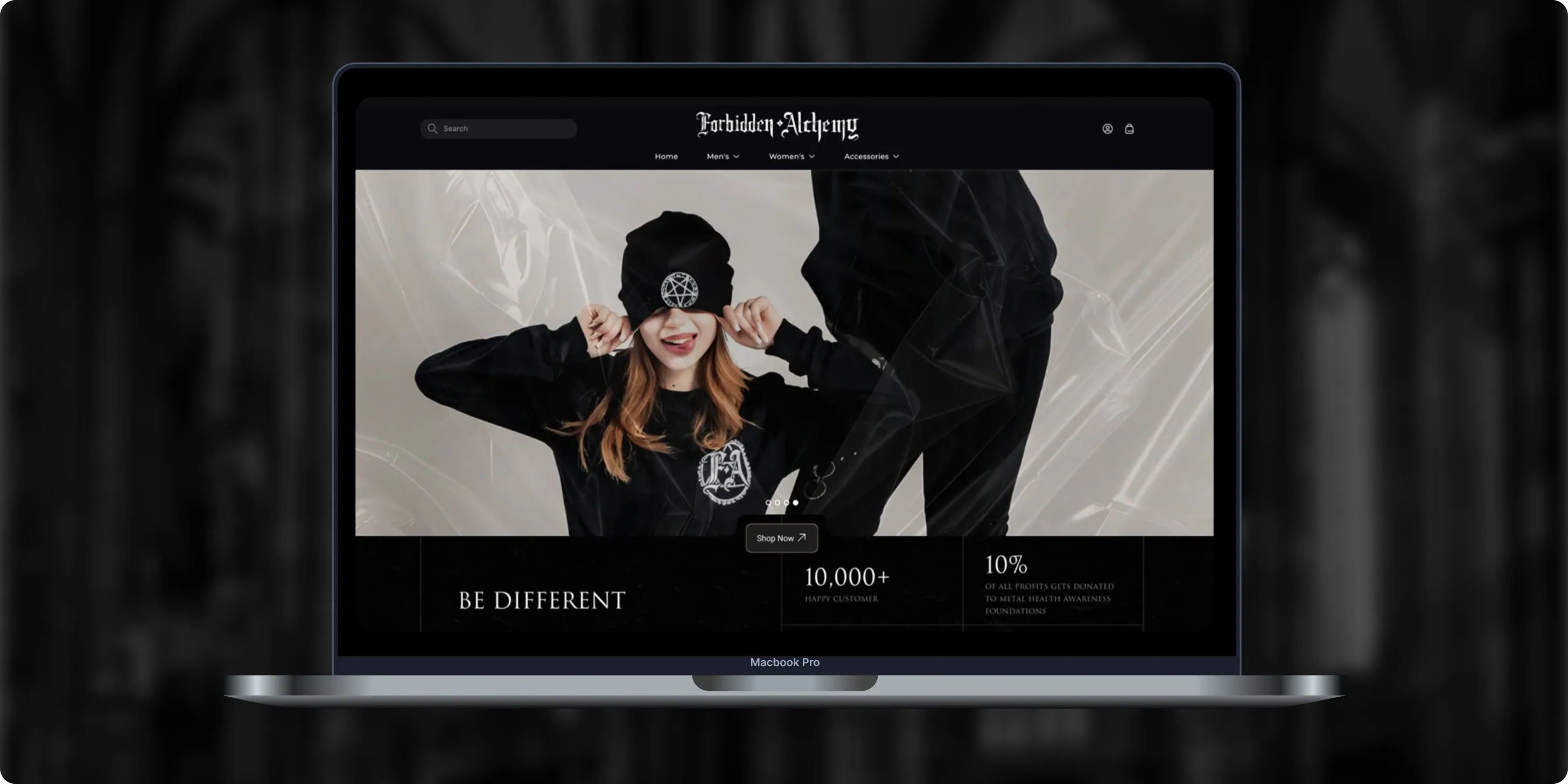
Forbidden Alchemy
Forbidden Alchemy is an alternative fashion brand creating dark, provocative clothing for the metalhead community, with 10% of profits donated to mental health awareness. Its mostly mobile audience struggled with a store that was hard to navigate and weak on functionality.- +44%Revenue Month Over Month
- 86%Design Satisfaction
- 2.8XUser Retention Growth
Altera
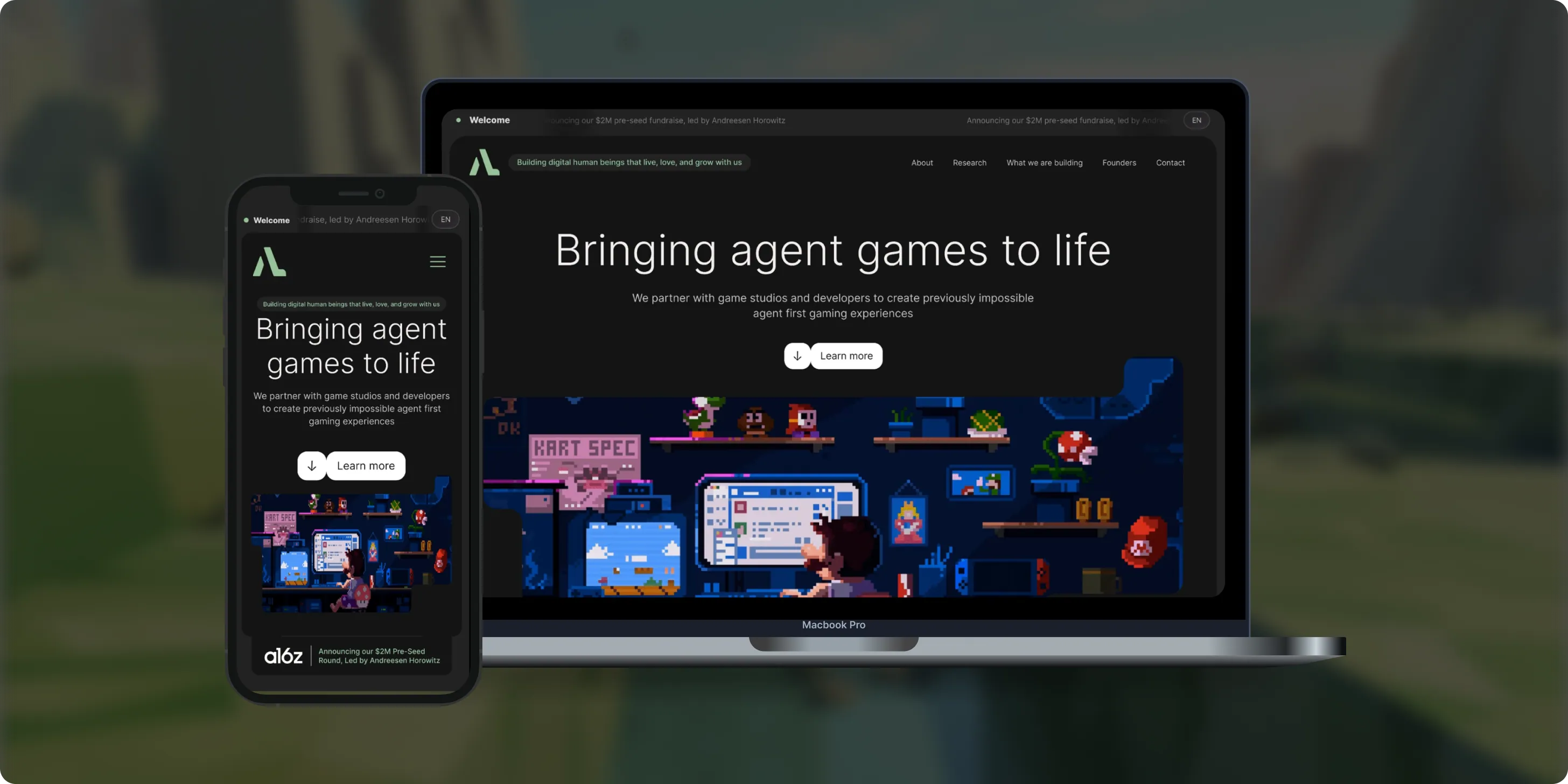
Altera builds on decades of computational neuroscience research to create digital human beings for gaming. Backed by a $2M pre-seed round led by Andreessen Horowitz, the team needed a landing page that could explain complex agent technology to players, partners, and investors.- 98%Dynamic Customization
- 100%Streamlined Navigation
- $2MPre-Seed Round
- Real Estate
Brizacorp
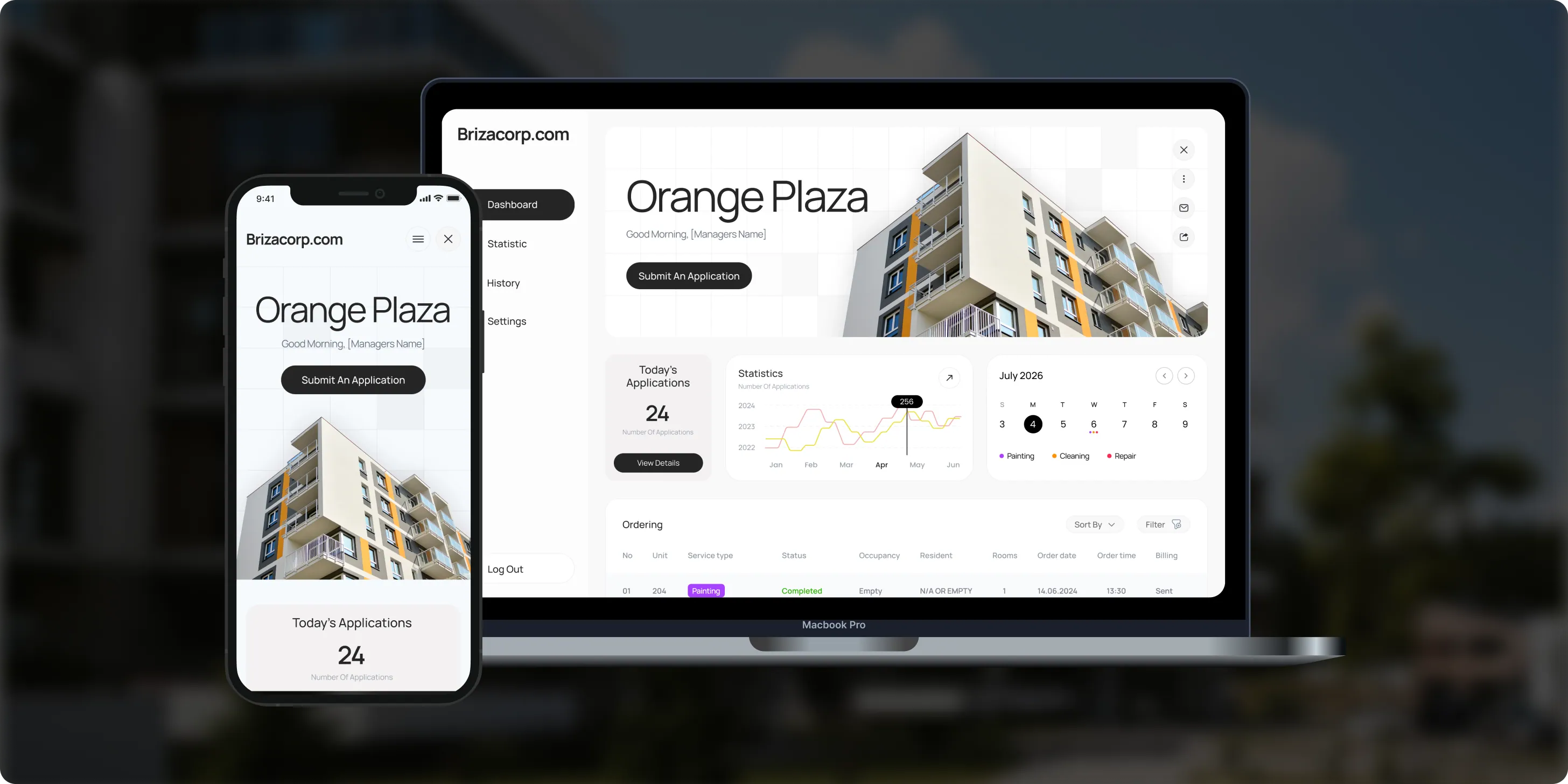
Brizacorp manages residential properties and coordinates the staff who handle painting, cleaning, and repair requests. Its team tracked work across messengers, phone calls, e-mail, and paper planners, with no single place to manage requests or measure performance.- 98%Application Stability
- 95%Utilization Rate
- 30%Faster Task Completion
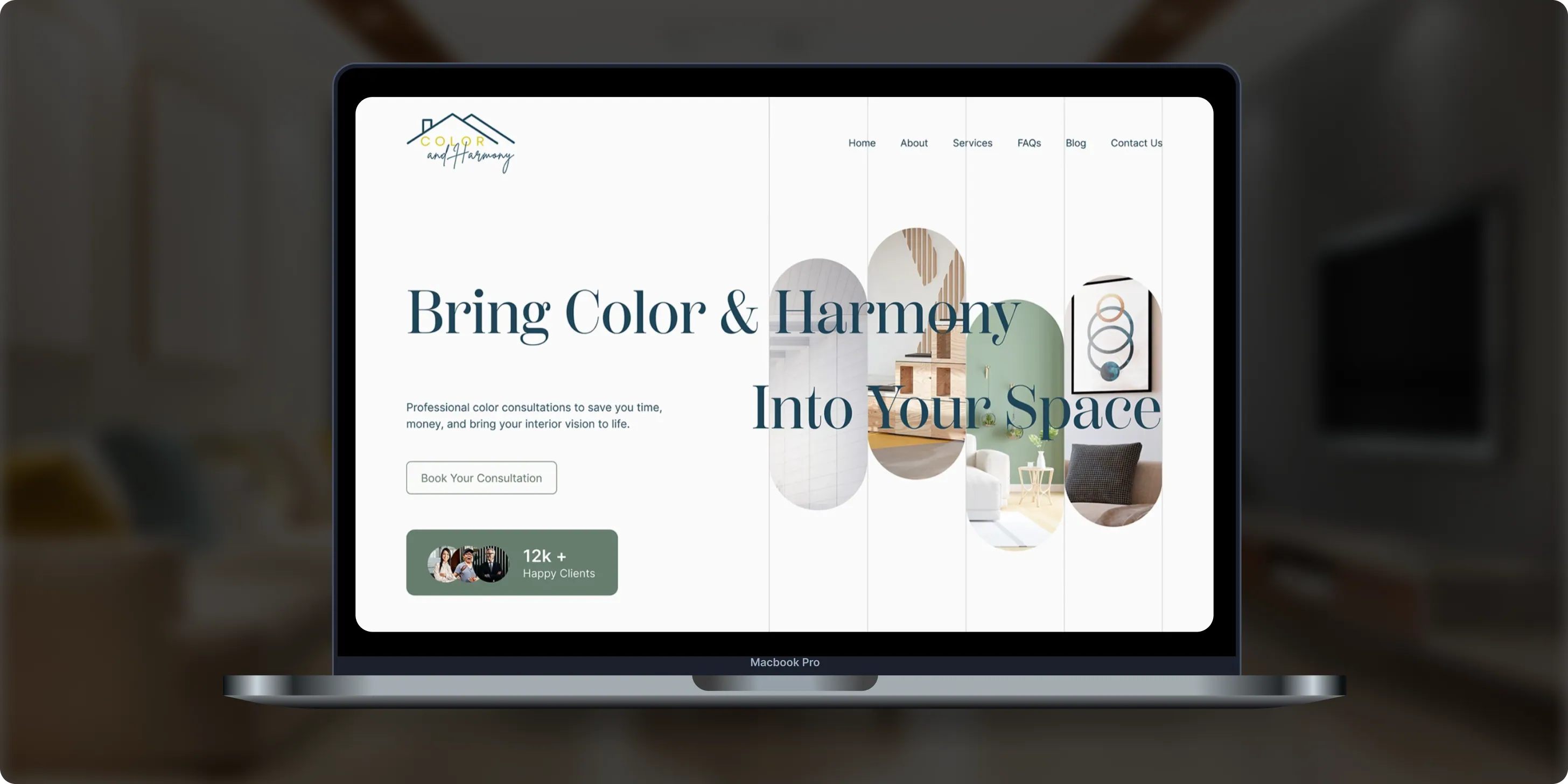
Color & Harmony
Color & Harmony is a Kentucky-based color consulting studio led by certified color strategist Diana Cartaya. The studio needed a website that reflects its refined aesthetic, showcases its portfolio, and explains a science-based color process in simple language.- 45%Conversion Rate Increase
- 50%Higher User Engagement
- 2Months to Launch
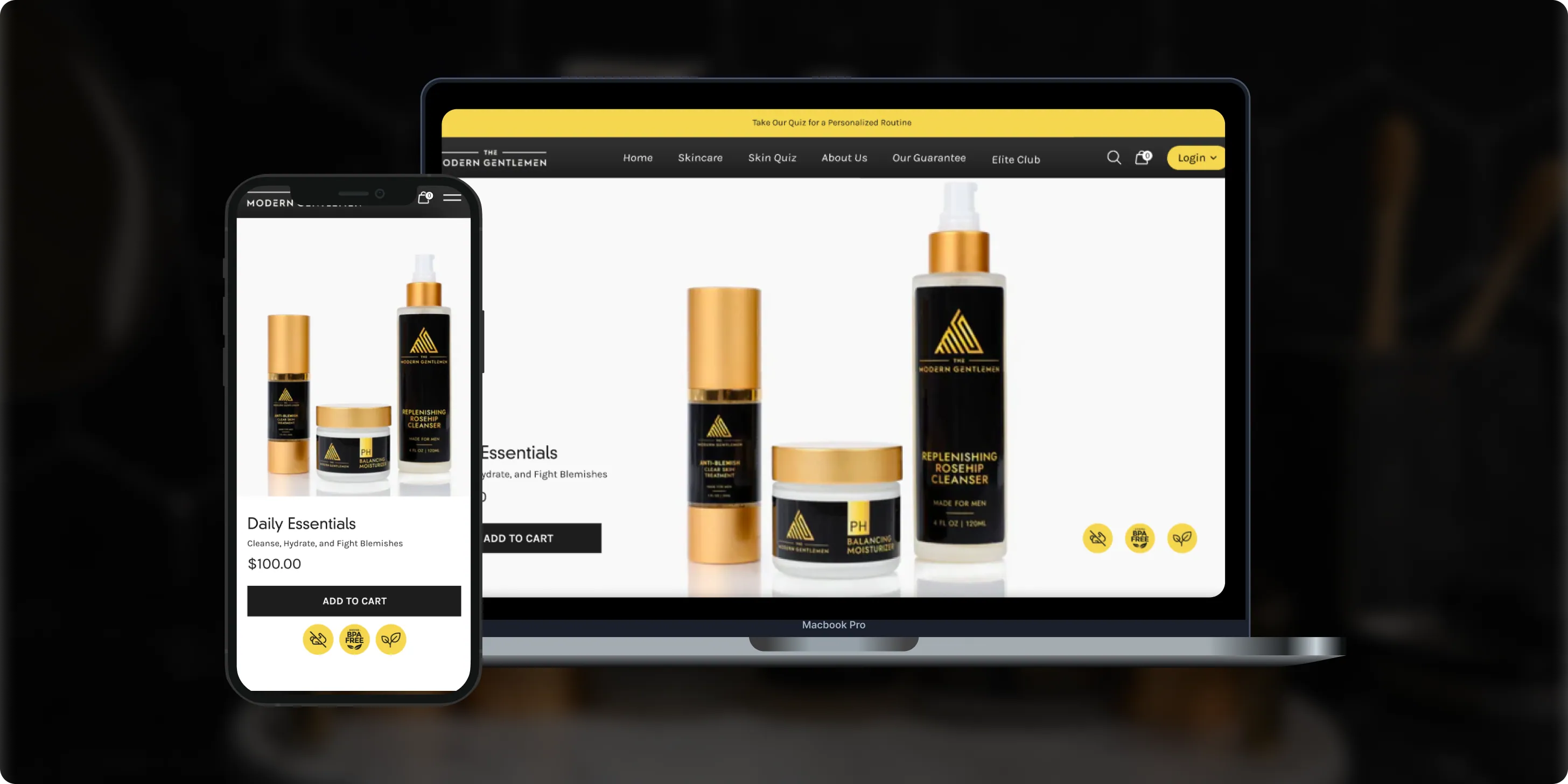
The Modern Gentlemen
The Modern Gentlemen sells premium men's skincare featured in Men's Health, GQ, and Men's Journal. Its customers wanted an efficient routine, but generic product suggestions and limited skincare knowledge made choosing the right products hard.- 30%Increase in Conversions
- 25%Higher Customer Retention
- 92%Mobile Purchases
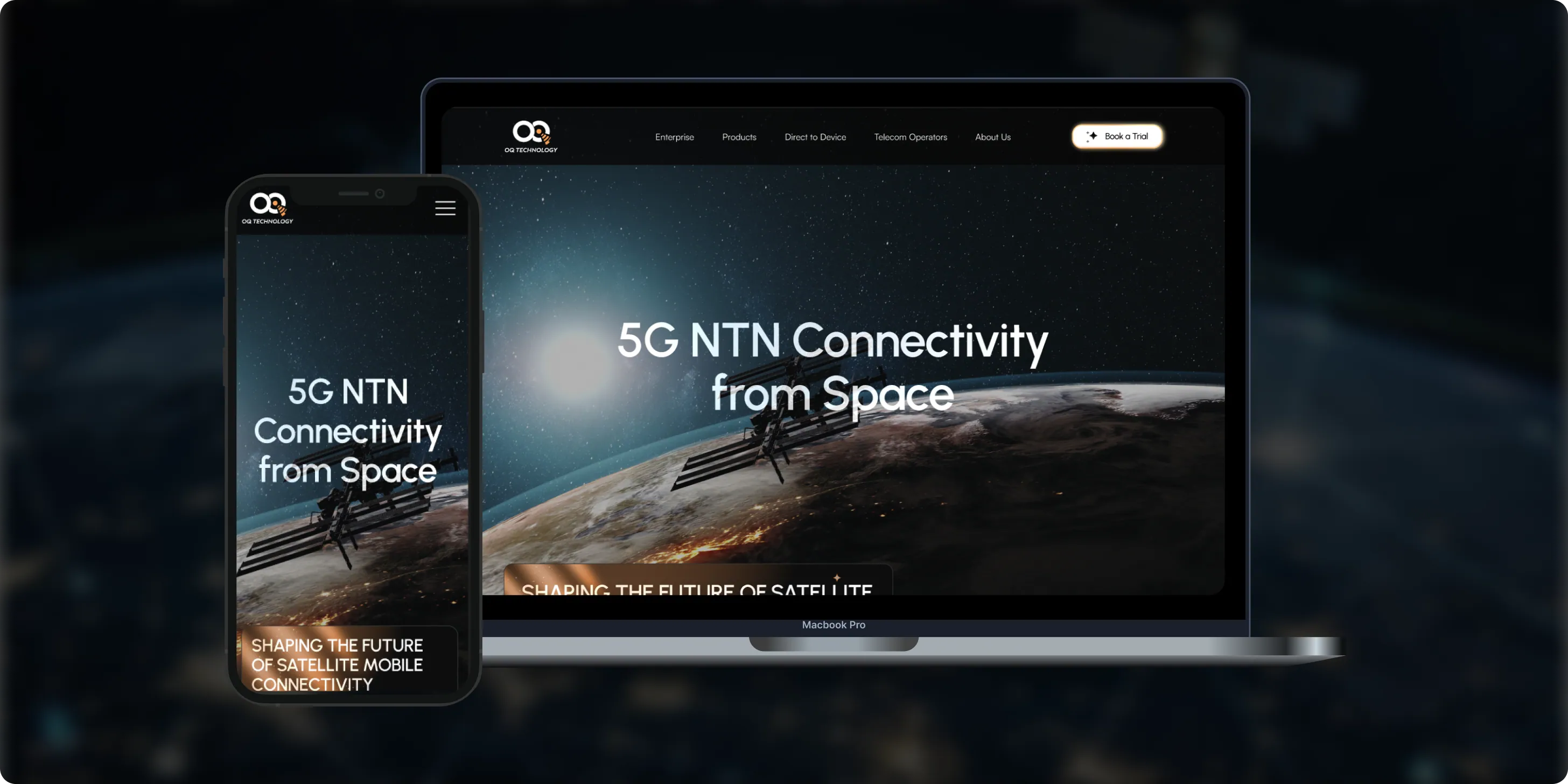
OQ Technology
OQ Technology connects IoT devices, machines, and people anywhere on the planet through its satellite network, serving energy, maritime, logistics, agriculture, and mobile operators. Its website made it hard to explore products and reach pricing plans.- 4Pricing Plans Clarified
- 3Dedicated User Flows
- 1Unified Platform
- Real Estate
- Finance
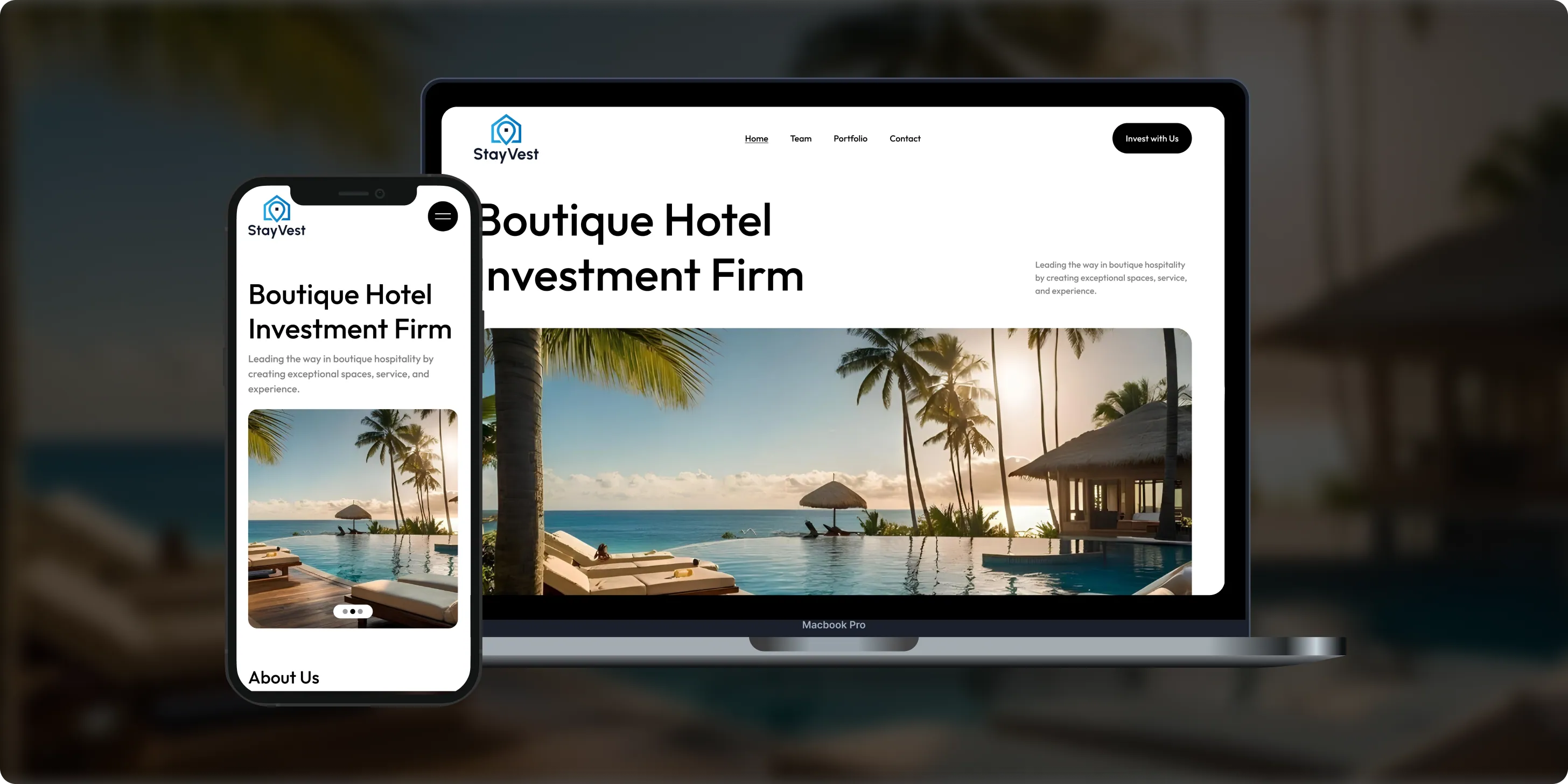
Stay Vest
Stay Vest is a private real estate investment firm that acquires, renovates, and operates boutique hotels for cash flow, tax benefits, and equity gain. It needed a platform that explains its strategy and earns the trust of passive investors.- 1,500+Guest Stays
- 200+Rooms Managed
- 5States Covered
Bokeyno Motorsports
Bokeyno Motorsports is the leading mobile installer of vertical doors for high-performance cars. This Shopify website isn’t just about services—it’s a bold statement of power, style, and expertise. With a sharp layout, strong visuals, and real-world case studies, the site delivers all the information car enthusiasts need to book confidently and instantly.- 54%Booking Requests
- 43%Lead Conversion
- 32%Qualified Inquiries

ai document processing platform
A comprehensive talent solution designed to help companies attract, hire, and retain top talent more effectively. The platform combines AI-powered recruitment technology with employee financial wellbeing programs, enabling smarter hiring decisions while supporting employees’ financial stability and long-term engagement.- 62%Faster Processing Time
- 78%Less Manual Work
- 35%Improved Accuracy

WHAT CLIENTS SAY
Independently verified reviews from real clients on Clutch.co


Client Story
Real feedback from
FMY Orthodontics

“SoftDoes consistently found ways to make things work, added features we had not originally envisioned, and never became frustrated. It felt like working with a true partner who cared about the success of our practice.”
Dan Merwin
DDS, MS, President, FMY Orthodontics

Client Story
Real feedback from
Prior Authorization AI
“Every time I sent a request, if there was anything that didn't work, they were able to turn it around quickly. Even when there were no updates yet, they always reached out to let me know they were working on it.”
Joseph Oluwo
Founder of Prior Authorization AI


Client Story
Real feedback from
WOVEN
“What stood out most was their commitment to understanding our needs before presenting solutions.”
Danna Pastran
Administrative Operations Manager, WOVEN

Client Story
Real feedback from
Grand Central Language Services
“The site performs as intended and provides the foundation for our company's digital presence.”
Joe Goldstein
QA Manager, Grand Central Language Services


Client Story
Real feedback from
DineMate
“They go above and beyond.”
Eric Snead
CEO, DineMate "Dating Connecting Platform"
WHAT CHANGED IN PRACTICE
Clients didn’t stay because of promises. They stayed because delivery became predictable, ownership was clear, and the product kept moving forward after launch.
- 01Direct Access to Senior Engineers
SoftDoes staffs projects with senior engineers who write code, review architecture, and attend working sessions directly. That reduces long communication chains. Application development decisions become faster and clearer. Complex topics such as cloud native architecture, data modeling, and security design can happen in the same call. Raleigh teams speak with people who understand tradeoffs, and cloud native development choices are made close to real constraints.
- 02Predictable Delivery
We use short iterations, visible backlogs, and clear acceptance criteria. Continuous integration and automated testing reduce surprises near milestones. Priorities are agreed with Raleigh stakeholders at the start of each cycle. Demos and release notes make progress visible. We work with brief engagements and long running programs, adjusting cadence as needed. Continuous delivery supports frequent production releases without drama.
- 03Built to Last Past Launch
We design web applications with the expectation that they will run and change for years. Clean modular code, clear API boundaries, and well named domain concepts matter. Cloud native applications, monitoring, and alerting reduce downtime and ease on call work. Documentation and diagrams help new Raleigh team members understand the system quickly. Launch is the start of the next engineering phase.
- 04No Babysitting Required
SoftDoes manages daily engineering details so Raleigh leaders do not need to micromanage tasks. We track incidents, technical debt, release health, and risks. Continuous integration dashboards, issue trackers, and short status notes keep everyone informed. Engineers raise risks early with options and impact statements. Cloud native application monitoring and metrics help the team act before small issues become production incidents.
Technologies We Use
















Frequently Asked Questions
Everything you need to know about working with SoftDoes. Can’t find an answer?
How do you create a community web app?
You create a community web app by building member profiles, discussion threads, events and notifications, then adding moderation tools from the start. Decide early whether the community is open or invite-only, since that shapes sign-up and privacy. Raleigh groups can launch a small version first. A web app MVP starts from $8,000. See our web app development services.
What is a progressive web app?
A progressive web app is a website that behaves like an installed app: it works offline, can send push notifications and sits on the home screen. It runs from one codebase in the browser, so there is no app store step. Raleigh businesses use PWAs to reach mobile users at lower cost. Learn more about our web app development.
How do you perform security testing for a web application?
You security test a web application by scanning code and dependencies and running tools such as OWASP ZAP against a staging copy. Then testers probe login, permissions and inputs by hand. A penetration test by an outside firm adds a fresh view. Raleigh teams should retest after major releases. Read more about our web app development services.
What is a web app vs a website?
A website mainly shares information, while a web app lets users log in and get work done, such as booking, paying or managing records. A restaurant's menu page is a website; its online ordering system is a web app. Raleigh businesses often start with a site and add an app later. A business website starts from $2,000. See our web app development work.
How do you integrate AI in a web application?
You integrate AI in a web application by choosing one task, like document search or drafting replies, and calling a language model through an API from your backend. Keep keys server-side, log prompts and add a fallback when the model fails. For Raleigh companies, AI search over documents starts from $2,500. Learn about our web app development.
How long does a web application take for an education provider in Raleigh?
A web application for a Raleigh education provider usually reaches a first release in several weeks to a few months. Single sign-on with school accounts, LMS connections and FERPA privacy rules add time, while one focused tool such as enrollment can launch sooner. A 2–4 day discovery sets the exact plan. See our education software.
Which web application projects pay off fastest for tech companies in Raleigh?
For Raleigh tech companies, the fastest payback usually comes from internal admin panels, reporting dashboards and customer self-service portals that remove manual support work. These replace spreadsheets and repeated tickets right away. A reporting dashboard starts from $7,000 and an internal admin panel from $12,000 at SoftDoes. See our technology software page.
Build vs Buy Cybersecurity Software: How to Decide in 2026
Web development
Every security leader faces the same question at some point: should your organization build its own cybersecurity tools or buy software from a vendor? The stakes are high, and the wrong call can drain budgets, slow down your security team, or leave dangerous gaps in your defenses. This guide walks through the real tradeoffs, costs, and decision criteria for U.S. and Canadian organizations weighing the build vs buy cybersecurity software question in 2026.
How to Build an AdTech Platform in 2026: A Practical Architecture & Development Guide
Data Science
Virtual Classroom Software Development Cost: Complete 2026 Guide
EdTech